
How to Tell if Your Hardwood Floors Can Be Saved After a Major Leak in Town and Country
Water and hardwood floors don’t mix well, especially in Town and Country where many homes feature high-end solid oak and walnut flooring. When a major leak strikes, whether from a burst pipe, overflowing appliance, or storm damage, the first 24-48 hours determine whether your floors can be saved or need replacement. The key is understanding what damage looks like and acting fast before moisture causes permanent warping, mold growth, or subfloor rot. Professional Water Extraction and Drying for St. Charles Residents.
Hardwood floors respond to water exposure in predictable ways. Solid wood boards absorb moisture through the grain, causing them to swell, cup, or buckle. Engineered hardwood reacts differently since it’s a plywood base with a hardwood veneer layer. The good news is that many water-damaged floors can be restored if caught early and treated with the right drying techniques. The bad news is that waiting too long often means expensive replacement becomes unavoidable.. Read more about Fixing Water Damage in Soulard Lofts and Historic Brick Buildings.
This guide explains how to assess your floor’s condition, what restoration options exist, and when it’s time to call professionals. We’ll cover the specific challenges Town and Country homes face with hardwood restoration, including local humidity patterns and building construction methods common in this area.
Understanding Water Damage to Hardwood Floors
Hardwood floors don’t fail instantly when exposed to water. The damage happens in stages, and recognizing these stages helps you decide whether restoration is possible. The first sign is usually cupping, where the edges of boards rise higher than the center, creating a concave shape. This happens because the bottom of the board absorbs more moisture than the top surface.. Read more about Finding a Hidden Water Leak Behind Your Frontenac Home Walls Before It Becomes a Major Problem.
Crowning is the opposite problem, where the center of boards rises above the edges. This typically occurs when the floor’s top surface stays wet while the bottom dries out. Both cupping and crowning indicate moisture imbalance but don’t always mean the floor is ruined. Professional drying can often reverse these conditions if addressed promptly.
Buckling represents severe damage where boards pull completely away from the subfloor. This usually happens when water sits underneath the flooring for extended periods. Once buckling occurs, restoration becomes much more difficult and sometimes impossible without replacing affected sections.
The type of wood matters significantly. Red oak, common in Town and Country homes, absorbs water faster than white oak due to its more open grain structure. Walnut and maple are more resistant but still vulnerable. Engineered hardwood with a thick wear layer can sometimes be sanded and refinished even after water exposure, while laminate flooring with a fiberboard core usually needs replacement once wet.
Diagnostic Signs Your Floor Can Be Saved
Several factors indicate your hardwood floor has a good chance of restoration. First, check how long the water sat on the surface. Floors exposed to clean water for less than 24 hours have the best survival rate. The source matters too – clean water from a supply line break causes less damage than contaminated water from a sewage backup or flooding.
Moisture content readings provide the most reliable assessment. Using a moisture meter, readings below 15% moisture content indicate the wood is approaching normal equilibrium. Readings between 15-20% suggest active drying is needed. Above 20% often means mold risk and more extensive damage.. Read more about Using High Tech Thermal Cameras to Find Hidden Moisture in Sunset Hills Residences.
Visual inspection reveals important clues. Light surface discoloration that fades as the floor dries usually indicates minimal damage. Dark staining suggests water penetrated deep into the wood fibers. White or cloudy spots often appear when moisture gets trapped under the finish but hasn’t damaged the wood itself.
The subfloor condition determines long-term success. If water reached the subfloor, you’ll need to address that moisture source before the hardwood can be saved. Concrete subfloors in Town and Country homes often have vapor barriers, but older homes might lack this protection, making subfloor drying critical. Efflorescence on Concrete.
Board movement patterns help assess damage extent. Minor cupping that’s uniform across the room often responds well to drying. Random, severe buckling in isolated areas might indicate localized water sources that can be addressed without replacing the entire floor.
Professional Assessment Tools and Techniques
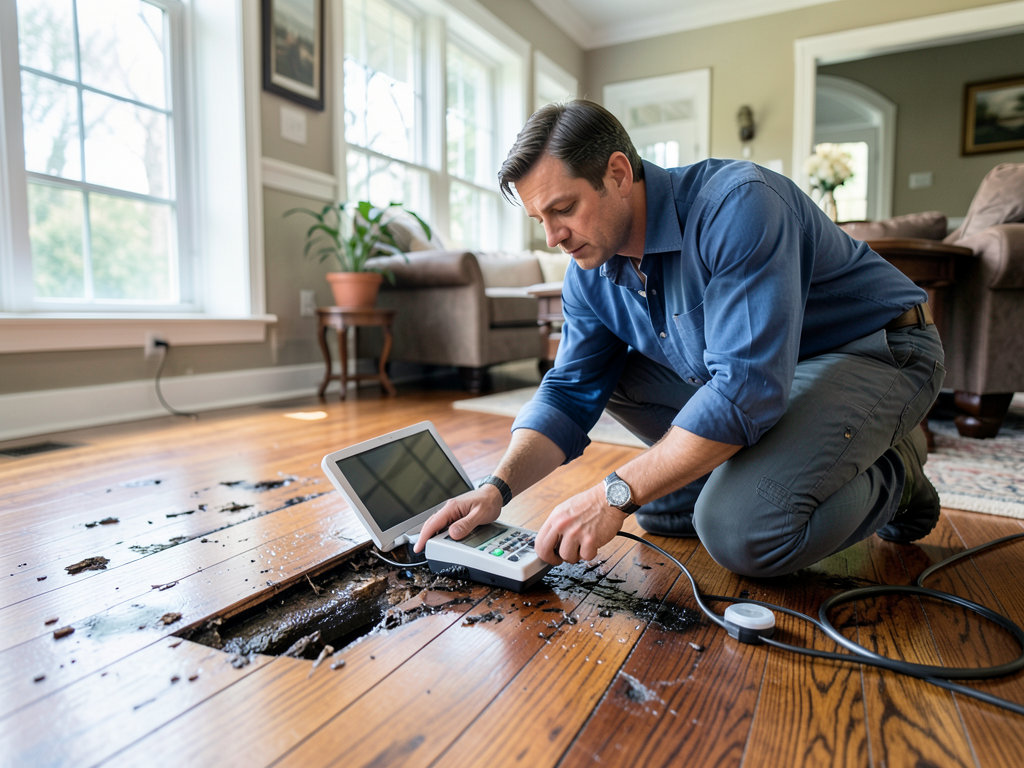
Professional water damage restoration technicians use specialized equipment to determine whether hardwood floors can be saved. Moisture meters measure wood’s electrical resistance to determine water content at different depths. Pin-type meters penetrate the wood surface, while pinless meters scan without leaving marks.
Thermal imaging cameras detect temperature differences that indicate moisture presence. Wet areas appear cooler on infrared scans, helping technicians locate hidden water pockets under flooring or inside walls. This technology proves especially valuable in Town and Country homes where water might travel along floor joists before surfacing.. Read more about Understanding the Difference Between Clean and Dangerous Gray Water Floods in Ferguson.
Relative humidity testing of the room and subfloor cavity provides context for drying goals. The target is achieving equilibrium moisture content (EMC) specific to your home’s normal conditions. In St. Louis’s humid climate, EMC typically ranges from 6-9% for interior wood products. How to Get Your St. Louis Home Insurance to Actually Pay for Water Damage.
Destructive testing sometimes becomes necessary for accurate assessment. This might involve removing a small section of flooring to inspect the subfloor or taking core samples to measure moisture at different depths. While this creates minor damage, it prevents larger replacement costs by providing accurate data. Removing Mold from Historic Central West End Homes Without Damaging the Architecture.
Professional assessment also includes checking for mold growth. Even if the wood appears salvageable, microbial contamination can make restoration unsafe. Technicians look for discoloration, musty odors, and use mold testing kits when necessary. The IICRC S500 standard for water damage restoration provides guidelines for when mold remediation becomes necessary. IICRC S500 Water Damage Restoration Standard.
The Restoration Process for Salvageable Floors
If assessment shows your floor can be saved, the restoration process begins with water extraction. Professional-grade extractors remove standing water from both the floor surface and subfloor cavity. This step must happen within 24-48 hours of water exposure to prevent secondary damage.
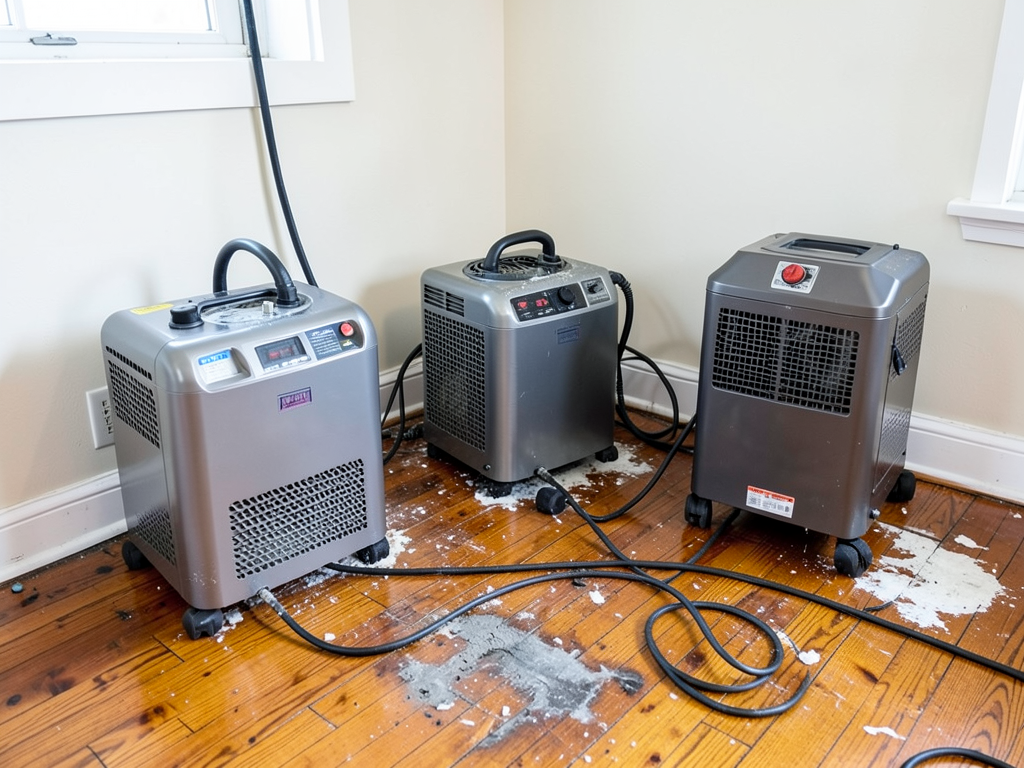
Specialized drying equipment follows extraction. High-volume air movers create airflow across the floor surface, while dehumidifiers remove moisture from the air. For severe cases, technicians use floor mat drying systems that attach to hardwood floors and create negative pressure to draw moisture from deep within the wood.
Injected drying systems work from below when access exists. Small holes drilled in the ceiling below allow air injection into the subfloor cavity. This method proves especially effective for Town and Country homes with finished basements where top-down drying faces obstacles.
Moisture monitoring continues throughout the drying process. Technicians take readings daily to track progress and adjust equipment placement. The goal is achieving uniform moisture content across all affected boards, typically requiring 3-7 days depending on conditions.
Once moisture levels stabilize, refinishing decisions arise. Light surface damage might require only screening and recoating. Deeper damage could need sanding to remove stains and smooth uneven surfaces. The wood’s current moisture content must be verified before refinishing begins, as trapped moisture causes finish failure.
Refinishing involves multiple steps. First, the floor gets sanded to remove damaged finish and level uneven areas. Then staining matches the original color or updates to a new shade. Finally, multiple coats of protective finish restore durability and appearance. This process typically takes 3-5 days from start to finish.
When Replacement Becomes Necessary
Certain conditions make floor replacement the only viable option. Black water contamination from sewage backups or flooding requires complete removal due to health hazards. Mold growth covering more than 10 square feet of surface area often necessitates replacement rather than remediation.
Structural damage indicates replacement needs. If water caused subfloor rot or joist damage, the hardwood cannot be properly reinstalled over compromised support structures. Warped subfloors create uneven surfaces that show through new flooring regardless of restoration attempts.
Time exposure matters significantly. Water sitting for more than 72 hours creates conditions where restoration becomes cost-prohibitive. The combination of mold growth, deep wood penetration, and finish degradation often exceeds the cost of new flooring installation.
Material limitations affect restoration potential. Laminate flooring with water-damaged fiberboard cores cannot be saved regardless of drying efforts. Similarly, engineered hardwood with damaged wear layers loses its refinishing capability once moisture compromises the surface.
Cost-benefit analysis helps decision-making. Professional restoration typically costs 40-60% of replacement costs but succeeds only 70-80% of the time for severe damage. When restoration success probability drops below 50% or costs approach 75% of replacement, new flooring often proves more economical.
Town and Country Specific Considerations
Town and Country homes present unique challenges for hardwood floor restoration. Many properties feature custom millwork and exotic wood species that require specialized handling. The area’s mature trees and established landscaping can complicate water source identification when leaks originate outside the home.
Local building practices affect restoration approaches. Town and Country’s newer construction often includes engineered subfloor systems with integrated moisture barriers. However, many mid-century homes lack these protections, making subfloor moisture a common issue requiring specialized drying techniques.
The area’s clay soil composition influences water behavior around foundations. Expansive clay can direct water toward basement walls and under flooring systems. This geological factor means Town and Country homes often face unique water intrusion patterns that affect floor restoration strategies.
Local climate patterns impact drying times. St. Louis’s high summer humidity slows natural evaporation, requiring more aggressive dehumidification than homes in drier climates. Winter freeze-thaw cycles can cause pipe bursts that introduce large volumes of water quickly, overwhelming floor systems before homeowners notice. Who to Call When Your Pipes Burst in Kirkwood This Winter.
Town and Country’s high property values make restoration cost-effective even for extensive damage. The premium hardwood often installed in these homes justifies professional restoration efforts that might not make economic sense in other areas. However, this also means restoration quality expectations run higher.
Insurance and Cost Considerations
Homeowner’s insurance coverage for water-damaged hardwood varies significantly. Sudden, accidental damage from burst pipes typically qualifies for coverage. However, gradual damage from long-term leaks or flooding often falls under maintenance exclusions. Understanding your policy specifics helps set realistic expectations.
Professional restoration companies work with insurance providers to document damage and justify restoration over replacement. Detailed moisture mapping, photographic documentation, and written restoration plans help insurers understand why saving existing flooring makes sense financially and practically.
Cost factors include damage extent, wood type, and required services. Basic water extraction and drying might cost $2-4 per square foot. Complete restoration including refinishing runs $5-8 per square foot. Replacement costs range from $8-15 per square foot installed, making restoration attractive for high-end flooring.
Hidden costs often surprise homeowners. Subfloor repairs, mold remediation, and temporary housing during restoration can double initial estimates. Getting detailed written proposals helps avoid unexpected expenses during the restoration process. EPA Mold Guidelines.
Time factors affect both cost and feasibility. Emergency response within 24 hours typically costs 30-50% more than scheduled service but dramatically improves restoration success rates. The premium often pays for itself through higher salvage rates and reduced secondary damage.
Prevention and Early Detection
Preventing water damage proves easier than restoration. Regular plumbing inspections identify potential failure points before leaks occur. Checking appliance supply lines, water heater connections, and HVAC condensate drains prevents many common water damage scenarios.
Moisture sensors provide early warning of developing problems. Smart home systems can detect abnormal humidity increases and alert homeowners before visible damage appears. These systems prove especially valuable in Town and Country homes where finished basements and main-floor hardwoods create expensive repair scenarios.
Proper home maintenance reduces risk factors. Cleaning gutters prevents overflow that can seep under exterior doors. Maintaining proper grading directs water away from foundations. Sealing windows and doors prevents wind-driven rain intrusion during storms.
Understanding your home’s plumbing layout helps with quick response. Knowing where shut-off valves are located allows rapid water source control when leaks occur. This simple knowledge often determines whether floors can be saved or must be replaced.
Professional inspections every 2-3 years identify developing issues. Technicians can spot early signs of water damage, plumbing deterioration, or moisture accumulation before they cause visible floor damage. This proactive approach saves thousands in potential restoration costs.
Making the Right Decision
Deciding whether to restore or replace water-damaged hardwood requires balancing multiple factors. Start with a professional assessment to understand damage extent and restoration feasibility. Consider your home’s value, the flooring’s uniqueness, and your budget constraints.
Time sensitivity cannot be overstated. Every hour water sits increases damage extent and reduces restoration success probability. Quick action often means the difference between saving beautiful hardwood and facing expensive replacement.
Quality restoration requires expertise and proper equipment. Attempting DIY drying often causes more damage through improper techniques or delayed professional intervention. Professional restoration companies bring industrial equipment, moisture detection technology, and experience that dramatically improve outcomes.
Your decision impacts more than just floors. Water damage can affect home value, indoor air quality, and structural integrity if not addressed properly. Professional assessment helps understand these broader implications before making restoration versus replacement decisions.. Read more about Comparing the Cost of DIY Cleanup Versus Hiring a Professional Water Restoration Company in Manchester.
Trust your instincts about when to call professionals. If water exposure seems extensive or you’re unsure about damage extent, professional assessment costs less than waiting too long and facing replacement. The peace of mind from expert evaluation often proves invaluable.
Frequently Asked Questions
How long does water need to sit on hardwood before it’s ruined?
Hardwood floors can often be saved if water exposure lasts less than 24-48 hours. The key factors are water source, wood type, and whether moisture reaches the subfloor. Clean water on the surface for a few hours rarely causes permanent damage if addressed quickly.
Can cupped hardwood floors be fixed without replacement?
Yes, cupped floors often respond well to professional drying. The cupping indicates moisture imbalance that can be corrected by removing excess moisture from the affected side. Success depends on cupping severity and how long it’s been present. Minor cupping frequently flattens completely during proper drying.
How much does professional hardwood floor restoration cost?
Basic water extraction and drying costs $2-4 per square foot. Complete restoration including refinishing runs $5-8 per square foot. These costs prove significantly lower than replacement at $8-15 per square foot, making restoration attractive for high-end flooring in Town and Country homes.
Will my insurance cover water-damaged hardwood floors?
Coverage depends on the water source. Sudden, accidental damage from burst pipes typically qualifies. Gradual damage from leaks or flooding often falls under maintenance exclusions. Check your specific policy and document damage thoroughly when filing claims.
How can I tell if water reached my subfloor?
Signs include persistent moisture readings above 15%, visible warping from below if accessible, or water stains on ceiling areas beneath the affected floor. Professional moisture meters can detect subfloor moisture without removing flooring. If subfloor is wet, restoration becomes more complex but still possible with proper drying.
Take Action Before It’s Too Late
Water-damaged hardwood floors require immediate attention to maximize restoration success. Every hour counts when moisture threatens your beautiful flooring. If you’re seeing signs of water damage in your Town and Country home, don’t wait until warping becomes permanent or mold takes hold.
Professional assessment provides the information you need to make informed decisions about restoration versus replacement. Our team uses industrial-grade equipment and proven techniques to evaluate damage extent and determine restoration feasibility. We serve Town and Country and surrounding St. Louis communities with rapid emergency response.
Don’t let water damage destroy your hardwood investment. Call (314) 428-9977 today for emergency water damage assessment and restoration services. Our technicians arrive quickly with the equipment and expertise needed to save your floors when possible. The sooner you call, the better your chances of successful restoration.
Pick up the phone and call (314) 428-9977 before the next storm hits or that slow leak becomes a major problem. Your hardwood floors deserve professional care, and we’re ready to help protect your home’s value and beauty.
You may also find this helpful. Should You Throw Away Your Carpet After Water Damage or Can an Olivette Pro Save It?.
{
“@context”: “https://schema.org”,
“@type”: “BlogPosting”,
“headline”: “How to Tell if Your Hardwood Floors Can Be Saved After a Major Leak in Town and Country”,
“description”: “Learn how to assess water-damaged hardwood floors in Town and Country homes. Discover diagnostic signs, restoration options, and when to call (314) 428-9977 for emergency help.”,
“wordCount”: 2641,
“datePublished”: “2026-03-06T13:43:00.000Z”,
“dateModified”: “2026-03-06T13:43:00.000Z”,
“inLanguage”: “en-US”,
“mainEntityOfPage”: {
“@type”: “WebPage”,
“@id”: “https://patriotwaterdamagerestorationstlouis.com”
},
“publisher”: {
“@type”: “LocalBusiness”,
“name”: “Patriot Water Damage Restoration St. Louis”,
“url”: “https://patriotwaterdamagerestorationstlouis.com”
},
“author”: {
“@type”: “Organization”,
“name”: “Patriot Water Damage Restoration St. Louis”,
“url”: “https://patriotwaterdamagerestorationstlouis.com”
},
“image”: {
“@type”: “ImageObject”,
“url”: “https://patriotwaterdamagerestorationstlouis.com/wp-content/uploads/2026/03/how-to-tell-if-your-hardwood-floors-can-be-saved-a-1.png”
}
}
{
“@context”: “https://schema.org”,
“@type”: “LocalBusiness”,
“name”: “Patriot Water Damage Restoration St. Louis”,
“url”: “https://patriotwaterdamagerestorationstlouis.com”,
“address”: {
“@type”: “PostalAddress”,
“addressLocality”: “St. Louis”
},
“areaServed”: {
“@type”: “City”,
“name”: “St. Louis”
}
}
{
“@context”: “https://schema.org”,
“@type”: “FAQPage”,
“mainEntity”: [
{
“@type”: “Question”,
“name”: “How long does water need to sit on hardwood before it’s ruined?”,
“acceptedAnswer”: {
“@type”: “Answer”,
“text”: “Hardwood floors can often be saved if water exposure lasts less than 24-48 hours. The key factors are water source, wood type, and whether moisture reaches the subfloor. Clean water on the surface for a few hours rarely causes permanent damage if addressed quickly.”
}
},
{
“@type”: “Question”,
“name”: “Can cupped hardwood floors be fixed without replacement?”,
“acceptedAnswer”: {
“@type”: “Answer”,
“text”: “Yes, cupped floors often respond well to professional drying. The cupping indicates moisture imbalance that can be corrected by removing excess moisture from the affected side. Success depends on cupping severity and how long it’s been present. Minor cupping frequently flattens completely during proper drying.”
}
},
{
“@type”: “Question”,
“name”: “How much does professional hardwood floor restoration cost?”,
“acceptedAnswer”: {
“@type”: “Answer”,
“text”: “Basic water extraction and drying costs $2-4 per square foot. Complete restoration including refinishing runs $5-8 per square foot. These costs prove significantly lower than replacement at $8-15 per square foot, making restoration attractive for high-end flooring in Town and Country homes.”
}
},
{
“@type”: “Question”,
“name”: “Will my insurance cover water-damaged hardwood floors?”,
“acceptedAnswer”: {
“@type”: “Answer”,
“text”: “Coverage depends on the water source. Sudden, accidental damage from burst pipes typically qualifies. Gradual damage from leaks or flooding often falls under maintenance exclusions. Check your specific policy and document damage thoroughly when filing claims.”
}
},
{
“@type”: “Question”,
“name”: “How can I tell if water reached my subfloor?”,
“acceptedAnswer”: {
“@type”: “Answer”,
“text”: “Signs include persistent moisture readings above 15%, visible warping from below if accessible, or water stains on ceiling areas beneath the affected floor. Professional moisture meters can detect subfloor moisture without removing flooring. If subfloor is wet, restoration becomes more complex but still possible with proper drying.”
}
}
]
}
{
“@context”: “https://schema.org”,
“@type”: “BreadcrumbList”,
“itemListElement”: [
{
“@type”: “ListItem”,
“position”: 1,
“name”: “Home”,
“item”: “https://patriotwaterdamagerestorationstlouis.com”
},
{
“@type”: “ListItem”,
“position”: 2,
“name”: “Blog”,
“item”: “https://patriotwaterdamagerestorationstlouis.com/blog”
},
{
“@type”: “ListItem”,
“position”: 3,
“name”: “How to Tell if Your Hardwood Floors Can Be Saved After a Major Leak in Town and Country”
}
]
}
{
“@context”: “https://schema.org”,
“@type”: “Service”,
“serviceType”: “Water Damage Restoration”,
“provider”: {
“@type”: “LocalBusiness”,
“name”: “Patriot Water Damage Restoration St. Louis”,
“url”: “https://patriotwaterdamagerestorationstlouis.com”
},
“areaServed”: {
“@type”: “City”,
“name”: “St. Louis”
},
“description”: “Learn how to assess water-damaged hardwood floors in Town and Country homes. Discover diagnostic signs, restoration options, and when to call (314) 428-9977 for emergency help.”
}