
menu

Allergic Reactions in Home in St. Louis | Expert Mold Source Identification and Complete Water Damage Remediation

Patriot Water Damage Restoration St. Louis identifies hidden moisture intrusion, eliminates active mold colonies, and restores indoor air quality to stop chronic allergic reactions in home before respiratory damage becomes permanent.

Slider Image 1
Slider Image 2
Slider Image 3
Slider Image 4
Slider Image 5
Slider Image 7
Slider Image 8
Slider Image 9
Slider Image 10
Slider Image 11

Why St. Louis Homes Trigger Year-Round Allergic Reactions

You wake up congested. Your eyes itch. Your throat feels scratchy. You assume it's seasonal allergies, but the symptoms never stop. The problem is not outside. It's inside your walls.

St. Louis sits in a humid continental climate zone where summer humidity regularly exceeds 70 percent. That moisture seeps into crawl spaces, attics, and wall cavities. It condenses on cold surfaces. It creates the perfect breeding ground for household mold allergies to take root.

When the Mississippi River floods or heavy rainstorms overwhelm aging sewer systems in neighborhoods like Soulard and Tower Grove, basements take on water. Even minor leaks from roof damage during ice dam season or burst pipes during freeze-thaw cycles introduce moisture that never fully dries. Within 48 hours, mold spores colonize drywall, insulation, and subflooring.

You are breathing those spores every day. Indoor mold symptoms include persistent coughing, nasal congestion, skin rashes, and headaches. For children and individuals with asthma, water damage allergy triggers can cause wheezing and shortness of breath. You might notice a musty odor near air vents or dark staining on baseboards. Those are visible signs of a hidden problem.

Mildew allergic reactions are not just uncomfortable. Prolonged mold exposure symptoms can lead to chronic sinusitis, respiratory infections, and immune system suppression. The longer the moisture remains, the worse the contamination becomes. St. Louis homes built before 1980 often lack vapor barriers and proper ventilation, making them especially vulnerable. You cannot fix this with air fresheners or over-the-counter allergy medication. You need professional water damage remediation.

Why St. Louis Homes Trigger Year-Round Allergic Reactions
How We Eliminate Mold at the Source

How We Eliminate Mold at the Source

We do not mask the problem. We eliminate it.

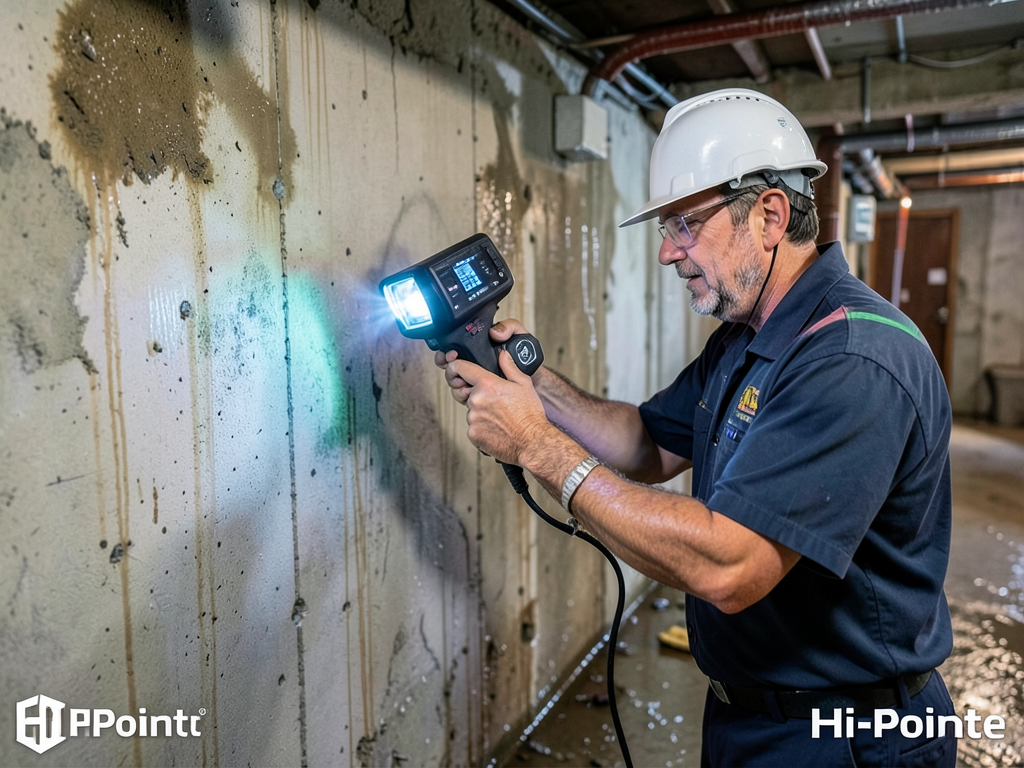
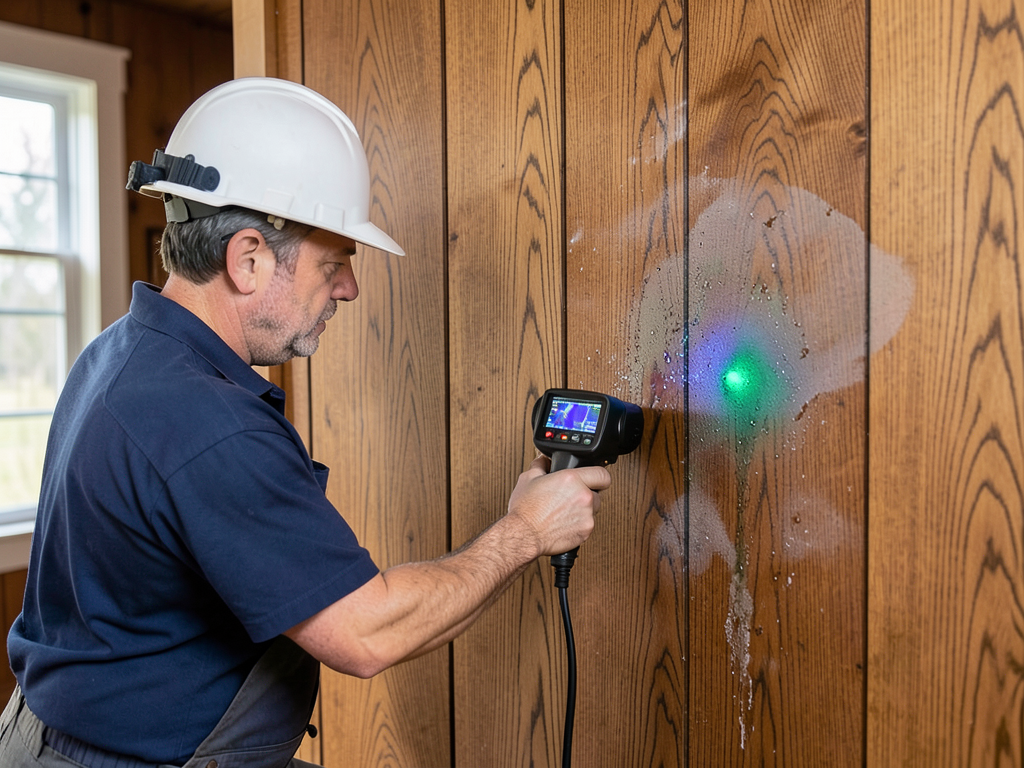
Our process begins with thermal imaging and moisture mapping. We use infrared cameras to detect temperature differentials behind walls and ceilings. Wet building materials show cooler surface temperatures. This reveals hidden water intrusion that standard visual inspections miss. We measure relative humidity levels in each room and test moisture content in drywall, studs, and flooring using pin-type and pinless meters.

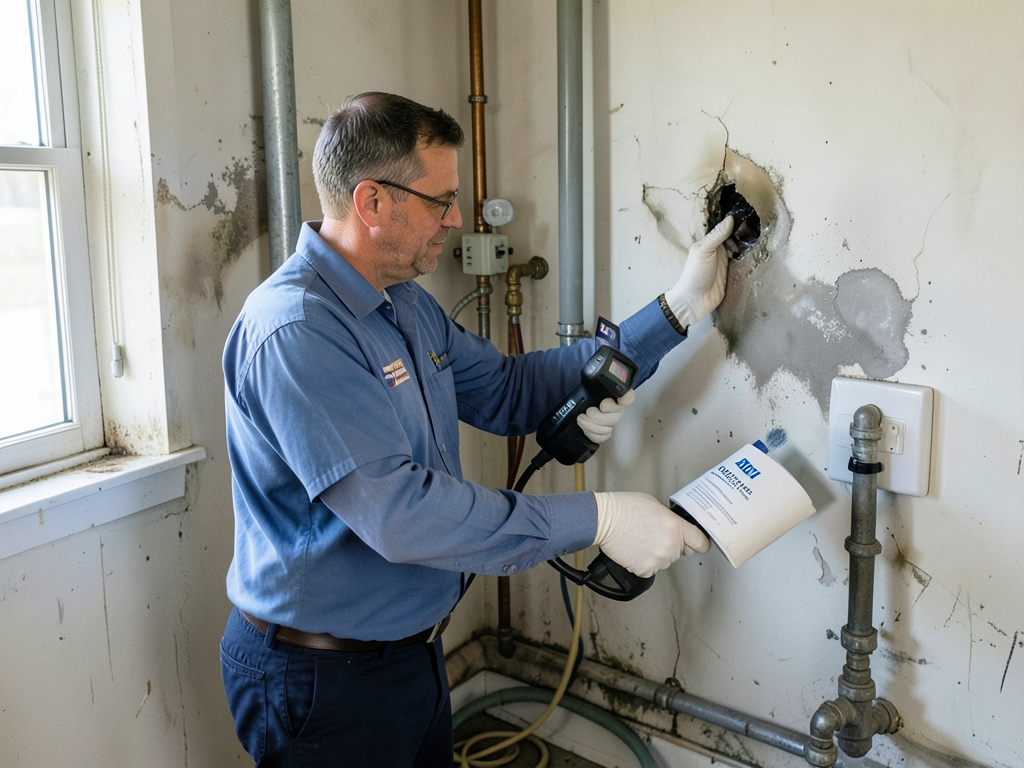
Once we identify the source, we establish containment zones. We seal off affected areas with polyethylene sheeting and create negative air pressure using HEPA-filtered air scrubbers. This prevents cross-contamination to clean zones. We remove all porous materials that cannot be salvaged, including soaked insulation, water-damaged drywall, and compromised subflooring. Non-porous surfaces like framing lumber and concrete are treated with antimicrobial solutions that kill mold spores on contact.

We then deploy commercial-grade dehumidifiers and air movers to dry structural components to below 15 percent moisture content. This is critical. If moisture remains above that threshold, mold will return within weeks. We monitor drying progress with daily moisture readings and adjust equipment placement as needed.

After drying is complete, we apply encapsulants to framing and subfloors. These coatings create a moisture-resistant barrier that prevents future mold growth. We also address the original water intrusion point, whether that means repairing a leaking roof valley, sealing foundation cracks, or replacing failed plumbing supply lines. If you do not fix the entry point, you will face the same problem again.

Final air quality testing confirms spore counts have returned to safe levels before we release the space.

What Happens During Your Mold Remediation

Allergic Reactions in Home in St. Louis | Expert Mold Source Identification and Complete Water Damage Remediation
01

Initial Inspection and Testing

We arrive within hours of your call. Our technicians conduct a room-by-room assessment using thermal imaging and moisture meters to map the full extent of water intrusion. We collect air samples and surface swabs for lab analysis to identify mold species and spore concentration. You receive a detailed report with photos, moisture readings, and recommended remediation scope before any work begins.
02

Containment and Removal

We isolate contaminated areas with plastic sheeting and negative air machines to prevent spore migration. All water-damaged materials are removed and disposed of according to EPA guidelines. We HEPA-vacuum all surfaces, treat structural components with antimicrobial agents, and run air scrubbers continuously. This phase typically takes two to four days depending on contamination severity and square footage involved.
03

Drying and Verification

We deploy industrial dehumidifiers and air movers to dry all structural materials to below 15 percent moisture content. Daily monitoring ensures proper drying progression. Once target levels are reached, we conduct post-remediation air quality testing. You receive clearance documentation showing spore counts meet or exceed industry standards. We also provide a written summary of repairs needed to prevent future water intrusion.

Why St. Louis Homeowners Trust Our Mold Expertise

St. Louis has unique water damage challenges. Homes in Dutchtown and Carondelet sit on clay soil that expands when wet and contracts when dry. This creates foundation movement that cracks slabs and allows groundwater seepage. Historic homes in Lafayette Square and the Central West End have stone foundations and outdated drainage systems that cannot handle modern stormwater volumes. Post-World War II ranch homes in South County often have undersized gutters and poor attic ventilation.

We have worked in all of these neighborhoods. We understand the building stock. We know where water hides in pier-and-beam foundations common in older construction. We recognize the signs of capillary action in brick veneer walls. We have seen what happens when homeowners try to dry out basements with box fans and space heaters. It does not work. It makes the problem worse.

Patriot Water Damage Restoration St. Louis employs IICRC-certified technicians who follow industry-standard protocols for mold remediation. We carry full liability insurance and workers' compensation coverage. We coordinate directly with your insurance adjuster and provide detailed documentation to support your claim. We also understand Missouri building codes and work with licensed contractors when structural repairs are required.

You need a team that shows up on time, communicates clearly, and completes the job correctly the first time. We do not subcontract work to unvetted laborers. Every technician on your property works directly for us. We own our equipment. We stand behind our work. When we tell you a space is safe, you can trust that assessment because we have the testing data to prove it.

What to Expect When You Call Us

Rapid Response and Availability

We answer calls 24 hours a day, seven days a week. When you contact us, you speak to a trained dispatcher who gathers initial information and schedules an inspection. In most cases, we arrive within two to four hours. Emergency situations like active flooding or sewage backups receive immediate dispatch. We carry all necessary equipment on our trucks, so we can begin containment and water extraction the same day. Speed matters because mold colonization begins within 48 hours of water exposure.

Thorough Assessment and Documentation

Our inspection includes thermal imaging, moisture mapping, and air quality sampling. We document all findings with photographs and detailed notes. You receive a written estimate that breaks down labor, equipment, and materials. We explain what needs to be removed, what can be salvaged, and why. If insurance is involved, we provide a scope of work formatted for adjuster review. We do not start remediation until you approve the plan and understand the timeline.

Complete Remediation and Clean Air

We do not consider a job complete until post-remediation air testing confirms spore counts meet acceptable levels. You receive lab reports showing before-and-after contamination levels. All affected areas are treated with antimicrobial solutions and sealed with encapsulants. We leave the space ready for reconstruction. If you need drywall replacement, insulation installation, or painting, we coordinate those trades or provide referrals to licensed contractors we trust. Your home is restored to pre-loss condition.

Ongoing Support and Prevention Guidance

After remediation, we provide a written summary of the moisture source and recommended repairs. This might include roof repairs, gutter upgrades, foundation waterproofing, or plumbing fixes. We also offer guidance on humidity control, ventilation improvements, and routine maintenance to prevent future problems. If you experience new water intrusion within the first year, we return to assess the situation at no charge. Our goal is not just to fix the current problem but to help you maintain a healthy indoor environment long-term.

Frequently Asked Questions

You Have Questions,
We Have Answers

What could be causing allergies in my house? +

Indoor allergens in St. Louis homes typically stem from mold spores, dust mites, pet dander, and cockroach droppings. High humidity from the Mississippi River basin creates ideal conditions for mold growth in basements and crawl spaces. Dust mites thrive in carpets, bedding, and upholstery. If you have pets, their skin flakes and saliva proteins trigger reactions. Hidden water damage behind walls or under floors often fuels mold colonies you cannot see. Poor ventilation traps allergens inside. Older St. Louis homes with settled foundations may have moisture intrusion that feeds mold. Check basements, bathrooms, and areas with past leaks first.

How do I figure out what I am allergic to in my house? +

Start by tracking when symptoms worsen. Notice if reactions spike in specific rooms or after certain activities. Remove one potential allergen at a time for two weeks and monitor changes. An allergist can perform skin prick tests or blood tests to identify specific triggers like mold, dust mites, or pet dander. For suspected mold, hire a certified inspector to test air quality and surface samples. In St. Louis homes, basement mold and dust mite concentration often cause the most problems. Keep a symptom diary noting time of day, location, and severity. This pattern helps pinpoint the source faster than guessing.

How to manage an allergic reaction at home? +

Remove yourself from the allergen source immediately. Rinse exposed skin and change clothes if you contacted something. Take an antihistamine like cetirizine or loratadine for mild symptoms. Use a saline nasal rinse to clear allergens from nasal passages. Apply a cool compress to itchy skin or eyes. Run an air purifier with HEPA filtration in the affected room. If you experience difficulty breathing, throat swelling, or dizziness, call 911 immediately. These signal anaphylaxis, which requires emergency treatment. For persistent home allergies in St. Louis, identify and eliminate the source rather than just treating symptoms repeatedly.

How do you treat an allergy cough? +

An allergy cough results from postnasal drip or airway irritation. Start with over-the-counter antihistamines to reduce mucus production. Use a dehumidifier to keep indoor humidity between 30 and 50 percent, which helps prevent mold and dust mite growth common in St. Louis basements. Drink warm liquids to soothe throat irritation. A saline nasal spray clears allergens from sinuses. Elevate your head while sleeping to reduce postnasal drip. If the cough persists beyond two weeks or worsens, see a doctor to rule out respiratory infections or asthma triggered by allergens.

How to test your house for allergens? +

Purchase a home allergen test kit that collects dust samples from surfaces and air. Send samples to a lab for analysis of mold spores, dust mites, and pet dander levels. For accurate mold testing in St. Louis homes, hire a certified mold inspector who uses air quality monitors and moisture meters. They check problem areas like basements, crawl spaces, and behind walls where water damage hides. Professional testing identifies specific mold species and concentration levels. You can also buy dust mite test strips from pharmacies. Check humidity levels with a hygrometer. Readings above 50 percent create conditions for allergen growth.

What could I be allergic to in my own house? +

Common household allergens include dust mites living in mattresses and carpets, mold spores from damp areas, pet dander, cockroach waste, and pollen tracked indoors. St. Louis homes face mold challenges from basement moisture and foundation settling that creates entry points for water. You might react to cleaning products, scented candles, or air fresheners containing volatile organic compounds. Stored cardboard boxes attract dust and mites. Fabrics like curtains and upholstered furniture trap allergens. Even houseplants can harbor mold in soil. Check your HVAC system for accumulated dust and mold in ducts, which circulates allergens throughout your home.

How St. Louis Humidity and Flooding Create Chronic Mold Problems

St. Louis averages 42 inches of rainfall annually, and summer dew points frequently climb into the uncomfortable 65 to 70 degree range. That combination creates persistent indoor humidity problems, especially in homes without whole-house dehumidification. Crawl spaces in South City neighborhoods absorb groundwater during spring rains. Attics in Webster Groves and Kirkwood trap heat and moisture during summer months. Basements in Maplewood and Richmond Heights flood when aging combined sewer systems overflow during heavy storms. These conditions create year-round household mold allergies that no amount of cleaning or air purification can eliminate. You need professional moisture control and mold remediation to restore safe indoor air quality.

Choosing a local water damage restoration company matters because we understand St. Louis construction methods and environmental challenges. We know which neighborhoods have chronic drainage issues. We recognize the difference between surface mold on a basement wall and systemic contamination behind finished drywall. We work with local insurance adjusters who trust our documentation and scoping accuracy. We also understand Missouri health department guidelines for mold remediation in residential properties. When you hire Patriot Water Damage Restoration St. Louis, you are working with a team that has restored hundreds of homes across the metro area. We know this city, and we know how to protect your family from mold exposure symptoms.
Water Damage Restoration Services in The St. Louis Area

We are proud to be the trusted local choice for water damage restoration across the greater St. Louis region. This map highlights our primary service zone, demonstrating our commitment to rapid, localized response across every neighborhood and business district within the area. We invite all users to view our service area and then contact us directly for immediate deployment to your specific address within the St. Louis community.

Address:
Patriot Water Damage Restoration St. Louis, 710 N Tucker Blvd, St. Louis, MO, 63101

Additional Services We Offer

Our news updates

Latest Articles & News from The Blogs

What to Do When Your Water Softener Leaks and Floods Your Affton Utility Room A leaking water softener can release…

What to Do When Your Water Softener Leaks and Floods Your Affton Utility Room

What to Do When Your Water Softener Leaks and Floods Your Affton Utility Room A leaking water softener can release…

Restoring a Water Damaged Mid-Century Modern Home in Warson Woods

Restoring a Water Damaged Mid-Century Modern Home in Warson Woods Water damage in a mid-century modern home requires specialized knowledge…

Why Your Walk-Out Basement in Hi-Pointe is Vulnerable to Heavy Rain Runoff

Why Your Walk-Out Basement in Hi-Pointe is Vulnerable to Heavy Rain Runoff Your walk-out basement in Hi-Pointe faces unique flooding…

Contact Us

You deserve to breathe clean air. Call Patriot Water Damage Restoration St. Louis at (314) 428-9977 right now. We will schedule an inspection, identify the moisture source, and eliminate the mold contamination. Do not wait for symptoms to worsen.