menu

Water Damage Restoration Cost 2026 in St. Louis – Complete Pricing Breakdown and Budget Planning Guide

Understanding water damage restoration cost 2026 helps St. Louis property owners budget accurately for cleanup, mitigation, and repairs while avoiding surprise expenses during an already stressful situation.

Slider Image 1
Slider Image 2
Slider Image 3
Slider Image 4
Slider Image 5
Slider Image 7
Slider Image 8
Slider Image 9
Slider Image 10
Slider Image 11

Why Water Damage Restoration Costs Vary Wildly in St. Louis

You need to know what water damage restoration actually costs before the crisis hits. The problem is that average water damage cleanup pricing in St. Louis ranges from a few hundred dollars to tens of thousands depending on factors most homeowners do not understand until they are standing in standing water.

St. Louis properties face unique cost drivers. The area's high humidity amplifies mold growth within 24 to 48 hours, which transforms a simple water extraction job into a full remediation project. The freeze-thaw cycles common to the region crack foundation walls and pipes, leading to hidden moisture intrusion that spreads damage silently through crawlspaces and between wall cavities. Many homes in historic neighborhoods like Soulard and the Central West End feature plaster walls and hardwood floors that absorb water differently than modern drywall, complicating extraction and drying procedures.

Water mitigation cost estimates depend on contamination category. Clean water from a broken supply line costs less to extract than gray water from a washing machine overflow or black water from sewage backup. Price to repair water damage escalates when structural elements like floor joists or ceiling drywall require replacement rather than simple drying.

Insurance adjusters use industry formulas to calculate water damage remediation expenses, but they often underestimate the scope until professionals document moisture readings with thermal imaging and hygrometers. Water restoration service rates also vary by urgency. Emergency after-hours calls cost more than scheduled appointments, but delaying treatment to save money usually backfires when secondary damage multiplies repair costs.

Understanding these variables before you face an emergency helps you make informed decisions when time matters most.

Why Water Damage Restoration Costs Vary Wildly in St. Louis
How Professional Restoration Teams Calculate and Control Costs

How Professional Restoration Teams Calculate and Control Costs

Professional water damage restoration follows a methodical approach that controls expenses while ensuring complete recovery. Patriot Water Damage Restoration St. Louis uses a systematic protocol that prevents unnecessary spending and maximizes insurance reimbursement.

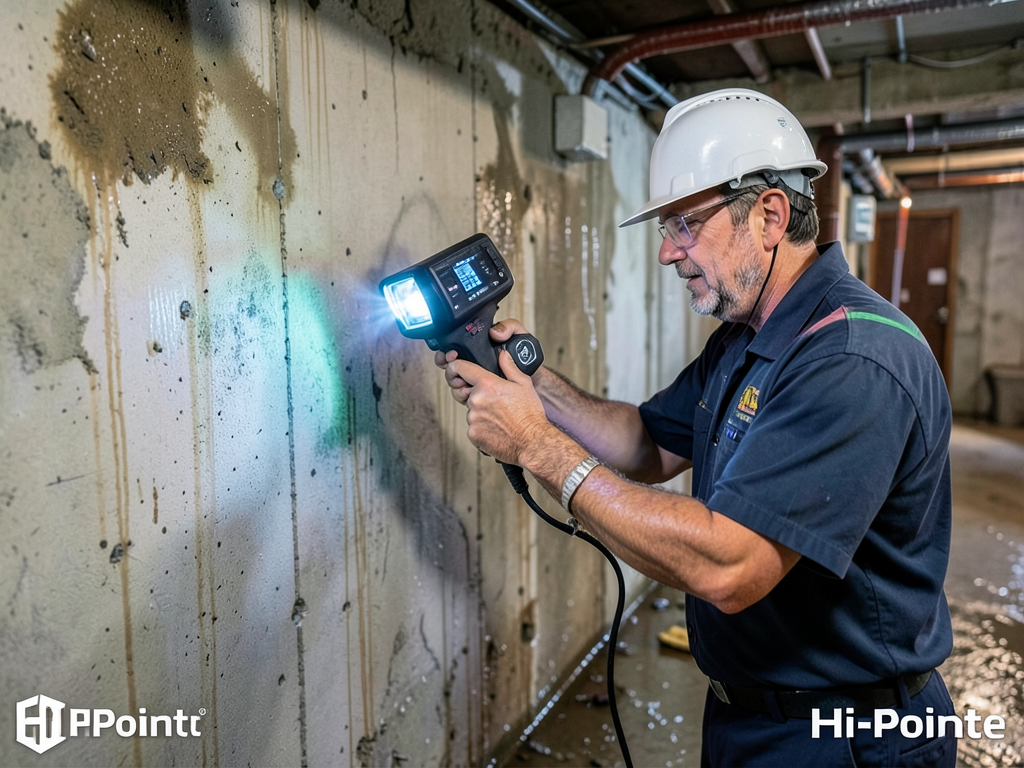
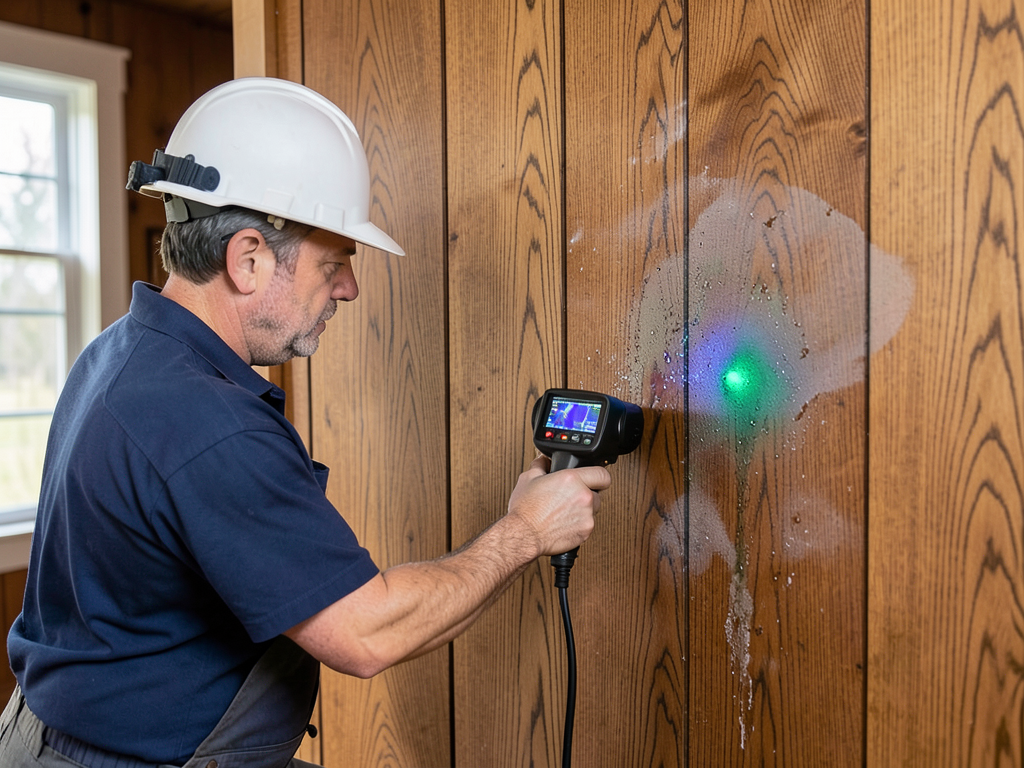
Technicians begin with moisture mapping using infrared cameras and pin-type moisture meters to identify affected areas without tearing out materials unnecessarily. This precision reduces demolition costs and preserves salvageable structures. We document every reading with timestamped photos and detailed notes that insurance adjusters require for claim approval.

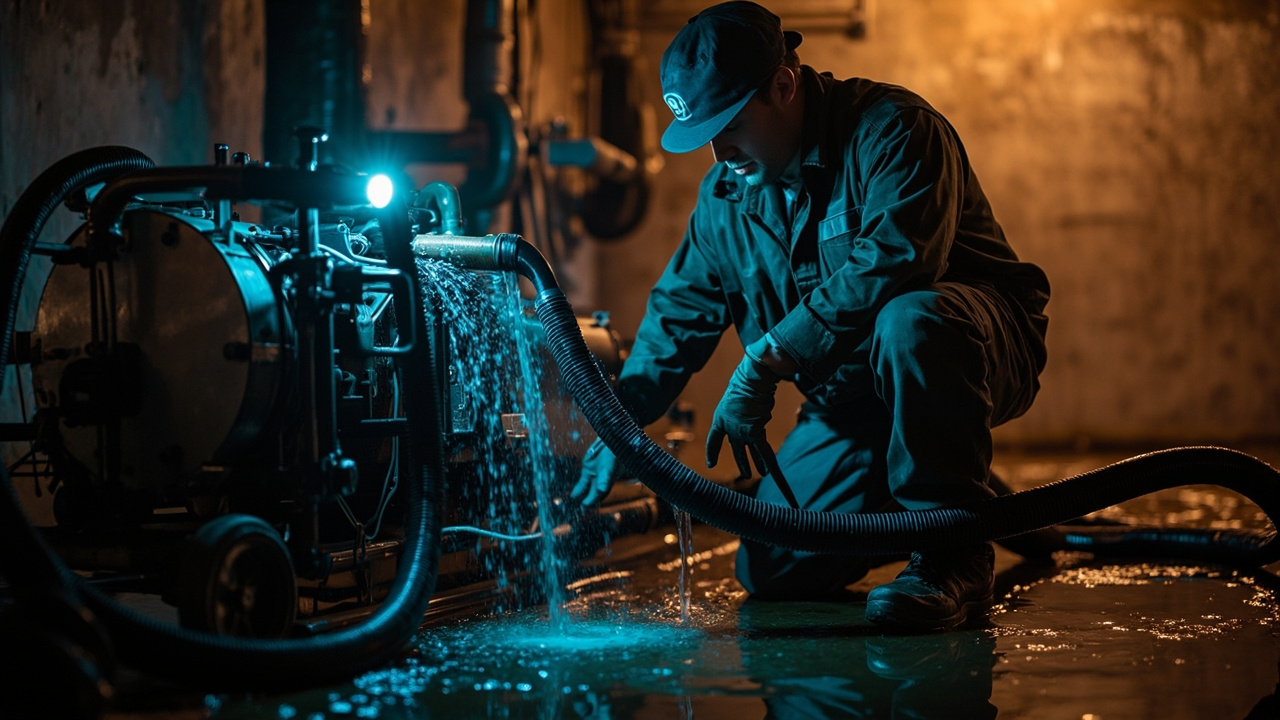
The extraction phase uses truck-mounted pumps for standing water and commercial-grade extractors for carpets and upholstery. Water removal speed directly impacts total cost because every hour of delay increases absorption depth and microbial growth risk. High-velocity air movers and commercial dehumidifiers create controlled drying environments measured by psychrometric calculations, not guesswork. We adjust equipment placement and airflow based on daily moisture readings until materials reach acceptable moisture content levels defined by IICRC S500 standards.

Antimicrobial treatment prevents mold colonization on damp surfaces, eliminating the need for expensive mold remediation later. We apply EPA-registered disinfectants to all affected surfaces, including hidden cavities accessed through small inspection ports rather than wholesale wall removal.

Restoration teams separate mitigation costs from reconstruction costs in their estimates. Mitigation includes water extraction, drying, and antimicrobial treatment. Reconstruction covers drywall replacement, flooring installation, and painting. This breakdown helps you understand where money goes and which expenses insurance typically covers versus items that may fall under your deductible.

Transparent documentation and adherence to industry protocols keep costs predictable and defensible during insurance negotiations.

What Happens During Your Cost Assessment

Water Damage Restoration Cost 2026 in St. Louis – Complete Pricing Breakdown and Budget Planning Guide
01

Initial Damage Documentation

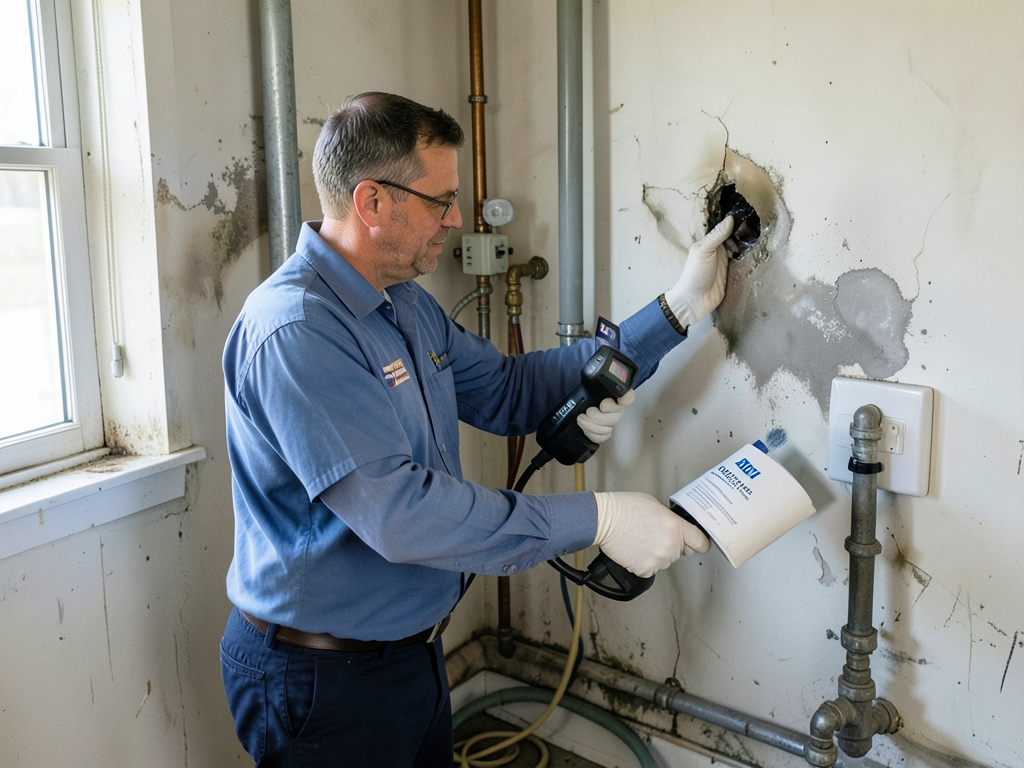
Technicians photograph and measure moisture levels in all affected areas using calibrated meters and thermal imaging cameras. This documentation establishes baseline conditions for insurance claims and creates a scope of work that prevents cost disputes later. You receive a detailed moisture map showing readings in floors, walls, and ceilings with specific locations marked for tracking drying progress throughout the restoration process.
02

Itemized Estimate Development

The restoration company provides a line-item estimate separating emergency mitigation costs from reconstruction expenses. This breakdown includes equipment rental days, labor hours, antimicrobial treatment square footage, and materials needed for repairs. The estimate uses Xactimate software that insurance adjusters recognize, which streamlines approval and reduces negotiation delays. You see exactly what drives your total cost before work begins.
03

Insurance Coordination and Approval

Restoration professionals submit documentation directly to your insurance carrier and communicate with adjusters throughout the project. They provide supplemental estimates when hidden damage emerges during demolition, documenting conditions with photos and moisture readings that justify additional work. This coordination maximizes your insurance payout and minimizes out-of-pocket expenses while keeping you informed about coverage decisions that affect your final cost.

Why St. Louis Property Owners Trust Local Restoration Expertise

Choosing a restoration company familiar with St. Louis construction methods and insurance practices protects you from cost overruns and incomplete repairs. Local expertise matters when your property and budget are on the line.

Patriot Water Damage Restoration St. Louis understands how regional building characteristics affect restoration approaches and costs. We know that many Central Corridor homes have basements with limestone foundations that require specialized moisture control techniques different from poured concrete. We recognize that post-war brick ranch homes in South St. Louis have crawlspaces prone to standing water that must be addressed separately from living spaces to prevent chronic moisture problems.

Our technicians work regularly with major insurance carriers serving the St. Louis area. We understand local adjuster expectations and documentation requirements, which accelerates claim approval and payment. We speak the same language as your insurance company, using industry-standard estimating software and IICRC protocols that adjusters trust.

We respond quickly because we operate locally, not from a regional call center hundreds of miles away. Our equipment stays ready in St. Louis, and our teams know the fastest routes through the metro area. Response time directly affects total restoration cost because every hour of delay allows water to spread and materials to absorb more moisture.

Local building codes and permit requirements vary between St. Louis City and St. Louis County. We navigate these regulatory differences daily, ensuring repairs meet inspection standards without expensive do-overs. We maintain relationships with local building inspectors who recognize our work quality.

You also gain access to our network of trusted contractors for reconstruction work that falls outside restoration scope, ensuring consistent quality and fair pricing throughout your entire recovery process.

What Your Investment Includes

Response Time and Availability

Emergency water damage requires immediate response to control costs. Patriot Water Damage Restoration St. Louis dispatches teams 24 hours per day, seven days per week, including holidays. Technicians typically arrive within 60 to 90 minutes of your call with extraction equipment and moisture detection tools ready to deploy. Weekend and after-hours response carries standard emergency rates, not premium pricing designed to exploit your crisis. Quick response prevents secondary damage that multiplies total restoration costs. Every hour of delay allows water to penetrate deeper into materials and increases the likelihood of mold growth that requires expensive remediation protocols.

Comprehensive Damage Assessment

Professional moisture assessment identifies all affected areas, including hidden damage behind walls and under flooring that homeowners cannot detect. Technicians use thermal imaging cameras that reveal temperature differentials indicating moisture presence without destructive investigation. Pin-type and pinless moisture meters provide numerical readings in wood, drywall, and concrete that guide equipment placement and drying strategies. This thorough evaluation prevents incomplete drying that leads to callback costs and insurance claim complications. You receive documentation showing moisture levels in each affected area with photos and detailed notes suitable for insurance submission without requiring additional inspections or appraisals.

Complete Water Extraction and Drying

Industrial water extraction removes standing water and embedded moisture using truck-mounted pumps and weighted extraction tools that pull water from carpet padding and upholstery. Commercial dehumidifiers and air movers create controlled drying environments monitored daily with moisture meters until materials reach acceptable dryness levels defined by industry standards. Technicians adjust equipment placement based on drying progress, adding or relocating units to optimize efficiency. Antimicrobial treatment prevents microbial growth on damp surfaces during the drying process. You receive daily updates on moisture levels and estimated completion timelines based on actual readings, not guesses. Complete drying prevents hidden moisture that causes long-term structural damage and indoor air quality problems.

Documentation and Insurance Support

Detailed documentation throughout the restoration process supports insurance claims and provides proof of professional mitigation. You receive photos, moisture readings, equipment logs, and itemized invoices that adjusters require for claim approval. Restoration professionals communicate directly with insurance companies, providing supplemental documentation when hidden damage requires scope adjustments. This coordination reduces claim denial risk and accelerates payment processing. Final documentation includes completion certificates showing that all affected materials reached acceptable moisture content levels and that antimicrobial treatment was applied to prevent future problems. These records protect your property value and provide evidence of proper restoration if you sell your home later.

Frequently Asked Questions

You Have Questions,
We Have Answers

How much will it cost to repair water damage? +

Water damage repair costs in St. Louis vary widely based on the source and severity. A small leak affecting one room may run $1,000 to $4,000, while extensive flooding requiring structural drying, mold remediation, and reconstruction can exceed $10,000. Category 3 water (sewage) costs more due to contamination protocols. Factors include square footage affected, materials damaged (drywall vs. hardwood), and required mold treatment. St. Louis homes with finished basements face higher costs due to Missouri's clay soil and seasonal flooding risks. Most insurance policies cover sudden incidents like burst pipes but exclude gradual leaks or maintenance neglect.

Is water damage restoration worth it? +

Yes, professional water damage restoration is worth it in St. Louis. Ignoring water damage leads to mold growth within 24 to 48 hours, structural wood rot, and foundation issues common in our region's clay soil. A $3,000 restoration bill now prevents a $20,000 mold remediation or foundation repair later. DIY attempts miss hidden moisture in wall cavities, which causes long-term problems. Professionals use thermal imaging and moisture meters to find all affected areas. Insurance companies require documented professional mitigation to approve claims. Restored homes maintain resale value, while untreated damage triggers disclosure requirements that scare buyers.

How to charge for water restoration? +

Water restoration companies charge based on scope, not flat rates. Most use a time-and-materials model: emergency response fees, equipment rental (dehumidifiers, air movers), labor hours, and materials for reconstruction. In St. Louis, expect $75 to $150 per hour for technicians, plus equipment fees of $50 to $200 per day per machine. Some companies quote per square foot for drying services. Sewage cleanup adds biohazard disposal fees. Document everything with photos, moisture readings, and detailed invoices. Insurance adjusters in Missouri scrutinize line items, so transparency matters. Avoid companies that pressure you to sign assignment-of-benefits forms before providing estimates.

Is water damage restoration profitable? +

Water damage restoration is a profitable business due to consistent demand and high margins on equipment and labor. The industry grows as extreme weather events increase. Profit margins range from 15 to 40 percent depending on efficiency and overhead. In St. Louis, seasonal flooding along the Missouri and Mississippi rivers creates steady work. Success requires substantial upfront investment in industrial equipment, certifications like IICRC, and 24/7 availability. Insurance billing complexities and slow payment cycles challenge cash flow. Companies that bundle reconstruction services increase profitability but face more competition. Reputation and response speed drive repeat business in tight-knit St. Louis neighborhoods.

Is water damage in walls covered by insurance? +

Coverage depends on the water source. Insurance typically covers sudden, accidental damage like burst pipes, appliance malfunctions, or roof leaks from storm damage. Walls damaged by these events qualify for coverage. However, policies exclude gradual damage from maintenance neglect, like slow leaks behind walls or long-term humidity. In St. Louis, basement seepage from poor grading or sewer backups requires separate endorsements. Review your policy's water damage exclusions carefully. Missouri insurers may deny claims if you delay mitigation, so document damage immediately and start drying within 24 hours. Mold coverage often caps at $10,000 unless you purchase additional riders.

Why is water damage so expensive? +

Water damage costs add up quickly due to specialized equipment, labor intensity, and hidden damage. Industrial dehumidifiers and air movers run 24/7 for days, consuming electricity and requiring daily monitoring. Technicians need IICRC certifications and ongoing training. St. Louis homes built before 1980 often hide damage in plaster walls or under multiple flooring layers, requiring invasive inspection. Mold testing and antimicrobial treatments add costs. Category 3 water requires hazmat disposal protocols. Materials like hardwood flooring, cabinetry, and drywall need complete replacement, not just drying. Insurance billing complexity and fraud prevention drive up administrative overhead that gets passed to customers.

How long does water damage restoration take? +

Water damage restoration in St. Louis typically takes three to seven days for drying and immediate mitigation. Simple scenarios with minimal water may finish in 48 hours. Extensive flooding, especially in finished basements common here, can require two weeks of drying before reconstruction begins. Reconstruction adds another one to four weeks depending on scope. High humidity in summer slows drying times. Mold discovery extends timelines significantly. Sewage contamination requires longer treatment protocols. Insurance approval delays can stretch projects by weeks. Most companies provide daily moisture readings to track progress. You can usually occupy the home during drying, but reconstruction may require temporary relocation depending on affected areas.

What is the difference between water remediation and restoration? +

Water remediation means emergency response to stop damage and remove water. It includes extraction, drying, dehumidification, and antimicrobial treatment. This phase prevents further harm but leaves your property gutted or torn apart. Restoration is the rebuild phase where contractors replace drywall, flooring, paint, and fixtures to return your home to pre-loss condition. In St. Louis, some companies handle both phases while others specialize in only remediation or reconstruction. Remediation happens first and fast, usually within 72 hours. Restoration takes longer and requires permits, inspections, and material selection. Insurance often splits these into separate claims. Understanding this distinction helps you track project phases and costs.

How to tell if water damage is permanent? +

Permanent water damage shows specific signs. Stains that persist after drying indicate tannins leached from wood or rust stains from metal. Warped, cupped, or buckled flooring that does not flatten after drying needs replacement. Crumbling drywall or plaster means the paper backing deteriorated. Soft, spongy wood in framing members signals rot. Musty odors after thorough drying indicate hidden mold in wall cavities. In St. Louis homes with plaster walls, cracking and separation from lath backing shows permanent damage. Peeling paint or bubbling wallpaper means moisture penetrated deep. Efflorescence, white chalky deposits on basement walls, shows ongoing moisture problems needing foundation work, not just drying.

What is the average water damage claim? +

The average water damage insurance claim in the United States ranges from $7,000 to $13,000 depending on region and damage severity. In St. Louis, claims average slightly lower due to cost of living but basement flooding claims trend higher because of our clay soil and river proximity. Small claims for appliance leaks may settle for $2,000 to $5,000. Major flooding events affecting multiple rooms or entire basements can reach $25,000 to $50,000. Sewage backups average $8,000 to $15,000 due to contamination protocols. Missouri insurers scrutinize claims closely, so document everything with photos and professional assessments. Delays in mitigation give insurers grounds to reduce payouts.

How St. Louis Weather Patterns Impact Water Damage Restoration Costs

St. Louis experiences extreme humidity fluctuations and freeze-thaw cycles that complicate water damage restoration and affect pricing. Summer humidity levels regularly exceed 70 percent, which slows evaporation rates and extends drying timelines. Longer drying periods increase equipment rental costs and labor expenses while raising mold growth risk. Winter temperatures drop below freezing for extended periods, causing pipe bursts that flood homes with gallons of water before residents discover the problem. The area's clay-heavy soil expands and contracts with moisture changes, cracking foundation walls and creating pathways for groundwater intrusion during heavy rain events common along the Mississippi River floodplain.

Local restoration companies familiar with St. Louis conditions provide more accurate cost estimates because they account for regional factors that affect drying times and material behavior. Patriot Water Damage Restoration St. Louis factors seasonal humidity into drying calculations and understands how historic construction methods in neighborhoods like Lafayette Square require different approaches than modern subdivisions in West County. This local knowledge prevents cost overruns caused by underestimating drying times or misidentifying structural materials. We maintain relationships with local insurance adjusters who trust our documentation because they see our work regularly throughout the metro area.
Water Damage Restoration Services in The St. Louis Area

We are proud to be the trusted local choice for water damage restoration across the greater St. Louis region. This map highlights our primary service zone, demonstrating our commitment to rapid, localized response across every neighborhood and business district within the area. We invite all users to view our service area and then contact us directly for immediate deployment to your specific address within the St. Louis community.

Address:
Patriot Water Damage Restoration St. Louis, 710 N Tucker Blvd, St. Louis, MO, 63101

Additional Services We Offer

Our news updates

Latest Articles & News from The Blogs

What to Do When Your Water Softener Leaks and Floods Your Affton Utility Room A leaking water softener can release…

What to Do When Your Water Softener Leaks and Floods Your Affton Utility Room

What to Do When Your Water Softener Leaks and Floods Your Affton Utility Room A leaking water softener can release…

Restoring a Water Damaged Mid-Century Modern Home in Warson Woods

Restoring a Water Damaged Mid-Century Modern Home in Warson Woods Water damage in a mid-century modern home requires specialized knowledge…

Why Your Walk-Out Basement in Hi-Pointe is Vulnerable to Heavy Rain Runoff

Why Your Walk-Out Basement in Hi-Pointe is Vulnerable to Heavy Rain Runoff Your walk-out basement in Hi-Pointe faces unique flooding…

Contact Us

Call Patriot Water Damage Restoration St. Louis at (314) 428-9977 right now for a no-obligation cost assessment. Our team provides transparent pricing and works directly with your insurance company to maximize coverage and minimize your out-of-pocket expenses.