menu

Cupping or Buckling Wood Floors in St. Louis – Expert Diagnosis and Permanent Moisture Correction

When your hardwood flooring warps, cups, or buckles, the damage goes deeper than the surface. Our certified water damage restoration team identifies hidden moisture sources in your St. Louis home and applies targeted drying techniques to prevent recurring cupping or buckling wood floors.

Slider Image 1
Slider Image 2
Slider Image 3
Slider Image 4
Slider Image 5
Slider Image 7
Slider Image 8
Slider Image 9
Slider Image 10
Slider Image 11

Why St. Louis Hardwood Floors Cup and Buckle After Water Exposure

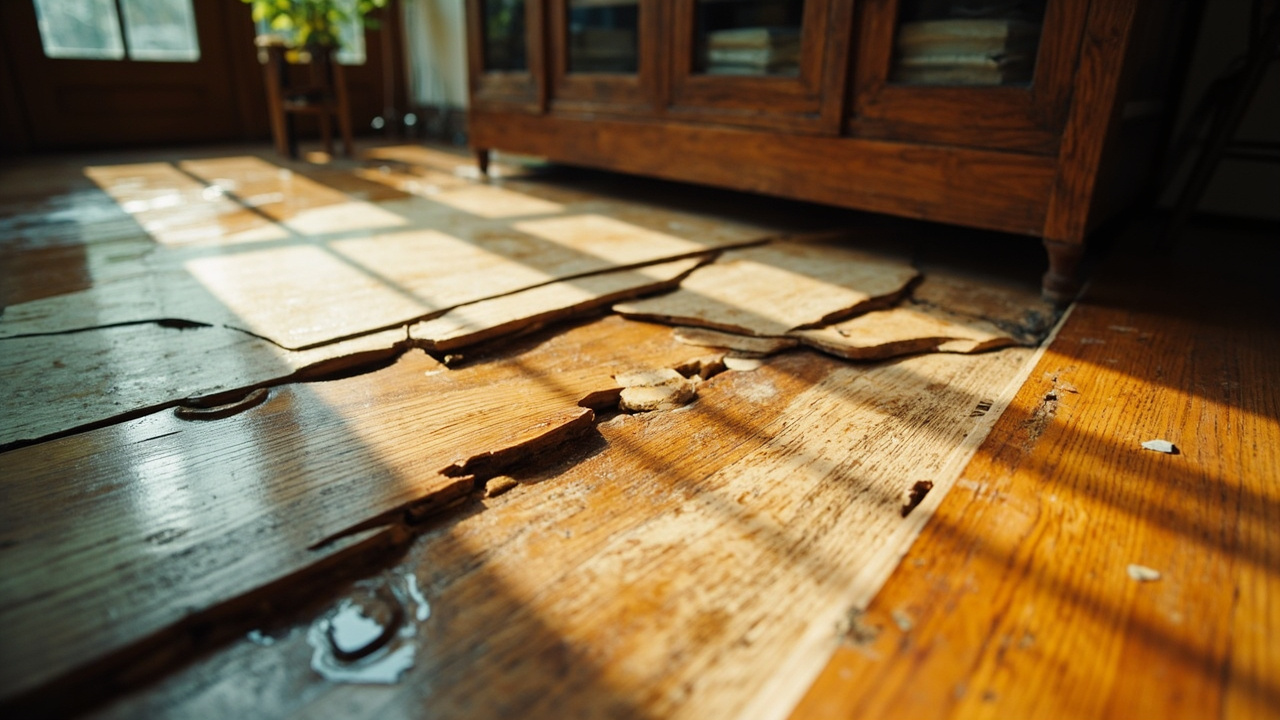
You walk across your living room and notice the edges of your hardwood planks are higher than the centers. Or maybe the boards are crowned in the middle, creating ridges that catch your socks. This is cupping or buckling, and it happens when moisture infiltrates wood flooring unevenly.

St. Louis sits in a high-humidity climate where summer dew points regularly exceed 70 degrees. Combine that with our clay-rich soil that shifts during wet seasons, and you create the perfect conditions for foundation seepage and basement flooding. When water migrates through concrete slabs or crawl spaces, it rises into your subfloor. The bottom of your hardwood absorbs moisture faster than the top, causing the edges to swell and lift. That creates the characteristic cupped profile.

Buckling is more severe. When swollen wood planks have nowhere to expand, they push against each other and break free from the subfloor. You see peaking hardwood joints where boards tent upward at the seams, or entire sections of lifting floorboards that pull away from the nails. This happens after prolonged exposure or when water sits undetected beneath the surface.

Homes in South City and near the River Des Peres corridor see this frequently after spring storms overwhelm outdated drainage systems. Basements flood, water wicks into floor joists, and within 48 hours the damage spreads upstairs. The longer moisture remains trapped under your flooring, the worse the warped hardwood flooring becomes. Once the wood dries incorrectly, the deformation can become permanent.

If you see raised wood floor edges or feel uneven surfaces underfoot, you are looking at active moisture damage that requires professional intervention.

Why St. Louis Hardwood Floors Cup and Buckle After Water Exposure
How We Correct Moisture Damage and Restore Hardwood Floors

How We Correct Moisture Damage and Restore Hardwood Floors

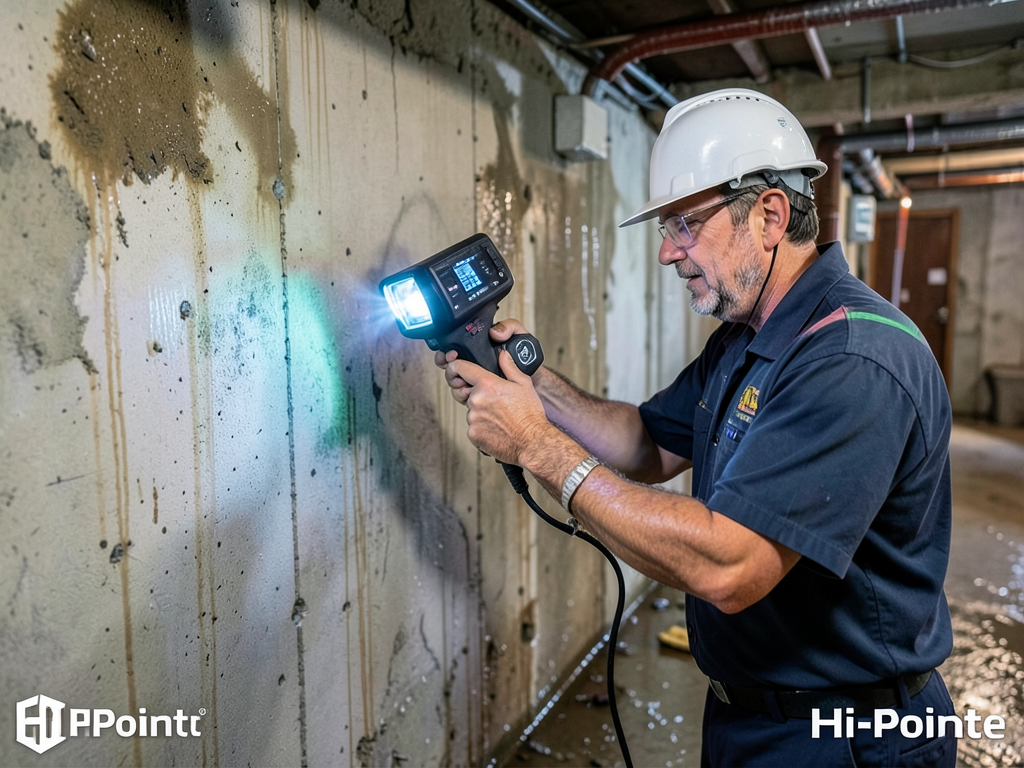
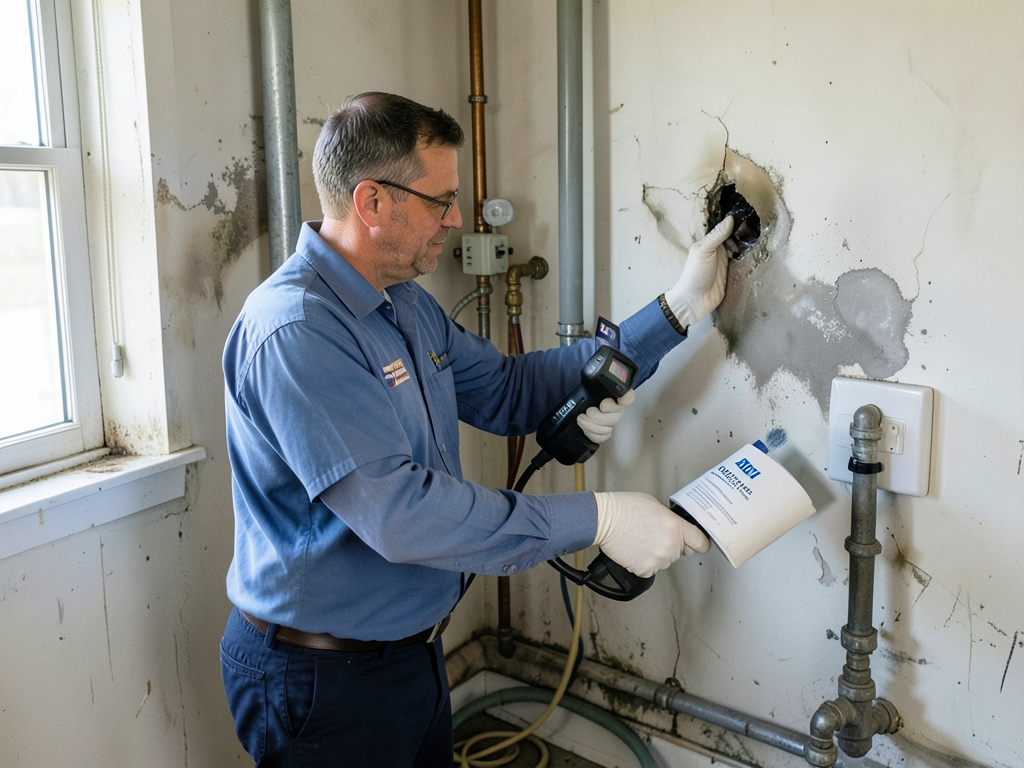
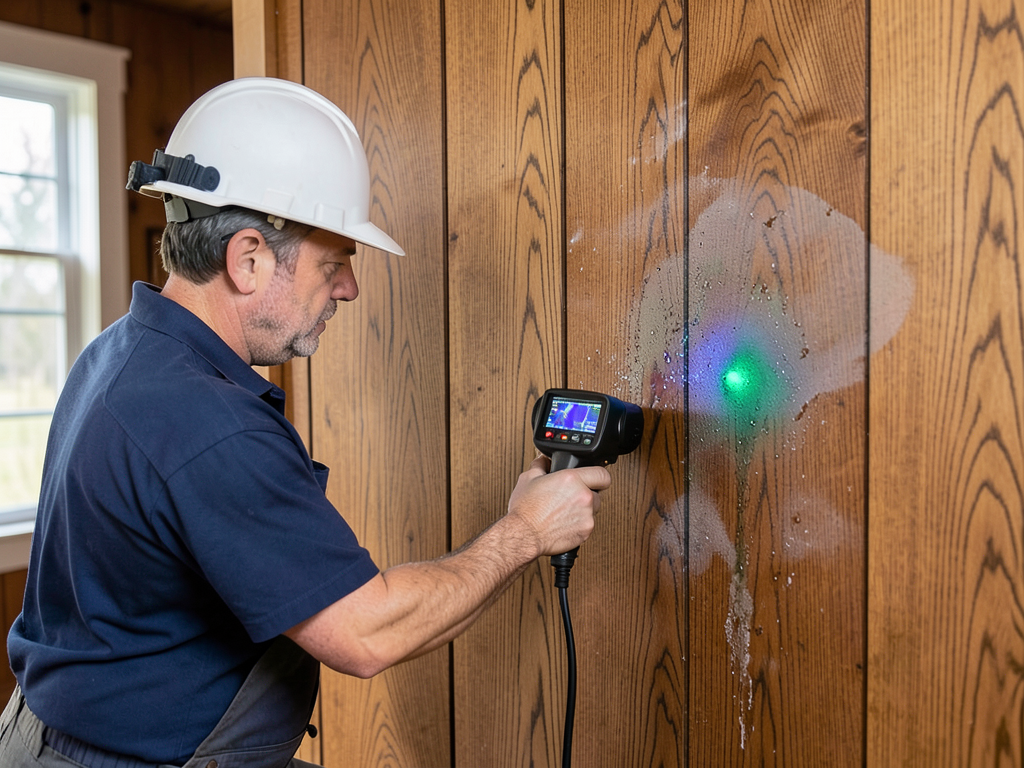
Fixing cupping or buckling wood floors is not about sanding down the high spots. That treats the symptom, not the cause. We start with moisture mapping using infrared thermography and pin-type meters to measure water content in the wood, subfloor, and underlying concrete. Most homeowners assume the visible puddle was the problem. The real issue is the residual moisture you cannot see.

We extract standing water with truck-mounted pumps, then deploy low-grain refrigerant (LGR) dehumidifiers and axial air movers to create controlled airflow across the floor surface and underneath. The goal is to pull moisture out of the wood evenly. If you dry the top too fast, the bottom stays wet and the cupping worsens. If you dry too slowly, mold colonizes the subfloor within 72 hours.

For severely buckled sections, we remove baseboards and cut relief gaps along the perimeter to allow the swollen wood planks to contract without further tenting. We monitor the drying process daily, adjusting equipment placement and tracking moisture levels until the wood reaches equilibrium moisture content, which in St. Louis is typically 6 to 9 percent.

Once the flooring stabilizes, we assess whether the boards will flatten on their own or if replacement is necessary. Minor cupping often self-corrects after proper drying. Severe peaking hardwood joints that have torn the tongue-and-groove connection require selective board replacement. We match species, grade, and finish to blend repairs invisibly.

We also address the source. That means sealing foundation cracks, regrading soil away from your home, or installing sump pumps in basements prone to seepage. If we do not eliminate the moisture pathway, the warped hardwood flooring will return within months.

What Happens During a Hardwood Floor Water Damage Restoration

Cupping or Buckling Wood Floors in St. Louis – Expert Diagnosis and Permanent Moisture Correction
01

Moisture Detection and Mapping

We use thermal imaging cameras and moisture meters to scan your hardwood floors, subfloors, and wall cavities. This identifies the full extent of water intrusion, including hidden pockets beneath the surface. We document moisture levels in each affected zone to establish a drying baseline and track progress throughout the restoration.
02

Controlled Drying and Dehumidification

We position commercial-grade dehumidifiers and air movers to create optimal drying conditions. Air flows parallel to the floor surface to wick moisture from the wood grain, while dehumidifiers pull humidity from the air. We monitor temperature, relative humidity, and wood moisture content daily, adjusting equipment to prevent over-drying or secondary warping.
03

Floor Stabilization and Repair

Once the wood reaches proper moisture content, we evaluate whether the cupping or buckling has reversed. Minor lifting floorboards often flatten naturally. Severe damage requires selective board replacement or refinishing. We address the moisture source, whether it is foundation seepage or plumbing failure, to prevent recurrence and ensure your hardwood stays flat.

Why St. Louis Homeowners Trust Local Water Damage Experts

Hardwood floor restoration requires understanding the regional factors that cause moisture problems. St. Louis homes built before 1950 often lack vapor barriers beneath concrete slabs. Crawl spaces in older neighborhoods like Tower Grove and Dutchtown are poorly ventilated, allowing humidity to condense on floor joists. If your contractor does not recognize these regional construction patterns, they will dry the surface and leave the source untouched.

We work in St. Louis year-round and see the seasonal patterns. Spring flooding along the Meramec River and Mississippi floodplains creates predictable damage in low-lying areas. Summer humidity spikes cause condensation in basements with inadequate HVAC. Winter freeze-thaw cycles crack foundation walls, allowing groundwater to seep through. Knowing when and why these problems occur allows us to anticipate hidden damage before it spreads.

Our team coordinates with local insurance adjusters who understand Missouri flood policies and basement water damage coverage. We document the damage with detailed moisture logs, photos, and drying reports that meet insurance requirements. That speeds up claims and reduces out-of-pocket costs for you.

We also know which local suppliers stock the red oak, white oak, and hickory species common in St. Louis homes. When we replace lifting floorboards, we match grain patterns and board widths so repairs blend seamlessly. Generic restoration companies order mismatched materials that stand out after finishing.

Patriot Water Damage Restoration St. Louis has worked with homeowners across the metro, from historic homes in Lafayette Square to mid-century ranches in Affton. We understand the construction methods, common failure points, and regional moisture challenges that cause cupping or buckling wood floors in this area.

What to Expect When You Call for Hardwood Floor Restoration

Emergency Response and Arrival Time

We dispatch a crew within two hours of your call. Water damage accelerates quickly, and the first 48 hours determine whether your hardwood can be saved or requires full replacement. Our team arrives with moisture detection equipment, extraction tools, and drying units ready to deploy. We work around your schedule, including evenings and weekends, to minimize disruption and start the drying process immediately.

Comprehensive Moisture Assessment

We inspect every room connected to the water source, checking for wicking into walls, subfloors, and adjacent spaces. Our moisture meters measure water content at multiple depths in the wood and subfloor. We photograph the damage, map moisture levels, and explain what caused the cupping or buckling. You receive a written assessment that documents the extent of the damage and outlines the restoration plan.

Restored Flat Flooring

Once drying is complete, your hardwood should return to a flat, stable condition if the damage was caught early. Severe cases may require sanding and refinishing to smooth out residual unevenness. We test the floor for structural integrity and ensure all boards are securely fastened. If replacement boards were installed, we finish them to match the surrounding flooring. You walk on level, solid hardwood again.

Prevention and Monitoring Guidance

We provide recommendations to prevent future moisture problems, including basement waterproofing, improved ventilation, or dehumidifier installation. You receive a final moisture report showing that your flooring has returned to normal levels. We explain how to monitor for early warning signs like musty odors, condensation, or soft spots. If you experience recurring issues, we return to reassess the moisture source and make additional corrections.

Frequently Asked Questions

You Have Questions,
We Have Answers

What is the difference between wood buckling and cupping? +

Cupping happens when the edges of wood planks rise higher than the center, creating a concave shape. This occurs when moisture enters from below the floor. Buckling is more severe. The planks lift entirely from the subfloor, creating peaks or humps across the surface. Buckling happens when excess moisture causes the wood to expand beyond its available space, forcing it upward. In St. Louis, both issues stem from humidity fluctuations, foundation leaks, or plumbing failures. Cupping is a moisture imbalance issue. Buckling is a structural failure requiring immediate attention.

What does a buckled hardwood floor look like? +

A buckled hardwood floor shows visible peaks or ridges where planks have lifted from the subfloor. You will see gaps underneath the raised sections. The floor feels unstable or spongy when you walk over it. In severe cases, entire rows of planks tent upward, creating trip hazards. The finish may crack along the buckled areas. St. Louis homes with crawl spaces or basement moisture problems often develop buckling after heavy rain or plumbing leaks. The damage looks dramatic because the wood physically detaches from its base, unlike cupping where planks stay attached but warp.

Will my cupped wood floors flatten? +

Cupped floors may flatten if you remove the moisture source and allow proper drying time. This process takes weeks or months depending on severity. The wood needs to return to its original moisture content, typically 6 to 9 percent for St. Louis climate conditions. However, if the cupping was severe or lasted too long, the planks may retain permanent deformation. You need professional drying equipment and moisture monitoring to avoid overcorrection. Sometimes floors flatten but the finish remains damaged, requiring refinishing. Do not sand cupped floors immediately. Let them stabilize first or you risk creating crowned boards.

What does cupping look like on a wood floor? +

Cupping creates a washboard appearance on your wood floor. The center of each plank sits lower than the edges, forming small valleys between boards. Run your hand across the surface and you will feel the ridges clearly. The condition often appears after water damage, high humidity, or moisture migration from below. In St. Louis homes, cupping frequently shows up near exterior walls, bathrooms, or above damp crawl spaces. The wood grain becomes more pronounced as the edges curl upward. Severe cupping creates noticeable shadows between planks when light hits the floor at an angle.

Can cupped hardwood floors be repaired? +

Yes, cupped hardwood floors can be repaired if you address the moisture source first. The repair process depends on severity. Minor cupping may reverse naturally after proper drying and dehumidification. Moderate cases require professional moisture extraction and controlled drying over several weeks. Severe cupping needs sanding and refinishing once the wood stabilizes at normal moisture levels. St. Louis humidity makes professional moisture monitoring critical during repairs. You cannot simply sand away cupping without drying the floor first. That creates crowned boards, which are worse than the original problem. Proper repair restores both structure and appearance.

Will buckled hardwood floors go back to normal? +

Buckled floors may return to normal if you catch the problem early and remove the moisture source immediately. Minor buckling can reverse after professional drying and controlled dehumidification. However, severe buckling usually causes permanent damage. The planks lose their connection to the subfloor and may develop stress fractures. St. Louis homes with persistent foundation moisture or repeated flooding often face complete floor replacement rather than repair. Time matters significantly. Floors buckled for weeks or months rarely recover fully. You need professional assessment within 24 to 48 hours of discovering buckled floors to maximize recovery chances.

How much does it cost to fix a buckled floor? +

Repair costs for buckled floors depend on damage severity and affected area size. Minor repairs in small sections may run a few hundred dollars for drying and re-securing planks. Moderate buckling requiring partial board replacement costs more. Severe damage needing complete floor replacement represents the highest expense. St. Louis moisture damage often affects multiple rooms, increasing total costs. Insurance may cover water damage repairs depending on your policy and the loss cause. Get professional moisture assessment before attempting repairs. Fixing buckling without addressing the underlying moisture source leads to recurring damage and wasted money.

What would cause a hardwood floor to buckle up? +

Hardwood floors buckle when excess moisture causes the wood to expand beyond its available space. Common causes include plumbing leaks, foundation water intrusion, flooding, or high humidity trapped beneath the floor. In St. Louis, crawl space moisture and basement dampness frequently trigger buckling. Poor installation over concrete without proper moisture barriers also leads to problems. Seasonal humidity swings can contribute if the home lacks climate control. The Mississippi River valley climate creates ideal conditions for moisture problems. When wood absorbs water, it swells. With nowhere to expand horizontally, it lifts upward, breaking free from fasteners and adhesive.

Is hardwood floor cupping normal? +

Minor cupping is somewhat common in wood floors exposed to humidity changes, but it should not be considered normal or acceptable. St. Louis experiences significant seasonal humidity swings between summer and winter, which can cause slight expansion and contraction. However, noticeable cupping indicates a moisture problem requiring attention. Properly installed floors with adequate climate control should not cup. If you see cupping, investigate immediately. It signals moisture intrusion from plumbing leaks, foundation issues, or inadequate vapor barriers. Ignoring cupping leads to worse damage. Normal wood movement is minimal and reversible. Persistent cupping means something is wrong with your home's moisture management.

How much does it cost to repair cupping wood floors? +

Repairing cupped wood floors involves multiple cost factors. Professional moisture assessment and drying services come first, followed by potential refinishing once the wood stabilizes. Minor cupping affecting small areas costs less than extensive damage requiring full floor refinishing. St. Louis homes may need crawl space encapsulation or foundation repairs to prevent recurrence, adding to total expenses. Some cases only need dehumidification and time. Others require complete sanding and refinishing after drying. Insurance coverage depends on the damage cause. Get multiple assessments before proceeding. Proper repair addresses both the symptom and the moisture source to prevent future problems.

How St. Louis Clay Soil and Humidity Drive Hardwood Floor Moisture Problems

St. Louis sits on expansive clay soil that swells when wet and shrinks when dry. During heavy rain, the soil absorbs water and presses against foundation walls, forcing groundwater through cracks and into basements. As the clay dries, it pulls away from the foundation, creating gaps for water to enter during the next storm. This cycle keeps basements damp year-round, allowing moisture to migrate into floor joists and hardwood. Homes in areas like Benton Park and Carondelet see chronic cupping or buckling wood floors because the clay beneath them never fully stabilizes.

Our team understands Missouri building codes and the moisture management requirements for basement finishing in flood-prone areas. We work with local structural engineers and foundation specialists to address the root causes of water intrusion, not just the surface damage. St. Louis homeowners need contractors who recognize the relationship between regional soil conditions, seasonal flooding, and long-term moisture control. That knowledge prevents the warped hardwood flooring from recurring after you pay for repairs.
Water Damage Restoration Services in The St. Louis Area

We are proud to be the trusted local choice for water damage restoration across the greater St. Louis region. This map highlights our primary service zone, demonstrating our commitment to rapid, localized response across every neighborhood and business district within the area. We invite all users to view our service area and then contact us directly for immediate deployment to your specific address within the St. Louis community.

Address:
Patriot Water Damage Restoration St. Louis, 710 N Tucker Blvd, St. Louis, MO, 63101

Additional Services We Offer

Our news updates

Latest Articles & News from The Blogs

What to Do When Your Water Softener Leaks and Floods Your Affton Utility Room A leaking water softener can release…

What to Do When Your Water Softener Leaks and Floods Your Affton Utility Room

What to Do When Your Water Softener Leaks and Floods Your Affton Utility Room A leaking water softener can release…

Restoring a Water Damaged Mid-Century Modern Home in Warson Woods

Restoring a Water Damaged Mid-Century Modern Home in Warson Woods Water damage in a mid-century modern home requires specialized knowledge…

Why Your Walk-Out Basement in Hi-Pointe is Vulnerable to Heavy Rain Runoff

Why Your Walk-Out Basement in Hi-Pointe is Vulnerable to Heavy Rain Runoff Your walk-out basement in Hi-Pointe faces unique flooding…

Contact Us

Cupping and buckling get worse the longer moisture stays trapped beneath your flooring. Call Patriot Water Damage Restoration St. Louis at (314) 428-9977 right now. We will assess the damage, start drying your floors today, and prevent permanent warping.