menu

Server Room Water Damage St. Louis – Business Continuity Protection for Critical IT Infrastructure

Industrial-grade server room flood cleanup and data center water damage restoration engineered to minimize downtime, protect mission-critical hardware, and restore St. Louis business operations with precision water extraction and rapid drying protocols.

Slider Image 1
Slider Image 2
Slider Image 3
Slider Image 4
Slider Image 5
Slider Image 7
Slider Image 8
Slider Image 9
Slider Image 10
Slider Image 11

St. Louis Server Rooms Face Compounding Water Intrusion Risks

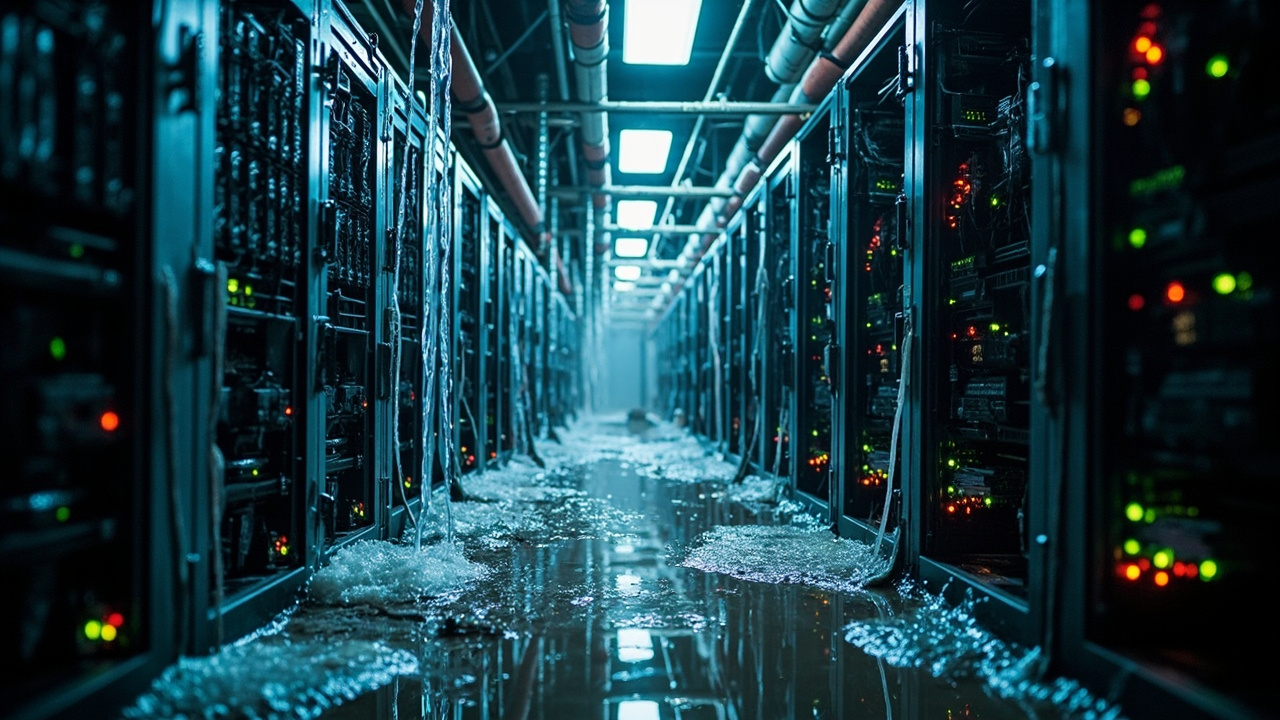
Server rooms and data centers in St. Louis operate in a high-risk environment where multiple failure vectors converge. The region's location at the confluence of the Mississippi and Missouri rivers creates elevated ambient humidity that challenges HVAC systems year-round. During summer months, relative humidity regularly exceeds 70 percent, forcing climate control systems to work continuously. When these systems fail or condensate lines back up, the moisture accumulates rapidly in spaces designed to be sealed and climate-controlled.

St. Louis commercial buildings, particularly those in the Central West End and Clayton business districts, often house server infrastructure in below-grade spaces or converted storage areas. These rooms sit vulnerable to groundwater intrusion during Mississippi River flood cycles and the seasonal freeze-thaw patterns that crack building envelopes. A single pipe burst above a server room or HVAC condensation overflow can destroy millions in equipment within minutes.

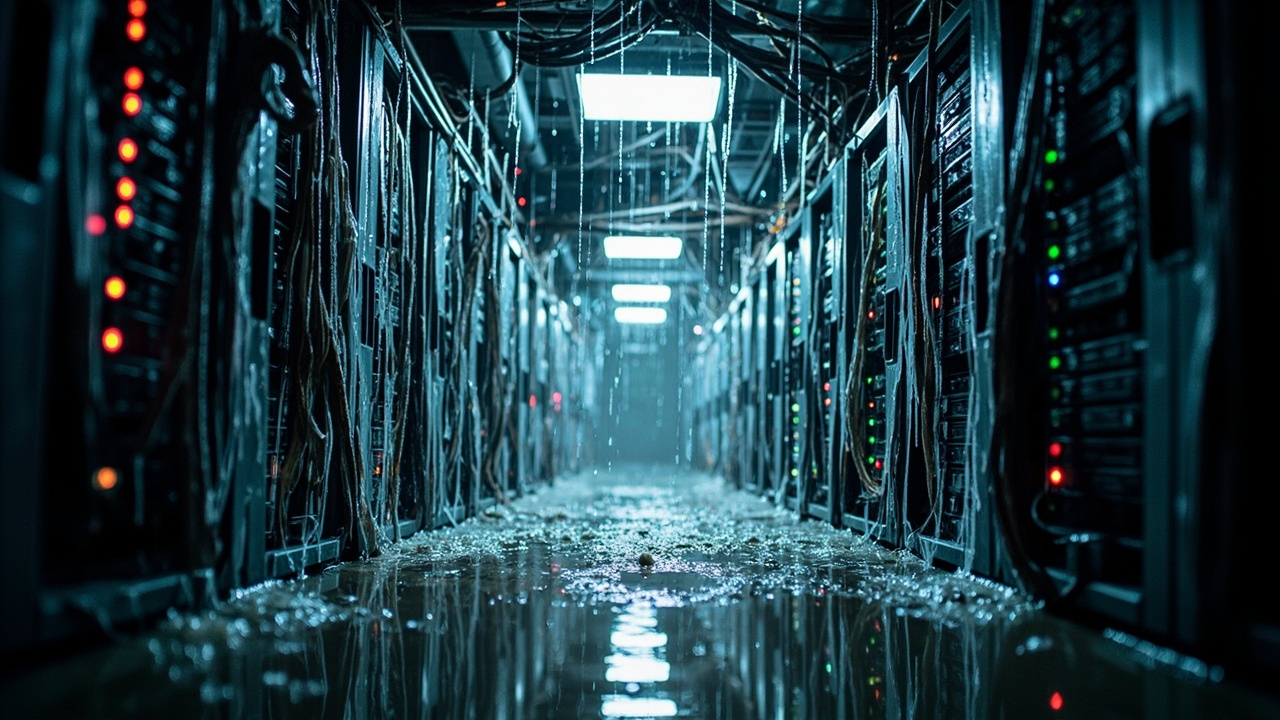
The risk compounds in mixed-use buildings where aging plumbing serves floors above critical IT infrastructure. St. Louis building stock includes substantial pre-1970 construction with galvanized pipe that corrodes from the inside. You cannot see the deterioration until a catastrophic failure floods the room below. Computer room water extraction must begin within minutes to prevent permanent hardware damage. Water bridges electrical contacts, corrodes circuit boards, and ruins hard drives before visible pooling occurs. Every minute delays exponential loss multiplication across your IT asset inventory and business operations capacity.

St. Louis Server Rooms Face Compounding Water Intrusion Risks
Specialized IT Room Water Mitigation Protocol

Specialized IT Room Water Mitigation Protocol

Server room water removal services require fundamentally different protocols than standard commercial water damage restoration. You cannot apply the same extraction methods used in office spaces or retail environments. IT infrastructure demands controlled intervention that prioritizes equipment protection over speed alone.

Our approach begins with immediate power isolation assessment. Before any water extraction begins, we evaluate electrical systems to determine safe shutdown procedures that prevent short circuits during the mitigation process. We coordinate with your IT staff or managed service provider to document equipment status and create a priority hierarchy for salvage operations. This prevents chaotic response that damages equipment through improper handling.

Water extraction in server rooms uses low-profile equipment that accesses tight spaces between rack systems and raised flooring. We deploy truck-mounted extraction units with extended hose runs rather than portable units that would exhaust humid air into the room. This matters because introducing additional moisture during extraction defeats the purpose. We maintain negative air pressure to prevent humidity migration into adjacent spaces while extracting standing water.

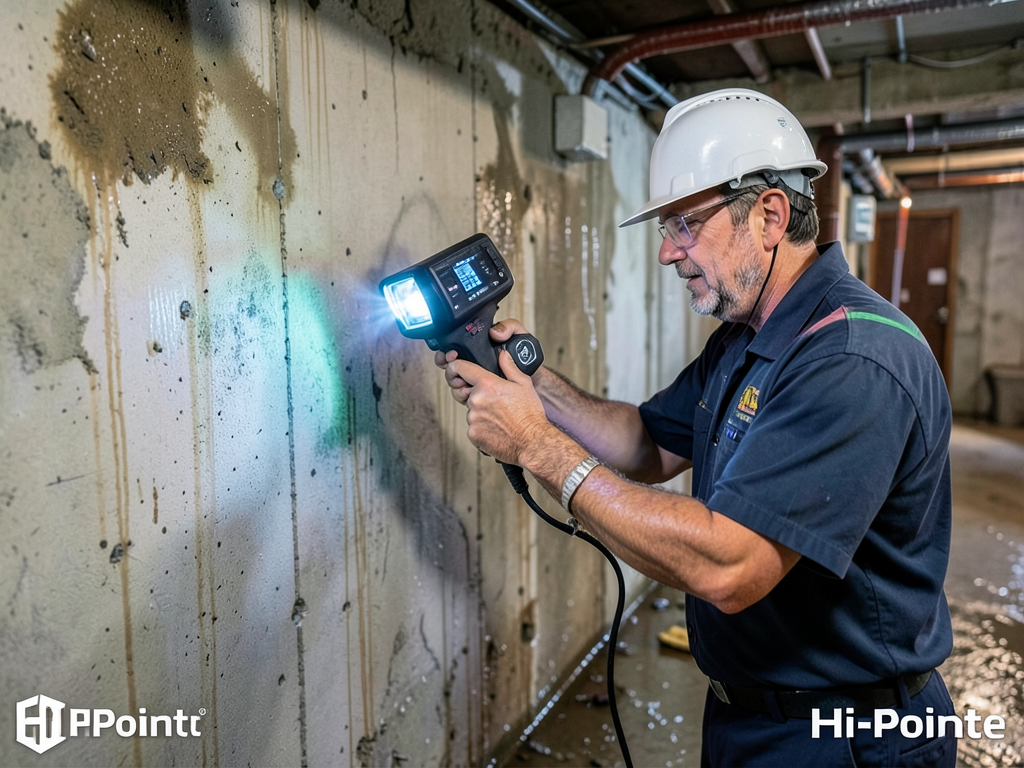
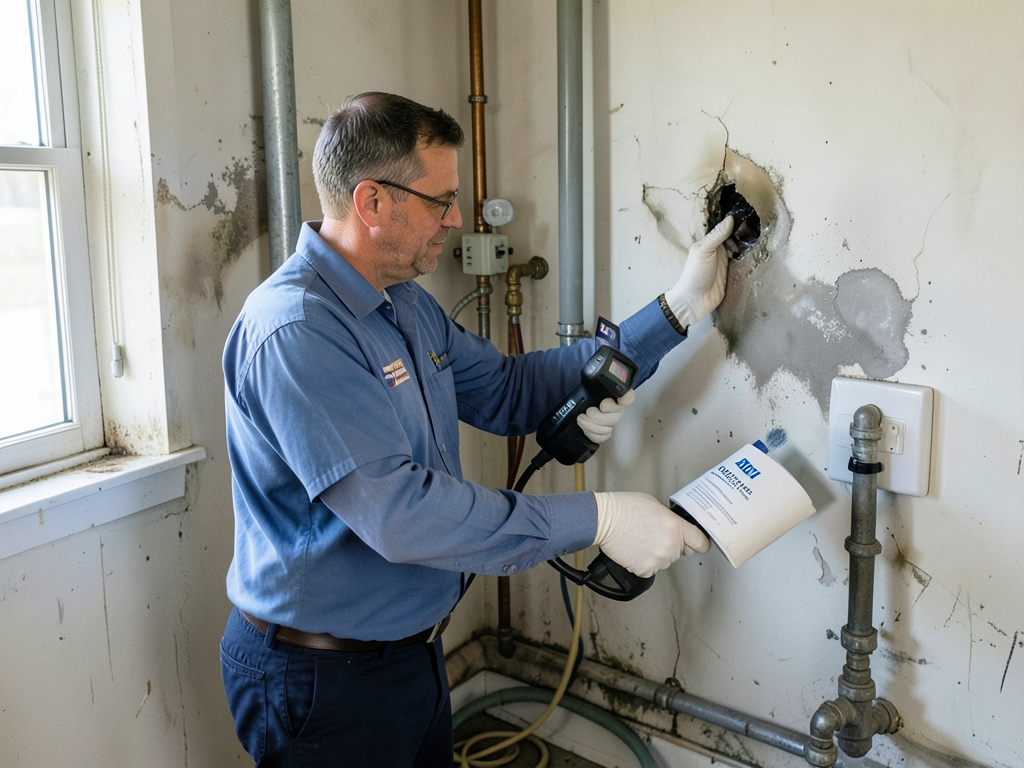
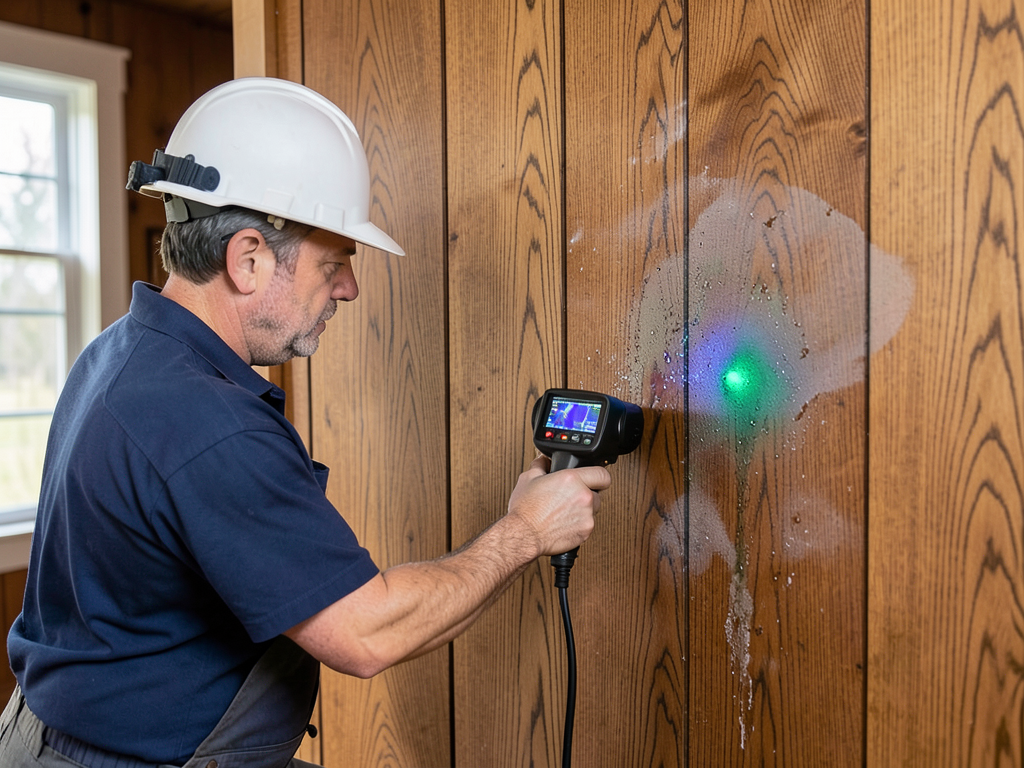
The drying phase uses desiccant dehumidification rather than refrigerant-based systems. Desiccant units remove moisture at the molecular level and function effectively even in the cool temperatures required to protect dormant equipment. We establish continuous monitoring of humidity levels, targeting below 40 percent relative humidity before any equipment restart conversations begin. Our data center water damage restoration process includes thermal imaging to identify moisture trapped in wall cavities, under flooring, and within cable management systems where standard meters cannot reach.

Server Room Recovery Timeline

Server Room Water Damage St. Louis – Business Continuity Protection for Critical IT Infrastructure
01

Emergency Response Dispatch

We arrive on-site within 90 minutes of your call with specialized IT environment equipment. Our teams access your facility 24/7 and coordinate with building security and property management to establish staging areas that protect your business operations. We bring portable generators and independent power sources to avoid taxing your backup electrical systems during the emergency response phase.
02

Controlled Water Extraction

We remove standing water using truck-mounted vacuum systems while your IT team evaluates equipment status. Our technicians extract water from raised floor cavities, cable troughs, and ventilation pathways using specialized attachments. We document moisture levels in walls, ceilings, and flooring substrates to establish baseline readings for the drying phase. This creates the data set your insurance adjuster needs for claim processing.
03

Environmental Stabilization

We maintain desiccant dehumidification and air movement for 72 to 96 hours minimum, monitoring temperature and humidity continuously. Our teams coordinate with your electrical and IT contractors to determine safe equipment restart procedures. We provide final moisture readings and thermal imaging documentation confirming the space meets manufacturer specifications for equipment operation. This documentation protects you from liability if equipment fails after restoration.

St. Louis Data Center Restoration Experience

Patriot Water Damage Restoration St. Louis maintains relationships with commercial property managers and IT service providers throughout the metro area because server room water damage does not wait for business hours. We understand the operational structure of St. Louis business districts. We know that Clayton hosts regional headquarters requiring immediate response. We recognize that the Cortex Innovation District houses technology companies where every minute of downtime translates directly to revenue loss.

Our teams work regularly with building engineers familiar with the mixed-age infrastructure common in St. Louis commercial real estate. We understand that a renovated historic building in the Central West End may have modern HVAC serving a nineteenth-century building envelope. This creates unique failure modes where condensation patterns differ from new construction. We know which insurance adjusters work the major commercial properties in St. Louis and how they document IT equipment loss claims.

You need a restoration contractor who understands both the technical requirements of server room water mitigation and the business implications of extended downtime. We coordinate with your IT staff rather than working around them. We provide documentation that satisfies both your insurance carrier and your equipment manufacturers. Our process protects your ability to file warranty claims on affected hardware by following manufacturer-specified drying and testing protocols.

We staff technicians with IICRC Water Damage Restoration certification specific to commercial and sensitive environments. This matters because generic water damage training does not cover the contamination concerns, static electricity risks, and environmental controls required in data center spaces. You get specialists who understand server room flood cleanup requirements rather than residential water damage crews adapting their process to your critical infrastructure.

Commercial Server Room Restoration Expectations

Response and Mobilization Speed

We maintain 24/7 dispatch with 90-minute response capability throughout St. Louis and St. Louis County. Our teams arrive with truck-mounted extraction equipment, desiccant dehumidifiers, thermal imaging cameras, and moisture detection equipment specific to IT environments. We do not need to return to the shop for specialized equipment. Response time directly correlates to equipment salvage rates. We understand that your business continuity plan assumes immediate professional intervention. You get it.

Damage Assessment Documentation

We document the full scope of water intrusion using moisture meters, thermal imaging, and photographic evidence before beginning extraction. This creates the baseline your insurance carrier requires for claim adjudication. We identify affected building materials, equipment, and contents. We note water category, source identification, and contamination concerns. This assessment becomes part of your claim file and protects you from coverage disputes. We coordinate directly with your insurance adjuster and provide documentation in the format they require for commercial property claims.

Restoration Completion Standards

We restore your server room to manufacturer specifications for temperature and humidity before recommending any equipment restart. You receive final documentation showing moisture readings below 40 percent relative humidity and temperatures within your equipment operating range. We provide thermal imaging showing no residual moisture in building materials. This documentation protects you if equipment failures occur post-restoration. Your IT team makes the restart decision based on complete environmental data rather than guesswork about whether the space is truly dry.

Post-Restoration Monitoring Protocol

We offer 30-day post-restoration humidity monitoring for critical environments. This involves periodic site visits with calibrated meters to confirm the space maintains stable conditions after equipment restart and full thermal load. This catches any residual moisture issues before they cause secondary equipment damage. We provide this data to your facilities management team to document environmental stability. This monitoring protects your insurance position if delayed equipment failures occur and creates the documentation trail showing you exercised reasonable care in the restoration process.

Frequently Asked Questions

You Have Questions,
We Have Answers

What is the cost of water leak detection system for server room? +

Water leak detection systems for server rooms range from $500 to $5,000 depending on complexity and coverage area. Basic spot detectors cost less, while rope sensors and monitored systems with automatic alerts increase the investment. St. Louis facilities must account for high summer humidity and seasonal pipe stress from freeze-thaw cycles. Installation costs vary based on server room size and integration with existing building management systems. Commercial-grade systems with remote monitoring provide the best ROI by enabling immediate response before downtime occurs. Factor in ongoing monitoring fees for cloud-based alert systems.

How to dehumidify a server room? +

Dehumidification requires commercial-grade equipment, not standard office units. Deploy low-grain refrigerant dehumidifiers or desiccant systems to pull moisture from air and surfaces without disrupting operations. Target humidity below 50 percent to prevent corrosion and condensation on equipment. In St. Louis, summer humidity spikes demand aggressive dehumidification protocols. Position units strategically around server racks while maintaining proper airflow patterns. Monitor temperature differentials to avoid condensation. Professional restoration teams use moisture meters and thermal imaging to verify complete drying behind walls and under raised flooring before restoring full power loads.

What are the risks of server rooms? +

Server rooms face multiple critical risks. Water intrusion from roof leaks, HVAC condensation, or plumbing failures causes immediate hardware damage and data loss. High humidity in St. Louis accelerates corrosion on circuit boards and connectors. Electrical hazards increase when water contacts power distribution units or energized equipment. Downtime costs businesses thousands per hour in lost productivity and revenue. Mold growth behind equipment racks creates long-term air quality issues. Fire suppression system discharge floods rooms instantly. Temperature fluctuations from failed HVAC units cause thermal stress on components. Poor cable management traps moisture and prevents proper drainage during water events.

How long does water have to sit for water damage? +

Water damage begins immediately upon contact, but severity escalates with time. Electronics short-circuit within seconds when powered. Within 24 hours, corrosion starts on metal components and circuit boards. Microbial growth begins on drywall and carpet backing within 48 hours, especially in St. Louis humidity. After 72 hours, mold colonies establish and structural materials degrade. Server equipment suffers permanent damage if not powered down and dried within hours. Standing water under raised flooring creates hidden damage zones that worsen over days. Professional extraction within the first hour minimizes losses and reduces business interruption costs.

Mississippi River Flood Cycles and St. Louis Commercial Building Vulnerability

St. Louis sits in a unique hydrological position where Missouri and Mississippi river systems create seasonal groundwater fluctuations that affect commercial building foundations. During spring flood cycles, the water table rises substantially throughout the metro area, particularly in the Riverfront and downtown districts. This creates hydrostatic pressure against below-grade spaces where many businesses locate server rooms and data centers for security and climate control efficiency. The pressure forces groundwater through foundation cracks, floor slab joints, and utility penetrations. You cannot prevent this intrusion through standard waterproofing in extreme flood years. Buildings require active sump systems and foundation drainage that many older structures lack.

St. Louis commercial property insurance carriers understand these regional water intrusion risks and require specific documentation for claims involving below-grade spaces. They want evidence showing you exercised reasonable care through proper extraction methods and complete drying verification. Patriot Water Damage Restoration St. Louis provides the documentation commercial insurance adjusters expect because we work these claims regularly. We understand the difference between surface water claims and groundwater intrusion coverage. We document water source identification and category classification in terms your insurance carrier uses in their claim evaluation process. This protects your coverage position and accelerates claim resolution.
Water Damage Restoration Services in The St. Louis Area

We are proud to be the trusted local choice for water damage restoration across the greater St. Louis region. This map highlights our primary service zone, demonstrating our commitment to rapid, localized response across every neighborhood and business district within the area. We invite all users to view our service area and then contact us directly for immediate deployment to your specific address within the St. Louis community.

Address:
Patriot Water Damage Restoration St. Louis, 710 N Tucker Blvd, St. Louis, MO, 63101

Additional Services We Offer

Our news updates

Latest Articles & News from The Blogs

What to Do When Your Water Softener Leaks and Floods Your Affton Utility Room A leaking water softener can release…

What to Do When Your Water Softener Leaks and Floods Your Affton Utility Room

What to Do When Your Water Softener Leaks and Floods Your Affton Utility Room A leaking water softener can release…

Restoring a Water Damaged Mid-Century Modern Home in Warson Woods

Restoring a Water Damaged Mid-Century Modern Home in Warson Woods Water damage in a mid-century modern home requires specialized knowledge…

Why Your Walk-Out Basement in Hi-Pointe is Vulnerable to Heavy Rain Runoff

Why Your Walk-Out Basement in Hi-Pointe is Vulnerable to Heavy Rain Runoff Your walk-out basement in Hi-Pointe faces unique flooding…

Contact Us

Server room water damage requires immediate professional intervention to prevent permanent equipment loss. Call (314) 428-9977 now for 24/7 emergency dispatch. Our teams arrive with specialized IT environment equipment and begin controlled water extraction within 90 minutes throughout St. Louis and St. Louis County.