menu

Peeling Paint & Wallpaper in St. Louis | Expert Diagnosis & Complete Water Damage Repair

When walls start bubbling or wallpaper lifts, you need more than a cosmetic fix. Patriot Water Damage Restoration St. Louis identifies the hidden moisture source, stops the damage, and restores your walls correctly.

Slider Image 1
Slider Image 2
Slider Image 3
Slider Image 4
Slider Image 5
Slider Image 7
Slider Image 8
Slider Image 9
Slider Image 10
Slider Image 11

Why Your Walls Are Failing in St. Louis

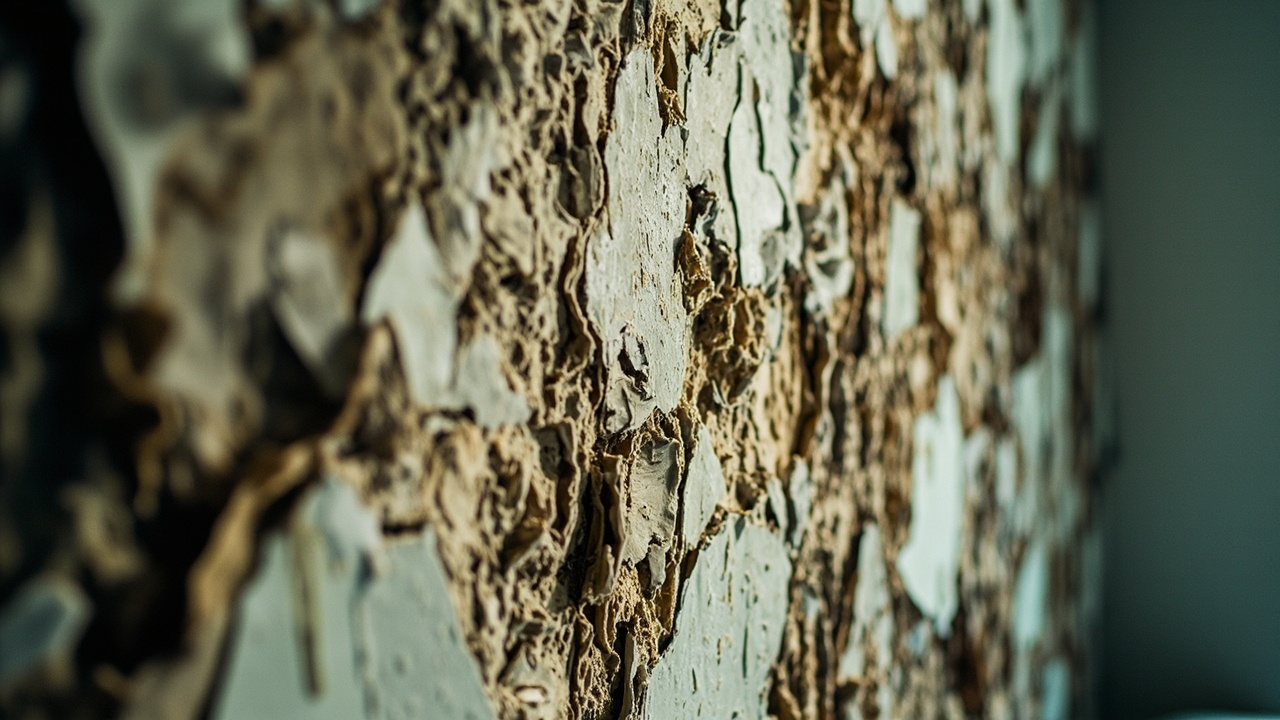
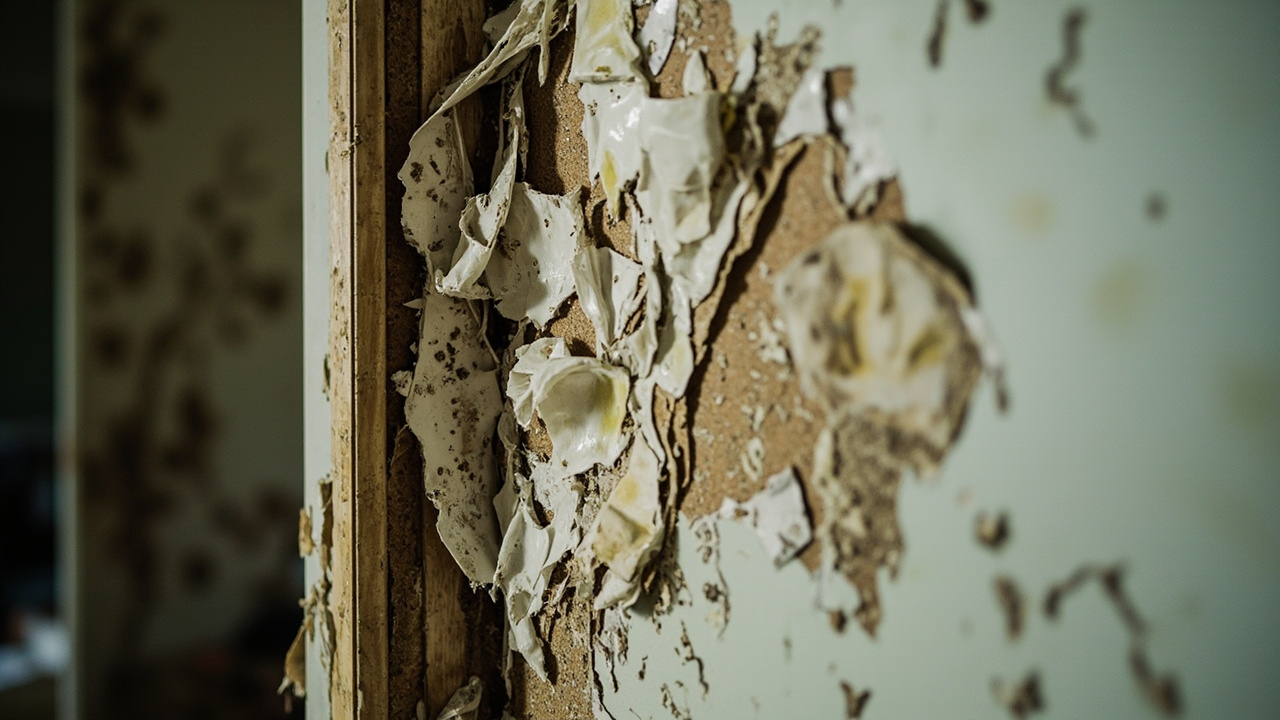
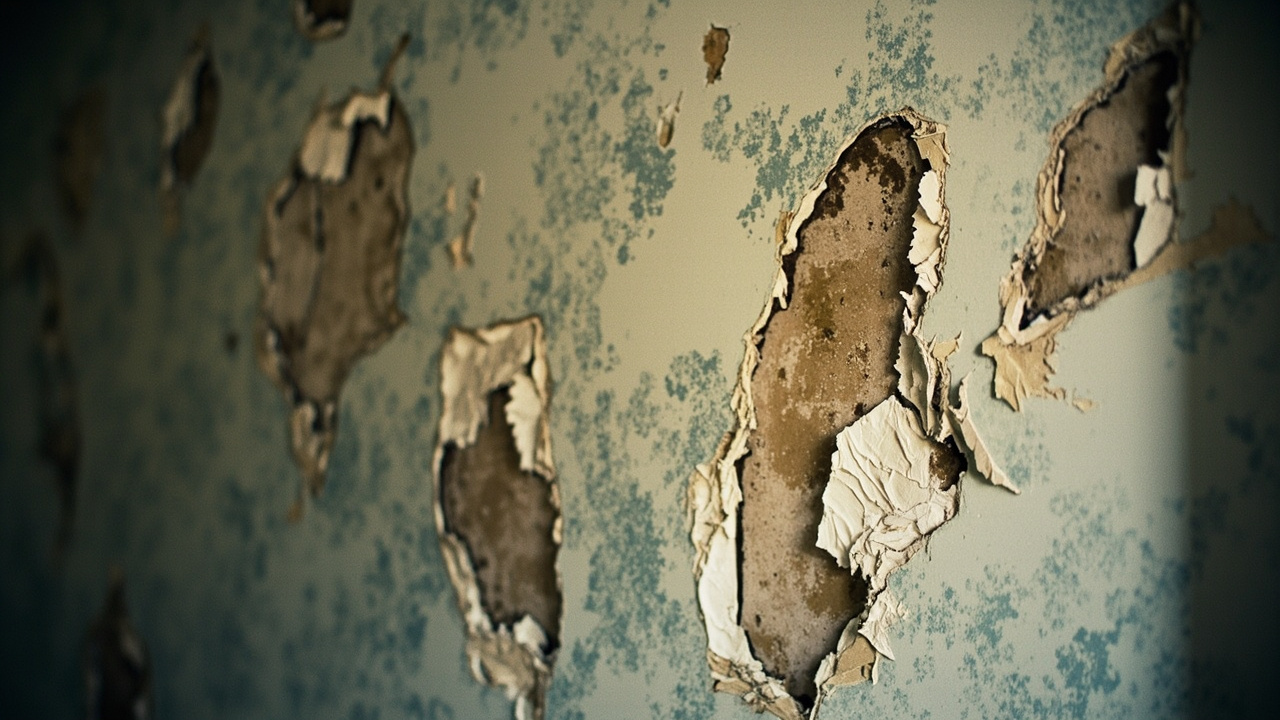
You walk past a wall and notice blistering wall paint. A few days later, the flaking paint spreads. Then the wallpaper starts lifting at the seams. This is not a paint quality problem. This is water.

St. Louis homes face a brutal combination of high summer humidity and aggressive freeze-thaw cycles in winter. When moisture penetrates exterior walls through failed flashing or deteriorating mortar joints, it migrates inward. The water vapor hits the cooler interior wall surface and condenses behind the paint film or wallpaper adhesive. Pressure builds. Paint bubbles. Wallpaper loosens. The surface fails.

Older St. Louis neighborhoods like Soulard and Lafayette Square have beautiful brick facades, but those aging mortar joints wick water like a sponge during spring rains. Homes in Webster Groves and Kirkwood often have plaster walls that hide slow leaks for months before bubbling paint appears. By the time you see loose wallpaper in a bathroom or kitchen, water has been present long enough to compromise the substrate.

The Mississippi River valley creates persistent humidity that never truly dries out basements and lower levels. Condensation forms on cold water pipes. Vapor migrates through foundation walls. Interior finishes absorb moisture until adhesion fails. You see the cosmetic damage first, but the structural threat is already growing behind it. Mold follows moisture. Wood rots. Drywall crumbles. The surface problem is a symptom of a deeper failure that requires professional diagnosis and complete remediation.

Why Your Walls Are Failing in St. Louis
How We Solve the Problem Correctly

How We Solve the Problem Correctly

Most contractors see peeling paint and offer to scrape and repaint. That approach fails within months because it never addresses the moisture source. We solve the problem in reverse. Find the water first. Stop the intrusion. Dry the structure. Then restore the surface.

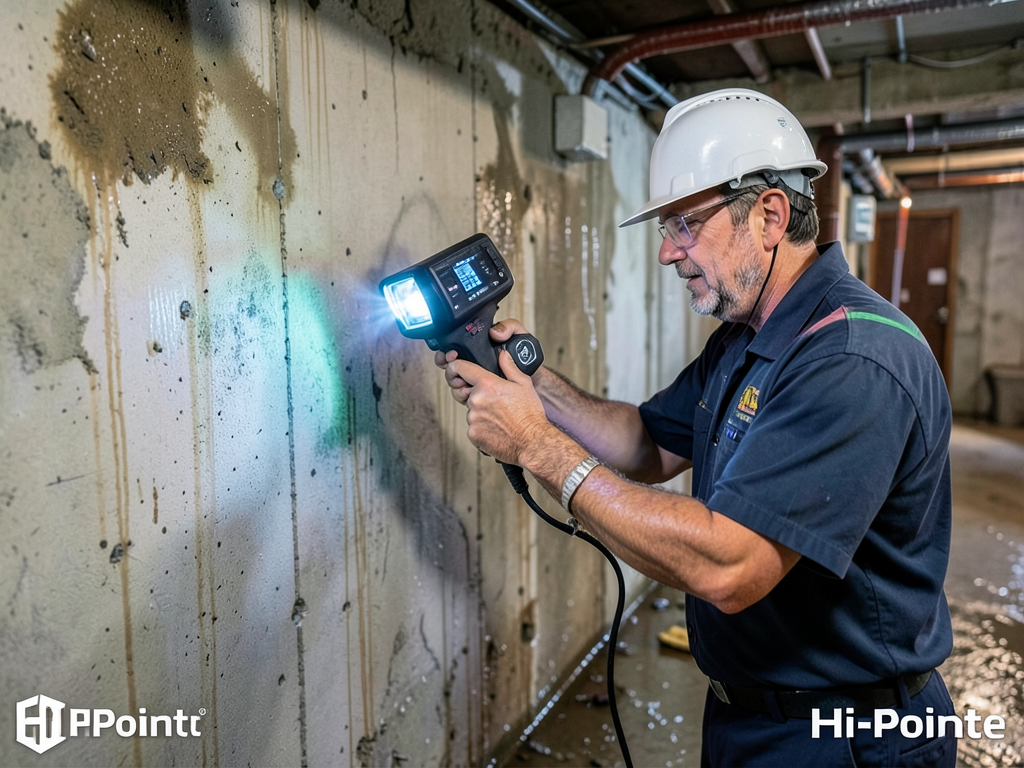
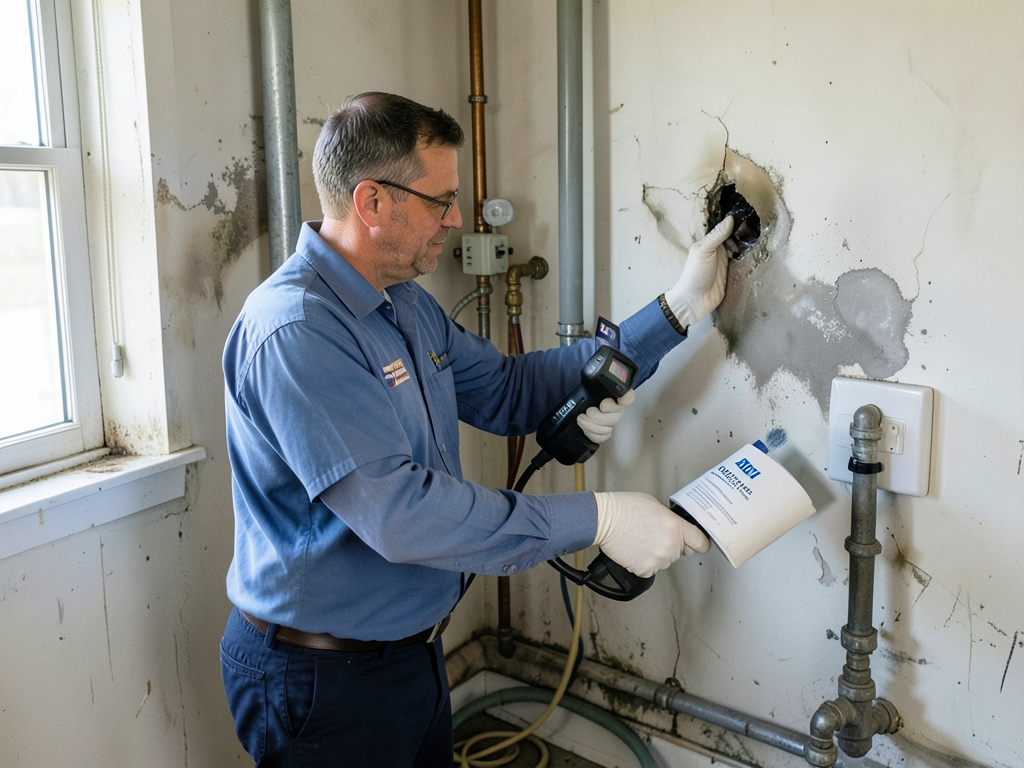
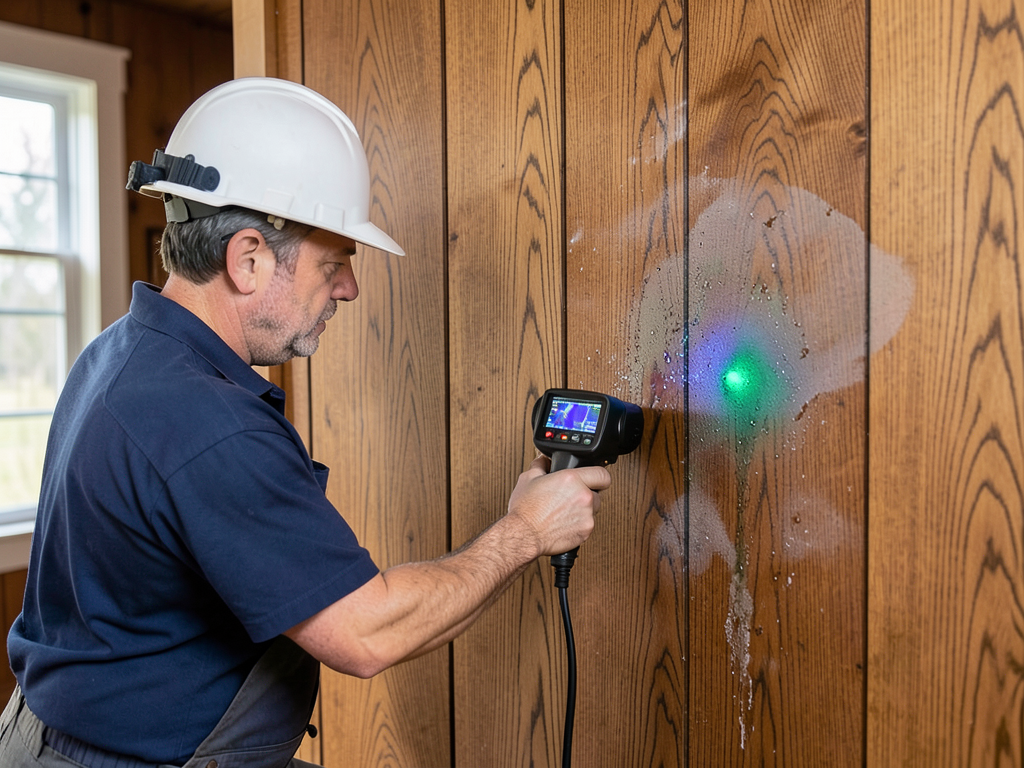
We start with thermal imaging to map temperature differentials that reveal hidden moisture. Infrared cameras show wet insulation, damp framing, and saturated drywall that looks dry to the eye. We use calibrated moisture meters to quantify water content in wood, plaster, and concrete. These readings guide extraction strategy and drying targets.

Once we locate the source, we stop the intrusion. That might mean resealing window flashing, replacing a leaking supply line, or correcting negative grading that pushes storm water against the foundation. If the water comes from a roof leak or failed gutter system, we document it for your insurance claim and coordinate permanent repairs.

Drying happens next. We remove wet insulation and compromised drywall to expose the framing. Commercial dehumidifiers pull vapor from the air while air movers create circulation across all surfaces. We monitor daily with moisture readings until every material hits acceptable dry standards. No guessing.

After the structure dries completely, we assess substrate integrity. Rotted wood gets replaced. Moldy drywall gets cut out and discarded. We treat framing with antimicrobial solutions where necessary. Only then do we rebuild walls, apply new finishes, and restore the cosmetic layer. The surface repair is the final step, not the only step. That is why our work lasts.

What Happens When You Call Us

Peeling Paint & Wallpaper in St. Louis | Expert Diagnosis & Complete Water Damage Repair
01

Moisture Mapping & Source Identification

We arrive with thermal cameras and moisture meters to locate hidden water. You show us the bubbling paint or lifting wallpaper. We scan the surrounding structure to find where moisture enters and how far it has spread. This diagnostic phase prevents guesswork and ensures we address the actual problem, not just the visible symptom.
02

Water Extraction & Structural Drying

After stopping the water source, we remove saturated materials that cannot be saved. Dehumidifiers and air movers run continuously until moisture readings reach safe levels. We document progress daily. The structure must be completely dry before any cosmetic work begins. Rushing this phase guarantees failure. We do not rush.
03

Substrate Repair & Surface Restoration

Once dry readings confirm structural integrity, we replace damaged framing, install new drywall, and apply mold-resistant primers. Walls get finished with paint or wallpaper that matches your existing surfaces. You get a detailed report showing moisture readings before and after, photos of the hidden damage, and documentation of all completed repairs.

Why St. Louis Property Owners Choose Patriot Water Damage Restoration

You need a contractor who understands how St. Louis buildings fail. Brick veneer homes in Clayton and Ladue develop different moisture patterns than the solid masonry structures in South City. We know how limestone foundations in historic districts wick water differently than poured concrete in newer subdivisions.

Our team has worked in every St. Louis neighborhood. We have dried flooded basements in Dogtown, repaired storm damage in Affton, and fixed plumbing failures in Chesterfield. That experience matters when diagnosing why flaking paint appeared on your second-floor bedroom wall or why loose wallpaper suddenly showed up in the hallway. We recognize the patterns specific to local construction methods and regional weather conditions.

Insurance companies trust our documentation. When we submit a claim for hidden water damage, we include thermal images, moisture readings, and detailed scope reports that justify every line item. Adjusters know our estimates reflect actual damage, not inflated guesses. That speeds approvals and gets you paid faster.

We also understand St. Louis building codes and permit requirements. Some repairs trigger permit needs. Others do not. We know the difference and handle the paperwork when necessary. You do not get surprised by code enforcement issues months after the work is finished.

Local suppliers stock the materials we use daily. That means faster project starts and no waiting weeks for specialty items to arrive. When your walls are open and drying equipment is running, speed matters. We keep projects moving without sacrificing quality. You get back to normal faster because we operate entirely within the St. Louis metro and maintain relationships that support rapid response.

What You Can Expect From Start to Finish

Response Time & Project Duration

We dispatch a technician within hours of your call for emergency situations. Non-urgent projects get scheduled within two business days. The diagnostic visit takes one to two hours. Drying typically requires three to five days depending on the extent of saturation and the materials involved. Reconstruction adds another few days. Most complete projects finish within two weeks from initial contact. We provide a detailed timeline after the inspection so you know exactly what to expect and when your home returns to normal.

Inspection & Damage Assessment

The initial assessment combines visual inspection with technology. Thermal imaging reveals temperature differences caused by evaporating moisture. Moisture meters provide numerical readings for wood, drywall, and concrete. We document everything with photos and written notes. You receive a comprehensive report that explains what failed, why it failed, and what repairs are necessary. This report supports insurance claims and gives you a clear understanding of the scope before any demolition begins.

Finished Quality & Material Standards

Rebuilt walls match the existing finish quality. We use mold-resistant drywall in areas prone to moisture. Primer and paint get applied according to manufacturer specifications for proper adhesion and durability. If wallpaper was present, we can reinstall matching material or update to paint depending on your preference. All seams get taped and finished to smooth perfection. The repaired section blends invisibly with the surrounding surfaces. You should not be able to identify where the damage occurred once the project is complete.

Post-Restoration Support & Documentation

You receive final moisture readings that confirm the structure is dry. We provide maintenance recommendations to prevent future problems, such as gutter cleaning schedules or dehumidifier use in basements. All work is documented with before and after photos. If issues arise after project completion, we respond quickly to assess whether new damage has occurred or if the original repair needs adjustment. Our goal is permanent solutions, not temporary patches that fail when the next rainstorm hits.

Frequently Asked Questions

You Have Questions,
We Have Answers

Why is my paint peeling off the wall like wallpaper? +

Paint peeling like wallpaper signals a serious adhesion failure, often caused by moisture trapped behind the surface. In St. Louis homes, high humidity and sudden temperature swings create condensation inside walls. Water damage from roof leaks, plumbing issues, or foundation cracks saturates drywall and breaks the bond between paint and substrate. Poor surface prep during the original paint job also contributes. If you see large sheets lifting away, check for water stains, musty odors, or soft drywall. The underlying moisture source must be fixed before any repainting, or the problem will return within months.

What to do if paint is peeling off the wall? +

First, identify the cause. Check for active leaks, condensation, or hidden water damage before touching the paint. Scrape away all loose, peeling sections with a putty knife until you reach stable edges. Sand the transitions smooth. If moisture was involved, let the area dry completely for several days. St. Louis humidity can slow drying times, so use fans or dehumidifiers. Apply a stain-blocking primer to seal the surface and prevent bleed-through. Then repaint with quality latex paint. If peeling covers large areas or you find soft drywall, call a water damage professional to assess structural issues.

Is it cheaper to paint or peel and stick wallpaper? +

Peel and stick wallpaper runs cheaper upfront for small spaces, costing less in materials and requiring no professional labor. Paint costs more per square foot when you factor in primer, multiple coats, and prep work, but it lasts longer and handles moisture better. In St. Louis homes with humidity issues, peel and stick wallpaper can trap moisture against walls and worsen existing problems. Paint allows walls to breathe. For long-term value and durability, especially in bathrooms or basements prone to dampness, quality paint wins. Peel and stick works for quick cosmetic updates in dry, stable rooms.

Can I paint over paint that is peeling? +

No. Painting over peeling paint guarantees failure. The new coat will lift along with the old layer within weeks because the underlying adhesion problem remains unresolved. You must scrape away all loose paint first, sand the edges smooth, and identify why the original paint failed. In St. Louis, moisture is the usual culprit. If you skip this step and just slap on fresh paint, you waste time and money. Proper surface prep means removing compromised layers, fixing moisture sources, priming bare spots, and creating a stable foundation. Shortcuts lead to repeat peeling and more extensive repairs later.

Will Kilz stop peeling paint? +

Kilz primer will not stop paint that is already peeling. It seals stains and creates a bonding surface, but it cannot repair failed adhesion. You must remove all loose, peeling paint first. Scrape down to stable surfaces, sand smooth, and ensure the substrate is dry and clean. Then apply Kilz to seal stains, block moisture, and provide tooth for topcoat adhesion. Kilz works well in St. Louis homes after water damage repairs to prevent tannin bleed-through from old stains. Think of it as a fresh start for properly prepped surfaces, not a band-aid over existing failures.

Should I scrape off all the peeling paint? +

Yes. Remove all peeling paint down to stable, adhered layers or bare substrate. Leaving loose sections guarantees your new paint will fail quickly. Use a putty knife or scraper to peel away compromised areas, then sand the edges to create smooth transitions. In older St. Louis homes, you may find multiple paint layers. Scrape until you reach a solid surface that does not flake under pressure. If you discover soft drywall or dark stains underneath, you have water damage that needs professional attention before repainting. Thorough scraping prevents repeat failures and wasted effort.

What is the difference between flaking and peeling paint? +

Flaking is surface-level failure where small chips or scales break away, often from weathering or poor-quality paint. Peeling involves larger sections lifting in sheets, indicating deeper adhesion loss between paint and substrate. In St. Louis, flaking happens on exterior trim exposed to freeze-thaw cycles and UV damage. Peeling occurs inside when moisture infiltrates walls from leaks or condensation. Flaking can sometimes be sanded and repainted after light prep. Peeling requires complete removal and investigation of underlying causes, especially moisture intrusion. Both signal problems, but peeling suggests more serious structural or water issues needing immediate attention.

What do you put on walls to stop paint peeling? +

Apply a high-quality stain-blocking primer after identifying and fixing the root cause of peeling. Primers like Kilz or Zinsser seal moisture, block stains, and create a bonding surface for topcoat adhesion. In St. Louis homes, vapor barriers or moisture-resistant paint help in high-humidity areas like basements and bathrooms. Ensure walls are completely dry before priming. Fix leaks, improve ventilation, and address condensation problems first. No product will stop peeling if active moisture continues infiltrating the wall. Primer is your defense after repairs, not a substitute for fixing water damage or poor substrate conditions.

Can you put primer over peeling paint? +

No. Primer will not adhere to peeling paint and will fail along with the compromised layers underneath. You must scrape away all loose, unstable paint first. Primer bonds to clean, stable surfaces, not failing coatings. After removing peeling sections, sand the edges smooth and wipe away dust. Then apply primer to bare spots and transition areas. In St. Louis homes with past water damage, use a stain-blocking primer to seal discoloration and prevent bleed-through. Primer prepares properly prepped surfaces for paint, but it cannot fix adhesion problems. Remove failures first, prime second, paint last.

What is the cost of painting a 1000 sq ft house? +

Cost varies widely based on prep work required, paint quality, and surface conditions. Expect professional painters to charge based on wall area, trim complexity, and whether ceilings are included. In St. Louis, moisture damage and peeling paint increase costs because extensive scraping, priming, and repairs add labor hours. DIY painting saves money but requires proper technique to avoid repeat failures. If you see active peeling or water stains, address the underlying moisture problem first. Painting over damaged surfaces wastes money. Get multiple quotes, ask about prep methods, and ensure contractors identify moisture sources before starting work.

How St. Louis Humidity and Freeze-Thaw Cycles Destroy Wall Finishes

St. Louis sits in a humid continental climate zone where summer dew points regularly exceed 70 degrees. That moisture saturates the air and condenses on any cool surface. Basement walls stay cold year-round, creating ideal conditions for condensation behind wallpaper and paint. Winter brings repeated freeze-thaw cycles that crack mortar joints and open gaps in exterior walls. Water enters during thaw periods, freezes again, and expands. This cycle repeats dozens of times each winter, pushing moisture deeper into wall assemblies. By spring, interior finishes have absorbed months of accumulated moisture. Blistering wall paint and loose wallpaper appear suddenly, but the damage accumulated slowly over an entire season.

Patriot Water Damage Restoration St. Louis has worked in every local housing type, from the shotgun houses in Benton Park to the mid-century ranches in Florissant. We understand how limestone foundations common in pre-1920 homes wick moisture differently than the block foundations in post-war construction. That knowledge changes how we dry structures and what materials we use during reconstruction. Local building inspectors recognize our work and know we follow code requirements for vapor barriers and ventilation. When you hire a company with deep roots in the St. Louis metro, you get solutions tailored to the specific challenges your home faces, not generic approaches imported from other regions.
Water Damage Restoration Services in The St. Louis Area

We are proud to be the trusted local choice for water damage restoration across the greater St. Louis region. This map highlights our primary service zone, demonstrating our commitment to rapid, localized response across every neighborhood and business district within the area. We invite all users to view our service area and then contact us directly for immediate deployment to your specific address within the St. Louis community.

Address:
Patriot Water Damage Restoration St. Louis, 710 N Tucker Blvd, St. Louis, MO, 63101

Additional Services We Offer

Our news updates

Latest Articles & News from The Blogs

What to Do When Your Water Softener Leaks and Floods Your Affton Utility Room A leaking water softener can release…

What to Do When Your Water Softener Leaks and Floods Your Affton Utility Room

What to Do When Your Water Softener Leaks and Floods Your Affton Utility Room A leaking water softener can release…

Restoring a Water Damaged Mid-Century Modern Home in Warson Woods

Restoring a Water Damaged Mid-Century Modern Home in Warson Woods Water damage in a mid-century modern home requires specialized knowledge…

Why Your Walk-Out Basement in Hi-Pointe is Vulnerable to Heavy Rain Runoff

Why Your Walk-Out Basement in Hi-Pointe is Vulnerable to Heavy Rain Runoff Your walk-out basement in Hi-Pointe faces unique flooding…

Contact Us

Peeling paint is not a cosmetic issue. It is a water intrusion problem that worsens daily. Call Patriot Water Damage Restoration St. Louis at (314) 428-9977 right now. We will diagnose the source, dry the structure, and restore your walls correctly.