menu

Efflorescence on Concrete in St. Louis – Expert Diagnosis and Permanent Moisture Control

Stop white powder and crystalline deposits from returning with professional moisture diagnostics and vapor barrier solutions designed for St. Louis's high water table and seasonal flooding patterns.

Slider Image 1
Slider Image 2
Slider Image 3
Slider Image 4
Slider Image 5
Slider Image 7
Slider Image 8
Slider Image 9
Slider Image 10
Slider Image 11

Why White Powder Keeps Appearing on Your St. Louis Concrete

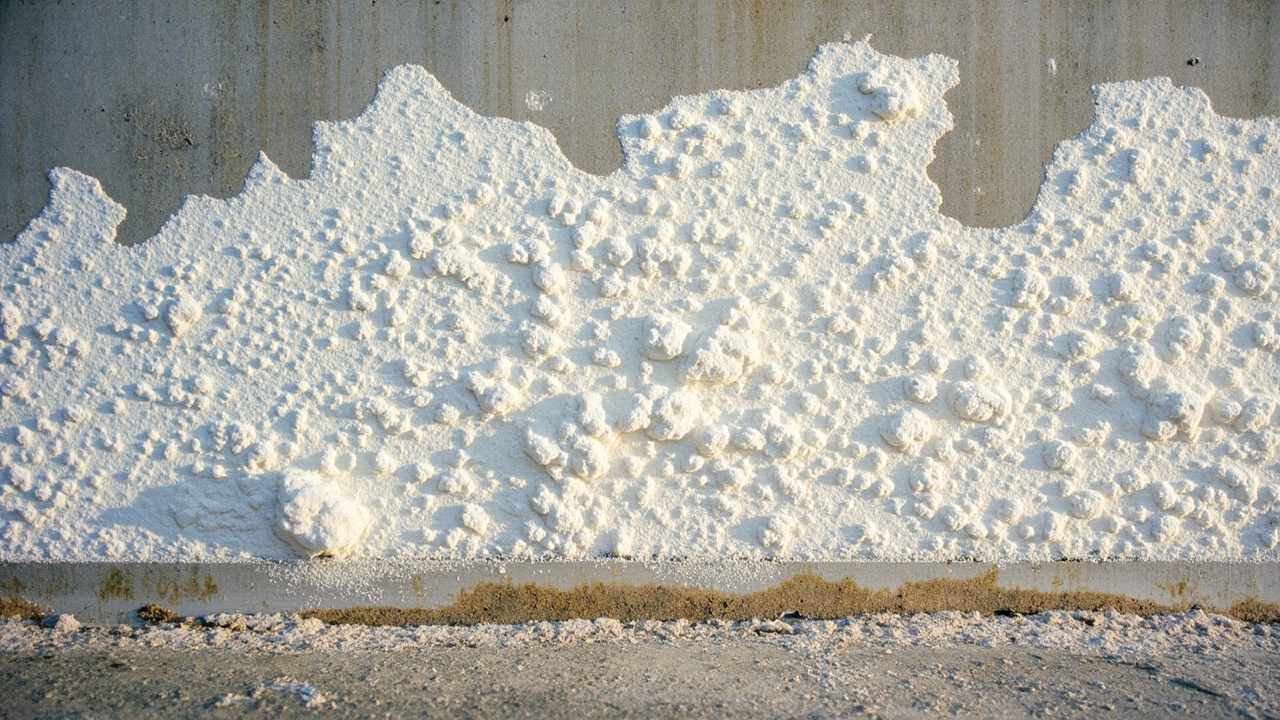
You walk into your basement and see it again. White powder on concrete. Chalky mineral salts clustered along the floor joints. White residue on concrete near the foundation walls. You scrub it away, but the crystalline deposits on concrete return within weeks.

This is efflorescence, and it signals active moisture migration through your concrete. St. Louis sits above a high water table, with clay-heavy soils that hold moisture against foundation walls. When groundwater pushes through porous concrete, it carries dissolved salts. As the water evaporates at the surface, those salts crystallize into the white deposits you see.

The problem accelerates after spring flooding along the Mississippi and Missouri Rivers. Seasonal water table surges saturate the ground around your foundation. Hydrostatic pressure forces water through microcracks and pores in your concrete. The result is persistent concrete salt deposits that indicate chronic moisture intrusion.

Efflorescence is not just cosmetic. It confirms water is moving through your slab or foundation wall. That moisture creates conditions for mold growth, wood rot in floor joists, and structural degradation. In older St. Louis homes built before modern vapor barriers became standard, efflorescence often appears in basements that were never waterproofed correctly.

You cannot solve efflorescence by cleaning the surface. You need to address the moisture source. That requires diagnostic equipment to measure vapor emission rates, identify where water enters, and determine whether the issue stems from poor exterior drainage, failed sump systems, or missing vapor barriers beneath the slab.

Why White Powder Keeps Appearing on Your St. Louis Concrete
How We Stop Moisture Migration That Causes Efflorescence

How We Stop Moisture Migration That Causes Efflorescence

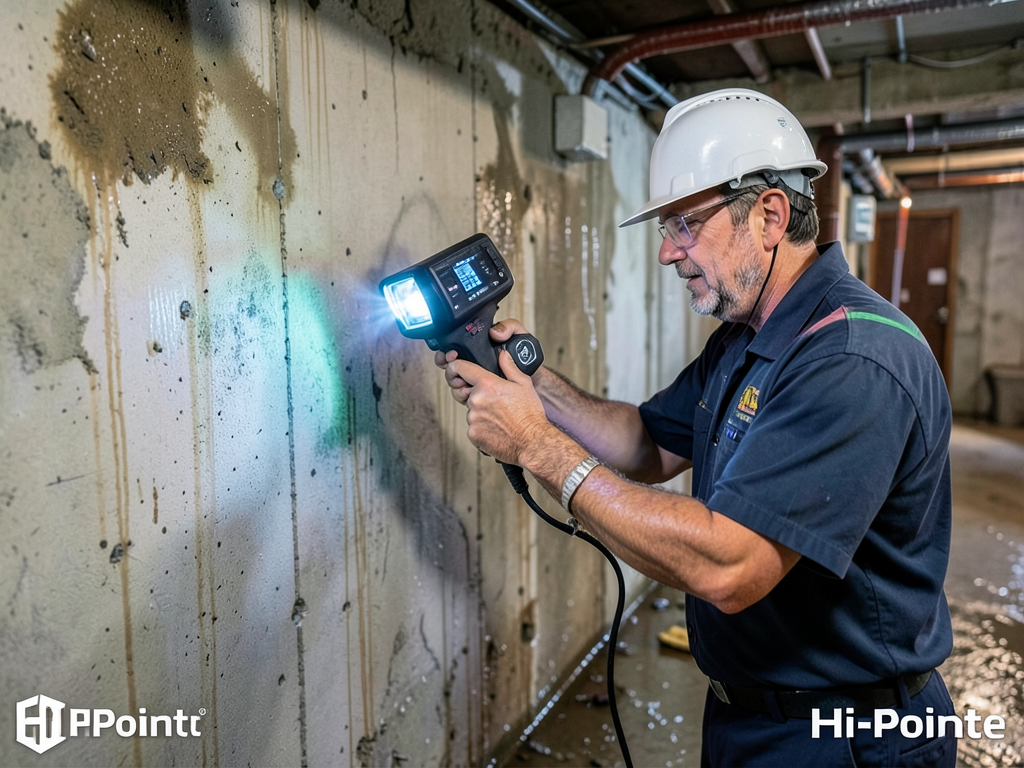
Patriot Water Damage Restoration St. Louis uses calcium chloride testing and infrared thermal imaging to measure moisture levels in your concrete. We do not guess. We quantify vapor emission rates to determine if your slab exceeds safe thresholds for flooring installation or if your foundation walls are actively wicking water.

Once we identify the moisture source, we address it at the entry point. For exterior issues, we inspect foundation grading, downspout discharge points, and perimeter drainage systems. Poor grading directs rainfall toward your foundation instead of away from it. Clogged or disconnected gutters dump thousands of gallons against your foundation walls during St. Louis's heavy spring storms.

For interior moisture problems, we evaluate sump pump capacity, check for failed interior drain tile systems, and test whether your basement floor has a vapor barrier. Many older St. Louis homes were built with concrete poured directly over dirt. Without a vapor barrier, ground moisture migrates up through the slab continuously.

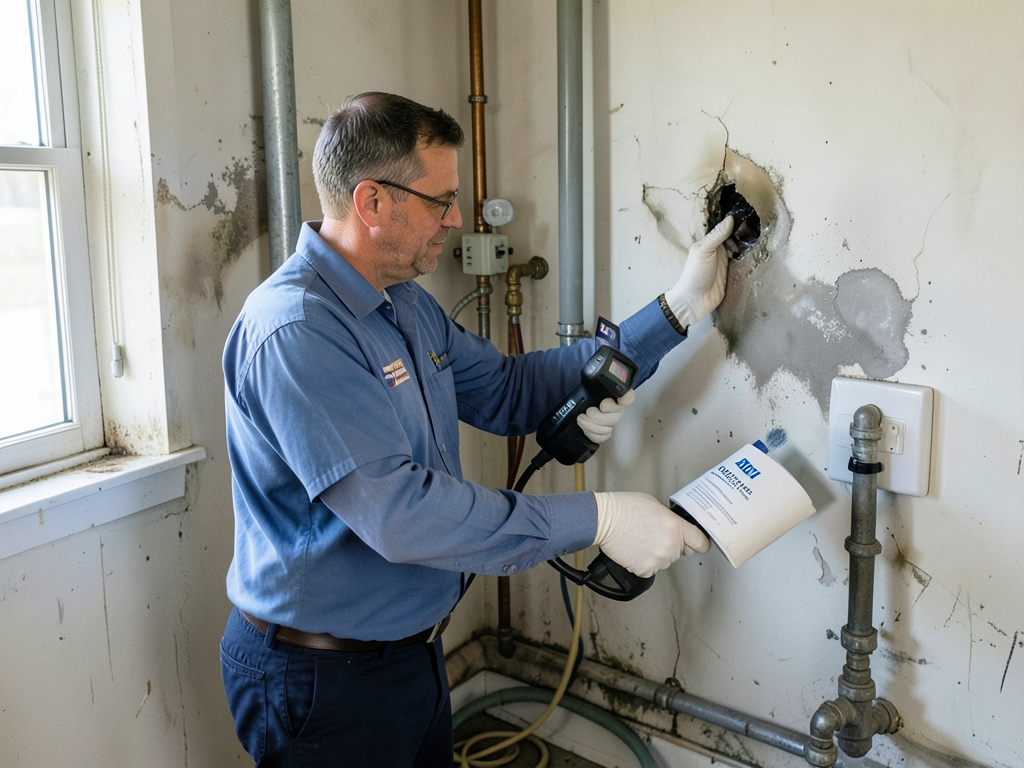
If efflorescence appears on foundation walls, we check for exterior waterproofing failure or hydrostatic pressure from poor lot drainage. We use moisture meters to map wet zones and determine if water enters through cracks, cold joints, or porous block.

After diagnosis, we implement solutions matched to the moisture source. That may include exterior excavation and waterproofing membrane installation, interior drain tile and sump pump systems, or epoxy vapor barrier coatings for slabs. We do not apply generic fixes. We solve the specific failure causing your efflorescence.

What Happens When You Call About Efflorescence

Efflorescence on Concrete in St. Louis – Expert Diagnosis and Permanent Moisture Control
01

Moisture Source Identification

We arrive with thermal imaging cameras and moisture meters to locate where water enters your concrete. We test vapor emission rates using calcium chloride kits that measure moisture migrating through your slab over 72 hours. We inspect exterior grading, drainage systems, and foundation walls for cracks or failed waterproofing. This diagnostic phase tells us exactly why efflorescence keeps returning.
02

Drainage and Barrier Repair

Once we know the moisture entry point, we fix it. For exterior problems, we repair grading, extend downspouts, or excavate foundation walls to install waterproofing membranes and perimeter drains. For interior issues, we install sump systems, seal cracks with epoxy injection, or apply vapor barrier coatings to stop ground moisture from moving through your slab. Each solution targets your specific failure point.
03

Verification and Prevention

After repairs, we verify moisture levels have dropped to safe ranges using follow-up testing. We confirm your slab or foundation walls no longer show active water migration. We provide maintenance guidelines for your drainage systems and explain how to monitor for future issues. The goal is permanent resolution, not temporary cosmetic fixes that fail within months.

Why St. Louis Property Owners Trust Us for Efflorescence Solutions

St. Louis's geology creates unique moisture challenges. The region sits on Karst topography with limestone bedrock that allows groundwater to move unpredictably. Clay soils expand when wet and contract when dry, creating seasonal foundation movement that opens cracks. The Mississippi River floodplain influences water table levels across the metro area.

We understand these conditions because we work in them daily. We know that homes in Soulard and Lafayette Square face different moisture patterns than properties in Chesterfield or O'Fallon. Older city neighborhoods have shallow foundations and poor lot drainage. Newer subdivisions in St. Charles County deal with poor compaction and settlement issues.

Patriot Water Damage Restoration St. Louis does not apply one-size-fits-all fixes. We adapt our approach based on your home's age, foundation type, soil conditions, and drainage patterns. We know when exterior excavation is necessary and when interior solutions suffice. We understand St. Louis building codes and how they affect waterproofing requirements for finished basements.

We also recognize that efflorescence often appears alongside other moisture problems. We check for mold growth on floor joists, wood rot in rim boards, and condensation on HVAC ducts. Moisture intrusion causes cascading failures. We address all related issues during the same visit to prevent future damage.

Our diagnostic equipment provides objective data. You see the thermal images showing cold spots where water enters. You read the moisture meter results proving your concrete is wet. You receive written vapor emission test results that quantify moisture levels. This transparency builds trust and confirms you are paying for solutions that work.

What to Expect During Efflorescence Remediation

Response Time and Scheduling

We schedule diagnostics within 48 hours of your call. Initial moisture testing takes two to four hours depending on your property size. If we deploy calcium chloride vapor emission tests, those require 72 hours to complete before we interpret results. For urgent situations involving active water intrusion or structural concerns, we prioritize same-day assessments. Once we complete diagnostics, we provide a detailed report within 24 hours outlining moisture sources and recommended solutions.

Diagnostic Process and Testing

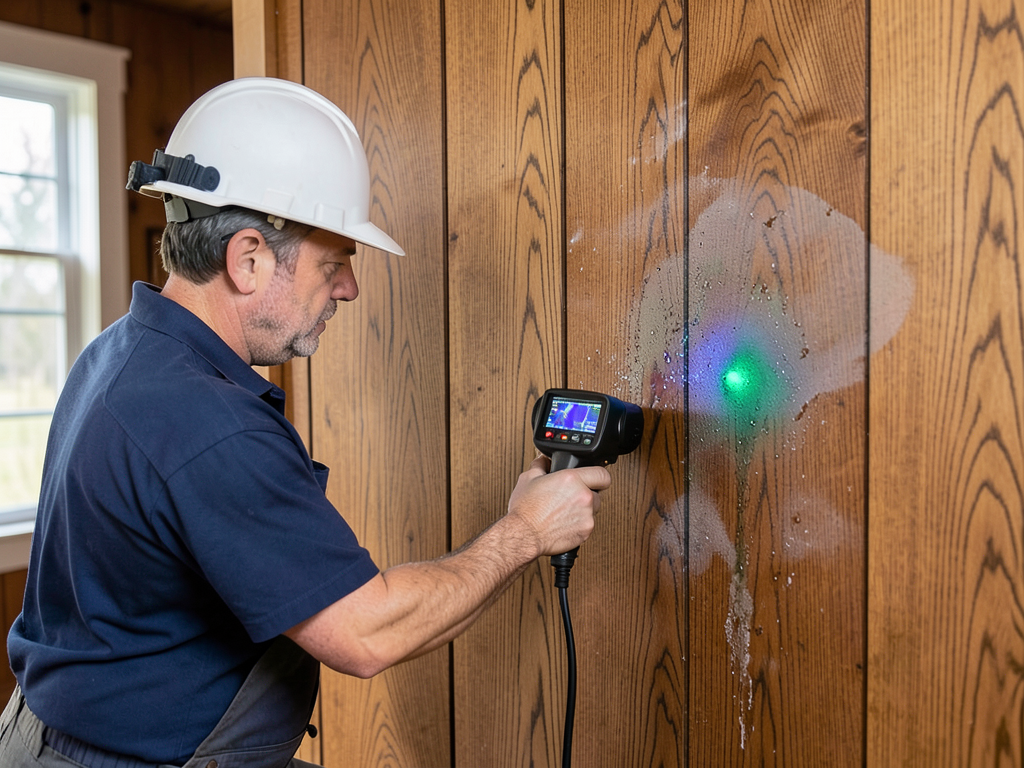
We use multiple diagnostic tools to confirm moisture sources. Thermal imaging reveals temperature differentials that indicate water intrusion. Penetrating moisture meters measure water content at different depths in your concrete. Calcium chloride tests quantify vapor emission rates. We inspect your property's grading, gutters, downspouts, sump systems, and foundation walls. You receive documentation of all findings, including photos of problem areas and moisture meter readings showing exactly where water enters.

Remediation Outcomes and Results

Successful efflorescence remediation stops white powder from returning. You will not see new crystalline deposits forming after we address the moisture source. Concrete dries to safe levels for flooring installation or finishing. Humidity levels drop, reducing musty odors and mold risk. We verify results with post-remediation moisture testing to confirm vapor emission rates meet industry standards. Your concrete remains dry even during St. Louis's heavy spring rains and summer humidity.

Ongoing Monitoring and Maintenance

We provide written maintenance guidelines for your drainage systems, sump pumps, and gutters. You receive instructions for monitoring moisture levels and recognizing early warning signs of new problems. We recommend annual inspections of exterior grading and foundation waterproofing, especially before spring flooding season. If you install new flooring or finish your basement, we can perform pre-installation moisture testing to confirm your concrete meets manufacturer specifications. We remain available for follow-up questions and can schedule future moisture assessments.

Frequently Asked Questions

You Have Questions,
We Have Answers

Is efflorescence on concrete a problem? +

Efflorescence itself is not structurally dangerous, but it signals an underlying moisture problem. The white, chalky deposits form when water migrates through concrete and leaves dissolved salts on the surface. In St. Louis basements, this often points to groundwater intrusion, poor drainage, or high humidity from our muggy summers. The real concern is not the salt, but the persistent water movement causing it. Left unchecked, that moisture can weaken concrete, promote mold growth, and damage finishes. Efflorescence is your concrete waving a red flag. Address the water source before cosmetic fixes.

How do you fix efflorescence on concrete? +

You fix efflorescence by stopping the water source first. Identify where moisture enters the concrete through foundation cracks, hydrostatic pressure, or poor grading around your St. Louis property. Repair cracks with hydraulic cement or epoxy injection. Install or improve gutters, downspouts, and grading to redirect water away from the foundation. Inside, use dehumidifiers to control humidity. Once the moisture source is controlled, remove surface deposits with a stiff brush and water. For stubborn stains, use a diluted muriatic acid solution. Do not seal concrete until the moisture issue is fully resolved, or you trap water inside.

Should efflorescence be removed? +

Yes, remove efflorescence before applying sealers or coatings. The salt deposits prevent proper adhesion and will cause paint or sealant to peel. Brush off loose powder with a stiff nylon brush. For heavier buildup common in St. Louis basements with clay soil moisture issues, scrub with water or a mild acid cleaner designed for masonry. Let the surface dry completely before sealing. Removing efflorescence is quick, but the key step is fixing the moisture intrusion that caused it. If you seal over active efflorescence without addressing water movement, the problem will return and damage your finish.

Can you seal concrete over efflorescence? +

No. Sealing concrete over efflorescence traps moisture and salts beneath the surface, causing the sealer to bubble, peel, or delaminate. The white deposits block proper bonding between the concrete and sealant. In St. Louis, where basement humidity and groundwater pressure are common, sealing over efflorescence without fixing the moisture source makes the problem worse. Water will continue migrating through the concrete, pushing the sealer off from below. Always remove all visible efflorescence, let the concrete dry fully, and confirm the moisture source is controlled before applying any sealer. Rushing this step guarantees failure.

How do professionals remove efflorescence? +

Professionals remove efflorescence using mechanical brushing, pressure washing, or chemical cleaning depending on severity. For light deposits, a stiff brush and water work. For stubborn buildup, pros apply diluted muriatic acid or specialized efflorescence removers, let it dwell, then rinse thoroughly. After cleaning, they dry the surface and test moisture levels with meters to confirm the slab is ready for treatment. The critical professional step is diagnosing and fixing the water source through crack injection, waterproofing membranes, or drainage improvements. Cleaning alone is cosmetic. Stopping water migration is what prevents recurrence in St. Louis foundations dealing with clay soil expansion.

Should I worry about efflorescence? +

Worry about the water, not the salt. Efflorescence is cosmetically annoying but structurally harmless. The moisture causing it is the real threat. In St. Louis, persistent efflorescence in basements often signals hydrostatic pressure from our clay soils or seasonal water table shifts. That water can crack foundations, rot wood framing, and create mold conditions. If you see recurring efflorescence after cleaning, you have an active moisture problem that needs professional assessment. One-time deposits after new concrete cures are normal. Repeated or spreading efflorescence means water is moving through your foundation and needs correction.

Does efflorescence indicate water damage? +

Yes. Efflorescence is a visible symptom of water moving through concrete. The salts dissolve inside the concrete, travel with moisture to the surface, and crystallize when water evaporates. In St. Louis basements, this usually indicates groundwater intrusion, foundation cracks, or inadequate exterior drainage. The damage is not from the salt itself, but from the chronic water exposure weakening the concrete, corroding rebar, and creating conditions for mold. Efflorescence is your early warning system. If you see it, assume there is a moisture pathway that needs investigation and repair before structural or health problems develop.

How do I stop efflorescence from returning? +

Stop efflorescence from returning by eliminating the water source. Improve exterior grading so water flows away from the foundation. Clean gutters and extend downspouts at least six feet from the house. Seal foundation cracks with epoxy or polyurethane injection. Install or repair interior or exterior drainage systems if hydrostatic pressure is high. In St. Louis basements with clay soil, a sump pump and interior drain tile may be necessary. Control indoor humidity with dehumidifiers. Once moisture is managed, apply a penetrating silane or siloxane sealer to reduce water absorption. Surface cleaning without water control guarantees the problem will return.

What is the best efflorescence remover? +

The best efflorescence remover depends on severity. For light deposits, plain water and a stiff brush work fine. For moderate buildup, use a commercial efflorescence cleaner with mild acids designed for masonry. For heavy crystalline deposits common in St. Louis basements, a diluted muriatic acid solution is most effective. Mix one part acid to ten parts water, apply with a brush, let it fizz, then rinse thoroughly. Always wear gloves and eye protection. Test in a small area first. Remember, any cleaner only addresses the symptom. Fix the water intrusion or you will be cleaning efflorescence every season.

Does Drylok stop efflorescence? +

Drylok and similar masonry waterproofers do not stop efflorescence. They trap it behind the coating. If you apply Drylok over concrete with active moisture migration, the paint will bubble and peel as water and salts push from behind. Drylok can reduce future water absorption after you fix the source and remove existing deposits, but it is not a solution for efflorescence itself. In St. Louis basements with ongoing groundwater issues, Drylok without proper drainage and crack repair is a cosmetic band-aid that fails quickly. Address the moisture intrusion first, remove all efflorescence, let the concrete dry, then seal if needed.

How St. Louis's High Water Table and Clay Soils Cause Chronic Efflorescence

St. Louis's water table sits close to the surface, especially in properties near the Missouri and Mississippi River floodplains. During spring flooding and heavy rainfall, groundwater levels rise and push against foundation walls through hydrostatic pressure. Clay-heavy soils common throughout the metro area hold moisture against concrete instead of draining it away. This combination creates persistent efflorescence problems in basements and garage slabs. The white powder and mineral salt deposits you see confirm water is actively migrating through your concrete, carrying dissolved minerals from the surrounding soil.

Older St. Louis homes built before modern waterproofing standards face higher efflorescence risk. Many were constructed without vapor barriers beneath concrete slabs or proper exterior foundation waterproofing. The clay soil's expansion and contraction through seasonal moisture changes also creates foundation movement that opens new cracks where water can enter. We understand these local conditions and how they affect different neighborhoods across St. Louis, St. Charles, and Jefferson Counties. Our solutions account for the specific geology, soil types, and water table levels in your area.
Water Damage Restoration Services in The St. Louis Area

We are proud to be the trusted local choice for water damage restoration across the greater St. Louis region. This map highlights our primary service zone, demonstrating our commitment to rapid, localized response across every neighborhood and business district within the area. We invite all users to view our service area and then contact us directly for immediate deployment to your specific address within the St. Louis community.

Address:
Patriot Water Damage Restoration St. Louis, 710 N Tucker Blvd, St. Louis, MO, 63101

Additional Services We Offer

Our news updates

Latest Articles & News from The Blogs

What to Do When Your Water Softener Leaks and Floods Your Affton Utility Room A leaking water softener can release…

What to Do When Your Water Softener Leaks and Floods Your Affton Utility Room

What to Do When Your Water Softener Leaks and Floods Your Affton Utility Room A leaking water softener can release…

Restoring a Water Damaged Mid-Century Modern Home in Warson Woods

Restoring a Water Damaged Mid-Century Modern Home in Warson Woods Water damage in a mid-century modern home requires specialized knowledge…

Why Your Walk-Out Basement in Hi-Pointe is Vulnerable to Heavy Rain Runoff

Why Your Walk-Out Basement in Hi-Pointe is Vulnerable to Heavy Rain Runoff Your walk-out basement in Hi-Pointe faces unique flooding…

Contact Us

Stop treating the symptom and fix the source. Call Patriot Water Damage Restoration St. Louis at (314) 428-9977 for comprehensive moisture diagnostics and permanent efflorescence solutions. We provide written moisture assessments and clear repair recommendations.