menu

Preventative Waterproofing Tips in St. Louis – Stop Water Damage Before It Starts

Master proactive water sealing methods and moisture control best practices designed specifically for St. Louis's humid climate and prevent expensive water damage repairs before they happen.

Slider Image 1
Slider Image 2
Slider Image 3
Slider Image 4
Slider Image 5
Slider Image 7
Slider Image 8
Slider Image 9
Slider Image 10
Slider Image 11

Why St. Louis Homes Need Year-Round Water Damage Prevention

St. Louis sits at the confluence of the Mississippi and Missouri Rivers, which creates relentless humidity year-round. Add the city's clay-heavy soil that expands when wet and contracts when dry, and you have a perfect recipe for foundation cracks, basement seepage, and structural water intrusion.

The freeze-thaw cycles here are brutal. Winter temperatures drop below freezing at least 60 nights per year, then spike back up. Water gets into tiny cracks in your foundation, freezes, expands, and creates bigger cracks. By spring, those hairline fissures become entry points for groundwater during our heavy April and May rains.

Most homeowners in neighborhoods like Soulard, Tower Grove, and Clayton do not realize their basements are vulnerable until they see standing water. By then, you are dealing with damaged drywall, ruined flooring, and potential mold growth. A home waterproofing maintenance guide is not optional here. It is survival.

The good news is that DIY waterproofing techniques combined with professional moisture control best practices can stop 90 percent of water intrusion before it begins. You do not need to wait for disaster. Proactive water sealing methods tailored to St. Louis's unique challenges keep your home dry, your foundation stable, and your insurance premiums low. Start with a water damage prevention checklist that addresses the specific risks in this region.

Why St. Louis Homes Need Year-Round Water Damage Prevention
The Core Waterproofing Strategies That Work in St. Louis

The Core Waterproofing Strategies That Work in St. Louis

Effective water damage prevention in St. Louis requires a multi-layer defense system. You need exterior protection, interior drainage, and constant vigilance on the weak points where water finds its way in.

Start with your grading. The soil around your foundation should slope away from your home at least six inches over the first ten feet. Clay soil compacts and settles unevenly, so you may need to add fill dirt every few years. Check after heavy rains. If water pools near your foundation, you have a grading problem.

Next, inspect your gutters and downspouts. Clogged gutters dump thousands of gallons directly against your foundation during spring storms. Downspouts should extend at least four feet away from your home. Consider buried downspout extensions in high-risk areas. This simple fix prevents more basement flooding than any other DIY waterproofing technique.

Foundation cracks need immediate attention. Use hydraulic cement or polyurethane sealant for small cracks. Anything wider than a quarter-inch needs professional evaluation. The clay soil shift in St. Louis can turn minor cracks into structural issues fast.

Inside your basement, install a sump pump if you do not have one. Battery backup systems are critical here because summer storms knock out power right when you need the pump most. Add a dehumidifier to keep humidity below 50 percent. High humidity accelerates mold growth and makes your HVAC system work harder.

Finally, apply waterproof sealant to basement walls. Masonry waterproofing products create a moisture barrier that stops seepage through porous concrete block. Reapply every three to five years as part of your moisture control best practices.

Your Step-by-Step Waterproofing Action Plan

Preventative Waterproofing Tips in St. Louis – Stop Water Damage Before It Starts
01

Exterior Inspection and Repair

Walk your property after a rainstorm. Look for standing water, soil erosion, and foundation cracks. Check window wells for debris and proper drainage. Inspect all exterior caulking around windows, doors, and utility penetrations. Replace cracked or missing caulk immediately. Examine your roof line for damaged shingles or flashing gaps. These small fixes prevent major water intrusion during St. Louis's intense summer thunderstorms.
02

Drainage System Optimization

Clean gutters twice per year, in spring and fall. Install gutter guards if you have large trees nearby. Extend downspouts away from your foundation using rigid extensions or buried drain lines. Test your sump pump monthly by pouring water into the pit. Check the discharge line to confirm it drains at least ten feet from your home. Consider a French drain system if you have chronic basement moisture issues.
03

Interior Protection and Monitoring

Seal basement walls with penetrating waterproof coating. Install a hygrometer to track humidity levels. Run a dehumidifier year-round, emptying it daily or connecting it to a drain line. Add floor drains if your basement lacks them. Create a seasonal maintenance calendar that includes gutter cleaning, sump pump testing, and foundation crack inspection. Document everything with photos so you can track changes over time and catch problems early.

Why Local Knowledge Matters for St. Louis Waterproofing

Generic waterproofing advice fails in St. Louis because it ignores the unique challenges of this region. The Meramec River watershed, the Mississippi floodplain, and our notorious clay soil create water intrusion patterns you will not find in other cities.

Patriot Water Damage Restoration St. Louis understands these local factors because we have worked in every neighborhood from Webster Groves to Kirkwood. We know which streets flood first during spring rains. We recognize the foundation types common in turn-of-the-century brick homes versus post-war construction. This matters when you are choosing proactive water sealing methods.

St. Louis building codes have specific requirements for basement waterproofing in flood-prone areas. Homes built before 1990 often lack proper vapor barriers or exterior drainage systems. If you live in a historic district like Lafayette Square, you face additional restrictions on exterior modifications. You need someone who knows how to waterproof effectively while respecting preservation guidelines.

The clay soil here swells up to 30 percent when saturated. That creates hydrostatic pressure against your foundation walls. Standard interior sealants will not stop water forced through concrete block by soil pressure. You need exterior excavation and proper drainage tile installation in severe cases.

We also understand the insurance landscape in St. Louis. Many policies exclude water damage from poor maintenance or gradual seepage. Documenting your water damage prevention checklist and maintenance records can make the difference between a paid claim and a denial. We help you create that documentation trail while keeping your home dry.

What You Can Expect from a Professional Waterproofing Assessment

Response Time and Scheduling

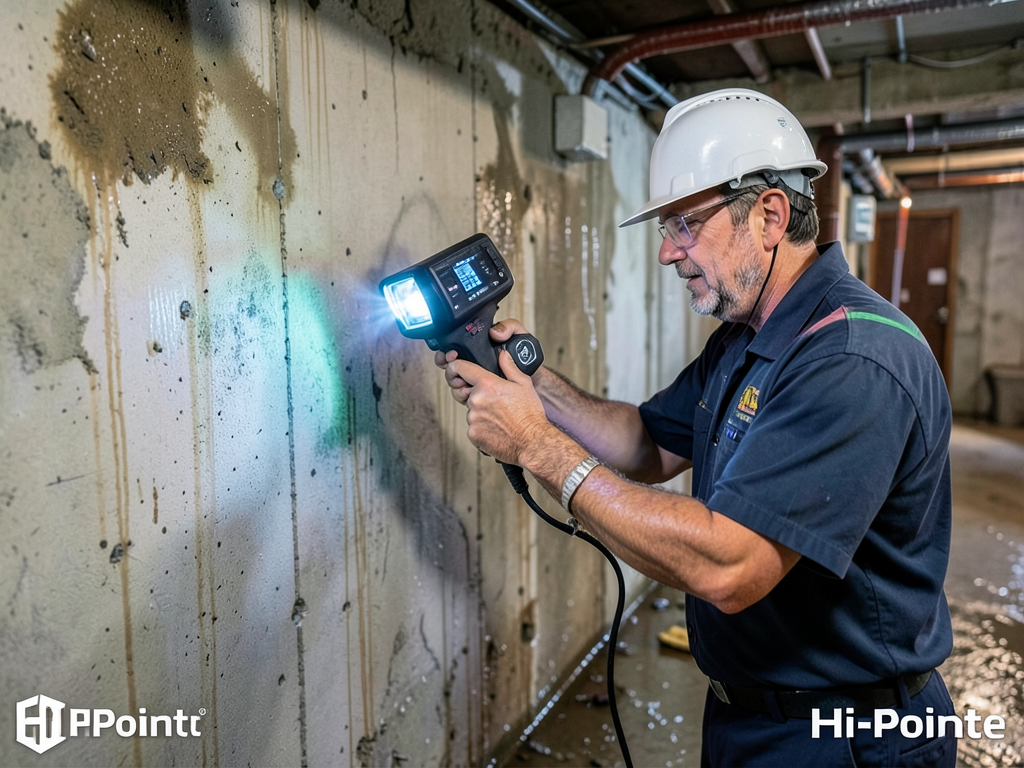
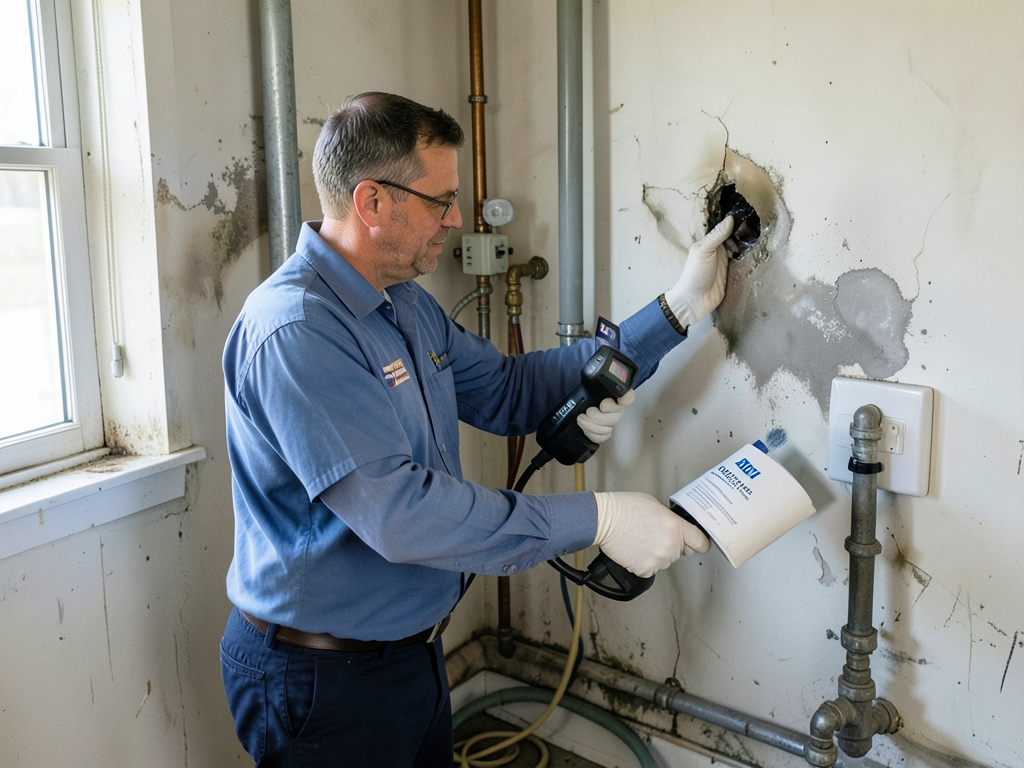
We offer free waterproofing assessments within 24 hours for St. Louis homeowners. Our inspectors arrive with moisture meters, thermal imaging cameras, and concrete testing tools. The evaluation takes 60 to 90 minutes depending on your home's size and the number of problem areas. We work around your schedule, including evenings and weekends. You get a written report with photos documenting every issue we find, plus a prioritized action plan with cost estimates for DIY fixes versus professional solutions.

Comprehensive Property Evaluation

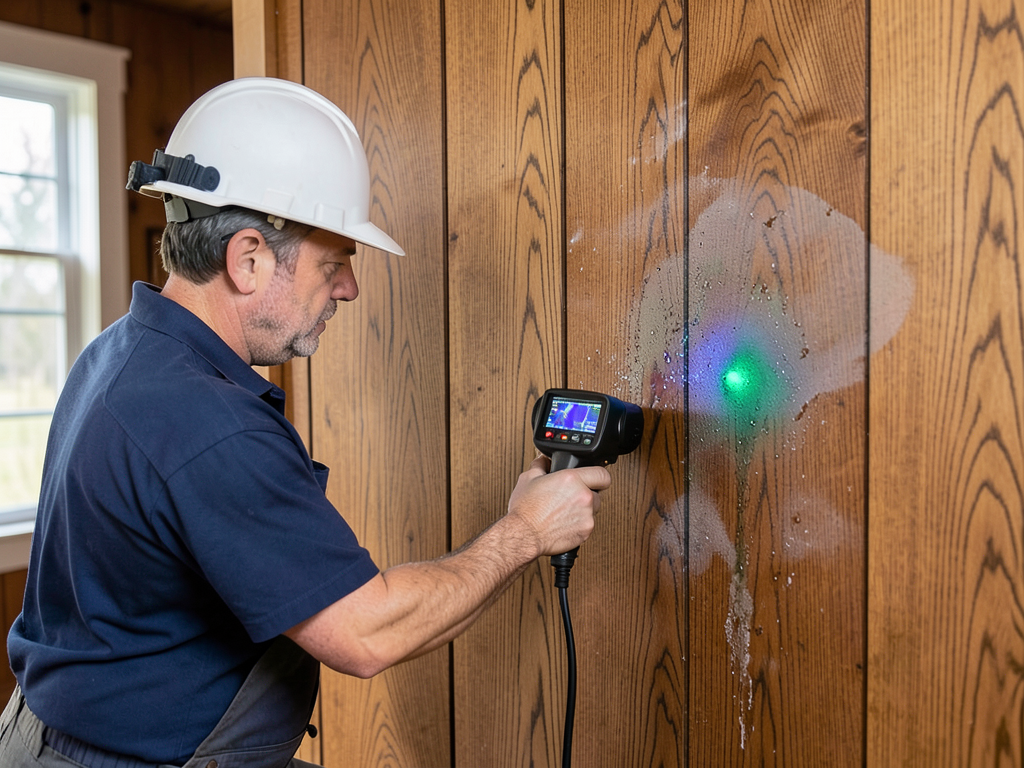
Our assessment covers your entire property, not just the basement. We inspect roof drainage, gutter function, soil grading, foundation integrity, window well drainage, and exterior caulking. Inside, we test humidity levels, check for efflorescence on basement walls, and identify hidden moisture intrusion using infrared technology. We look for early warning signs like musty odors, wall discoloration, or floor tile lifting. You learn exactly where water is entering and why, with specific solutions for each problem area.

Customized Prevention Strategy

You receive a detailed waterproofing plan tailored to your home's construction type, age, and the specific water threats in your neighborhood. We separate quick DIY fixes from projects requiring professional equipment. Your plan includes product recommendations, seasonal maintenance tasks, and monitoring strategies to catch new problems early. We explain the return on investment for each recommendation so you can prioritize based on budget and risk level. The goal is dry basements and protected foundations for decades.

Ongoing Support and Monitoring

After implementing waterproofing measures, we offer annual follow-up inspections to verify everything is working correctly. Clay soil movement and settling can create new vulnerabilities over time. We help you adjust your maintenance schedule based on what we find during these check-ups. If you complete professional waterproofing work through us, we provide documentation for your insurance company and future home buyers. This protects your investment and gives you peace of mind during every rainstorm.

Frequently Asked Questions

You Have Questions,
We Have Answers

What to do before applying waterproofing? +

Start by inspecting your basement walls and foundation for existing cracks, moisture signs, or efflorescence. Clean all surfaces thoroughly to remove dirt, oil, and loose material. Use a wire brush or pressure washer if needed. In St. Louis, check for clay soil expansion damage, especially after spring thaws or heavy rain. Repair any structural cracks wider than a hairline before waterproofing. Ensure gutters and downspouts direct water at least six feet away from your foundation. Test humidity levels with a meter. Proper surface prep determines whether your waterproofing system bonds correctly and lasts.

What are common waterproofing mistakes? +

Skipping surface prep is the biggest error. Many homeowners apply waterproofing over dirty or damp surfaces, causing poor adhesion. Another mistake is ignoring exterior drainage. St. Louis clay soil holds water against foundations, so interior-only waterproofing fails without fixing grading issues. Applying too thin a coat, using the wrong product for your wall material, or waterproofing during high humidity also compromise results. Never seal active water leaks without addressing the source. Treating symptoms instead of causes wastes money. Professional assessment identifies hidden moisture sources your eyes miss.

Should you prime before waterproofing? +

Yes, priming improves adhesion and longevity. Porous surfaces like concrete and masonry in St. Louis basements absorb waterproofing unevenly without primer. A quality primer seals the surface, prevents air bubbles, and ensures consistent coverage. It also blocks efflorescence and helps waterproofing membranes bond to older foundations common in neighborhoods like Soulard or Tower Grove. For painted walls, primer prevents peeling. Use a primer compatible with your waterproofing product. Read manufacturer instructions carefully. Skipping this step might save an hour but can cost you thousands in reapplication or water damage later.

How much does it cost to waterproof a 1000 sq ft basement? +

Expect costs between $3,000 and $10,000 depending on the system and severity. Basic interior sealant application runs lower. Full waterproofing with exterior excavation, drainage systems, sump pump installation, and membrane barriers costs more. St. Louis clay soil often requires more extensive drainage work, increasing price. Factors include wall condition, accessibility, existing damage, and whether you need French drains or vapor barriers. Older homes in historic districts may need custom solutions. DIY sealants cost less upfront but often fail without proper installation. Get multiple detailed estimates. Cheap fixes become expensive failures when basements flood.

How many coats of waterproofing should I do? +

Most waterproofing products require two coats minimum. The first coat fills pores and provides a base layer. The second coat ensures complete coverage and durability. In St. Louis basements with high humidity or older porous foundations, three coats may be necessary. Always follow manufacturer specifications for your specific product. Apply the second coat perpendicular to the first for better coverage. Wait for proper drying time between coats, usually 24 hours. Rushing this process creates weak spots where moisture penetrates. Thicker is not always better. Multiple thin coats outperform one thick coat that cracks as it cures.

How to fill gaps before waterproofing? +

Use hydraulic cement for active leaks or larger gaps. For hairline cracks, apply flexible polyurethane or epoxy sealants that move with foundation settling common in St. Louis clay soils. Clean gaps thoroughly with a wire brush, removing loose debris. For expansion joints, use backer rod before applying sealant. Gaps wider than half an inch may need professional evaluation, especially if they indicate structural movement. Fill gaps at least 24 hours before waterproofing to ensure proper curing. Never waterproof over unfilled gaps. Water finds the path of least resistance and will exploit any opening you miss.

What is the negative side of waterproofing? +

Waterproofing can trap moisture inside walls if not done correctly. Applying interior waterproofing without fixing exterior drainage or ventilation creates hidden mold growth between the barrier and foundation. In St. Louis, where humidity runs high, this becomes a serious issue. Waterproofing also hides ongoing structural problems. If foundation cracks keep widening due to soil pressure, a waterproof coating masks the symptoms while damage worsens. Some products emit VOCs during application. Poor installation voids effectiveness. Waterproofing addresses symptoms, not causes. Always fix drainage, grading, and structural issues first, then apply waterproofing as a secondary defense.

How to tell if your plumber is overcharging you? +

This question typically applies to plumbing services, not waterproofing. However, watch for red flags in any contractor relationship. Get multiple detailed written estimates that break down labor and materials. Research average costs for your area. Be wary of quotes significantly higher or lower than competitors. Ask for itemized invoices. Verify licenses and insurance. In St. Louis, check contractor credentials through local building departments. Avoid pressure tactics or demands for large upfront payments. Quality professionals explain the work clearly and answer questions without defensiveness. Trust your instincts. If something feels off, get a second opinion.

What causes waterproofing to fail? +

Waterproofing fails when water pressure exceeds the barrier's strength, called hydrostatic pressure. In St. Louis, heavy spring rains and clay soil saturation create intense pressure against basement walls. Poor surface prep causes adhesion failure. Applying waterproofing over painted surfaces or efflorescence leads to peeling. Product incompatibility with your foundation material reduces effectiveness. Ignoring exterior drainage means constant water assault. Foundation movement from soil expansion creates new cracks. Using cheap products or incorrect application techniques guarantees failure. Waterproofing is a system, not a single product. Without proper drainage, grading, and maintenance, even quality waterproofing eventually fails.

What is the best time to do water waterproofing? +

Late spring through early fall works best in St. Louis. Products cure properly in moderate temperatures and low humidity. Avoid winter when freezing temperatures prevent proper bonding and curing. Summer heat can cause products to dry too quickly, reducing effectiveness. Schedule after addressing drainage issues but before heavy rain seasons. For exterior waterproofing, dry soil conditions make excavation easier and safer. Interior work requires dehumidification, easier when you can ventilate through open windows. Plan around your schedule too. Waterproofing takes multiple days with drying time between coats. Choose a period when you can complete the full process without interruption.

How St. Louis Humidity and Clay Soil Demand Aggressive Waterproofing

St. Louis averages 42 inches of rain annually, concentrated heavily in spring and early summer. That rainfall combines with 70 percent average humidity to create constant moisture pressure on your home. The clay soil prevalent throughout St. Louis County and into areas like Chesterfield and Ballwin acts like a sponge. It absorbs water, expands, and pushes against foundation walls with thousands of pounds of force. During dry periods, the clay contracts and pulls away, creating gaps that fill with water during the next storm. This cycle repeats year after year, stressing foundations and creating entry points for water intrusion that standard waterproofing methods cannot stop.

Effective water damage prevention in St. Louis requires understanding the specific construction methods used in different eras and neighborhoods. Homes in older areas like The Hill or Dogtown often have limestone foundations that absorb moisture differently than modern poured concrete. Ranch homes built in the 1960s and 1970s throughout West County frequently lack proper exterior drainage systems because builders did not account for clay soil expansion. Patriot Water Damage Restoration St. Louis has worked on thousands of properties across every zip code in the metro area. We know which waterproofing solutions work for your specific home type and location because we have tested them in real-world St. Louis conditions.
Water Damage Restoration Services in The St. Louis Area

We are proud to be the trusted local choice for water damage restoration across the greater St. Louis region. This map highlights our primary service zone, demonstrating our commitment to rapid, localized response across every neighborhood and business district within the area. We invite all users to view our service area and then contact us directly for immediate deployment to your specific address within the St. Louis community.

Address:
Patriot Water Damage Restoration St. Louis, 710 N Tucker Blvd, St. Louis, MO, 63101

Additional Services We Offer

Our news updates

Latest Articles & News from The Blogs

What to Do When Your Water Softener Leaks and Floods Your Affton Utility Room A leaking water softener can release…

What to Do When Your Water Softener Leaks and Floods Your Affton Utility Room

What to Do When Your Water Softener Leaks and Floods Your Affton Utility Room A leaking water softener can release…

Restoring a Water Damaged Mid-Century Modern Home in Warson Woods

Restoring a Water Damaged Mid-Century Modern Home in Warson Woods Water damage in a mid-century modern home requires specialized knowledge…

Why Your Walk-Out Basement in Hi-Pointe is Vulnerable to Heavy Rain Runoff

Why Your Walk-Out Basement in Hi-Pointe is Vulnerable to Heavy Rain Runoff Your walk-out basement in Hi-Pointe faces unique flooding…

Contact Us

Stop guessing about your home's water risks. Call Patriot Water Damage Restoration St. Louis at (314) 428-9977 for a comprehensive waterproofing evaluation. We identify every vulnerability and give you a clear action plan to keep your home dry year-round.