menu

Carpet Water Extraction in St. Louis – Fast Response Before Mold Takes Hold

When water floods your carpets in St. Louis, every minute counts. Our carpet water extraction team deploys advanced truck-mount systems and moisture mapping technology to pull water from padding and subfloors before microbial growth starts, typically within 90 minutes of your call.

Slider Image 1
Slider Image 2
Slider Image 3
Slider Image 4
Slider Image 5
Slider Image 7
Slider Image 8
Slider Image 9
Slider Image 10
Slider Image 11

Why St. Louis Carpets Hold Water Longer Than You Think

St. Louis sits at the confluence of the Mississippi and Missouri Rivers, creating a humidity problem most homeowners underestimate. When a washing machine hose bursts or a sump pump fails during spring floods, your carpet does not just get wet on the surface. The moisture wicks down into the padding, then spreads laterally across the subfloor, often traveling 10 to 15 feet beyond the visible wet spot.

The clay-heavy soil common in neighborhoods like Tower Grove and Webster Groves compounds the issue. Basement floors in older homes shift and crack, allowing groundwater to seep upward during heavy rains. You might see a small damp patch on your carpet, but underneath, the padding is holding gallons of water like a sponge. Within 24 to 48 hours in our humid climate, mold spores colonize the organic fibers in carpet backing and padding.

Flooded carpet extraction is not the same as running a shop vac over the surface. Wet carpet extraction requires truck-mounted equipment capable of generating 500+ inches of water lift to pull moisture from deep within the carpet pad and subfloor cavity. Emergency carpet water removal means acting before the damage becomes irreversible. Once mold takes hold in the padding, you are looking at full carpet replacement, not just drying. Water damage carpet extraction done right means saving your flooring investment, not watching it get torn out and dumped.

Most homeowners do not realize carpet water removal is a race against biology, not just physics.

Why St. Louis Carpets Hold Water Longer Than You Think
How Professional Carpet Water Extraction Actually Works

How Professional Carpet Water Extraction Actually Works

Walk into a flooded room and your instinct is to start blotting with towels. That approach might pull a few cups of water from the surface, but it leaves pounds of moisture trapped below. Professional wet carpet extraction uses a combination of extraction wands, weighted tools, and airflow science to remove water you cannot see.

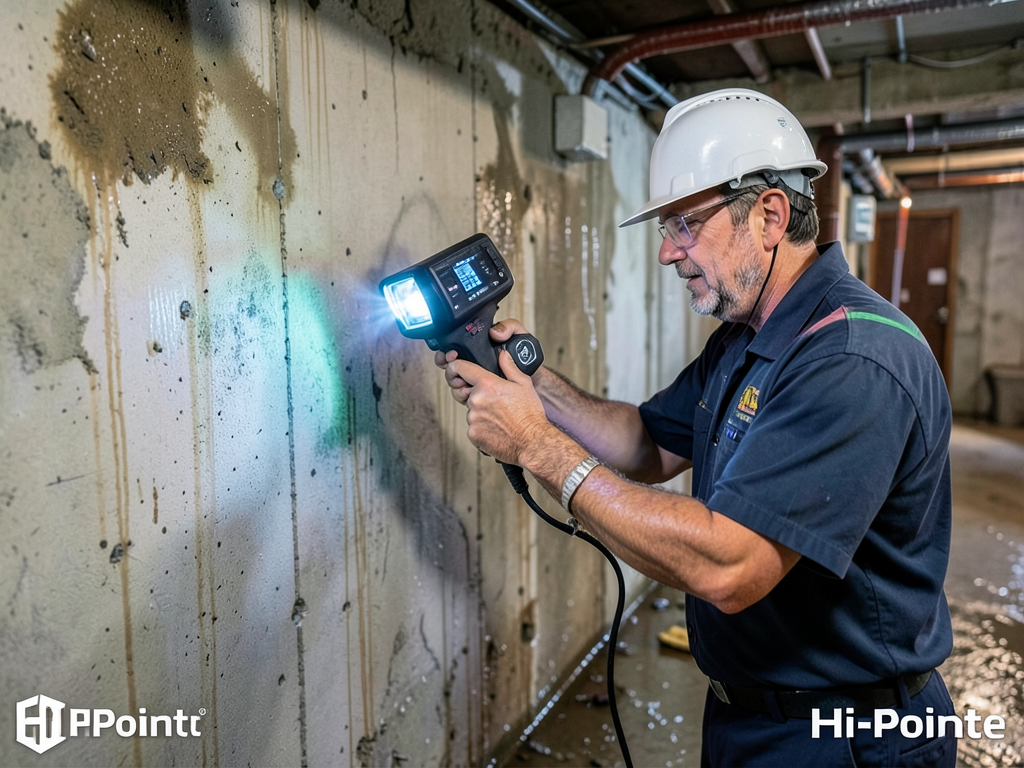
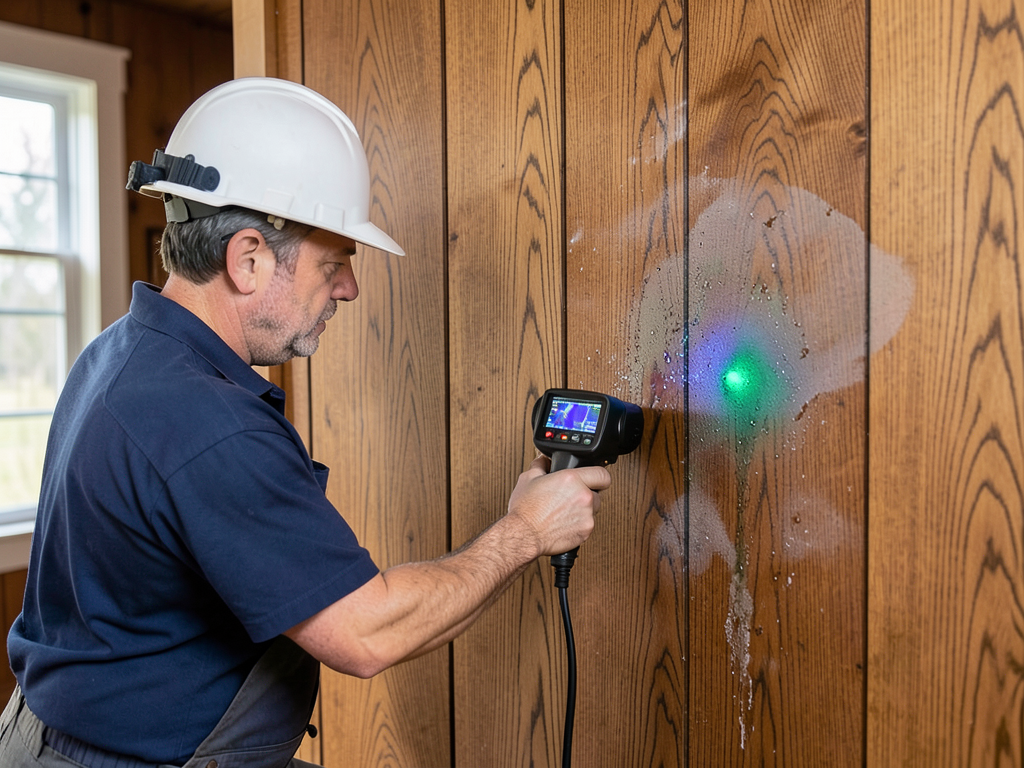
We start with thermal imaging cameras to map the moisture footprint. Water does not stop at visible borders. It migrates under baseboards, into wall cavities, and along subfloor seams. The camera shows us the full extent before we waste time extracting the wrong areas.

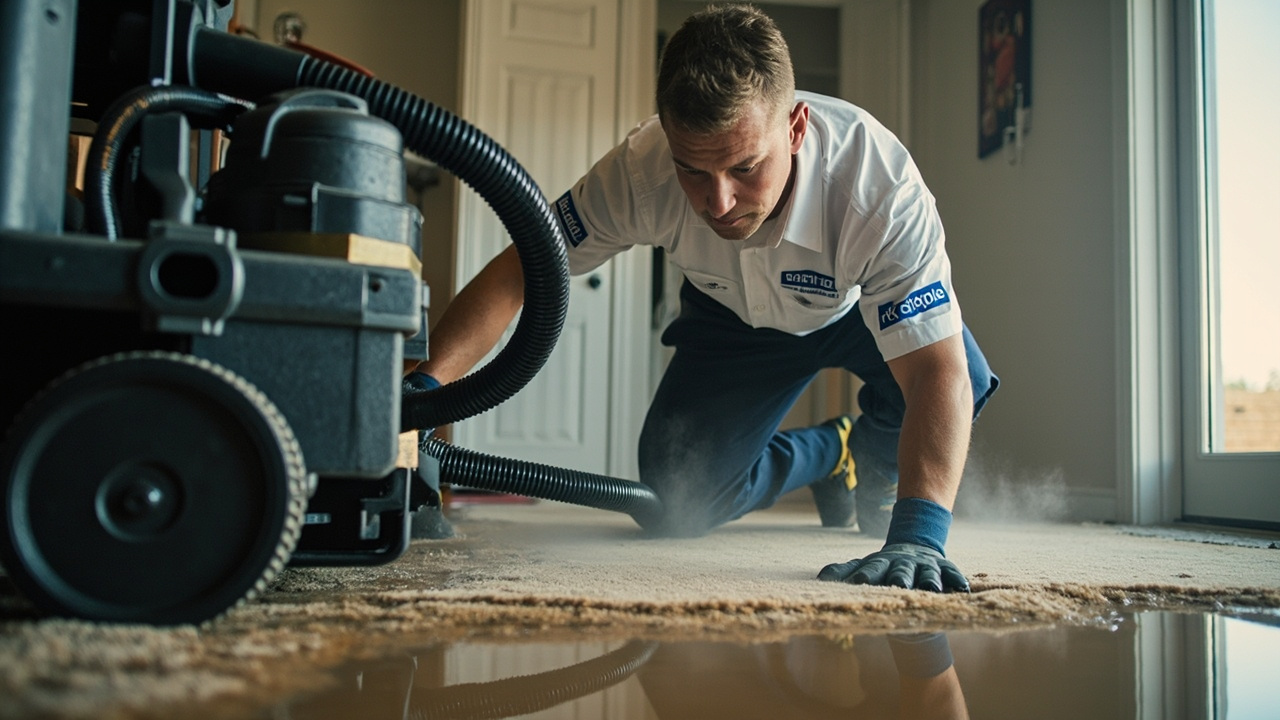
Next, we deploy truck-mounted extraction units. These machines generate vacuum pressure 10 times stronger than a portable unit. We use weighted extraction tools that compress the carpet and padding while the wand pulls water through the fibers. Each pass removes approximately 95% of extractable water. The remaining 5% requires airflow and dehumidification.

After extraction, we lift the carpet at the edges to inspect the padding. If the padding is saturated or contaminated with sewage or ground water, it gets removed. Padding holds more water than carpet and dries slower. Leaving wet padding under dried carpet guarantees mold growth within a week.

We place low-grain refrigerant dehumidifiers to pull moisture from the air and high-velocity air movers to create airflow across the carpet surface and under the lifted edges. This combination typically dries carpet and subfloor within 48 to 72 hours, depending on humidity levels and airflow access.

The difference between professional carpet water removal and DIY attempts is measurable with a moisture meter. We dry to a target of 12% moisture content or lower.

What Happens During Emergency Carpet Water Removal

Carpet Water Extraction in St. Louis – Fast Response Before Mold Takes Hold
01

Immediate Water Extraction

We arrive with truck-mounted extraction equipment and start pulling water from your carpet within minutes. Using weighted wands, we compress the carpet and padding to force water up through the fibers into the vacuum system. Each room gets multiple passes until no more water extracts. We measure moisture levels in the padding and subfloor with penetrating probes to confirm extraction depth, not just surface dryness.
02

Padding Inspection and Removal

After extraction, we lift carpet edges to inspect the padding. If the padding is soaked, contaminated, or showing early signs of microbial growth, we remove it immediately. Wet padding acts like a sponge against your subfloor, keeping wood wet long after the carpet surface feels dry. We document padding condition with photos and moisture readings before removal. If padding is salvageable, we leave it in place and focus drying equipment directly on it.
03

Controlled Drying and Monitoring

We set up air movers and dehumidifiers in a calculated pattern to create airflow under and across the carpet. Drying is not random. We adjust equipment placement based on room shape, humidity levels, and moisture readings. We return every 24 hours to take new moisture readings and adjust equipment as needed. Drying continues until the subfloor and carpet both read below 12% moisture content. Only then do we remove equipment and re-stretch the carpet if necessary.

Why St. Louis Homeowners Choose Patriot Water Damage Restoration St. Louis

St. Louis has no shortage of restoration companies, but not all of them understand the specific challenges of homes built on clay soil with basements prone to hydrostatic pressure. We work in neighborhoods like Soulard, Lafayette Square, and South City every week, where older homes have porous limestone foundations and carpets installed directly over concrete slabs.

We know that homes near River Des Peres flood differently than homes in Affton or Lemay. We know that basements in the Hill often have minimal ventilation, which slows drying time. We adjust our drying strategy based on your home's construction, not a one-size-fits-all checklist.

Most importantly, we understand the insurance claim process. St. Louis homeowners deal with companies like State Farm, Shelter Insurance, and American Family, which all have different documentation requirements for water damage claims. We photograph the damage, document moisture readings, and provide itemized estimates that match the format your adjuster expects. This eliminates the back-and-forth that delays your claim and your repairs.

We also know when to recommend carpet replacement versus drying. Some companies dry everything because it is more profitable. We tell you the truth. If your carpet sat in sewage backup or sat wet for more than 72 hours before we arrived, drying it is a health risk. We do not hide that fact to pad our invoice.

Our equipment stays on your property until the job is done, not until we hit a certain number of billable days. We take final moisture readings, provide you with a completion report, and leave your home dry and safe. No shortcuts, no surprises.

What to Expect When You Call for Carpet Water Extraction

Response Time and Availability

We answer emergency calls 24 hours a day, 7 days a week, including holidays. When you call about flooded carpet, we dispatch a crew immediately. Our average response time in St. Louis is under 90 minutes. We do not make you wait until the next business day while water spreads and mold starts growing. If you call at 2 a.m. because your hot water heater burst, we arrive before dawn with extraction equipment ready. Speed is the difference between drying your carpet and replacing it. We understand that, so we prioritize emergency water damage calls above scheduled maintenance work.

Initial Assessment and Moisture Mapping

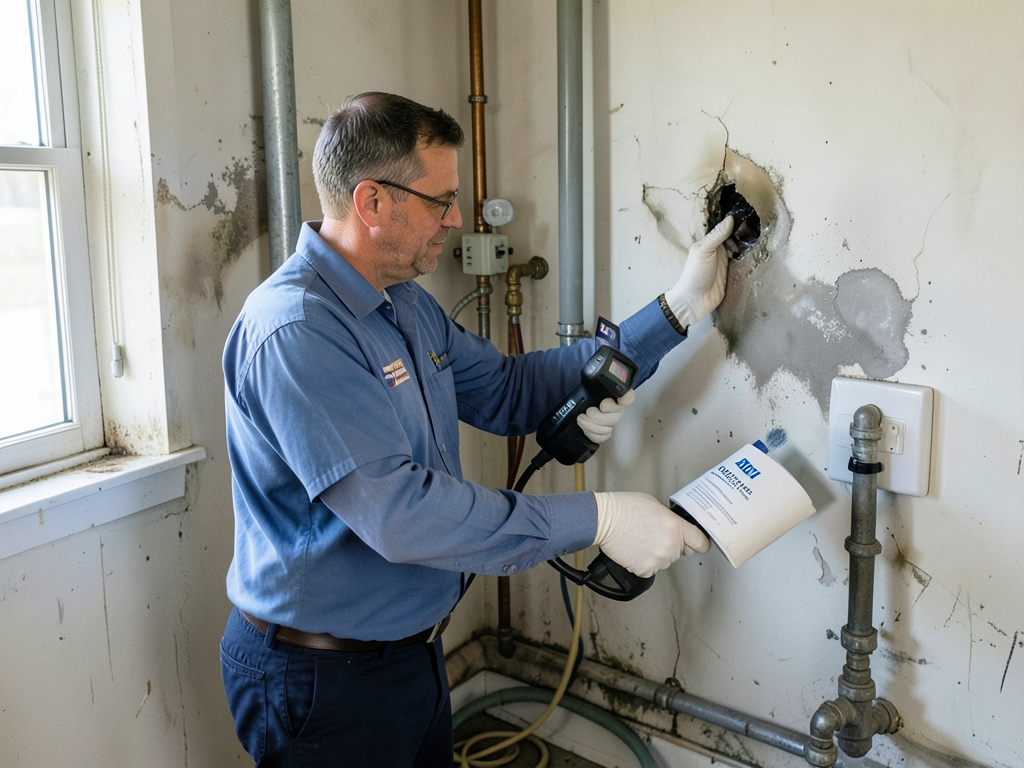
Before we start extracting water, we perform a full assessment using thermal imaging cameras and moisture meters. We map the moisture footprint to understand how far the water traveled beyond the visible wet area. This prevents us from missing hidden moisture pockets that will cause problems later. We test the subfloor, check wall cavities near the affected area, and inspect the carpet padding. We explain what we find and give you a clear scope of work before we start. No guessing, no surprises halfway through the job. You know what needs to happen and why.

Drying Results and Final Inspection

We do not remove equipment until moisture readings confirm your carpet and subfloor are dry. You get a completion report with before-and-after moisture readings, photos of the affected area, and a timeline of the drying process. If we removed padding, we document what was removed and why. If the carpet needs re-stretching after drying, we coordinate that. The goal is to return your home to pre-loss condition, not just pull out equipment and leave. We also check for any signs of secondary damage, like swollen baseboards or delaminating subfloor, so you know what to monitor.

Insurance Coordination and Documentation

We work directly with your insurance company to streamline the claims process. We provide detailed estimates, moisture logs, and photos that meet adjuster requirements. If your insurance company sends an adjuster to inspect the damage, we coordinate the visit and walk them through our findings. We also help you understand what your policy covers and what it does not, so you can make informed decisions. Many homeowners do not realize their policy excludes certain types of water damage, like slow leaks or groundwater seepage. We clarify that upfront to avoid claim denials later.

Frequently Asked Questions

You Have Questions,
We Have Answers

How to extract water from carpet? +

First, remove standing water with a wet vacuum. Extract moisture from carpet fibers by working in overlapping passes, moving slowly to pull water from the pad beneath. In St. Louis homes with high humidity, open windows and run dehumidifiers to prevent mold growth. For severe flooding, a truck-mounted extraction unit pulls more water than consumer-grade equipment. Lift carpet edges to check padding. Soaked padding requires removal because it holds moisture against flooring. Extract until you can walk barefoot without feeling dampness. Position air movers to circulate air beneath and above the carpet for complete drying.

How much does it cost to extract water from carpet? +

Carpet water extraction costs depend on affected square footage, water category, and carpet condition. Residential extraction typically ranges based on room size and padding damage. Clean water from supply line breaks costs less than gray water from appliances or black water from sewage. St. Louis properties with basement flooding may face higher costs due to access challenges and concrete moisture. Most homeowners insurance policies cover sudden water damage. Get documentation before extraction begins. Costs increase when padding replacement or antimicrobial treatment is needed. Emergency after-hours service adds to the total but prevents mold from setting in within 24 to 48 hours.

What draws urine out of carpet? +

Professional enzyme cleaners break down uric acid crystals that cause persistent odors. Apply enzyme treatment directly to affected areas and let it dwell for 10 to 15 minutes before extraction. Standard carpet cleaners mask odors but do not eliminate them. Pet urine penetrates carpet backing and padding, requiring thorough saturation of the enzyme solution. In St. Louis homes with older carpet, urine may have reached the subfloor, requiring padding replacement. Use a blacklight to identify all contaminated spots before treatment. Avoid ammonia-based cleaners because they smell like urine to pets and encourage repeat accidents. Multiple treatments may be necessary for severe contamination.

How long can carpet be wet before mold? +

Mold growth begins within 24 to 48 hours after carpet gets wet. St. Louis humidity accelerates this timeline, especially during summer months when moisture levels stay high. Visible mold often appears within 72 hours as dark spots or musty odors. Carpet backing and padding trap moisture against subfloors, creating ideal conditions for spore growth. Category 3 water from sewage or flooding carries mold spores that start colonizing immediately. Temperature matters. Warm, damp environments speed up growth. Start extraction and drying within the first 24 hours to prevent permanent damage and health risks from airborne spores.

What tool is used to get water out of carpet? +

Professional water extraction uses truck-mounted extraction units that generate powerful suction to pull moisture from carpet and padding. These systems heat water to improve extraction efficiency. Portable extractors work for smaller jobs or upper floors where truck mounts cannot reach. Air movers, also called carpet fans, create airflow across wet surfaces to speed evaporation. Dehumidifiers remove moisture from air to prevent reabsorption. Moisture meters measure water content in carpet, padding, and subfloor to confirm complete drying. Weighted extractors press down while suctioning to reach water trapped in dense padding. Infrared cameras detect hidden moisture pockets in St. Louis homes with finished basements.

Does Stanley Steemer do water extraction? +

Stanley Steemer offers carpet cleaning services but focuses primarily on routine maintenance cleaning rather than emergency water damage restoration. Water extraction for flood damage requires specialized equipment, moisture detection tools, and rapid response capabilities that traditional carpet cleaning companies may not provide. Emergency water damage demands immediate action to prevent mold growth within 24 hours. You need a company with industrial extractors, structural drying equipment, and experience handling insurance claims. For serious water damage in St. Louis homes, contact a dedicated water damage restoration company with IICRC certification in water restoration rather than a general carpet cleaning service.

Does insurance cover water remediation? +

Most homeowner insurance policies cover water damage from sudden, accidental events like burst pipes, appliance malfunctions, or roof leaks. You must file claims quickly and document damage with photos. Insurance typically excludes flooding from external sources like the Mississippi or Meramec Rivers, which requires separate flood insurance through FEMA. Gradual damage from slow leaks or poor maintenance gets denied. St. Louis properties with finished basements should review coverage limits for below-grade spaces. Deductibles apply. Your policy may cover water extraction, carpet replacement, and structural drying. Contact your agent before starting work to confirm coverage and follow required procedures for claims approval.

How much does it cost to remove 1000 square feet of carpet? +

Carpet removal costs vary based on disposal fees, furniture moving, and adhesive type. Simple pull-up and haul-away for 1000 square feet differs from glued-down commercial carpet requiring scraping. St. Louis disposal sites charge by weight for wet carpet and padding. Water-damaged carpet weighs considerably more than dry material, increasing disposal costs. Factor in baseboard removal if carpet edges are tucked beneath trim. Subfloor inspection after removal may reveal additional moisture damage requiring treatment. Costs increase when removing carpet from stairs or multiple rooms requiring furniture relocation. Emergency water damage situations require immediate removal to prevent mold, which adds urgency fees.

Should you replace carpet after water damage? +

Replace carpet after water damage based on water category and exposure time. Clean water extracted within 24 hours may allow carpet salvage if padding is replaced and fibers dry completely. Gray water from appliances or washing machines requires antimicrobial treatment. Black water from sewage or flooding demands complete carpet and padding removal due to contamination risks. St. Louis basement floods often involve ground water carrying bacteria. Age matters. Carpet older than seven years rarely justifies restoration costs. Delaminated backing, persistent odors, or visible mold growth indicate replacement. Insurance adjusters assess damage severity. When in doubt, replace rather than risk health issues from hidden contamination.

What do professional carpet cleaners use for urine? +

Professional carpet cleaners use enzyme-based treatments formulated to break down uric acid crystals and organic compounds in pet urine. These bio-enzymatic cleaners contain bacteria cultures that digest odor-causing proteins. Professionals apply enzyme solutions with injection sprayers that penetrate carpet backing and padding where urine collects. They extract thoroughly after dwell time. For severe contamination, professionals apply oxidizing agents that neutralize remaining odors. Blacklights identify all affected areas before treatment. In St. Louis homes with persistent pet odor, padding replacement and subfloor sealing may be necessary. Professional treatments use higher enzyme concentrations than consumer products and include moisture meters to confirm complete saturation and extraction.

How St. Louis Humidity and Clay Soil Make Carpet Water Damage Worse

St. Louis averages 70% relative humidity during spring and summer months, which slows evaporation and accelerates mold growth after water damage. When carpet gets wet in a St. Louis home, the ambient humidity keeps moisture trapped in the padding longer than it would in drier climates. This is why emergency carpet water removal is critical here. The combination of high humidity and the clay soil common under St. Louis foundations creates hydrostatic pressure that pushes groundwater up through basement floor cracks during heavy rains. That water saturates carpet padding from below, often without visible surface flooding. By the time you notice a damp spot, the padding has been wet for days.

Patriot Water Damage Restoration St. Louis has worked in every neighborhood from Clayton to Florissant, and we understand how local building practices affect water damage response. Many older St. Louis homes have carpets installed directly over concrete slab foundations with minimal vapor barriers. When water infiltrates, it takes longer to dry because concrete holds moisture. We adjust our drying equipment placement and dehumidification strategy based on your home's age and construction type. Choosing a local company means working with technicians who understand these regional challenges, not a national franchise following a generic protocol. We know St. Louis homes because we work in them every day.
Water Damage Restoration Services in The St. Louis Area

We are proud to be the trusted local choice for water damage restoration across the greater St. Louis region. This map highlights our primary service zone, demonstrating our commitment to rapid, localized response across every neighborhood and business district within the area. We invite all users to view our service area and then contact us directly for immediate deployment to your specific address within the St. Louis community.

Address:
Patriot Water Damage Restoration St. Louis, 710 N Tucker Blvd, St. Louis, MO, 63101

Additional Services We Offer

Our news updates

Latest Articles & News from The Blogs

What to Do When Your Water Softener Leaks and Floods Your Affton Utility Room A leaking water softener can release…

What to Do When Your Water Softener Leaks and Floods Your Affton Utility Room

What to Do When Your Water Softener Leaks and Floods Your Affton Utility Room A leaking water softener can release…

Restoring a Water Damaged Mid-Century Modern Home in Warson Woods

Restoring a Water Damaged Mid-Century Modern Home in Warson Woods Water damage in a mid-century modern home requires specialized knowledge…

Why Your Walk-Out Basement in Hi-Pointe is Vulnerable to Heavy Rain Runoff

Why Your Walk-Out Basement in Hi-Pointe is Vulnerable to Heavy Rain Runoff Your walk-out basement in Hi-Pointe faces unique flooding…

Contact Us

Do not wait for the smell to start. Call Patriot Water Damage Restoration St. Louis now at (314) 428-9977 for immediate carpet water extraction. We dispatch 24/7 and arrive fast with truck-mounted equipment ready to pull water from your carpet and subfloor before mold takes hold.