menu

Steps to Take After a Flood in St. Louis – Your Complete Recovery Checklist to Protect Your Home and Health

Navigate post-flood recovery with confidence using our expert-backed checklist for St. Louis homeowners. Learn the immediate actions that prevent mold growth, structural damage, and insurance claim denials after flooding.

Slider Image 1
Slider Image 2
Slider Image 3
Slider Image 4
Slider Image 5
Slider Image 7
Slider Image 8
Slider Image 9
Slider Image 10
Slider Image 11

Why St. Louis Homeowners Face Unique Flood Recovery Challenges

St. Louis sits at the confluence of the Mississippi and Missouri rivers, making flooding a recurring threat for properties across the metro area. When floodwaters recede, the real danger begins. The region's high humidity and clay-heavy soil create the perfect conditions for rapid mold colonization, often within 24 to 48 hours of water exposure.

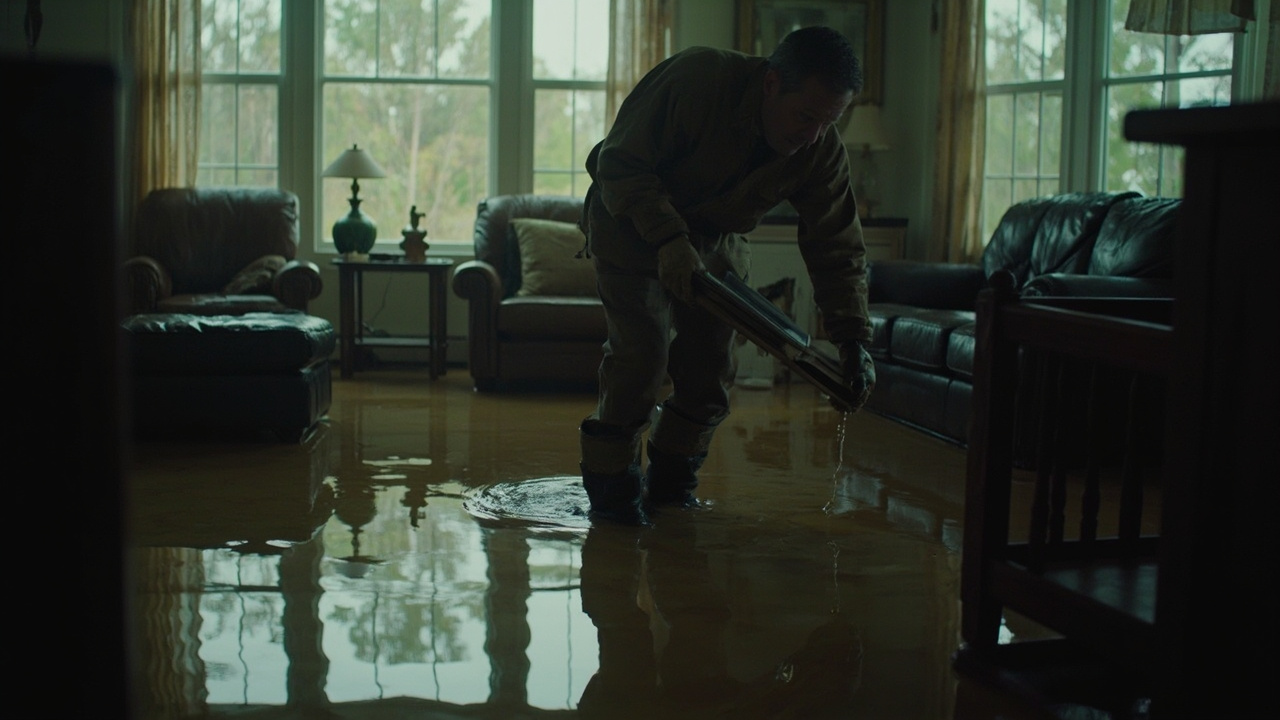
Many homeowners panic when they see waterlogged drywall, saturated carpeting, and standing water in their basements. The immediate actions after flooding determine whether you face a manageable cleanup or a prolonged nightmare of structural damage and health hazards. You cannot afford to wait.

St. Louis's older housing stock, particularly in neighborhoods like Soulard, Shaw, and Tower Grove, features brick foundations and plaster walls that absorb water differently than modern construction. What looks like surface damage often masks deeper penetration into wall cavities and subfloors. The clay soil beneath your foundation expands when saturated, which can shift your home's structure and create new entry points for water.

Your post-flood recovery checklist must account for these local realities. Standing water carries sewage, chemicals, and bacteria from overflowing storm systems. The longer contaminated water sits, the more it penetrates porous materials like wood framing and insulation. You need a systematic approach to water damage clean up steps that addresses both visible damage and hidden moisture pockets that breed mold and rot structural components.

The first 72 hours after a house flood determine your recovery timeline and costs.

Why St. Louis Homeowners Face Unique Flood Recovery Challenges
The Professional Approach to Post-Flood Water Extraction and Drying

The Professional Approach to Post-Flood Water Extraction and Drying

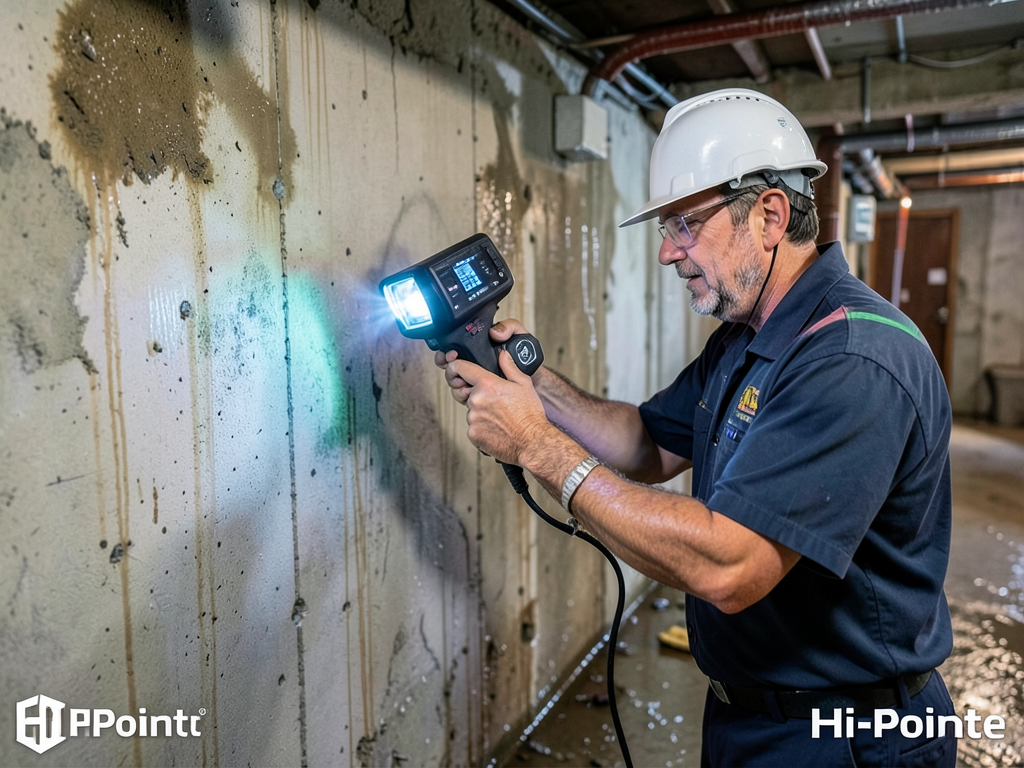
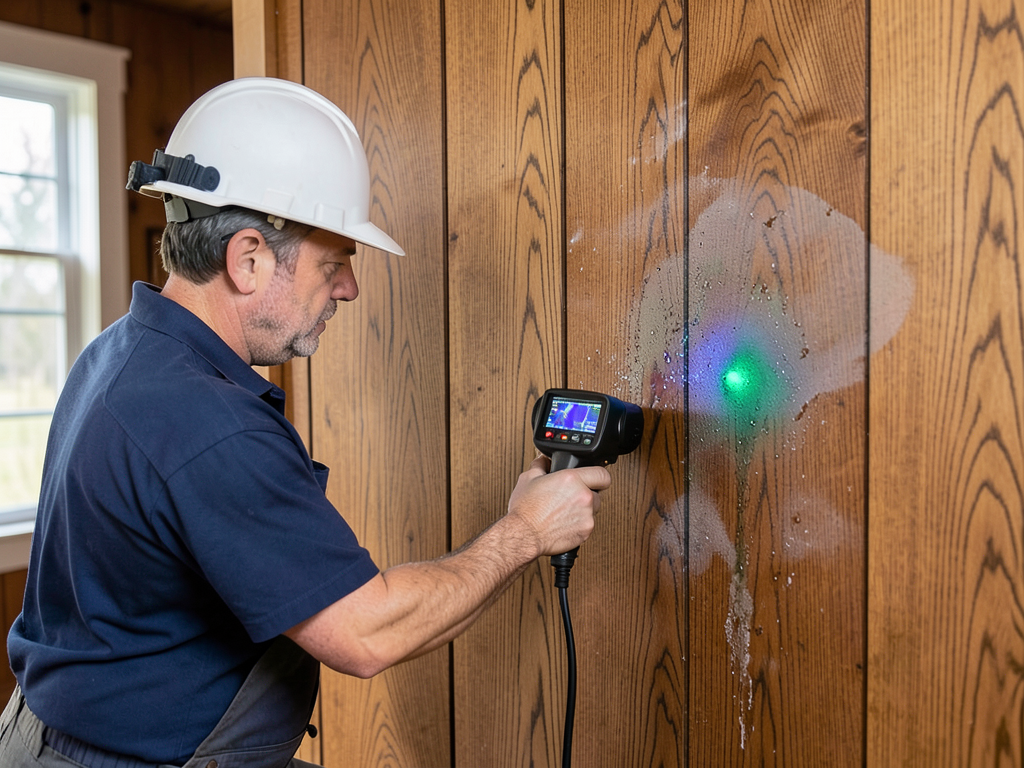
Patriot Water Damage Restoration St. Louis follows a methodical protocol that prioritizes safety, documentation, and complete moisture removal. Our technicians arrive with moisture meters, thermal imaging cameras, and truck-mounted extraction equipment designed for Category 3 water contamination common in flood scenarios.

We start with a comprehensive moisture mapping of your property. Infrared cameras reveal trapped water behind walls and under flooring that you cannot see. We document moisture readings in every affected material because your insurance claim depends on accurate baseline measurements. Most homeowners miss these critical steps and face claim denials later.

Our industrial extraction pumps remove standing water at rates up to 200 gallons per minute. Speed matters because water migrates through capillary action, moving upward through drywall and spreading horizontally through subflooring. Every hour of delay expands the affected area and increases demolition requirements.

After extraction, we deploy commercial dehumidifiers and air movers in a scientifically calculated configuration. This creates negative air pressure that pulls moisture from deep within building materials. We monitor humidity levels and material moisture content daily, adjusting equipment placement to accelerate drying. Most flood-damaged homes require five to seven days of continuous drying to reach acceptable moisture levels below 15 percent.

We remove contaminated materials using controlled demolition techniques. Flood cuts in drywall happen at precisely measured heights to preserve salvageable material while removing the contaminated bottom section. Baseboards, carpet padding, and insulation get removed and disposed of according to EPA guidelines for contaminated waste. We apply antimicrobial treatments to framing and concrete to prevent microbial growth during the drying phase.

Your Step-by-Step Guide to Handling Flood Damage

Steps to Take After a Flood in St. Louis – Your Complete Recovery Checklist to Protect Your Home and Health
01

Immediate Safety and Documentation

Shut off electricity at the breaker panel if you can do so safely from a dry location. Never enter standing water with power still running. Contact your insurance company immediately to open a claim and ask about emergency mitigation coverage. Take photos and videos of all damage before moving anything. Document water levels on walls using tape or markers. Remove valuable items from affected areas but do not throw away damaged materials until your adjuster inspects them.
02

Water Removal and Salvage

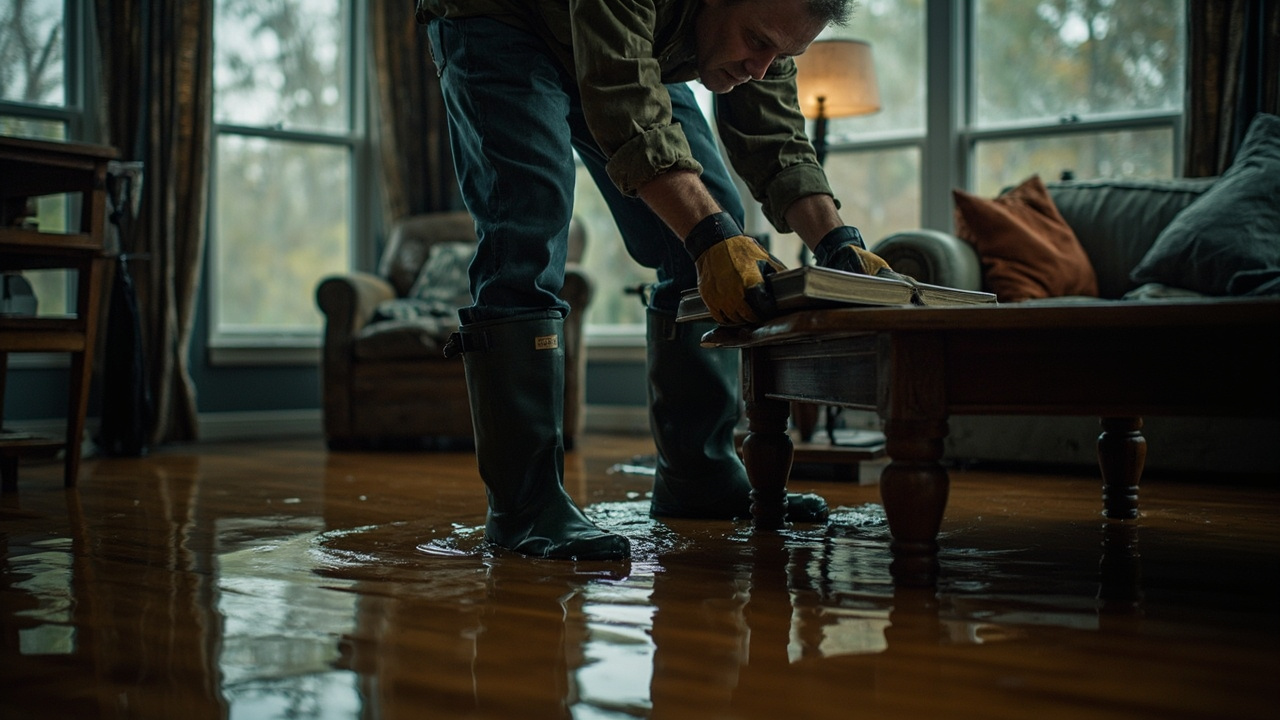
Begin water extraction within the first 24 hours if possible. Rent commercial pumps or call professionals for category 3 contaminated floodwater. Move furniture to dry areas and remove wet contents for evaluation. Pull up soaked carpeting and padding to expose subfloors. Do not use household wet-dry vacuums for contaminated water. Open windows and doors to promote air circulation. Start removing baseboards to allow wall cavities to dry from the bottom.
03

Professional Drying and Restoration

Professional restoration teams bring industrial equipment that household fans cannot match. Commercial dehumidifiers extract moisture while air movers create airflow patterns that reach hidden spaces. Moisture meters track drying progress in framing, insulation, and concrete. Antimicrobial treatments prevent mold growth during the drying phase. Final clearance testing confirms your home reaches safe moisture levels. Complete documentation supports your insurance claim and proves your property is safe for reconstruction to begin.

Why St. Louis Homeowners Trust Local Flood Recovery Expertise

St. Louis flood patterns follow predictable cycles tied to spring precipitation and river levels, but every property faces unique vulnerabilities. Patriot Water Damage Restoration St. Louis has responded to floods in Chesterfield, Fenton, Valley Park, and dozens of metro neighborhoods. We understand how the Meramec River affects low-lying areas differently than Mississippi River backflow impacts downtown properties.

Our technicians know St. Louis building construction. We recognize pier and beam foundations common in older neighborhoods and understand how brick veneer walls react to water exposure. This matters because restoration approaches differ based on construction type. A shotgun house in Dutchtown requires different drying strategies than a mid-century ranch in Crestwood.

We work directly with local adjusters from State Farm, Allstate, and regional carriers who handle St. Louis flood claims. We speak their language and provide documentation formatted to their requirements. This streamlines your claim process and reduces delays. Many out-of-area restoration companies create friction with local adjusters because they do not understand Missouri claim procedures.

Our equipment inventory handles disasters of any scale. We maintain enough commercial dehumidifiers, air movers, and extraction equipment to respond to multiple properties simultaneously. During widespread flooding events, many companies get overwhelmed and cannot provide adequate equipment to each job. Your home sits waiting while moisture continues damaging materials.

We follow IICRC S500 water damage restoration standards, which specify exact procedures for contaminated water cleanup, structural drying, and antimicrobial application. These protocols protect your health and ensure complete restoration. Cutting corners on drying time or skipping antimicrobial treatments creates long-term problems that emerge months later as mold growth or structural rot.

What to Expect During Professional Flood Recovery Services

24-Hour Emergency Response

Flood damage accelerates with every passing hour. We answer emergency calls 24/7 and typically arrive within 60 to 90 minutes for St. Louis metro properties. Our initial response includes water extraction, emergency board-up if needed, and equipment placement to begin drying immediately. We do not wait for business hours or schedule you days out. Night and weekend floods get the same rapid response as weekday calls. Quick action prevents secondary damage that multiplies your losses and extends your displacement time.

Complete Moisture Assessment and Monitoring

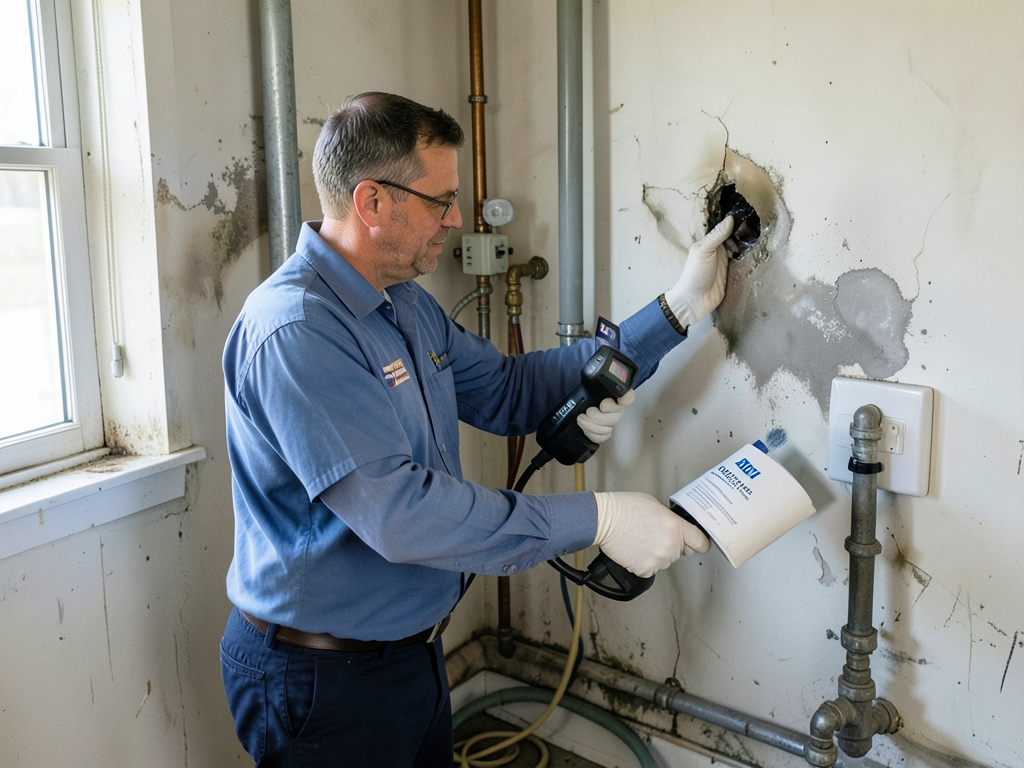
Our technicians use penetrating moisture meters and infrared cameras to map water migration through your property. We measure moisture content in flooring, walls, and ceilings at multiple locations. Daily monitoring tracks drying progress and confirms when materials reach acceptable levels below 15 percent moisture content. This scientific approach prevents premature reconstruction that traps moisture and causes mold growth. You receive detailed moisture logs that document the drying process for insurance purposes. We adjust equipment placement based on readings to optimize drying efficiency.

Proper Material Removal and Disposal

Category 3 floodwater contaminates porous materials beyond cleaning. We remove carpet, padding, drywall, insulation, and baseboards according to industry standards for contaminated waste. Flood cuts in drywall happen at measured heights, typically 12 to 24 inches above visible water lines to account for wicking. We preserve salvageable materials while removing everything that poses health risks. Contaminated debris gets bagged and disposed of properly. You receive documentation of all removed materials for insurance claims. Our controlled demolition minimizes dust and contains debris to affected areas.

Antimicrobial Treatment and Final Clearance

After drying completes, we apply EPA-registered antimicrobial solutions to all affected surfaces. This prevents microbial growth on wood framing, concrete, and other porous materials exposed to contaminated water. Treatment protects your property during reconstruction when new materials seal affected areas. We conduct final moisture readings to confirm all materials meet safe levels before signing off on the job. You receive complete documentation showing your property is ready for reconstruction. This paperwork is critical for insurance claim closure and protects you from future liability if problems emerge.

Frequently Asked Questions

You Have Questions,
We Have Answers

How St. Louis River Proximity and Clay Soil Complicate Flood Recovery

Properties near River Des Peres, the Meramec River, and Mississippi River tributaries face recurring flood risk that many homeowners underestimate. St. Louis clay soil absorbs water slowly, which means surface flooding persists longer after rain events. This extended exposure time allows more water to penetrate foundations and basement walls. The clay also expands when saturated, creating hydrostatic pressure against foundation walls that forces water through cracks and mortar joints. Immediate actions after flooding must address both standing water and the ongoing pressure driving moisture into your home. Many homeowners focus only on visible water while ignoring moisture migrating through foundation walls.

St. Louis building codes and permit requirements affect flood recovery work. Properties in FEMA flood zones face specific reconstruction standards for electrical systems and HVAC equipment placement. Working with local restoration professionals who understand these requirements prevents code violations that delay occupancy permits. We coordinate with St. Louis County and City building departments regularly and know which repairs require permits. Insurance companies also prefer working with local contractors who understand regional claim procedures and provide documentation formatted to carrier requirements. Out-of-state restoration companies often create claim delays by submitting incomplete or improperly formatted estimates.
Water Damage Restoration Services in The St. Louis Area

We are proud to be the trusted local choice for water damage restoration across the greater St. Louis region. This map highlights our primary service zone, demonstrating our commitment to rapid, localized response across every neighborhood and business district within the area. We invite all users to view our service area and then contact us directly for immediate deployment to your specific address within the St. Louis community.

Address:
Patriot Water Damage Restoration St. Louis, 710 N Tucker Blvd, St. Louis, MO, 63101

Additional Services We Offer

Our news updates

Latest Articles & News from The Blogs

What to Do When Your Water Softener Leaks and Floods Your Affton Utility Room A leaking water softener can release…

What to Do When Your Water Softener Leaks and Floods Your Affton Utility Room

What to Do When Your Water Softener Leaks and Floods Your Affton Utility Room A leaking water softener can release…

Restoring a Water Damaged Mid-Century Modern Home in Warson Woods

Restoring a Water Damaged Mid-Century Modern Home in Warson Woods Water damage in a mid-century modern home requires specialized knowledge…

Why Your Walk-Out Basement in Hi-Pointe is Vulnerable to Heavy Rain Runoff

Why Your Walk-Out Basement in Hi-Pointe is Vulnerable to Heavy Rain Runoff Your walk-out basement in Hi-Pointe faces unique flooding…

Contact Us

Every hour matters after flooding. Call Patriot Water Damage Restoration St. Louis now at (314) 428-9977 for 24/7 emergency response. Our crews arrive with industrial equipment ready to extract water and begin drying immediately. Do not wait while damage spreads through your home.