menu

Categories of Water in St. Louis – Understanding IICRC Classifications to Protect Your Property

Master the three IICRC water contamination categories that determine cleanup protocols, health risks, and insurance coverage for St. Louis properties affected by flooding, sewage backups, and storm damage.

Slider Image 1
Slider Image 2
Slider Image 3
Slider Image 4
Slider Image 5
Slider Image 7
Slider Image 8
Slider Image 9
Slider Image 10
Slider Image 11

Why Water Contamination Categories Matter in St. Louis Properties

Not all water damage is equal. The Mississippi River flooding, aging combined sewer systems, and basement seepage common to St. Louis properties create different contamination risks depending on the water source. The IICRC classifies water damage categories based on contamination levels, and knowing the difference determines whether you need simple extraction or biohazard remediation.

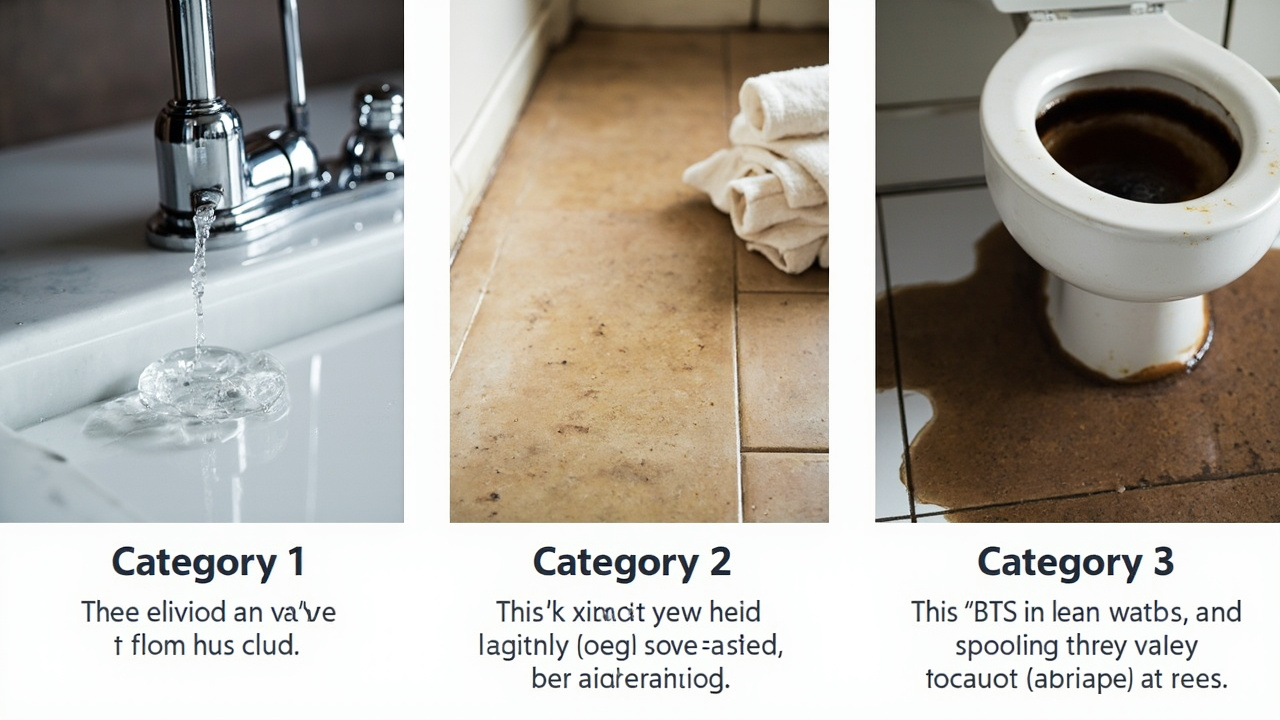
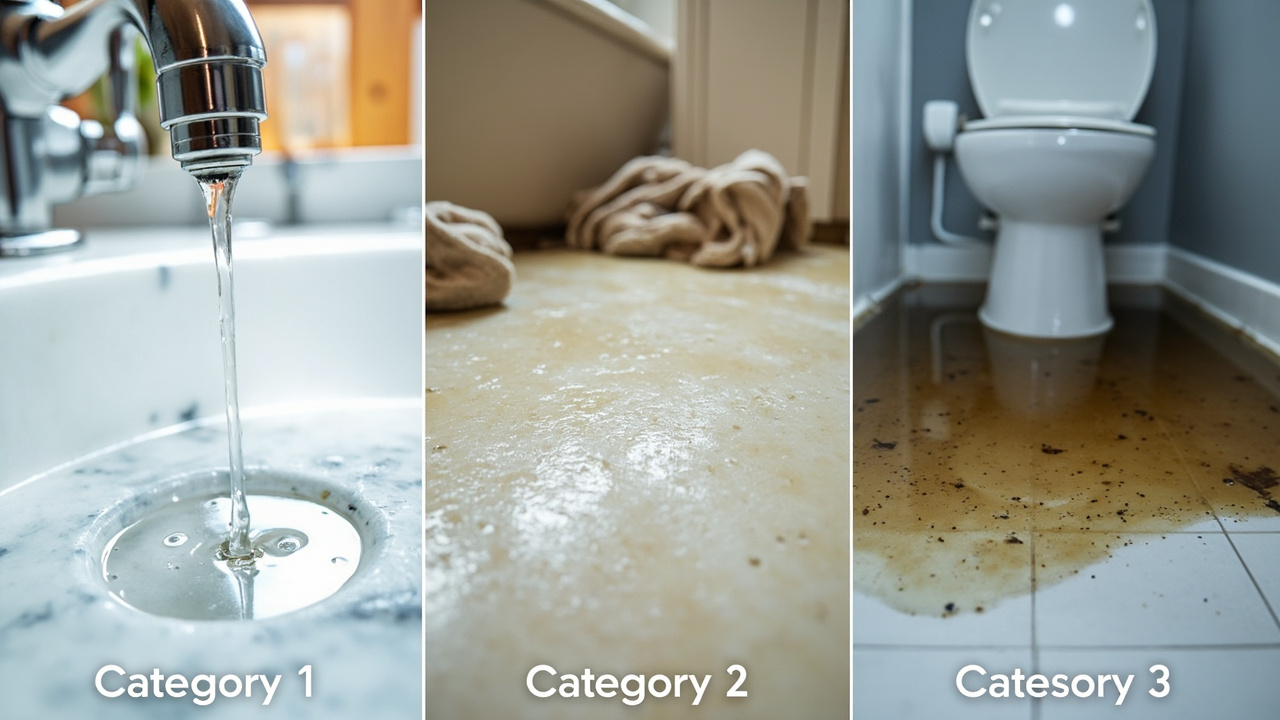
Category 1 is clean water from supply lines or rain. Category 2 is gray water with some contamination from appliances or toilets (urine only). Category 3 is black water containing sewage, soil, or floodwater from rivers and streams. The category affects health risks, disposal requirements, and what materials you can salvage versus what must be discarded.

St. Louis properties face unique challenges. The historic brick homes in Soulard and Tower Grove South have old cast iron pipes that fail suddenly. The combined sewer systems in older neighborhoods mean heavy rain can push sewage into basements through floor drains. River flooding introduces bacteria, chemicals, and soil contaminants that classify immediately as Category 3.

Water quality classifications also shift. Category 1 water becomes Category 2 after 48 hours of standing due to bacterial growth. Contact with building materials or contaminated surfaces can elevate clean water to gray water status. Temperature and humidity accelerate this degradation, and St. Louis summers provide ideal conditions for rapid contamination increases.

Understanding these water damage categories protects you from improper cleanup that leaves hidden contamination, violates insurance requirements, or creates health hazards months later when mold appears.

Why Water Contamination Categories Matter in St. Louis Properties
How We Classify and Document Water Contamination

How We Classify and Document Water Contamination

Patriot Water Damage Restoration St. Louis follows strict IICRC S500 standards for water classification. We assess the source, test contamination levels, and document everything for insurance and health safety records.

We start by identifying the water source. A broken supply line registers as Category 1 initially. A dishwasher overflow with food particles is Category 2. Any contact with soil, sewage, or river water is Category 3 immediately. We photograph the source and affected areas before we touch anything.

Next, we evaluate degradation factors. How long has the water been standing? What materials has it contacted? St. Louis basements often have dirt floors under concrete slabs, meaning any prolonged water contact introduces soil contamination. We check temperature and humidity because 80-degree June weather accelerates bacterial growth that elevates categories within hours, not days.

For questionable situations, we test water samples. A toilet overflow might be Category 2 if it is urine only, but most contain fecal matter and rate Category 3. A basement flood from outside could be Category 1 rainwater or Category 3 if it picked up lawn chemicals, animal waste, or combined sewer overflow during the journey.

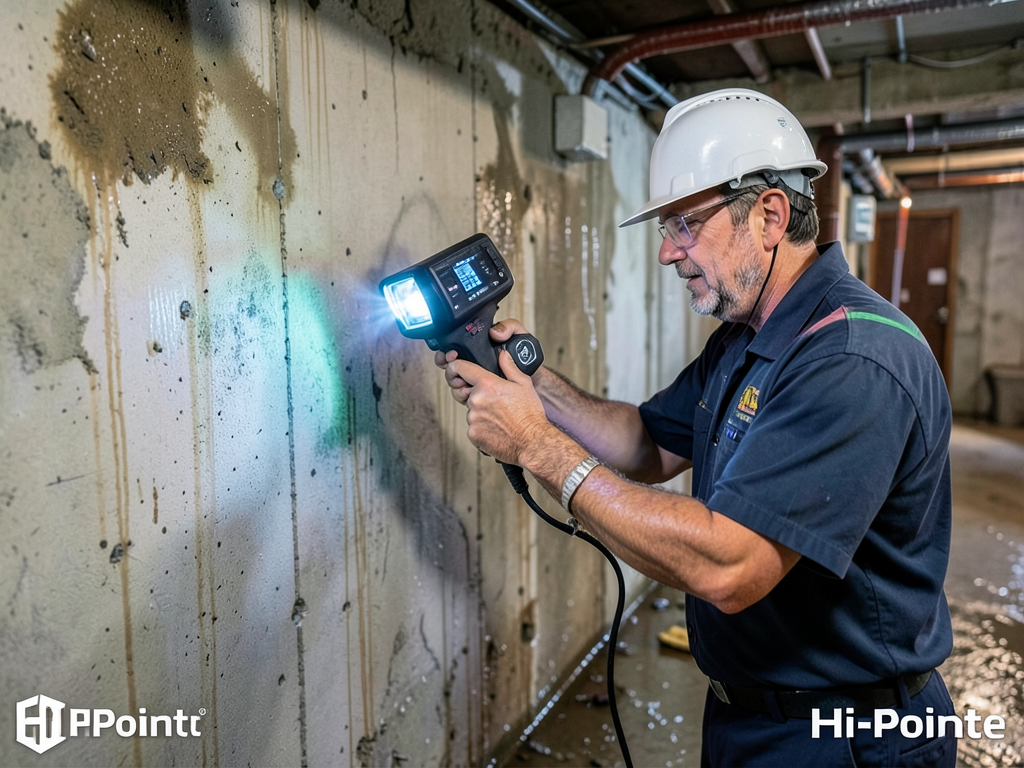
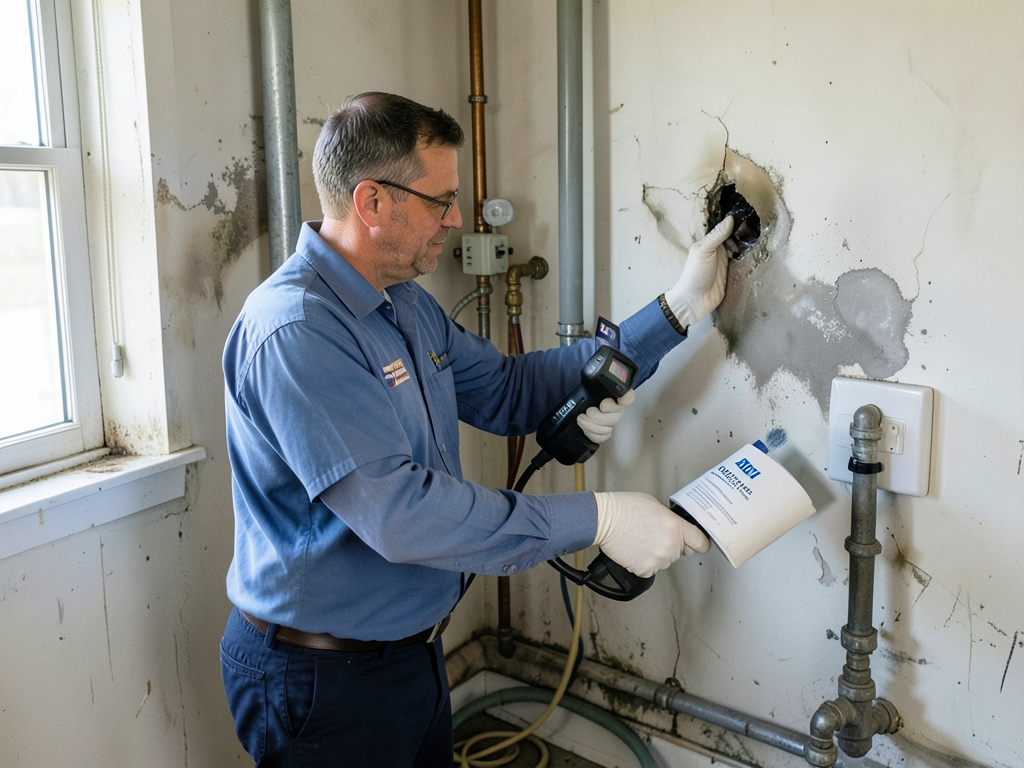
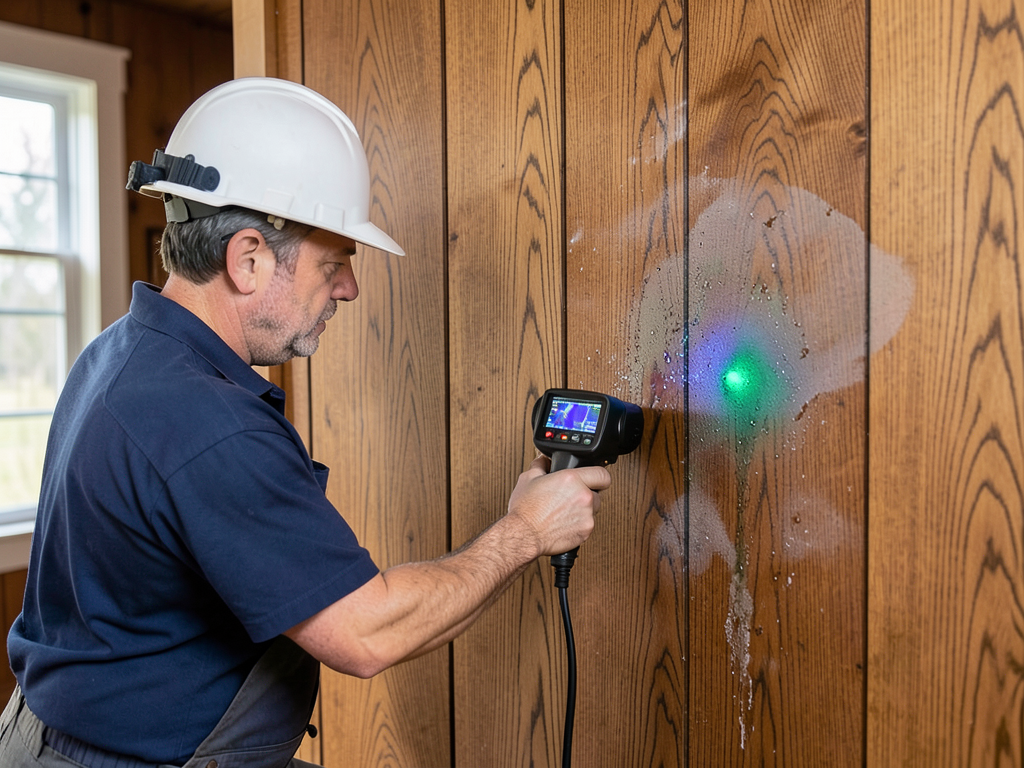
We document everything with moisture meters, thermal imaging, and contamination classifications in writing. Insurance adjusters need this documentation to approve proper remediation scope. You need it to verify the cleanup matched the contamination level. Category 3 water requires antimicrobial treatment, specific disposal protocols, and more aggressive material removal than Category 1.

We also monitor for category elevation during the job. Standing water changes classification, and we adjust our protocols accordingly.

What Happens During Water Category Assessment

Categories of Water in St. Louis – Understanding IICRC Classifications to Protect Your Property
01

Source Identification and Documentation

We trace water to its origin point and photograph all affected areas before beginning work. This establishes the initial IICRC category and creates the baseline for insurance documentation. We inspect supply lines, drain systems, roof penetrations, and exterior grade conditions to confirm whether the source is clean water, gray water, or black water contamination.
02

Contamination Level Testing

We evaluate all factors that affect water quality classifications. This includes time elapsed since initial contact, building materials affected, temperature and humidity conditions, and visible contamination indicators. For ambiguous situations involving basement flooding or appliance failures, we conduct water sampling to verify bacterial counts and contamination presence that determines proper remediation protocols and personal protective equipment requirements.
03

Protocol Assignment and Monitoring

Once we establish the category, we implement appropriate extraction, disposal, and sanitization procedures. Category 1 allows material salvage with proper drying. Category 2 requires antimicrobial treatment. Category 3 demands full biohazard protocols with contaminated material disposal. We monitor throughout the project because categories can elevate, adjusting our methods to match current contamination levels and protect your health.

Why St. Louis Properties Need Expert Water Classification

Misclassifying water contamination creates serious problems. Treating Category 3 sewage backup as clean water leaves dangerous pathogens in your walls. Your insurance company can deny claims if documentation does not match actual contamination levels. You face health risks from bacterial exposure if cleanup protocols were insufficient for the actual category.

St. Louis properties present classification challenges that require local knowledge. The combined sewer systems serving neighborhoods like The Hill, Carondelet, and Dutchtown mean basement flooding often contains sewage even when it looks like rainwater. The Mississippi and Missouri River floodplains introduce agricultural runoff, industrial chemicals, and biological contamination that always rates Category 3 regardless of appearance.

Historic homes built before 1950 have unique risks. Cracked foundation walls allow groundwater seepage that picks up soil bacteria. Old galvanized pipes fail internally, releasing rust and biofilm contamination into supply water. Unfinished basements with dirt floors under concrete introduce soil contact that elevates any standing water to Category 2 or 3.

We know how St. Louis weather affects water categories. Summer humidity above 60 percent accelerates bacterial growth. Winter freeze-thaw cycles rupture pipes, creating clean water events that degrade quickly in heated basements. Spring storms overwhelm storm sewers, pushing contaminated water through foundation cracks.

Our technicians hold IICRC Water Damage Restoration certification with specific training in contamination assessment. We follow St. Louis County Health Department requirements for Category 3 disposal. We document everything to satisfy insurance requirements and protect you from liability if future contamination issues surface.

Proper classification protects your property value, your health, and your insurance coverage. Get it wrong, and you pay twice.

What to Expect From Professional Water Category Assessment

Response Time and Initial Classification

We arrive within 60 minutes for emergency water events in the St. Louis metro area. Our first priority is stopping the source if possible, then immediately classifying the water category before contamination spreads or elevates. You receive verbal classification on-site with written documentation following within 24 hours. This rapid assessment prevents category elevation from time delays and establishes proper protocols from the start. Emergency calls receive the same thorough classification process as scheduled assessments because cutting corners on contamination evaluation creates health risks and insurance complications you cannot afford.

Documentation and Insurance Coordination

Every water damage job receives complete photographic documentation, written contamination classification, moisture mapping, and affected materials inventory. We provide this package directly to your insurance adjuster with our estimate, eliminating the back-and-forth delays that extend water exposure time. Our documentation meets insurance company requirements because we know exactly what adjusters need to approve claims. You receive copies of all assessment reports, classification justifications, and testing results if applicable. This transparency protects you if questions arise later about why certain materials were removed or why specific protocols were necessary.

Cleanup Standards for Each Category

Category 1 cleanup focuses on rapid extraction and drying to prevent elevation to Category 2. We salvage materials when possible and use standard cleaning methods. Category 2 requires antimicrobial treatment, disposal of porous materials like drywall and insulation, and EPA-registered disinfectants on all surfaces. Category 3 demands full biohazard protocols with personal protective equipment, complete removal of all affected porous materials, HEPA filtration during work, and thorough disinfection of all structural components. The finished result meets IICRC S500 standards with verification testing available on request to confirm contamination elimination.

Post-Cleanup Verification and Monitoring

We conduct final moisture readings and visual inspection to verify complete drying and contamination removal before we consider any job finished. You receive a completion report documenting final moisture levels, areas treated, materials removed, and antimicrobial products used. For Category 3 events, we recommend follow-up air quality testing 48 to 72 hours after completion to verify no airborne contamination remains. We provide guidance on monitoring for signs of recurring moisture or microbial growth and offer follow-up inspections at 30 and 90 days for major Category 3 events to ensure complete remediation success.

Frequently Asked Questions

You Have Questions,
We Have Answers

What are the 5 types of water? +

In water damage restoration, professionals classify water into three categories, not five. Category 1 is clean water from supply lines or rain. Category 2 is gray water with contaminants like washing machine discharge. Category 3 is black water from sewage or flooding. St. Louis homes face all three types due to Mississippi River flooding, aging municipal infrastructure, and basement backups during heavy spring storms. Understanding these categories helps you respond correctly. Clean water needs fast drying. Contaminated water requires protective equipment and antimicrobial treatment. Never treat black water damage yourself.

What is category 1, 2, and 3 water? +

Category 1 water is clean and poses no immediate health risk. It comes from broken supply lines, sink overflows, or rainwater. Category 2 water contains contaminants that can cause discomfort or illness. Sources include dishwasher leaks, washing machine overflow, or toilet tank water. Category 3 water is grossly contaminated and dangerous. It comes from sewage backups, river flooding, or standing water that grew bacteria. St. Louis properties near the Mississippi or older neighborhoods with combined sewer systems often face Category 3 emergencies during heavy rainfall. Each category requires different extraction methods, protective equipment, and antimicrobial protocols.

What are the 7 forms of water? +

This question confuses water damage categories with forms of water in nature, which include solid ice, liquid water, and water vapor. In restoration, we focus on three water categories and four classes of damage, not seven forms. Category 1 is clean. Category 2 is gray. Category 3 is black. Classes 1 through 4 measure how much material absorbed water. St. Louis restoration pros assess both category and class to build the right drying plan. Category determines safety protocols. Class determines equipment needed. Together, they guide the scope of work and timeline for returning your property to safe conditions.

What are the three categories of water? +

The three water categories are clean, gray, and black. Category 1 clean water comes from sanitary sources like supply lines or rain before it contacts building materials. Category 2 gray water has chemical or biological contaminants from appliances or fixtures. Category 3 black water contains pathogens from sewage, flooding, or prolonged standing water. St. Louis homes built before 1950 often have cast iron drain pipes that crack and leak Category 3 water into basements. Finished basements near Carondelet Park or Tower Grove face Category 3 risk during flash floods. Each category requires different safety measures, antimicrobial treatments, and disposal protocols.

How St. Louis Sewer Systems and River Flooding Complicate Water Categories

St. Louis operates combined sewer systems in older neighborhoods where stormwater and sanitary sewage share the same pipes. Heavy rain events overwhelm capacity, forcing the Metropolitan St. Louis Sewer District to release untreated overflow into the Mississippi River and causing backups through basement floor drains. This means basement flooding during storms often contains sewage contamination even when it appears to be clean rainwater entering through foundation cracks. Any basement water event requires Category 3 protocols unless you can definitively prove the source was clean and isolated from the sewer system.

River proximity adds another contamination layer. Properties in floodplains near the Mississippi and Missouri Rivers face Category 3 water automatically during flood events due to agricultural runoff, industrial discharge, and biological contamination in river water. The River Des Peres, which flows through south St. Louis, frequently exceeds banks during heavy rain and introduces contaminated creek water into surrounding properties. Local expertise means knowing which neighborhoods face sewer backup risks, which areas see river flooding, and how to classify ambiguous basement water events correctly.
Water Damage Restoration Services in The St. Louis Area

We are proud to be the trusted local choice for water damage restoration across the greater St. Louis region. This map highlights our primary service zone, demonstrating our commitment to rapid, localized response across every neighborhood and business district within the area. We invite all users to view our service area and then contact us directly for immediate deployment to your specific address within the St. Louis community.

Address:
Patriot Water Damage Restoration St. Louis, 710 N Tucker Blvd, St. Louis, MO, 63101

Additional Services We Offer

Our news updates

Latest Articles & News from The Blogs

What to Do When Your Water Softener Leaks and Floods Your Affton Utility Room A leaking water softener can release…

What to Do When Your Water Softener Leaks and Floods Your Affton Utility Room

What to Do When Your Water Softener Leaks and Floods Your Affton Utility Room A leaking water softener can release…

Restoring a Water Damaged Mid-Century Modern Home in Warson Woods

Restoring a Water Damaged Mid-Century Modern Home in Warson Woods Water damage in a mid-century modern home requires specialized knowledge…

Why Your Walk-Out Basement in Hi-Pointe is Vulnerable to Heavy Rain Runoff

Why Your Walk-Out Basement in Hi-Pointe is Vulnerable to Heavy Rain Runoff Your walk-out basement in Hi-Pointe faces unique flooding…

Contact Us

Improper water category assessment leads to inadequate cleanup, insurance claim denials, and hidden health hazards. Call Patriot Water Damage Restoration St. Louis at (314) 428-9977 for professional IICRC-certified water classification and documentation that protects your property and your health.