menu

Crawl Space Cleanup & Encapsulation in St. Louis – Eliminate Moisture, Mold, and Structural Risk Before It Spreads

Patriot Water Damage Restoration St. Louis provides comprehensive crawl space remediation, vapor barrier installation, and waterproofing to protect your foundation from St. Louis's high humidity and seasonal flooding threats.

Slider Image 1
Slider Image 2
Slider Image 3
Slider Image 4
Slider Image 5
Slider Image 7
Slider Image 8
Slider Image 9
Slider Image 10
Slider Image 11

Why St. Louis Crawl Spaces Fail Without Professional Encapsulation

St. Louis sits in a humid subtropical climate zone where summer dew points regularly exceed 70 degrees. Your crawl space becomes a moisture trap. The Mississippi River floodplain creates high water tables across the metro area, and homes in neighborhoods like Soulard, Tower Grove, and South City deal with seasonal groundwater intrusion year after year.

When moisture accumulates under your home, you see mold growth on floor joists, wood rot in rim beams, and pest infestations in insulation. The air you breathe indoors pulls directly from your crawl space through stack effect. If your crawl space smells musty, your indoor air quality is already compromised.

The clay soil common throughout St. Louis expands when wet and contracts when dry. This creates foundation movement, which cracks block walls and allows water to seep through mortar joints. A vented crawl space lets humid outdoor air condense on cool surfaces during summer months, creating the perfect environment for mold spores to colonize.

Crawl space waterproofing stops water at the source. Crawl space sealing services create a controlled environment that protects your home's structural integrity. Without crawl space restoration, you risk floor sagging, HVAC inefficiency, and respiratory issues for anyone living above.

Most homeowners ignore the crawl space until they notice soft floors or smell mildew. By then, the damage is extensive. Crawl space vapor barrier installation prevents moisture from entering through the dirt floor, but it only works when paired with proper drainage and dehumidification. You need a complete system, not a patchwork fix.

Why St. Louis Crawl Spaces Fail Without Professional Encapsulation
How Crawl Space Encapsulation Protects Your St. Louis Home

How Crawl Space Encapsulation Protects Your St. Louis Home

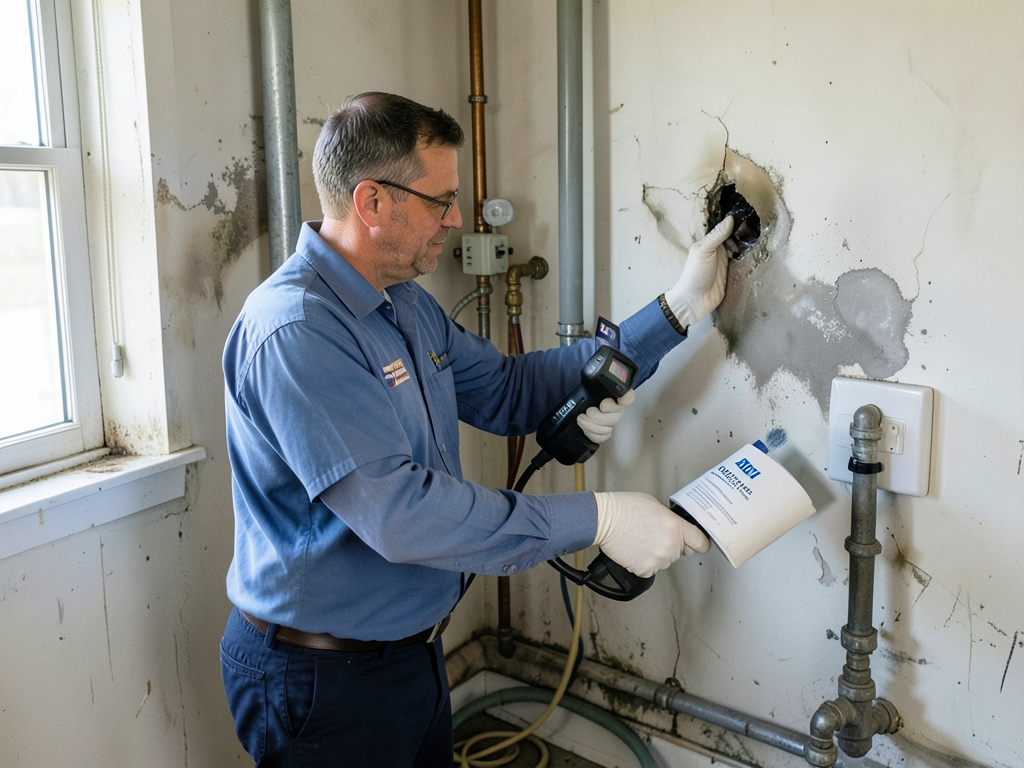
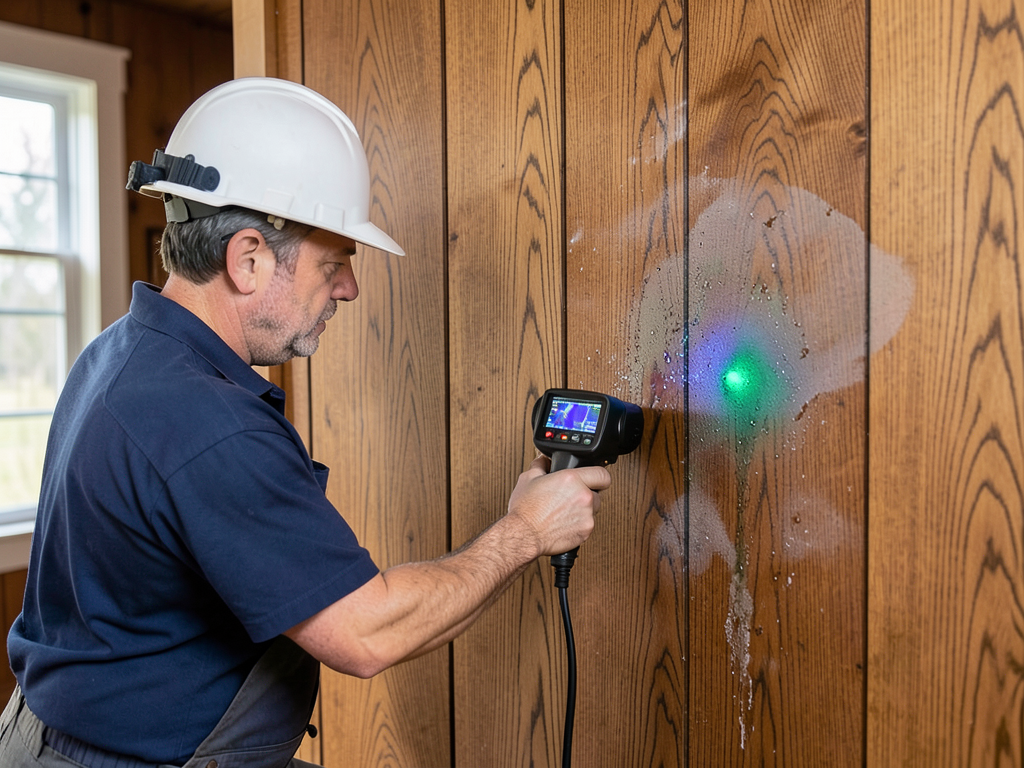
Crawl space encapsulation transforms your crawl space from a liability into a controlled, conditioned space. We start with water removal and structural drying if you have active flooding or standing water. Thermal imaging identifies hidden moisture in joists and subfloors that standard meters miss.

Next, we remove contaminated insulation, debris, and any organic material that supports mold growth. If we find damaged wood framing, we document it for your insurance claim or repair estimate. We treat mold colonies with antimicrobial agents, then apply encapsulant coatings to wood surfaces to prevent future growth.

The foundation of crawl space remediation is drainage. We install interior perimeter drains that channel groundwater to a sump pump system. The pump discharges water away from your foundation, preventing hydrostatic pressure from building against your walls. In St. Louis, where spring rains can dump three inches in an hour, this system is not optional.

Crawl space vapor barrier installation uses heavy-duty reinforced polyethylene, not the thin plastic you buy at a hardware store. We seal the barrier to your foundation walls with mechanical fasteners and adhesive, then tape all seams to create an airtight envelope. This stops moisture transmission from the soil and prevents radon gas infiltration.

We seal crawl space vents, rim joists, and any penetrations where pipes or utilities enter. Then we install a commercial-grade dehumidifier that maintains relative humidity below 50 percent year-round. The dehumidifier runs automatically, draining into your sump system.

The result is a dry, stable environment that protects your home's structure, improves indoor air quality, and reduces heating and cooling costs. Encapsulated crawl spaces also increase usable storage space and make future plumbing or electrical work easier to access.

What Happens During Your Crawl Space Encapsulation Project

Crawl Space Cleanup & Encapsulation in St. Louis – Eliminate Moisture, Mold, and Structural Risk Before It Spreads
01

Inspection and Moisture Assessment

We crawl every inch of your space with thermal cameras and moisture meters to map water intrusion points, measure humidity levels, and identify structural damage. You receive a detailed report with photos showing exactly what needs repair. We test for mold, document any pest activity, and measure floor joist deflection to assess structural integrity. This data drives our remediation plan and gives you a clear scope before work begins.
02

Water Control and Remediation

We extract standing water, remove contaminated materials, and install drainage systems to redirect groundwater away from your foundation. Perimeter drains connect to a sump pump that automatically discharges water during heavy rain events. We treat mold with EPA-registered antimicrobials, then dry the space using commercial dehumidifiers and air movers. Wood surfaces receive encapsulant coatings to prevent future colonization. This phase addresses the immediate damage and prepares the space for encapsulation.
03

Encapsulation and Climate Control

We install reinforced vapor barriers across the dirt floor and up foundation walls, sealing all seams and penetrations to create an airtight moisture barrier. Crawl space vents are sealed, rim joists are insulated, and a commercial dehumidifier is installed to maintain optimal humidity levels year-round. The system includes automatic drainage and humidity monitoring. You receive a final walkthrough with documentation showing moisture levels, system operation, and maintenance protocols to keep your crawl space dry for decades.

Why St. Louis Homeowners Trust Patriot Water Damage Restoration

St. Louis homes built before 1970 often have shallow crawl spaces with poor drainage and no vapor barrier. Homes in the Central West End, Lafayette Square, and Compton Heights feature limestone foundations that absorb water and deteriorate over time. We understand these older construction methods and how to retrofit modern waterproofing systems without compromising historic integrity.

We work with St. Louis County building codes and understand local permit requirements for crawl space alterations. When your project requires structural repairs or electrical work for dehumidifiers and sump pumps, we coordinate inspections and ensure compliance. You do not have to navigate the permit process alone.

Our technicians hold IICRC certifications in water damage restoration and applied structural drying. We use the same moisture mapping protocols and drying standards required by insurance carriers. When you file a claim for water damage, our documentation supports your case with thermal images, moisture readings, and detailed scope reports.

We source materials from local suppliers when possible and dispose of contaminated debris at approved facilities in the St. Louis metro area. You are not hiring a franchise that ships decisions to a call center in another state. You work directly with our local team from estimate to final walkthrough.

Crawl space encapsulation is not a one-size-fits-all service. Homes near the Meramec River need different drainage solutions than homes on the bluffs in South County. We customize every system based on your property's topography, soil type, and water table depth. You get a solution designed for your specific location, not a cookie-cutter package.

We also provide ongoing support after your encapsulation is complete. If you smell mildew months later or your dehumidifier stops working, we respond. Crawl space systems require maintenance, and we make sure you know how to protect your investment long-term.

What to Expect From Your Crawl Space Encapsulation Project

Project Timeline and Availability

Most crawl space encapsulation projects take three to five days, depending on the size of your space and the extent of water damage. We schedule work to minimize disruption and keep you informed at every phase. If you have active flooding or a burst pipe, we respond within hours to begin water extraction and drying. Emergency calls get priority scheduling because water damage worsens by the hour. For planned encapsulation projects, we provide a detailed timeline during your estimate and stick to it. You are never left guessing when we will show up or how long the work will take.

Comprehensive Assessment and Documentation

Your project begins with a crawl space inspection that measures moisture levels, identifies structural damage, and maps water intrusion points. We use thermal imaging to detect hidden moisture in floor joists and subfloors that you cannot see with the naked eye. You receive a written report with photos, moisture readings, and a detailed scope of work. We explain what needs to be done and why, so you understand the value of each step. If you are filing an insurance claim, our documentation includes everything your adjuster needs to process your case. No surprises, no upselling, just honest assessment.

Long-Term Protection and Air Quality

A properly encapsulated crawl space stays dry year-round and protects your home's structure from moisture damage. You will notice improved indoor air quality within days as mold spores and musty odors stop circulating through your HVAC system. Your floors feel warmer in winter because the insulated crawl space reduces heat loss. Energy bills drop because your HVAC system does not have to work as hard to maintain temperature. The vapor barrier and dehumidifier work together to keep humidity below 50 percent, which prevents mold growth and wood rot indefinitely. You gain usable storage space and peace of mind knowing your foundation is protected.

Maintenance and System Monitoring

Your crawl space dehumidifier requires minimal maintenance, but we show you how to check the drain line and clean the filter. The sump pump should be tested twice a year to ensure it activates during heavy rain. We provide a maintenance checklist and offer annual inspections to verify your system is working correctly. If you notice humidity creeping up or smell musty air, we troubleshoot the issue quickly. Most problems come from clogged drains or failed dehumidifiers, which we can repair or replace. Your encapsulation system is built to last decades, but like any mechanical system, it performs best with periodic checks.

Frequently Asked Questions

You Have Questions,
We Have Answers

What's the average cost to encapsulate your crawl space? +

Crawl space encapsulation costs vary based on square footage, moisture severity, and structural repairs needed. In St. Louis, high humidity and clay soil expansion create unique challenges that affect pricing. Expect factors like vapor barrier thickness, drainage installation, dehumidifier placement, and venting modifications to influence the total. Small crawl spaces may run lower, while larger areas with existing mold or foundation cracks require more prep work. Most St. Louis homes see costs increase when addressing drainage issues common to the region's soil composition. Always get multiple local estimates that include moisture testing and structural assessment before committing.

Is it worth it to encapsulate a crawlspace? +

Yes. St. Louis homes face persistent humidity from the Mississippi River valley and Missouri River proximity, making crawl space encapsulation a smart investment. You prevent mold growth, wood rot, pest infestations, and energy loss. Unsealed crawl spaces allow moisture to rise into living areas, warping floors and spiking HVAC costs. Encapsulation stabilizes indoor air quality, protects structural integrity, and reduces allergens. For homes in flood-prone neighborhoods near River Des Peres or Gravois Creek, encapsulation adds critical moisture control. The upfront expense pays off through lower utility bills, fewer repairs, and improved home value in the St. Louis market.

What does crawl space encapsulation include? +

Crawl space encapsulation involves sealing the area from ground moisture and external air. A thick vapor barrier covers the floor and walls, blocking humidity from clay soil common in St. Louis. Technicians seal vents, install drainage systems like sump pumps if needed, and add dehumidifiers to maintain dry conditions. Insulation on walls improves energy efficiency. The process includes removing debris, treating mold, repairing foundation cracks, and addressing plumbing leaks. Proper encapsulation transforms your crawl space into a controlled environment, stopping moisture intrusion that damages floor joists and breeds pests. Each project adapts to your home's specific conditions and moisture sources.

How often should a crawl space be cleaned? +

Clean your crawl space annually if it remains unsealed. St. Louis humidity and seasonal flooding from heavy Midwest rains create conditions where mold, mildew, and pests accumulate quickly. Inspect after major storms or if you notice musty odors, sagging floors, or increased pest activity. Encapsulated crawl spaces require less frequent cleaning since vapor barriers and dehumidifiers prevent moisture buildup. Even with encapsulation, check your space every two to three years for equipment function and barrier integrity. Homes near the Meramec River or in low-lying areas should inspect more often due to groundwater pressure and flooding risk.

What are the negatives of crawl space encapsulation? +

Encapsulation requires upfront investment and ongoing dehumidifier maintenance. If improperly installed, moisture can trap behind barriers, causing hidden damage. You must address existing mold, foundation cracks, and drainage problems before sealing, adding cost. Dehumidifiers need electricity year-round, slightly increasing utility bills. In St. Louis, where clay soil shifts with freeze-thaw cycles, foundation movement can compromise barrier integrity over time. Some DIY attempts fail because homeowners skip drainage solutions or use thin barriers that tear easily. Professional installation mitigates these risks but demands careful contractor selection. Encapsulation also makes future plumbing access slightly more involved since barriers must be opened and resealed.

Will insurance cover crawl space encapsulation? +

Typically no. Insurance covers sudden, accidental water damage but excludes preventive maintenance and long-term moisture issues. If a burst pipe floods your crawl space, insurance may cover cleanup and repairs. But encapsulation to prevent future problems falls under home improvement, not covered perils. However, if storm damage or sewer backup directly damages your crawl space and encapsulation is part of restoration, you might see partial coverage. St. Louis homeowners should document all moisture damage with photos and reports. Check your policy specifics and ask your adjuster if encapsulation qualifies as mitigation after a covered event. Most pay out of pocket.

What are the downsides of encapsulation? +

The main downsides mirror encapsulation negatives. You face initial costs that vary widely based on crawl space size and existing damage. Dehumidifiers require power and filter changes. If your St. Louis home has foundation settling from clay soil, barriers may shift or tear, needing repairs. Improper installation traps moisture instead of eliminating it, worsening mold problems. Access for future plumbing or electrical work becomes less convenient since you must unseal and reseal sections. Encapsulation also demands addressing root causes like poor grading or downspout placement. Skipping these steps wastes money because water finds new entry points. Choose experienced contractors familiar with regional soil and drainage challenges.

Can I write off crawl space encapsulation? +

Possibly. If you use part of your home for business, encapsulation may qualify as a deductible expense proportional to business square footage. For rental properties, encapsulation counts as a capital improvement, depreciable over time. Medical necessity deductions apply if a doctor prescribes it for mold-related health conditions, though IRS thresholds are strict. Standard homeowners cannot deduct encapsulation as it falls under non-deductible home improvements. Energy efficiency credits occasionally apply if encapsulation includes insulation meeting federal standards. Consult a tax professional familiar with Missouri regulations to explore your options. Document all work and costs thoroughly. Most St. Louis homeowners find no direct tax benefit for primary residences.

How much does it cost to insulate a 1000 sq ft crawl space? +

Insulating 1,000 square feet of crawl space varies based on insulation type and existing conditions. Spray foam provides superior moisture resistance, especially for St. Louis humidity. Rigid foam boards cost less but require careful sealing. Costs rise if you need mold remediation, vapor barrier installation, or drainage upgrades first. Clay soil common in the region demands moisture barriers before insulation to prevent trapped humidity. Labor, material quality, and R-value selection all influence pricing. Homes near flood zones or with poor grading face higher prep costs. Local contractors familiar with Missouri building codes and climate conditions provide the most accurate estimates after inspecting your specific space.

What are the disadvantages of encapsulation? +

Encapsulation disadvantages include upfront expense, equipment maintenance, and potential improper installation risks. You commit to running dehumidifiers continuously, adding to electric bills. St. Louis clay soil shifts during freeze-thaw cycles, potentially stressing barriers and requiring repairs. If contractors skip drainage solutions or use low-quality materials, moisture can still enter, trapping humidity behind barriers and accelerating rot. Future access for plumbing or pest control becomes less convenient. Some homeowners underestimate prep work needed before encapsulation, like fixing foundation cracks or regrading soil. Without addressing these root issues, encapsulation fails quickly. Choose experienced professionals who understand regional soil and moisture patterns to avoid costly mistakes.

How St. Louis Flood Zones and Clay Soil Make Crawl Space Encapsulation Essential

St. Louis County includes large sections of FEMA flood zones A and AE, especially in areas near the Mississippi, Missouri, and Meramec Rivers. Homes in Fenton, Valley Park, and Eureka experience seasonal flooding that overwhelms crawl spaces with groundwater. The expansive clay soil across the region absorbs water during wet periods and shrinks during droughts, creating foundation movement that cracks block walls and allows water intrusion. Crawl space waterproofing stops this cycle by controlling groundwater with interior drainage and creating a sealed environment that remains dry regardless of soil conditions. Without proper crawl space sealing services, you are constantly fighting the local environment.

St. Louis building codes require crawl space ventilation in older homes, but modern building science proves vented crawl spaces create more problems than they solve in humid climates. We follow current standards that prioritize conditioned, sealed crawl spaces over outdated vent requirements. Our work complies with local codes while incorporating best practices from the Advanced Energy and Building Science Corporation research. When you choose Patriot Water Damage Restoration St. Louis for crawl space restoration, you get a team that understands both regulatory requirements and the real-world performance needed to protect homes in this climate. We live here, we work here, and we know what works.
Water Damage Restoration Services in The St. Louis Area

We are proud to be the trusted local choice for water damage restoration across the greater St. Louis region. This map highlights our primary service zone, demonstrating our commitment to rapid, localized response across every neighborhood and business district within the area. We invite all users to view our service area and then contact us directly for immediate deployment to your specific address within the St. Louis community.

Address:
Patriot Water Damage Restoration St. Louis, 710 N Tucker Blvd, St. Louis, MO, 63101

Additional Services We Offer

Our news updates

Latest Articles & News from The Blogs

What to Do When Your Water Softener Leaks and Floods Your Affton Utility Room A leaking water softener can release…

What to Do When Your Water Softener Leaks and Floods Your Affton Utility Room

What to Do When Your Water Softener Leaks and Floods Your Affton Utility Room A leaking water softener can release…

Restoring a Water Damaged Mid-Century Modern Home in Warson Woods

Restoring a Water Damaged Mid-Century Modern Home in Warson Woods Water damage in a mid-century modern home requires specialized knowledge…

Why Your Walk-Out Basement in Hi-Pointe is Vulnerable to Heavy Rain Runoff

Why Your Walk-Out Basement in Hi-Pointe is Vulnerable to Heavy Rain Runoff Your walk-out basement in Hi-Pointe faces unique flooding…

Contact Us

Do not wait for mold growth or structural damage to force your hand. Call Patriot Water Damage Restoration St. Louis at (314) 428-9977 for a comprehensive crawl space assessment. We provide honest answers and effective solutions.