menu

Fire & Smoke Damage Restoration in St. Louis – Complete Recovery from Flames to Fresh Air

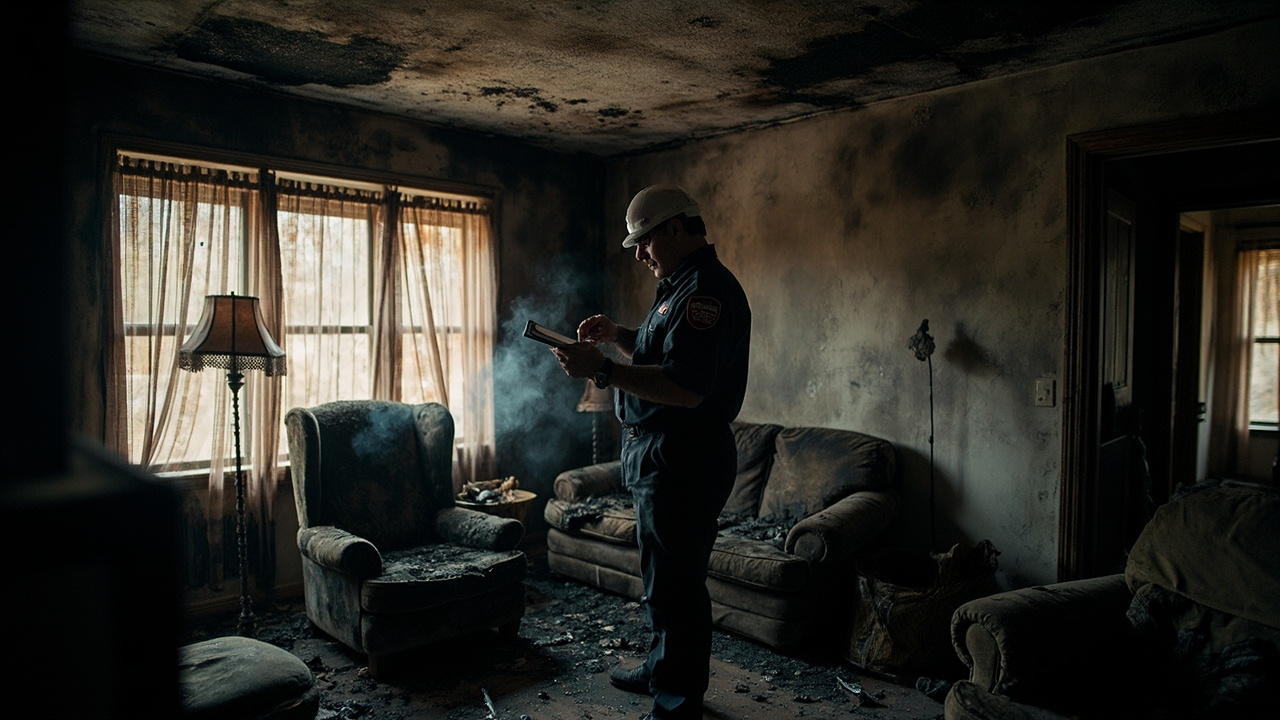
When fire strikes your St. Louis property, Patriot Water Damage Restoration St. Louis delivers comprehensive fire damage repair and smoke damage cleanup that addresses both visible destruction and hidden contaminants threatening your health and structure.

Slider Image 1
Slider Image 2
Slider Image 3
Slider Image 4
Slider Image 5
Slider Image 7
Slider Image 8
Slider Image 9
Slider Image 10
Slider Image 11

Why St. Louis Properties Face Unique Fire and Smoke Challenges

St. Louis's older housing stock and historic brick construction present specific complications after fire events. Porous brick facades and century-old plaster walls in neighborhoods like Soulard and Tower Grove South absorb smoke particles deep into their structure, creating persistent odor problems that surface treatments cannot fix. The city's high humidity levels compound this issue by causing soot residue to bond more aggressively to surfaces, making standard fire cleanup services inadequate.

Fire damage repair in St. Louis requires understanding how our temperature swings affect structural integrity. When winter temperatures drop below freezing after a fire, any water used in extinguishment can freeze within wall cavities and masonry, causing secondary damage that compromises your building envelope. Summer humidity then accelerates corrosion of exposed metal components like rebar in concrete and steel framing members.

The combination of older electrical systems common in St. Louis homes and our clay soil's tendency to shift foundations creates increased fire risk from damaged wiring. When fire does occur, smoke damage cleanup must address not just surface soot but also the chemical residues that settle into HVAC ductwork and spread contamination throughout your property. Professional fire restoration services must tackle both immediate destruction and these hidden threats to restore your property safely. Fire and smoke mitigation in St. Louis demands local expertise that accounts for our specific building materials and environmental conditions.

Why St. Louis Properties Face Unique Fire and Smoke Challenges
Our Technical Approach to Complete Fire Restoration

Our Technical Approach to Complete Fire Restoration

Fire cleanup services begin with thermal imaging to identify heat damage invisible to the naked eye. We use FLIR cameras to detect compromised structural members and insulation that lost its R-value during the fire event. This technology reveals hot spots where combustion materials still smolder within wall cavities, preventing rekindling that could destroy restoration work.

Our smoke damage cleanup process employs hydroxyl generators rather than ozone machines in occupied spaces. Hydroxyls break down odor molecules at the molecular level without the toxic off-gassing that ozone creates, allowing you to remain in unaffected areas during treatment. We pair this with HEPA filtration and negative air pressure to contain particulate spread during demolition phases.

For soot removal, we use dry chemical sponges on porous surfaces before any wet cleaning. This prevents soot from being driven deeper into materials. We then apply specialized degreasers formulated for protein-based smoke residue from synthetic materials versus the different chemistry needed for natural wood smoke. This targeted approach prevents the streaking and discoloration that occur when you use wrong cleaning agents.

Fire damage repair includes structural drying using low-grain refrigerant dehumidifiers that extract moisture without raising ambient temperatures, which would bake smoke odors into materials permanently. We document moisture content at the substrate level using penetrating pin meters, not just surface readings. This ensures we dry to the ANSI/IICRC S500 standard rather than guessing when materials are ready for reconstruction. Our fire restoration services integrate these technical protocols to deliver results that pass both insurance inspection and your own quality standards.

What Happens During Your Fire Recovery

Fire & Smoke Damage Restoration in St. Louis – Complete Recovery from Flames to Fresh Air
01

Emergency Stabilization

We arrive within hours to secure your property against weather intrusion and vandalism. Our team boards windows, tarps damaged roofing, and establishes negative air containment to prevent smoke particles from migrating to unaffected spaces. We photograph and document all damage for your insurance claim, then extract standing water from firefighting efforts before it causes additional structural damage or mold growth.
02

Contamination Removal

We remove all fire-damaged materials including charred framing, melted fixtures, and smoke-saturated insulation. Our technicians clean all salvageable surfaces using appropriate chemistry for each substrate type. We treat HVAC systems separately, cleaning ductwork and replacing filters to eliminate the smoke distribution system. Thermal fogging reaches into crevices where traditional cleaning cannot, neutralizing odor molecules rather than masking them with fragrances.
03

Structural Reconstruction

After confirming complete dryness and contamination removal, we rebuild damaged areas using materials that match your existing construction. We prime all surfaces with odor-sealing products before finish coats to encapsulate any remaining particulate. Final air quality testing confirms your space meets indoor environmental standards before we return it to you. You receive documentation of all work for insurance closure and future property transfers.

Why St. Louis Property Owners Choose Local Fire Restoration Experts

Patriot Water Damage Restoration St. Louis understands the specific challenges of restoring properties in our city. We work regularly with St. Louis's older building stock, from the brick bungalows in South City to the historic commercial structures downtown. This experience means we know how smoke infiltrates the unique construction methods used in different eras of St. Louis development.

Our familiarity with local building codes and the St. Louis Department of Building permits process streamlines your restoration timeline. We maintain relationships with city inspectors and understand the specific documentation requirements for fire-damaged properties seeking occupancy clearance. This local knowledge prevents the delays that occur when out-of-town contractors misunderstand our municipal requirements.

We also understand how to work with the insurance companies most common in the St. Louis market. Our estimates use Xactimate pricing specific to our regional labor and material costs, reducing the back-and-forth that extends claim resolution. We document according to the standards these adjusters expect, including the detailed photo documentation and moisture mapping that satisfies their protocols.

St. Louis's weather patterns require specific timing considerations for exterior restoration work. We schedule projects around our temperature and humidity windows to ensure proper curing of materials and coatings. Our supply chain connections with local distributors mean we can source matching materials for historic properties without the extended lead times that delay completion.

When you need fire and smoke mitigation, working with a team that knows St. Louis construction, weather, regulations, and insurance landscape makes the difference between a smooth restoration and a prolonged disruption. We live and work in the communities we serve, and that local presence translates to accountability you cannot get from national franchise operations with rotating technicians.

Understanding Your Fire Restoration Experience

Response Time and Availability

We maintain 24/7 emergency response capability for fire events throughout St. Louis. When you call, you speak with a trained technician, not an answering service. Our trucks carry emergency stabilization equipment, allowing us to begin securing your property during the initial visit. We typically arrive within two to four hours of your call, depending on your location and current weather conditions. This rapid response prevents secondary damage that occurs when fire-weakened structures remain exposed to elements. We dispatch crews immediately rather than scheduling you for the next business day.

Initial Assessment and Planning

Our site evaluation includes thermal imaging, moisture mapping, and indoor air quality baseline testing. We assess structural integrity, identify hazardous materials like asbestos that fire may have disturbed, and evaluate your mechanical systems for smoke contamination. You receive a detailed scope of work that separates emergency stabilization from full restoration phases. This assessment includes realistic timelines based on material lead times and permitting requirements. We photograph everything and provide you copies for insurance documentation. Our estimates itemize each task so you understand exactly what work we will perform and why each step is necessary for complete restoration.

Quality of Final Results

Your restored property will meet pre-loss condition in both appearance and air quality. We use odor-sealing primers on all surfaces and confirm contamination removal through third-party air testing when appropriate. Reconstructed areas match existing finishes using the same materials and techniques as original construction. We provide you with documentation of all cleaning protocols, equipment used, and final testing results. This paper trail proves to future buyers that fire damage was professionally remediated. The goal is complete restoration where you cannot detect that fire damage occurred, both visually and by smell. We stand behind our work and address any concerns during your final walkthrough.

Post-Restoration Support

After completing restoration, we provide you with maintenance recommendations specific to your property. If odors reappear in specific conditions like high humidity, we return to address them without additional charges during the first 30 days. You receive copies of all invoices, certificates of completion, and testing results for your records. We also provide referrals to specialists for systems outside our scope, like HVAC contractors who can verify your mechanical systems function properly after smoke exposure. Our project managers remain available to answer questions about your restoration even after final payment, ensuring you have ongoing support as you reoccupy your property.

Frequently Asked Questions

You Have Questions,
We Have Answers

How much does smoke damage restoration cost? +

Smoke damage restoration costs vary based on fire extent, affected square footage, and soot type. Minor smoke cleaning in one room may start around a few hundred dollars, while whole-home restoration after significant fire can reach tens of thousands. St. Louis homes with older construction or multi-story layouts often require more intensive cleaning. Insurance typically covers documented fire and smoke damage, so file your claim quickly. Professional estimators assess structural damage, HVAC contamination, and contents cleaning needs. Odor removal and thermal fogging add to total costs. Get a detailed written estimate before work begins to avoid surprises.

Can a fire-damaged house be repaired? +

Yes, fire-damaged houses can be repaired if the structural integrity remains sound. A licensed structural engineer assesses framing, load-bearing walls, and foundation damage before restoration begins. St. Louis brick homes often withstand fire better than wood-frame structures, but mortar and interior supports still need inspection. Restoration teams remove charred materials, clean soot, rebuild damaged areas, and restore electrical and plumbing systems. Severe fires may require full gut-outs and rebuilding. Insurance adjusters determine repair feasibility versus total loss. Fast action prevents further deterioration from weather exposure, which is critical in St. Louis humidity.

How to clean up smoke damage after a fire? +

Smoke damage cleanup requires professional equipment and techniques to prevent permanent staining and odor. Do not attempt DIY cleaning with household products, as you can set stains permanently. Professionals use HEPA vacuums to remove loose soot, then apply specialized chemical sponges and cleaners for walls and ceilings. Contents are cleaned or disposed of based on contamination level. HVAC systems need thorough cleaning since smoke particles circulate through ductwork. Thermal fogging and ozone treatments neutralize lingering odors. St. Louis homes with forced air systems require immediate duct sealing to prevent soot spread.

Can you just paint over smoke damage? +

No, never paint over smoke damage. Soot contains acidic residues that continue to bleed through new paint, causing discoloration and persistent odors. You must remove all soot deposits and apply a specialized sealer before painting. Professionals use TSP or commercial degreasers to strip contaminated surfaces, then seal with shellac-based or oil-based primers designed for fire damage. Skipping this step wastes money and traps harmful particles. St. Louis humidity accelerates bleed-through if surfaces are not properly sealed. Walls, ceilings, and trim require different treatment methods based on material type and smoke exposure.

Will insurance cover smoke damage? +

Most homeowner insurance policies cover smoke damage from covered fire events, including structure cleaning, contents restoration, and temporary living expenses. Review your policy for coverage limits and deductibles. St. Louis homeowners should document all damage with photos and detailed inventories before cleanup begins. Insurance adjusters inspect the property and authorize restoration scope. Denial happens if fire results from neglect or intentional acts. Professional restoration companies work directly with insurers and help navigate claims paperwork. Keep all receipts and communicate through written channels. Act fast, as delayed reporting can complicate claims.

Are fire restoration companies worth it? +

Yes, fire restoration companies are worth the investment for safe, thorough recovery. Professionals have industrial equipment, specialized training, and insurance credentials that homeowners lack. They handle hazardous soot removal, structural drying, odor elimination, and insurance documentation. DIY attempts often miss hidden damage in HVAC systems, wall cavities, and attics, leading to long-term health risks and odor problems. St. Louis properties with brick exteriors and complex layouts need expert assessment for concealed damage. Certified restorers prevent mold growth, which starts within 48 hours in our humid climate. They also coordinate with contractors for repairs.

What is the 30/30/30 rule for fire? +

The 30/30/30 rule guides fire safety planning. It means you have roughly 30 seconds to detect a fire, 30 seconds to alert household members, and 30 seconds to evacuate safely. Modern fires burn faster due to synthetic materials in furniture and construction. This rule emphasizes the need for working smoke detectors on every level and near bedrooms. St. Louis residents should practice escape routes and designate meeting points outside. The rule does not apply to restoration timelines. After fire damage, contact professionals within 24 hours to prevent secondary damage from soot and moisture.

How much does it cost to clean up a burned down house? +

Cleaning up a burned down house ranges from moderate demolition costs to complete rebuilds. Minor fire damage may cost several thousand for debris removal and cleaning. Total losses requiring full demolition, foundation repair, and rebuilding reach six figures. St. Louis permits and inspections add to costs. Insurance covers most expenses if you maintain adequate coverage. Professionals handle hazardous material disposal, including asbestos in older homes. Structural engineers assess salvageable elements like foundations or brick chimneys. Site remediation prepares the lot for rebuilding. Get multiple quotes and verify contractor licensing before signing contracts.

What's the difference between restoration and remediation? +

Restoration returns your property to pre-loss condition through cleaning, repairs, and rebuilding. Remediation removes hazardous materials like mold, asbestos, or contaminated water. Fire damage jobs often require both. Remediation happens first to eliminate health threats, then restoration rebuilds and restores function. St. Louis homes built before 1980 may contain asbestos in insulation or flooring, requiring certified remediation before fire restoration begins. Smoke remediation involves removing toxic soot and neutralizing chemical residues. Water used to fight fires needs immediate extraction to prevent mold remediation issues. Choose companies licensed for both services.

What is salvageable after smoke damage? +

Salvageable items depend on fire proximity, soot type, and material composition. Metal, glass, and hard plastics often clean successfully. Wood furniture may be refinished if not charred. Electronics exposed to smoke usually fail due to corrosion. Porous materials like upholstery, mattresses, and drywall absorb smoke particles and odors, making restoration difficult. Professional contents cleaning uses ultrasonic baths and ozone chambers. St. Louis humidity complicates salvage decisions, as moisture accelerates deterioration. Discard food, cosmetics, and medicines exposed to smoke. Insurance covers replacement of non-salvageable items. Document everything before disposal for claims processing.

How St. Louis's Brick Construction Complicates Fire Damage Cleanup

St. Louis's historic brick buildings present unique fire restoration challenges that many contractors underestimate. Brick is porous and absorbs smoke particles and odor molecules deep into its structure, far beyond what surface cleaning can address. When fire occurs in a brick building, the masonry acts like a sponge, pulling in acidic combustion byproducts that continue off-gassing for months if not properly treated. The mortar joints are particularly problematic because their lime-based composition reacts chemically with smoke residue, creating persistent odor sources. This is why proper fire cleanup services in St. Louis must include deep penetrating treatments specific to masonry, not just surface scrubbing that addresses modern drywall construction.

Working in St. Louis's older neighborhoods means understanding local preservation requirements and architectural details that affect restoration approaches. Many properties in areas like Lafayette Square and the Central West End sit within historic districts with specific restoration guidelines. We maintain relationships with local preservation organizations and understand which materials and methods meet their standards. This local expertise prevents compliance issues that could halt your project or require expensive rework. When you choose a fire restoration company familiar with St. Louis's construction heritage and regulatory environment, you avoid the learning curve that out-of-area contractors face in our unique market.
Water Damage Restoration Services in The St. Louis Area

We are proud to be the trusted local choice for water damage restoration across the greater St. Louis region. This map highlights our primary service zone, demonstrating our commitment to rapid, localized response across every neighborhood and business district within the area. We invite all users to view our service area and then contact us directly for immediate deployment to your specific address within the St. Louis community.

Address:
Patriot Water Damage Restoration St. Louis, 710 N Tucker Blvd, St. Louis, MO, 63101

Additional Services We Offer

Our news updates

Latest Articles & News from The Blogs

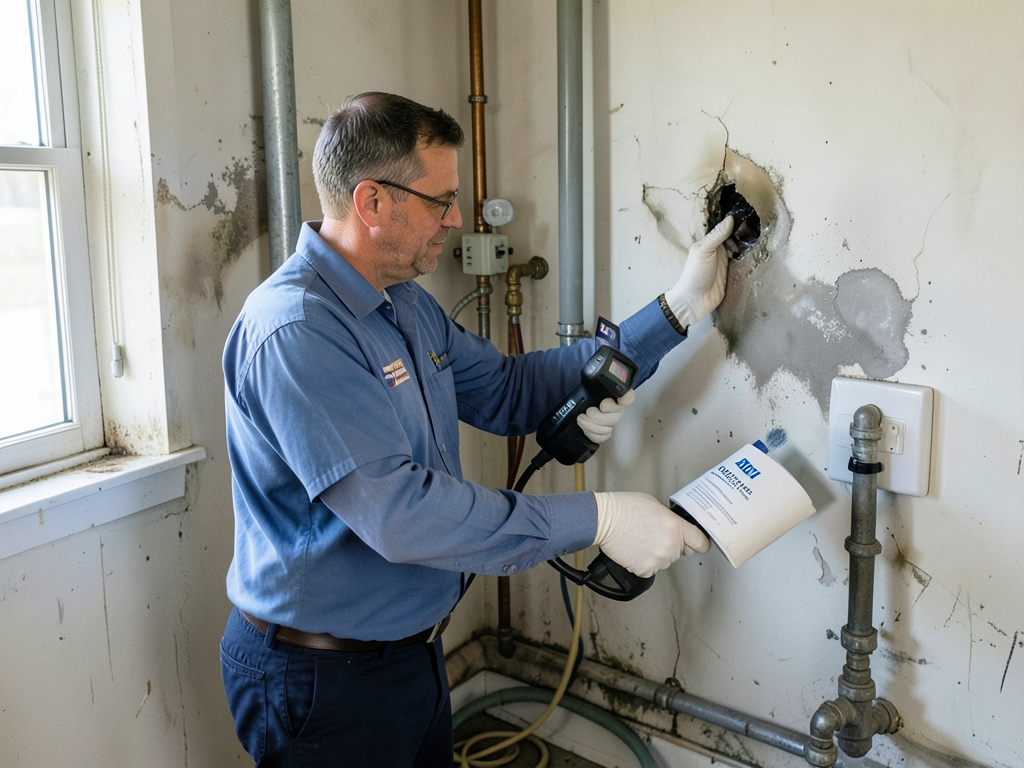
What to Do When Your Water Softener Leaks and Floods Your Affton Utility Room A leaking water softener can release…

What to Do When Your Water Softener Leaks and Floods Your Affton Utility Room

What to Do When Your Water Softener Leaks and Floods Your Affton Utility Room A leaking water softener can release…

Restoring a Water Damaged Mid-Century Modern Home in Warson Woods

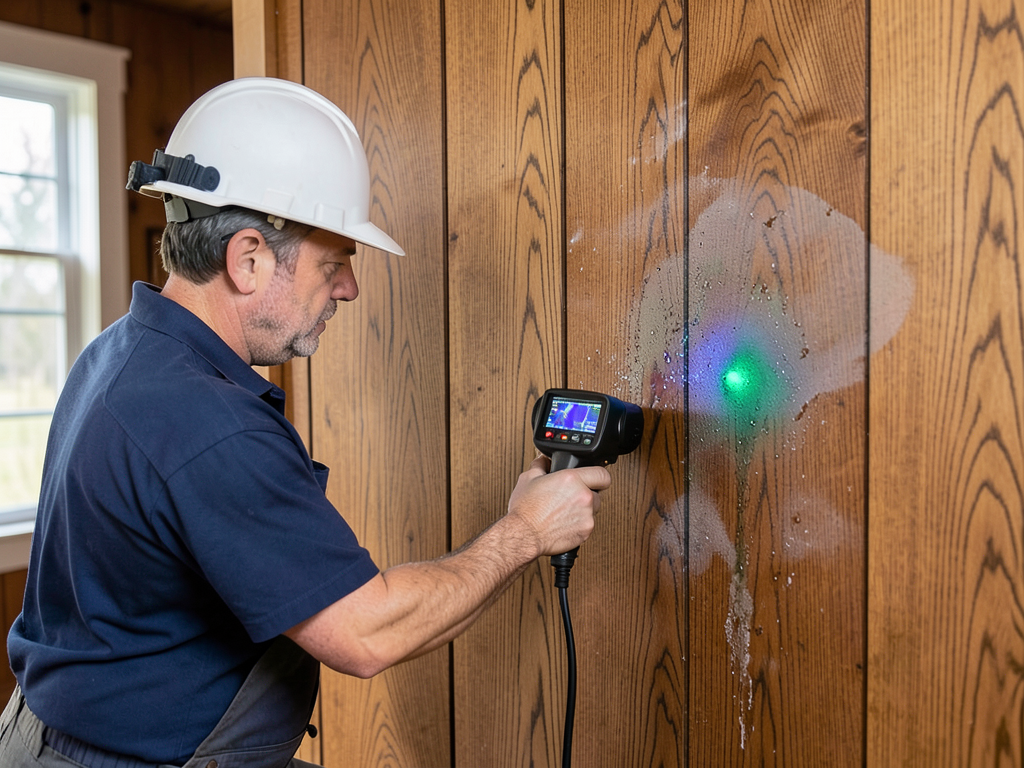
Restoring a Water Damaged Mid-Century Modern Home in Warson Woods Water damage in a mid-century modern home requires specialized knowledge…

Why Your Walk-Out Basement in Hi-Pointe is Vulnerable to Heavy Rain Runoff

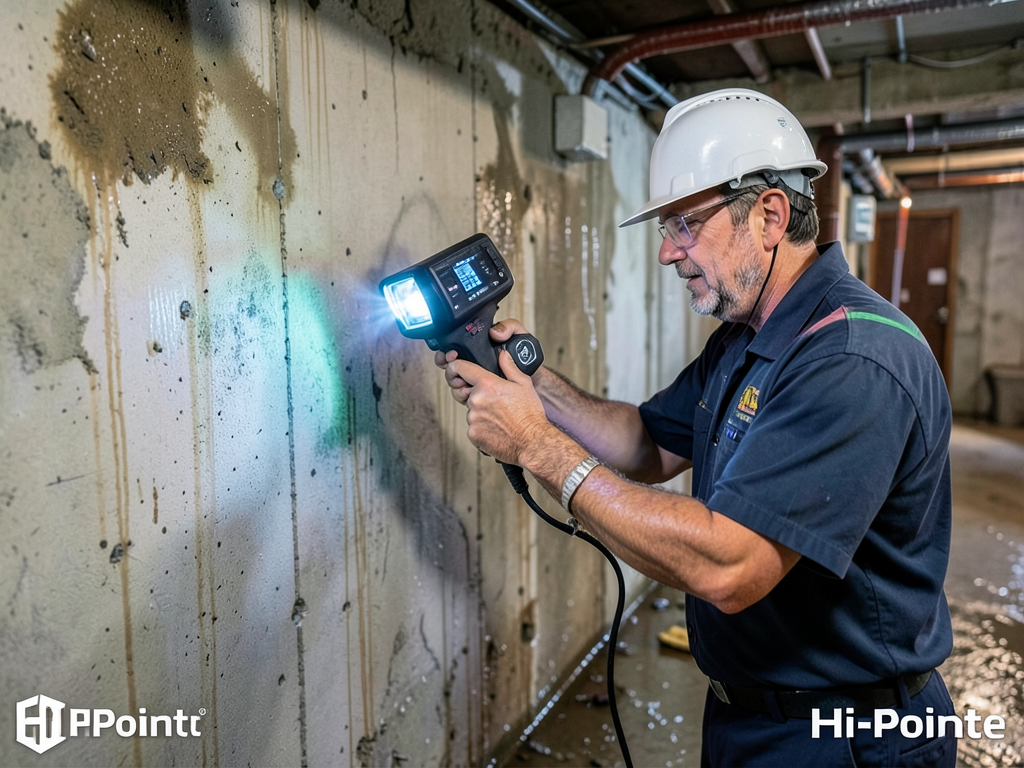
Why Your Walk-Out Basement in Hi-Pointe is Vulnerable to Heavy Rain Runoff Your walk-out basement in Hi-Pointe faces unique flooding…

Contact Us

Fire damage worsens with each passing hour. Call Patriot Water Damage Restoration St. Louis now at (314) 428-9977 for immediate response. Our technicians are ready to secure your property and begin the restoration process that returns your space to safe, livable condition.