menu

Wet Carpet & Padding Problems in St. Louis – Expert Diagnosis Before Mold Takes Hold

When you find soaked carpeting and underlay after a leak or flood, the clock starts ticking on mold growth and structural damage. Patriot Water Damage Restoration St. Louis identifies the source, extracts standing water, and dries your flooring system correctly the first time.

Slider Image 1
Slider Image 2
Slider Image 3
Slider Image 4
Slider Image 5
Slider Image 7
Slider Image 8
Slider Image 9
Slider Image 10
Slider Image 11

Why Wet Carpet in St. Louis Homes Becomes a Health Risk So Quickly

St. Louis sits in a humid river basin where summer dewpoints regularly hit 70 degrees. When water saturates carpet and cushion in these conditions, mold spores begin colonizing within 24 to 48 hours. The problem accelerates in older homes south of Forest Park and in Soulard, where basements lack vapor barriers and foundation walls wick moisture from clay soil.

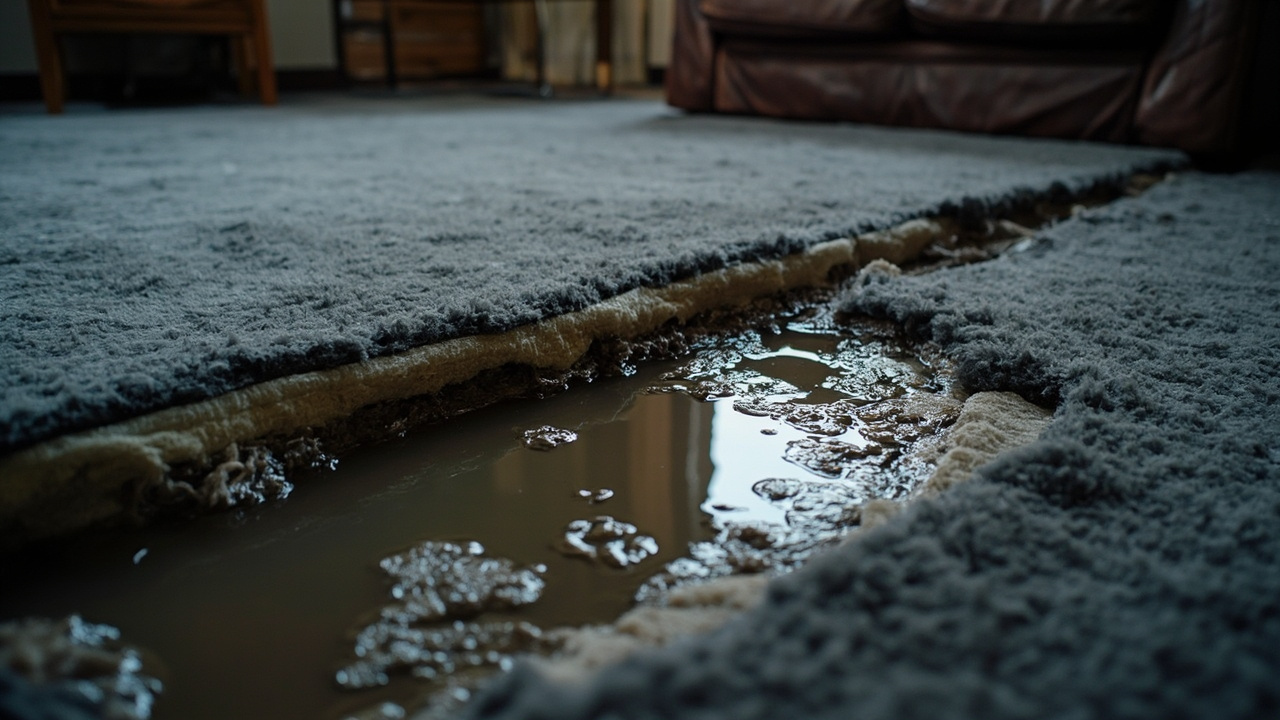
You walk into your basement and find flooded carpet and underpad pooling around the water heater. The padding acts like a sponge, holding gallons of water against your concrete slab. That moisture migrates upward into drywall and sideways into framing. The carpet fibers stay damp for days, creating the perfect environment for Aspergillus and Penicillium mold species.

Most homeowners try fans and dehumidifiers. This rarely works. Water damaged carpet and pad must be lifted to expose the subfloor. The padding almost always requires disposal because it cannot be dried effectively once soaked. The carpet itself may be salvageable if the water source was clean and you act within 24 hours, but waiting 48 hours usually means replacement.

The real danger hides underneath. Concrete slabs in St. Louis homes stay cool year-round. When warm, humid air contacts that cold surface under wet carpet underlayment, condensation forms continuously. This creates a perpetual moisture source that no amount of surface drying can fix. You need extraction equipment that pulls water from the slab and padding, plus commercial air movers positioned to create airflow beneath the lifted carpet.

Why Wet Carpet in St. Louis Homes Becomes a Health Risk So Quickly
How We Extract Water and Prevent Secondary Damage

How We Extract Water and Prevent Secondary Damage

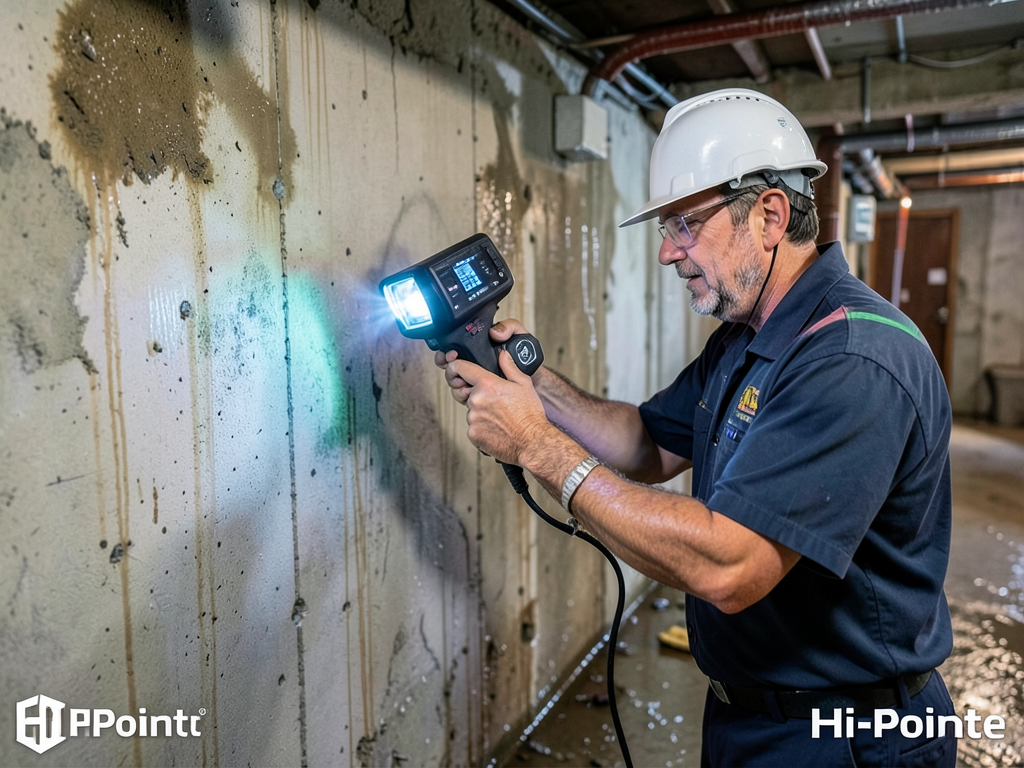
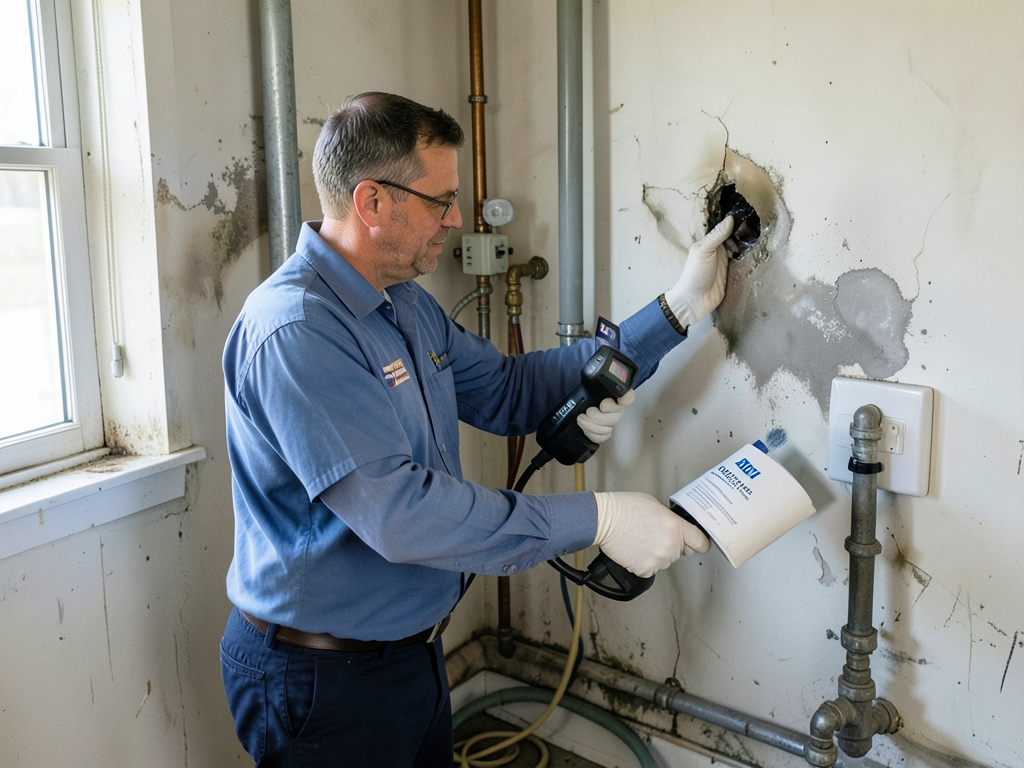
We do not throw fans at the problem and hope for the best. Our process begins with moisture mapping using thermal imaging cameras and penetrating moisture meters. We measure moisture content in the carpet face, the padding, and the subfloor separately. This tells us whether the water source is still active and whether the subfloor has begun absorbing moisture.

For soaked carpeting and underlay, we use truck-mounted extraction units that generate significantly more vacuum power than portable shop vacs. These units remove 90 percent of water from the padding before we even lift the carpet. This prevents cross-contamination as we work and reduces drying time by half.

We then pull back the carpet in sections, remove the padding, and inspect the tack strips and subfloor. If we find standing water on concrete, we extract it with weighted wands that create a seal against the slab. If we find saturated wood subfloors, we drill small relief holes to allow trapped moisture to escape. We do not drill randomly. We locate floor joists first to avoid structural damage.

Our drying equipment includes low-grain refrigerant dehumidifiers that pull moisture out of the air faster than desiccant models in St. Louis's humidity. We position axial air movers at specific angles to create a vortex effect under the lifted carpet, moving air across every square inch of subfloor. We mount the carpet on drying racks so both sides receive airflow.

We monitor the drying process with daily moisture readings. We do not rely on timers or guesswork. When all materials reach equilibrium moisture content, we sanitize the carpet backing with antimicrobial agents, install new padding, and re-stretch the carpet to manufacturer specifications. This prevents buckling and premature wear.

What Happens When You Call Us About Wet Carpet

Wet Carpet & Padding Problems in St. Louis – Expert Diagnosis Before Mold Takes Hold
01

Source Identification

We arrive within two hours for emergency calls and immediately locate the water source. Is it a pinhole leak in copper supply lines, a failed wax ring under a toilet, or groundwater seeping through foundation cracks? We stop active water intrusion before beginning extraction. We photograph the affected areas and document moisture levels for insurance claims. This prevents disputes later about the scope of damage.
02

Water Extraction

We extract standing water with truck-mounted units, then lift the carpet to remove soaked padding. We inspect the subfloor for saturation and extract any trapped water. We remove baseboards if necessary to check for wicking in drywall. We bag and remove unsalvageable materials immediately to prevent odor and mold growth. We do not leave wet padding sitting in your garage for three days.
03

Controlled Drying

We set up commercial dehumidifiers and air movers in a controlled drying chamber. We seal off the affected area to prevent conditioned air from escaping and to maintain optimal drying conditions. We monitor moisture levels twice daily and adjust equipment as needed. When materials reach safe moisture levels, we sanitize, reinstall, and re-stretch the carpet. We provide written documentation of final moisture readings for your records.

Why St. Louis Homeowners Choose Local Water Damage Specialists

Patriot Water Damage Restoration St. Louis understands the specific challenges of this region. We know that homes in Dogtown and The Hill have limestone foundation walls that absorb water differently than poured concrete. We know that bungalows in South City have hardwood subfloors that require different drying protocols than slab foundations in West County subdivisions.

We work with every major insurance carrier operating in St. Louis County and St. Charles County. We understand Missouri's comparative fault statutes and how they affect coverage for gradual water damage versus sudden failures. We document everything with photo evidence and moisture logs that meet insurance adjuster requirements. This speeds up your claim and reduces out-of-pocket costs.

Our technicians hold IICRC certifications in Water Damage Restoration and Applied Structural Drying. This means we follow science-based drying protocols, not guesswork. We calculate grain depression and vapor pressure gradients to determine optimal equipment placement. We understand psychrometrics and how St. Louis's climate affects evaporation rates in enclosed spaces.

We also respond 24 hours a day because water does not wait for business hours. A burst supply line at 2 AM on Sunday will cause the same damage as one at 2 PM on Wednesday. We dispatch crews immediately and begin mitigation within two hours. This response time makes the difference between drying your existing carpet and replacing your entire flooring system.

You will not get a sales pitch disguised as an inspection. We assess the damage, explain what can be saved, and provide a written estimate before starting work. We do not upsell unnecessary services. If your carpet can be dried and sanitized, we tell you. If it needs replacement, we explain exactly why based on moisture readings and contamination levels.

What to Expect When You Have Water Damaged Carpet and Pad

Response Time

We dispatch crews within two hours for emergency water damage calls. Our technicians carry extraction equipment, moisture meters, and thermal imaging cameras on every truck. We begin mitigation immediately upon arrival, not after returning for equipment. For non-emergency situations like slow leaks discovered during inspections, we schedule appointments within 24 hours. Speed matters because mold colonization begins within 48 hours in St. Louis's humid climate. Every hour of delay increases the likelihood of permanent damage and costly replacements.

Initial Assessment

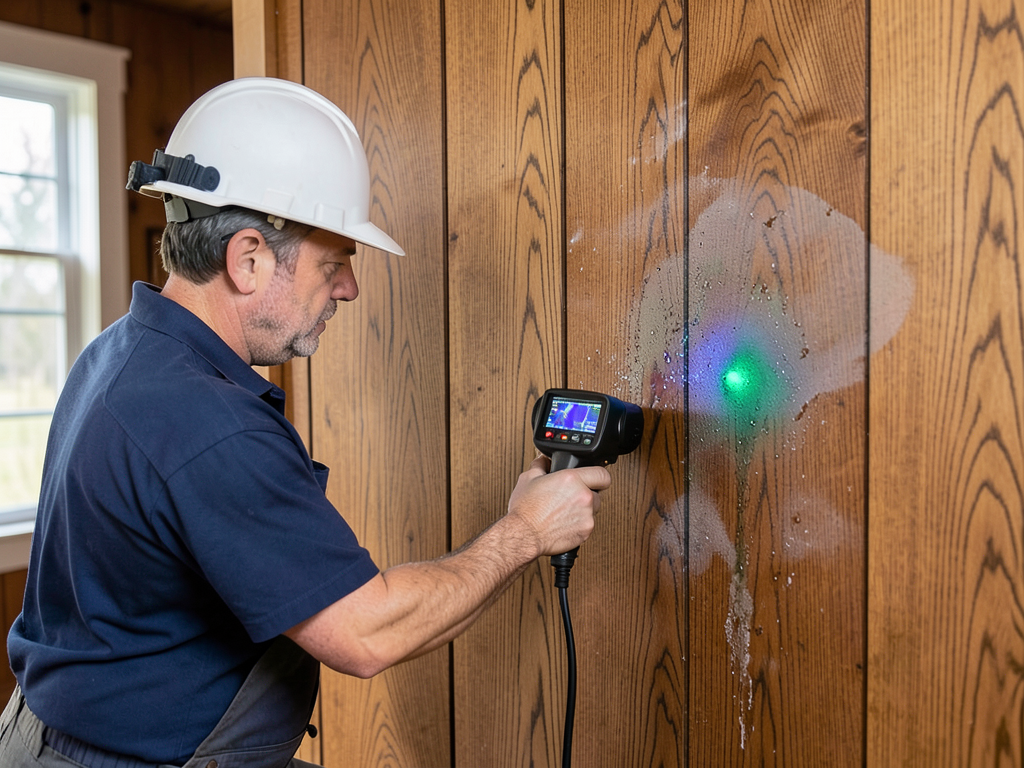
We perform thermal imaging to map moisture migration patterns and identify hidden water damage in walls and subfloors. We test moisture content at multiple depths using penetrating pin meters and non-invasive sensors. We classify the water source as Category 1, 2, or 3 based on contamination level. This determines whether your carpet can be saved or must be disposed of. We provide a written moisture report with photographic documentation for insurance claims. We explain our findings in plain language and answer questions about the drying process, timeline, and expected outcomes.

Drying Results

We dry carpet and subfloors to equilibrium moisture content within three to five days for most residential jobs. This is not a guess. We measure moisture levels twice daily and provide written logs documenting progress. We do not remove equipment until all materials reach safe moisture levels below 12 percent. When carpet is salvageable, we sanitize the backing with EPA-registered antimicrobials and re-stretch it to prevent buckling. When replacement is necessary, we provide referrals to flooring contractors and coordinate with your insurance adjuster to ensure coverage approval before work begins.

Post-Mitigation Follow-Up

We return two weeks after completing work to perform a final moisture check at no charge. This ensures no hidden moisture remains that could cause mold growth or structural issues later. We provide a certificate of completion with final moisture readings for your records and insurance claim file. If you detect any musty odors or notice new staining within 30 days, we return to re-inspect the area. We also offer referrals to licensed mold remediation specialists if testing reveals elevated spore counts, though our rapid response usually prevents this outcome entirely.

Frequently Asked Questions

You Have Questions,
We Have Answers

Is carpet padding ruined if it gets wet? +

Yes, carpet padding gets ruined when wet in most cases. Standard foam or rebond padding absorbs water like a sponge and breaks down fast. Once saturated, the padding compresses, loses structural integrity, and becomes a breeding ground for bacteria and mold. St. Louis humidity makes this worse. If you catch it within a few hours and the water is clean, professional extraction might save it. Contaminated water from sewage backups or Missouri River flooding means the padding must go. Do not try to dry padding yourself. It rarely works and puts your health at risk.

How to dry out wet carpet padding? +

Pull back the carpet immediately and expose the padding. Use a wet vacuum to extract standing water, then position industrial fans and dehumidifiers to force airflow under and around the padding. In St. Louis, high humidity slows drying, so you need serious equipment, not household fans. Check moisture levels with a meter. Padding must reach below 20 percent moisture within 48 hours to prevent mold growth. If the padding stays damp or smells musty, replacement is safer than drying. Professional water extraction removes more water faster and reduces your risk.

How long can carpet be wet before it is ruined? +

You have 24 to 48 hours before permanent damage starts. After that, mold spores colonize, odors set in, and delamination begins. St. Louis summers with heat and humidity accelerate this timeline. Clean water from a burst pipe gives you slightly more time than contaminated floodwater from heavy rain near the Mississippi River. The clock starts the moment water touches carpet fibers. Waiting even 72 hours often means full replacement. Speed matters. The faster you extract water and start drying, the better your chances of saving the carpet and avoiding health hazards.

Can mold grow under carpet padding? +

Yes, mold thrives under carpet padding. Darkness, moisture, and organic material create ideal conditions. Padding traps water against the subfloor, where mold spreads undetected. St. Louis basements and crawl spaces with poor ventilation make this worse. You will not see the mold until you pull back the carpet. By then, contamination often extends to the subfloor and wall cavities. Black mold, Aspergillus, and Penicillium species grow fast. Health risks include respiratory problems and allergic reactions. If your carpet stayed wet for more than 48 hours, assume mold growth started underneath.

How quickly can mold grow under wet carpet? +

Mold begins growing in 24 to 48 hours under wet carpet. St. Louis heat and humidity speed up colonization. Within 72 hours, visible mold patches appear on padding and subfloors. The longer water sits, the deeper mold penetrates. Basements near the Mississippi River or homes with poor drainage see faster growth. Spores spread through HVAC systems and contaminate other rooms. You might smell musty odors before seeing visible growth. Once mold starts, DIY cleaning fails. Professional remediation removes contaminated materials, treats affected areas with antimicrobial solutions, and prevents future outbreaks.

What does moldy carpet padding look like? +

Moldy carpet padding shows black, green, or white patches on the surface. It feels slimy or crumbly when touched. You will smell a strong musty or earthy odor before you see visible growth. Pull back the carpet and check the underside. Discoloration, dark spots, or fuzzy textures signal mold colonization. In St. Louis basements, mold often hides near foundation walls where moisture wicks up from clay soil. Padding loses its cushion and falls apart easily. If you see any discoloration or smell mildew, do not disturb it further. Call a professional to contain and remove contaminated materials safely.

How St. Louis Humidity and Clay Soil Create Chronic Wet Carpet Problems

St. Louis sits in a humid continental climate zone where summer dewpoints average 65 to 72 degrees. This creates ideal conditions for condensation on cold basement slabs and foundation walls. When you add expansive clay soil that swells when wet and shrinks when dry, you get foundation movement that cracks perimeter drains and allows groundwater intrusion. Homes in Affton, Lemay, and Mehlville experience repeated basement flooding during spring rains because French drains installed in the 1970s have collapsed or filled with sediment. Water seeps through foundation cracks and saturates carpet and pad before homeowners notice the problem.

Patriot Water Damage Restoration St. Louis knows these soil and climate factors because we work in this region every day. We understand that homes built before 1980 rarely have vapor barriers under basement slabs, which allows ground moisture to wick upward continuously. We know which neighborhoods experience high water tables during wet seasons and which subdivision builders used improper grading that directs water toward foundations. This local knowledge allows us to identify the root cause of your flooded carpet and underpad, not just treat the symptom. We provide permanent solutions, not temporary fixes.
Water Damage Restoration Services in The St. Louis Area

We are proud to be the trusted local choice for water damage restoration across the greater St. Louis region. This map highlights our primary service zone, demonstrating our commitment to rapid, localized response across every neighborhood and business district within the area. We invite all users to view our service area and then contact us directly for immediate deployment to your specific address within the St. Louis community.

Address:
Patriot Water Damage Restoration St. Louis, 710 N Tucker Blvd, St. Louis, MO, 63101

Additional Services We Offer

Our news updates

Latest Articles & News from The Blogs

What to Do When Your Water Softener Leaks and Floods Your Affton Utility Room A leaking water softener can release…

What to Do When Your Water Softener Leaks and Floods Your Affton Utility Room

What to Do When Your Water Softener Leaks and Floods Your Affton Utility Room A leaking water softener can release…

Restoring a Water Damaged Mid-Century Modern Home in Warson Woods

Restoring a Water Damaged Mid-Century Modern Home in Warson Woods Water damage in a mid-century modern home requires specialized knowledge…

Why Your Walk-Out Basement in Hi-Pointe is Vulnerable to Heavy Rain Runoff

Why Your Walk-Out Basement in Hi-Pointe is Vulnerable to Heavy Rain Runoff Your walk-out basement in Hi-Pointe faces unique flooding…

Contact Us

Every hour counts when you have saturated carpet and cushion. Call Patriot Water Damage Restoration St. Louis at (314) 428-9977 right now. We dispatch crews 24/7 and begin extraction within two hours. Do not wait until mold forces you to replace everything.