menu

Mold Remediation & Removal in St. Louis – Certified Abatement Teams Ready to Restore Your Property Safely

Professional mold remediation and removal services across St. Louis metro areas, using EPA-approved containment protocols and certified technicians to eliminate mold colonies, prevent cross-contamination, and restore indoor air quality in homes and commercial buildings.

Slider Image 1
Slider Image 2
Slider Image 3
Slider Image 4
Slider Image 5
Slider Image 7
Slider Image 8
Slider Image 9
Slider Image 10
Slider Image 11

Why St. Louis Properties Face Persistent Mold Problems

St. Louis sits at the confluence of the Mississippi and Missouri Rivers, creating a humidity problem that fuels mold growth year-round. Summer humidity regularly exceeds 70 percent, while older brick homes in neighborhoods like Soulard and Lafayette Square trap moisture in basements and crawlspaces. When you add aging plumbing systems and the clay soil that shifts foundations, you get the perfect storm for mold colonization.

Mold does not just grow on visible surfaces. It spreads behind drywall, under flooring, and inside HVAC ductwork. Aspergillus and Penicillium species thrive in damp areas, releasing spores that trigger respiratory problems, allergic reactions, and chronic sinus issues. If you smell musty odors or see discoloration on walls, you already have a colony established.

Professional mold removal goes beyond surface cleaning. Mold abatement requires containment barriers, negative air pressure systems, and HEPA filtration to prevent spores from spreading during the cleanup process. Mold mitigation addresses the moisture source, whether it is a leaking pipe, poor ventilation, or foundation seepage. Without fixing the water intrusion point, mold will return within weeks.

St. Louis property owners in flood-prone areas near River des Peres or Coldwater Creek face recurring moisture problems that demand ongoing monitoring. Mold cleanup services must include post-remediation verification testing to confirm spore counts have returned to normal levels. Mold decontamination is not complete until air quality testing confirms safe conditions.

Why St. Louis Properties Face Persistent Mold Problems
How Patriot Water Damage Restoration St. Louis Eliminates Mold Colonies

How Patriot Water Damage Restoration St. Louis Eliminates Mold Colonies

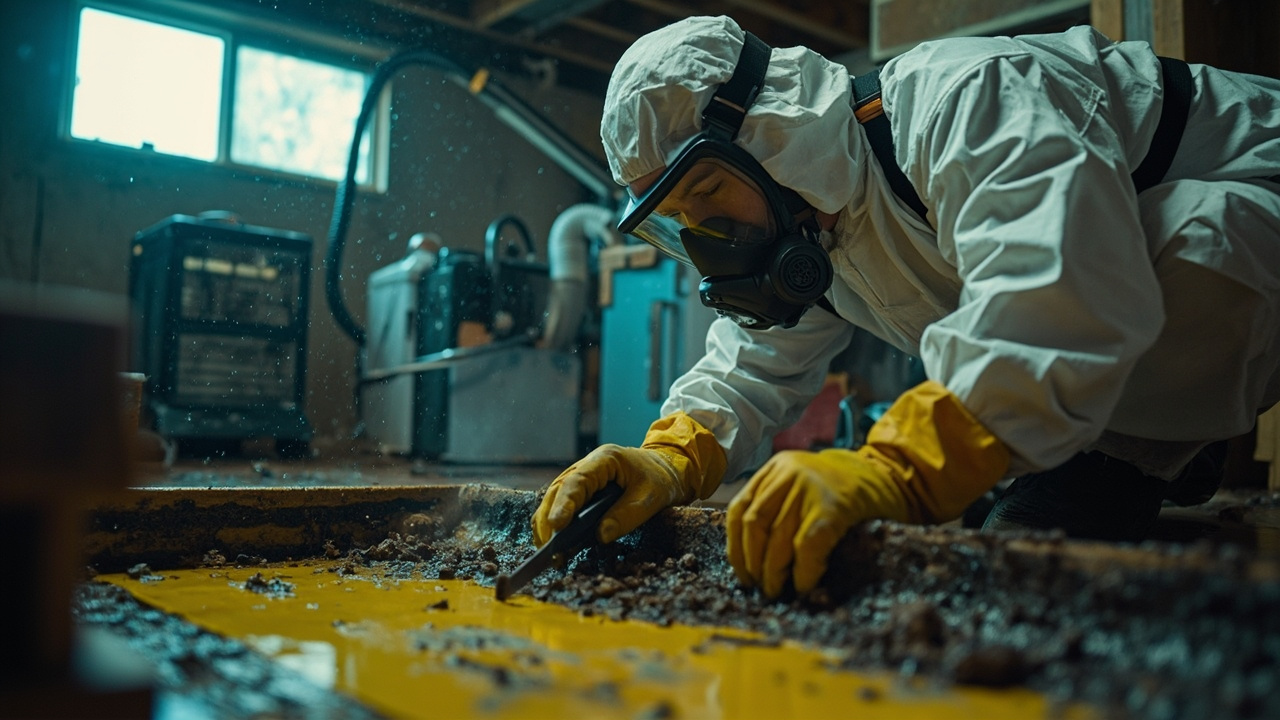
We follow IICRC S520 standards for mold remediation, which means every project starts with containment. Our technicians seal off affected areas using polyethylene sheeting and create negative air pressure with air scrubbers equipped with HEPA filters. This prevents spores from migrating to clean areas during the removal process.

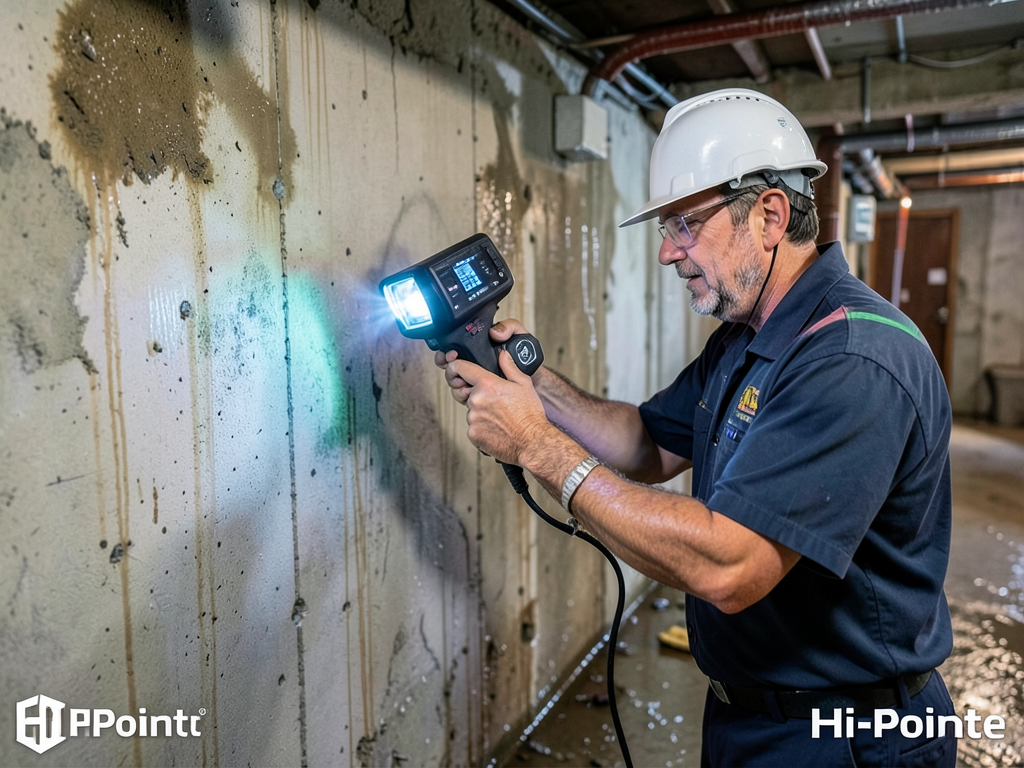
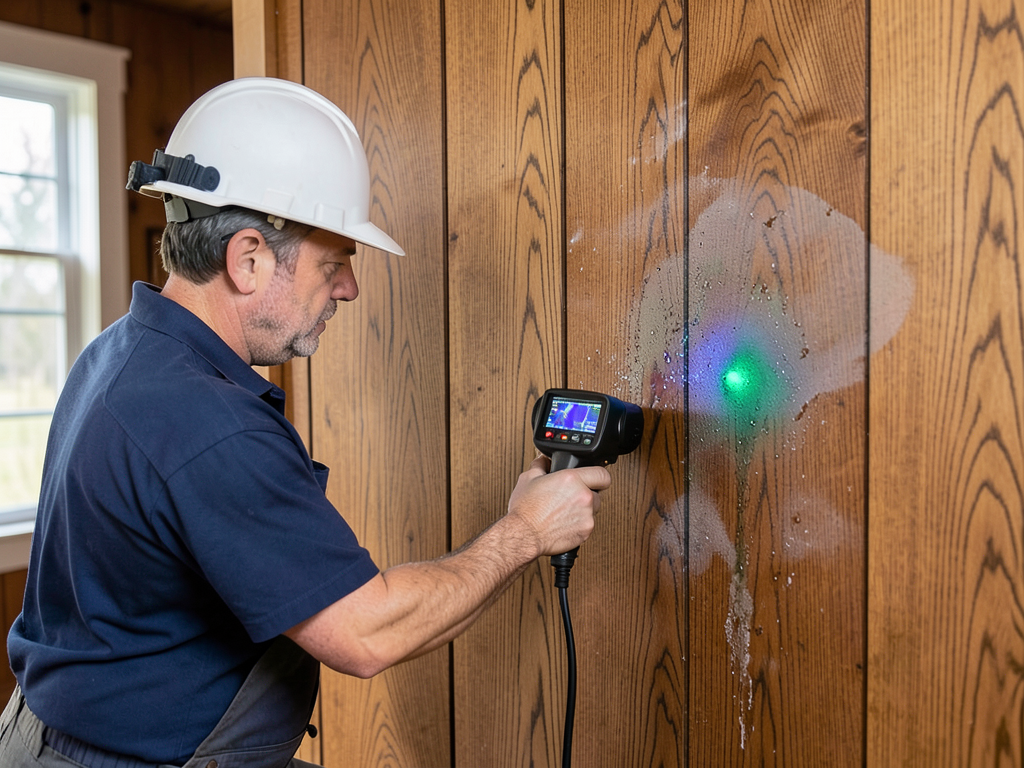
We use moisture meters and thermal imaging cameras to map hidden water damage. Mold grows where moisture persists, so we trace the source back to its origin. If your basement floods every spring, we identify whether the problem is hydrostatic pressure from clay soil expansion, failed sump pumps, or cracked foundation walls. Fixing visible mold without addressing the moisture source is worthless.

Our mold mitigation process includes removing contaminated materials that cannot be salvaged. Porous materials like drywall, insulation, and carpeting absorb mold and must be discarded. Non-porous surfaces like metal studs and concrete get treated with antimicrobial agents after physical removal. We do not use foggers or ozone generators that mask odors without eliminating colonies.

After physical removal, we run hydroxyl generators to neutralize airborne spores and decompose mycotoxins. These machines break down organic compounds at the molecular level without producing harmful ozone. Final air quality testing by a third-party lab confirms clearance before we remove containment barriers.

Patriot Water Damage Restoration St. Louis coordinates with your insurance adjuster to document the entire scope of work. We photograph pre-existing conditions, moisture readings, and post-remediation results to support your claim.

What Happens During Professional Mold Abatement

Mold Remediation & Removal in St. Louis – Certified Abatement Teams Ready to Restore Your Property Safely
01

Containment and Air Filtration

We establish physical barriers using 6-mil polyethylene sheeting to isolate contaminated zones from clean areas. Negative air machines with HEPA filters create air pressure differentials that pull spores away from occupied spaces. All HVAC systems get sealed to prevent cross-contamination through ductwork. Entry and exit points use decontamination chambers where technicians remove protective equipment before leaving the work zone.
02

Physical Removal and Treatment

Technicians remove mold-damaged materials using controlled wetting to minimize spore release during demolition. Contaminated materials get double-bagged and sealed before transport. Non-porous surfaces undergo wire brushing and HEPA vacuuming, followed by antimicrobial treatment. Wood framing gets sanded if surface growth exists. We apply encapsulants to porous materials that cannot be removed, creating a barrier that prevents future spore release.
03

Verification and Clearance Testing

After remediation, an independent hygienist collects air samples and surface swabs to verify spore counts match baseline levels for St. Louis. Lab analysis confirms no elevated concentrations of Stachybotrys, Aspergillus, or Penicillium species remain. We provide a clearance certificate documenting successful abatement. Final moisture readings confirm humidity levels below 60 percent to prevent recurrence. You receive a complete remediation report with before and after photos.

Why St. Louis Property Owners Choose Patriot Water Damage Restoration

St. Louis properties built before 1950 present unique challenges. Homes in the Central West End and Compton Heights feature plaster walls and lathe construction that trap moisture differently than modern drywall. Brick veneer construction common in south St. Louis allows water intrusion through deteriorated mortar joints. We understand how these older building methods affect mold growth patterns.

Our technicians know St. Louis building codes and work with city inspectors when remediation projects require permits. Commercial properties in downtown lofts or industrial buildings near the Delmar Loop must comply with different ventilation standards than single-family homes. We document compliance for property managers dealing with tenant health complaints.

We respond to emergency calls within two hours for properties experiencing active water damage that will lead to mold growth. The 48-hour window after water intrusion is critical. If you wait longer, mold colonies establish themselves and remediation costs multiply. Our rapid response teams operate 24 hours a day because we know that a burst pipe at midnight will cause mold by Tuesday.

Patriot Water Damage Restoration St. Louis maintains relationships with local restoration suppliers, which means we do not wait days for specialty equipment. Our trucks carry thermal imaging cameras, moisture meters, air scrubbers, and hydroxyl generators. We start containment and water extraction immediately rather than scheduling a follow-up visit.

You get straight answers about what needs removal and what can be saved. We do not upsell unnecessary demolition because our reputation depends on honest assessments.

What to Expect During Mold Remediation in Your St. Louis Property

Emergency Response Time

We arrive within two hours for emergency water damage calls and begin moisture mapping immediately. Mold assessment appointments for non-emergency situations happen within 24 hours of your call. Our technicians carry equipment to start containment and air filtration on the first visit if conditions warrant immediate action. You do not wait days for corporate approval or scheduling conflicts. Small remediation projects in single rooms take one to two days. Whole-home projects with structural drying requirements take three to five days depending on material removal scope.

Initial Mold Inspection Process

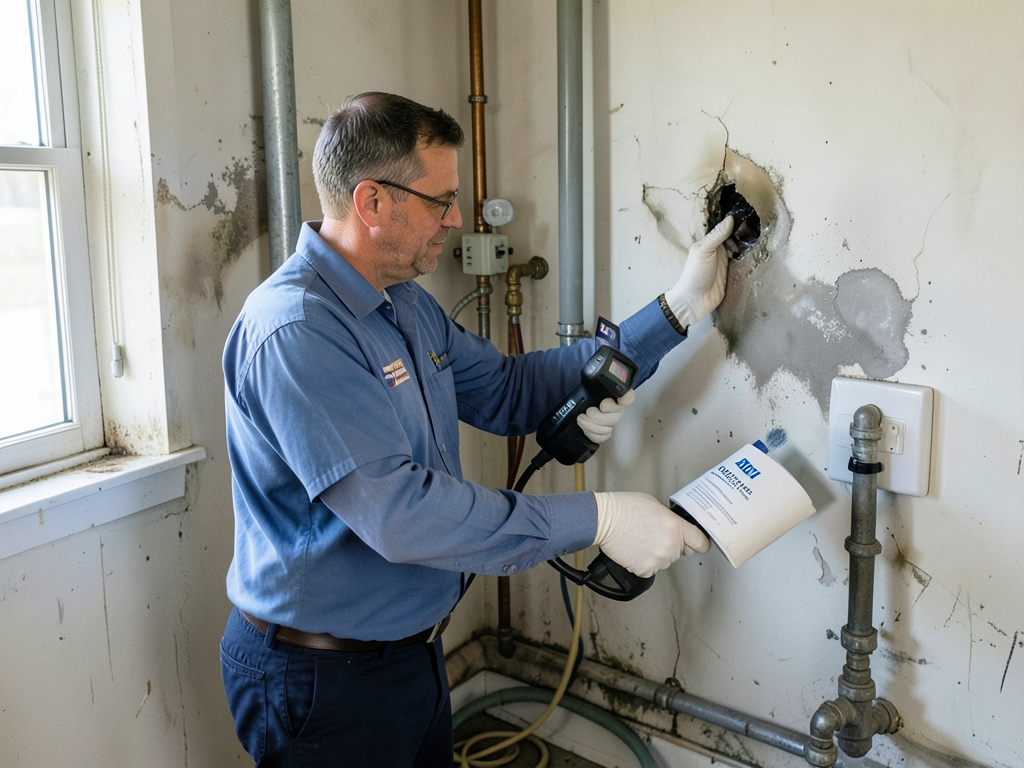
Our inspection includes thermal imaging to detect hidden moisture in wall cavities and beneath flooring. We use moisture meters to measure water content in building materials and identify saturation levels that support mold growth. You receive a written scope of work detailing contaminated areas, recommended containment protocols, and material removal requirements. We take air samples if you request baseline testing before remediation begins. The inspection report includes photos, moisture readings, and estimated project timelines based on the extent of colonization discovered.

Restoration and Air Quality Results

After mold removal, we rebuild affected areas using mold-resistant drywall and moisture-resistant materials appropriate for high-humidity zones like basements. Final air quality testing confirms spore counts have returned to normal outdoor baseline levels for St. Louis. You receive lab reports showing specific spore species and concentrations. We guarantee the remediated area passes clearance testing or we continue treatment at no additional charge. All work areas get HEPA vacuumed and wiped down before reconstruction begins to prevent spore reservoirs in the building.

Post-Remediation Monitoring

We provide humidity monitoring recommendations and moisture control strategies to prevent recurrence. You receive documentation showing all containment photos, disposal records, and clearance test results for insurance claims or property sale disclosures. If the moisture source was a plumbing leak or foundation issue, we coordinate with licensed plumbers or foundation specialists to address the root cause. Follow-up inspections are available at 30 and 90 days to verify conditions remain dry and mold-free. Our team explains proper ventilation practices and dehumidifier use specific to St. Louis climate conditions.

Frequently Asked Questions

You Have Questions,
We Have Answers

How much does it cost to remove mold? +

Mold removal costs in St. Louis typically range based on the extent of contamination and affected square footage. Small projects under 10 square feet may cost a few hundred dollars, while larger infestations involving structural damage can reach several thousand. Factors include moisture source complexity, containment needs, air filtration requirements, and affected materials. St. Louis homes with basement moisture issues or older HVAC systems often face higher costs due to hidden growth behind walls or in crawl spaces. Testing, containment barriers, HEPA filtration, antimicrobial treatments, and post-remediation verification all impact final pricing. Get a professional inspection first.

What is the difference between mold removal and mold remediation? +

Mold removal means physically taking away visible mold from surfaces. Mold remediation addresses the entire problem, including identifying moisture sources, containing spores during cleanup, removing contaminated materials, treating affected areas with antimicrobials, and preventing future growth. Remediation focuses on returning mold levels to natural background concentrations, not achieving a sterile environment. In St. Louis, where high humidity and Mississippi River proximity create persistent moisture challenges, remediation targets root causes like foundation seepage, poor ventilation, or plumbing leaks. Simply removing surface mold without fixing the moisture problem guarantees regrowth. Remediation is the comprehensive, permanent solution.

How much does full mold remediation cost? +

Full mold remediation costs vary significantly based on contamination severity, square footage, and structural involvement. Projects can range from under a thousand dollars for localized bathroom mold to tens of thousands for whole-house remediation with HVAC system involvement. St. Louis homes with chronic basement flooding or inadequate dehumidification often require extensive remediation including drywall replacement, insulation removal, and structural drying. Costs include inspection, testing, containment setup, air scrubbers, personal protective equipment, demolition, disposal, antimicrobial treatments, and post-clearance testing. Older homes in historic St. Louis neighborhoods may face additional complications with outdated plumbing or foundation issues.

Can you actually remediate mold? +

Yes, professional remediation effectively controls mold when done correctly. Remediation does not sterilize your home but returns mold spore counts to normal background levels found in outdoor air. The process removes contaminated materials, treats surfaces with EPA-registered antimicrobials, and eliminates moisture sources. Success depends on addressing the underlying water problem. In St. Louis, persistent humidity from the Mississippi River valley and seasonal flooding create conditions where mold returns if moisture control fails. Proper remediation includes dehumidification strategies, ventilation improvements, and moisture barriers. Without fixing the water intrusion or humidity issue, mold will regrow regardless of remediation quality.

Is professional mold removal worth it? +

Professional mold removal is worth it when contamination exceeds 10 square feet, involves HVAC systems, or occurs in vulnerable populations' homes. Professionals use containment barriers, HEPA filtration, and proper disposal methods that prevent cross-contamination. In St. Louis, where basements and crawl spaces face chronic moisture from clay soil and high water tables, DIY efforts often spread spores throughout the home or miss hidden growth. Professionals identify moisture sources you might overlook, use moisture meters and thermal imaging, and provide post-remediation verification testing. For small surface mold under 10 square feet, DIY cleaning with proper precautions may suffice.

What are signs of mold exposure? +

Common mold exposure signs include persistent coughing, sneezing, throat irritation, nasal congestion, eye irritation, skin rashes, and headaches. Some people experience fatigue, difficulty concentrating, or worsening asthma symptoms. Symptoms often improve when you leave the affected environment and return when you come back. In St. Louis, allergic reactions may worsen during humid summer months when mold growth accelerates. Black mold produces mycotoxins that can cause more severe reactions in sensitive individuals. If you notice musty odors, visible growth, or unexplained health symptoms at home, get a professional inspection. Not everyone reacts to mold identically.

Do you have to throw everything away with mold in the house after? +

You do not need to discard everything after mold contamination. Hard, non-porous items like glass, metal, and hard plastics can be cleaned and sanitized. Porous materials like drywall, insulation, carpet, and upholstered furniture often require disposal if heavily contaminated. Books, documents, and photos can sometimes be salvaged through specialized drying and cleaning. In St. Louis basement floods, contents sitting in water for over 48 hours typically cannot be saved. A professional assessor determines what is salvageable based on contamination extent, material type, and sentimental or monetary value. HEPA vacuuming and antimicrobial cleaning can save many belongings.

What to do if you can't afford mold remediation? +

If you cannot afford professional remediation, address the moisture source immediately to stop additional growth. Fix leaks, improve ventilation, and run dehumidifiers to keep indoor humidity below 50 percent. For small areas under 10 square feet, you can attempt DIY cleanup using protective equipment, detergent solutions, and proper disposal methods. Some St. Louis community assistance programs or non-profits help low-income homeowners with urgent repairs. Contact your insurance company to verify coverage. Consider a home equity loan or payment plans some remediation companies offer. Ignoring mold worsens structural damage and health risks, increasing eventual costs significantly.

Is it hard to sell a house that has had mold remediation? +

Selling a house with past mold remediation is possible but requires full disclosure in St. Louis real estate transactions. Buyers will request documentation showing professional remediation, clearance testing, and moisture source repairs. Homes with proper remediation certificates and warranties often sell without significant issues. The key is demonstrating the problem was fixed correctly and will not return. Undisclosed mold history creates legal liability and can void sales. Price impacts depend on buyer perception and remediation quality. Providing inspection reports, remediation invoices, and post-clearance air quality tests builds buyer confidence. Transparency and documentation prevent deal collapse.

Does homeowners insurance cover mold? +

Homeowners insurance covers mold only if it results from a covered peril like sudden pipe bursts or storm damage. Policies exclude mold from gradual leaks, poor maintenance, or flooding. St. Louis homeowners facing Mississippi River flooding need separate flood insurance, which typically excludes mold. If a covered water damage event occurs, you must act quickly. Most policies require immediate mitigation to prevent mold growth. Document everything with photos and start drying within 24 to 48 hours. Review your policy for mold coverage limits, which often cap at a few thousand dollars. Prevention and quick action are critical.

How St. Louis River Humidity and Clay Soil Create Year-Round Mold Risks

St. Louis properties face mold challenges from two persistent sources. The Mississippi River and Missouri River create ambient humidity that keeps basements damp even during dry months. Clay soil throughout St. Louis County expands when wet and contracts when dry, creating foundation movement that cracks basement walls and allows groundwater seepage. Homes in Affton, Webster Groves, and Kirkwood experience chronic basement moisture from this soil movement. Professional mold decontamination must address both the immediate colony and the moisture source or you will face recurring growth within months.

Patriot Water Damage Restoration St. Louis understands local construction patterns that affect mold growth. Older homes in Tower Grove and The Hill neighborhoods feature limestone foundations that wick moisture from soil into basements. Post-war ranch homes in Lemay and Mehlville often lack proper vapor barriers beneath slab foundations. We tailor mold cleanup services to match these building characteristics rather than applying generic protocols. Our technicians work with St. Louis County building inspectors when remediation projects uncover structural deficiencies that require permits for repair work.
Water Damage Restoration Services in The St. Louis Area

We are proud to be the trusted local choice for water damage restoration across the greater St. Louis region. This map highlights our primary service zone, demonstrating our commitment to rapid, localized response across every neighborhood and business district within the area. We invite all users to view our service area and then contact us directly for immediate deployment to your specific address within the St. Louis community.

Address:
Patriot Water Damage Restoration St. Louis, 710 N Tucker Blvd, St. Louis, MO, 63101

Additional Services We Offer

Our news updates

Latest Articles & News from The Blogs

What to Do When Your Water Softener Leaks and Floods Your Affton Utility Room A leaking water softener can release…

What to Do When Your Water Softener Leaks and Floods Your Affton Utility Room

What to Do When Your Water Softener Leaks and Floods Your Affton Utility Room A leaking water softener can release…

Restoring a Water Damaged Mid-Century Modern Home in Warson Woods

Restoring a Water Damaged Mid-Century Modern Home in Warson Woods Water damage in a mid-century modern home requires specialized knowledge…

Why Your Walk-Out Basement in Hi-Pointe is Vulnerable to Heavy Rain Runoff

Why Your Walk-Out Basement in Hi-Pointe is Vulnerable to Heavy Rain Runoff Your walk-out basement in Hi-Pointe faces unique flooding…

Contact Us

Call Patriot Water Damage Restoration St. Louis at (314) 428-9977 for immediate mold assessment and remediation. Our certified technicians respond within two hours to emergency calls and provide written scopes within 24 hours for scheduled inspections. Stop breathing contaminated air and get professional mold removal that actually works.