


Jennings sits in the Missouri River floodplain where clay-heavy soils trap moisture against foundation walls. During spring thaw and summer storms, water pools around older homes in neighborhoods like Country Club Hills and Fairground Park, seeping through basement cracks and overwhelming antiquated drainage systems. The area's aging housing stock, much built between 1940 and 1970, contains galvanized pipes prone to corrosion and sudden failure. When pipes burst during winter freezes, water pours through walls and ceilings before homeowners notice.
The humid continental climate creates perfect conditions for mold growth within 24 to 48 hours of water intrusion. Homes near Natural Bridge Road and West Florissant Avenue face additional flooding risk from storm runoff that overwhelms municipal systems. Many Jennings residents delay calling restoration professionals due to cost concerns, but waiting turns a $2,000 extraction job into a $15,000 structural repair nightmare. Quick response prevents secondary damage that insurance may not cover.
Patriot Water Damage Restoration St. Louis has pulled water from hundreds of Jennings basements, crawlspaces, and living areas over the past decade. We know which neighborhoods flood first during storms, which streets have the oldest infrastructure, and how local soil conditions affect drying times. Our crews arrive with truck-mounted extraction units, not shop vacs. We use thermal imaging to find hidden moisture in walls and ceilings that cheaper companies miss, preventing mold growth and structural rot.
We staff certified technicians trained in IICRC water damage restoration standards, not day laborers with rented equipment. Our team documents every step with photos and moisture readings for insurance claims, streamlining approval and reimbursement. We handle paperwork, coordinate with adjusters, and advocate for full coverage of restoration costs. Most Jennings homeowners pay only their deductible.
Unlike franchises that subcontract work to unknown crews, we employ our own technicians who live and work in the St. Louis metro. We answer calls at 2 AM when your basement floods, not an answering service in another state. Our response time averages 45 minutes across Jennings because we stage equipment throughout North St. Louis County. Speed matters. Every hour of standing water increases damage costs and health risks. We stop the clock immediately.

We dispatch fully equipped crews to Jennings properties within one hour of your call, 24 hours a day. Our trucks carry industrial water extractors, air movers, and dehumidifiers. We begin water removal immediately to prevent structural damage and mold growth. Fast response reduces restoration costs and gets your life back to normal faster.

We work directly with your insurance company to document damage, justify restoration costs, and ensure full coverage. Our detailed reports include moisture readings, photos, and scope of work that adjusters need for claim approval. Most Jennings homeowners pay only their deductible. We handle the paperwork stress so you can focus on recovery.
Our water damage restoration technicians hold Institute of Inspection Cleaning and Restoration Certification credentials. They follow proven protocols for water classification, extraction techniques, and structural drying. We use calibrated moisture meters and thermal cameras to verify complete dryness before closing a job. Certification means competence, not guesswork.
We know Jennings properties inside and out. We understand which neighborhoods face chronic basement seepage, which homes have crawlspace moisture issues, and how local clay soil affects foundation drainage. Our crews have restored water damage in homes from Country Club Hills to Wells Goodfellow. Local knowledge means faster diagnosis and proper solutions.
Water damage restoration requires more than running fans and hoping for the best. Patriot Water Damage Restoration St. Louis provides complete water removal, structural drying, dehumidification, and reconstruction services across Jennings. We handle Category 1 clean water from burst supply lines, Category 2 gray water from appliance overflows, and Category 3 black water from sewage backups. Each requires different extraction methods, safety protocols, and drying techniques.
Our restoration process addresses immediate water removal, hidden moisture detection, antimicrobial treatment, deodorization, and rebuild coordination. We bring industrial equipment that removes thousands of gallons in hours, not days. Thermal imaging cameras locate moisture inside walls and under flooring that standard meters miss. We monitor drying progress with daily readings until structures reach safe moisture levels. Our teams coordinate with plumbers, electricians, and contractors to restore your Jennings property to pre-loss condition.
Our truck-mounted pumps remove standing water from basements, crawlspaces, and living areas within hours of arrival. We extract water from carpets, pad, and subflooring before it wicks into walls and insulation. Submersible pumps handle deep basement flooding. Weighted extractors pull water from hardwood floors without causing further damage. Speed prevents secondary damage like swollen drywall, warped flooring, and mold colonization. We work around the clock until your Jennings property is dry.
Visible water removal is only the first step. Moisture hides in wall cavities, insulation, and subflooring where it causes rot and mold. We position commercial air movers and dehumidifiers to create controlled airflow that pulls moisture from building materials. Thermal imaging identifies wet areas invisible to the eye. We monitor drying progress with calibrated moisture meters, adjusting equipment placement until structures reach safe levels. Complete drying takes three to five days depending on materials and saturation depth.
Mold spores colonize wet building materials within 24 to 48 hours. If water damage sits untreated, mold spreads through drywall, insulation, and wood framing. We apply antimicrobial treatments to affected surfaces during the drying process, preventing spore growth. For established mold infestations, we contain affected areas, remove contaminated materials, treat surfaces with fungicides, and verify clearance with air quality testing. Proper remediation protects your Jennings family's health and home value.
Jennings homeowners face predictable water damage scenarios tied to aging infrastructure, weather patterns, and soil conditions. Homes built before 1980 contain galvanized pipes that corrode from the inside, creating pinhole leaks and sudden ruptures. Clay soil expands when wet and contracts when dry, cracking foundation walls and allowing groundwater seepage. Spring storms overwhelm gutters and downspouts, pooling water against foundations. Sump pumps fail during power outages, flooding basements in low-lying areas near Jennings Creek.
Understanding these patterns helps homeowners take preventive action, but when disaster strikes, professional restoration saves thousands in repair costs. Standing water damages not just flooring and drywall but also electrical systems, HVAC equipment, and personal belongings. Quick professional response limits damage scope and accelerates insurance claims.
Clay soil around Jennings foundations expands and contracts with moisture, cracking basement walls. Water seeps through cracks during heavy rain, flooding storage areas and damaging furnaces and water heaters. We pump out basements, dry walls and floors, and coordinate with foundation specialists for permanent crack repair. Acting fast prevents mold in finished basements and protects mechanical systems.
Older homes in Jennings contain galvanized pipes that corrode and fail without warning. A burst supply line releases hundreds of gallons per hour into walls, ceilings, and living spaces. We locate shut-off valves, extract standing water, open walls to dry framing, and document damage for insurance claims. Fast response prevents ceiling collapse and electrical hazards.
Heavy storms overwhelm drainage systems in low-lying Jennings neighborhoods. Water backs up through floor drains or enters through basement windows. We extract contaminated water, remove soaked materials, disinfect surfaces, and dry structures. Storm water often contains sewage and chemicals requiring Category 3 cleanup protocols. Professional remediation protects your family from pathogens and toxins.
Water heaters, washing machines, and dishwashers fail suddenly, flooding kitchens and utility rooms. Supply line ruptures release water under pressure. We respond immediately to extract water from cabinets, flooring, and adjacent rooms. Quick extraction saves hardwood floors, prevents subfloor warping, and stops water from spreading to other areas. We document damage for warranty claims and insurance coverage.
Water damage creates chaos. You need clear answers and immediate action, not confusion and delays. When you call Patriot Water Damage Restoration St. Louis, a real person answers and dispatches a crew to your Jennings property within the hour. Our technicians arrive with truck-mounted extraction equipment, moisture detection tools, and containment materials. We assess damage, explain the restoration process in plain language, and begin water removal immediately.
You stay informed throughout the process. We provide daily updates on drying progress, coordinate with your insurance adjuster, and answer questions promptly. Our goal is to remove stress while removing water. We handle the technical work and insurance paperwork so you can focus on returning to normal life.
We answer emergency calls 24/7 and dispatch crews to Jennings within 60 minutes. Our technician will call you en route with an estimated arrival time. Upon arrival, we assess damage severity, identify the water source, and explain the restoration process step by step. We answer your questions in plain language without technical jargon. You receive written documentation of our findings and proposed restoration plan before we begin work. Transparency builds trust during stressful situations.
We photograph damage before, during, and after restoration. Moisture readings document saturation levels and drying progress. Our detailed reports include water category classification, affected materials, equipment used, and daily progress notes. This documentation supports your insurance claim and justifies coverage for all necessary repairs. We communicate directly with adjusters, provide estimates, and advocate for full restoration coverage. Most Jennings homeowners pay only their deductible when we handle insurance coordination.
We never leave a job until moisture readings confirm complete structural drying. Our technicians monitor drying progress daily, adjusting equipment placement to target remaining moisture. Final readings are documented and provided to you and your insurance company. We guarantee our work meets IICRC standards for water damage restoration. If moisture returns due to incomplete drying, we return to correct the issue at no additional cost. Complete drying prevents future mold growth and structural damage.
Water damage restoration follows proven protocols that prioritize safety, stop ongoing damage, and restore your property efficiently. We move fast but follow every step completely.
Call (314) 428-9977 and we dispatch a crew to your Jennings property within one hour. Our technician performs a complete damage assessment, classifies water category, identifies safety hazards, and develops a restoration plan. We locate the water source and stop ongoing intrusion when possible. We photograph damage, take initial moisture readings, and explain the restoration process. You receive a written scope of work before we begin extraction.
We remove standing water with truck-mounted pumps and weighted extractors. Submersible pumps handle deep basement flooding. Once visible water is removed, we position commercial air movers and dehumidifiers to dry walls, floors, and contents. Thermal imaging cameras locate hidden moisture in wall cavities and subflooring. We monitor progress daily with moisture meters, adjusting equipment placement until structures reach safe moisture levels. Drying takes three to five days depending on materials and saturation depth.
We apply antimicrobial treatments to prevent mold growth. Damaged materials like wet drywall, insulation, and flooring are removed and disposed of properly. We clean and sanitize salvageable contents. Final moisture readings confirm complete drying. We coordinate with contractors for reconstruction work like drywall replacement, painting, and flooring installation. Your Jennings property is restored to pre-loss condition. We provide final documentation and photos for insurance claim closure.
Professional water damage restoration follows Institute of Inspection Cleaning and Restoration Certification standards that define water categories, extraction methods, and drying protocols. Category 1 water from supply lines is clean but becomes Category 2 within 48 hours if untreated. Category 2 gray water from appliances contains contaminants. Category 3 black water from sewage backups or flood water requires specialized safety equipment and disposal methods.
Proper restoration requires understanding psychrometry, the science of air and moisture interaction. Warm air holds more moisture than cold air. Dehumidifiers work by cooling air to condense moisture, then reheating and recirculating dry air. Air movers create airflow across wet surfaces, accelerating evaporation. Proper equipment placement based on building materials, temperature, and humidity levels determines drying efficiency.
We measure moisture content in wood framing, drywall, and concrete using pin-type and non-invasive meters. Wood framing should measure below 16 percent moisture content. Drywall should read below 1.0 percent using non-invasive meters. These readings confirm complete drying and prevent future mold growth. Insurance companies require this documentation before authorizing reconstruction.
Jennings homes built before 1980 may contain asbestos in flooring, drywall joint compound, or insulation. We follow EPA protocols when disturbing these materials during water damage cleanup. Proper containment, personal protective equipment, and licensed disposal protect homeowners and workers from asbestos exposure. Cutting corners on safety creates long-term health risks and legal liability.
Category 1 clean water from supply lines requires basic extraction and drying. Category 2 gray water from appliances or washing machines requires antimicrobial treatment. Category 3 black water from sewage or flood water requires full containment, personal protective equipment, and specialized disposal. Proper classification determines restoration methods, safety protocols, and insurance coverage. Misclassifying water category creates health risks and claim denial.
Water damage restoration costs depend on water volume, category classification, affected materials, and damage duration. Basement flooding requires pumps and extensive drying equipment. Category 3 sewage cleanup costs more than clean water extraction due to disposal requirements. Hardwood floor drying costs less than replacement. Fast response reduces costs by preventing secondary damage. Insurance typically covers sudden water damage but not long-term seepage from deferred maintenance.
Complete structural drying takes three to five days for most Jennings properties. Concrete basements dry slower than wood-framed structures. Finished basements with drywall and insulation require longer drying times than open basements. Cold weather and high humidity extend drying duration. We monitor moisture levels daily and adjust equipment until structures reach safe moisture content. Rushing the process causes mold growth and structural damage.
Institute of Inspection Cleaning and Restoration Certification requires technicians to complete classroom training, pass written exams, and maintain continuing education. Certified technicians understand water damage science, proper equipment use, safety protocols, and documentation standards. Insurance companies prefer certified restoration companies because work meets industry standards. Uncertified companies use guesswork instead of proven methods, leading to incomplete drying and mold problems.
Professional water damage restoration explanation for Jennings Missouri homeowners covering emergency water extraction techniques, structural drying protocols, mold prevention methods, and insurance claim coordination. Video demonstrates IICRC certified restoration procedures including moisture measurement, equipment placement, water category classification, and drying verification. Covers common Jennings water damage scenarios including basement flooding, burst pipes, storm intrusion, and appliance failures with response timelines and restoration cost factors.
Patriot Water Damage Restoration St. Louis serves every neighborhood across Jennings and surrounding North St. Louis County areas. We respond quickly to water damage emergencies in Country Club Hills where older homes face chronic basement seepage during spring storms. Properties near Jennings Station Road and West Florissant Avenue flood when storm drains overwhelm during heavy rain. We extract water from finished basements and crawlspaces throughout the Fairground Park neighborhood where clay soil traps moisture against foundation walls.
Homes in the Wells Goodfellow area north of Natural Bridge Road experience burst pipe flooding during winter cold snaps. We dispatch crews with portable heaters and extraction equipment to prevent frozen pipe ruptures and mitigate damage when pipes fail. The Jennings Creek corridor experiences periodic flooding that backs water into basements through floor drains and window wells. Our crews understand which streets flood first and stage equipment accordingly during severe weather.
We serve commercial properties along Lucas Hunt Road and Halls Ferry Road where roof leaks and plumbing failures threaten inventory and equipment. Quick response prevents business interruption losses that exceed physical damage costs. Our service area extends throughout North St. Louis County including Berkeley, Bellefontaine Neighbors, and Castle Point. We maintain rapid response times because we stage equipment across the metro area and employ crews who live locally.
Distance matters during water damage emergencies. Every hour of delay increases restoration costs and health risks. We answer calls from Jennings residents within minutes and arrive within the hour. Our technicians know local building styles, common problem areas, and which neighborhoods face recurring water damage issues. Local knowledge and rapid response make the difference between contained damage and catastrophic loss.
Water damage restoration in Jennings addresses flooding, leaks, and moisture problems in homes and businesses. The process includes water extraction, structural drying, dehumidification, and mold prevention. Professional teams use industrial equipment to remove standing water and moisture from walls, floors, and ceilings. Quick action matters because water spreads fast and causes secondary damage within 24-48 hours. Restoration work also includes sanitizing affected areas, removing damaged materials, and preparing your property for repairs. Most Jennings restoration companies offer 24/7 emergency response because water damage worsens with each passing hour.
Water damage happens from burst pipes, roof leaks, appliance failures, sewage backups, and storm flooding. Jennings experiences heavy rainfall and storms throughout the year, making properties vulnerable to water intrusion. Old plumbing systems, clogged gutters, and foundation cracks increase your risk. Water heater failures and washing machine hose breaks are common culprits in residential properties. Slab leaks and HVAC condensation issues also cause significant damage. Understanding these sources helps you identify problems early. Regular inspections of your roof, plumbing, and drainage systems reduce the chance of major water damage incidents.
Call a restoration company immediately when you notice water damage. The first 24 hours are critical for preventing mold growth and structural problems. Look for signs like standing water, wet carpets, water stains on ceilings or walls, musty odors, and warped flooring. Even small leaks need immediate attention because hidden moisture causes damage you cannot see. If you experience a burst pipe or flooding, shut off your water main and contact professionals right away. Waiting increases repair complexity and damage severity. Document the damage with photos for insurance claims before restoration begins.
Water damage restoration in Jennings addresses flooding, leaks, and moisture problems in homes and businesses. The process includes water extraction, structural drying, dehumidification, and mold prevention. Professional teams use industrial equipment to remove standing water and moisture from walls, floors, and ceilings. Quick action matters because water spreads fast and causes secondary damage within 24-48 hours. Restoration work also includes sanitizing affected areas, removing damaged materials, and preparing your property for repairs. Most Jennings restoration companies offer 24/7 emergency response because water damage worsens with each passing hour.
Water damage happens from burst pipes, roof leaks, appliance failures, sewage backups, and storm flooding. Jennings experiences heavy rainfall and storms throughout the year, making properties vulnerable to water intrusion. Old plumbing systems, clogged gutters, and foundation cracks increase your risk. Water heater failures and washing machine hose breaks are common culprits in residential properties. Slab leaks and HVAC condensation issues also cause significant damage. Understanding these sources helps you identify problems early. Regular inspections of your roof, plumbing, and drainage systems reduce the chance of major water damage incidents.
Call a restoration company immediately when you notice water damage. The first 24 hours are critical for preventing mold growth and structural problems. Look for signs like standing water, wet carpets, water stains on ceilings or walls, musty odors, and warped flooring. Even small leaks need immediate attention because hidden moisture causes damage you cannot see. If you experience a burst pipe or flooding, shut off your water main and contact professionals right away. Waiting increases repair complexity and damage severity. Document the damage with photos for insurance claims before restoration begins.
Water damage restoration in Jennings follows a structured process. Technicians first assess the damage and identify the water source. They extract standing water using pumps and vacuums. Next, they set up air movers and dehumidifiers to dry affected materials. Moisture meters track drying progress in walls, floors, and ceilings. Teams remove unsalvageable materials like soaked drywall and insulation. They clean and sanitize all surfaces to prevent contamination. Finally, they apply antimicrobial treatments to stop mold growth. The entire process takes 3-7 days depending on damage severity and property size.
Professional restoration teams have specialized equipment you cannot rent or buy easily. They use thermal imaging cameras to find hidden moisture, industrial dehumidifiers to dry structures quickly, and air scrubbers to improve air quality. Trained technicians understand how water moves through building materials and where it hides. They know proper drying techniques that prevent mold and structural damage. Professionals also handle contaminated water safely and document everything for insurance claims. DIY attempts often miss hidden moisture, leading to mold problems and higher costs later. Experience and equipment make professional restoration more effective.
Water damage affects different materials at different rates. Drywall absorbs water quickly and often needs replacement. Wood flooring warps and buckles when exposed to moisture. Carpets and padding become breeding grounds for mold within 24-48 hours. Insulation loses effectiveness when wet and rarely dries properly. Electronics and appliances suffer permanent damage from water exposure. Metal fixtures rust and corrode over time. Even concrete absorbs moisture, leading to foundation problems. Quick drying saves more materials and reduces replacement needs. Restoration professionals assess what you need to replace and what they save through proper drying.
Mold starts growing within 24-48 hours after water damage occurs. Jennings' humid climate accelerates mold development in damp environments. Mold spreads through microscopic spores and thrives in dark, moist spaces like wall cavities and crawl spaces. You might notice musty odors before seeing visible growth. Black, green, or white patches on walls and ceilings indicate active mold colonies. Professional restoration includes antimicrobial treatments and thorough drying to prevent mold. If mold already exists, specialized remediation removes it safely. Proper moisture control during restoration keeps your property mold-free after the restoration process ends.
Most homeowner insurance policies cover sudden and accidental water damage like burst pipes and storm flooding. They typically exclude gradual damage from poor maintenance or neglect. Review your policy to understand your coverage limits and deductibles. Document all damage with photos and videos before cleanup begins. Contact your insurance company immediately to start your claim. Restoration companies often work directly with insurance adjusters to streamline the process. Keep receipts for temporary repairs and living expenses if you need to relocate. Understanding your policy helps you make informed decisions during the restoration process.
Restoration time depends on damage extent and affected areas. Minor water damage takes 3-5 days to dry completely. Extensive flooding or multiple rooms need 1-2 weeks. Severe structural damage requires several weeks for full restoration. Factors affecting timeline include water category, materials affected, humidity levels, and property size. Technicians use moisture meters to confirm materials are completely dry before finishing work. Rushing the process leads to mold problems and structural issues. Your restoration company provides timeline estimates after their initial assessment. Ask about daily progress updates to stay informed throughout the restoration process.
Prevent water damage by maintaining your property year-round. Inspect your roof twice yearly and replace damaged shingles promptly. Clean gutters and downspouts regularly to ensure proper drainage. Check appliance hoses and replace them every five years. Know where your water main shutoff valve is located. Install water detection alarms near water heaters, washing machines, and sinks. Seal foundation cracks and ensure proper grading around your home. Insulate pipes in cold weather to prevent freezing. Regular maintenance catches small problems before they become expensive disasters. Schedule annual plumbing inspections to identify potential issues early.
Water damage restoration in Jennings follows a structured process. Technicians first assess the damage and identify the water source. They extract standing water using pumps and vacuums. Next, they set up air movers and dehumidifiers to dry affected materials. Moisture meters track drying progress in walls, floors, and ceilings. Teams remove unsalvageable materials like soaked drywall and insulation. They clean and sanitize all surfaces to prevent contamination. Finally, they apply antimicrobial treatments to stop mold growth. The entire process takes 3-7 days depending on damage severity and property size.
Professional restoration teams have specialized equipment you cannot rent or buy easily. They use thermal imaging cameras to find hidden moisture, industrial dehumidifiers to dry structures quickly, and air scrubbers to improve air quality. Trained technicians understand how water moves through building materials and where it hides. They know proper drying techniques that prevent mold and structural damage. Professionals also handle contaminated water safely and document everything for insurance claims. DIY attempts often miss hidden moisture, leading to mold problems and higher costs later. Experience and equipment make professional restoration more effective.
Water damage affects different materials at different rates. Drywall absorbs water quickly and often needs replacement. Wood flooring warps and buckles when exposed to moisture. Carpets and padding become breeding grounds for mold within 24-48 hours. Insulation loses effectiveness when wet and rarely dries properly. Electronics and appliances suffer permanent damage from water exposure. Metal fixtures rust and corrode over time. Even concrete absorbs moisture, leading to foundation problems. Quick drying saves more materials and reduces replacement needs. Restoration professionals assess what you need to replace and what they save through proper drying.
Mold starts growing within 24-48 hours after water damage occurs. Jennings' humid climate accelerates mold development in damp environments. Mold spreads through microscopic spores and thrives in dark, moist spaces like wall cavities and crawl spaces. You might notice musty odors before seeing visible growth. Black, green, or white patches on walls and ceilings indicate active mold colonies. Professional restoration includes antimicrobial treatments and thorough drying to prevent mold. If mold already exists, specialized remediation removes it safely. Proper moisture control during restoration keeps your property mold-free after the restoration process ends.
Most homeowner insurance policies cover sudden and accidental water damage like burst pipes and storm flooding. They typically exclude gradual damage from poor maintenance or neglect. Review your policy to understand your coverage limits and deductibles. Document all damage with photos and videos before cleanup begins. Contact your insurance company immediately to start your claim. Restoration companies often work directly with insurance adjusters to streamline the process. Keep receipts for temporary repairs and living expenses if you need to relocate. Understanding your policy helps you make informed decisions during the restoration process.
Restoration time depends on damage extent and affected areas. Minor water damage takes 3-5 days to dry completely. Extensive flooding or multiple rooms need 1-2 weeks. Severe structural damage requires several weeks for full restoration. Factors affecting timeline include water category, materials affected, humidity levels, and property size. Technicians use moisture meters to confirm materials are completely dry before finishing work. Rushing the process leads to mold problems and structural issues. Your restoration company provides timeline estimates after their initial assessment. Ask about daily progress updates to stay informed throughout the restoration process.
Prevent water damage by maintaining your property year-round. Inspect your roof twice yearly and replace damaged shingles promptly. Clean gutters and downspouts regularly to ensure proper drainage. Check appliance hoses and replace them every five years. Know where your water main shutoff valve is located. Install water detection alarms near water heaters, washing machines, and sinks. Seal foundation cracks and ensure proper grading around your home. Insulate pipes in cold weather to prevent freezing. Regular maintenance catches small problems before they become expensive disasters. Schedule annual plumbing inspections to identify potential issues early.
We are proud to be the trusted local choice for water damage restoration across the greater St. Louis region. This map highlights our primary service zone, demonstrating our commitment to rapid, localized response across every neighborhood and business district within the area. We invite all users to view our service area and then contact us directly for immediate deployment to your specific address within the St. Louis community.
Address:
Jennings, MO, 63136

Why High Humidity in Your Tower Grove East Attic Can Lead to Structural Wood Rot Attic wood rot starts with moisture. In Tower Grove East, the combination of old homes and St. Louis's humid summers…
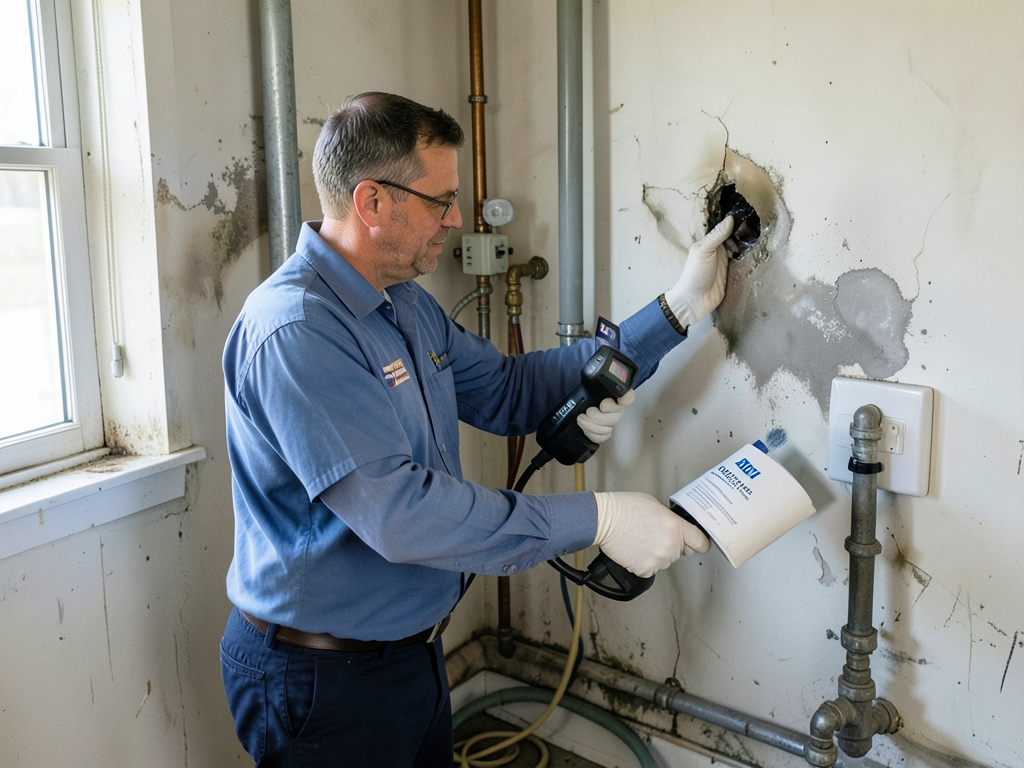
What to Do When Your Water Softener Leaks and Floods Your Affton Utility Room A…
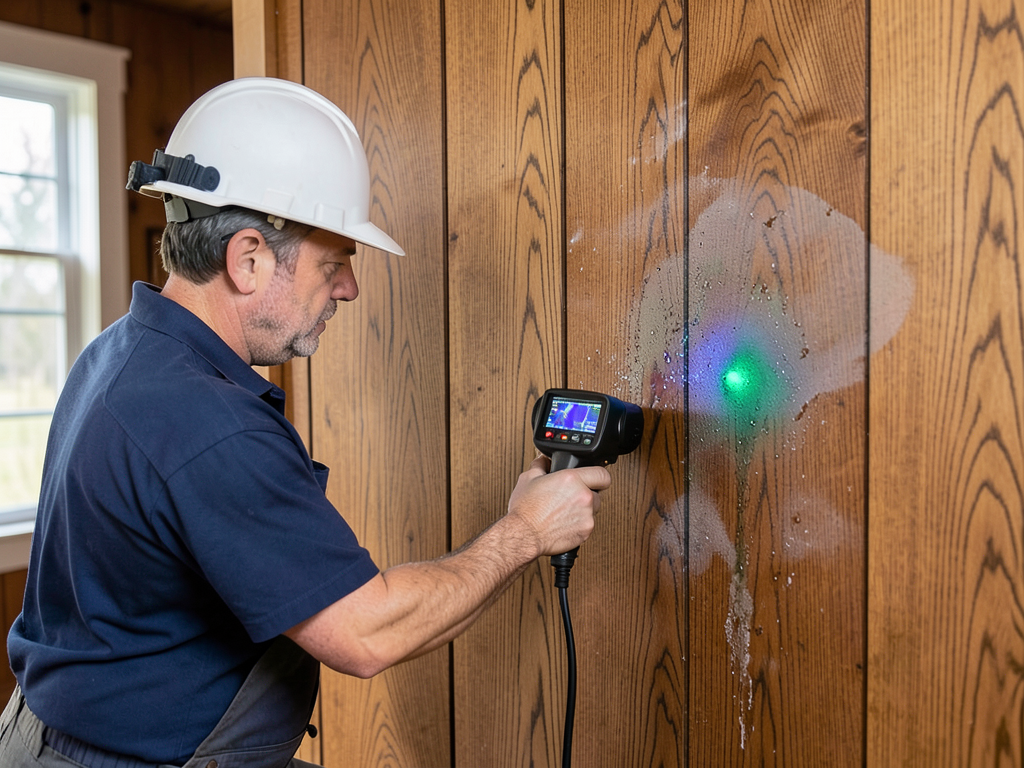
Restoring a Water Damaged Mid-Century Modern Home in Warson Woods Water damage in a mid-century…
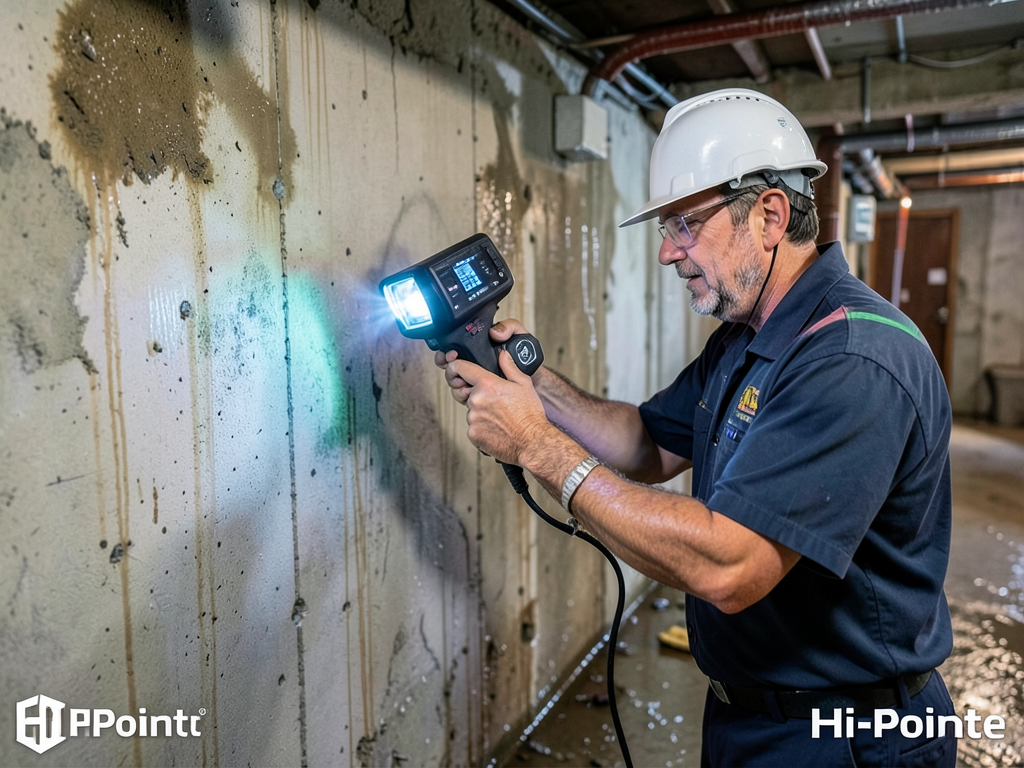
Why Your Walk-Out Basement in Hi-Pointe is Vulnerable to Heavy Rain Runoff Your walk-out basement…
Water damage spreads every minute. Stop the damage now with immediate professional response. Call Patriot Water Damage Restoration St. Louis at (314) 428-9977 for 24/7 emergency service across Jennings. Our crews arrive within 60 minutes with industrial extraction equipment. We work directly with your insurance company to minimize your costs.