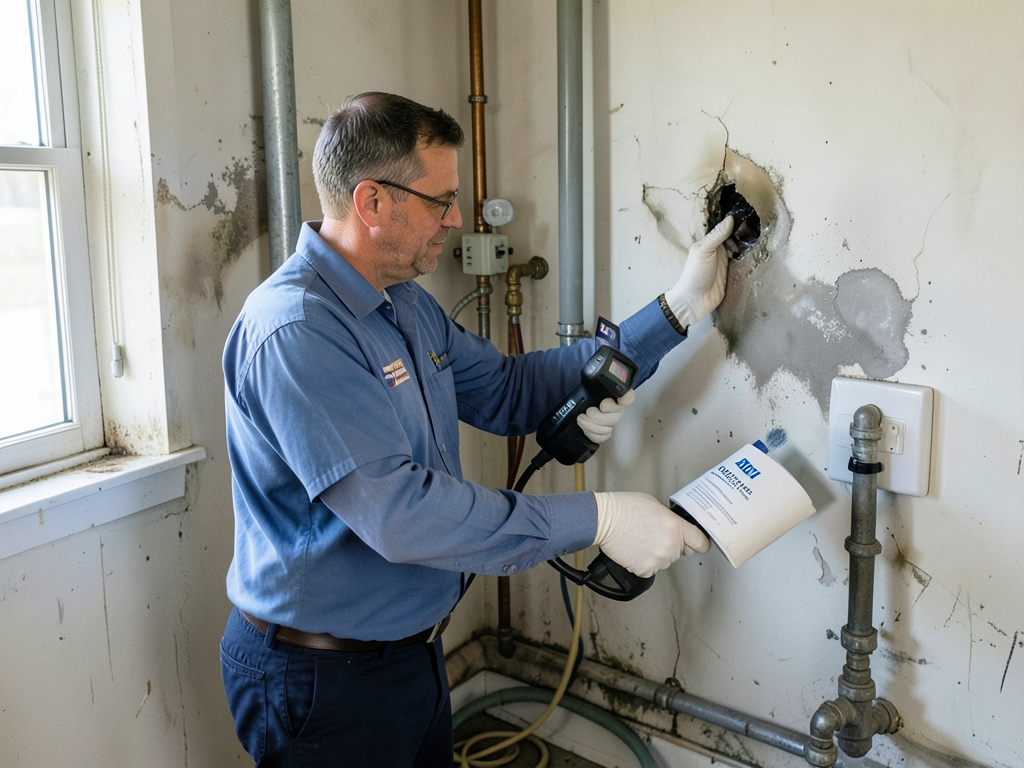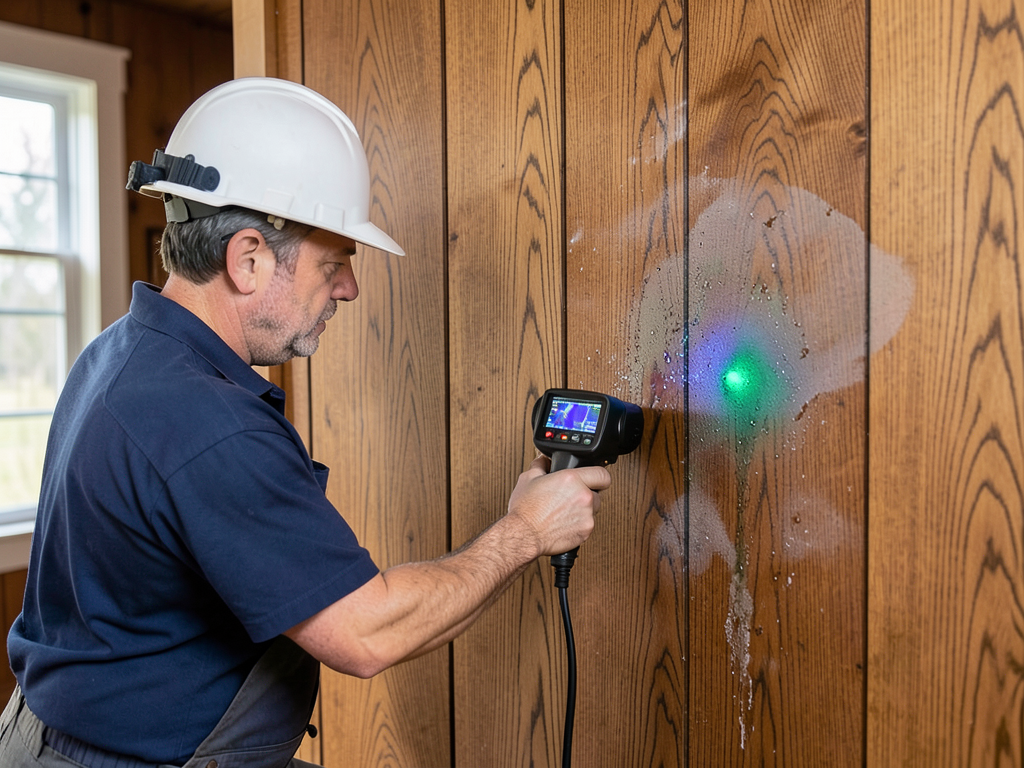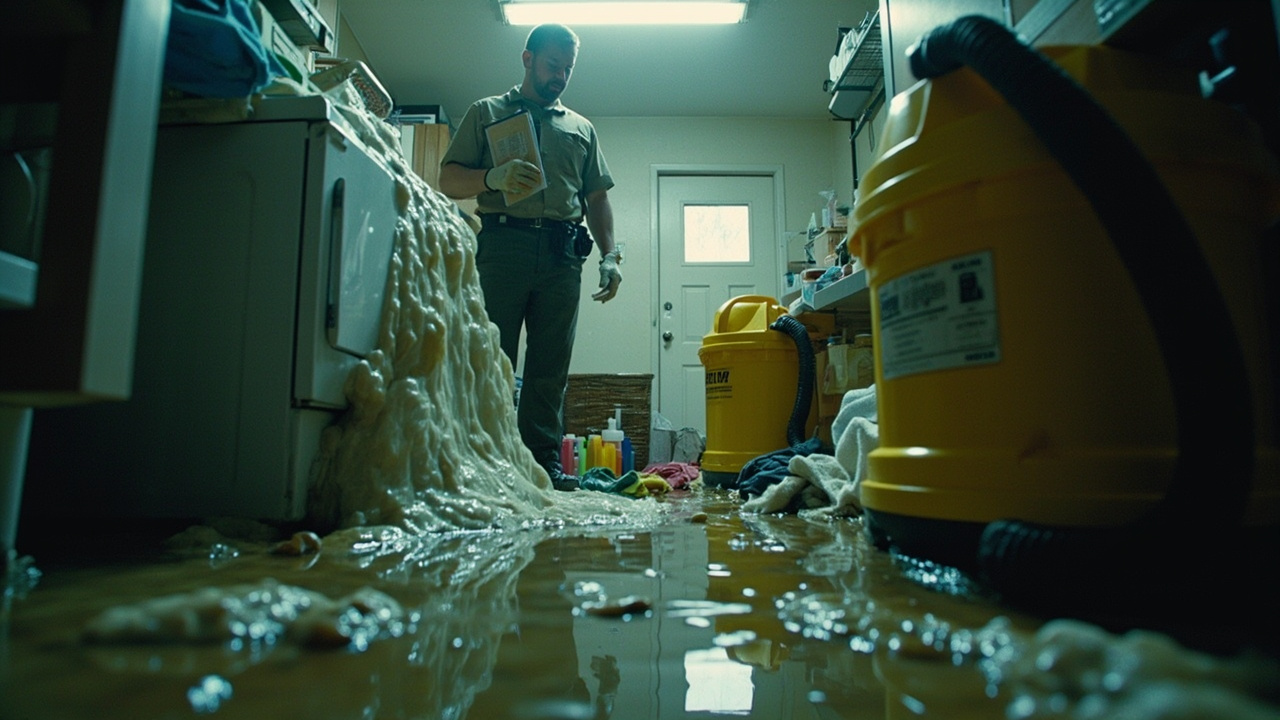

St. Louis experiences average relative humidity between 65 and 75 percent from May through September, which creates a mold-friendly environment when water damage occurs. A washing machine overflow introduces moisture into walls and subfloors, and the ambient humidity slows natural evaporation. Without mechanical dehumidification, materials stay wet longer, giving mold spores time to colonize. The city's older housing stock, especially brick homes with plaster walls built before 1950, retains moisture more aggressively than modern drywall construction. Water migrates through lathe gaps and settles in wall cavities where air circulation is minimal. Emergency washer flood remediation in St. Louis requires equipment that lowers indoor humidity below 40 percent, which is impossible with standard fans and open windows in the summer months.
Patriot Water Damage Restoration St. Louis operates under the drying standards established by the Institute of Inspection, Cleaning and Restoration Certification, the industry authority for water damage mitigation. We staff IICRC-certified technicians trained in psychrometry, the science of moisture movement in building materials. This expertise matters because improper drying leads to hidden mold growth, wood rot, and subfloor delamination. Local contractors who understand St. Louis's construction styles and humidity patterns deliver better outcomes than national franchises deploying generic protocols. We know how water behaves in brick bungalows on Lafayette Square versus vinyl-sided ranch homes in Affton. That local knowledge ensures we dry your home correctly the first time, without callbacks or mold remediation failures six months later.