menu

Basement Flood Cleanup in St. Louis – 24/7 Emergency Response with Direct Insurance Billing

Patriot Water Damage Restoration St. Louis provides comprehensive basement flood cleanup with immediate water extraction, structural drying, and mold prevention for residential and commercial properties across the metro area.

Slider Image 1
Slider Image 2
Slider Image 3
Slider Image 4
Slider Image 5
Slider Image 7
Slider Image 8
Slider Image 9
Slider Image 10
Slider Image 11

Why St. Louis Basements Flood More Than You Think

St. Louis sits at the confluence of the Mississippi and Missouri rivers, which means your basement faces constant hydrostatic pressure from seasonal flooding and high water tables. The clay-heavy soil common throughout the metro area swells when saturated and shrinks during dry spells. This creates foundation shifts that crack walls and floors, allowing water to seep in.

Spring storms dump inches of rain in hours, overwhelming aging sewer systems in neighborhoods like Soulard and Lafayette Square. When combined with outdated sump pumps and poorly maintained French drains, you get flooded basement water removal emergencies that happen without warning.

Most St. Louis homes built before 1980 lack modern waterproofing membranes. You might see water entering through cold joints where the foundation wall meets the floor slab, or through window wells that collect debris and overflow. Heavy rains in June through August create the perfect storm for basement water extraction calls across the region.

Frozen pipes during January cold snaps add another layer of risk. When temperatures drop below freezing for days, uninsulated pipes in unheated basements burst and flood the space with gallons of water. The longer water sits, the more damage it causes to drywall, insulation, and wooden floor joists.

Flooded basement remediation requires immediate action. Water wicks up porous materials like drywall and wood within minutes. Mold spores begin colonizing damp surfaces within 24 to 48 hours. Delaying basement flood restoration turns a cleanup job into a full gut renovation with structural repairs.

Why St. Louis Basements Flood More Than You Think
How Professional Basement Flood Cleanup Actually Works

How Professional Basement Flood Cleanup Actually Works

Basement water extraction starts with identifying the water category. Clean water from a broken supply line requires different protocols than contaminated water from a sewer backup or river flooding. Category 3 water contains pathogens and requires full protective equipment and antimicrobial treatments during flooded basement pumping.

We deploy truck-mounted extractors that pull thousands of gallons per hour, far exceeding what residential wet vacuums can handle. Submersible pumps handle standing water deeper than two inches. Once the bulk water is removed, we use commercial-grade squeegees and extraction wands to pull moisture from carpets and padding.

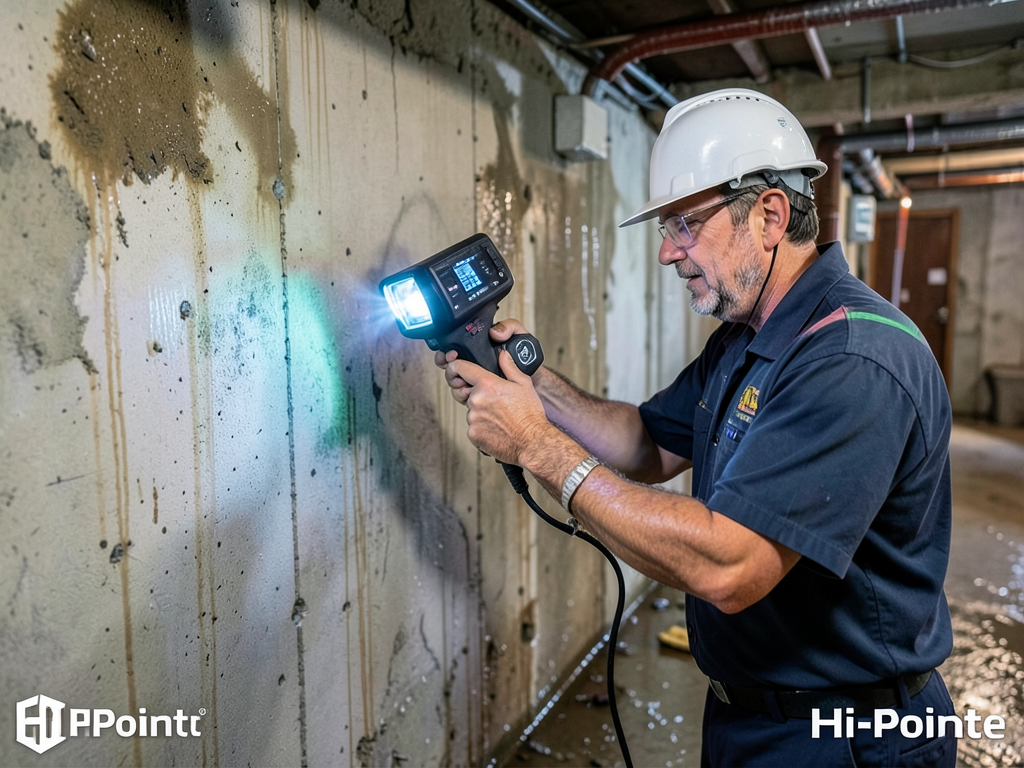
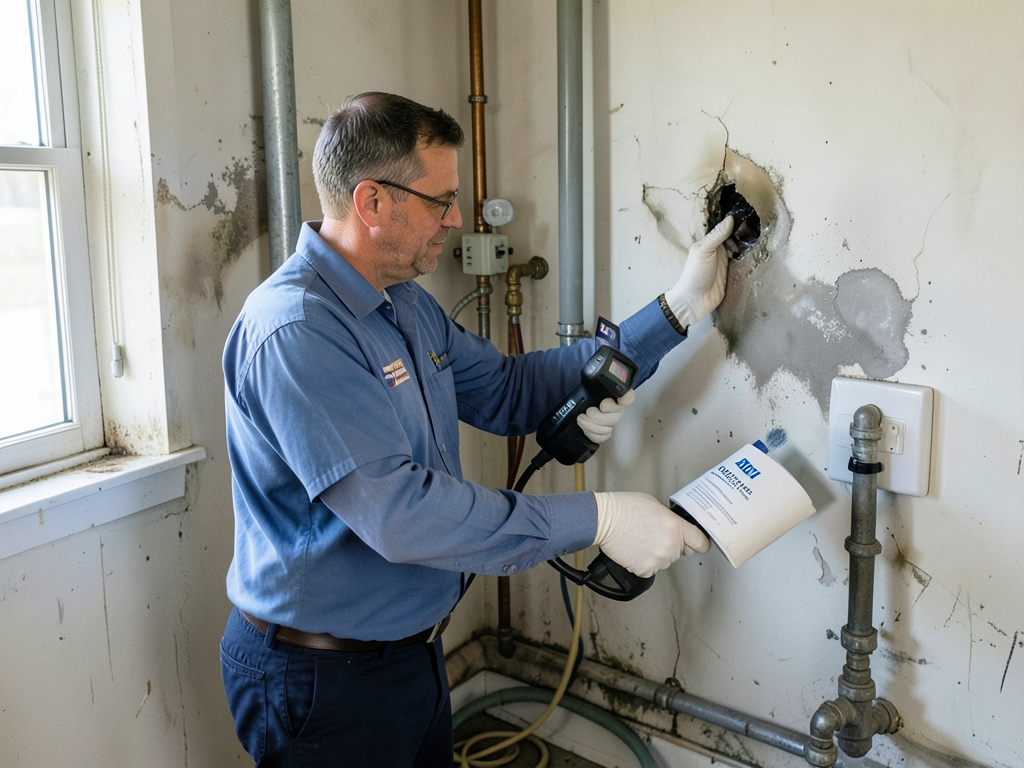
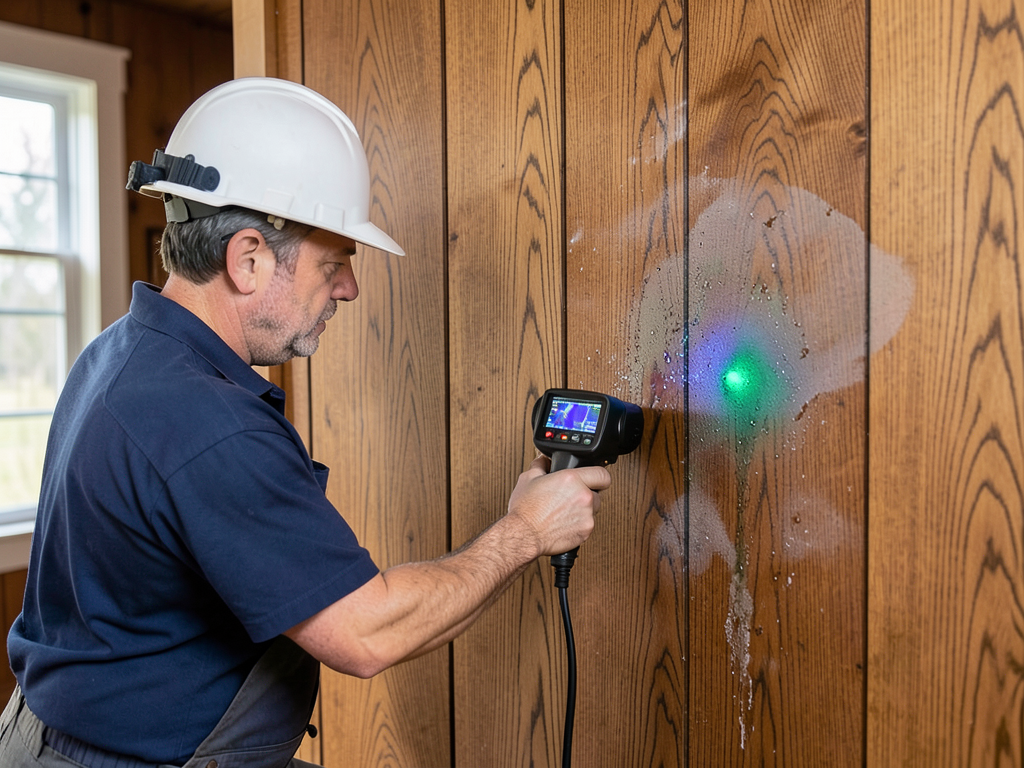
Moisture meters and thermal imaging cameras map hidden water pockets inside wall cavities and under flooring. St. Louis's high humidity means surface drying is not enough. Water migrates through concrete and gets trapped behind vapor barriers. We measure moisture content in materials, not just relative humidity in the air.

Air movers create rapid evaporation by moving air across wet surfaces at high velocity. We position them at specific angles based on airflow dynamics and the materials being dried. Low-grain refrigerant dehumidifiers pull moisture from the air and dump it as condensate. We calculate the proper equipment density based on your basement's cubic footage and the class of water damage.

Flooded basement remediation includes treating affected materials with EPA-registered antimicrobials to prevent microbial growth. We remove and dispose of non-salvageable materials like soaked drywall, insulation, and carpet padding according to local waste regulations. Structural drying continues until moisture readings return to normal dry standards, which typically takes three to five days depending on conditions and the extent of saturation.

What Happens During Your Basement Flood Cleanup

Basement Flood Cleanup in St. Louis – 24/7 Emergency Response with Direct Insurance Billing
01

Emergency Water Removal

We arrive within 60 minutes of your call and immediately begin extracting standing water using truck-mounted pumps and portable extractors. Our team identifies the water source, stops active flooding when possible, and documents the damage with photos and moisture readings for your insurance claim. We remove water-damaged contents to a dry area and begin the drying process before secondary damage occurs.
02

Structural Drying and Monitoring

Industrial air movers and dehumidifiers run continuously to dry building materials and lower humidity levels. We monitor moisture readings twice daily in walls, floors, and structural components using penetrating and non-invasive moisture meters. Thermal cameras identify hidden moisture pockets that require targeted drying. We adjust equipment placement based on drying progress and environmental conditions to ensure complete moisture removal from all affected materials.
03

Restoration and Prevention

Once materials reach dry standard, we remove equipment and complete final antimicrobial treatments. We provide documentation showing moisture readings returned to normal levels for your insurance company. Our team coordinates with your contractor for any necessary repairs or rebuilds. We identify the root cause of the flooding and recommend permanent solutions like sump pump replacements, drainage improvements, or foundation waterproofing to prevent future incidents.

Why St. Louis Property Owners Choose Patriot Water Damage Restoration

We understand how St. Louis's unique geography creates basement flooding challenges. Our technicians know the difference between a sewer backup caused by the Metropolitan St. Louis Sewer District's combined system overflows during heavy rain and groundwater intrusion from the high water table near the riverfront.

The city's aging housing stock requires specialized knowledge. We work on everything from 19th-century limestone foundations in historic districts to modern poured concrete basements in West County subdivisions. Each construction type responds differently to water damage and requires adapted drying strategies.

Our team maintains certifications from the Institute of Inspection, Cleaning and Restoration Certification. We follow industry standards for water damage restoration, not shortcuts. When we tell your insurance adjuster that structural drying is complete, we back it with documented moisture readings and thermal imaging reports.

We work directly with every major insurance carrier serving the St. Louis market. Our estimators use Xactimate software, the same platform your insurance company uses, which eliminates disputes over pricing and speeds up approvals. We handle the entire claims process and communicate directly with your adjuster.

Response time matters during water emergencies. We dispatch crews from our St. Louis location, not from a regional hub hours away. You get a local team that arrives quickly and knows the area. We service the entire metro area, from St. Charles County to Monroe County in Illinois.

Property owners choose us because we do the job right the first time. We do not pull equipment early to move to the next job. Materials stay under controlled drying conditions until moisture readings confirm complete drying. Cutting corners creates mold problems months later. We prevent that.

What to Expect When You Call for Basement Flood Cleanup

Response Time and Availability

We answer calls 24 hours a day, 365 days a year. Our dispatch center connects you with a project manager who asks specific questions about your situation to determine the appropriate response. Most emergency calls get a crew on-site within 60 to 90 minutes. We arrive with truck-mounted extraction equipment and industrial drying equipment ready to deploy immediately. Night and weekend calls receive the same priority as weekday emergencies. Water damage does not wait for business hours, and neither do we.

Initial Assessment and Documentation

Our team walks through your property to identify all affected areas and the water source. We use moisture meters to measure water content in walls, floors, and structural components. Thermal imaging cameras reveal hidden moisture in cavities and behind finished surfaces. We photograph and document everything for insurance purposes. You receive a detailed scope of work that explains what needs to be done, what materials require removal, and how long the drying process will take. We explain the water category and contamination level, which determines safety protocols and the antimicrobial treatments required.

Drying Results and Completion

Structural drying typically takes three to five days for standard basement floods, longer for severe saturation or category 3 water. We monitor progress with daily moisture readings and adjust equipment as needed. You receive a completion certificate with before and after moisture readings that prove materials returned to dry standard. We do not remove equipment until readings confirm complete drying. Your basement will be dry, treated for microbial growth, and ready for repairs or rebuilding. We coordinate with contractors to ensure your restoration project moves forward smoothly.

Insurance Coordination and Payment

We bill your insurance company directly for covered services, which means you do not pay out of pocket for the emergency response and drying. Our estimators prepare detailed documentation that matches your policy coverage. We communicate directly with adjusters to answer questions and provide additional information they request. You only pay your deductible. If you do not have insurance or choose not to file a claim, we provide transparent pricing before we begin work. Most insurance policies cover sudden water damage from burst pipes, appliance failures, and sewer backups.

Frequently Asked Questions

You Have Questions,
We Have Answers

How to clean-up after a flooded basement? +

Stop the water source first, then shut off electricity to the basement. Remove standing water using a wet vac or pump. Extract soaked materials like carpets, boxes, and damaged drywall within 24 hours. St. Louis basements often flood from Mississippi River tributaries or clay soil saturation, so check foundation cracks. Scrub hard surfaces with antimicrobial cleaner. Set up industrial fans and dehumidifiers to dry the space completely. Document everything with photos for insurance. If water sat longer than 48 hours or sewage is present, call a licensed restoration company to prevent mold growth.

How much does it cost to clean-up a flooded basement? +

Basement flood cleanup in St. Louis typically ranges from a few hundred to several thousand dollars, depending on water category, square footage, and damage severity. Clean water from a burst pipe costs less than sewage backups common in older St. Louis neighborhoods with combined sewer systems. Factors include water extraction volume, structural drying time, mold remediation needs, and material removal. Insurance often covers sudden internal failures but may exclude groundwater seepage. Most companies offer free inspections. Get three written estimates and verify the company carries proper liability coverage before work begins.

How much does Servpro cost to clean a basement? +

National franchises like Servpro charge variable rates based on damage scope, not flat fees. You pay for water extraction, equipment rental, labor hours, and materials. St. Louis jobs involving River Des Peres overflow or Mississippi flooding may cost more due to contamination levels. Their pricing structure includes assessment fees, per-day drying equipment charges, and reconstruction if needed. Always request an itemized estimate before authorizing work. Compare quotes from multiple licensed local companies. Some St. Louis restoration firms offer more competitive pricing with faster response times because they operate without franchise overhead costs.

Will insurance pay for a flooded basement? +

Standard homeowner policies typically cover sudden internal water damage like burst pipes or water heater failures. They exclude gradual seepage, groundwater intrusion, or surface water flooding common near St. Louis waterways like the Meramec River. If your basement flooded from sewer backup, you need a separate endorsement. Sump pump failure may be covered if mechanical breakdown caused it, not power outage. Review your declarations page or call your agent immediately. Document everything with photos and videos. Separate flood insurance through NFIP covers rising water events but requires 30-day waiting periods before activation.

What kills mold after a flood? +

EPA-registered antimicrobial solutions kill mold after floods, but you must remove contaminated materials first. Bleach works on non-porous surfaces like concrete or tile but does not penetrate drywall or wood. Professional-grade biocides like quaternary ammonium compounds or hydrogen peroxide-based cleaners effectively kill spores. In St. Louis humidity, mold colonizes fast, so speed matters. Bag and discard porous materials like insulation, carpet padding, and drywall that stayed wet beyond 48 hours. After treatment, control moisture with dehumidifiers. Mold needs moisture to grow. Dry environments prevent recurrence better than any cleaner alone.

How long does it take for mold to grow after flooding? +

Mold begins growing within 24 to 48 hours after flooding in St. Louis basements due to high regional humidity. Spores are always present but need moisture to colonize. Temperature between 40 and 100 degrees accelerates growth. Porous materials like drywall, insulation, and carpet padding develop hidden mold fastest. You may not see visible growth for three to five days, but microscopic colonization starts immediately. This narrow window makes rapid water extraction and structural drying critical. St. Louis clay soil retains moisture, which can wick into foundation walls and prolong drying times if not addressed professionally.

How long does it take to dry out a basement after a flood? +

Complete basement drying takes three to seven days with professional equipment. Variables include water volume, humidity levels, airflow, and St. Louis seasonal weather. Summer humidity slows evaporation. Concrete block foundations common in older St. Louis homes absorb water and require longer drying than poured concrete. Industrial air movers and commercial dehumidifiers running 24/7 accelerate the process. Moisture meters verify dryness before reconstruction begins. Inadequate drying causes mold, rot, and odor. Homeowner fans and box-store dehumidifiers take weeks and rarely achieve structural dryness. Professional monitoring prevents costly callbacks and health risks.

What is the most expensive part of finishing a basement? +

Waterproofing and moisture control represent the most expensive basement finishing costs in St. Louis. Clay soil expansion, high water tables near the Mississippi and Missouri Rivers, and aging foundation drainage systems require interior or exterior waterproofing before finishing. Costs include sump pump installation, French drains, vapor barriers, and crack sealing. Skipping this step causes mold, flooding, and total renovation loss. Electrical and HVAC modifications follow as secondary expenses. Drywall, flooring, and cosmetic finishes cost less. St. Louis building codes require egress windows in finished basements, adding another significant expense depending on foundation depth.

Does flood insurance pay for clean up? +

Flood insurance through NFIP covers cleanup costs related to rising water damage, including debris removal, cleaning, and sanitizing. Your policy pays for water extraction, drying equipment, and disposing of unsalvageable materials. It does not cover cosmetic restoration or upgrades. Most St. Louis properties near designated floodplains carry this coverage. Standard homeowner policies exclude flood damage but cover sudden internal water events like burst pipes. Review your specific policy declarations. Cleanup costs must be reasonable and necessary. Document all damage immediately. Keep receipts for any emergency mitigation work you perform before adjusters arrive.

How much does it cost to finish a 2000 sq ft basement? +

Finishing a 2000 square foot basement ranges widely based on scope, materials, and necessary waterproofing. Basic finishes with drywall, flooring, and lighting cost less than custom designs with bathrooms, kitchens, or home theaters. In St. Louis, budget significantly for moisture control due to clay soil and high water tables. Foundation waterproofing, sump pump systems, and vapor barriers add substantial expense but prevent future flood damage. Electrical upgrades, HVAC extensions, and egress windows per St. Louis building codes increase costs. Get multiple detailed bids from licensed contractors familiar with local basement challenges before committing to any project.

How St. Louis's Clay Soil and River Proximity Intensify Basement Flooding

St. Louis sits on expansive clay soil that absorbs water and swells, then contracts during dry periods. This constant movement creates hydrostatic pressure against foundation walls and opens cracks that allow water intrusion. Properties near the Mississippi River floodplain or in the River des Peres watershed face elevated water tables that push groundwater into basements through floor cracks and cold joints. Spring flooding and summer thunderstorms that drop several inches of rain in hours overwhelm drainage systems, particularly in older neighborhoods with combined sewers. Basement flood restoration in St. Louis requires understanding these geological and hydrological factors.

Local building codes and insurance requirements in St. Louis County and the City of St. Louis mandate specific procedures for water damage restoration. Properties in FEMA flood zones require documentation that meets federal standards for insurance claims. We understand how the Metropolitan St. Louis Sewer District's infrastructure affects basement flooding patterns and work with homeowners to implement permanent solutions like backwater valves and sump pump systems that meet local plumbing codes. Choosing a local provider means working with technicians who know the difference between a French drain failure and a foundation crack caused by settling clay soil.
Water Damage Restoration Services in The St. Louis Area

We are proud to be the trusted local choice for water damage restoration across the greater St. Louis region. This map highlights our primary service zone, demonstrating our commitment to rapid, localized response across every neighborhood and business district within the area. We invite all users to view our service area and then contact us directly for immediate deployment to your specific address within the St. Louis community.

Address:
Patriot Water Damage Restoration St. Louis, 710 N Tucker Blvd, St. Louis, MO, 63101

Additional Services We Offer

Our news updates

Latest Articles & News from The Blogs

What to Do When a Fire Sprinkler Accidentally Floods Your Creve Coeur Office Building A fire sprinkler discharge in your…

What to Do When a Fire Sprinkler Accidentally Floods Your Creve Coeur Office Building

What to Do When a Fire Sprinkler Accidentally Floods Your Creve Coeur Office Building A fire sprinkler discharge in your…

Saving Your Custom Wine Cellar from Basement Seepage in Frontenac

Saving Your Custom Wine Cellar from Basement Seepage in Frontenac Frontenac’s luxury homes feature custom wine cellars that can be…

Dealing with HOA Rules and Shared Wall Leaks in Your Clayton High-Rise Condo

Who Pays for Water Damage in Your Clayton High-Rise Condo? Here's What Missouri Law Says When water starts seeping through…

Contact Us

Water damage worsens by the hour. Call (314) 428-9977 right now for immediate dispatch. Our crews are standing by 24/7 with truck-mounted extraction equipment ready to deploy to your St. Louis property.