menu

Swollen Baseboards & Trim in St. Louis – Expert Diagnosis & Permanent Moisture Repair

When your baseboards buckle and trim warps, you need more than cosmetic fixes. Patriot Water Damage Restoration St. Louis identifies the moisture source, dries structural cavities, and restores your trim with precision engineered for St. Louis's humidity and clay soil shifting.

Slider Image 1
Slider Image 2
Slider Image 3
Slider Image 4
Slider Image 5
Slider Image 7
Slider Image 8
Slider Image 9
Slider Image 10
Slider Image 11

Why St. Louis Homes Face Chronic Baseboard Swelling

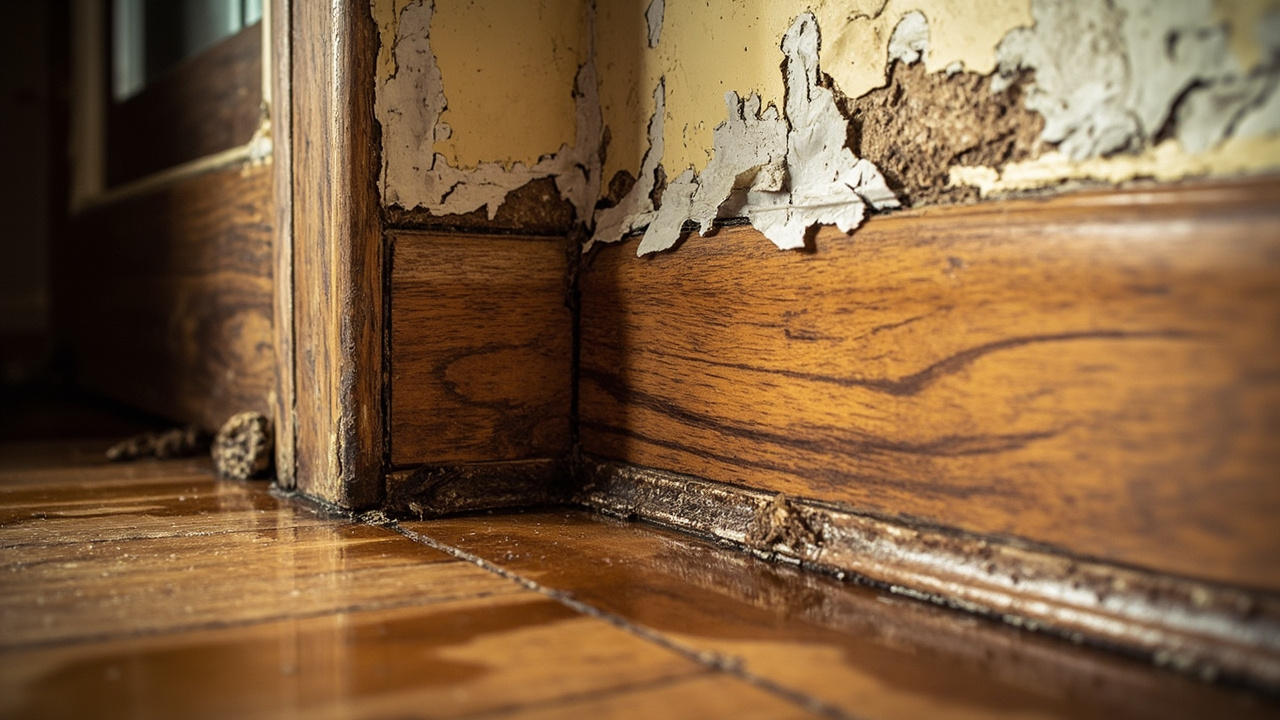
You walk past your dining room wall and notice the baseboard looks bloated. The paint cracks. The seam between the trim and drywall has separated. This is not cosmetic wear. This is moisture swollen baseboards signaling a hidden water problem.

St. Louis's climate creates a perfect storm for water damaged baseboards. Summer humidity regularly hits 70 to 80 percent, which drives condensation behind walls. Winter freeze-thaw cycles crack foundation walls, letting groundwater seep into crawl spaces and basement perimeters. The expansive clay soil beneath St. Louis shifts seasonally, creating foundation microcracks that channel water directly to your interior walls.

When moisture reaches your trim, MDF baseboards absorb water like a sponge. The compressed wood fibers expand, causing bloated wood trim that will never return to its original shape. Solid wood trim swells across the grain, creating warped baseboard molding that pulls away from the wall. The longer the moisture persists, the worse the damage becomes.

You might see bubbling paint, soft spots when you press the baseboard, or a musty smell near the floor. These are not isolated problems. They indicate chronic moisture intrusion that will spread to adjacent walls, subfloors, and even floor joists if you ignore it. Replacing the trim without fixing the water source is a temporary cosmetic fix that wastes money. The swelling will return within months.

The root cause is buried behind the drywall or beneath the subfloor. You need diagnostic equipment and moisture mapping to find it.

Why St. Louis Homes Face Chronic Baseboard Swelling
How We Diagnose and Repair Expanded MDF Trim Correctly

How We Diagnose and Repair Expanded MDF Trim Correctly

We do not patch over symptoms. We trace moisture to its origin and eliminate it permanently.

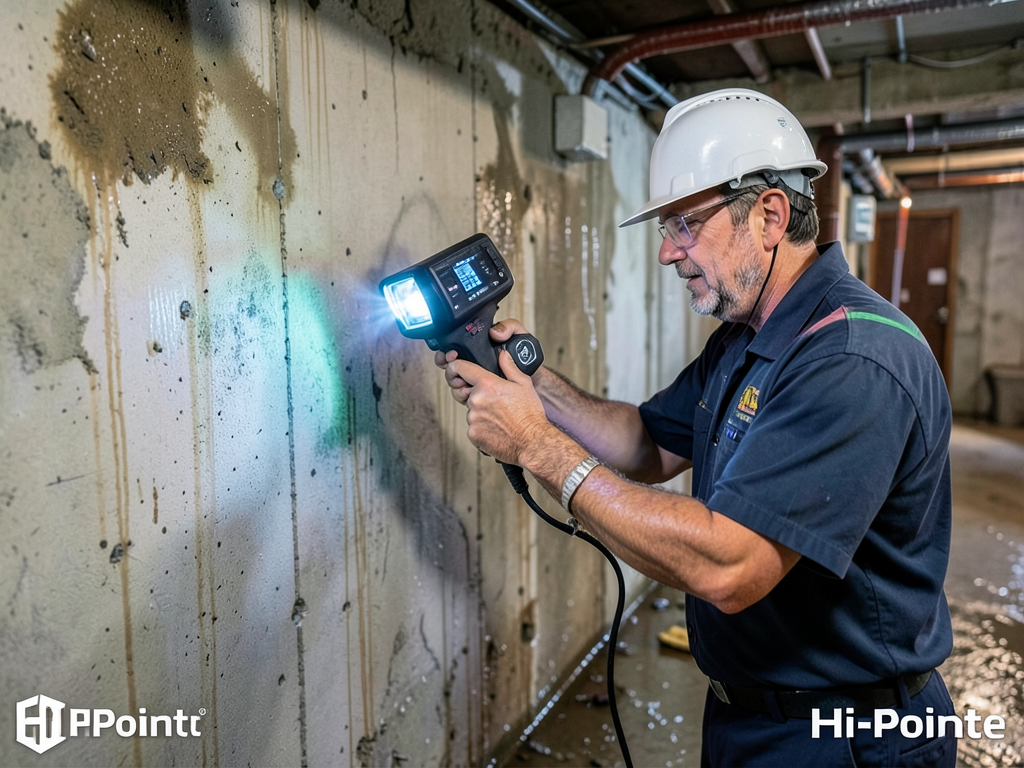
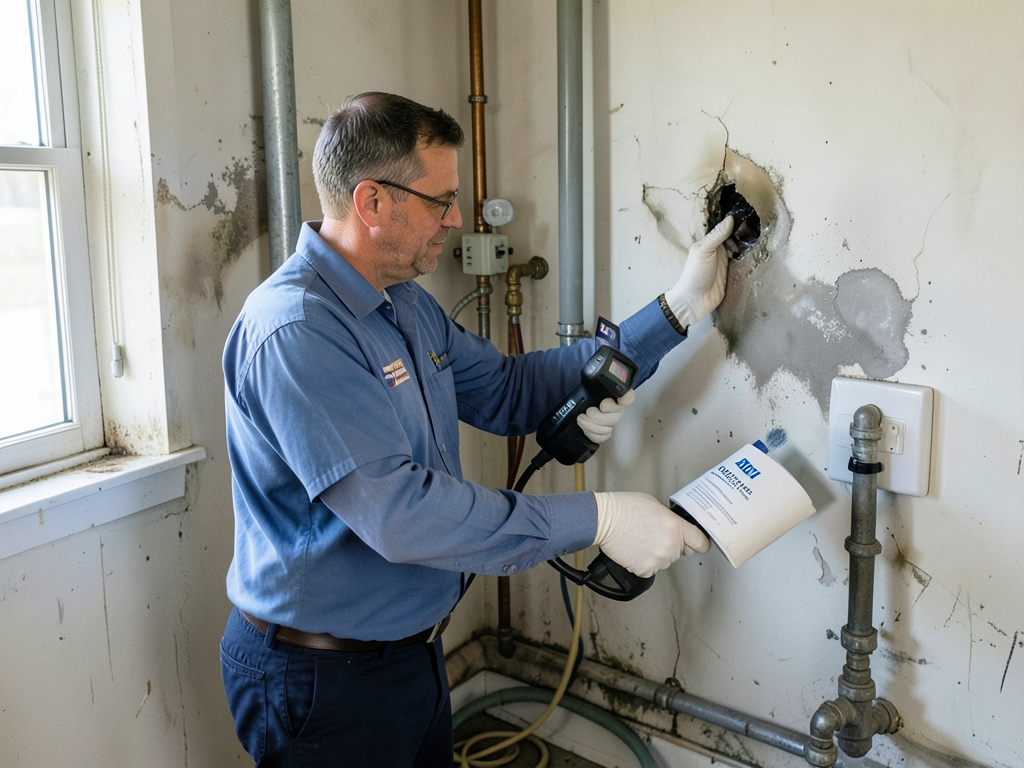
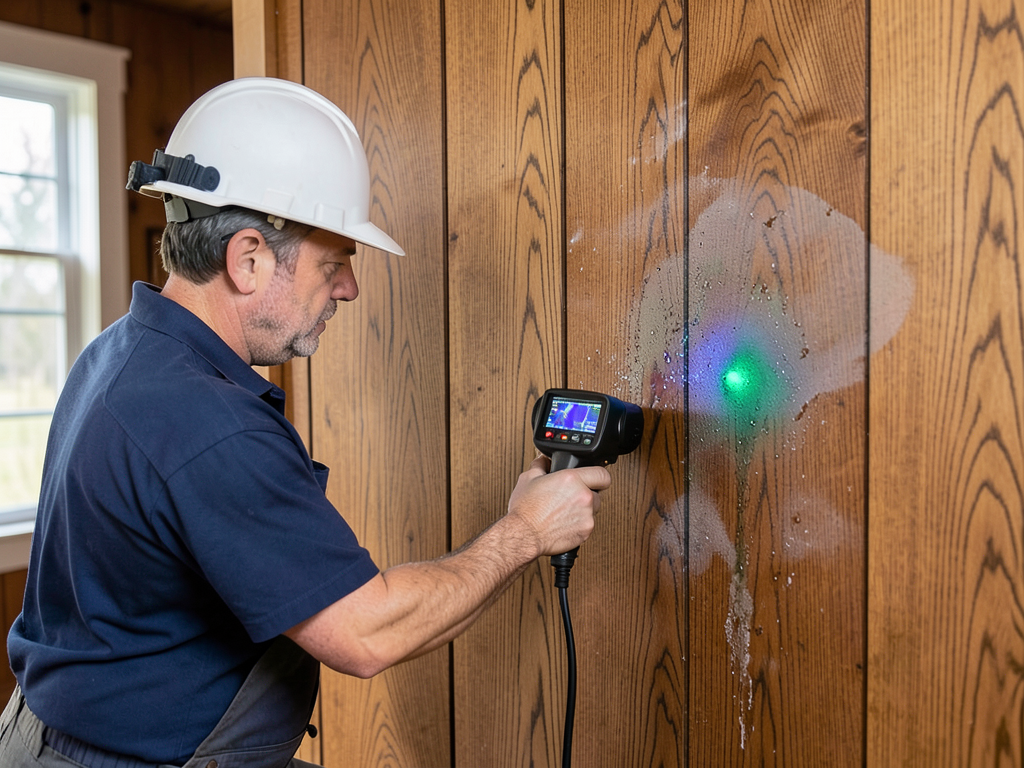
Our technicians start with thermal imaging and moisture meters. Infrared cameras reveal temperature differentials behind walls, which expose hidden water intrusion paths. Pin-type and non-invasive moisture meters measure water content in the drywall, studs, and subfloor behind the swollen trim. We map the affected area to determine whether the source is a plumbing leak, foundation seepage, or exterior drainage failure.

Once we identify the source, we address it first. If a supply line leak is saturating the wall cavity, we coordinate with a licensed plumber to repair it. If groundwater is wicking through a foundation crack, we install drainage corrections or apply hydraulic cement and waterproof membrane. If poor grading is directing roof runoff toward your foundation, we recommend exterior corrections before we touch the trim.

After we control the water source, we dry the structure. We remove the damaged baseboards and cut drywall access panels if needed. We place air movers and dehumidifiers to force-dry wall cavities, studs, and subfloors to below 15 percent moisture content. This takes 3 to 5 days depending on the saturation level. We monitor daily with moisture meters to confirm complete drying.

Only then do we replace the trim. We use moisture-resistant materials when appropriate, seal the back of the baseboards with primer, and caulk seams to prevent future water intrusion. We match profiles and finishes to your existing trim so the repair is invisible. This process stops recurrence because we fix the cause, not the cosmetic result.

Our Baseboard Moisture Repair Process

Swollen Baseboards & Trim in St. Louis – Expert Diagnosis & Permanent Moisture Repair
01

Moisture Source Identification

We use thermal imaging cameras and moisture meters to map water intrusion behind your walls. This non-invasive diagnostic phase reveals plumbing leaks, foundation seepage, or exterior drainage failures causing your swollen baseboards. We document moisture readings and photograph affected areas to create a clear restoration plan before any demolition begins.
02

Structural Drying

After stopping the water source, we remove damaged trim and access saturated wall cavities. We place commercial air movers and dehumidifiers to force-dry studs, drywall, and subfloors to below 15 percent moisture content. We monitor progress daily with pin meters and document drying logs to ensure no residual moisture remains before reconstruction.
03

Trim Replacement and Sealing

Once the structure is dry, we install new baseboards using moisture-resistant materials when appropriate. We prime all trim backs, seal seams with paintable caulk, and match profiles to your existing trim for seamless integration. This final phase includes finish painting and a post-repair moisture inspection to verify the problem is permanently resolved.

Why St. Louis Homeowners Choose Patriot Water Damage Restoration

Generic handymen replace trim without asking why it swelled. We are water damage restoration specialists who understand that bloated baseboards are symptoms of structural moisture problems. Our technicians hold IICRC Water Damage Restoration certifications, which means we follow science-based drying protocols, not guesswork.

We know St. Louis construction. Homes in South City neighborhoods like Benton Park and Tower Grove often have limestone foundations that wick water during spring rains. Ranch homes in West County sit on expansive clay that shifts seasonally, creating foundation cracks. Mid-century split-levels in Affton and Lemay have crawl space moisture problems that migrate upward into wall cavities. We diagnose these location-specific issues because we work in these neighborhoods daily.

We coordinate with local trades when needed. If your swollen baseboards stem from a slab leak, we bring in a trusted plumber. If your foundation needs exterior waterproofing, we refer you to a qualified contractor. We manage the restoration process so you are not juggling multiple vendors.

Our equipment is commercial-grade. We use truck-mounted extraction units, industrial dehumidifiers, and high-velocity air movers designed for structural drying. We do not use household fans and hope for the best. We measure moisture content before, during, and after drying to confirm the job is complete.

We handle insurance claims daily. We document all findings with photos, moisture readings, and written reports. We communicate directly with adjusters to explain why drying and source correction are necessary, not optional. Most St. Louis homeowners insurance policies cover sudden water damage, and we help you maximize your claim.

You get transparency. We explain what we find, what it will take to fix it, and what it will take to prevent recurrence. No upselling. No scare tactics. Just honest diagnosis and competent repair.

What to Expect When You Call Us

Response Time and Availability

We dispatch a technician within 2 hours of your call during business hours. For active water intrusion or emergency situations, we offer 24/7 dispatch. Our St. Louis-based team serves the entire metro area, including St. Charles County, Jefferson County, and Illinois Metro East. You will receive a confirmation call with the technician's name and estimated arrival window. Most diagnostic appointments take 45 to 90 minutes depending on the extent of the moisture damage.

The Diagnostic Inspection

Our technician will inspect all affected baseboards and adjacent walls. We use thermal imaging to detect hidden moisture and take moisture readings in multiple locations. We check crawl spaces, basements, and attic areas if needed to trace the water source. You will receive a verbal explanation of our findings on-site, followed by a written report with photos and moisture data. We provide a detailed scope of work and a transparent estimate before any repair begins.

The Repair Outcome

You will get dry, stable walls and new trim that matches your existing profiles and finishes. We do not leave patchwork or mismatched materials. Our carpenters match baseboard profiles, cope inside corners, and apply finish-grade caulk and paint. The completed repair should be indistinguishable from your original trim. More importantly, you get confidence that the moisture problem is solved. We provide post-repair moisture readings to prove the structure is dry.

Post-Repair Documentation and Monitoring

We provide a final moisture report documenting all pre-repair and post-repair readings. This documentation is valuable for insurance claims and future home sales. We also provide guidance on monitoring the affected area for the next 6 months. You will know what to look for and when to call us back if you notice any changes. While we do not offer specific warranty years, we stand behind our workmanship and will address any legitimate concerns promptly.

Frequently Asked Questions

You Have Questions,
We Have Answers

How to fix swollen baseboards? +

First, identify and stop the water source causing the swelling. Remove the damaged baseboard section using a pry bar and utility knife. Allow the wall cavity to dry completely using fans or dehumidifiers. This step is critical in St. Louis homes where humidity from the Mississippi River creates persistent moisture issues. Inspect the wall framing for mold or rot. If the studs are dry and clean, install new baseboards made from moisture-resistant materials like PVC or solid wood with primer. MDF and particle board will fail again in damp conditions. Seal all joints and nail holes with paintable caulk before finishing.

What is the 7 rule for baseboards? +

The 7 rule for baseboards states that baseboard height should equal roughly 7 percent of your wall height. For standard 8-foot ceilings common in St. Louis homes, this means 5 to 7-inch baseboards work best. Taller 9 or 10-foot ceilings in historic neighborhoods like Lafayette Square can handle 7 to 9-inch boards. This proportion creates visual balance without overwhelming the room. However, if you have water damage or swelling issues, functionality trumps aesthetics. Choose materials that resist moisture first, then match the height ratio. Style means nothing if your baseboards warp every flood season.

Why do baseboards swell? +

Baseboards swell when moisture penetrates the material and causes the wood fibers or composite materials to expand. Common sources include plumbing leaks, foundation seepage, high indoor humidity, and flooding. St. Louis homes face unique risks from clay soil that shifts during freeze-thaw cycles, cracking foundations and allowing groundwater intrusion. Poor exterior grading directs rainwater toward your home instead of away. HVAC condensation leaks and basement moisture also contribute. MDF and particle board baseboards absorb water like a sponge and expand rapidly. Once swollen, these materials rarely return to their original shape, even after drying, requiring full replacement.

Can you repair swollen particle board? +

No, you cannot truly repair swollen particle board. Once water penetrates particle board or MDF baseboards, the compressed wood fibers expand and lose their structural integrity permanently. The material becomes soft, crumbly, and deformed. Even after drying, the board remains warped and weak. Attempts to sand, fill, or repaint swollen particle board are temporary fixes that fail quickly. In St. Louis homes with recurring moisture issues from basement seepage or humidity, particle board is the wrong material choice. Remove and replace damaged sections with solid wood, PVC, or other moisture-resistant alternatives. Proper material selection prevents repeat problems.

What does water damage on baseboards look like? +

Water damage on baseboards appears as warping, bubbling paint, discoloration, soft spots, and separation from the wall. You will see dark stains or waterlines marking how high moisture reached. Paint peels away in sheets, exposing swollen material underneath. The baseboard feels spongy when pressed. Gaps open between the board and floor or wall as the material expands. You may smell musty odors indicating mold growth behind the trim. In St. Louis homes with foundation issues, look for damage concentrated near exterior walls or corners where groundwater enters. Black or green mold spots signal serious moisture intrusion requiring immediate professional assessment.

What is the average cost to replace baseboards? +

Baseboard replacement costs vary based on material choice, linear footage, and labor rates. Budget-friendly options include pine or MDF at lower price points per linear foot. Mid-range solid wood like oak costs more but lasts longer. Premium moisture-resistant PVC or composite materials offer the best protection in St. Louis homes prone to humidity and water intrusion. Most projects require removing old damaged baseboards, repairing walls, and installing new trim with paint or stain. Labor adds significantly to material costs. Hidden damage from water intrusion increases the total expense. Always address the moisture source first or you will pay for replacement again soon.

How St. Louis's Clay Soil and Humidity Accelerate Baseboard Water Damage

St. Louis sits on expansive clay soil that swells when wet and shrinks when dry. This seasonal movement creates foundation microcracks that allow groundwater to seep into basements and crawl spaces. During spring and fall, when the region receives 3 to 4 inches of rain per month, water infiltrates these cracks and wicks upward into wall cavities through capillary action. Summer humidity compounds the problem by driving condensation behind exterior walls. The combination creates chronic moisture conditions that cause water damaged baseboards and warped baseboard molding in homes across the metro area. Homes in low-lying areas near the Mississippi and Missouri Rivers face even higher risk due to elevated groundwater tables.

Patriot Water Damage Restoration St. Louis has worked in every St. Louis neighborhood, from the brick bungalows of South City to the ranch homes of West County. We understand the unique challenges of St. Louis construction, including limestone foundations in older neighborhoods, slab-on-grade construction in post-war subdivisions, and crawl space moisture in split-level homes. Our technicians follow IICRC S500 Water Damage Restoration standards, which are recognized by insurance carriers and building inspectors throughout Missouri. When you choose a local specialist, you get someone who understands how St. Louis's climate and soil interact with your home's structure.
Water Damage Restoration Services in The St. Louis Area

We are proud to be the trusted local choice for water damage restoration across the greater St. Louis region. This map highlights our primary service zone, demonstrating our commitment to rapid, localized response across every neighborhood and business district within the area. We invite all users to view our service area and then contact us directly for immediate deployment to your specific address within the St. Louis community.

Address:
Patriot Water Damage Restoration St. Louis, 710 N Tucker Blvd, St. Louis, MO, 63101

Additional Services We Offer

Our news updates

Latest Articles & News from The Blogs

What to Do When Your Water Softener Leaks and Floods Your Affton Utility Room A leaking water softener can release…

What to Do When Your Water Softener Leaks and Floods Your Affton Utility Room

What to Do When Your Water Softener Leaks and Floods Your Affton Utility Room A leaking water softener can release…

Restoring a Water Damaged Mid-Century Modern Home in Warson Woods

Restoring a Water Damaged Mid-Century Modern Home in Warson Woods Water damage in a mid-century modern home requires specialized knowledge…

Why Your Walk-Out Basement in Hi-Pointe is Vulnerable to Heavy Rain Runoff

Why Your Walk-Out Basement in Hi-Pointe is Vulnerable to Heavy Rain Runoff Your walk-out basement in Hi-Pointe faces unique flooding…

Contact Us

Swollen baseboards will not fix themselves. The moisture source will continue damaging your walls and subfloors. Call Patriot Water Damage Restoration St. Louis at (314) 428-9977 for a diagnostic inspection. We will find the source, dry your structure, and restore your trim correctly.