menu

Business Interruption Mitigation in St. Louis – Industrial-Grade Water Damage Response That Keeps Your Doors Open

Patriot Water Damage Restoration St. Louis delivers rapid commercial water extraction, structural drying, and contamination control engineered to restore business continuity and minimize operational downtime across the metro.

Slider Image 1
Slider Image 2
Slider Image 3
Slider Image 4
Slider Image 5
Slider Image 7
Slider Image 8
Slider Image 9
Slider Image 10
Slider Image 11

Why St. Louis Commercial Properties Face Critical Revenue Loss From Water Damage

Water damage in St. Louis commercial facilities creates immediate financial liability. The region's extreme humidity swings, combined with aging infrastructure in the Central West End and Downtown corridors, accelerate structural deterioration and microbial growth. When a pipe bursts in a multi-tenant building on Washington Avenue or a roof leak floods a South County warehouse, every hour of inaction compounds revenue loss.

St. Louis businesses face unique vulnerabilities. The region's clay soil creates hydrostatic pressure against basement walls in Clayton office complexes. The Mississippi and Missouri River floodplains threaten low-lying industrial zones. Summer storms deliver high-volume rainfall that overwhelms outdated drainage systems in older commercial districts. These conditions transform minor leaks into operational shutdowns.

Minimizing business downtime requires immediate intervention. Standing water damages inventory, compromises electrical systems, and creates liability exposure. Category 3 contamination from sewage backups forces facility closures until remediation meets health department standards. Delayed response allows mold colonization within 48 hours, triggering expensive abatement protocols and extending closure timelines.

Business continuity restoration depends on industrial-capacity extraction, commercial dehumidification, and antimicrobial treatment. You need a contractor with truck-mounted extractors, desiccant dehumidifiers, and the manpower to operate around your schedule. Reducing operational downtime means coordinating with your insurance adjuster, documenting losses for claims, and executing mitigation work during off-peak hours to preserve customer access.

The financial impact extends beyond immediate damage. Lost productivity, spoiled inventory, contractual penalties, and reputational harm compound the direct repair costs. Mitigating commercial downtime is not maintenance, it is revenue protection.

Why St. Louis Commercial Properties Face Critical Revenue Loss From Water Damage
How Patriot Water Damage Restoration St. Louis Executes Commercial Water Mitigation

How Patriot Water Damage Restoration St. Louis Executes Commercial Water Mitigation

We deploy industrial-grade equipment and structured protocols to halt damage progression and restore facility operations. Our approach prioritizes limiting business disruption while meeting insurance documentation requirements and municipal code compliance.

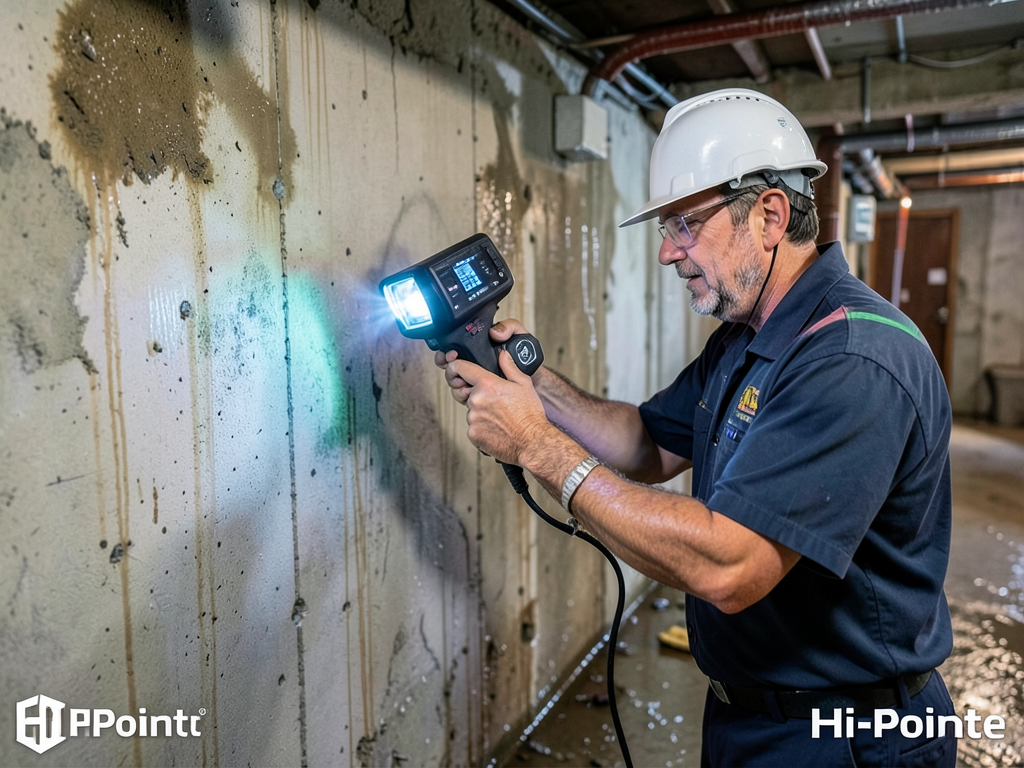
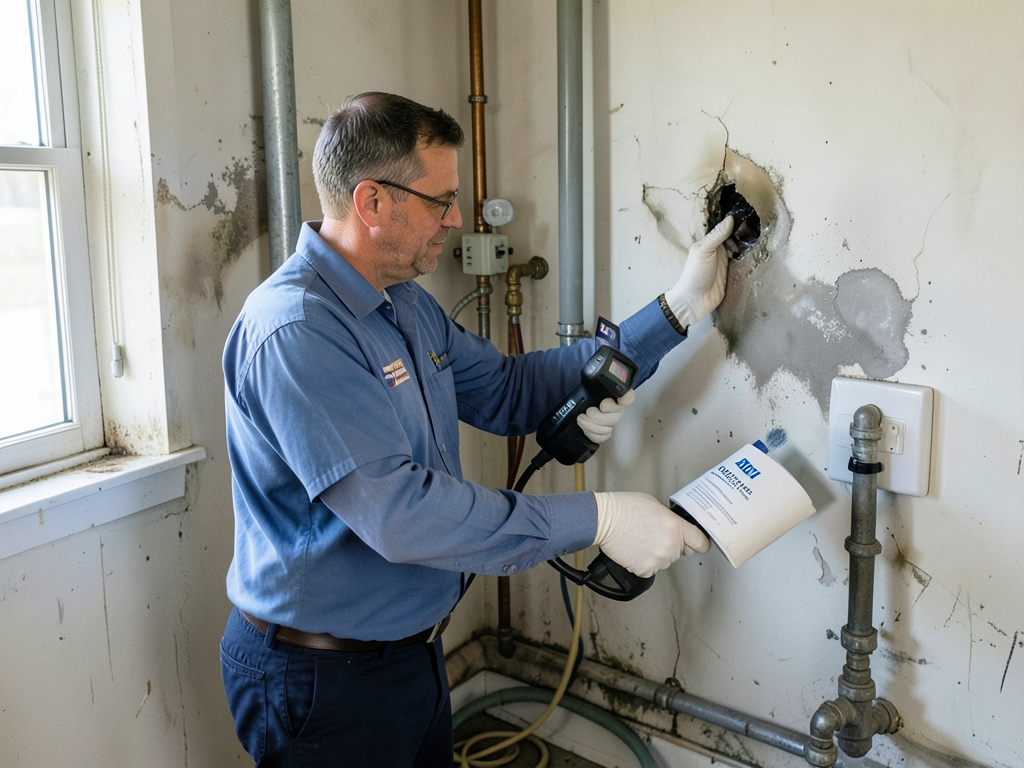
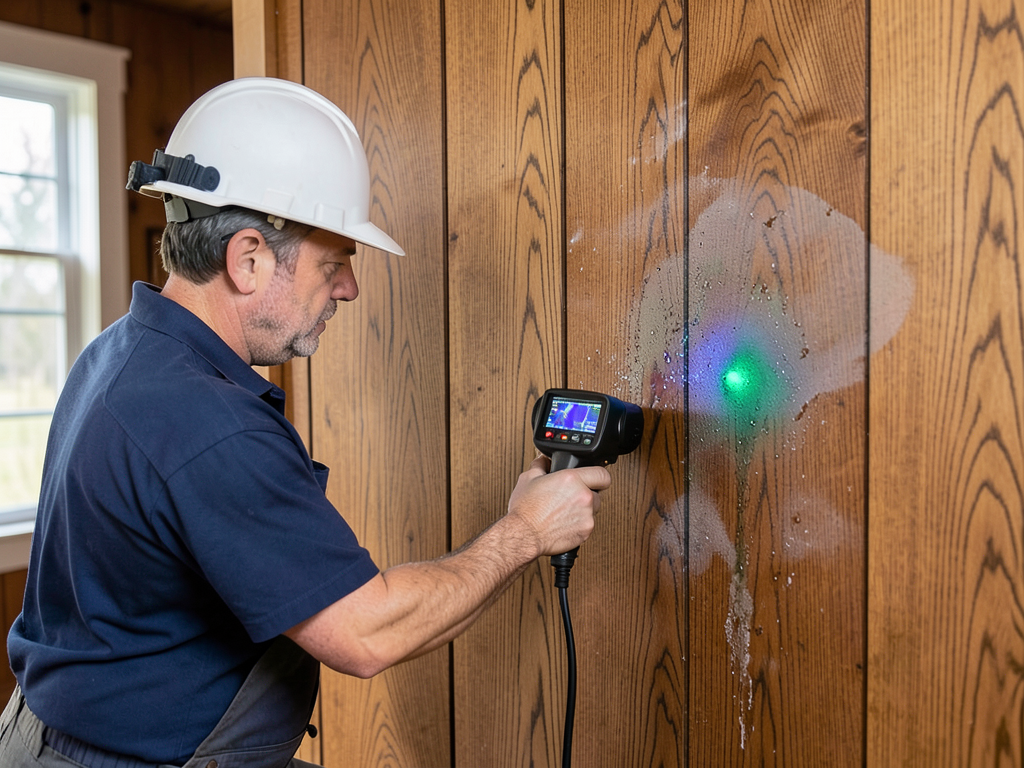
Extraction begins with truck-mounted pumps capable of removing thousands of gallons per hour. We use thermal imaging to map moisture intrusion behind walls and under flooring systems. This prevents hidden saturation that leads to structural rot and mold growth weeks after the visible water disappears. For Category 2 and 3 contamination, we implement containment barriers and negative air pressure systems to prevent cross-contamination into unaffected areas.

Structural drying uses commercial desiccant dehumidifiers and high-velocity air movers positioned based on psychrometric calculations. We monitor moisture content in structural materials using penetrating moisture meters, adjusting equipment placement to accelerate evaporation. This scientific approach reduces drying time from weeks to days, directly impacting your revenue recovery timeline.

Antimicrobial treatment addresses biological contamination. We apply EPA-registered disinfectants to affected surfaces, then use HEPA filtration to remove airborne spore counts. For facilities with strict hygiene requirements like restaurants or medical offices, we provide ATP testing to verify surface cleanliness before reopening.

Documentation runs parallel to physical mitigation. We photograph damage progression, log equipment readings, and provide daily updates to your insurance adjuster. This evidence streamlines claims processing and prevents coverage disputes that delay reimbursement.

We coordinate with your mechanical contractors, electricians, and IT vendors to sequence restoration work. If you need partial facility access during mitigation, we establish containment zones that allow business operations in unaffected areas. This phased approach reduces total closure time and preserves customer relationships during the recovery period.

What Happens When You Call for Emergency Commercial Water Mitigation

Business Interruption Mitigation in St. Louis – Industrial-Grade Water Damage Response That Keeps Your Doors Open
01

Immediate Dispatch and Assessment

We arrive within 90 minutes of your call with truck-mounted extraction equipment and thermal imaging cameras. Our technicians assess structural damage, categorize contamination level, and identify safety hazards like electrical exposure or structural compromise. You receive a verbal scope of work and projected timeline before equipment deployment. We contact your insurance carrier immediately to initiate the claims process and confirm coverage parameters.
02

Containment and Water Removal

We establish physical barriers to isolate affected zones, then deploy extraction equipment to remove standing water. Commercial dehumidifiers and air movers begin structural drying while we document moisture levels in walls, ceilings, and subfloors. For contaminated water, we apply antimicrobial treatments to all affected surfaces. If your facility requires partial operations during mitigation, we create access corridors that maintain workflow in unaffected areas while restoration proceeds in damaged zones.
03

Verification and Facility Turnover

We use moisture meters to verify structural materials have returned to dry standard before removing equipment. Final antimicrobial fogging eliminates residual odors and biological contamination. You receive documentation packages including equipment logs, moisture readings, and photographic evidence for insurance submission. We coordinate with your contractors for any reconstruction work, providing detailed scope documents that prevent disputes. Your facility returns to operational status with certified verification of proper mitigation.

Why St. Louis Commercial Property Managers Choose Patriot Water Damage Restoration

Commercial water damage demands contractors who understand business operations, not just residential carpet drying. Patriot Water Damage Restoration St. Louis operates with the equipment capacity, insurance expertise, and scheduling flexibility that commercial mitigation requires.

We maintain truck-mounted extraction units and trailer-mounted desiccant dehumidifiers that handle large-volume water removal. Our equipment inventory allows simultaneous deployment across multiple floors or buildings, compressing mitigation timelines that minimize your revenue interruption. When a Clayton office tower or a Page Avenue warehouse floods, we scale response to match facility size.

St. Louis commercial construction presents specific challenges. The brick and masonry common in historic districts like Soulard absorb water deeply, requiring extended drying protocols. The concrete tilt-up construction in newer industrial parks traps moisture in wall cavities. We adjust our approach based on building materials, age, and mechanical systems. This prevents the shortcuts that lead to callbacks and mold claims months after initial mitigation.

We navigate the insurance process as your advocate. Our estimators use Xactimate software to document losses in the format adjusters require, reducing claim disputes and payment delays. We communicate directly with your carrier throughout mitigation, providing the evidence they need for rapid claim approval. This removes administrative burden from your staff during crisis response.

Scheduling flexibility separates commercial contractors from residential operators. We work overnight shifts, weekends, and around your business hours to maintain customer access. If you operate a retail location, we establish work zones that allow sales floor operations while restoration proceeds in back-of-house areas. This coordination preserves revenue during the recovery period.

Our technicians hold IICRC certifications in commercial water damage restoration and understand the liability implications of improper mitigation. We follow ANSI/IICRA S500 standards for water damage remediation, protecting you from future mold claims or structural failure lawsuits stemming from inadequate drying protocols.

What to Expect During Commercial Water Damage Mitigation in St. Louis

Response Time and Mobilization

We maintain 24/7 dispatch with 90-minute response times across the St. Louis metro. Our crews arrive with truck-mounted extraction equipment and commercial dehumidifiers, eliminating delays for equipment rental or mobilization. You receive immediate mitigation that stops damage progression during the critical first hours. We deploy multiple crews for large facilities, accelerating water removal and reducing total project duration. Overnight and weekend response carries no premium charges, protecting your budget during emergency situations.

Initial Assessment and Scope Development

Our assessment uses thermal imaging and moisture mapping to identify all affected areas, including hidden water intrusion behind walls and above ceilings. We categorize water contamination level, identify safety hazards, and determine structural impact. You receive a detailed scope of work with projected timelines before mitigation begins. We photograph all damage for insurance documentation and provide you with digital access to the evidence file. Our estimators prepare initial loss documentation in coordination with your insurance adjuster, streamlining the claims process and preventing coverage disputes.

Mitigation Execution and Quality Control

We execute extraction and structural drying using IICRC protocols and psychrometric monitoring. Daily moisture readings track drying progress and guide equipment adjustments. Antimicrobial treatments address contamination, with HEPA filtration reducing airborne spore counts. You receive daily progress reports with updated timelines and equipment logs. Final verification uses penetrating moisture meters to confirm structural materials have reached dry standard. We provide certification documents that satisfy insurance requirements and protect you from future liability claims related to improper mitigation.

Post-Mitigation Documentation and Support

You receive complete documentation packages including photographic evidence, equipment logs, moisture readings, and antimicrobial application records. We provide detailed scopes for any required reconstruction work, coordinating with your general contractor to ensure continuity. Our team remains available for insurance adjuster questions and supplemental documentation requests throughout the claims process. If reconstruction is required, we monitor the site for new moisture intrusion and provide additional mitigation at no charge if issues arise from our initial work. This support continues until your facility returns to full operational status.

Frequently Asked Questions

You Have Questions,
We Have Answers

What does business interruption coverage cover? +

Business interruption coverage compensates you for lost income when your St. Louis facility cannot operate due to a covered peril like fire, storm damage, or water intrusion. It covers net profit you would have earned, ongoing fixed expenses like rent and payroll, and temporary relocation costs if you must move operations. The policy triggers after direct physical damage occurs and continues until you resume normal operations or reach the policy limit. Coverage does not activate for every closure. It requires a covered cause of loss that forces you to suspend business operations at your insured location.

What is mitigation in business? +

Mitigation in business refers to actions taken to reduce the severity or duration of operational disruptions. When your St. Louis commercial property experiences water damage, fire, or structural compromise, mitigation means stabilizing the situation immediately to prevent secondary damage and accelerate recovery. This includes emergency water extraction, board-up services, temporary power restoration, and protective measures that minimize downtime. Effective mitigation directly reduces your financial exposure by limiting lost revenue days, protecting inventory and equipment, and maintaining customer relationships. For businesses in flood-prone areas near the Mississippi River, proactive mitigation planning proves essential for continuity.

What actions can be taken to reduce or mitigate business risks? +

You reduce business risks through emergency preparedness planning, facility hardening, vendor diversification, and rapid response protocols. In St. Louis, where severe weather and flooding present recurring threats, install backflow preventers, maintain roof integrity against ice dams, and document your inventory with photos. Establish relationships with restoration contractors before disasters strike. Train staff on shutdown procedures and data backup protocols. Maintain adequate insurance coverage with verified policy limits. Create alternate supplier agreements and remote work capabilities. Regular facility inspections catch vulnerabilities like deteriorating plumbing or roof penetrations before they escalate into operational shutdowns that cost thousands in lost revenue daily.

What does business interuption insurance cover? +

Business interruption insurance covers lost net income, continuing operating expenses, and extra costs incurred to minimize the interruption period. When your St. Louis location suffers covered physical damage, the policy reimburses you for revenue you would have generated during the closure period. It pays fixed costs like loan payments, employee salaries, lease obligations, and utilities that continue despite halted operations. The coverage extends to extra expenses for temporary locations, expedited repairs, and equipment rentals that help you reopen faster. Coverage begins after the waiting period specified in your policy and continues until you resume operations or exhaust the coverage limit.

What is not covered under business interruption? +

Business interruption insurance excludes losses from undamaged property, pandemics, utility failures occurring off premises, and closures mandated by law without physical damage. If your St. Louis facility remains structurally intact but you close voluntarily or due to supply chain disruptions, standard policies provide no coverage. Losses from wear and tear, deferred maintenance, or faulty workmanship do not qualify. Coverage excludes fines, penalties, and accounts receivable unless specifically added by endorsement. Most policies require direct physical loss to trigger benefits. Gradual events like slow leaks or mold accumulation typically fall outside coverage parameters unless you purchase specific endorsements.

What is the 80% rule in insurance? +

The 80% rule requires you to insure your property for at least 80% of its replacement value to avoid coinsurance penalties at claim time. If you underinsure and suffer a loss, the insurance company reduces your payout proportionally. For a St. Louis commercial building worth $1 million, you need $800,000 minimum coverage. If you carry only $600,000 and file a $200,000 claim, you receive $150,000 after the coinsurance penalty calculation. This rule protects insurers from adverse selection while ensuring you maintain adequate coverage for your facility's true value and associated business interruption exposure.

What are 5 examples of mitigation? +

Five mitigation examples include emergency water extraction after pipe bursts, immediate board-up following break-ins, temporary roof tarping during storms, equipment relocation from flooded areas, and mold remediation within 48 hours of water intrusion. For St. Louis businesses facing Mississippi River flood risks, proactive examples include installing flood barriers, elevating critical equipment above base flood elevation, maintaining backup generators, establishing off-site data storage, and creating supply chain redundancies. Post-event mitigation focuses on rapid stabilization. Pre-event mitigation emphasizes prevention and preparedness. Both approaches reduce downtime, preserve assets, and minimize revenue losses when disruptions occur at your commercial facility.

What are the 4 types of mitigation? +

The four types of mitigation are avoidance, reduction, transfer, and acceptance. Avoidance eliminates the risk entirely by changing operations or locations. Reduction decreases likelihood or impact through protective measures like waterproofing basements in flood-prone St. Louis districts or installing fire suppression systems. Transfer shifts financial burden through insurance policies or contractual agreements with vendors. Acceptance acknowledges residual risks you cannot economically prevent, maintaining reserves for minor incidents. Commercial property managers in the greater St. Louis metro typically combine all four strategies. They transfer catastrophic risks through insurance while reducing everyday exposures through maintenance and emergency protocols.

What is included in mitigation? +

Mitigation includes damage assessment, emergency stabilization, debris removal, water extraction, structural drying, contamination control, and protective measures that prevent additional losses. When your St. Louis commercial property experiences a covered loss, mitigation encompasses immediate actions taken before full restoration begins. This includes tarping damaged roofs, securing perimeters, extracting standing water, removing wet materials prone to mold growth, and documenting conditions for insurance purposes. The process involves deploying dehumidifiers, air movers, and antimicrobial treatments. Proper mitigation preserves salvageable assets, reduces claim costs, and shortens the time between loss occurrence and resumed operations at your facility.

What are the 4 mitigation strategies? +

The four mitigation strategies are structural measures, non-structural measures, emergency services, and public education. Structural measures include physical modifications like flood walls or reinforced roofing systems. Non-structural measures involve policies, zoning, and insurance requirements. Emergency services provide rapid response capabilities when incidents occur at St. Louis commercial properties. Public education trains occupants on response protocols and prevention techniques. Businesses combine these strategies based on their specific vulnerabilities. A warehouse near River Des Peres prioritizes structural flood protection and emergency response contracts. An office building emphasizes employee training and equipment elevation. Effective strategies match your facility's location, construction type, and operational requirements.

How St. Louis River Proximity and Clay Soil Increase Commercial Water Damage Risk

St. Louis commercial properties face heightened water intrusion risk from geographic and geological factors. The Mississippi and Missouri River floodplains create elevated groundwater tables that stress foundation waterproofing in low-lying industrial zones near Lemay and Spanish Lake. The region's expansive clay soil exerts hydrostatic pressure against basement walls during wet seasons, causing foundation seepage in older buildings throughout the Central West End and Dogtown. Summer storms deliver high-volume rainfall that overwhelms aging stormwater infrastructure, flooding ground-floor commercial spaces in historic districts. These conditions demand rapid water extraction and structural drying to prevent compounding damage that extends closure timelines.

Commercial water mitigation in St. Louis requires understanding of local building construction and municipal requirements. The brick and masonry common in pre-1950 commercial buildings absorb water deeply, requiring extended drying protocols that prevent long-term structural deterioration. The concrete construction in newer industrial parks needs careful moisture monitoring to avoid trapped humidity that triggers mold growth. St. Louis building codes require proper documentation of mitigation work for commercial facilities, particularly for structures undergoing Certificate of Occupancy renewal. Working with a local contractor ensures compliance with these municipal requirements and prevents permitting delays that extend your business interruption period.
Water Damage Restoration Services in The St. Louis Area

We are proud to be the trusted local choice for water damage restoration across the greater St. Louis region. This map highlights our primary service zone, demonstrating our commitment to rapid, localized response across every neighborhood and business district within the area. We invite all users to view our service area and then contact us directly for immediate deployment to your specific address within the St. Louis community.

Address:
Patriot Water Damage Restoration St. Louis, 710 N Tucker Blvd, St. Louis, MO, 63101

Additional Services We Offer

Our news updates

Latest Articles & News from The Blogs

What to Do When Your Water Softener Leaks and Floods Your Affton Utility Room A leaking water softener can release…

What to Do When Your Water Softener Leaks and Floods Your Affton Utility Room

What to Do When Your Water Softener Leaks and Floods Your Affton Utility Room A leaking water softener can release…

Restoring a Water Damaged Mid-Century Modern Home in Warson Woods

Restoring a Water Damaged Mid-Century Modern Home in Warson Woods Water damage in a mid-century modern home requires specialized knowledge…

Why Your Walk-Out Basement in Hi-Pointe is Vulnerable to Heavy Rain Runoff

Why Your Walk-Out Basement in Hi-Pointe is Vulnerable to Heavy Rain Runoff Your walk-out basement in Hi-Pointe faces unique flooding…

Contact Us

Every hour of water damage increases your revenue loss and extends recovery time. Call Patriot Water Damage Restoration St. Louis at (314) 428-9977 for 90-minute emergency response. We deploy industrial equipment and coordinate directly with your insurance carrier to restore business continuity.