menu

Emergency Sewage Cleanup in St. Louis – Crew Onsite in 60 Minutes or Less

Raw sewage does not wait, and neither do we. Patriot Water Damage Restoration St. Louis deploys 24 hour sewage extraction teams across the metro to stop contamination, salvage belongings, and restore safety before the damage spreads.

Slider Image 1
Slider Image 2
Slider Image 3
Slider Image 4
Slider Image 5
Slider Image 7
Slider Image 8
Slider Image 9
Slider Image 10
Slider Image 11

Why Sewage Emergencies Escalate Fast in St. Louis Homes

Sewage backups in St. Louis are not just disgusting. They are dangerous. The region's aging combined sewer system, which handles both stormwater and wastewater, can overwhelm during heavy rain. When the Mississippi River floods or flash storms dump inches of rain in hours, your main line can reverse flow. Raw sewage floods basements, crawl spaces, and first-floor drains without warning.

You smell it first. Then you see it. Black water pooling around toilets, bubbling up through floor drains, or backing into bathtubs. Every minute that passes multiplies the contamination. Sewage carries E. coli, hepatitis A, and tetanus bacteria. Porous materials like drywall, carpet, and insulation absorb it fast. Children, elderly residents, and anyone with compromised immunity face serious infection risk from contact or airborne pathogens.

St. Louis's clay soil also complicates drainage. When the ground saturates, lateral sewer lines crack under pressure. Tree roots from the city's older neighborhoods infiltrate pipes, creating blockages that trigger emergency sewage removal situations. If you see sewage in your home, you need urgent sewer water cleanup immediately. Waiting even a few hours can mean tearing out flooring, replacing subflooring, and spending thousands more on remediation. The clock starts the second you notice the smell.

Why Sewage Emergencies Escalate Fast in St. Louis Homes
How Professional Sewage Backup Cleanup Works

How Professional Sewage Backup Cleanup Works

Emergency sewage removal requires containment, extraction, and decontamination in a specific sequence. You cannot mop this up with household cleaners. Patriot Water Damage Restoration St. Louis follows IICRC S500 standards for Category 3 water damage, the most hazardous classification.

First, we isolate the affected area. Sewage contains pathogens that spread through air and contact. We set up negative air pressure barriers and containment zones to prevent cross-contamination into clean areas. Our crew wears full PPE, including respirators, gloves, and booties, to protect both themselves and your household.

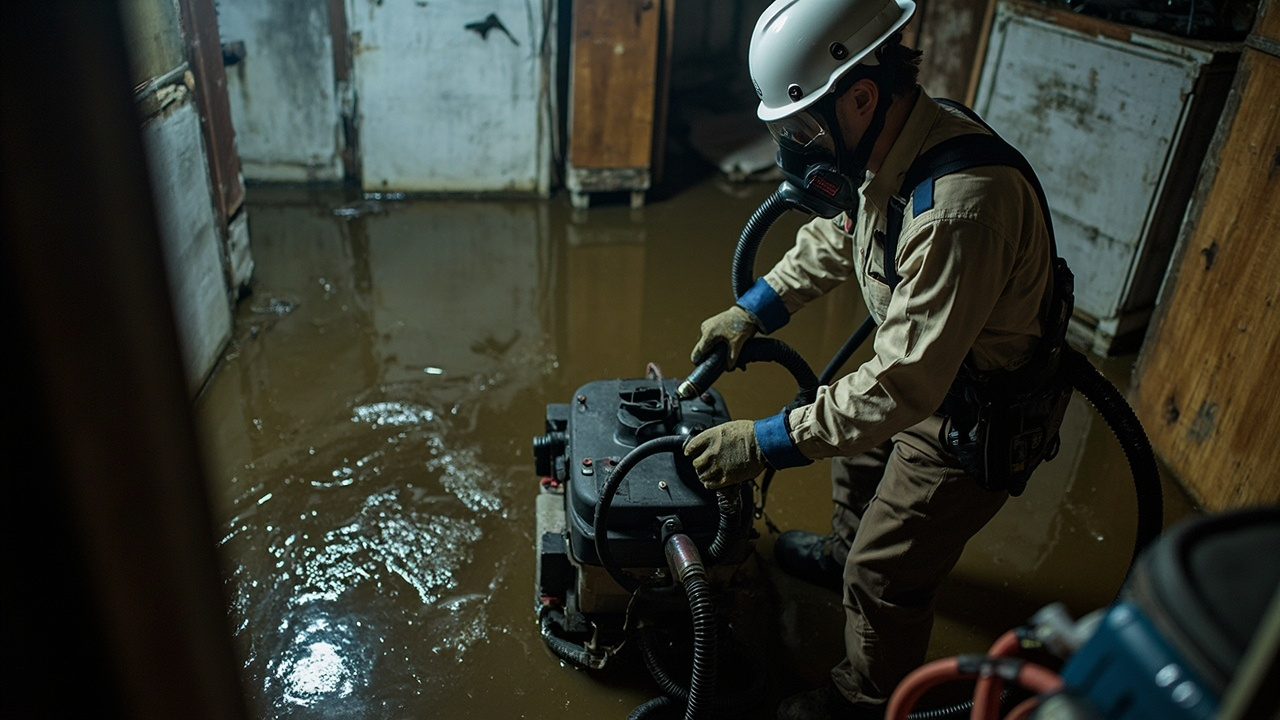
Next, we extract standing sewage using truck-mounted pumps and industrial wet vacuums rated for black water. Portable units cannot handle the solids and debris mixed into raw sewage. We remove contaminated materials that cannot be salvaged. Carpet padding, drywall below the water line, and soaked insulation go into biohazard bags for disposal. We do not guess. We remove anything that absorbed sewage.

After extraction, we pressure wash and disinfect all hard surfaces with EPA-registered antimicrobial agents. Concrete, tile, and framing studs are scrubbed, treated, and rinsed. Then we deploy commercial dehumidifiers and air movers to dry the structure completely. Moisture meters confirm dryness below 15 percent. If any moisture remains, mold colonizes within 48 hours. Raw sewage remediation is not complete until the space is dry, disinfected, and odor-free. Anything less leaves you vulnerable.

What Happens When You Call for Sewage Emergency Response

Emergency Sewage Cleanup in St. Louis – Crew Onsite in 60 Minutes or Less
01

Immediate Dispatch and Containment

You call our 24 hour emergency line, and we dispatch the nearest crew within minutes. We arrive with containment barriers, PPE, and extraction equipment ready to deploy. Our first priority is stopping sewage from spreading into unaffected rooms. We isolate the contamination zone, shut off water sources if needed, and begin extraction immediately. You do not wait hours wondering if help is coming.
02

Sewage Extraction and Demolition

We remove all standing sewage using truck-mounted pumps that handle solids and debris. Contaminated materials like carpet, padding, and drywall are bagged and removed. We document everything with photos for your insurance claim. Our crew knows what must go and what can be salvaged. We do not tear out more than necessary, but we do not leave contaminated material behind. This step eliminates the immediate biohazard.
03

Disinfection and Structural Drying

After extraction, we disinfect all surfaces with hospital-grade antimicrobials, then dry the structure using commercial dehumidifiers and air movers. We monitor moisture levels daily until readings confirm the space is bone dry. Odor control treatments eliminate lingering smells. You get a clean, safe, dry space ready for reconstruction. We provide documentation showing the area meets industry standards for re-occupancy. The emergency is over.

Why St. Louis Residents Trust Patriot Water Damage Restoration for Urgent Sewage Crises

When raw sewage floods your home, you need a crew that understands St. Louis's infrastructure, knows the local health codes, and responds faster than national franchises that dispatch from Kansas City or Springfield. Patriot Water Damage Restoration St. Louis operates locally, with crews stationed across the metro. We know the combined sewer districts. We know which neighborhoods have cast iron laterals from the 1940s that crack without warning. We know the flood zones near the Mississippi and Meramec rivers.

We work directly with St. Louis County health inspectors and the city's Department of Public Safety. When sewage contamination involves a rental property or commercial space, local codes require specific remediation protocols. We document every step with photos, moisture logs, and antimicrobial treatment records so your insurance adjuster and health inspector have everything they need. Most out-of-town companies do not know the local requirements until the inspector fails their work.

Our crews are trained in IICRC Category 3 water damage protocols. That means we treat every sewage backup as a biohazard, not just a messy cleanup. We do not cut corners. We do not leave moisture pockets that breed mold in six weeks. We do not spray air freshener over sewage odor and call it finished. We extract, disinfect, dry, and verify. You get documentation proving the space is safe for re-entry. Insurance companies trust our reports because we follow the science, not shortcuts. When your family's health is on the line, you need professionals who know the difference between clean and contaminated.

What to Expect During Emergency Sewage Cleanup in St. Louis

Rapid Response and Arrival Time

We answer emergency calls 24 hours a day, every day. Our average response time is under 60 minutes for metro St. Louis addresses. You speak to a dispatcher who asks specific questions about the sewage source, affected areas, and whether anyone has been exposed. We dispatch the nearest crew immediately, not after sunrise. When you call at 2 a.m. with sewage in your basement, we are onsite before 3 a.m. with equipment running. Speed matters because contamination spreads fast. Every hour of delay increases the scope of demolition and the cost of remediation.

Onsite Assessment and Containment Plan

Our crew walks the affected area with moisture meters, infrared cameras, and photos. We identify the sewage source, measure contamination spread, and mark materials for removal. You get an immediate verbal summary of what needs to happen and why. We explain the containment plan, the extraction process, and the drying timeline. If you need help filing an insurance claim, we provide documentation immediately. The assessment takes 15 to 30 minutes. Then we start extraction. You are not left wondering what happens next or how bad the damage is.

Complete Decontamination and Drying

After extraction, we disinfect all hard surfaces with EPA-registered antimicrobials rated for raw sewage. Concrete floors, tile, and wood framing are pressure washed, treated, and rinsed. We deploy industrial dehumidifiers and air movers to dry the structure completely. Drying takes two to five days depending on the size of the affected area and the materials involved. We monitor daily with moisture meters. When readings drop below 15 percent, we pull equipment. You get a final walkthrough showing clean, dry, odor-free spaces ready for reconstruction. The work is not done until you can walk barefoot on the floor.

Documentation and Insurance Support

Sewage backups trigger homeowners insurance claims under most policies. We document every step with photos, moisture logs, and material removal lists. You receive a detailed scope of work and invoice formatted for insurance submission. If your adjuster needs clarification, we speak directly with them. Most claims process within two weeks when documentation is complete. We do not bill you until insurance pays, if your policy covers the loss. If you have questions about coverage or need help navigating your policy language, we walk you through it. You do not fight your insurance company alone.

Frequently Asked Questions

You Have Questions,
We Have Answers

What is considered a sewer emergency? +

A sewer emergency includes raw sewage backing up into your home through toilets, drains, or floor drains. You face an emergency if black water floods your basement, multiple fixtures back up at once, or you smell sewage gases inside. In St. Louis, heavy spring rains and aging clay sewer laterals common in neighborhoods like Tower Grove and The Hill increase backup risks. Raw sewage contains bacteria, viruses, and pathogens that threaten your health within hours. If you see or smell sewage inside your home, evacuate the area immediately and call a professional cleanup crew. Do not wait.

How much does sewage backup cleanup cost? +

Emergency sewage cleanup typically ranges from a few hundred to several thousand dollars, depending on contamination extent, affected square footage, and structural damage. A small toilet overflow may cost less than a basement flooded with raw sewage requiring extraction, antimicrobial treatment, drywall removal, and dehumidification. St. Louis homes with finished basements or older plumbing face higher costs. Your insurance policy may cover backup events if you carry sewer backup coverage. Get a detailed estimate before work begins, and ask your restoration company to document everything for insurance claims. Cost depends on speed and scope.

Does insurance cover sewage cleanup? +

Standard homeowners insurance does not cover sewage backups. You need a separate sewer backup endorsement or rider, which costs around $50 to $100 annually. This coverage protects you if sewage backs up through drains, toilets, or sump pumps. Many St. Louis homeowners overlook this add-on until disaster strikes. If you already have backup coverage, your policy may reimburse cleanup, damaged personal property, and structural repairs. Contact your insurance agent immediately after a backup event. Professional restoration companies can work directly with your insurer to document damage and streamline claims.

Is sewage backup an emergency? +

Yes. Sewage backup is a serious emergency requiring immediate professional response. Raw sewage contains E. coli, hepatitis A, salmonella, and other dangerous pathogens. Exposure causes illness, respiratory problems, and infections. In St. Louis, where humidity accelerates bacterial growth, contaminated materials become hazardous within 24 hours. Sewage also damages flooring, drywall, furniture, and personal belongings rapidly. The longer you wait, the more destruction occurs and the higher your health risk. Evacuate affected areas, shut off electricity if standing water is present, and call a certified sewage cleanup crew immediately. Do not attempt cleanup yourself.

How much does it cost to clear a blockage? +

Clearing a drain or sewer blockage costs between $100 and $600, depending on location, severity, and access. A simple toilet clog may cost $100 to $200. Main sewer line blockages requiring hydro-jetting or augering range from $300 to $600. In St. Louis, tree roots from mature oaks and maples often invade clay sewer laterals, requiring more aggressive clearing methods. If the blockage caused sewage backup into your home, you face additional cleanup costs. Camera inspection after clearing helps identify root causes like collapsed pipes or bellied lines. Addressing blockages quickly prevents backup emergencies.

Can you get sick from breathing in backed up sewage? +

Yes. Breathing sewage gases and airborne pathogens makes you sick. Raw sewage releases hydrogen sulfide, methane, ammonia, and aerosolized bacteria. Exposure causes nausea, headaches, respiratory distress, sinus infections, and gastrointestinal illness. Children, elderly residents, and people with compromised immune systems face higher risks. In St. Louis homes with poor ventilation or high humidity, contamination spreads faster. If you smell sewage or see backup, leave the area immediately. Do not enter contaminated spaces without proper respiratory protection. Professional cleanup crews use PPE, air scrubbers, and antimicrobial treatments to neutralize pathogens and restore safe air quality.

Are blocked drains covered by insurance? +

It depends on your policy and the cause. Standard homeowners insurance typically excludes drain blockages from lack of maintenance. However, if a covered peril like a tree root intrusion or sudden pipe collapse causes the blockage, you may have coverage. Sewer backup endorsements cover drain backups resulting from municipal sewer issues or overwhelmed systems. St. Louis homeowners in flood-prone areas near the Mississippi or Meramec rivers should review their policies carefully. Document everything with photos and keep maintenance records. Contact your insurer immediately to determine coverage before cleanup begins.

Why is my sewer bill 200 dollars? +

Your sewer bill reflects wastewater treatment and infrastructure costs, not emergency cleanup. St. Louis sewage bills cover municipal sewer services, treatment plant operations, and pipe maintenance. High bills may result from increased water usage, tiered billing rates, or infrastructure surcharges. The Metropolitan St. Louis Sewer District charges based on water consumption and property type. Your sewer bill does not cover private lateral repairs, backups, or in-home sewage cleanup. Those costs are your responsibility. If sewage backs up from the municipal main, contact MSD immediately. If the issue originates on your property, call a professional restoration company.

Can I clean my sewer line myself? +

No. Do not attempt sewage cleanup yourself. Raw sewage contains Category 3 black water with dangerous pathogens that require professional-grade disinfection, PPE, and disposal protocols. St. Louis homeowners without proper equipment, antimicrobial agents, and training risk serious illness and improper decontamination. You also risk cross-contaminating clean areas, spreading bacteria through HVAC systems, and missing hidden moisture that causes mold. Certified restoration technicians use extraction equipment, air scrubbers, EPA-registered disinfectants, and moisture meters to ensure complete decontamination. Your health and home safety depend on professional intervention. Call a sewage cleanup specialist immediately.

Does homeowners insurance typically cover sewer lines? +

No. Standard homeowners insurance does not cover sewer line repairs or backups. Your policy typically covers the structure and contents but excludes underground utilities and pipes outside your foundation. You must purchase a sewer backup endorsement for backup protection. In St. Louis, aging clay laterals and tree root intrusion make this coverage critical. Some homeowners add sewer line protection through separate service line policies. Review your policy carefully and ask your agent about gaps. If a backup occurs, document damage immediately and contact your insurer to confirm coverage before restoration begins.

How St. Louis's Combined Sewer System Creates Sewage Backup Emergencies

St. Louis operates one of the oldest combined sewer systems in the country. Stormwater and wastewater flow through the same pipes in large sections of the city and inner-ring suburbs. When heavy rain overwhelms the system, the Metropolitan Sewer District allows combined sewer overflows to dump into the Mississippi River. But before that happens, your home's sewer line can reverse flow. Basement floor drains, toilets, and bathtub drains become exit points for raw sewage backing up from the main line. Flash flooding during spring and summer storms creates the highest risk. If you live near the River Des Peres, Deer Creek, or any tributary feeding the Mississippi, your sewer lateral is under constant pressure during rain events. Emergency sewage removal becomes necessary when the system cannot handle the volume.

Local sewage cleanup companies understand how the MSD system works and which neighborhoods face the highest risk. Patriot Water Damage Restoration St. Louis has worked with homeowners in Soulard, Tower Grove, Richmond Heights, and University City through dozens of sewer backup events. We know the local building codes for post-remediation clearance. We know which adjusters require third-party mold testing and which accept our IICRC documentation. Choosing a local crew means faster response, better communication with local inspectors, and familiarity with the infrastructure causing your problem. National franchises do not know your sewer district. We do.
Water Damage Restoration Services in The St. Louis Area

We are proud to be the trusted local choice for water damage restoration across the greater St. Louis region. This map highlights our primary service zone, demonstrating our commitment to rapid, localized response across every neighborhood and business district within the area. We invite all users to view our service area and then contact us directly for immediate deployment to your specific address within the St. Louis community.

Address:
Patriot Water Damage Restoration St. Louis, 710 N Tucker Blvd, St. Louis, MO, 63101

Additional Services We Offer

Our news updates

Latest Articles & News from The Blogs

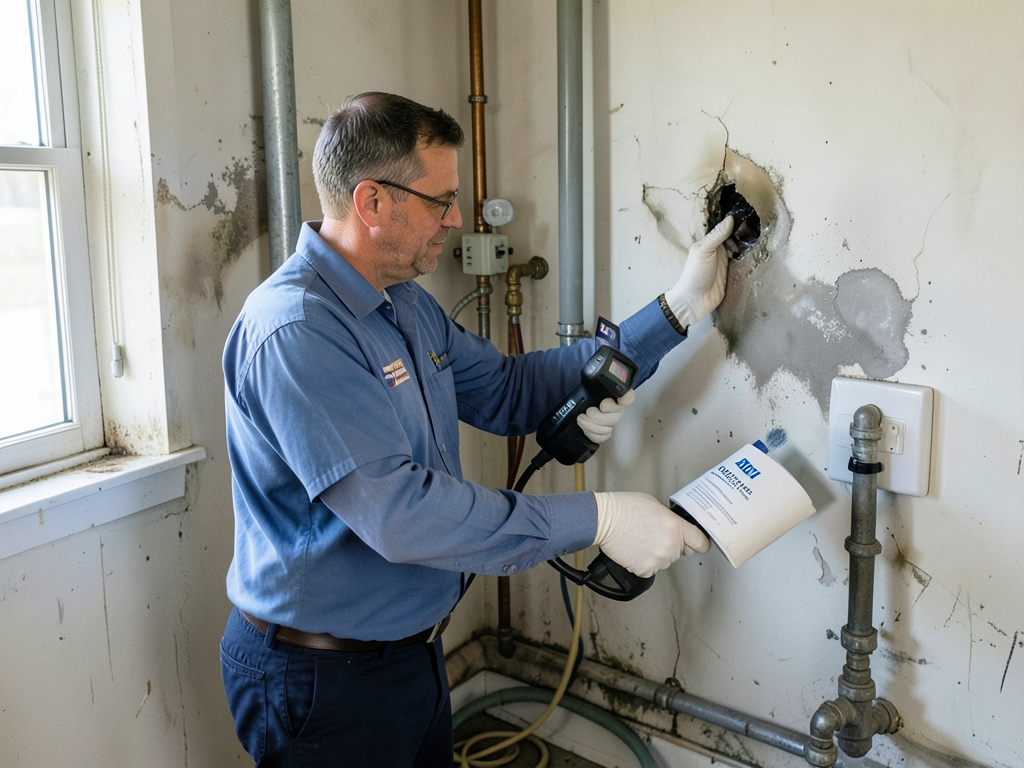
What to Do When Your Water Softener Leaks and Floods Your Affton Utility Room A leaking water softener can release…

What to Do When Your Water Softener Leaks and Floods Your Affton Utility Room

What to Do When Your Water Softener Leaks and Floods Your Affton Utility Room A leaking water softener can release…

Restoring a Water Damaged Mid-Century Modern Home in Warson Woods

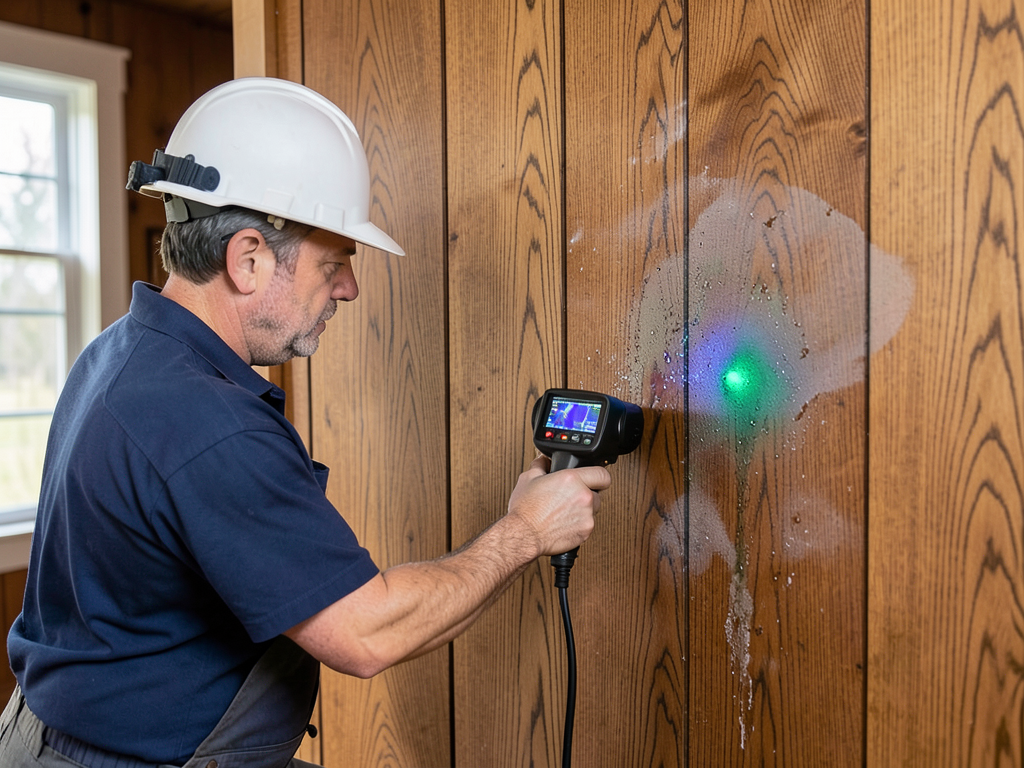
Restoring a Water Damaged Mid-Century Modern Home in Warson Woods Water damage in a mid-century modern home requires specialized knowledge…

Why Your Walk-Out Basement in Hi-Pointe is Vulnerable to Heavy Rain Runoff

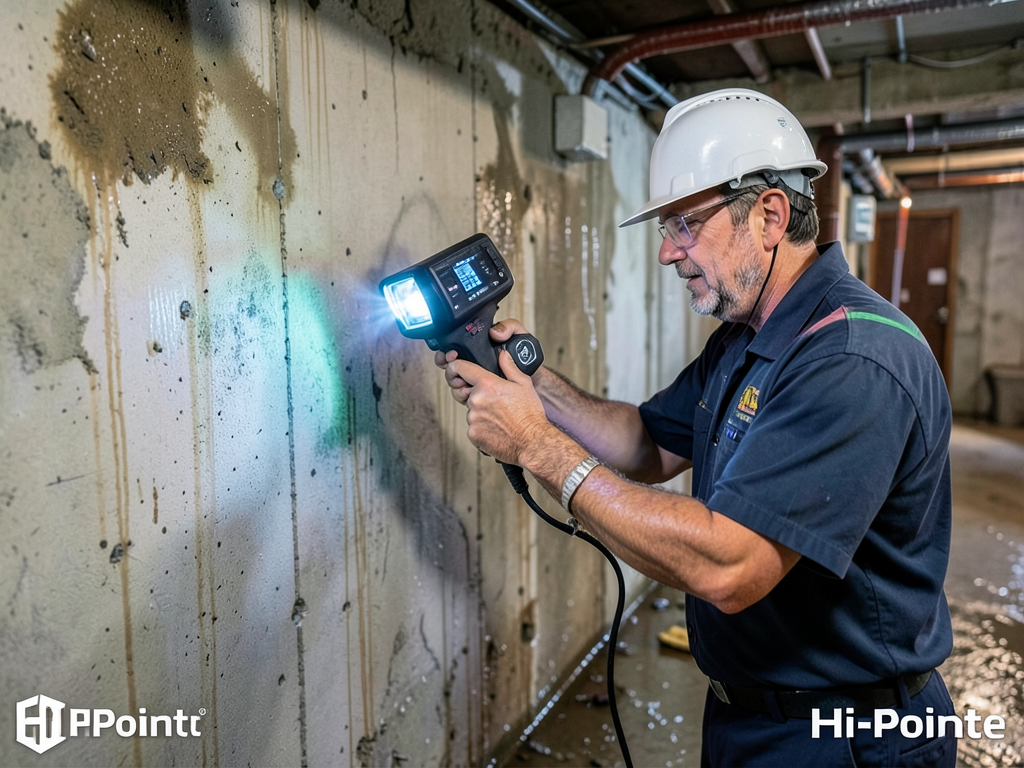
Why Your Walk-Out Basement in Hi-Pointe is Vulnerable to Heavy Rain Runoff Your walk-out basement in Hi-Pointe faces unique flooding…

Contact Us

Sewage emergencies do not wait for business hours. Call us now at (314) 428-9977 for immediate dispatch. Our crews are standing by 24 hours a day to contain the contamination, extract the sewage, and restore your safety. Stop the damage before it spreads.