menu

Warehouse Flood Restoration in St. Louis – Minimize Downtime with Industrial-Grade Water Removal

Patriot Water Damage Restoration St. Louis delivers rapid warehouse water mitigation and commercial flood remediation designed to protect inventory, restore operations, and meet OSHA and local building code requirements across the metro.

Slider Image 1
Slider Image 2
Slider Image 3
Slider Image 4
Slider Image 5
Slider Image 7
Slider Image 8
Slider Image 9
Slider Image 10
Slider Image 11

Why Warehouse Flooding Threatens St. Louis Operations

St. Louis warehouses face unique flooding risks. The Mississippi and Missouri River floodplains create elevated groundwater tables. Heavy spring rains combine with aging storm sewer infrastructure in older industrial districts like Carondelet and North Riverfront. When backup occurs, thousands of square feet flood in minutes.

Clay soil common throughout the metro shifts during freeze-thaw cycles. Foundation cracks widen. Groundwater seeps through loading dock seals and floor joints. A single pipe burst in a distribution center can halt operations, contaminate inventory, and trigger liability concerns.

Warehouse flood restoration requires industrial water damage cleanup that addresses scale. You cannot mop up 50,000 square feet with shop vacs. You need commercial flood remediation equipment capable of extracting water from concrete slabs, drying racking systems, and dehumidifying enclosed spaces before mold colonizes within 48 hours.

St. Louis's humid summers make distribution center water removal time-sensitive. Relative humidity spikes after flooding. Without aggressive drying, condensation forms on metal racking, cardboard absorbs moisture, and microbial growth spreads across pallet loads.

Business interruption costs multiply daily. Delayed shipments trigger contract penalties. Employees sit idle. Clients divert orders to competitors. Industrial flood recovery is not cosmetic work. It is critical infrastructure repair that determines whether your facility reopens in days or weeks.

Why Warehouse Flooding Threatens St. Louis Operations
How Industrial Water Extraction Differs from Residential Mitigation

How Industrial Water Extraction Differs from Residential Mitigation

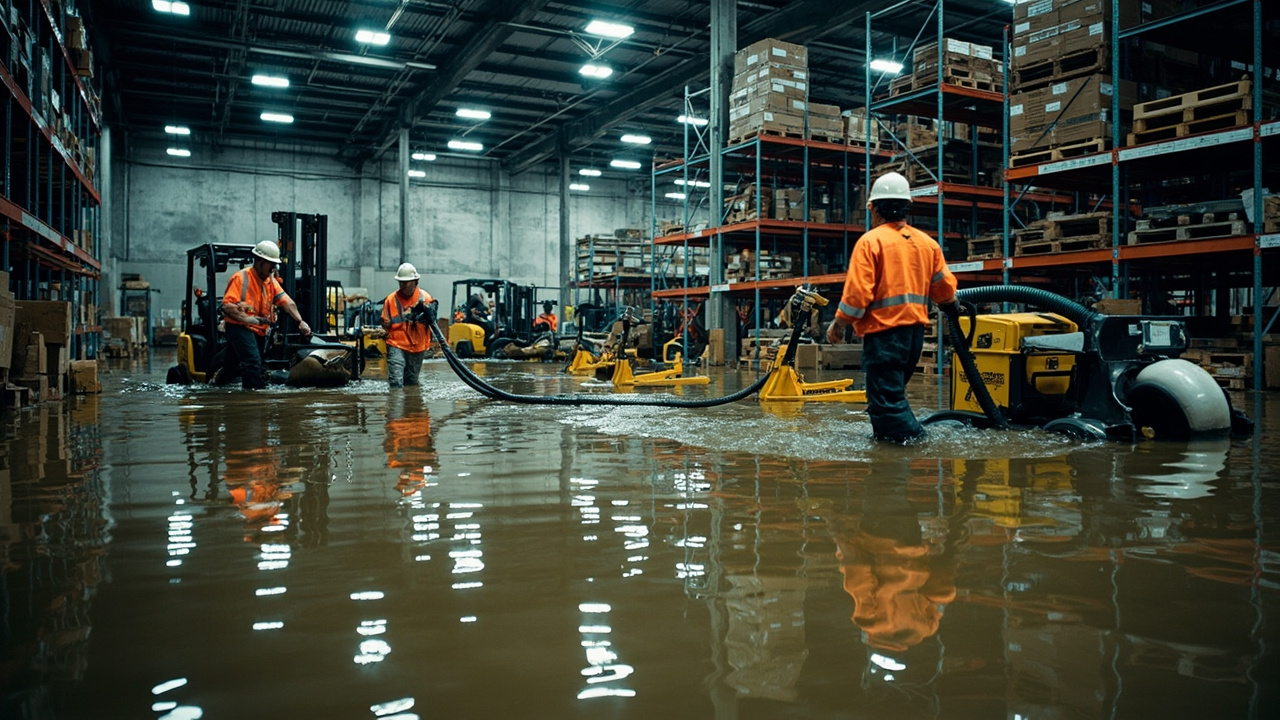
Warehouse water mitigation requires commercial-grade extraction systems. Patriot Water Damage Restoration St. Louis deploys truck-mounted pumps capable of removing thousands of gallons per hour. Portable extractors handle standing water in low-clearance areas beneath racking. Submersible pumps address sump failures and below-grade spaces.

We map the facility into drying zones. High-velocity air movers create airflow across concrete floors. Low-grain refrigerant dehumidifiers pull moisture from the air faster than desiccant units in high-humidity conditions. We monitor moisture content in structural elements using penetrating meters, not surface readers.

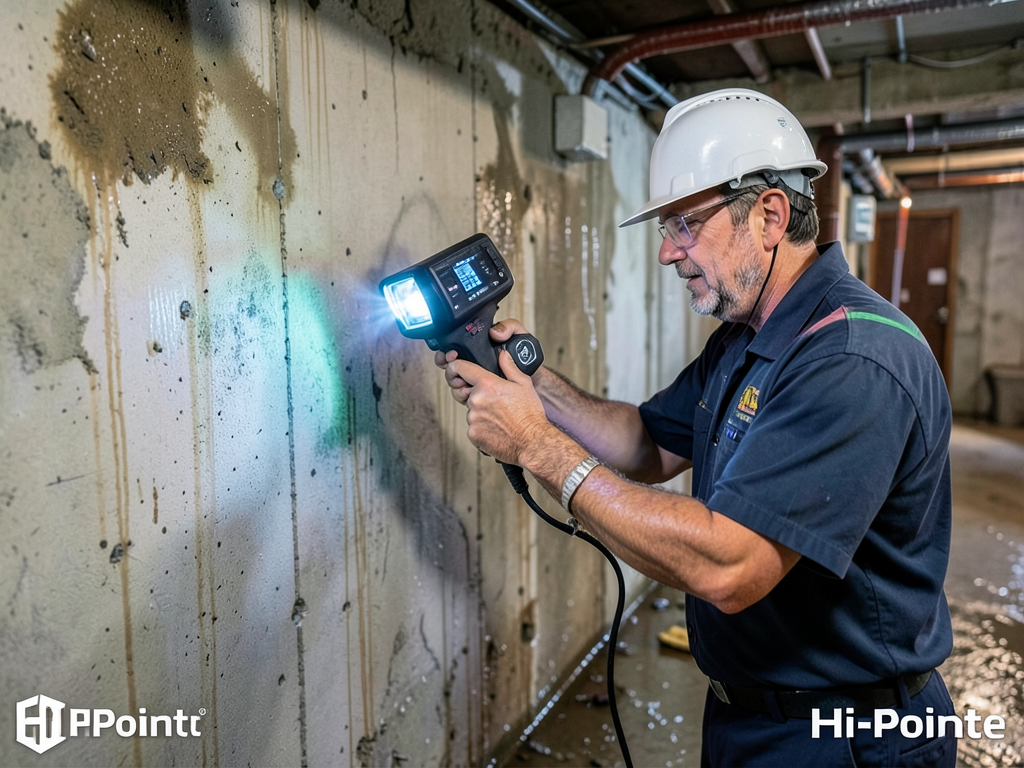
Thermal imaging identifies hidden water migration behind wall panels and within insulated loading dock doors. You cannot see trapped moisture. Infrared cameras reveal temperature differentials that indicate saturated insulation or pooling behind vapor barriers.

Industrial flood recovery includes containment. We isolate affected zones with poly sheeting to prevent cross-contamination into clean warehouse space. Negative air machines with HEPA filtration maintain pressure differentials, pulling air from the drying zone and exhausting it outside.

Commercial flood remediation follows IICRC S500 standards for water damage restoration. We document moisture readings daily. Drying logs prove due diligence for insurance carriers and satisfy OSHA requirements if employee exposure occurs. Our process is methodical, not reactive. We establish drying goals based on material science, then execute until psychrometric conditions confirm structural drying is complete.

Distribution center water removal is not about speed alone. It is about preventing secondary damage that extends business interruption and inflates claim costs.

What Happens During Large-Scale Warehouse Water Removal

Warehouse Flood Restoration in St. Louis – Minimize Downtime with Industrial-Grade Water Removal
01

Emergency Response and Containment

We arrive within hours of your call to assess the source and stop water flow. Our team identifies the cause, whether pipe burst, roof failure, or external flooding, then isolates electrical systems and establishes safe work zones. We contain the affected area using barrier systems to prevent water migration into operational sections of your warehouse.
02

Extraction and Inventory Salvage

Truck-mounted pumps and portable extractors remove standing water from floors, loading docks, and below-grade areas. We relocate salvageable inventory to dry zones and document loss for insurance purposes. High-volume extraction prevents concrete absorption and reduces total drying time, which directly impacts how fast you return to operations.
03

Structural Drying and Verification

Industrial air movers and dehumidifiers run continuously until moisture meters confirm structural materials meet industry dryness standards. We monitor daily and adjust equipment placement based on airflow patterns and humidity levels. Once verified dry, we provide documentation for your insurance carrier, property manager, and compliance records.

Why St. Louis Warehouses Trust Local Industrial Water Damage Specialists

Patriot Water Damage Restoration St. Louis understands local building construction. Many warehouses in the metro were built between 1950 and 1980. Concrete slabs often lack vapor barriers. Masonry walls use clay brick common to the region. We know how these materials absorb and release moisture differently than modern tilt-up construction.

We also understand local codes. St. Louis County and City of St. Louis have different permit requirements for structural repairs following water damage. If flooding affects fire suppression systems or electrical panels, inspections are mandatory before reopening. We coordinate with local inspectors to prevent delays.

Our equipment inventory supports large-scale projects. We maintain truck-mounted extraction units, trailer-mounted generators for power-out scenarios, and enough air movers and dehumidifiers to dry 100,000 square feet simultaneously. When a 200,000-square-foot distribution center floods, you cannot wait for a contractor to source equipment from another state.

Response time matters in commercial flood remediation. We dispatch from our St. Louis location, not a regional hub in Kansas City or Chicago. You get a project manager on-site who understands your operational urgency and has authority to make decisions without waiting for corporate approval.

We also navigate insurance complexities. Commercial property policies differ from residential coverage. Business interruption riders require documentation proving loss mitigation efforts. We provide daily logs, photographic evidence, and moisture readings that satisfy carrier requirements and support your claim.

Warehouse managers cannot afford learning curves. You need a contractor who has dried industrial facilities before, understands your liability exposure, and executes without supervision.

What to Expect During Warehouse Flood Restoration

Response Time and Mobilization

We deploy within two hours of your call. Our trucks carry extraction equipment, moisture meters, and containment supplies. Initial assessment takes 30 to 60 minutes depending on facility size. We provide a verbal scope of work on-site, then send written documentation within 24 hours. Extraction begins immediately if you approve. Drying timelines depend on water volume, but most warehouse projects reach structural dryness within five to ten days under continuous equipment operation.

Damage Assessment and Documentation

We map the affected area using moisture meters and thermal imaging. Every wall, floor section, and structural element receives a moisture reading. We photograph damage for your records and insurance submission. Our reports include source identification, category classification per IICRC standards, and estimated drying time. If inventory loss occurs, we document affected products with photos and item counts. This evidence supports your claim and provides the paper trail your carrier requires before issuing payment.

Final Drying Verification

We do not remove equipment until moisture readings meet IICRC dryness standards. Concrete slabs must reach 4.5 percent moisture content or lower. Wood framing must match unaffected control areas. We provide a certificate of completion with final readings documented by location. This certificate proves due diligence to your insurance carrier and protects you from future mold liability claims. If your lease requires landlord notification, we provide documentation that satisfies disclosure requirements.

Post-Restoration Monitoring

We offer 30-day follow-up inspections to verify no moisture rebound or secondary issues developed. If your facility requires ongoing humidity monitoring due to climate control concerns, we install remote sensors that alert you to changes before problems develop. While we do not provide long-term maintenance contracts, we remain available if new water intrusion occurs. Most clients add our contact information to their emergency response plans for faster future mobilization.

Frequently Asked Questions

You Have Questions,
We Have Answers

How St. Louis River Proximity Increases Warehouse Flood Risk

St. Louis sits at the confluence of the Mississippi and Missouri Rivers. Warehouses in Sauget, Brooklyn, and North Riverfront operate within the 100-year floodplain. Spring rains cause rapid river level changes. Aging levee systems protect some areas, but not all industrial parks meet modern flood protection standards. Groundwater tables rise during wet seasons. Facilities with below-grade loading docks or basement storage face seepage even without direct flooding. Commercial flood remediation in these zones requires contractors who understand hydrostatic pressure and subsurface water behavior, not just surface water removal.

Patriot Water Damage Restoration St. Louis has worked with property managers across the metro who face recurring water intrusion due to location. We understand local soil conditions, know which industrial districts have combined sewer systems prone to backup, and recognize the signs of foundation compromise common in older warehouse construction. Our familiarity with St. Louis County and City of St. Louis permitting processes prevents reopening delays. When your facility floods, you need a contractor who knows the local landscape, not one learning on your dime.
Water Damage Restoration Services in The St. Louis Area

We are proud to be the trusted local choice for water damage restoration across the greater St. Louis region. This map highlights our primary service zone, demonstrating our commitment to rapid, localized response across every neighborhood and business district within the area. We invite all users to view our service area and then contact us directly for immediate deployment to your specific address within the St. Louis community.

Address:
Patriot Water Damage Restoration St. Louis, 710 N Tucker Blvd, St. Louis, MO, 63101

Additional Services We Offer

Our news updates

Latest Articles & News from The Blogs

What to Do When Your Water Softener Leaks and Floods Your Affton Utility Room A leaking water softener can release…

What to Do When Your Water Softener Leaks and Floods Your Affton Utility Room

What to Do When Your Water Softener Leaks and Floods Your Affton Utility Room A leaking water softener can release…

Restoring a Water Damaged Mid-Century Modern Home in Warson Woods

Restoring a Water Damaged Mid-Century Modern Home in Warson Woods Water damage in a mid-century modern home requires specialized knowledge…

Why Your Walk-Out Basement in Hi-Pointe is Vulnerable to Heavy Rain Runoff

Why Your Walk-Out Basement in Hi-Pointe is Vulnerable to Heavy Rain Runoff Your walk-out basement in Hi-Pointe faces unique flooding…

Contact Us

Every hour of delay increases damage and extends downtime. Call Patriot Water Damage Restoration St. Louis now at (314) 428-9977 for rapid industrial flood recovery. We deploy immediately with the equipment and expertise your facility needs.