menu

Hidden Moisture Detection in St. Louis – Expert Diagnosis Before Damage Spreads

Patriot Water Damage Restoration St. Louis uses thermal imaging and moisture meters to locate concealed dampness behind walls, under floors, and in ceilings before mold takes hold or structural rot begins.

Slider Image 1
Slider Image 2
Slider Image 3
Slider Image 4
Slider Image 5
Slider Image 7
Slider Image 8
Slider Image 9
Slider Image 10
Slider Image 11

Why Hidden Water Is the Real Problem in St. Louis Homes

You see a water stain on your ceiling. You dry it. You think it's fixed. Three months later, you smell mold. The drywall crumbles when you push on it. You just discovered the expensive truth about hidden moisture.

St. Louis homes face a moisture trifecta. The city sits where the Mississippi and Missouri Rivers meet, creating high ambient humidity year-round. Summer dew points regularly hit 70 degrees. Add in the region's clay soil that shifts and cracks basement foundations, and you get invisible water intrusion that hides for months.

Detecting invisible leaks means looking where water travels, not just where it appears. Water follows gravity, electrical conduits, and HVAC ducts. It pools in wall cavities. It saturates insulation. By the time you see surface damage, the hidden damage is five times worse.

The most dangerous leaks are the ones you cannot see. A pinhole leak inside a wall can release gallons of water over weeks. That water migrates horizontally through drywall, wicks up through framing lumber, and creates perfect conditions for mold growth. The surface stays dry while the interior rots.

Spotting hidden water damage requires equipment that reads below the surface. Visual inspection misses 80 percent of moisture problems. You need thermal cameras to see temperature differentials. You need pin-type and non-invasive moisture meters to measure water content in materials. You need someone who knows how buildings in St. Louis are constructed and where water hides.

Finding trapped water early saves you thousands. Wait too long and you are replacing floor joists, re-framing walls, and remediating mold colonies.

Why Hidden Water Is the Real Problem in St. Louis Homes
How We Find Water You Cannot See

How We Find Water You Cannot See

We do not guess. We measure. Patriot Water Damage Restoration St. Louis uses a three-part detection protocol that finds moisture in materials before visible damage appears.

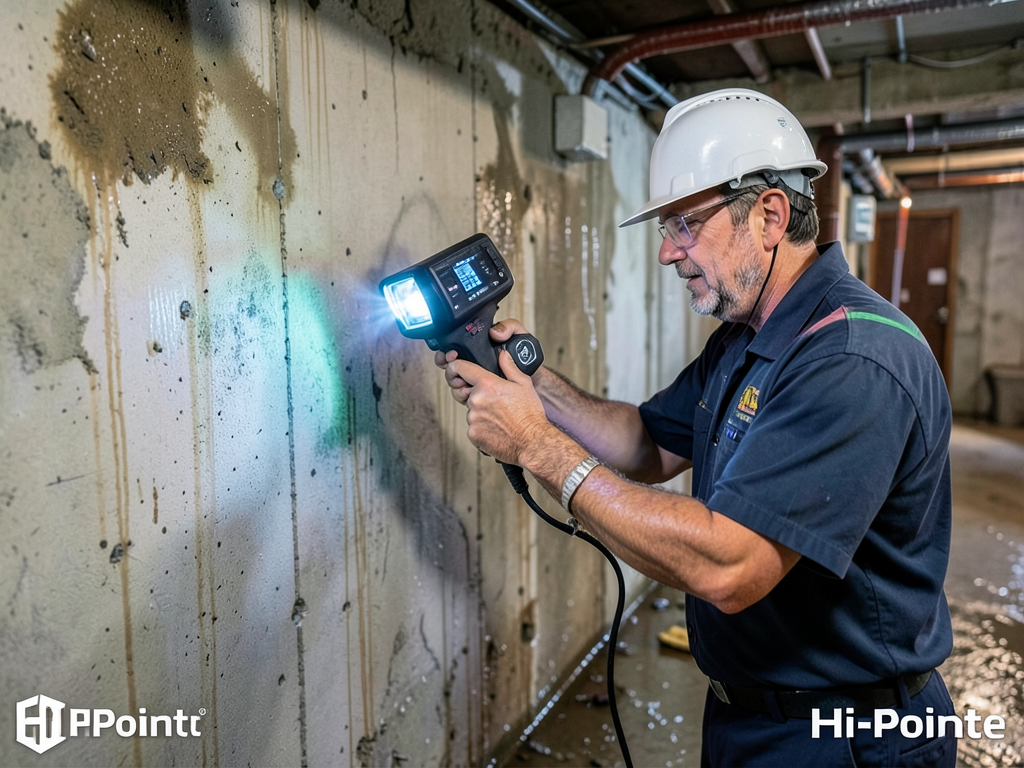
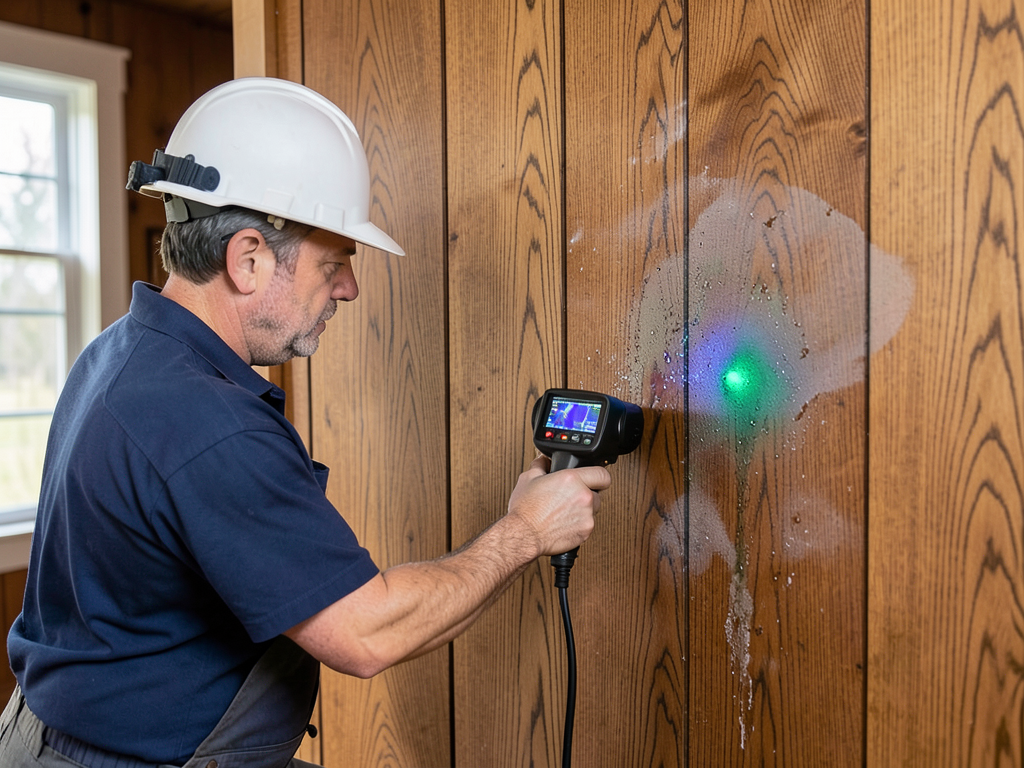
First, we deploy thermal imaging cameras. Water changes the temperature of building materials. Wet drywall reads cooler than dry drywall because of evaporative cooling. Wet insulation shows up as dark blue on a thermal scan. We scan walls, ceilings, and floors in a grid pattern to map temperature anomalies. This tells us where to investigate further.

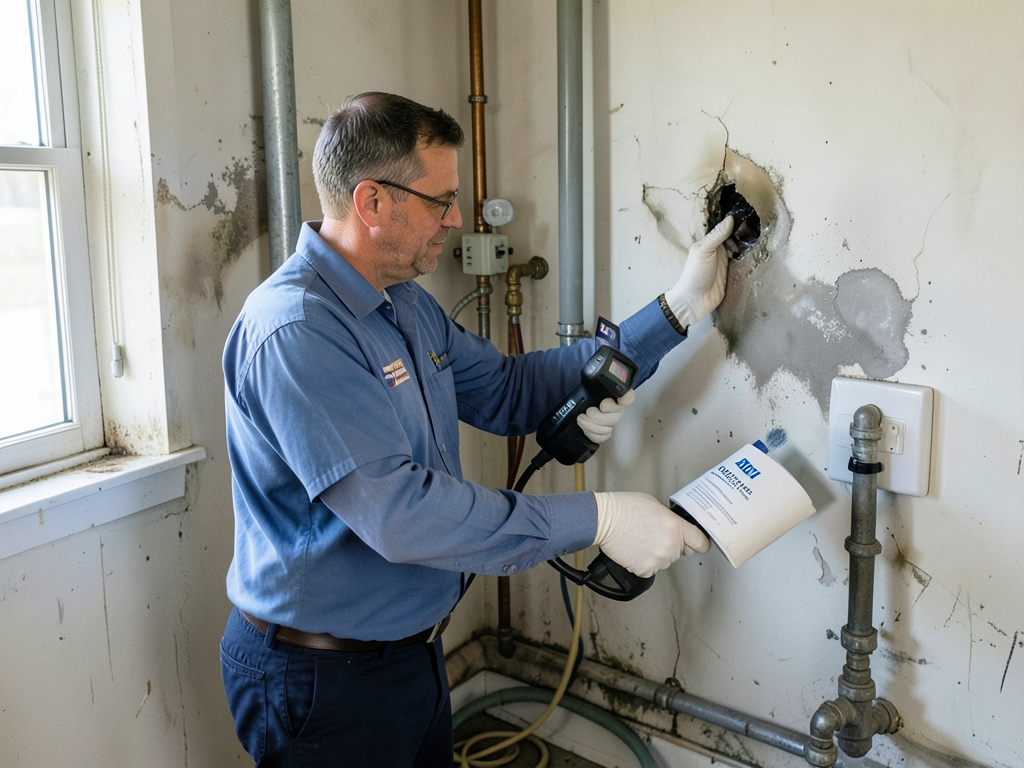
Second, we use moisture meters. Pin-type meters penetrate surfaces to measure electrical resistance, which changes when materials contain water. We use these on wood framing, subflooring, and any structural lumber. Non-invasive meters use electromagnetic frequencies to scan up to three-quarters of an inch deep without damaging finishes. We use these on finished drywall, tile, and hardwood floors.

Third, we correlate the data with building forensics. We trace plumbing lines, inspect HVAC condensate drains, check roof penetrations, and examine foundation walls. We know that St. Louis homes built before 1970 often have cast iron drain lines that corrode from the inside. We know that homes in the Central West End with limestone foundations wick groundwater during spring floods. We know that ranch homes in South County often have slab leaks because of shifting clay soil.

Identifying unseen water intrusion means understanding how water moves through your specific building type. A 1920s brick Tudor in Clayton behaves differently than a 1980s frame colonial in Chesterfield. We adjust our scanning based on construction era, foundation type, and local soil conditions.

We document everything with photos, moisture readings, and thermal images. You get a written report that shows exactly where water is hiding and how severe the problem is.

What Happens During a Moisture Detection Inspection

Hidden Moisture Detection in St. Louis – Expert Diagnosis Before Damage Spreads
01

Initial Damage Assessment

We start by documenting visible damage and listening to your account of the problem. You tell us when the leak started, where you first noticed it, and what has changed. We photograph all affected areas and establish baseline conditions. This gives us the context we need to design the scanning protocol. We also identify safety hazards like electrical outlets in wet areas or compromised structural members.
02

Thermal and Moisture Scanning

We run thermal imaging across walls, ceilings, and floors in the suspected area and expand outward. Cool spots indicate moisture. We mark these locations and follow up with pin-type meters on structural members and non-invasive meters on finished surfaces. We scan adjacent rooms to track water migration. We check above and below the damage zone because water travels vertically through framing bays and horizontally along subfloors.
03

Reporting and Remediation Planning

You receive a detailed report with thermal images, moisture meter readings, and a scope of work. We explain which materials need drying, which need replacement, and what the source of the leak is. We coordinate with your insurance adjuster if needed. You get a clear plan that prioritizes stopping the water source first, extracting trapped water second, and repairing damage third. No surprises. No hidden moisture left behind.

Why St. Louis Property Owners Trust Our Detection Work

You need someone who knows how St. Louis buildings fail. Moisture problems here are not the same as moisture problems in Phoenix or Seattle. Our climate creates specific failure modes.

Basement walls crack because of bentonite clay soil that swells when wet and shrinks when dry. These cracks let groundwater seep in during spring floods, but the water does not always pool on the floor. It wicks up into rim joists and saturates sill plates. You will not see it until the wood rots.

Older homes in neighborhoods like Soulard and Lafayette Square have limestone foundations that are porous. Groundwater migrates through the stone and evaporates inside the basement, raising relative humidity to 70 percent. That level of humidity supports mold growth on organic materials. You will not see standing water, but you will smell mold.

Flat or low-slope roofs common on mid-century commercial buildings in Clayton and Richmond Heights trap water in roof membrane seams. The water migrates into the roof deck and drips into wall cavities. By the time you see a ceiling stain, the roof deck is delaminated.

Patriot Water Damage Restoration St. Louis has worked in every neighborhood in the metro. We know the construction styles. We know the common failure points. We know that Tudor-style homes in Webster Groves often have hidden leaks around decorative roof brackets. We know that ranch homes in Florissant built on slab foundations crack along HVAC chase-outs because of soil settlement.

We also work directly with insurance companies. We provide the documentation adjusters need to approve claims. Our thermal images and moisture logs meet IICRC S500 standards for water damage assessment. You get a report that holds up under scrutiny.

Local expertise matters because locating concealed dampness requires understanding building history, regional construction practices, and site-specific environmental factors. A technician who learned water damage restoration in another climate will miss the nuances.

What to Expect When You Call Us

Fast Response Times

We dispatch a technician within two hours of your call during business hours and within four hours after hours. Moisture detection is time-sensitive. The longer water sits, the deeper it penetrates. We arrive with thermal cameras, moisture meters, and inspection tools ready to scan immediately. You do not wait days for an appointment. If you call in the morning, we are on-site by early afternoon. Speed matters because hidden moisture grows mold in 48 to 72 hours.

Comprehensive Property Scanning

We scan beyond the obvious damage zone. Water migrates in unexpected directions. We check adjacent walls, the floor below, and the ceiling above. We inspect crawl spaces, attics, and mechanical rooms. We use both thermal imaging and moisture meters to cross-verify findings. You get a complete picture of where water is hiding, not just surface-level guesses. Our inspection includes a written moisture map that shows readings for every scanned area. This documentation is critical for insurance claims and remediation planning.

Detailed Damage Documentation

You receive thermal images, moisture meter logs, and photos of all affected areas. Our reports include material-specific moisture content percentages, which tell you whether a material needs drying or replacement. Drywall above 17 percent moisture content needs replacement. Wood framing above 19 percent needs drying and antimicrobial treatment. We explain this in plain language. You know exactly what needs to happen and why. The report is formatted for insurance submission and meets industry standards for documentation quality.

Follow-Up Moisture Monitoring

After we extract water or start drying equipment, we return every 24 to 48 hours to re-scan affected areas. We track moisture levels until materials reach equilibrium moisture content for St. Louis humidity levels, which is 10 to 12 percent for wood and 8 to 10 percent for drywall. We do not stop monitoring until readings are stable for 48 hours. You get a final clearance report that documents dry conditions. This protects you from future mold claims and confirms the job is complete.

Frequently Asked Questions

You Have Questions,
We Have Answers

Why does my phone say moisture detected when there is no moisture? +

Your phone detects moisture through sensor pins in the charging port. False positives happen when lint, dust, or corrosion builds up on these pins. Humidity is another culprit, especially during St. Louis summers when moisture in the air condenses inside your device. Try gently cleaning the port with a dry toothbrush or compressed air. Let your phone sit in a dry area for 30 minutes. If the warning persists after cleaning and drying, the sensor itself may be damaged and needs professional inspection.

Do moisture detectors really work? +

Professional moisture detectors work extremely well when used correctly. Pin-type meters measure electrical resistance between two probes, giving precise readings in wood and drywall. Pinless meters use electromagnetic waves to scan larger areas without surface damage. Thermal imaging cameras reveal temperature differences that indicate hidden moisture behind walls. These tools detect problems you cannot see or feel. In St. Louis homes, where basement seepage and roof leaks are common, moisture meters catch damage early before mold develops or structural wood rots.

How do I find out where my moisture is coming from? +

Start by checking obvious sources like roofs, windows, and plumbing fixtures during St. Louis rainstorms. Look for water stains, peeling paint, or musty odors. Basements and crawl spaces need inspection for groundwater seepage, especially in clay soil areas common throughout the region. A professional moisture inspection uses thermal imaging and meters to trace the exact path water travels through your structure. Water often enters one location but appears somewhere else due to gravity and building materials, making professional detection tools necessary for accurate diagnosis.

Is there a tool to detect moisture in walls? +

Pin-type moisture meters insert probes into walls to measure water content in drywall and wood framing. Pinless meters scan surfaces without creating holes. Thermal imaging cameras are the most effective tool for detecting moisture patterns behind finished walls without any damage. These cameras show temperature variations where wet materials hold different heat signatures than dry ones. Professional restoration companies in St. Louis use all three tools together to map hidden moisture from roof leaks, plumbing failures, or foundation seepage before tearing into walls.

Why St. Louis Humidity Makes Hidden Moisture Detection Critical

St. Louis averages 80 percent relative humidity in summer mornings. This ambient moisture slows evaporation from wet building materials. A leak that would dry out in three days in Denver takes seven days here. That extra time allows mold spores to germinate and hyphae to colonize porous materials. The city's location at the confluence of two major rivers creates persistent high humidity even during dry spells. Basements in areas like Bevo Mill and The Hill stay damp year-round because groundwater tables sit high. Identifying unseen water intrusion in this climate requires understanding that materials stay wet longer and mold grows faster than in arid regions.

St. Louis building codes require water damage restoration contractors to follow IICRC S500 standards for moisture detection and drying. Patriot Water Damage Restoration St. Louis holds certifications in applied structural drying and uses calibrated equipment that meets manufacturer specifications. We understand local construction methods because we work here every day. We know that homes in Kirkwood often have stone foundations that require different moisture assessment than poured concrete. We know that commercial buildings downtown have steel framing that does not absorb water but channels it to unexpected locations. Local expertise means faster diagnosis and accurate remediation scopes.
Water Damage Restoration Services in The St. Louis Area

We are proud to be the trusted local choice for water damage restoration across the greater St. Louis region. This map highlights our primary service zone, demonstrating our commitment to rapid, localized response across every neighborhood and business district within the area. We invite all users to view our service area and then contact us directly for immediate deployment to your specific address within the St. Louis community.

Address:
Patriot Water Damage Restoration St. Louis, 710 N Tucker Blvd, St. Louis, MO, 63101

Additional Services We Offer

Our news updates

Latest Articles & News from The Blogs

What to Do When a Fire Sprinkler Accidentally Floods Your Creve Coeur Office Building A fire sprinkler discharge in your…

What to Do When a Fire Sprinkler Accidentally Floods Your Creve Coeur Office Building

What to Do When a Fire Sprinkler Accidentally Floods Your Creve Coeur Office Building A fire sprinkler discharge in your…

Saving Your Custom Wine Cellar from Basement Seepage in Frontenac

Saving Your Custom Wine Cellar from Basement Seepage in Frontenac Frontenac’s luxury homes feature custom wine cellars that can be…

Dealing with HOA Rules and Shared Wall Leaks in Your Clayton High-Rise Condo

Who Pays for Water Damage in Your Clayton High-Rise Condo? Here's What Missouri Law Says When water starts seeping through…

Contact Us

Call Patriot Water Damage Restoration St. Louis at (314) 428-9977 for same-day moisture detection. We scan your property with thermal imaging and moisture meters, document all hidden water, and give you a clear remediation plan. Do not wait for mold to grow.