


St. Louis sits at the confluence of the Mississippi and Missouri Rivers, creating high humidity and flood risk throughout the metro area. The region experiences intense spring storms that overwhelm drainage systems, freeze-thaw cycles that burst pipes in older homes, and clay soil that channels water toward foundations. Neighborhoods near River Des Peres and in the Meramec River floodplain face recurring flooding during heavy rainfall. Historic homes in Shaw and Soulard have stone foundations that wick moisture, while newer construction in West County deals with basement seepage from poor grading. The city's aging infrastructure means sewer backups during storms, especially in areas with combined storm and sanitary systems. Summer humidity above 70% creates ideal conditions for mold growth within 48 hours of water intrusion. Properties near Forest Park and Tower Grove Park experience high water tables that pressure foundation walls. These geographic and climatic factors make rapid water removal and thorough drying essential for St. Louis property owners.
Patriot Water Damage Restoration St. Louis operates 24/7 because water damage doesn't wait for business hours. We dispatch crews within 60 minutes across the metro area, arriving with truck-mounted extraction equipment and industrial dehumidifiers. Our technicians hold IICRC certifications in water damage restoration and applied structural drying, meaning they understand moisture migration through different building materials and know where hidden water accumulates. We've restored properties in every St. Louis neighborhood, from historic brick homes in Lafayette Square to modern construction in Chesterfield. Our thermal imaging cameras detect moisture behind walls and under flooring that visual inspection misses. We document everything with detailed photo records and moisture readings for insurance claims. Most insurance companies recognize our credentials and estimates, streamlining the claims process for property owners. We coordinate directly with adjusters to minimize your involvement and reduce claim denials. Our equipment inventory means we never delay projects waiting for gear. We maintain negative air pressure in affected areas to prevent cross-contamination to unaffected spaces. Every project follows strict protocols for containment, extraction, drying, and verification. We test final moisture levels with calibrated meters and provide certification that your property meets industry drying standards. This prevents future mold growth and structural deterioration. Property owners choose us because we handle the emergency, manage the paperwork, and restore their space completely.

We dispatch crews within one hour across St. Louis County and the city. Faster response means less water migration, less structural damage, and lower restoration costs. Our trucks carry extraction equipment, air movers, and dehumidifiers so we start drying immediately upon arrival. Every minute counts when water spreads through your property.

Our restoration technicians hold certifications from the Institute of Inspection Cleaning and Restoration Certification. They understand psychrometry, moisture dynamics, and proper drying procedures for different building materials. This expertise prevents secondary damage and ensures complete restoration. Insurance companies trust IICRC-certified professionals to perform work correctly.
We work directly with your insurance adjuster to document damage, provide estimates, and streamline your claim. Our detailed reporting includes moisture readings, equipment logs, and photo documentation that adjusters need. This reduces claim denials and speeds up approval. You focus on your property while we handle the paperwork.
We handle every phase from emergency water removal through final reconstruction. One company manages extraction, drying, mold remediation, and repairs. This eliminates coordination headaches between multiple contractors. Your property gets restored faster with consistent quality control throughout the process. We see projects through to completion.
Water damage requires different responses depending on the source, contamination level, and affected materials. Patriot Water Damage Restoration St. Louis provides complete water damage mitigation and restoration services for residential and commercial properties throughout the metro area. Our emergency water removal services stop active flooding and extract standing water before it spreads. We handle clean water from supply line breaks, contaminated water from appliance failures, and category 3 water from sewer backups and floods. Our structural drying services use industrial dehumidifiers, air movers, and specialized equipment to remove moisture from walls, floors, and building cavities. We monitor moisture levels daily until materials reach acceptable dryness standards. Our mold remediation services address fungal growth that develops after water intrusion, using containment protocols and HEPA filtration to prevent spore spread. We remove contaminated materials, treat affected surfaces, and verify clearance. Our reconstruction services rebuild what water destroyed, from replacing drywall and flooring to complete room renovations. This comprehensive approach means one company manages your entire restoration from emergency response through final repairs.
Our 24/7 emergency response teams stop active water intrusion and extract standing water using truck-mounted pumps and portable extractors. We respond to burst pipes, flooded basements, appliance failures, storm damage, and sewer backups. Our technicians arrive within 60 minutes with commercial extraction equipment that removes hundreds of gallons per hour. We relocate furniture, remove wet materials, and begin the drying process immediately to minimize damage and prevent mold growth.
Water hides in wall cavities, under flooring, and within structural materials. We use thermal imaging cameras to detect hidden moisture, then deploy industrial dehumidifiers and high-velocity air movers to dry affected areas. Our technicians monitor moisture levels daily with calibrated meters, adjusting equipment placement for optimal drying. We maintain detailed moisture logs and continue the process until materials reach industry-standard dryness levels, preventing future mold growth and structural problems.
Mold develops within 48 hours of water exposure in St. Louis humidity. Our certified mold remediation specialists establish containment barriers, use HEPA air scrubbers to capture airborne spores, and remove contaminated materials following EPA protocols. We treat affected surfaces with antimicrobial solutions, verify moisture sources are eliminated, and conduct post-remediation verification to ensure complete clearance. Our approach addresses both visible growth and hidden colonies behind walls and under floors.
St. Louis property owners face water damage from multiple sources throughout the year. Spring storms overwhelm drainage systems and cause basement flooding, especially in low-lying areas near creeks and rivers. Winter freeze-thaw cycles burst pipes in older homes with inadequate insulation. Summer humidity accelerates mold growth in properties with poor ventilation or previous water intrusion. The region's clay soil expands when wet, pressuring foundation walls and creating cracks that admit water. Aging infrastructure means sewer backups during heavy rainfall, particularly in neighborhoods with combined storm and sanitary systems. Appliance failures from water heaters, washing machines, and dishwashers cause sudden flooding that spreads quickly through homes. These problems require immediate response to minimize damage and prevent secondary issues like mold growth and structural deterioration.
St. Louis receives intense spring storms that dump several inches of rain quickly. Overwhelmed drainage systems and high water tables push water through foundation cracks and window wells. Sump pumps fail during power outages, allowing basements to flood. We extract water immediately, dry structural elements, and help prevent future flooding through proper drainage solutions.
Winter temperatures in St. Louis fluctuate between freezing and thawing, causing pipes to expand and contract. Older homes with poor insulation experience burst pipes in exterior walls, crawl spaces, and attics. A single burst pipe releases hundreds of gallons before discovery. We respond immediately to stop water flow, extract standing water, and dry affected areas before mold develops.
Combined sewer systems in older St. Louis neighborhoods overflow during heavy rainfall, pushing sewage into basements through floor drains and toilets. This category 3 water contains dangerous contaminants requiring specialized cleanup procedures. We extract contaminated water, remove affected materials, disinfect surfaces, and restore your property following strict safety protocols to protect your health.
Historic St. Louis homes have stone foundations, plaster walls, and old plumbing that hide water damage. Moisture wicks through porous materials and accumulates in wall cavities. We use thermal imaging and moisture meters to detect hidden water, then apply targeted drying to affected areas. This prevents mold growth and structural deterioration in irreplaceable historic materials.
When water damages your St. Louis property, you need clear information about what happens next. Patriot Water Damage Restoration St. Louis follows proven protocols that minimize damage, reduce costs, and restore your property completely. Our process starts with immediate dispatch and continues through final verification that your property meets industry drying standards. We communicate clearly at every phase, explaining what we're doing and why it matters. You receive detailed documentation for insurance claims, including moisture readings, equipment logs, and photo records. Our project managers stay in contact throughout the restoration, answering questions and coordinating with your insurance adjuster. We work efficiently to minimize disruption to your home or business while ensuring thorough restoration.
We dispatch crews within 60 minutes of your call, arriving with extraction equipment and assessment tools. Our technicians inspect the damage, identify the water source, classify the contamination level, and determine affected materials. We use thermal imaging cameras and moisture meters to detect hidden water. You receive a clear explanation of the damage scope and recommended restoration approach. We stop active water intrusion, extract standing water, and begin emergency mitigation immediately.
Proper drying takes time. We place industrial dehumidifiers and air movers strategically throughout affected areas, creating optimal conditions for moisture evaporation. Our technicians visit daily to record moisture readings, adjust equipment placement, and monitor drying progress. We maintain detailed logs showing moisture reduction over time. This documentation proves to insurance companies that we followed proper procedures. Drying continues until all materials reach acceptable moisture levels verified by calibrated meters.
After structural drying is complete, we rebuild damaged areas using quality materials and skilled craftsmen. We replace drywall, install new flooring, repaint surfaces, and restore your property to pre-loss condition. Our final inspection verifies that all moisture is eliminated and all repairs meet building codes. You receive certification documents showing final moisture readings and confirmation that your property meets industry standards. This protects you from future mold problems and structural issues.
Water damage restoration follows specific phases that build on each other. This structured approach ensures thorough restoration while minimizing costs and disruption to your St. Louis property.
Our crews arrive with truck-mounted extraction units and portable pumps that remove standing water quickly. We extract water from carpets, pad, and hard surfaces using powerful vacuum systems. Technicians relocate furniture to dry areas and remove wet contents that could spread moisture. We extract water from wall cavities using specialized tools. This immediate extraction prevents water from spreading to unaffected areas and reduces drying time significantly.
After extraction, absorbed moisture remains in building materials. We deploy industrial dehumidifiers that remove humidity from the air and high-velocity air movers that promote evaporation from wet surfaces. Our technicians monitor moisture levels daily in floors, walls, and ceilings using penetrating and non-invasive meters. We adjust equipment placement based on readings and maintain optimal temperature and humidity for efficient drying. This phase continues until materials reach proper moisture content.
Once drying is verified complete, we rebuild damaged areas. This includes replacing drywall, installing flooring, repainting walls, and restoring trim work. Our licensed contractors handle plumbing repairs, electrical work, and structural modifications when needed. We match existing materials and finishes so repairs blend seamlessly. Final walkthrough confirms all work meets your expectations and building codes. You receive documentation certifying your property is fully restored and properly dried.
Professional water damage restoration follows standards established by the Institute of Inspection Cleaning and Restoration Certification. These protocols classify water by contamination level and building materials by evaporation rate, creating a scientific framework for proper restoration. Category 1 water comes from clean sources like supply lines and poses no immediate health risk. Category 2 water contains contaminants from appliances or clean toilet overflow and requires antimicrobial treatment. Category 3 water includes sewage, flooding, and any water contacting contaminated surfaces. It requires extensive safety protocols and material removal. Building materials are classified by drying difficulty. Class 1 affects materials with low absorption rates. Class 2 involves significant moisture absorption in walls and flooring. Class 3 includes ceiling, wall, and floor saturation. Class 4 requires specialty drying for materials like hardwood and plaster. St. Louis properties often involve Class 3 or 4 restoration due to the region's humidity and construction types. Proper restoration requires measuring moisture content using moisture meters calibrated to specific materials. Drying goals follow industry standards, with wood framing dried to 15% moisture content or less, concrete to 4% or less, and drywall to 1% or less. These measurements prevent mold growth and structural problems. Insurance companies recognize IICRC standards as the benchmark for proper restoration work. Documentation proving adherence to these standards supports claims and prevents disputes about the scope of necessary work.
Water source determines cleanup protocols and safety requirements. Category 1 clean water requires extraction and drying. Category 2 gray water needs antimicrobial treatment of affected surfaces. Category 3 black water requires removal of porous materials, disinfection, and strict containment. St. Louis sewer backups and flooding create Category 3 situations demanding specialized handling to protect occupant health.
Restoration costs depend on water category, affected area size, material types, and required reconstruction. Faster response reduces costs by limiting damage spread. Delays increase mold risk and secondary damage, expanding the scope of necessary work. Insurance typically covers sudden water damage like burst pipes but may exclude gradual damage from neglected maintenance. Documentation of proper drying procedures protects your claim.
Structural drying typically takes three to five days for standard construction in normal conditions. St. Louis humidity extends drying time. Historic homes with plaster walls and dense materials require longer drying periods. Hardwood flooring needs slow, controlled drying to prevent cupping and cracking. We monitor moisture daily and adjust equipment as needed. Complete drying verified by meter readings prevents future problems.
IICRC certification means technicians completed formal training in water damage restoration principles, psychrometry, and proper drying procedures. Certified professionals understand moisture dynamics, equipment operation, and documentation requirements. Insurance companies prefer IICRC-certified contractors because they follow recognized industry standards. This reduces claim disputes and ensures proper restoration that prevents secondary damage and mold growth in St. Louis properties.
This video explains professional water damage restoration procedures for St. Louis properties. Topics include emergency water extraction methods, structural drying protocols, moisture detection technology, IICRC water damage classification standards, and restoration timelines. Viewers learn what equipment certified technicians use, how to prevent mold growth after water intrusion, and what documentation insurance companies require. The video covers water damage from burst pipes, flooding, sewage backups, and appliance failures specific to St. Louis climate conditions.
Patriot Water Damage Restoration St. Louis serves the entire metro area with rapid response teams stationed for quick access to every neighborhood. We respond to water damage emergencies throughout the city and county, understanding that each area presents unique challenges. Historic neighborhoods like Soulard and Lafayette Square have older homes with stone foundations and plaster walls that require specialized drying techniques. The Central West End and Shaw feature brick construction that wicks moisture, demanding careful monitoring to prevent efflorescence and structural damage. South City properties near River Des Peres face recurring flood risk during spring storms, requiring rapid response and thorough extraction. West County communities including Chesterfield, Wildwood, and Ballwin have modern construction with finished basements vulnerable to sump pump failures and appliance leaks. North County areas near the Missouri River floodplain experience groundwater seepage and foundation pressure from clay soil expansion. Downtown St. Louis commercial properties require after-hours service to minimize business disruption. Clayton and University City properties mix historic and modern construction, each requiring different restoration approaches. We maintain equipment and crews ready to dispatch to any location within 60 minutes. Our technicians know the area's geography, construction types, and common water damage sources. We've restored properties along Kingshighway, near Forest Park, in the Delmar Loop, and throughout Dogtown. Properties near Interstate 44, Interstate 64, and Interstate 70 benefit from our quick highway access for rapid response. Whether you're in Maplewood, Richmond Heights, Webster Groves, or anywhere in the greater St. Louis region, we provide the same fast, professional water damage restoration backed by IICRC standards and proven protocols.
Yes. Water damage restoration prevents far worse problems down the line. St. Louis homes face high humidity and freeze-thaw cycles that accelerate structural decay. Unaddressed water damage leads to mold growth within 24 to 48 hours, wood rot, foundation issues, and compromised electrical systems. The cost of restoration is a fraction of what you'll pay for mold remediation, structural repairs, or medical bills from mold exposure. Your home is your biggest investment. Protecting it from moisture intrusion preserves property value and keeps your family safe from health hazards.
Water damage remediation in St. Louis typically ranges from a few hundred dollars for minor leaks to several thousand for extensive flooding. The final cost depends on water category (clean, gray, or black), affected square footage, materials damaged, and extraction complexity. Hardwood floor drying costs less than basement flooding with sewage contamination. Most local restoration companies offer free inspections and work directly with your insurance carrier to minimize out-of-pocket expenses. Get three written estimates. Ask about equipment used, drying timelines, and what's included in the scope of work.
Stop the water source if safe to do so. Shut off your main water valve or call a plumber for burst pipes. Turn off electricity to affected areas to prevent electrocution. Move valuables and furniture to dry ground. Document everything with photos and video for insurance claims. Call a local St. Louis water damage restoration company within the first hour. Time is critical. The longer water sits, the more damage occurs to drywall, flooring, and framing. Do not use household vacuums on standing water. You risk equipment damage and electrical shock.
Yes. Water damage restoration prevents far worse problems down the line. St. Louis homes face high humidity and freeze-thaw cycles that accelerate structural decay. Unaddressed water damage leads to mold growth within 24 to 48 hours, wood rot, foundation issues, and compromised electrical systems. The cost of restoration is a fraction of what you'll pay for mold remediation, structural repairs, or medical bills from mold exposure. Your home is your biggest investment. Protecting it from moisture intrusion preserves property value and keeps your family safe from health hazards.
Water damage remediation in St. Louis typically ranges from a few hundred dollars for minor leaks to several thousand for extensive flooding. The final cost depends on water category (clean, gray, or black), affected square footage, materials damaged, and extraction complexity. Hardwood floor drying costs less than basement flooding with sewage contamination. Most local restoration companies offer free inspections and work directly with your insurance carrier to minimize out-of-pocket expenses. Get three written estimates. Ask about equipment used, drying timelines, and what's included in the scope of work.
Stop the water source if safe to do so. Shut off your main water valve or call a plumber for burst pipes. Turn off electricity to affected areas to prevent electrocution. Move valuables and furniture to dry ground. Document everything with photos and video for insurance claims. Call a local St. Louis water damage restoration company within the first hour. Time is critical. The longer water sits, the more damage occurs to drywall, flooring, and framing. Do not use household vacuums on standing water. You risk equipment damage and electrical shock.
Servpro and other national franchises may offer financing options through third-party lenders, but terms vary by location. Your best option is to file an insurance claim immediately. Most St. Louis homeowners insurance policies cover sudden and accidental water damage like burst pipes or appliance failures. Your restoration company should work directly with your insurance adjuster to streamline the claims process. Ask your chosen contractor about payment plans or financing before work begins. Many local companies offer flexible payment options and will wait for insurance reimbursement before demanding full payment.
Yes, if the damage is sudden and accidental. St. Louis homeowners insurance typically covers burst pipes, appliance malfunctions, roof leaks from storm damage, and accidental overflow. Insurance does not cover gradual damage from neglect, poor maintenance, or flooding from rising water (you need separate flood insurance). File your claim immediately. Document all damage with photos. Your restoration contractor should provide a detailed estimate and work directly with your adjuster. Review your policy to understand your deductible and coverage limits. Most water restoration companies in the St. Louis area are experienced with insurance claims.
Mold begins growing within 24 to 48 hours in St. Louis's humid climate. Once moisture saturates drywall, insulation, or wood framing, mold spores activate and colonize quickly. You may not see visible mold immediately, but it spreads behind walls and under flooring. By day three, mold becomes a serious remediation issue requiring professional treatment. This is why emergency water extraction and dehumidification are critical in the first 24 hours. The faster you dry out affected areas, the less likely you'll face mold contamination and the health risks that come with it.
Yes, if the cause fits your policy's covered perils. Standard St. Louis homeowners insurance pays for sudden water damage from burst pipes, water heater failures, roof leaks from wind or hail, and HVAC malfunctions. Flood damage from rising water requires separate flood insurance through FEMA or private carriers. Gradual leaks, foundation seepage, and maintenance-related issues are excluded. Your claim's success depends on documentation and proof of sudden occurrence. Work with a local restoration company experienced in insurance claims. They'll provide detailed reports and moisture readings your adjuster needs to approve the claim.
Filing a water damage claim may raise your premiums by 10 to 20 percent, depending on your carrier and claims history. Some insurers offer claim-free discounts that you'll lose after filing. The premium increase varies based on claim severity, your deductible, and whether this is your first claim. In St. Louis, where water damage from storms and freeze events is common, carriers expect occasional claims. Weigh the repair cost against your deductible and potential rate hike. For minor damage under your deductible, paying out of pocket may prevent future rate increases.
Water damage restoration requires specialized equipment, labor-intensive extraction, and precise drying protocols. You're paying for industrial dehumidifiers, air movers, moisture meters, thermal imaging, and antimicrobial treatments. Technicians must monitor moisture levels daily to prevent mold growth. Labor costs add up when crews work around the clock to dry your St. Louis home before mold sets in. Hidden damage behind walls and under flooring often expands the scope. Category 3 black water (sewage) requires hazmat protocols and disposal. The expense reflects the expertise needed to restore your home safely and prevent long-term structural damage.
Do not wait. Delaying restoration guarantees mold growth and structural damage in St. Louis's humid environment. Do not use household fans or vacuums on standing water. You risk electrical shock and equipment failure. Do not remove wet drywall or insulation yourself without proper safety gear. Hidden mold and contaminated water pose health risks. Do not assume small leaks are harmless. Water migrates behind walls and under flooring. Do not skip documentation. Take photos and video before any cleanup for insurance claims. Do not hire uninsured contractors. Verify licensing, insurance, and local references before signing contracts.
Servpro and other national franchises may offer financing options through third-party lenders, but terms vary by location. Your best option is to file an insurance claim immediately. Most St. Louis homeowners insurance policies cover sudden and accidental water damage like burst pipes or appliance failures. Your restoration company should work directly with your insurance adjuster to streamline the claims process. Ask your chosen contractor about payment plans or financing before work begins. Many local companies offer flexible payment options and will wait for insurance reimbursement before demanding full payment.
Yes, if the damage is sudden and accidental. St. Louis homeowners insurance typically covers burst pipes, appliance malfunctions, roof leaks from storm damage, and accidental overflow. Insurance does not cover gradual damage from neglect, poor maintenance, or flooding from rising water (you need separate flood insurance). File your claim immediately. Document all damage with photos. Your restoration contractor should provide a detailed estimate and work directly with your adjuster. Review your policy to understand your deductible and coverage limits. Most water restoration companies in the St. Louis area are experienced with insurance claims.
Mold begins growing within 24 to 48 hours in St. Louis's humid climate. Once moisture saturates drywall, insulation, or wood framing, mold spores activate and colonize quickly. You may not see visible mold immediately, but it spreads behind walls and under flooring. By day three, mold becomes a serious remediation issue requiring professional treatment. This is why emergency water extraction and dehumidification are critical in the first 24 hours. The faster you dry out affected areas, the less likely you'll face mold contamination and the health risks that come with it.
Yes, if the cause fits your policy's covered perils. Standard St. Louis homeowners insurance pays for sudden water damage from burst pipes, water heater failures, roof leaks from wind or hail, and HVAC malfunctions. Flood damage from rising water requires separate flood insurance through FEMA or private carriers. Gradual leaks, foundation seepage, and maintenance-related issues are excluded. Your claim's success depends on documentation and proof of sudden occurrence. Work with a local restoration company experienced in insurance claims. They'll provide detailed reports and moisture readings your adjuster needs to approve the claim.
Filing a water damage claim may raise your premiums by 10 to 20 percent, depending on your carrier and claims history. Some insurers offer claim-free discounts that you'll lose after filing. The premium increase varies based on claim severity, your deductible, and whether this is your first claim. In St. Louis, where water damage from storms and freeze events is common, carriers expect occasional claims. Weigh the repair cost against your deductible and potential rate hike. For minor damage under your deductible, paying out of pocket may prevent future rate increases.
Water damage restoration requires specialized equipment, labor-intensive extraction, and precise drying protocols. You're paying for industrial dehumidifiers, air movers, moisture meters, thermal imaging, and antimicrobial treatments. Technicians must monitor moisture levels daily to prevent mold growth. Labor costs add up when crews work around the clock to dry your St. Louis home before mold sets in. Hidden damage behind walls and under flooring often expands the scope. Category 3 black water (sewage) requires hazmat protocols and disposal. The expense reflects the expertise needed to restore your home safely and prevent long-term structural damage.
Do not wait. Delaying restoration guarantees mold growth and structural damage in St. Louis's humid environment. Do not use household fans or vacuums on standing water. You risk electrical shock and equipment failure. Do not remove wet drywall or insulation yourself without proper safety gear. Hidden mold and contaminated water pose health risks. Do not assume small leaks are harmless. Water migrates behind walls and under flooring. Do not skip documentation. Take photos and video before any cleanup for insurance claims. Do not hire uninsured contractors. Verify licensing, insurance, and local references before signing contracts.
We are proud to be the trusted local choice for water damage restoration across the greater St. Louis region. This map highlights our primary service zone, demonstrating our commitment to rapid, localized response across every neighborhood and business district within the area. We invite all users to view our service area and then contact us directly for immediate deployment to your specific address within the St. Louis community.
Address:
St. Louis, MO, 63103

Why High Humidity in Your Tower Grove East Attic Can Lead to Structural Wood Rot Attic wood rot starts with moisture. In Tower Grove East, the combination of old homes and St. Louis's humid summers…
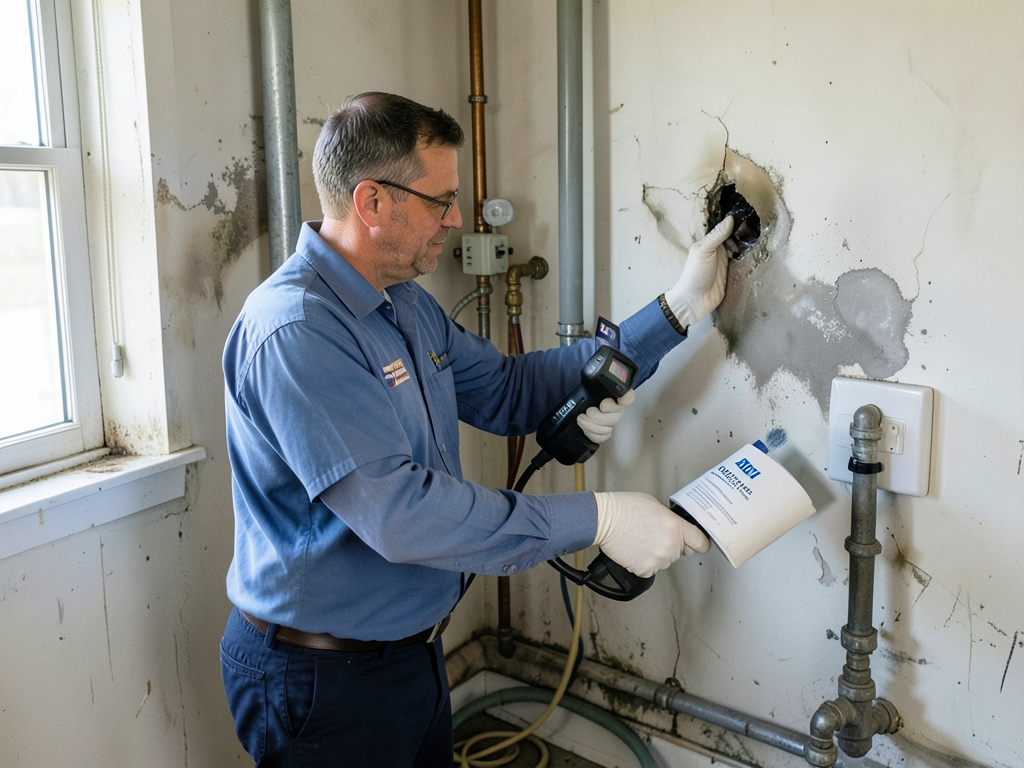
What to Do When Your Water Softener Leaks and Floods Your Affton Utility Room A…
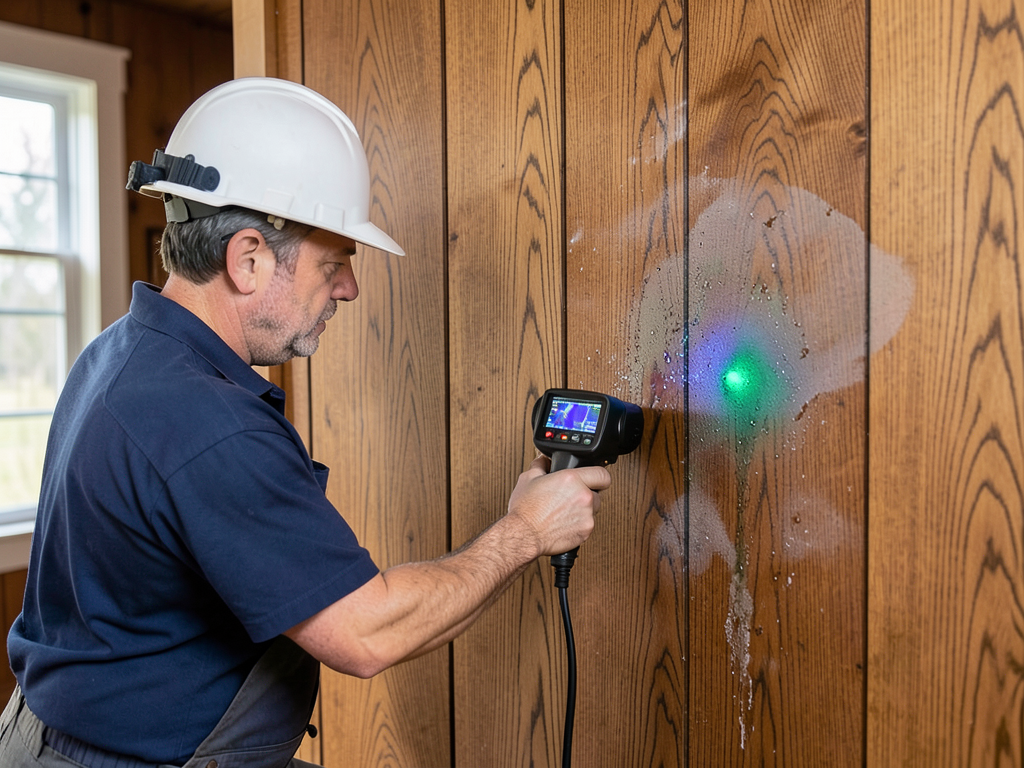
Restoring a Water Damaged Mid-Century Modern Home in Warson Woods Water damage in a mid-century…
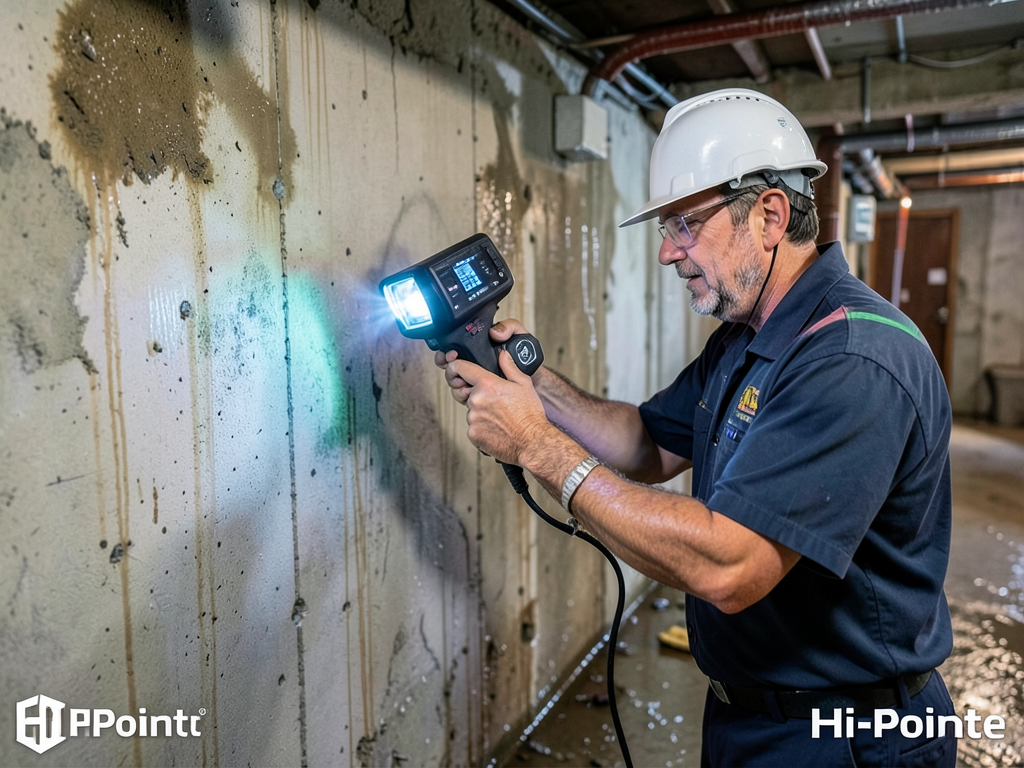
Why Your Walk-Out Basement in Hi-Pointe is Vulnerable to Heavy Rain Runoff Your walk-out basement…
Water spreads every minute. Call Patriot Water Damage Restoration St. Louis now at (314) 428-9977 for immediate dispatch. Our crews respond 24/7 with industrial extraction equipment and start drying your property within the hour. Stop the damage before it gets worse.