menu

Water Heater Burst Cleanup in St. Louis – 24/7 Emergency Response and Immediate Water Extraction

When your water heater ruptures, every minute counts. Patriot Water Damage Restoration St. Louis deploys certified technicians to your property within 60 minutes to stop the flooding, extract standing water, and prevent permanent structural damage.

Slider Image 1
Slider Image 2
Slider Image 3
Slider Image 4
Slider Image 5
Slider Image 7
Slider Image 8
Slider Image 9
Slider Image 10
Slider Image 11

Why Water Heater Failures Cause Catastrophic Damage in St. Louis Homes

A burst water heater releases 40 to 80 gallons of water in minutes. In St. Louis, where many homes sit on expansive clay soil, that volume penetrates floor joists, subflooring, and foundation slabs fast. The humidity here compounds the problem. Water does not evaporate quickly in our climate. It soaks into drywall, insulation, and wood framing, where microbial growth starts within 24 to 48 hours.

Most water heaters in St. Louis are located in basements or utility closets. When a tank ruptures, the water spreads horizontally across finished basements, saturating carpet, padding, and baseboards. Older homes in neighborhoods like Soulard and Tower Grove have brick foundations with minimal waterproofing. Water seeps through mortar joints and pooling against foundation walls creates hydrostatic pressure that worsens existing cracks.

The freeze-thaw cycles we experience every winter weaken tank integrity over time. Sediment buildup from our hard water supply accelerates corrosion. When the tank finally fails, the result is not a slow leak. It is a full rupture that floods your space before you realize what happened.

Immediate burst water heater extraction is not optional. Delayed response turns a plumbing failure into a structural catastrophe. Standing water warps hardwood, delaminates engineered flooring, and saturates insulation inside walls. Emergency water heater water removal stops the spread and gives you a chance to salvage your property.

Why Water Heater Failures Cause Catastrophic Damage in St. Louis Homes
How We Execute Burst Hot Water Tank Cleanup and Water Heater Flood Damage Restoration

How We Execute Burst Hot Water Tank Cleanup and Water Heater Flood Damage Restoration

Patriot Water Damage Restoration St. Louis arrives with truck-mounted extraction units and portable submersible pumps. We do not wait for your plumber to shut off the water supply. Our first action is to locate the main shutoff valve and stop the source. If the valve is corroded or inaccessible, we use emergency shutoff tools to clamp the supply line.

We deploy high-capacity extractors that remove standing water at a rate of 50 gallons per minute. Truck-mounted units create negative pressure that pulls water from carpet, padding, and porous subflooring. For basement floods, we use submersible pumps to clear pooling water before it migrates into crawl spaces or seeps through foundation cracks.

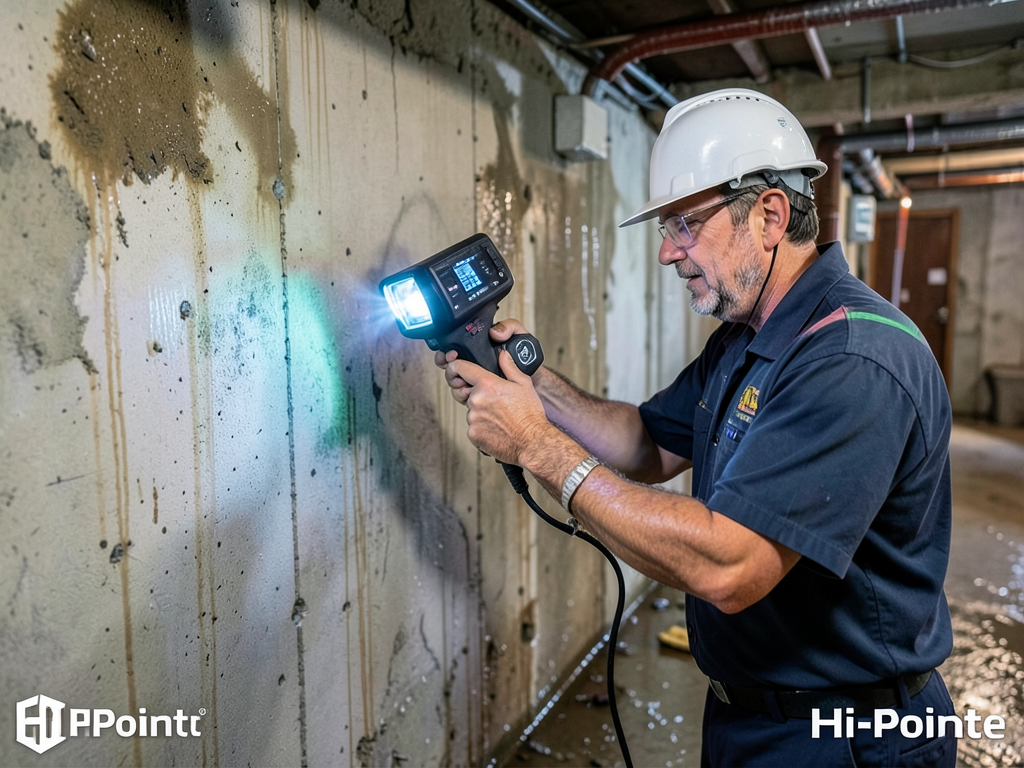
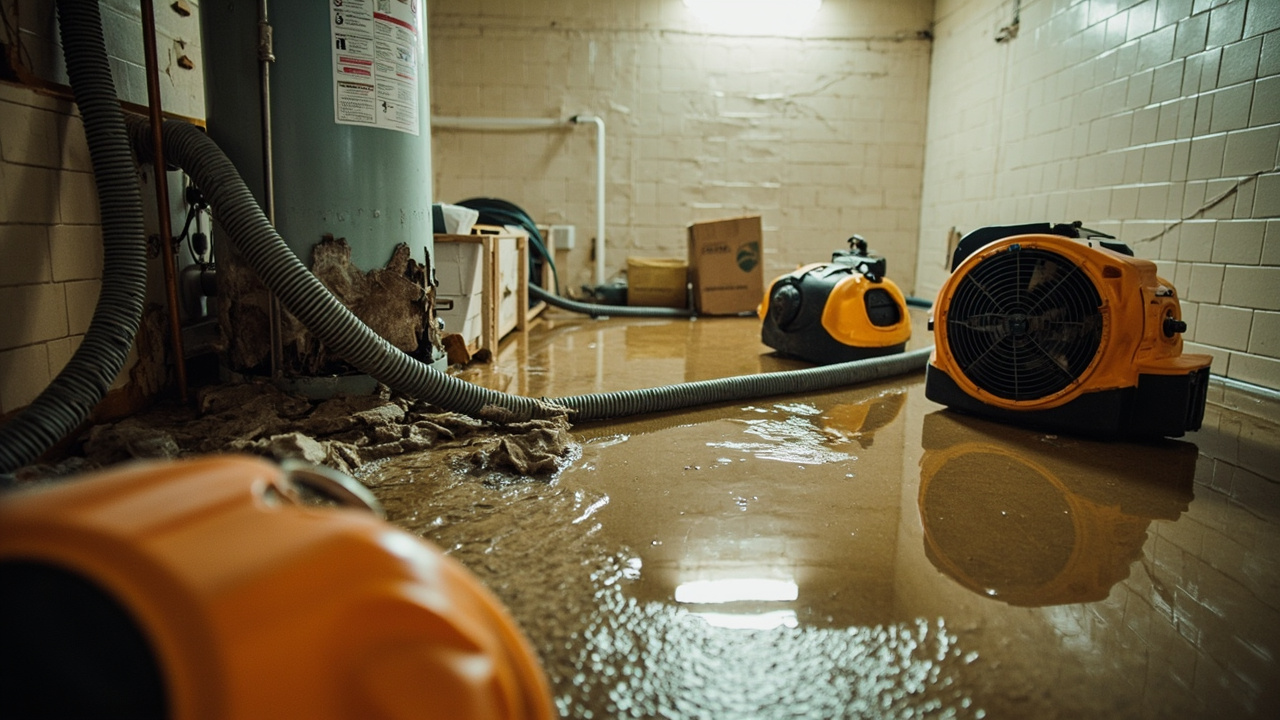
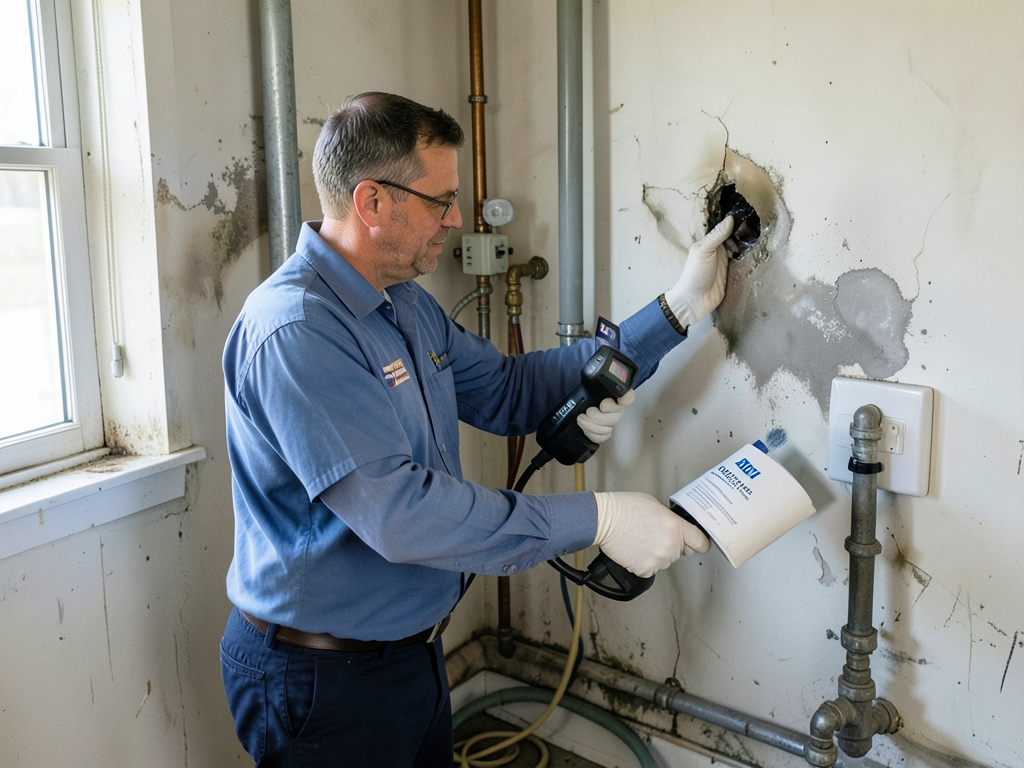
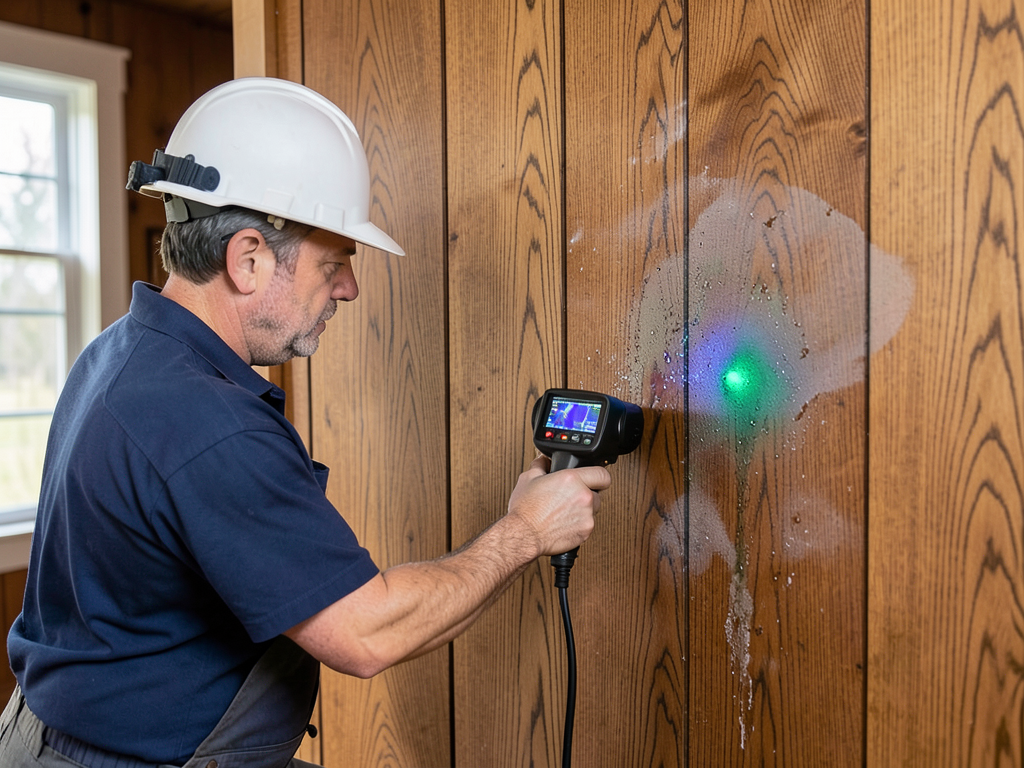
After extraction, we measure moisture content using penetrating pin meters and non-invasive infrared cameras. These tools map hidden moisture pockets inside walls, under flooring, and within ceiling cavities. We document baseline readings before placing air movers and commercial dehumidifiers. Air movers create rapid evaporation by circulating air across wet surfaces. Dehumidifiers pull moisture from the air and discharge it outside or into floor drains.

We monitor drying progress every 24 hours using psychrometric calculations. This data tells us when materials have returned to normal moisture equilibrium. If moisture persists inside wall cavities, we remove baseboards and drill weep holes to allow airflow into the stud bays. For severe water heater flood damage restoration, we perform controlled demolition to remove compromised drywall and insulation.

Ruptured water heater cleanup services include antimicrobial treatment. We apply EPA-registered disinfectants to all affected surfaces to inhibit microbial colonization. This step is non-negotiable in St. Louis, where humidity creates ideal conditions for mold amplification.

What Happens When You Call for Emergency Water Heater Burst Response

Water Heater Burst Cleanup in St. Louis – 24/7 Emergency Response and Immediate Water Extraction
01

Dispatch and Source Control

You call (314) 428-9977 and speak directly with a dispatcher who logs your address and situation. Our nearest crew receives the alert and mobilizes within 10 minutes. We arrive with extraction equipment, moisture detection tools, and protective gear. The first technician on site locates your water supply shutoff and stops the flow. We assess the flood perimeter and identify structural risks like sagging ceilings or compromised flooring.
02

Water Extraction and Containment

We position truck-mounted extractors and begin pulling standing water from all affected areas. Submersible pumps handle deep pooling in basements or utility rooms. We move furniture and belongings to dry zones and place protective barriers to prevent water migration into unaffected rooms. Technicians document the extent of damage with photos and moisture readings. This documentation supports your insurance claim and guides our restoration protocol.
03

Drying and Final Verification

We install air movers and dehumidifiers strategically to maximize evaporation rates. Equipment runs continuously, and we return daily to check moisture levels and adjust placement. Drying takes 3 to 7 days depending on materials and saturation depth. Once moisture readings fall within acceptable ranges, we remove equipment and perform a final inspection. You receive a completion certificate with before-and-after documentation for your records and insurer.

Why St. Louis Property Owners Trust Patriot Water Damage Restoration for Ruptured Water Heater Cleanup Services

St. Louis has specific challenges that demand local expertise. Our technicians understand how water behaves in homes built on clay soil. We know which neighborhoods have older cast iron supply lines prone to secondary leaks. We know that homes near the Mississippi River floodplain often have compromised foundation drainage systems that complicate water heater burst cleanup.

We work directly with your insurance adjuster. Most St. Louis homeowners carry policies from State Farm, Allstate, or Missouri Farm Bureau. We know their claim protocols and documentation requirements. We submit estimates, photo evidence, and moisture logs that meet their standards. This eliminates back-and-forth delays and gets your claim approved faster.

Our crews are IICRC-certified in water damage restoration and applied structural drying. This is not a credential you find with general contractors or plumbers. It means our technicians follow science-based drying protocols and use calibrated equipment. We do not guess when materials are dry. We measure and verify.

We respond 24/7 because water does not wait for business hours. A burst water heater at 2 a.m. requires the same urgency as one at 2 p.m. Our dispatch center operates around the clock, and we maintain multiple crews across the greater St. Louis metro to ensure rapid deployment.

Local companies understand local building codes. St. Louis requires permits for certain structural repairs. We coordinate with your plumber and contractor to ensure compliance with city regulations. This matters when you sell your home or file future insurance claims.

You are not hiring a franchise with out-of-state decision makers. You are hiring a local team that lives and works in St. Louis. We know the streets, the weather patterns, and the construction methods used in your neighborhood.

What to Expect During Water Heater Burst Cleanup and Recovery

Response Time and Availability

We dispatch crews 24 hours a day, 7 days a week, including holidays. Our average arrival time is 60 minutes or less from your initial call. We do not schedule appointments for emergencies. When you call, we come. Our trucks carry extraction equipment, air movers, dehumidifiers, and moisture meters so we can begin work immediately. You do not wait days for equipment to arrive. We stop the damage on the first visit and establish a drying protocol before we leave your property.

Assessment and Documentation Process

Our technicians conduct a room-by-room inspection using thermal imaging cameras and moisture meters. We measure humidity levels, material saturation, and temperature. We photograph all affected areas and create a written scope of work. This document outlines what materials need extraction, drying, or removal. We explain our findings in plain language so you understand what happened and what we need to do. You receive a copy of this assessment for your insurance company before we begin work.

The Final Outcome You Can Expect

When we finish, your property is dry, sanitized, and safe. Moisture readings match baseline levels for your climate zone. We remove all equipment and clean up any dust or debris from our work. You receive a completion certificate that documents final moisture readings and confirms that all affected materials have been restored to pre-loss condition. If demolition was necessary, we coordinate with your contractor to begin reconstruction. Your home is ready for the next phase of repair.

Insurance Coordination and Claims Support

We communicate directly with your insurance adjuster from day one. We provide detailed estimates, photographic evidence, and moisture logs that meet carrier requirements. Most St. Louis homeowners have coverage for sudden water heater failures under their dwelling policy. We help you navigate the claims process and ensure you receive fair compensation for restoration work. Our documentation package includes everything your adjuster needs to approve the claim without delays or disputes.

Frequently Asked Questions

You Have Questions,
We Have Answers

What do you do when your water heater bursts? +

Shut off the water supply immediately. Locate the cold water shut-off valve on top of the tank and turn it clockwise. Next, turn off the power supply at your circuit breaker or gas valve. Do not wade through standing water if electrical outlets are nearby. Move valuables to dry areas and start extracting water with towels or a wet vac if safe. Call a 24/7 water damage restoration company right away. Time matters. Water spreads fast through flooring and drywall in St. Louis homes, especially in finished basements common throughout the metro area.

What to do if your hot water heater blows? +

If your water heater blows, evacuate everyone immediately and call 911 if you smell gas or see flames. Turn off the gas supply at the valve near the tank if you can do so safely. Shut off the main water line to stop additional flooding. Do not touch electrical panels if water is present. Once safe, contact an emergency restoration team. A blown water heater releases 40 to 80 gallons instantly, flooding basements and crawl spaces. St. Louis homes with older tank systems face higher risk during extreme temperature swings common in winter.

Can I do laundry with a broken water heater? +

No. Do not run your washing machine with a broken water heater. If the tank burst or leaked, you risk additional water damage and potential flooding from the machine's water supply lines. A compromised water heater often signals pressure issues or failing infrastructure that could affect connected plumbing. Wait until a licensed plumber inspects and repairs or replaces the unit. Running appliances before assessing the damage can worsen structural issues, especially in St. Louis homes with older galvanized pipes. Focus on water extraction and drying first. Laundry can wait.

How much does it cost to have a water heater flushed? +

Flushing a water heater typically costs between $80 and $200 in the St. Louis area, depending on tank size and sediment buildup. This question often arises after a burst, but flushing is a maintenance task, not a repair. Once a tank bursts, flushing will not fix it. You need full replacement and water damage restoration. Regular flushing prevents sediment accumulation from our hard St. Louis water supply, which corrodes tank linings and causes failure. Focus on emergency cleanup now. Schedule preventive maintenance after installing your new unit.

What is the likelihood of a water heater exploding? +

True explosions are rare but possible. Most water heaters fail through slow leaks or ruptures, not violent explosions. Explosions occur when temperature and pressure relief valves malfunction, allowing steam pressure to build beyond safe limits. Tanks can explode if pressure exceeds 300 PSI. Regular inspection of the TPR valve reduces this risk dramatically. St. Louis homeowners with tanks older than 10 years face higher failure rates due to sediment from hard water and temperature fluctuations during our humid summers and freezing winters. Replace aging units before catastrophic failure occurs.

Can I shower if the water heater is broken? +

You can shower if the water heater is broken, but you will only get cold water. If the tank burst and caused flooding, check that your bathroom has no hidden water damage or electrical hazards first. Standing water near outlets or light fixtures creates electrocution risk. If the break involves gas lines, do not use any water until a professional inspects the system. Cold showers are uncomfortable but safe if your plumbing remains intact. Address the burst tank and water damage immediately to prevent mold growth in your St. Louis home's walls and subfloors.

What causes a water tank heater to burst? +

Corrosion causes most water heater bursts. St. Louis water contains minerals that create sediment buildup inside the tank. Over time, this sediment corrodes the steel lining and weakens the tank walls. High water pressure, faulty temperature and pressure relief valves, and age also contribute. Tanks older than 10 years fail more often. Freeze-thaw cycles during St. Louis winters stress tanks in unheated garages or basements. Manufacturing defects or improper installation accelerate failure. Regular maintenance and anode rod replacement extend tank life, but eventually all tanks fail. Replace yours before it bursts.

Is a broken hot water heater an emergency? +

Yes. A broken hot water heater is an emergency, especially if it bursts or leaks actively. Water spreads quickly through drywall, insulation, and flooring. Within 24 hours, mold begins growing in St. Louis's humid climate. Structural damage worsens by the hour. Electrical hazards increase if water reaches outlets or appliances. Even a slow leak warps flooring and promotes rot. Call a 24/7 emergency restoration service immediately. Delaying cleanup leads to higher repair costs and health risks. Insurance companies require prompt mitigation. Act now to protect your home and your claim.

What are the first signs of a water heater going bad? +

Watch for rusty or discolored water from your taps. This signals internal corrosion. Listen for popping or rumbling sounds caused by sediment buildup at the tank bottom. Check for moisture or small leaks around the base or fittings. Notice if your water temperature fluctuates or takes longer to heat. Age matters. Tanks older than 8 years in St. Louis homes often show these signs due to our hard water supply. If you see pooling water, rust stains, or smell gas near the unit, call a plumber immediately. Early replacement prevents catastrophic burst and flooding.

Does homeowners insurance cover a broken hot water heater? +

Maybe. Homeowners insurance typically covers sudden and accidental water heater bursts, including resulting water damage. However, policies exclude damage from neglect or poor maintenance. If your tank was older than 12 years or you ignored warning signs, your claim may be denied. Insurance covers the water damage restoration, not the water heater replacement itself. Document everything with photos. Call your insurance company immediately after securing your home. In St. Louis, many policies require professional mitigation within 48 hours. Review your policy details and deductible before filing your claim.

How St. Louis Clay Soil and Humidity Patterns Complicate Water Heater Burst Cleanup

St. Louis sits on expansive clay soil that shrinks when dry and swells when wet. When a water heater ruptures, 40 to 80 gallons of water penetrate your foundation and create hydrostatic pressure against basement walls. This pressure worsens existing cracks and allows water to seep into crawl spaces and under slab foundations. Our high humidity levels mean water does not evaporate quickly. It lingers in porous materials like drywall, insulation, and subflooring. Without proper burst water heater extraction and controlled drying, moisture persists inside wall cavities and creates conditions for microbial growth within 48 hours.

Patriot Water Damage Restoration St. Louis understands how water behaves in homes built on local soil and constructed with regional methods. Many homes in neighborhoods like Lafayette Square and Shaw have brick foundations and crawl space construction. These older systems lack modern vapor barriers and drainage planes. We know which materials are salvageable and which require removal. Our technicians follow protocols developed specifically for St. Louis building types and climate conditions. This local expertise prevents costly mistakes and ensures your property is restored correctly the first time.
Water Damage Restoration Services in The St. Louis Area

We are proud to be the trusted local choice for water damage restoration across the greater St. Louis region. This map highlights our primary service zone, demonstrating our commitment to rapid, localized response across every neighborhood and business district within the area. We invite all users to view our service area and then contact us directly for immediate deployment to your specific address within the St. Louis community.

Address:
Patriot Water Damage Restoration St. Louis, 710 N Tucker Blvd, St. Louis, MO, 63101

Additional Services We Offer

Our news updates

Latest Articles & News from The Blogs

What to Do When Your Water Softener Leaks and Floods Your Affton Utility Room A leaking water softener can release…

What to Do When Your Water Softener Leaks and Floods Your Affton Utility Room

What to Do When Your Water Softener Leaks and Floods Your Affton Utility Room A leaking water softener can release…

Restoring a Water Damaged Mid-Century Modern Home in Warson Woods

Restoring a Water Damaged Mid-Century Modern Home in Warson Woods Water damage in a mid-century modern home requires specialized knowledge…

Why Your Walk-Out Basement in Hi-Pointe is Vulnerable to Heavy Rain Runoff

Why Your Walk-Out Basement in Hi-Pointe is Vulnerable to Heavy Rain Runoff Your walk-out basement in Hi-Pointe faces unique flooding…

Contact Us

Do not wait. Every hour delays permanent damage to your floors, walls, and foundation. Call (314) 428-9977 now. We answer 24/7 and dispatch crews immediately. Stop the damage before it spreads.