menu

Storm Damage Mitigation in St. Louis – 24/7 Emergency Response to Protect Your Property Fast

When severe weather strikes the St. Louis metro, our certified storm damage mitigation team deploys immediately to stabilize your property, prevent secondary water intrusion, and document every detail for your insurance claim.

Slider Image 1
Slider Image 2
Slider Image 3
Slider Image 4
Slider Image 5
Slider Image 7
Slider Image 8
Slider Image 9
Slider Image 10
Slider Image 11

Why St. Louis Properties Face Unique Storm Damage Risks

St. Louis sits at the confluence of three major weather systems. You face tornadic activity from spring through early summer, severe thunderstorms with damaging hail, and flash flooding from rapid Mississippi River tributary overflow. The region averages 40 inches of rain annually, concentrated in violent spring storms that tear shingles, crack siding, and drive water deep into building envelopes.

Your property's brick veneer construction, common throughout Clayton, Webster Groves, and the Central West End, creates hidden vulnerabilities. When high winds compromise flashing or downspouts, water infiltrates the cavity between brick and sheathing. You won't see the damage until interior drywall blooms with mold or electrical systems fail.

Storm damage remediation starts the moment wind stops. Every hour you wait allows water to migrate through wall cavities, saturate insulation, and weaken structural framing. You need emergency storm damage services that understand how St. Louis's clay-heavy soil compounds foundation stress after heavy rain, how our humidity accelerates microbial growth, and how to navigate the flood zone designations that affect properties near River Des Peres and Coldwater Creek.

Storm damage mitigation is not cleanup. It is the immediate work that stops ongoing destruction. Tarping compromised roofs, boarding broken windows, extracting standing water, and establishing drying conditions. You need teams trained in both storm damage restoration protocols and the specific building methods used in St. Louis's diverse housing stock, from Victorian-era masonry to mid-century ranch homes with flat tar roofs that trap water.

Why St. Louis Properties Face Unique Storm Damage Risks
Our Storm Damage Mitigation Protocol

Our Storm Damage Mitigation Protocol

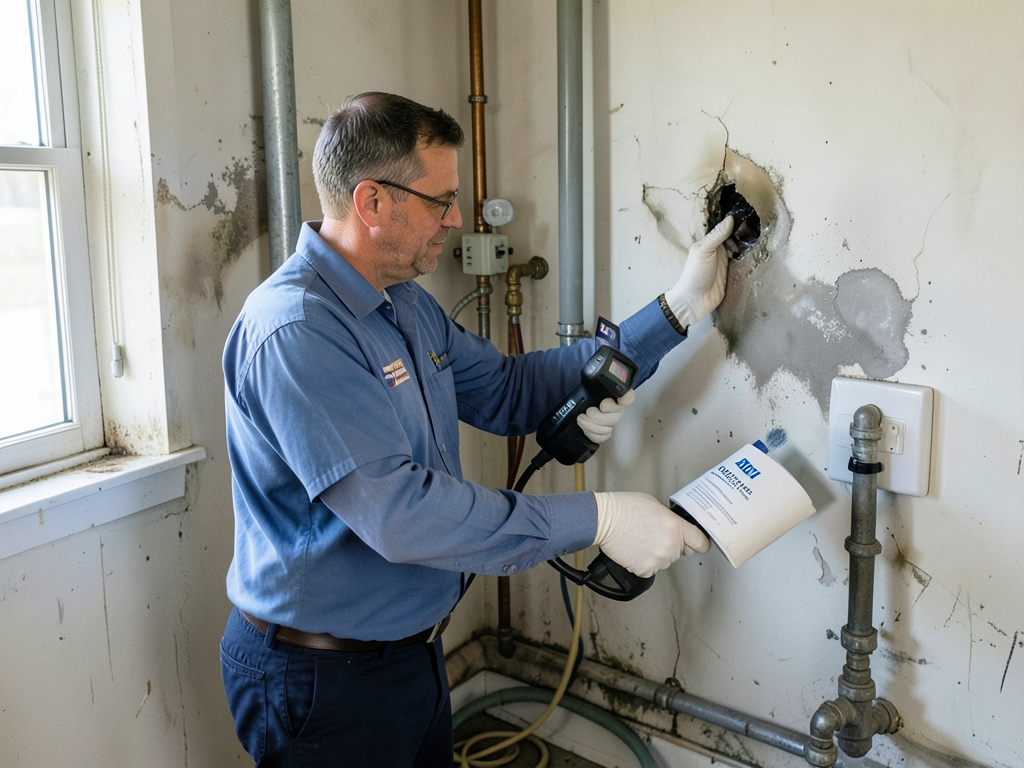
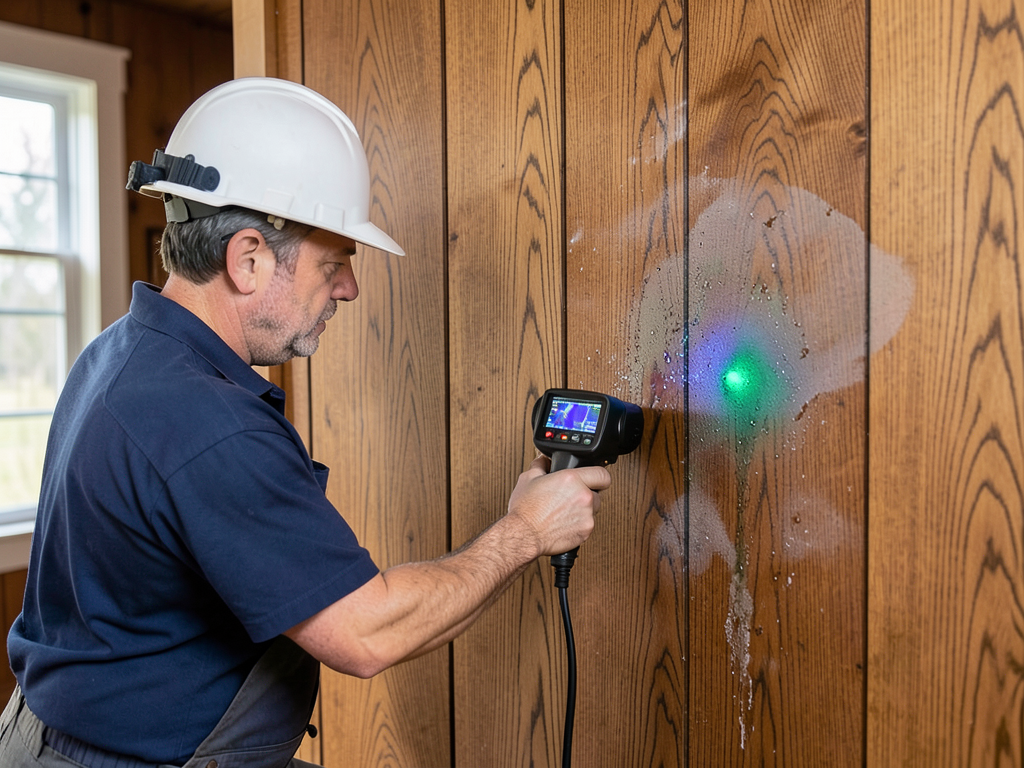
We deploy within 90 minutes of your call to assess structural compromise and establish containment. Our technicians perform roof integrity surveys using moisture meters and thermal imaging cameras to identify hidden water intrusion paths. We document every damaged component with timestamped photography and detailed loss inventories required by carriers.

The first priority is stopping additional water entry. We install heavy-duty tarping systems with battens screwed directly into roof decking, not the cosmetic shrink-wrap tarps that fail in the next storm. We board window and door openings with plywood secured to framing members. For properties with compromised walls, we erect temporary weather barriers that maintain building envelope integrity.

Water extraction begins immediately using truck-mounted extractors that pull standing water before it saturates subfloors or migrates into wall cavities. We remove unsalvageable materials like soaked insulation and delaminated drywall to expose framing for proper drying. Air movers and commercial dehumidifiers establish negative pressure environments that prevent cross-contamination to undamaged areas.

Storm damage repair cannot start until we verify the structure is stable and dry. We monitor moisture levels in framing lumber, concrete, and masonry using pin-type and non-invasive meters. When readings drop below 15% wood moisture equivalent, we clear the space for reconstruction. We coordinate with your insurance adjuster to ensure our mitigation scope matches approved line items.

Our storm damage cleanup includes debris removal, content pack-out, and antimicrobial treatment of affected surfaces. We photograph every phase to create defensible documentation if your claim faces scrutiny. You receive daily updates and a final mitigation report that becomes the foundation for your restoration estimate.

What Happens When You Call for Storm Damage Mitigation

Storm Damage Mitigation in St. Louis – 24/7 Emergency Response to Protect Your Property Fast
01

Emergency Contact and Dispatch

You call our 24/7 emergency line and speak directly with a mitigation coordinator, not an answering service. We ask targeted questions about damage type, water source, and immediate safety concerns. Within 15 minutes, you receive confirmation of dispatch time and the lead technician's contact information. Our response vehicles carry tarps, extraction equipment, moisture detection tools, and temporary power systems to begin work immediately upon arrival.
02

Assessment and Containment

Our team conducts a room-by-room structural assessment, marking compromised areas with digital floor plans. We identify hidden moisture in wall cavities and ceiling plenums using infrared thermography. You receive an on-site briefing about damage severity, mitigation scope, and estimated timeline. We establish containment barriers using poly sheeting and negative air machines to isolate damaged zones. All work follows IICRC S500 water damage restoration standards for category classification and drying protocols.
03

Stabilization and Documentation

We complete emergency tarping, board-up, water extraction, and equipment placement within the first 24 hours. You receive a comprehensive mitigation report with moisture readings, photo documentation, and equipment logs required by your insurance carrier. Our team monitors drying progress daily, adjusting equipment placement based on moisture meter readings. Once structural drying reaches target levels, we provide final documentation and coordinate directly with your adjuster to transition from mitigation to storm damage repair.

Why St. Louis Property Owners Trust Local Storm Damage Experts

You need teams that understand how St. Louis's building inventory responds to storm stress. Patriot Water Damage Restoration St. Louis has mitigated storm damage across the metro, from historic Lafayette Square row homes to commercial properties in Clayton's business district. We know which roofing systems fail first during high winds, how water behaves in balloon-framed pre-war construction, and which insurance carriers require specific documentation formats.

Our technicians are IICRC-certified in water damage restoration and applied structural drying. We maintain direct relationships with structural engineers, roofing contractors, and environmental hygienists who can mobilize when storm damage reveals underlying problems. When mitigation uncovers structural compromise or hazardous materials, we coordinate specialist assessment without delaying the drying timeline.

We understand St. Louis's insurance claim environment. After major storm events, adjusters face enormous claim volumes and delayed site visits. Our documentation packages include everything carriers need to approve emergency mitigation costs without requiring immediate physical inspection. We format loss inventories to match Xactimate line items, reducing claim disputes and payment delays.

Local response matters during widespread storm events. National franchise operators deploy teams from other regions who lack familiarity with St. Louis's construction methods and municipal requirements. We maintain equipment reserves specifically for multi-property events, ensuring you receive service even when demand spikes. Our warehouse stocks tarps, board-up materials, and drying equipment sufficient to handle 15 simultaneous losses.

You also need providers familiar with St. Louis County and City building departments. Some mitigation work requires emergency permits, particularly for structural tarping or temporary power systems. We maintain relationships with local inspectors and understand which activities require notification versus approval.

What to Expect During Storm Damage Mitigation

Response Time and Availability

Our emergency dispatch operates 24 hours daily, including holidays and weekends when storms typically strike. You speak with experienced coordinators who assess urgency and route the nearest available crew. Standard response time is 90 minutes or less for properties within the St. Louis metro, covering St. Louis County, St. Louis City, and portions of St. Charles County. During major weather events affecting multiple properties, we communicate realistic arrival windows and prioritize based on active water intrusion and structural safety concerns. You receive direct contact information for your assigned project manager who coordinates all phases from initial assessment through final documentation.

Initial Assessment Process

Assessment begins with safety evaluation and utility status verification. Our technicians inspect for structural hazards, electrical risks, and gas line compromise before beginning mitigation work. We use calibrated moisture meters to measure water content in building materials, establishing baseline readings that guide equipment placement and drying goals. Thermal imaging cameras identify hidden moisture in wall cavities and ceiling assemblies that standard visual inspection misses. You receive a verbal briefing on damage extent, recommended mitigation scope, and approximate equipment runtime. We photograph every affected area and damaged item, creating timestamped documentation that supports your insurance claim.

Mitigation Scope and Results

Mitigation deliverables include complete water extraction, removal of unsalvageable materials, antimicrobial treatment of affected surfaces, and establishment of controlled drying conditions. You can expect industrial air movers positioned to maximize airflow across wet surfaces and commercial-grade dehumidifiers that process humidity loads up to 200 pints daily. We monitor moisture levels twice daily, adjusting equipment based on drying progress. Final moisture readings must reach industry-standard dry goals before we demobilize equipment. Your property is stabilized, documented, and ready for reconstruction contractors to begin repair work. All mitigation waste is removed and disposed of according to local regulations.

Documentation and Insurance Coordination

You receive a comprehensive mitigation report that includes pre-work and post-work photographs, moisture reading logs, equipment placement diagrams, and itemized scope documentation. We format reports to match insurance carrier requirements, including Xactimate sketches and line-item breakdowns. Our team communicates directly with your adjuster to explain mitigation necessity and provide technical documentation supporting emergency service costs. We also supply certificates of insurance and business licensure that carriers require for vendor payment. This complete documentation package reduces claim disputes and accelerates approval. You maintain copies of all reports for your records and future reference if additional damage emerges during reconstruction.

Frequently Asked Questions

You Have Questions,
We Have Answers

What can be done to mitigate storms? +

Storm mitigation protects your St. Louis property before severe weather strikes. Secure loose roofing shingles and flashing, especially if your home experiences freeze-thaw cycles common in Missouri winters. Trim tree branches within 10 feet of your structure to prevent wind damage. Seal windows and doors to prevent water intrusion during heavy rains. Inspect gutters and downspouts to ensure proper drainage away from your foundation. Check your sump pump before storm season. Install storm shutters or impact-resistant windows if you live in areas prone to hail. Document your property's condition with photos for insurance purposes.

Does storm damage raise insurance rates? +

Filing a storm damage claim typically does not raise your rates the same way at-fault claims do. Most carriers treat storm damage as a no-fault loss. However, multiple claims within three to five years can trigger rate increases or non-renewal. Your insurer views frequent claims as increased risk, regardless of fault. St. Louis homeowners who file claims for hail, wind, or water damage should expect potential premium adjustments at renewal. Your claims history follows you through CLUE reports, which new insurers review. One claim rarely impacts rates, but two or more can.

What are examples of mitigation? +

Storm mitigation includes structural reinforcements like hurricane straps, impact-resistant roofing materials, and reinforced garage doors. You can install backflow valves to prevent sewer backup during St. Louis flash floods. Elevate HVAC equipment above potential flood levels in basements. Use water-resistant materials in vulnerable areas. Seal foundation cracks to prevent water infiltration. Install french drains around your property perimeter. Upgrade to Class 4 impact-resistant shingles that withstand Missouri hail storms. Secure outdoor items like patio furniture and grills. These measures reduce damage severity and lower your long-term repair costs.

How could we mitigate the storm? +

You mitigate storms by preparing your property before weather events occur. Inspect your roof for damaged shingles and repair them promptly. Clear debris from gutters and downspouts to ensure water flows away from your foundation. Secure loose siding and trim branches near your St. Louis home. Move vehicles into garages during hail warnings. Cover windows if severe weather approaches. Shut off exterior water sources to prevent frozen pipe damage in winter storms. Test your sump pump monthly. Create an emergency kit with flashlights, batteries, and important documents. Prevention costs less than emergency repairs.

What are the 5 mitigation strategies? +

The five mitigation strategies are avoidance, reduction, transfer, acceptance, and monitoring. Avoidance means not building in high-risk flood zones. Reduction involves strengthening your structure with impact-resistant materials and proper drainage systems. Transfer shifts risk through insurance coverage. Acceptance acknowledges some risks cannot be eliminated, like living near the Mississippi River in St. Louis. Monitoring means regular property inspections to identify vulnerabilities before storms hit. You combine these strategies based on your specific location and budget. Most St. Louis homeowners focus on reduction and transfer through proper maintenance and adequate insurance coverage.

What are the 4 mitigation strategies? +

The four core mitigation strategies are avoidance, reduction, retention, and transfer. Avoidance eliminates exposure by not occupying high-risk areas. Reduction minimizes damage through reinforcements like storm shutters, proper grading, and roof upgrades. Retention means accepting some level of risk and self-insuring through savings. Transfer involves purchasing insurance to shift financial burden. St. Louis homeowners typically use reduction and transfer together. You reduce risk through maintenance and upgrades while transferring remaining risk through homeowners insurance. The combination protects both your property and finances when severe weather strikes the region.

What not to say to a homeowners insurance adjuster? +

Never speculate about damage causes or admit fault. Do not downplay damage severity or say everything is fine. Avoid discussing previous claims or personal financial struggles. Never provide recorded statements without reviewing your policy first. Do not accept initial settlement offers immediately. Refrain from saying you are unsure if damage is storm-related. Never sign documents you have not read completely. Do not exaggerate losses, but do not minimize them either. Stick to facts. St. Louis adjusters document everything you say. Provide requested information but answer only what is asked. Consider hiring a public adjuster for complex claims.

What is the 80% rule in homeowners insurance? +

The 80% rule requires you to insure your home for at least 80% of its replacement cost to receive full claim payouts. If your St. Louis home costs $300,000 to rebuild, you need minimum $240,000 coverage. Underinsuring triggers a coinsurance penalty. You become a co-insurer for the gap, meaning you pay a percentage of every claim. A $50,000 storm damage claim might only pay $40,000 if you carry insufficient coverage. This rule protects insurers from homeowners who underinsure to save premium costs. Review your coverage annually as construction costs rise.

Does your insurance go up if a rock hits your windshield? +

Windshield damage typically does not raise your rates. Missouri law allows insurers to charge zero deductible for glass-only claims, treating them separately from comprehensive coverage. Filing a glass claim does not count against your claims history in most cases. However, filing multiple glass claims within a short period can trigger scrutiny. Some carriers limit glass claims to two per policy term. If you file a comprehensive claim for hail damage that includes windshield replacement along with other vehicle damage, that claim could impact your rates. Standalone glass claims rarely affect premiums.

What are the three types of mitigation? +

The three mitigation types are structural, non-structural, and natural. Structural mitigation includes building reinforcements like roof bracing, foundation sealing, and impact-resistant materials. Non-structural mitigation involves securing contents, creating emergency plans, and installing drainage systems. Natural mitigation uses landscaping, rain gardens, and vegetation to manage stormwater runoff. St. Louis homeowners benefit from all three approaches. Structural upgrades protect your building envelope. Non-structural measures safeguard belongings and occupants. Natural solutions manage the clay soil and drainage challenges common in the metro area. Combining all three provides comprehensive storm protection.

How St. Louis's Flash Flooding and Severe Storms Demand Immediate Mitigation Response

St. Louis receives concentrated rainfall that overwhelms drainage systems designed for gradual precipitation. When thunderstorms dump two inches in 30 minutes, water pools against foundation walls, infiltrates through brick mortar joints, and floods basements faster than sump pumps can evacuate. The region's clay soil has low permeability, meaning surface water sits rather than absorbs. Properties in low-lying areas near River Des Peres or Gravois Creek face repeated flooding that requires aggressive storm damage mitigation to prevent permanent structural damage. The combination of high humidity and warm temperatures creates ideal conditions for microbial growth within 48 hours of water intrusion.

Effective storm damage restoration in St. Louis requires understanding local construction methods and insurance claim environments. Many properties were built before modern building codes established proper flashing details and vapor barriers. Your mitigation provider must recognize how water moves through balloon framing common in pre-1950 homes and how to dry brick veneer wall systems without trapping moisture. We work directly with adjusters from carriers dominant in the St. Louis market, understand their documentation requirements, and maintain the IICRC certifications they require for approved vendor status. Local expertise translates to faster claim resolution and properly executed emergency storm damage services.
Water Damage Restoration Services in The St. Louis Area

We are proud to be the trusted local choice for water damage restoration across the greater St. Louis region. This map highlights our primary service zone, demonstrating our commitment to rapid, localized response across every neighborhood and business district within the area. We invite all users to view our service area and then contact us directly for immediate deployment to your specific address within the St. Louis community.

Address:
Patriot Water Damage Restoration St. Louis, 710 N Tucker Blvd, St. Louis, MO, 63101

Additional Services We Offer

Our news updates

Latest Articles & News from The Blogs

What to Do When Your Water Softener Leaks and Floods Your Affton Utility Room A leaking water softener can release…

What to Do When Your Water Softener Leaks and Floods Your Affton Utility Room

What to Do When Your Water Softener Leaks and Floods Your Affton Utility Room A leaking water softener can release…

Restoring a Water Damaged Mid-Century Modern Home in Warson Woods

Restoring a Water Damaged Mid-Century Modern Home in Warson Woods Water damage in a mid-century modern home requires specialized knowledge…

Why Your Walk-Out Basement in Hi-Pointe is Vulnerable to Heavy Rain Runoff

Why Your Walk-Out Basement in Hi-Pointe is Vulnerable to Heavy Rain Runoff Your walk-out basement in Hi-Pointe faces unique flooding…

Contact Us

Every minute counts after storm damage compromises your property. Our emergency response team is standing by to deploy immediately. Call (314) 428-9977 now to speak with a mitigation coordinator and get crews on-site fast.