menu

Musty Smells & Odor Removal in St. Louis – Stop the Source Before It Spreads

Patriot Water Damage Restoration St. Louis identifies hidden moisture sources and eliminates musty smells permanently using advanced odor neutralization technology, not temporary masking sprays.

Slider Image 1
Slider Image 2
Slider Image 3
Slider Image 4
Slider Image 5
Slider Image 7
Slider Image 8
Slider Image 9
Slider Image 10
Slider Image 11

Why That Damp Smell Won't Go Away on Its Own

You opened the basement door and hit a wall of stale, earthy air. You tried scented candles, baking soda boxes, and every spray on the shelf. Nothing worked. That musty smell in your St. Louis home is not just unpleasant. It signals active moisture damage.

St. Louis sits at the confluence of two major rivers, and the metro area sees 40-plus inches of annual rainfall. High humidity months stretch from May through September, and the region's clay-heavy soil holds water against foundation walls. Crawl spaces and basements stay damp. When relative humidity indoors climbs above 60 percent, mold spores colonize organic materials. Drywall, carpet backing, wood joists, and insulation all become breeding grounds.

The smell you notice is microbial volatile organic compounds, or MVOCs. These gases form as mold and bacteria break down cellulose and other organic matter. Damp smell remediation requires more than air fresheners. You must locate the moisture source, dry the affected materials, and apply targeted treatments for mildew odor elimination. Surface cleaning does not reach the spores embedded in porous substrates.

Ignoring the odor invites structural decay and health risks. Prolonged exposure to mold spores aggravates respiratory conditions, triggers allergic reactions, and compromises indoor air quality. If you smell it, you have an active moisture problem. Addressing musty odors means addressing the water intrusion or elevated humidity that feeds the growth.

Why That Damp Smell Won't Go Away on Its Own
How Professional Odor Removal Actually Works

How Professional Odor Removal Actually Works

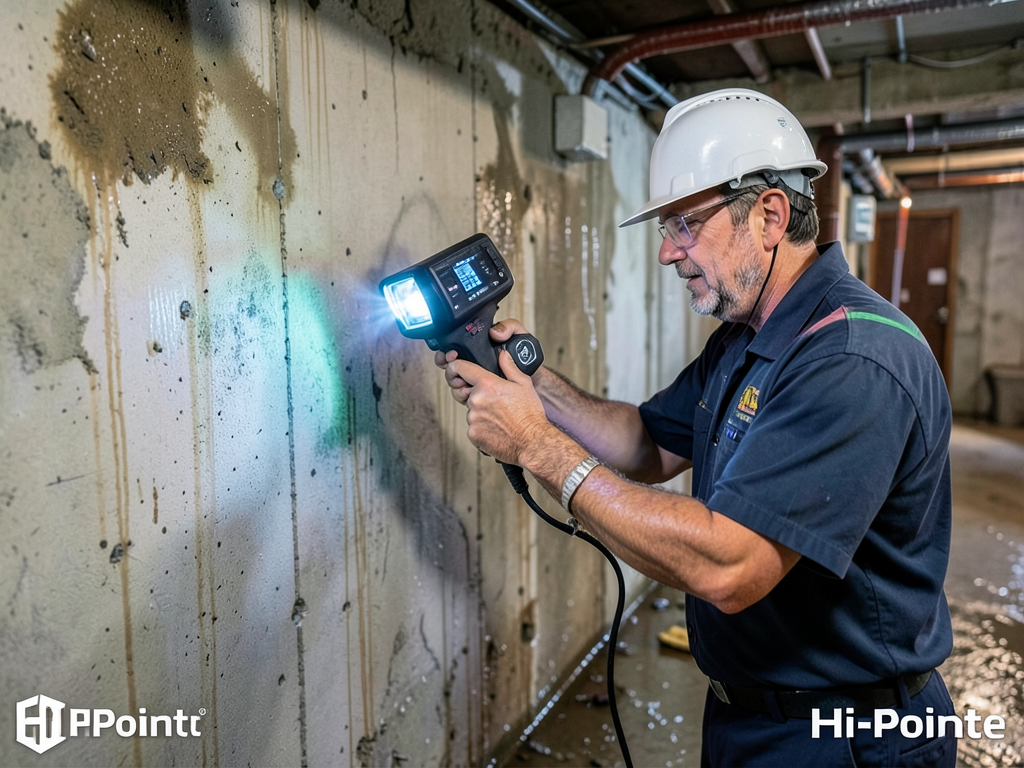
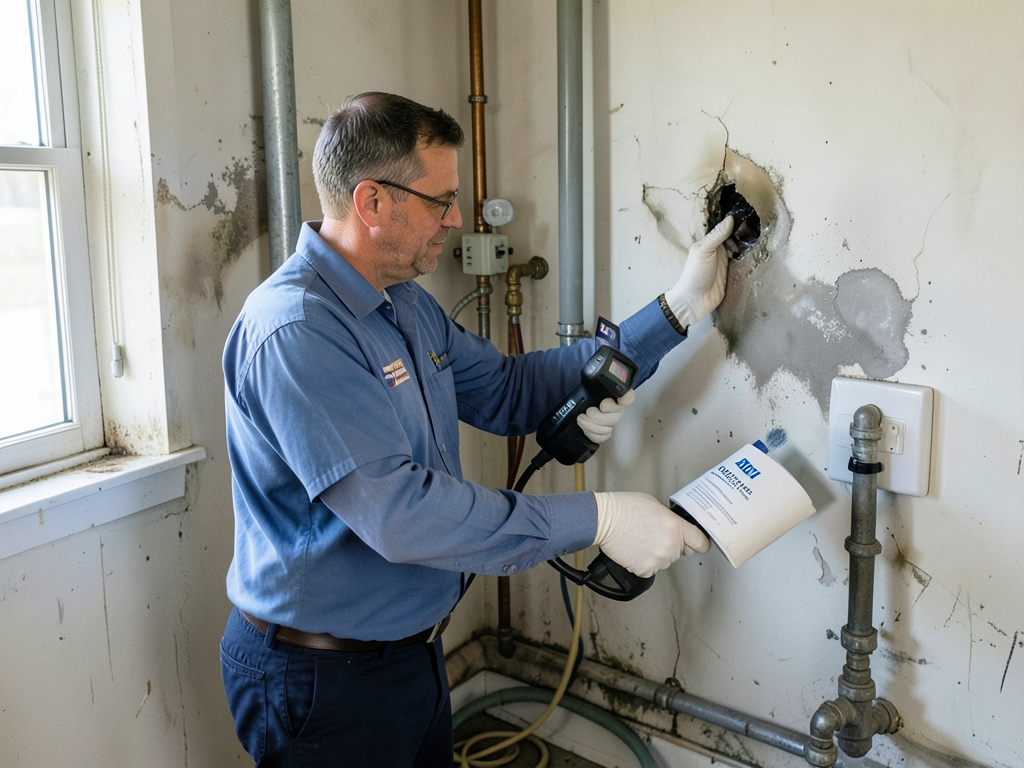
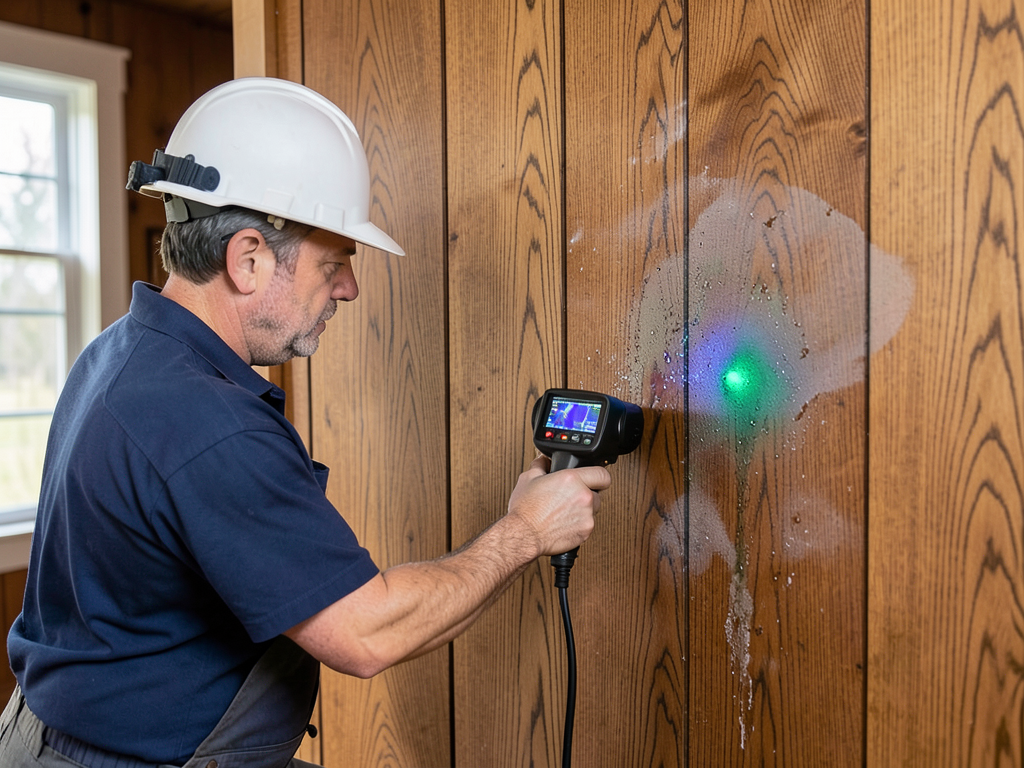
Removing moldy scents starts with a moisture audit. We use thermal imaging cameras and pin-type moisture meters to map hidden wet zones behind walls, under flooring, and in ceiling cavities. You may smell the odor in your living room, but the source often hides three rooms away where a slow pipe leak has been saturating insulation for months.

Once we identify the moisture source, we stop the water intrusion. That may mean repairing a leaking drain pan under your HVAC unit, sealing foundation cracks, or replacing failed window flashing. Drying the space comes next. We deploy commercial dehumidifiers and air movers to bring relative humidity below 50 percent and extract moisture from structural materials. This prevents further microbial growth.

After drying, we assess contaminated materials. Non-porous surfaces like metal or glass can be cleaned and disinfected. Porous materials like drywall, carpet, or insulation that show visible mold growth usually require removal and replacement. Attempting to clean heavily colonized porous materials rarely works. The spores penetrate too deeply.

For eradicating water damage smells, we apply hydroxyl generators or ozone machines depending on the severity and occupancy status. Hydroxyl generators produce radicals that break down odor molecules and work safely in occupied spaces. Ozone treatment requires temporary evacuation but offers aggressive neutralizing musty odors in severe cases. We also treat HVAC ductwork if spores have spread through the air distribution system. Surface deodorizers alone leave the root problem untouched.

What Happens During Your Odor Removal Service

Musty Smells & Odor Removal in St. Louis – Stop the Source Before It Spreads
01

Inspection and Moisture Mapping

We arrive with calibrated moisture detection tools and thermal cameras. You walk us through the areas where you notice the smell. We scan walls, floors, and ceilings to locate hidden moisture pockets. The inspection typically takes 45 to 90 minutes depending on your property size. We document moisture readings and photograph affected areas to establish a baseline for remediation.
02

Source Elimination and Drying

After identifying the moisture source, we stop the water intrusion and begin controlled drying. Industrial dehumidifiers run continuously to pull humidity from the air. Air movers circulate airflow across damp surfaces to accelerate evaporation. We monitor moisture levels daily until materials reach equilibrium moisture content. This phase usually takes three to five days. Rushing this step leaves hidden moisture that will trigger odor recurrence.
03

Odor Neutralization and Verification

Once drying is complete, we deploy hydroxyl generators or schedule ozone treatment to break down remaining odor molecules. We treat HVAC systems if necessary to prevent recirculation of contaminated air. Final verification includes a walkthrough with you and post-remediation moisture readings. If heavily contaminated materials required removal, we coordinate repairs with licensed contractors. The goal is odor-free air and confirmed dry conditions.

Why St. Louis Homeowners Choose Patriot Water Damage Restoration

Musty smells in St. Louis homes often trace back to issues the average homeowner cannot see. Seasonal flooding along the Missouri and Mississippi rivers raises local water tables, pushing hydrostatic pressure against foundations. Older neighborhoods like Soulard, Lafayette Square, and Tower Grove South feature historic brick homes with limestone foundations that wick moisture. Modern homes in West County subdivisions contend with clay soil that swells and contracts, cracking slab foundations and allowing groundwater seepage.

Patriot Water Damage Restoration St. Louis understands these regional challenges. We have worked in homes across the metro, from Chesterfield basements prone to sump pump failures to Benton Park row houses with poor crawl space ventilation. We know the building styles, the soil conditions, and the water intrusion patterns that create damp smell remediation needs.

Our technicians hold IICRC certifications in water damage restoration and applied microbial remediation. We follow ANSI/IICRC S520 standards for mold remediation and use equipment calibrated for accuracy. We do not sell you unnecessary services. If your odor stems from a minor humidity issue that a dehumidifier and better ventilation can solve, we tell you. If you need comprehensive remediation, we provide a detailed scope of work before starting.

Local knowledge matters when diagnosing odor sources. We know which St. Louis City inspection departments require mold clearance testing and which insurance carriers demand third-party verification. We document every step to support your insurance claim if water damage caused the odor. Speed matters too. The longer moisture sits, the deeper odors penetrate. We respond within hours of your call.

What to Expect When You Call for Odor Removal

Rapid Response and Flexible Scheduling

We answer emergency calls 24 hours a day, seven days a week. If you discover a sudden water intrusion or detect a sharp increase in musty odors after a storm, we dispatch a technician immediately. For non-emergency odor issues, we schedule inspections within 24 hours of your call. Most inspections and moisture mapping take place the same day or next day. Drying and odor neutralization timelines depend on the severity of moisture damage, but we provide a clear timeframe after the initial assessment.

Thorough Diagnostic Assessment

Our inspection is not a quick walkthrough. We use thermal imaging to detect temperature differentials that indicate hidden moisture. Moisture meters measure water content in wood, drywall, and concrete. We check HVAC systems, plumbing fixtures, and roof penetrations for leaks. We also assess ventilation and indoor humidity levels. You receive a written report detailing moisture sources, affected materials, and recommended remediation steps. If the issue is minor, we explain what you can handle yourself. If professional intervention is needed, we outline the scope and explain why each step matters.

Complete Odor Elimination

We do not mask odors. We eliminate them. That means drying all affected materials, removing contaminated porous items if necessary, and using advanced oxidation methods to neutralize odor molecules. We verify results with follow-up moisture readings and a final walkthrough. If you still detect odors after our work, we return at no additional charge to locate any missed moisture sources. Our goal is a dry, odor-free environment where you can breathe comfortably. We also provide guidance on preventing recurrence through improved ventilation, dehumidification, and maintenance.

Post-Remediation Support and Prevention

After odor removal, we discuss long-term prevention strategies. That might include installing a whole-home dehumidifier, improving crawl space encapsulation, or upgrading sump pump systems. We provide recommendations based on your specific property and budget. If repairs are needed after material removal, we can coordinate with licensed contractors for drywall replacement, flooring installation, or structural repairs. We also help you navigate insurance claims by providing detailed documentation and working directly with adjusters when needed. Our relationship does not end when the equipment leaves your property.

Frequently Asked Questions

You Have Questions,
We Have Answers

How to get rid of a strong musty smell? +

A strong musty smell means moisture is hiding somewhere. First, locate the source. Check basements, crawl spaces, and bathrooms. St. Louis homes face high humidity from the Mississippi River valley, which feeds mold growth. Open windows for cross-ventilation. Run dehumidifiers to drop indoor humidity below 50%. Clean visible mold with proper solutions. If the smell persists after cleaning and drying, you need professional help. Hidden mold in walls, HVAC ducts, or under flooring requires specialized equipment. Surface fixes mask the problem temporarily. True removal requires finding and eliminating the moisture source feeding the odor.

What is the hardest smell to get rid of in a house? +

Smoke damage and decomposition odors are the hardest to eliminate. These smells penetrate porous materials like drywall, insulation, and subflooring. Smoke particles bond chemically to surfaces. Decomposition leaves protein-based residues that standard cleaning cannot remove. In St. Louis, basement flooding can trap these odors in concrete foundations. You need thermal fogging, ozone treatment, or hydroxyl generators to break down odor molecules at the molecular level. Painting over or using air fresheners fails every time. Professional-grade equipment and EPA-registered treatments are required. DIY methods waste time and money on temporary masking.

Will DampRid get rid of musty smell? +

DampRid absorbs excess moisture in small, enclosed spaces like closets or bathrooms. It works for minor humidity issues but cannot fix the root cause of musty smells. If you have active mold growth, water damage, or widespread odor, DampRid is not enough. St. Louis homes often have humidity problems in basements and crawl spaces that are too large for moisture absorbers to handle. You need proper ventilation, dehumidifiers, and source removal. DampRid is a temporary band-aid. It cannot replace mechanical dehumidification or address hidden moisture in building materials. Fix the cause, not just the symptom.

How to get rid of old lady smell in house? +

This smell comes from accumulated dust, poor ventilation, stale fabrics, and sometimes incontinence issues. Start by deep cleaning all textiles. Wash curtains, upholstery, and carpets. Clean walls and ceilings with TSP solution. Replace HVAC filters. St. Louis humidity makes this worse by trapping odors in fabrics. Run air purifiers with activated carbon filters. Check for hidden moisture problems in basements or crawl spaces, which amplify stale odors. If cleaning does not eliminate the smell, you may have mold or mildew in walls or ductwork. Professional duct cleaning and inspection can identify hidden sources.

What causes a house to have a musty smell? +

Musty smells come from mold and mildew feeding on moisture. Common causes include basement seepage, roof leaks, plumbing failures, poor ventilation, and high humidity. St. Louis sits in a flood plain with clay soil that channels water toward foundations. Spring storms and Mississippi River humidity create perfect conditions for mold growth. HVAC systems can spread spores through ductwork. Crawl spaces trap moisture against wood joists. Even minor leaks inside walls grow mold you cannot see. The smell is your warning sign. Ignoring it allows structural damage and health risks to worsen. Find the water source first.

How do you deodorize a house completely? +

Complete deodorization requires eliminating odor sources, not covering them. Remove contaminated materials like water-damaged drywall or moldy insulation. Clean all surfaces with enzyme-based cleaners. Run HEPA air scrubbers to capture airborne particles. Use thermal foggers or ozone generators for deep penetration into porous materials. In St. Louis homes, basements and crawl spaces often need encapsulation to seal odor-trapping concrete. Replace HVAC filters and clean ductwork. Address moisture problems with dehumidifiers and proper drainage. Surface cleaning and air fresheners fail. You must treat the cause at the molecular level with professional-grade equipment and techniques.

What is the old lady's smell called? +

The smell is often called nonenal odor. It comes from chemical compounds the body produces as skin ages. The scent mixes with dust, stale air, poor ventilation, and accumulated household odors. It clings to fabrics, carpets, and upholstery. In St. Louis homes with basements, humidity makes the smell stronger by preventing proper air circulation. The odor becomes embedded in porous materials over time. Deep cleaning textiles, improving ventilation, and reducing indoor humidity help. If the smell persists after thorough cleaning, check for hidden moisture or mold problems that amplify stale odors throughout the home.

How to get rid of a horrible smell in the house? +

Horrible smells usually mean serious contamination. Identify the source first. Sewage backups, decomposition, smoke damage, and chemical spills require professional treatment. Do not mask the odor with sprays. You need to remove contaminated materials, sanitize affected areas, and use specialized equipment like ozone generators or hydroxyl processors. St. Louis basement flooding can introduce sewage or stagnant water smells into foundations. Porous materials absorb odors deeply. Attempting DIY removal spreads contamination and wastes money. Professional odor removal uses EPA-registered treatments and containment protocols to eliminate smells at the source. This protects your health and property value.

What does toxic mold smell like in a house? +

Toxic mold smells earthy, musty, or like rotting wood. Some species smell sweet or fermented. Stachybotrys, the black mold people fear, has a strong damp odor. The smell alone does not confirm toxicity. You need lab testing to identify species. St. Louis humidity and frequent flooding create conditions where mold grows behind walls, under floors, and in HVAC systems. You cannot see it, but you smell it. If you detect persistent musty odors after rain or notice respiratory symptoms, get professional mold testing. Visual inspection and air quality sampling identify hidden growth before health problems worsen.

Is DampRid better than a dehumidifier? +

No. DampRid is a desiccant for small spaces like closets. A dehumidifier mechanically removes moisture from air in larger areas. In St. Louis, where basement humidity stays high year-round, you need a dehumidifier with drainage. DampRid requires frequent replacement and cannot handle serious moisture problems. Dehumidifiers cycle continuously, maintaining target humidity levels below 50% to prevent mold. If you have flooding, leaks, or widespread dampness, DampRid wastes money. Dehumidifiers offer automatic control and capacity for whole-room treatment. For minor closet humidity, DampRid helps. For real moisture control, mechanical dehumidification is required.

How St. Louis Humidity and River Proximity Create Persistent Odor Problems

St. Louis sits in a humid subtropical climate zone where summer dew points regularly exceed 70 degrees. The metro area averages 200 sunny days per year, but heavy rainfall events drop several inches in a short window, overwhelming drainage systems and saturating soil. Proximity to the Mississippi and Missouri rivers means groundwater levels fluctuate seasonally. Spring flooding events raise water tables, pushing moisture into basements and crawl spaces. Older neighborhoods built before modern waterproofing standards see chronic seepage. This creates ideal conditions for mildew odor elimination needs, as damp organic materials in enclosed spaces quickly develop microbial growth and volatile organic compound off-gassing.

Patriot Water Damage Restoration St. Louis operates across the metro, from Florissant and Hazelwood in North County to Arnold and Oakville in South County. We understand local building practices, from the limestone block foundations common in Shaw and The Hill to the slab-on-grade construction popular in newer developments west of Highway 270. We work with St. Louis City and County building departments when remediation requires permits. Our familiarity with local insurance carriers and their documentation requirements streamlines the claims process. Choosing a local provider means faster response times and technicians who understand the regional factors driving your odor issue.
Water Damage Restoration Services in The St. Louis Area

We are proud to be the trusted local choice for water damage restoration across the greater St. Louis region. This map highlights our primary service zone, demonstrating our commitment to rapid, localized response across every neighborhood and business district within the area. We invite all users to view our service area and then contact us directly for immediate deployment to your specific address within the St. Louis community.

Address:
Patriot Water Damage Restoration St. Louis, 710 N Tucker Blvd, St. Louis, MO, 63101

Additional Services We Offer

Our news updates

Latest Articles & News from The Blogs

What to Do When Your Water Softener Leaks and Floods Your Affton Utility Room A leaking water softener can release…

What to Do When Your Water Softener Leaks and Floods Your Affton Utility Room

What to Do When Your Water Softener Leaks and Floods Your Affton Utility Room A leaking water softener can release…

Restoring a Water Damaged Mid-Century Modern Home in Warson Woods

Restoring a Water Damaged Mid-Century Modern Home in Warson Woods Water damage in a mid-century modern home requires specialized knowledge…

Why Your Walk-Out Basement in Hi-Pointe is Vulnerable to Heavy Rain Runoff

Why Your Walk-Out Basement in Hi-Pointe is Vulnerable to Heavy Rain Runoff Your walk-out basement in Hi-Pointe faces unique flooding…

Contact Us

Stop living with stale, damp air. Patriot Water Damage Restoration St. Louis will find the source, dry the space, and eliminate odors permanently. Call (314) 428-9977 now for a same-day inspection. We respond 24/7 across the metro.