menu

Condensation on Windows & Walls in St. Louis – Expert Diagnosis and Permanent Moisture Solutions

Patriot Water Damage Restoration St. Louis identifies the root cause of window sweating and interior moisture buildup, then implements targeted ventilation, insulation, and humidity control solutions to eliminate condensation damage before mold takes hold.

Slider Image 1
Slider Image 2
Slider Image 3
Slider Image 4
Slider Image 5
Slider Image 7
Slider Image 8
Slider Image 9
Slider Image 10
Slider Image 11

Why St. Louis Homes Face Chronic Condensation Problems

You wake up to weeping window panes. By afternoon, you notice damp drywall patches near exterior walls. The cycle repeats daily, and you wonder if this is normal.

It is not normal. It is a warning.

St. Louis sits in a high-humidity zone where seasonal temperature swings stress building envelopes. Summer humidity can hit 80 percent. Winter brings cold snaps that turn warm indoor air into moisture traps against cold glass and exterior walls. The Gateway City's older housing stock, much of it built before modern vapor barrier standards, compounds the issue. Brick facades and plaster walls common in neighborhoods like Soulard and Tower Grove South retain moisture differently than modern construction.

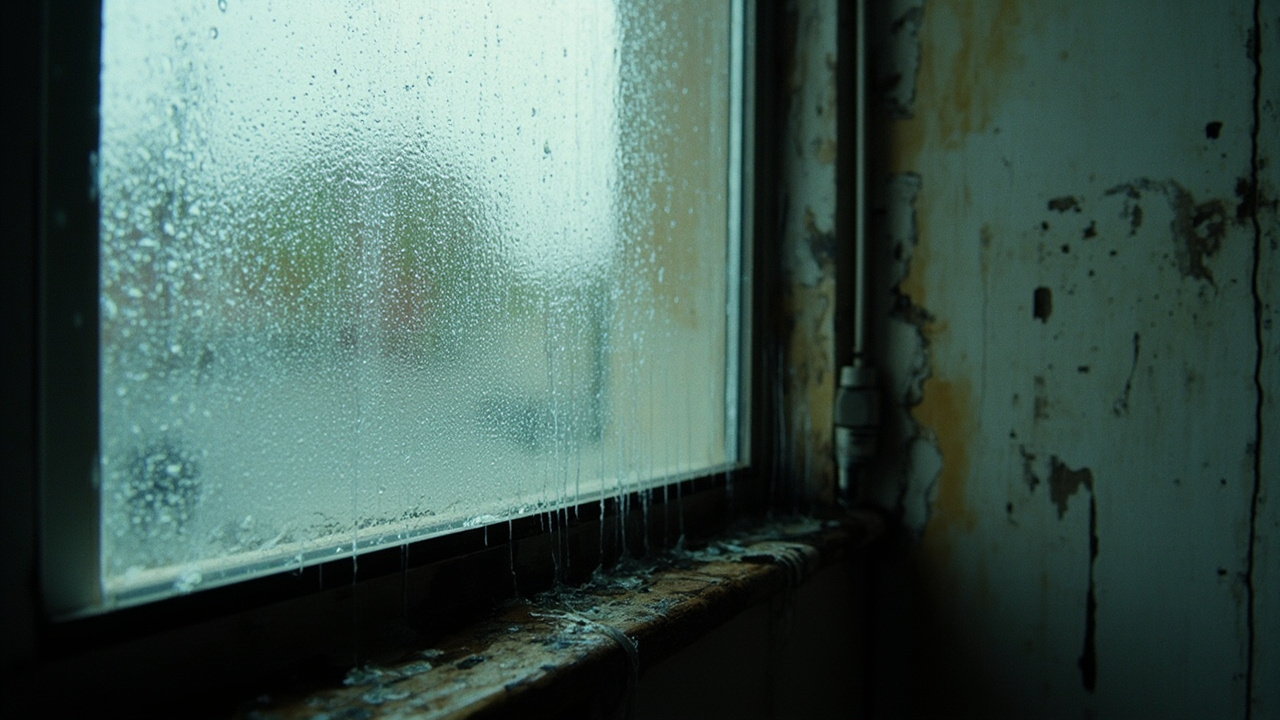
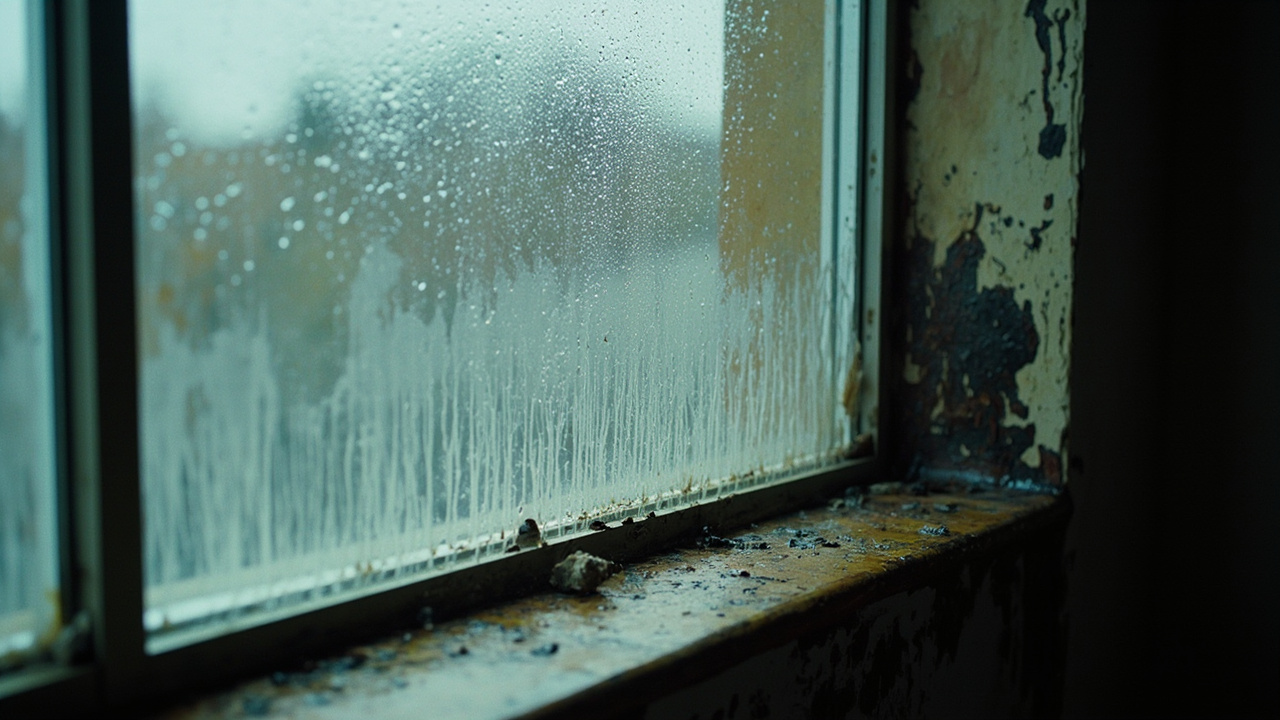
Interior glass condensation forms when warm, moist indoor air contacts cold surfaces. The dew point is reached, and water vapor becomes liquid. This is not just a cosmetic issue. Persistent moisture buildup on walls feeds mold colonies within 48 hours. Window sweating rots sills and framing. Damp drywall loses structural integrity and becomes a breeding ground for allergens.

Many homeowners blame the windows themselves. The real culprit is usually poor ventilation, insufficient insulation, or indoor humidity levels above 50 percent. Cooking, showering, and even breathing add moisture to your indoor environment. Without proper exhaust and air exchange, that moisture has nowhere to go except onto your coldest surfaces.

You need a diagnostic approach that identifies the moisture source, measures humidity levels, and pinpoints thermal bridging or insulation failures. Guesswork does not fix condensation. Accurate assessment does.

Why St. Louis Homes Face Chronic Condensation Problems
How We Diagnose and Eliminate Moisture at the Source

How We Diagnose and Eliminate Moisture at the Source

We do not guess. We measure.

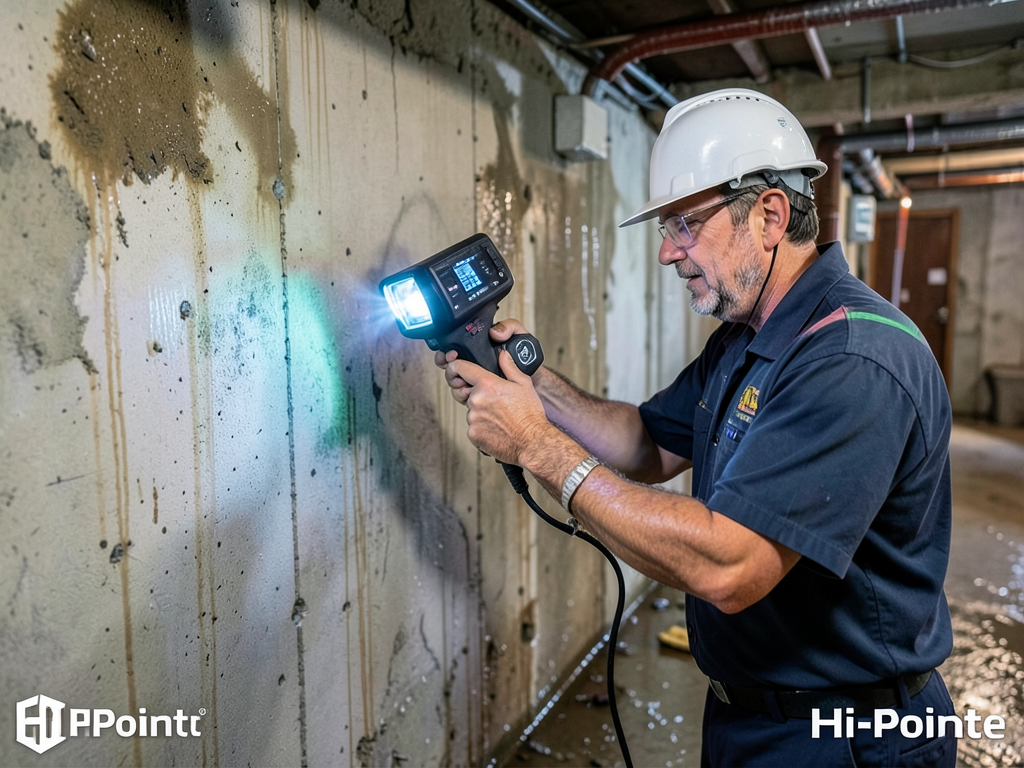
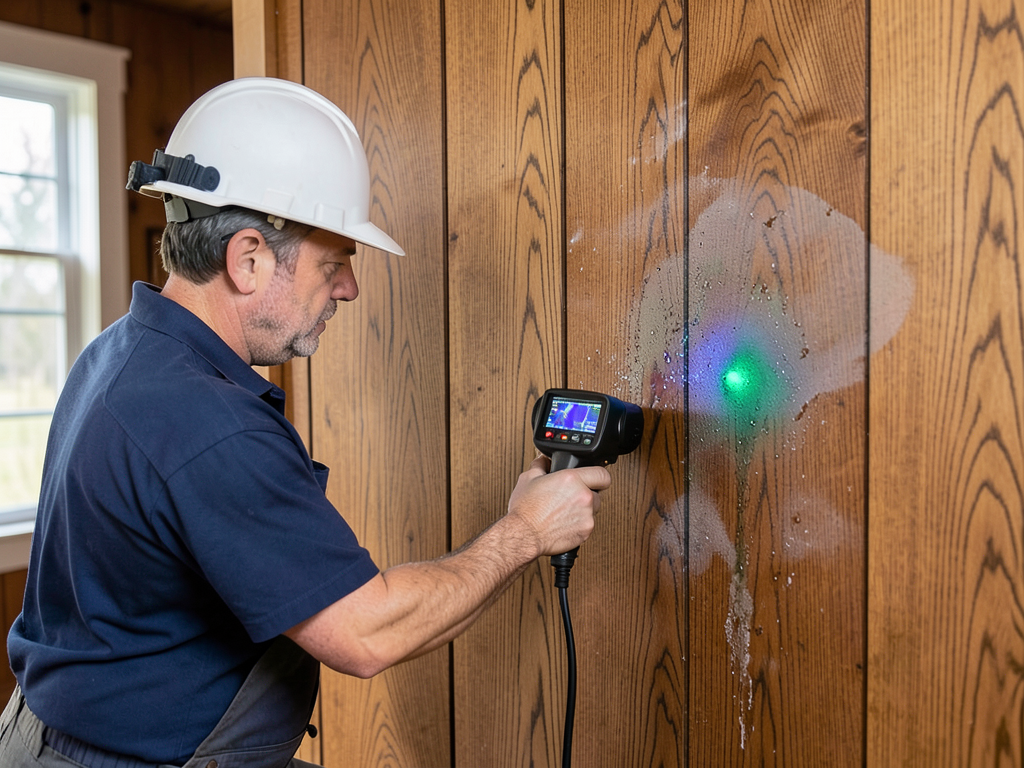
Our technicians use thermal imaging cameras to map surface temperatures across your walls, windows, and ceilings. Cold spots reveal where insulation has failed or where thermal bridging allows heat to escape. These are the exact locations where condensation will form. We pair thermal imaging with hygrometers to measure relative humidity in each room. If readings exceed 45 percent in winter, you have a ventilation or dehumidification problem.

Next, we inspect your HVAC system. Is your furnace oversized, causing short cycling that prevents proper dehumidification? Are bathroom and kitchen exhaust fans vented correctly, or are they dumping moist air into your attic? We check ductwork for leaks that introduce unconditioned air. We examine crawl spaces and basements for groundwater intrusion or poor vapor barrier installation.

Once we identify the moisture source, we implement targeted corrections. If thermal bridging is the issue, we improve insulation at wall studs or window frames. If ventilation is inadequate, we upgrade exhaust fans or install energy recovery ventilators that exchange stale indoor air with fresh outdoor air without losing heat. If indoor humidity is chronically high, we recommend whole-home dehumidifiers integrated into your HVAC system.

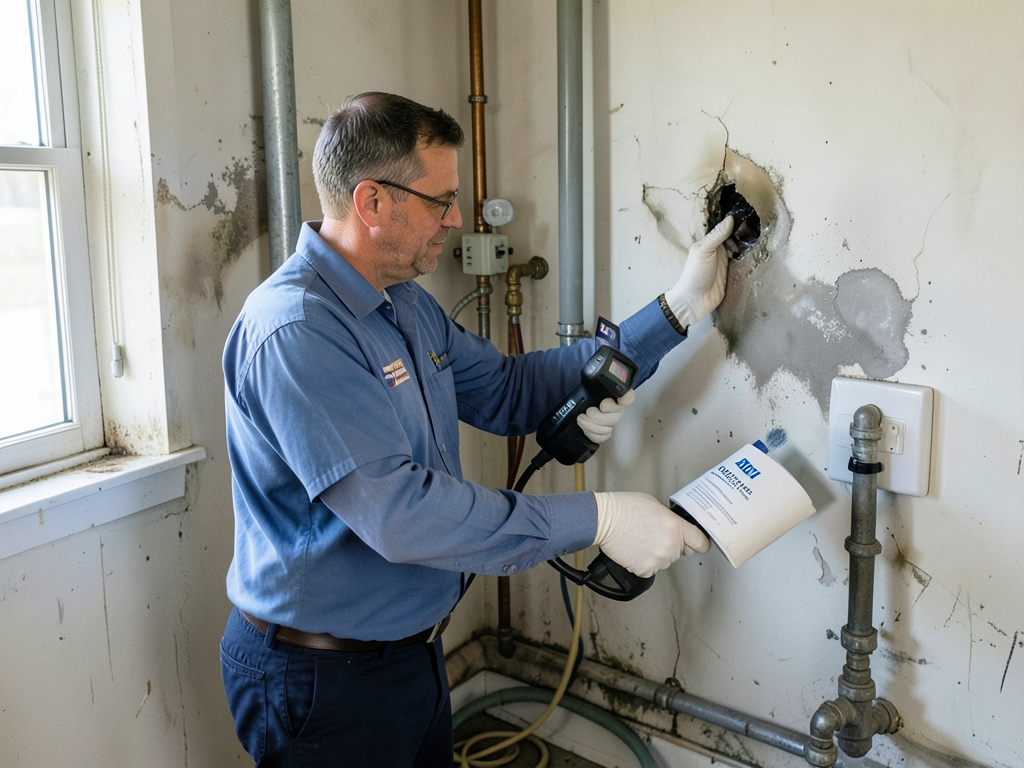
For existing water damage, we remove compromised drywall, treat framing with antimicrobial solutions, and verify moisture content with pin and pinless meters before reconstruction. We do not seal moisture inside walls. We eliminate it, verify dryness, then rebuild.

This is precision work. You need technicians who understand building science, not handymen who caulk over symptoms.

What Happens When You Call Us About Condensation

Condensation on Windows & Walls in St. Louis – Expert Diagnosis and Permanent Moisture Solutions
01

Moisture and Thermal Inspection

We arrive with thermal cameras and moisture meters. You show us the problem areas. We scan walls, windows, and ceilings to map temperature differentials and moisture content. We measure indoor humidity and inspect ventilation systems. This takes 60 to 90 minutes depending on home size. You receive a written assessment identifying every moisture source and thermal weakness.
02

Targeted Mitigation Plan

We explain what is causing your condensation and present a prioritized action plan. You may need ventilation upgrades, insulation improvements, or dehumidification. If water damage exists, we outline the scope of drying and reconstruction. We answer your questions. We provide a written estimate. You decide when to proceed. No pressure, no upselling services you do not need.
03

Execution and Verification

Our crew implements the corrections. We install or repair ventilation systems, improve insulation, and remove damaged materials. After drying and reconstruction, we verify moisture levels are below 15 percent in wood and below 1 percent in drywall. We document the work with photos and moisture readings. You receive a completion report and recommendations for maintaining healthy indoor humidity levels moving forward.

Why St. Louis Homeowners Choose Patriot Water Damage Restoration

You need a company that understands St. Louis construction. Homes built before 1980 have different ventilation and insulation standards than modern builds. Brick and plaster construction common in city neighborhoods requires different diagnostic techniques than vinyl-sided suburban homes.

We have worked in every type of structure across the metro area. We know how shotgun houses in South City trap moisture differently than ranch homes in West County. We understand how the clay soil expansion common to this region can crack foundation walls and introduce groundwater vapor. We are familiar with the local building codes and inspection requirements for reconstruction work.

Our technicians hold IICRC certifications in water damage restoration and applied structural drying. This is not on-the-job training. This is formal education in psychrometrics, microbial remediation, and building science. When we tell you why condensation is forming, we can back it up with science and show you the data.

We also work directly with your insurance company if your policy covers the damage. We document everything with photos, moisture logs, and thermal images. We provide detailed estimates that meet insurance adjuster requirements. We handle the paperwork so you can focus on your family, not claim disputes.

Speed matters when moisture is present. We respond within hours, not days. We carry truck-mounted extraction equipment, commercial dehumidifiers, and air movers. If mold is present, we contain the affected area and follow EPA and IICRC protocols for safe remediation.

You get honesty. If your condensation problem is a simple fix, we tell you. If it requires significant ventilation or insulation work, we explain why and show you the evidence. We do not manufacture problems to inflate invoices.

What to Expect When You Work With Us

Response Time and Availability

We answer calls 24 hours a day, seven days a week. Condensation damage worsens daily, especially if mold begins colonizing damp surfaces. When you call, you speak with a trained technician who can schedule an inspection within hours for emergencies or within 24 hours for non-urgent evaluations. We do not route you through call centers or make you wait days for a callback. You get a person who knows water damage and can answer your questions immediately. Weekend and holiday service is available.

Comprehensive Diagnostic Process

During the inspection, we use thermal imaging to reveal temperature differences across surfaces. Cold spots on interior walls indicate missing insulation or thermal bridging. We measure relative humidity in each room with calibrated hygrometers. We inspect attics, crawl spaces, and mechanical systems. We check exhaust fan operation and ductwork integrity. You receive a written report with thermal images, moisture readings, and specific recommendations. We explain what each finding means in plain language. This diagnostic process takes 60 to 90 minutes depending on home size and complexity.

Quality of Completed Work

We do not cover up problems. If drywall is damaged, we remove it back to dry studs. We treat framing with EPA-registered antimicrobial solutions if mold is present. We verify wood moisture content is below 15 percent before closing walls. New drywall is finished with three coats of compound, sanded smooth, and primed. We match existing textures. Paint is two-coat coverage with premium materials. Ventilation upgrades meet or exceed current code requirements. You receive documentation of all moisture readings and photos of the completed work.

Ongoing Support and Prevention

After we finish the work, we provide written guidance on maintaining healthy indoor humidity levels. This includes recommended settings for humidifiers and dehumidifiers, proper use of exhaust fans, and signs to watch for that indicate ventilation problems. We offer annual follow-up inspections to verify your home remains dry and healthy. If new moisture issues develop, we return to reassess at no diagnostic charge for the first year. You get our direct phone line for questions. We stand behind our work because we do it correctly the first time.

Frequently Asked Questions

You Have Questions,
We Have Answers

How to stop condensation on windows and walls? +

Stop condensation by reducing indoor humidity and improving air circulation. Run bathroom and kitchen exhaust fans during and after showers or cooking. Use a dehumidifier to keep humidity between 30-50%. Open window coverings during the day to warm glass surfaces. In St. Louis homes, especially older brick structures in neighborhoods like Soulard or Tower Grove, improve ventilation in basements where moisture accumulates. Check that dryer vents exhaust outside. Seal air leaks around windows with weatherstripping. During humid St. Louis summers, running your air conditioner helps remove moisture. If condensation persists despite these steps, you may need professional assessment for hidden moisture sources or insulation problems.

Does condensation on windows mean the house is too cold? +

Not necessarily. Condensation forms when warm, moist indoor air contacts cold window glass. The issue is usually high indoor humidity combined with cold exterior temperatures. St. Louis winters create perfect conditions for this. Your house temperature might be comfortable at 68-72 degrees, but single-pane windows or poorly insulated frames stay cold enough to trigger condensation. The real culprits are activities that add moisture: cooking, showering, laundry, or too many houseplants. Your heating system itself is not the problem. Focus on controlling humidity levels first. If condensation only happens on extremely cold nights, this is normal. Daily condensation suggests humidity is too high.

Should you wipe condensation off windows? +

Yes, wipe it off daily. Letting condensation sit on window frames, sills, or walls invites mold growth and wood rot. Use a towel or squeegee each morning to remove moisture. Pay special attention to wooden window frames common in historic St. Louis homes. Moisture that seeps into sills can cause structural damage over time. After wiping, check sills for standing water and dry completely. This is a temporary fix. You still need to address the root cause by reducing indoor humidity or improving insulation. If you notice black spots forming despite daily wiping, mold has already started and needs professional treatment.

Is it normal to have condensation on the inside of house windows? +

Occasional condensation is normal during extreme weather. When St. Louis temperatures drop below 20 degrees and your indoor humidity is normal, some condensation can appear on windows. This is physics. However, daily condensation throughout winter signals a problem. Normal indoor humidity should be 30-50%. Higher levels cause persistent condensation. Newer, energy-efficient windows sometimes show more condensation than old drafty ones because they seal tighter, trapping humidity inside. If you recently replaced windows and now see condensation, your home needs better ventilation, not different windows. Daily condensation warrants action before moisture damages your window frames or encourages mold growth in walls.

Does condensation on windows mean poor insulation? +

Sometimes. Single-pane windows or windows with broken seals allow glass to get extremely cold, triggering condensation even at normal humidity levels. Many older St. Louis homes, particularly in the Central West End or Lafayette Square, have original single-pane windows. Upgrading to double-pane windows helps but does not solve underlying humidity problems. Poor wall insulation also contributes. Cold spots in exterior walls can cause condensation inside your home. If condensation appears on walls, not just windows, insulation is likely inadequate. Check attics and crawl spaces for proper insulation. However, even well-insulated homes get window condensation if indoor humidity exceeds 50%. Address both humidity and insulation together.

What to put on walls to stop condensation? +

You cannot simply apply something to walls to stop condensation. The moisture comes from humid air, not the wall surface. You must reduce indoor humidity and improve ventilation first. For walls that repeatedly get damp, check for missing insulation or thermal bridges that create cold spots. Add insulation to exterior walls if possible. Vapor barriers during construction help but cannot be added after. Anti-condensation paint claims are mostly marketing. If condensation on walls is severe or causing visible mold, you need professional moisture assessment. In St. Louis basements, particularly in older brick homes, dehumidifiers and proper drainage around foundations address moisture better than surface treatments.

When should I be worried about condensation on windows? +

Worry when condensation appears daily, forms on walls (not just windows), or leads to visible mold or water stains. If window sills stay wet despite wiping, wood damage starts quickly. Black spots on frames or adjacent walls signal mold growth. Musty odors mean hidden moisture problems. Condensation between double-pane window glass indicates seal failure and requires window replacement. In St. Louis homes with finished basements, wall condensation often reveals bigger moisture issues from groundwater or poor foundation drainage. Peeling paint or bubbling wallpaper near windows shows long-term moisture damage. Any of these signs require immediate professional evaluation before structural damage spreads.

What are signs of excessive condensation? +

Watch for visible water droplets on windows every morning, wet window sills, mold growth on frames or nearby walls, musty odors, peeling paint near windows, and warped wood trim. High humidity creates perfect mold conditions. You might notice increased allergy symptoms or respiratory issues. Check closets and corners of exterior walls for dampness or discoloration. In St. Louis homes, basement walls often show the first signs. White, powdery deposits on brick (efflorescence) indicate moisture moving through walls. Condensation inside closets on exterior walls signals serious problems. Measure indoor humidity with a hygrometer. Readings consistently above 60% cause damage even without visible condensation.

What temperature should I keep my house to prevent condensation? +

Maintain 68-72 degrees with indoor humidity between 30-50%. Temperature alone does not prevent condensation. The ratio of temperature to humidity matters. During St. Louis winters, when outdoor temperatures drop below freezing, lower indoor humidity to 35-40% to prevent window condensation. Drastically lowering your thermostat to save money can backfire. Cold interior surfaces increase condensation risk if humidity stays high. In summer, running your air conditioner removes humidity naturally. Set it to 72-76 degrees. Programmable thermostats help maintain consistent temperatures. Avoid extreme swings. Big temperature drops make surfaces cold enough to trigger condensation when humidity spikes from cooking or showers.

Does a bowl of salt stop condensation on windows? +

No. This is an internet myth. A bowl of salt absorbs minimal moisture compared to the humidity in your home. Salt is hygroscopic but cannot meaningfully reduce room humidity. You would need industrial quantities to make any difference. The small amount of water a salt bowl captures evaporates back into the air. This approach wastes time while condensation damages your home. Use a proper dehumidifier instead. Even small electric dehumidifiers remove gallons of water daily. For St. Louis homes, basement dehumidifiers with drainage hoses work continuously without emptying buckets. Skip the folk remedies. Address condensation with ventilation, humidity control, and proper insulation. Real solutions prevent the mold and structural damage that salt bowls cannot.

How St. Louis Humidity and Temperature Swings Create Chronic Condensation

St. Louis experiences extreme seasonal humidity variation. Summer dew points regularly exceed 70 degrees, creating muggy conditions that drive indoor humidity above safe levels. Winter cold snaps drop outdoor temperatures into the teens while indoor heating creates a 40 to 50 degree temperature differential across exterior walls and windows. This temperature gap is where condensation forms. The Mississippi and Missouri River corridors add ambient moisture to the air year-round. Homes in flood-prone areas like Fenton and Valley Park face additional groundwater vapor intrusion through foundation walls and crawl spaces. Without proper vapor barriers and ventilation, moisture accumulates on cold surfaces daily.

Local building codes have evolved significantly over the past 40 years. Homes built before 1980 often lack continuous vapor barriers, proper attic ventilation, and adequate insulation. Many St. Louis neighborhoods feature balloon framing and plaster walls that allow air and moisture movement between floors. Patriot Water Damage Restoration St. Louis understands these construction differences. We know how to retrofit older homes with modern moisture control systems without compromising historic character. We work with local inspectors and follow St. Louis County and City building codes for all reconstruction work. When you choose a local company, you get technicians who understand your specific home construction and environmental challenges.
Water Damage Restoration Services in The St. Louis Area

We are proud to be the trusted local choice for water damage restoration across the greater St. Louis region. This map highlights our primary service zone, demonstrating our commitment to rapid, localized response across every neighborhood and business district within the area. We invite all users to view our service area and then contact us directly for immediate deployment to your specific address within the St. Louis community.

Address:
Patriot Water Damage Restoration St. Louis, 710 N Tucker Blvd, St. Louis, MO, 63101

Additional Services We Offer

Our news updates

Latest Articles & News from The Blogs

What to Do When Your Water Softener Leaks and Floods Your Affton Utility Room A leaking water softener can release…

What to Do When Your Water Softener Leaks and Floods Your Affton Utility Room

What to Do When Your Water Softener Leaks and Floods Your Affton Utility Room A leaking water softener can release…

Restoring a Water Damaged Mid-Century Modern Home in Warson Woods

Restoring a Water Damaged Mid-Century Modern Home in Warson Woods Water damage in a mid-century modern home requires specialized knowledge…

Why Your Walk-Out Basement in Hi-Pointe is Vulnerable to Heavy Rain Runoff

Why Your Walk-Out Basement in Hi-Pointe is Vulnerable to Heavy Rain Runoff Your walk-out basement in Hi-Pointe faces unique flooding…

Contact Us

Call Patriot Water Damage Restoration St. Louis now at (314) 428-9977. We will schedule a comprehensive moisture inspection within 24 hours, identify the exact cause of your window sweating and wall moisture, and provide a written solution plan. Stop the damage today.