

menu

High Indoor Humidity Levels in St. Louis – Expert Diagnosis and Permanent Moisture Control

When elevated home humidity threatens your property, our water damage specialists identify the source, measure indoor moisture problems accurately, and implement proven solutions that protect St. Louis homes from mold, rot, and structural damage.

Slider Image 1
Slider Image 2
Slider Image 3
Slider Image 4
Slider Image 5
Slider Image 7
Slider Image 8
Slider Image 9
Slider Image 10
Slider Image 11

Why St. Louis Homes Battle Excessive Indoor Moisture Year-Round

You walk into your basement and smell it. That musty, thick air that clings to your skin. Your windows fog up even when it is not that cold outside. The humidity gauge reads 70 percent, and you know something is wrong.

St. Louis sits in a geographic bowl where the Mississippi and Missouri Rivers converge. This creates a natural humidity trap. Summer dewpoints regularly hit 70 to 75 degrees. Winter freeze-thaw cycles crack foundations and let groundwater seep through block walls. Our clay soil expands and contracts, pushing water toward basements. Historic homes in neighborhoods like Soulard and Tower Grove South were built with limestone foundations that wick moisture like a sponge.

High relative humidity indoors is not just uncomfortable. It is a warning sign. When indoor moisture climbs above 60 percent, mold spores activate. Wood floor joists soften. Drywall stays damp. Dust mites thrive. Your HVAC system works harder but accomplishes less because it is fighting a losing battle against excess humidity in the house.

Most homeowners blame their air conditioner. But elevated home humidity usually points to hidden water intrusion. A slow slab leak. Condensation on cold water pipes. A sump pump that cycles but never fully drains. A crawl space with no vapor barrier. These are the real culprits, and they require professional assessment to pinpoint and resolve.

Why St. Louis Homes Battle Excessive Indoor Moisture Year-Round
How We Diagnose and Fix Indoor Moisture Problems Permanently

How We Diagnose and Fix Indoor Moisture Problems Permanently

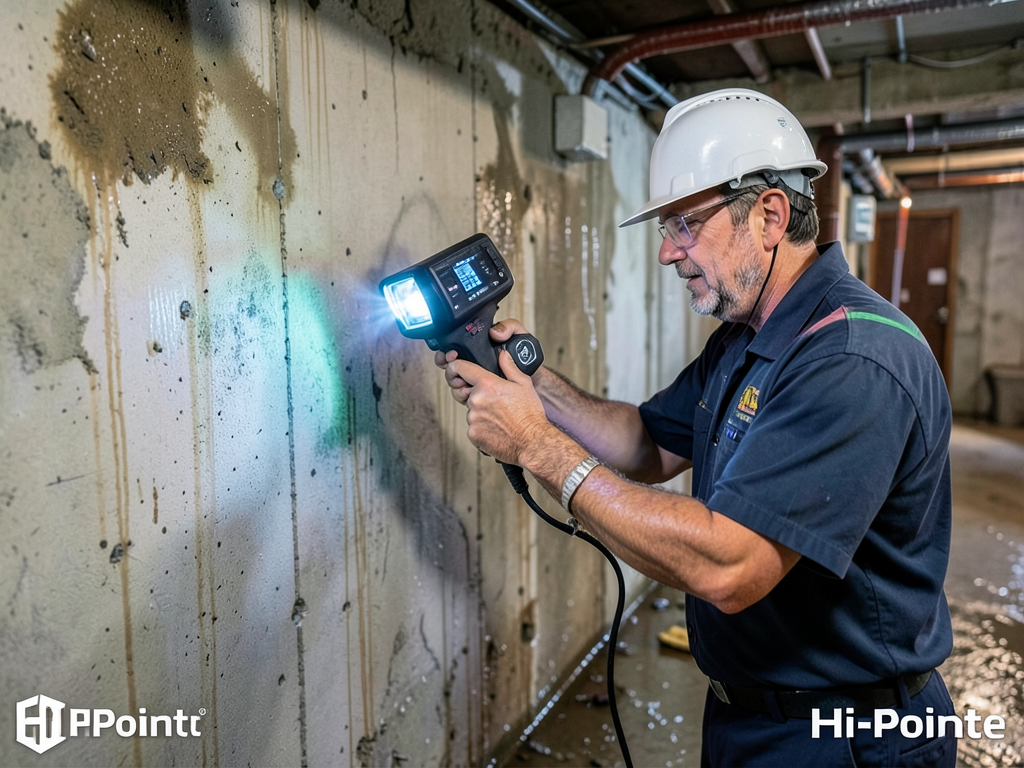
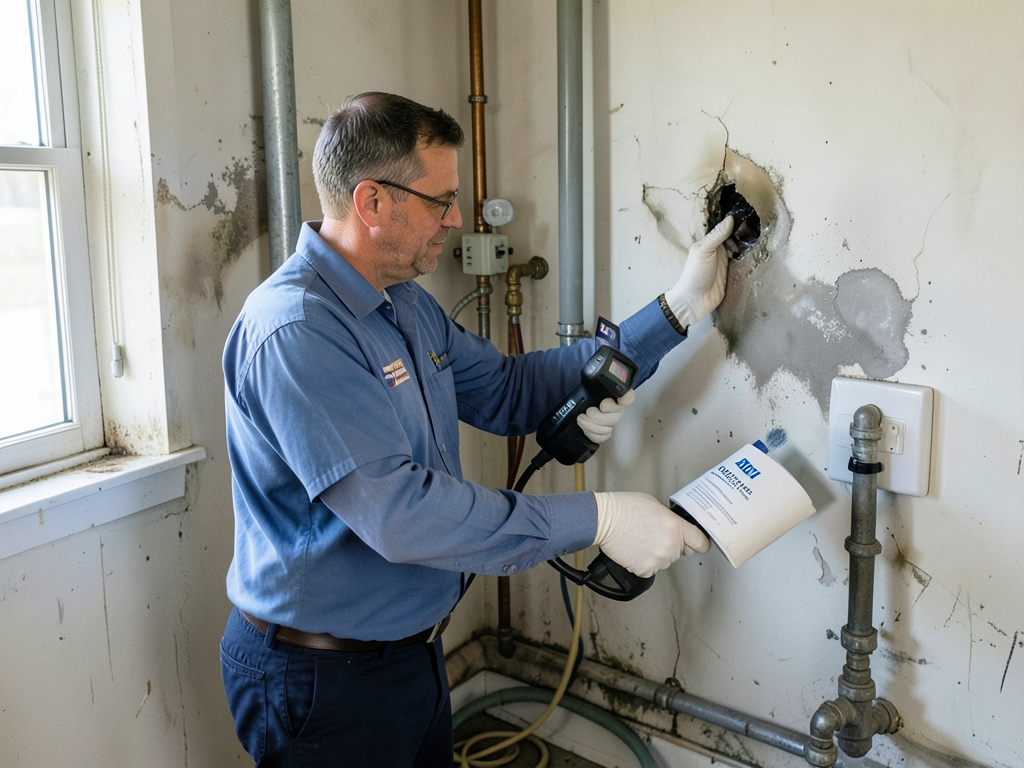
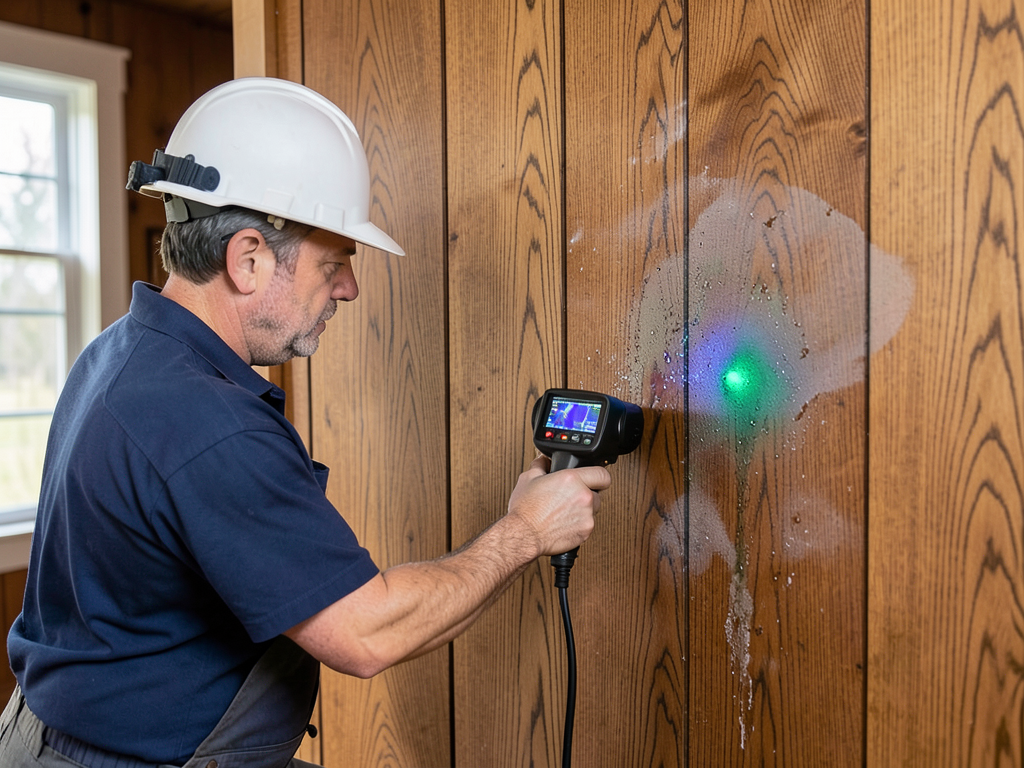
We do not guess. We measure. Our technicians use calibrated thermo-hygrometers to map relative humidity in every room. We check dewpoint spread to determine if the moisture source is internal or external. Infrared cameras reveal cold spots where condensation forms behind walls or under flooring. Moisture meters probe wood framing, subfloors, and drywall to detect elevated moisture content before visible damage appears.

Once we locate the source, we address it surgically. If groundwater seeps through foundation walls, we install interior drainage systems and vapor barriers. If a hidden pipe leak saturates insulation, we extract the water, remove wet materials, and dry the cavity with commercial dehumidifiers and air movers. If your crawl space pumps humidity into your living areas, we encapsulate it with 20-mil polyethylene sheeting and install dedicated dehumidification.

We also evaluate mechanical contributors. Undersized or oversized HVAC systems. Ductwork that leaks conditioned air into unconditioned spaces. Bathroom exhaust fans that vent into attics instead of outside. Dryer vents clogged with lint. Each of these issues compounds the problem.

After drying and repairs, we verify success with follow-up readings. We document moisture levels before and after. We explain how to maintain proper indoor humidity with seasonal adjustments. You get a detailed report that shows exactly what we found, what we fixed, and how to prevent recurrence. No guesswork. No band-aids. Just measurable results that protect your home long-term.

What Happens When You Call About High Humidity

High Indoor Humidity Levels in St. Louis – Expert Diagnosis and Permanent Moisture Control
01

Initial Humidity Assessment

We arrive with professional-grade hygrometers and moisture detection equipment. Our technician measures relative humidity in each room, checks dewpoints, and uses thermal imaging to scan walls, floors, and ceilings for hidden moisture. This takes 45 to 90 minutes depending on your home size. You get a verbal summary on-site and a written report within 24 hours that maps every moisture source we identified.
02

Source Mitigation and Drying

Once we pinpoint the cause, we deploy extraction equipment, air movers, and commercial dehumidifiers. We remove saturated materials like wet insulation or damaged drywall. If foundation drainage is the issue, we install sump pumps or interior drains. If mechanical systems contribute, we seal ducts or reroute exhaust fans. We monitor progress daily with moisture readings until levels drop below 50 percent relative humidity.
03

Verification and Prevention Plan

After drying, we take final moisture readings to confirm success. We provide a maintenance plan tailored to St. Louis humidity patterns. This includes seasonal dehumidifier settings, gutter maintenance schedules, and signs to watch for future problems. You get documentation for insurance claims if applicable. We follow up in 30 days to ensure humidity levels remain stable and your home stays protected.

Why St. Louis Homeowners Trust Patriot Water Damage Restoration

You need someone who understands how St. Louis construction and climate create unique moisture challenges. We have worked in enough basements in Lafayette Square to know that 1880s limestone foundations behave differently than 1950s poured concrete. We know that homes near River Des Peres flood differently than homes on the bluffs in Clifton Heights. We know that the clay soil in South City expands three times more than the sandy loam in West County.

This local knowledge matters. A restoration company from out of state will treat your high humidity the same way they treat a home in Phoenix or Seattle. They miss the nuances. They do not account for the Mississippi River floodplain hydrology or the fact that St. Louis gets 42 inches of rain a year with most of it falling in sudden spring storms that overwhelm gutters and downspouts.

We also understand local building practices. Many St. Louis homes have rubble foundations or unvented crawl spaces. These require specific mitigation strategies. We know which neighborhoods have combined sewer systems that back up during heavy rain. We know how to work around knob-and-tube wiring in older homes. We know the St. Louis County building codes for foundation waterproofing and vapor barriers.

Our technicians live here. They respond faster because they do not drive in from another market. They know the shortcuts and the traffic patterns. When you call, you get someone who has seen your exact problem in a dozen other St. Louis homes and knows exactly how to fix it.

What to Expect When We Resolve Your Humidity Problem

Response Time and Availability

We answer calls seven days a week. Most assessments happen within 24 hours of your call. If you have an active water intrusion causing excessive indoor moisture, we dispatch immediately. Emergency situations get same-day service. Standard humidity assessments typically schedule within one business day. Once we start work, most residential projects take three to seven days depending on the severity of the moisture intrusion and the size of the affected area. Commercial projects may take longer due to square footage and operational considerations.

The Assessment Process

Your assessment begins with a detailed interview about when you first noticed the elevated home humidity and what symptoms you observed. We inspect every potential moisture source including basements, crawl spaces, attics, and mechanical rooms. We measure ambient and material moisture levels. We use thermal imaging to detect temperature differentials that indicate hidden water. We check your HVAC system, plumbing fixtures, and drainage systems. You receive a written report with photos, moisture readings, and a prioritized list of recommended repairs. No cost for the assessment if you proceed with our recommended repairs.

The Final Result

When we finish, your indoor relative humidity stays between 30 and 50 percent year-round. That musty smell disappears. Windows stop fogging. You breathe easier. Mold growth halts. Your HVAC system runs more efficiently because it is not fighting excess moisture. Wood framing dries out and regains structural integrity. You get digital documentation of final moisture readings that prove the problem is resolved. If you sell your home later, you have records showing professional remediation that protect your disclosure obligations and give buyers confidence.

Ongoing Support and Monitoring

We provide written guidelines for maintaining proper humidity levels through seasonal changes. This includes recommended dehumidifier settings for St. Louis summers and humidifier settings for dry winter heating. We explain gutter maintenance schedules and downspout extensions that prevent future foundation moisture. We offer annual inspections to verify your systems remain effective. If humidity levels creep up again, we return to investigate at no additional diagnostic charge. You also get priority scheduling for any future water damage emergencies because you are an existing client.

Frequently Asked Questions

You Have Questions,
We Have Answers

Why is my house 75% humidity? +

Your house reads 75% humidity because moisture sources exceed ventilation capacity. St. Louis sits in a humid continental climate zone where summer dew points regularly hit 70°F. Common culprits include poor attic ventilation, crawl space moisture infiltration from clay soil, leaking plumbing, or an oversized air conditioner that short-cycles before dehumidifying properly. Basement foundation walls also sweat condensation when humid outdoor air contacts cool concrete. Check bathroom exhaust fans, look for standing water in crawl spaces, and inspect your HVAC system. Humidity this high creates mold growth conditions within 24-48 hours and damages wood framing.

What happens if indoor humidity is too high? +

High indoor humidity triggers multiple problems. Mold and mildew colonize drywall, insulation, and wood framing when moisture exceeds 60%. You will smell musty odors as microbial growth releases volatile organic compounds. Paint peels, wallpaper bubbles, and hardwood floors cup or buckle. Dust mites thrive above 50% humidity, worsening allergies and asthma. Condensation forms on windows and pipes, causing water stains and rot. Structural wood loses integrity as fungi decay cellulose fibers. In St. Louis homes with finished basements, high humidity accelerates foundation wall deterioration and carpet damage. Health symptoms include respiratory irritation and fatigue.

Is 70% humidity too high for a house? +

Yes, 70% humidity is too high for any house. Indoor levels should stay between 30-50% year-round for structural integrity and health. At 70%, mold spores germinate on porous surfaces within 24 hours. You create ideal conditions for dust mites, which reproduce rapidly above 60%. Wood moisture content rises, causing floors to warp and trim joints to separate. In St. Louis homes with brick veneer construction, interior humidity this high can cause efflorescence and mortar deterioration. Air feels heavy and uncomfortable. Your air conditioner struggles to cool effectively because latent heat removal becomes inefficient at extreme moisture loads.

Can humidity cause nausea? +

Yes, high humidity can trigger nausea in sensitive individuals. When indoor moisture exceeds 60%, mold releases mycotoxins and volatile organic compounds that irritate mucous membranes and trigger inflammatory responses. You may experience headaches, dizziness, and gastrointestinal distress. High humidity also impairs your body's cooling mechanism through perspiration, causing heat stress symptoms including nausea. Poor indoor air quality from dust mite allergens and bacterial growth compounds the problem. St. Louis residents often report these symptoms during humid summer months when indoor moisture control fails. If you experience persistent nausea with visible mold or musty odors, address moisture sources immediately.

How do you fix high humidity in your house? +

Fix high humidity through source control and mechanical dehumidification. Install exhaust fans in bathrooms and kitchens vented to exterior. Seal crawl spaces with vapor barriers and address groundwater drainage issues common in St. Louis clay soils. Run your air conditioner on auto mode, not continuous fan, which reintroduces moisture. Add a whole-house dehumidifier to your HVAC system if levels stay above 55%. Repair plumbing leaks immediately. Ensure attic ventilation meets code requirements. Clean gutters to prevent foundation water intrusion. Run bathroom fans for 20 minutes after showers. These combined strategies control moisture at the source.

Does opening a window reduce humidity? +

Opening windows reduces humidity only when outdoor moisture is lower than indoor levels. In St. Louis, this works during spring and fall when outdoor dew points drop below 50°F. During summer months, outdoor humidity regularly exceeds 70%, making window ventilation counterproductive. You introduce more moisture than you remove. Opening windows during air conditioner operation wastes energy and overloads your system. Winter window ventilation helps if indoor humidity exceeds 40%, but you lose heated air. Check outdoor dew point before opening windows. Strategic ventilation works best early morning or late evening when temperatures and moisture levels drop.

What is an unsafe indoor humidity level? +

Indoor humidity above 60% becomes unsafe for structures and health. Mold growth accelerates rapidly at these levels, releasing spores and mycotoxins. Above 70%, you create conditions for aggressive fungal colonization and wood rot. Below 30% causes respiratory irritation and static electricity issues. The EPA recommends 30-50% for optimal health and building performance. St. Louis homes face particular risk during humid summer months when poor ventilation allows moisture accumulation. Levels above 65% for extended periods guarantee mold problems, structural damage, and respiratory health complaints. Monitor humidity with digital hygrometers in multiple rooms, especially basements.

Do dehumidifiers really work for humidity? +

Yes, dehumidifiers effectively remove excess moisture when sized and placed correctly. Portable units handle 30-70 pints daily, suitable for single rooms or basements. Whole-house dehumidifiers integrate with HVAC systems to control moisture throughout your home. They condense water vapor on cold coils, collecting liquid in drain pans or routing to floor drains. Effectiveness depends on proper sizing for square footage and moisture load. In St. Louis homes with damp basements, a 50-70 pint unit typically maintains 45-50% humidity. Empty collection buckets daily or install continuous drainage. Clean filters monthly. Dehumidifiers work year-round, not just summer months.

Can you get sick if your house is too humid? +

Yes, excessive household humidity causes respiratory infections, allergic reactions, and asthma exacerbation. Mold spores trigger immune responses causing coughing, wheezing, and chest tightness. Dust mites thrive above 50% humidity, producing allergenic fecal proteins. You may develop chronic sinusitis from fungal colonization. Bacteria multiply on damp surfaces, increasing infection risk. Children and elderly residents face higher vulnerability. St. Louis homes with moisture problems often show elevated airborne mold counts contributing to sick building syndrome. Symptoms include fatigue, headaches, difficulty concentrating, and respiratory irritation. Reducing humidity below 50% eliminates most biological contaminants and improves indoor air quality significantly.

Will mold grow at 70 humidity? +

Mold grows readily at 70% humidity. Spores germinate on organic materials like drywall, wood, and insulation within 24-48 hours at this moisture level. Visible colonies appear within 3-5 days. Different mold species have varying moisture requirements, but most common indoor molds thrive above 60%. At 70%, you provide optimal conditions for Aspergillus, Penicillium, and Stachybotrys growth. St. Louis homes with poor ventilation and high summer humidity often develop basement and attic mold colonies. Ideal indoor humidity stays between 30-50% to prevent fungal growth. Once established, mold requires professional remediation to eliminate completely and prevent health complications.

How St. Louis River Humidity and Clay Soil Make Indoor Moisture Problems Worse

St. Louis sits at the confluence of two major river systems. The Mississippi and Missouri Rivers create a humidity microclimate that pushes summer dewpoints into the oppressive range. When outdoor air holds that much moisture, it infiltrates your home through every crack, gap, and penetration. Our expansive clay soil makes it worse. When clay absorbs water, it swells. When it dries, it contracts. This constant movement cracks foundation walls and floor slabs. Water follows those cracks. You end up with high relative humidity indoors even if you have no active plumbing leaks. The geography works against you.

Local building codes in St. Louis County and the City of St. Louis require proper foundation drainage and vapor barriers for new construction. But most homes were built before these codes existed. Historic neighborhoods have century-old foundations that were never designed to handle modern water tables. If you hire a national chain or an out-of-state contractor, they will not understand these local construction quirks. Patriot Water Damage Restoration St. Louis has worked in every St. Louis neighborhood. We know which foundations need interior drainage, which need exterior waterproofing, and which need both. Local expertise matters when you are solving indoor moisture problems permanently.
Water Damage Restoration Services in The St. Louis Area

We are proud to be the trusted local choice for water damage restoration across the greater St. Louis region. This map highlights our primary service zone, demonstrating our commitment to rapid, localized response across every neighborhood and business district within the area. We invite all users to view our service area and then contact us directly for immediate deployment to your specific address within the St. Louis community.

Address:
Patriot Water Damage Restoration St. Louis, 710 N Tucker Blvd, St. Louis, MO, 63101

Additional Services We Offer

Our news updates

Latest Articles & News from The Blogs

What to Do When Your Water Softener Leaks and Floods Your Affton Utility Room A leaking water softener can release…

What to Do When Your Water Softener Leaks and Floods Your Affton Utility Room

What to Do When Your Water Softener Leaks and Floods Your Affton Utility Room A leaking water softener can release…

Restoring a Water Damaged Mid-Century Modern Home in Warson Woods

Restoring a Water Damaged Mid-Century Modern Home in Warson Woods Water damage in a mid-century modern home requires specialized knowledge…

Why Your Walk-Out Basement in Hi-Pointe is Vulnerable to Heavy Rain Runoff

Why Your Walk-Out Basement in Hi-Pointe is Vulnerable to Heavy Rain Runoff Your walk-out basement in Hi-Pointe faces unique flooding…

Contact Us

High humidity damages your home and your health. Call Patriot Water Damage Restoration St. Louis at (314) 428-9977 right now. We will schedule your assessment, identify every moisture source, and give you a clear plan to fix it permanently. Do not wait until mold takes over.