menu

Large Scale Water Extraction in St. Louis – Industrial-Grade Solutions That Keep Your Business Operating

When catastrophic flooding or pipe failures threaten your facility, our commercial water removal fleet and high-capacity extraction systems deploy within hours to protect your assets, minimize downtime, and restore full operations across the St. Louis metro.

Slider Image 1
Slider Image 2
Slider Image 3
Slider Image 4
Slider Image 5
Slider Image 7
Slider Image 8
Slider Image 9
Slider Image 10
Slider Image 11

Why St. Louis Facilities Need Specialized Large Scale Water Extraction

St. Louis sits at the confluence of the Mississippi and Missouri Rivers, creating unique flood risk profiles for warehouses, manufacturing plants, and commercial properties throughout the metro. The region's clay soil compounds drainage problems during heavy rain events, trapping water around foundations and creating hydrostatic pressure that forces water into basements and ground-level facilities.

When a sprinkler main ruptures in a 200,000-square-foot distribution center or a loading dock floods during a spring storm, standard residential extraction equipment fails. You need industrial water extraction capacity measured in thousands of gallons per hour, not hundreds. Every hour of standing water increases structural damage, inventory loss, and business interruption costs.

Large scale water extraction addresses volume and speed simultaneously. A flooded production floor requires truck-mounted extraction units and submersible pumps capable of handling bulk water removal while your operations team assesses damage to equipment and materials. The difference between 12 hours of standing water and 3 hours determines whether you restart operations Monday or wait two weeks for subfloor drying and mold remediation.

St. Louis's mixed-use zoning means commercial properties often sit near aging stormwater infrastructure. When that infrastructure fails during the spring flood season, you face contamination concerns alongside volume challenges. High volume water pumping systems must handle debris-laden water without clogging while maintaining continuous operation. Large loss water mitigation starts with extracting water before it migrates to adjacent spaces or saturates load-bearing materials.

Your facility's business continuity plan accounts for many scenarios, but catastrophic water intrusion requires specialized response capacity most commercial restoration companies cannot provide.

Why St. Louis Facilities Need Specialized Large Scale Water Extraction
How Industrial Water Extraction Protects Your Bottom Line

How Industrial Water Extraction Protects Your Bottom Line

Large scale water extraction begins with capacity assessment, not equipment deployment. We calculate total water volume, contamination level, and facility access constraints before mobilizing resources. A flooded parking garage requires different equipment than a manufacturing floor with sensitive machinery. This diagnostic phase prevents equipment bottlenecks that extend your downtime.

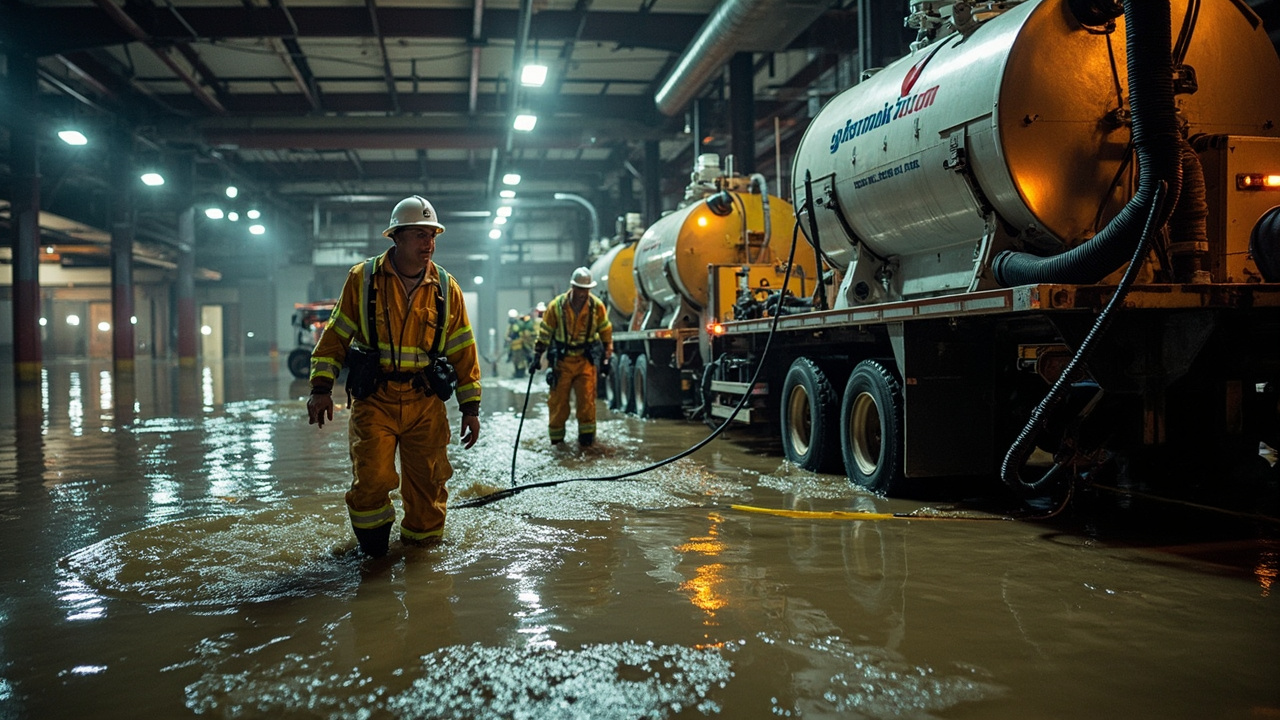
Our truck-mounted extraction units move 4,000 gallons per hour through 4-inch diameter hoses, allowing us to drain large areas while simultaneously deploying portable extraction units for confined spaces. Commercial water removal requires coordinated multi-zone operation. We establish primary extraction points at low elevations, then use secondary units to prevent water migration during the extraction process.

High volume water pumping systems handle debris without constant filter changes. St. Louis floodwater carries sediment from the Mississippi River basin, along with construction debris and organic matter. Our pumps feature cyclonic pre-separators that remove solids before they reach impellers, maintaining consistent flow rates throughout extended operations.

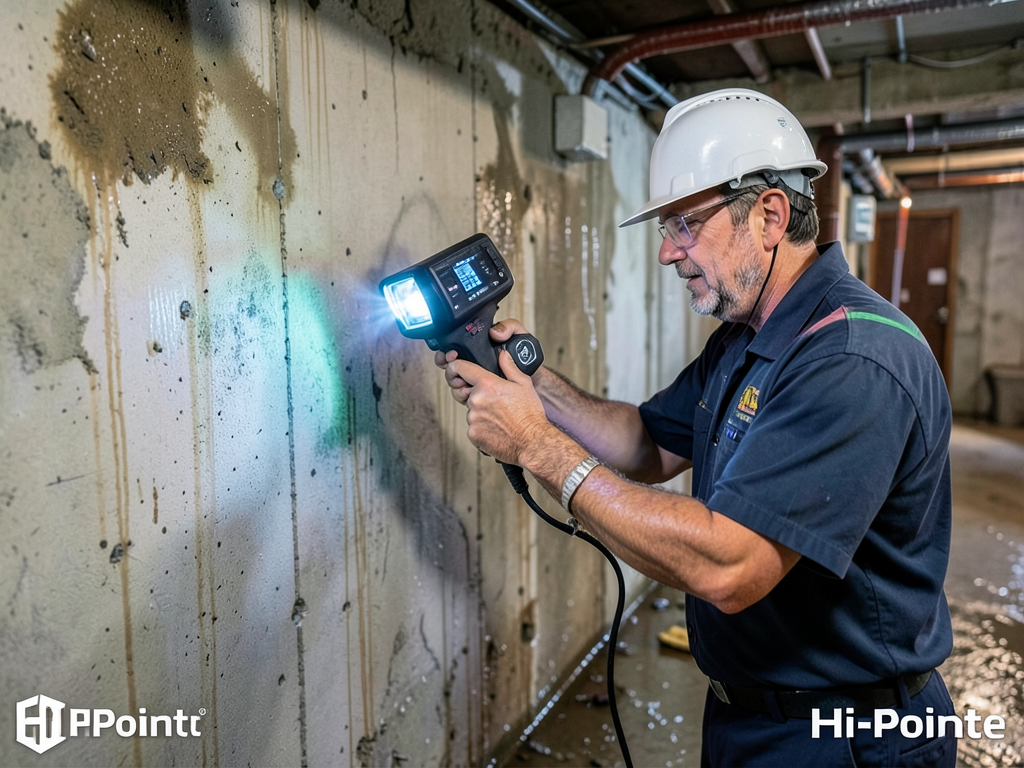
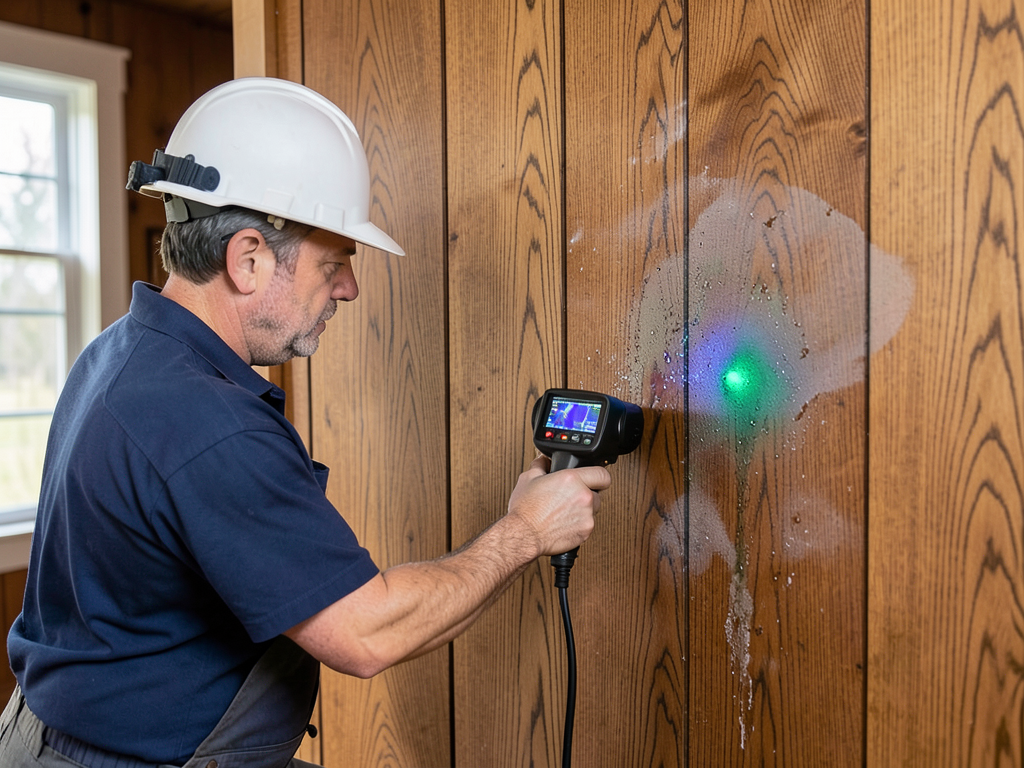
We integrate thermal imaging during extraction to identify hidden water pockets behind walls or under equipment pads. Water follows electrical conduit runs and HVAC chases, spreading far beyond the visible flood zone. Stopping extraction when the floor looks dry guarantees secondary damage from trapped moisture.

Bulk water removal services include coordinated logistics for water disposal. Extracting 50,000 gallons from your facility requires legal disposal points and transportation capacity. We handle manifesting and disposal documentation, ensuring compliance with St. Louis Metropolitan Sewer District regulations for industrial discharge.

The extraction phase sets the timeline for everything that follows. Inadequate extraction capacity extends drying time exponentially, turning a three-day recovery into a two-week shutdown. We deploy sufficient equipment to complete primary extraction in hours, not days.

What Happens During Emergency Commercial Water Extraction

Large Scale Water Extraction in St. Louis – Industrial-Grade Solutions That Keep Your Business Operating
01

Rapid Deployment and Volume Assessment

Within two hours of your call, our assessment team arrives with portable extraction units while our logistics coordinator dispatches truck-mounted systems. We map water depth, calculate total volume, and identify structural vulnerabilities. This assessment determines equipment configuration and establishes extraction zones. You receive a detailed mitigation timeline before primary extraction begins, allowing you to coordinate with insurance adjusters and communicate restoration schedules to stakeholders.
02

Multi-Zone Extraction Operations

We establish primary extraction points at structural low points, then deploy secondary units to prevent water migration during pumping operations. Our team coordinates extraction rates across zones to prevent differential drying that causes flooring delamination or concrete curling. Continuous moisture monitoring tracks progress in real time. We adjust equipment placement every four hours based on thermal imaging results, ensuring complete extraction from hidden voids and structural cavities before transitioning to drying operations.
03

Verification and Transition Protocol

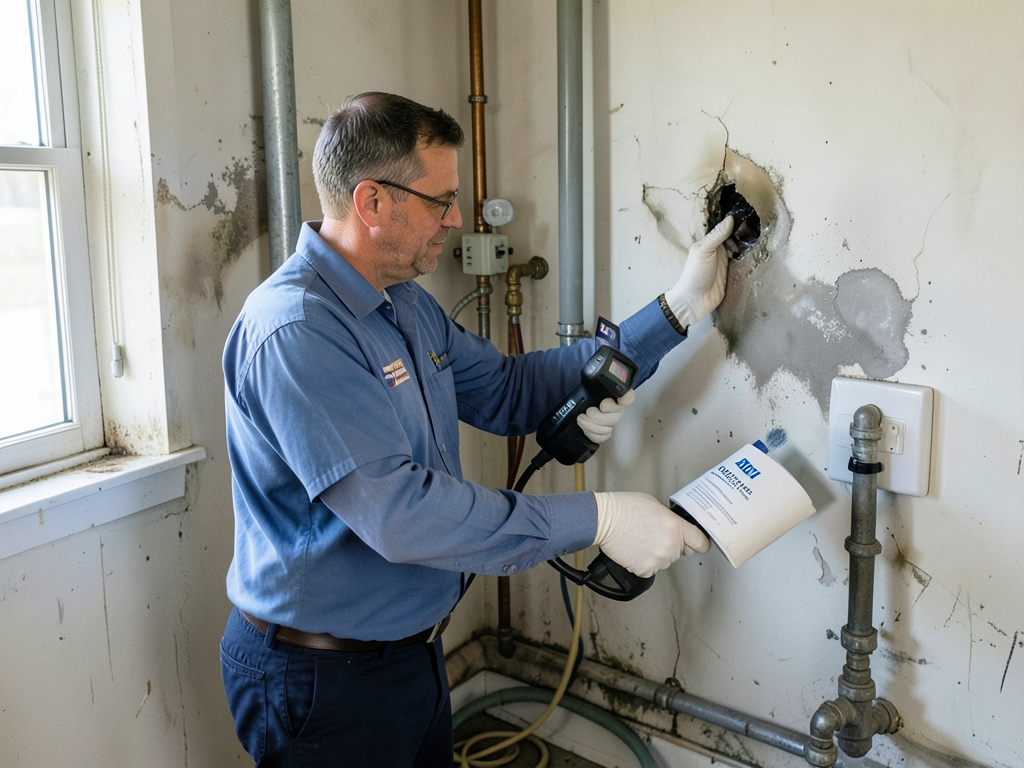
Extraction completion requires documented verification, not visual assessment. We use moisture meters calibrated for concrete, wood, and gypsum to confirm extraction effectiveness across your facility. Our final report includes moisture readings at 20-foot intervals, thermal images showing temperature differentials, and equipment runtime logs. This documentation supports your insurance claim and establishes baseline conditions for the drying phase. We transition directly to dehumidification without demobilizing, preventing moisture reabsorption that extends your total restoration timeline.

Why St. Louis Businesses Trust Patriot Water Damage Restoration for Large Loss Events

St. Louis's commercial water damage landscape demands providers who understand local infrastructure vulnerabilities and maintain sufficient equipment inventory for simultaneous large loss events. When spring storms overwhelm the Metropolitan Sewer District's capacity, multiple facilities flood simultaneously. Most restoration companies serve first-come clients and subcontract overflow work to under-equipped providers.

Patriot Water Damage Restoration St. Louis maintains dedicated commercial equipment reserves specifically for large loss water mitigation. Our truck-mounted extraction fleet stays ready for deployment, not dispersed across residential jobs. When your facility floods, you get our primary response team and our full equipment inventory, not a subcontractor with residential-grade tools.

We understand St. Louis building stock. Many commercial properties in the metro occupy structures built between 1920 and 1960, featuring brick and timber construction with limited moisture barriers. These buildings require different extraction approaches than modern tilt-up concrete facilities. Our team adjusts extraction methods based on your building's construction type, preventing structural damage during water removal.

Local code compliance matters during large scale restoration. St. Louis requires permits for structural drying equipment that draws more than 50 amps or operates continuously for more than 72 hours. We handle permitting and coordinate with city inspectors, ensuring your restoration proceeds without code violations that complicate insurance claims or delay reopening.

Our relationships with local industrial suppliers allow us to source replacement materials without lead times that extend your closure. When you need 10,000 square feet of commercial flooring or custom millwork to match historic details, we access local fabricators who deliver in days, not weeks.

You need a restoration partner who responds to your call with owned equipment, employed technicians, and local expertise. We operate that way because anything less puts your business at risk.

What to Expect During Your Commercial Water Extraction Project

Response Time and Equipment Mobilization

Our assessment team arrives within two hours of your initial call, regardless of time or day. We dispatch truck-mounted extraction units simultaneously, with full deployment typically complete within four hours for facilities under 50,000 square feet. Larger facilities receive staged deployment, with extraction beginning in critical areas while equipment mobilization continues. You receive hourly progress updates during the first 24 hours, including volume extracted, remaining work, and projected completion time. Our project manager remains on-site throughout primary extraction, adjusting resources as conditions change and coordinating with your facilities team to minimize operational disruption.

Technical Assessment and Documentation

Before extraction begins, we document pre-loss conditions through photography, moisture mapping, and structural assessment. This documentation protects your insurance claim and establishes liability boundaries. Our technicians identify safety hazards including electrical risks, structural instability, and contamination concerns. You receive a written assessment within six hours detailing water category, affected materials, recommended extraction protocol, and estimated restoration timeline. We test water samples when contamination is suspected, adjusting our extraction and disposal methods based on laboratory results. This assessment becomes the foundation for your entire restoration project and supports accurate insurance claims.

Extraction Quality and Verification

We extract water to industry-standard moisture levels defined by the Institute of Inspection, Cleaning and Restoration Certification, not just until standing water disappears. Our technicians use penetrating moisture meters and thermal imaging to verify extraction effectiveness in walls, subfloors, and structural cavities. You receive detailed moisture maps showing readings across your facility, with problem areas flagged for additional attention. We do not transition to drying phase until moisture levels meet documented standards for your building materials and construction type. This verification prevents mold growth and structural damage that emerges weeks after inadequate extraction.

Ongoing Monitoring and Adjustment

Large scale extraction requires continuous monitoring and equipment adjustment. Our technicians check moisture levels every four hours, repositioning equipment as dry zones emerge and wet zones concentrate. We provide daily progress reports including moisture readings, equipment runtime hours, and projected completion dates. If we encounter unexpected water sources or hidden damage during extraction, we notify you immediately with updated timelines and cost implications. Our monitoring continues through the drying phase, with technicians visiting your facility twice daily to adjust dehumidifier settings and airflow patterns. You maintain business operations in unaffected areas while we work, with our team coordinating around your schedule to minimize disruption.

Frequently Asked Questions

You Have Questions,
We Have Answers

How to purify water on a large scale? +

Large-scale water purification for commercial facilities in St. Louis requires professional-grade systems that handle high volumes. Industrial reverse osmosis units, UV disinfection arrays, and multi-stage filtration systems process thousands of gallons daily. For water damage restoration contexts, purification focuses on safe disposal and preventing contamination spread rather than creating potable water. Commercial properties facing flooding from Mississippi River overflow or storm surge need extraction first, then antimicrobial treatment of affected surfaces. IICRC-certified technicians assess contamination levels and deploy appropriate decontamination protocols. Your focus should be on protecting business continuity and meeting health code requirements, not DIY purification methods.

How to remove large amounts of water? +

Removing large water volumes from commercial properties requires truck-mounted extractors and submersible pumps rated for 50 to 200 gallons per minute. St. Louis facilities dealing with major flooding need professional equipment that residential shop vacs cannot handle. Commercial extractors use 3-inch discharge hoses and can remove standing water from warehouses, retail spaces, and office buildings within hours. Timing is critical. Every hour of standing water increases structural damage, mold risk, and business downtime. Industrial dehumidifiers and air movers follow extraction to dry building materials. Your liability exposure grows with delayed response, making professional extraction a business continuity decision, not just a maintenance issue.

What is the machine that extracts water? +

Water extraction machines range from portable extractors to truck-mounted units. Commercial-grade equipment includes submersible pumps for standing water, riding extractors for large floor areas, and trailer-mounted vacuum systems. Truck-mounted extractors generate the highest suction power, essential for St. Louis commercial properties with dense carpeting or multiple floors. These units stay outside while technicians run hoses throughout your building. Portable extractors handle smaller areas or upper floors where truck mounts cannot reach. Professional restoration teams deploy multiple machine types simultaneously to minimize downtime. The equipment choice depends on water volume, building size, flooring type, and accessibility. Speed matters when your business operations are interrupted.

What is excessive water extraction? +

Excessive water extraction in commercial restoration contexts means inadequate moisture removal that leaves hidden water in walls, subfloors, or HVAC systems. This creates mold growth, structural rot, and indoor air quality problems that compound your initial loss. St. Louis buildings with brick facades and older construction trap moisture easily. Professional restoration uses thermal imaging and moisture meters to verify complete extraction, not just surface drying. Incomplete extraction leads to callback costs, business interruption extensions, and potential liability if employees or customers develop health issues. Your insurance adjuster expects documentation proving thorough moisture removal. Cutting corners on extraction depth creates bigger problems than the original water event.

How to purify 100 gallons of water? +

Purifying 100 gallons of water is irrelevant to commercial water damage restoration in St. Louis. Your focus should be extracting contaminated water and disposing of it properly, not converting it to drinking water. Commercial facilities dealing with flooding, sewage backups, or supply line failures need rapid water removal and structural drying. The water extracted from your property contains bacteria, chemicals, building materials, and potential sewage contamination. Professional restoration teams pump this water to appropriate disposal sites per EPA and local wastewater regulations. Your concern is protecting your property, employees, and business operations. Leave small-scale water purification to camping suppliers. Focus on professional extraction and remediation.

Can you drink any water with LifeStraw? +

LifeStraw products are consumer camping tools, not commercial water damage solutions for St. Louis businesses. If you are researching personal water filters while facing commercial property flooding, you are focused on the wrong problem. Your priority is removing thousands of gallons from your facility, drying structural components, and preventing mold growth that shuts down operations. Commercial water damage involves contaminated water categories that no personal filter addresses. Category 3 water from sewage backups or Mississippi River flooding contains pathogens that require professional remediation, not filtration. Protect your business assets and liability exposure with professional extraction services. Personal survival gear does not apply to commercial property management.

How do preppers purify water? +

Prepper water purification methods do not apply to commercial water damage restoration in St. Louis. Business owners facing flooding need industrial extraction and structural drying, not survival techniques. Commercial properties require documentation, code compliance, and insurance coordination that DIY prepper methods cannot provide. Your facility needs truck-mounted extractors, commercial dehumidifiers, and antimicrobial treatment, not boiling water or using iodine tablets. The water contaminating your property contains building materials, chemicals, and potential sewage. Professional restoration protects your liability exposure and ensures proper disposal per local regulations. Focus on minimizing business downtime and meeting your insurance requirements. Prepper techniques create documentation gaps that complicate claims and expose you to future liability.

How to deal with standing water in a yard? +

Standing yard water at commercial properties in St. Louis signals drainage problems that threaten your foundation and parking areas. Clay-heavy soils common throughout the metro area retain water and create hydrostatic pressure against basement walls. Professional solutions include French drains, catch basins, and grading corrections. Temporary fixes like pumping address symptoms, not causes. If your facility experiences recurring yard flooding, you face foundation damage, landscape erosion, and potential interior water intrusion. Commercial properties need engineered drainage solutions that handle St. Louis rainfall patterns and soil conditions. Your property manager should coordinate with civil engineers and landscape contractors. Yard water becomes building water without proper site drainage.

How to get rid of all the water weight? +

Water weight questions belong in health contexts, not commercial water damage restoration. If you searched this while dealing with facility flooding in St. Louis, refocus on business-critical issues. Your commercial property needs professional water extraction, structural drying, and damage documentation for insurance purposes. Every hour of delayed response increases your loss amount and business interruption costs. Commercial water damage affects your operations, employee safety, inventory, and liability exposure. Contact restoration professionals who understand commercial timelines and insurance coordination. Personal health questions should go to medical professionals. Your immediate concern is protecting your business assets and minimizing downtime. Professional extraction teams respond 24/7 to commercial emergencies throughout the St. Louis metro area.

How do the Amish collect water? +

Amish water collection methods are irrelevant to commercial water damage restoration in St. Louis. Business owners facing facility flooding need immediate professional extraction, not historical or cultural water practices. Your commercial property requires rapid response, industrial equipment, and insurance documentation. St. Louis facilities dealing with storm damage, pipe failures, or HVAC leaks need truck-mounted extractors and commercial drying equipment. Focus on business continuity, code compliance, and liability protection. Traditional water collection has zero application to modern commercial property management or emergency restoration. If you are researching off-grid water systems while your facility floods, contact professional restoration services immediately. Cultural practices do not address commercial water damage timelines or insurance requirements.

How St. Louis River Flooding and Clay Soil Create Unique Commercial Water Challenges

St. Louis commercial properties face dual water intrusion risks most markets never experience. The Mississippi River's spring flood stage combines with the area's dense clay soil, creating hydrostatic pressure that forces groundwater through foundation walls even when properties sit outside designated flood zones. This groundwater carries fine sediment that clogs standard extraction equipment, requiring specialized high volume water pumping systems with debris separation capabilities. Industrial water extraction projects in St. Louis must account for continuous seepage during extraction operations, often requiring perimeter trenching and sump pump installation to prevent recontamination during the drying phase.

The Metropolitan St. Louis Sewer District's combined sewer system creates backflow risks during heavy rain events, particularly in industrial areas near the riverfront. Commercial facilities require extraction teams familiar with contamination protocols and disposal regulations specific to St. Louis wastewater systems. Patriot Water Damage Restoration St. Louis maintains relationships with local industrial waste haulers and understands MSD permitting requirements for emergency discharge operations. This local knowledge prevents regulatory violations that delay your reopening and complicate insurance settlements. When catastrophic water intrusion threatens your operations, you need a restoration partner who understands St. Louis's unique infrastructure challenges and responds with appropriate equipment and protocols.
Water Damage Restoration Services in The St. Louis Area

We are proud to be the trusted local choice for water damage restoration across the greater St. Louis region. This map highlights our primary service zone, demonstrating our commitment to rapid, localized response across every neighborhood and business district within the area. We invite all users to view our service area and then contact us directly for immediate deployment to your specific address within the St. Louis community.

Address:
Patriot Water Damage Restoration St. Louis, 710 N Tucker Blvd, St. Louis, MO, 63101

Additional Services We Offer

Our news updates

Latest Articles & News from The Blogs

What to Do When Your Water Softener Leaks and Floods Your Affton Utility Room A leaking water softener can release…

What to Do When Your Water Softener Leaks and Floods Your Affton Utility Room

What to Do When Your Water Softener Leaks and Floods Your Affton Utility Room A leaking water softener can release…

Restoring a Water Damaged Mid-Century Modern Home in Warson Woods

Restoring a Water Damaged Mid-Century Modern Home in Warson Woods Water damage in a mid-century modern home requires specialized knowledge…

Why Your Walk-Out Basement in Hi-Pointe is Vulnerable to Heavy Rain Runoff

Why Your Walk-Out Basement in Hi-Pointe is Vulnerable to Heavy Rain Runoff Your walk-out basement in Hi-Pointe faces unique flooding…

Contact Us

Every hour of delay increases your total loss. Call Patriot Water Damage Restoration St. Louis now at (314) 428-9977 for immediate dispatch. Our commercial extraction fleet is ready to deploy, and our project managers are standing by to coordinate your emergency response.