menu

Fire Sprinkler Water Cleanup in St. Louis – 24/7 Emergency Response Within 60 Minutes

When a fire sprinkler discharges accidentally or a suppression system fails, every minute counts. Patriot Water Damage Restoration St. Louis dispatches certified crews immediately to extract water, prevent secondary damage, and restore your property before business interruption costs spiral.

Slider Image 1
Slider Image 2
Slider Image 3
Slider Image 4
Slider Image 5
Slider Image 7
Slider Image 8
Slider Image 9
Slider Image 10
Slider Image 11

Accidental Sprinkler Discharge Can Flood Your Property in Minutes

Fire sprinklers are designed to save lives, but when they discharge accidentally, the water damage can be catastrophic. A single sprinkler head releases 15 to 30 gallons per minute. In a commercial building or warehouse, that means hundreds of gallons flooding your space before someone can shut off the system.

In St. Louis, older buildings in neighborhoods like Soulard and Lafayette Square often have aging fire suppression systems that are more prone to corrosion and accidental activation. Winter freeze-thaw cycles can weaken pipes, and summer humidity accelerates rust in older sprinkler fittings. When a head bursts or malfunctions, you are dealing with clean water initially, but the clock starts immediately. Within 24 to 48 hours, that water becomes a breeding ground for mold, especially in St. Louis's humid climate where indoor humidity regularly exceeds 60 percent.

Emergency sprinkler water removal is not about mopping up and moving on. It requires industrial-grade extraction equipment, structural drying systems, and moisture mapping to find water that has seeped into wall cavities, under flooring, and into insulation. Fire suppression system water extraction also means dealing with pressurized water that has been forced into building materials at volume. The longer you wait, the more extensive the damage becomes. Drywall wicks water upward, wood swells and warps, and electronics suffer permanent failure from moisture exposure.

You need a crew on-site fast. You need fire sprinkler water damage restoration that stops the damage progression and gets your property back to pre-loss condition.

Accidental Sprinkler Discharge Can Flood Your Property in Minutes
Our Emergency Sprinkler Water Removal Process Stops Damage in Its Tracks

Our Emergency Sprinkler Water Removal Process Stops Damage in Its Tracks

Patriot Water Damage Restoration St. Louis deploys a multi-phase containment and extraction protocol designed specifically for high-volume water events. When you call, we dispatch a crew within 60 minutes, equipped with truck-mounted extraction units that remove thousands of gallons per hour.

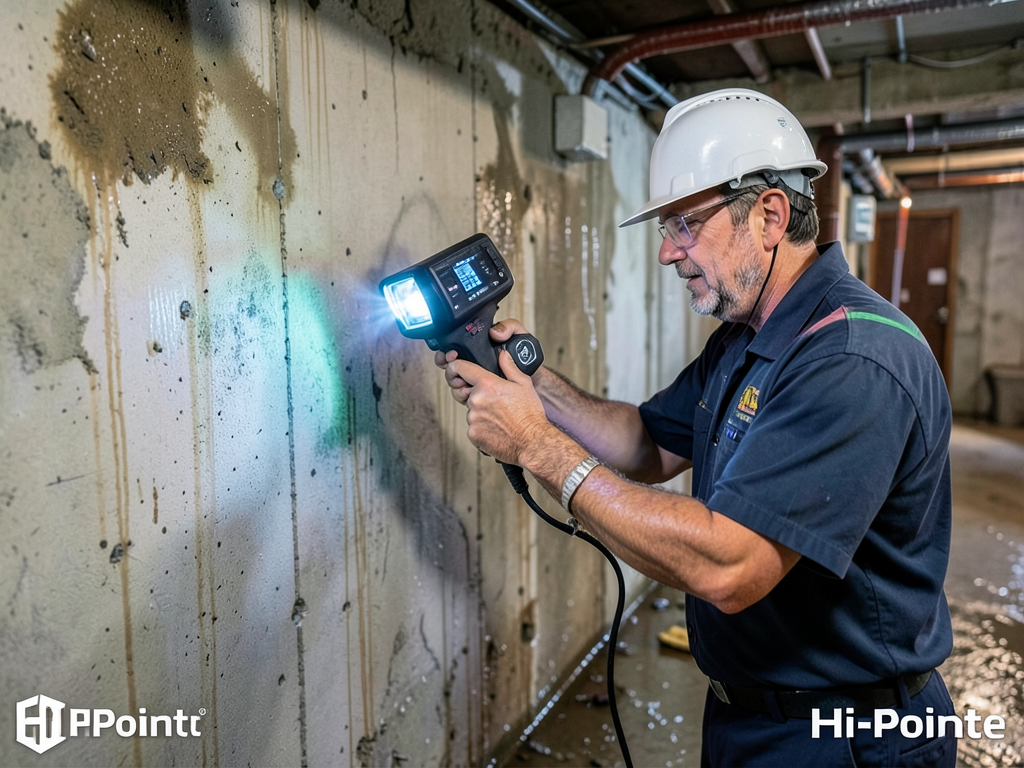
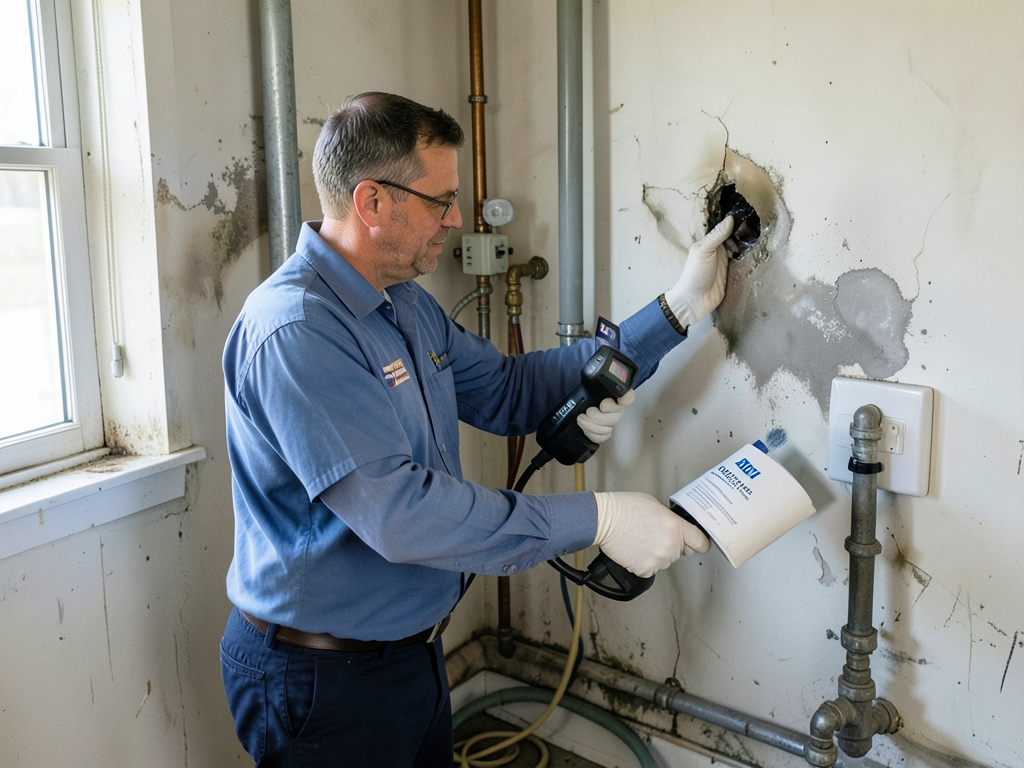
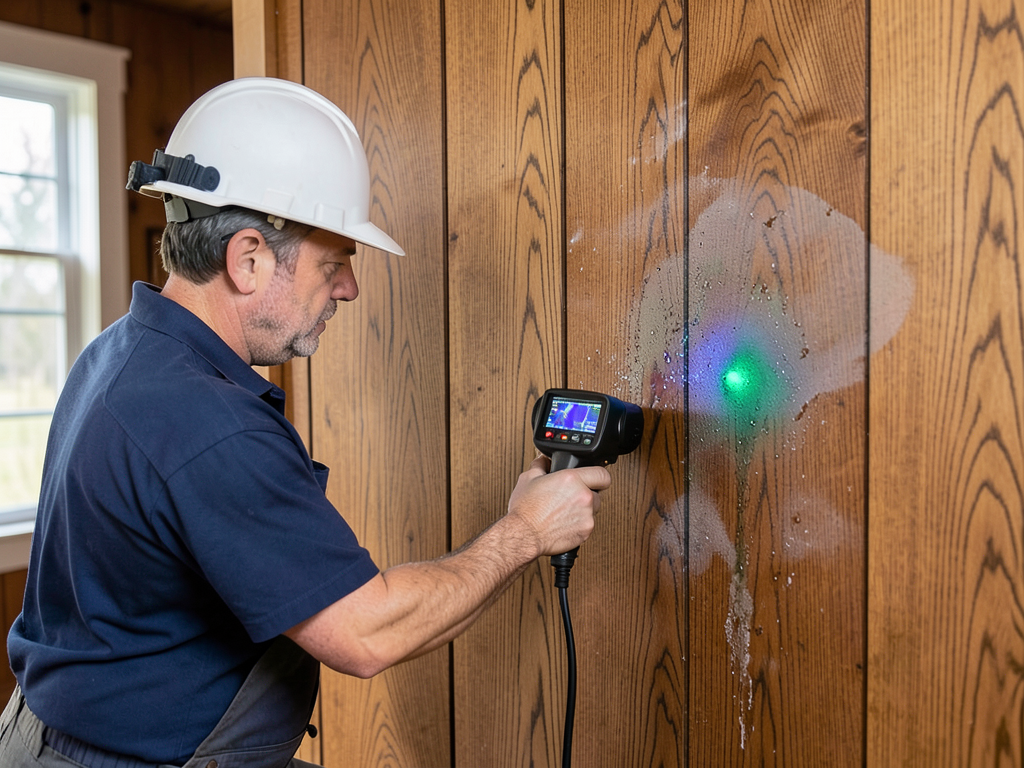
First, we isolate the water source and document the extent of the damage for insurance purposes. Fire suppression system failures often require coordination with building management and fire safety inspectors, and we handle that communication. We photograph affected areas, measure moisture levels with thermal imaging cameras, and create a detailed site map.

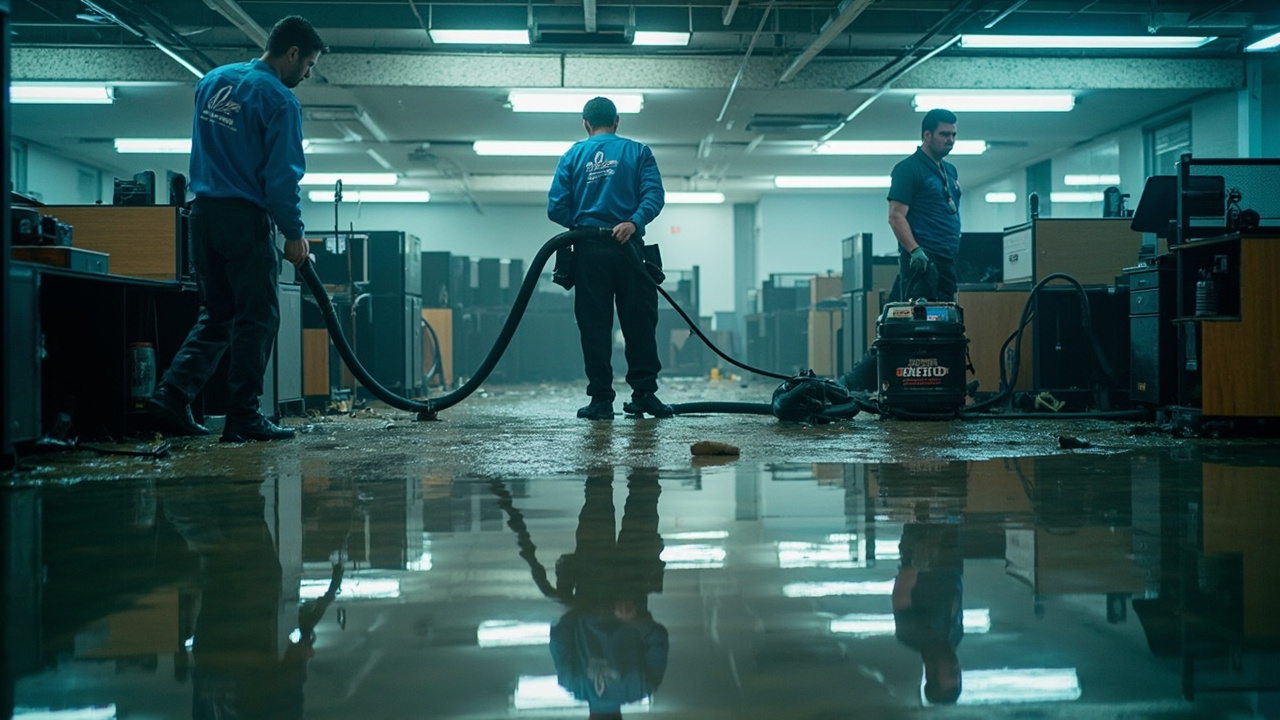
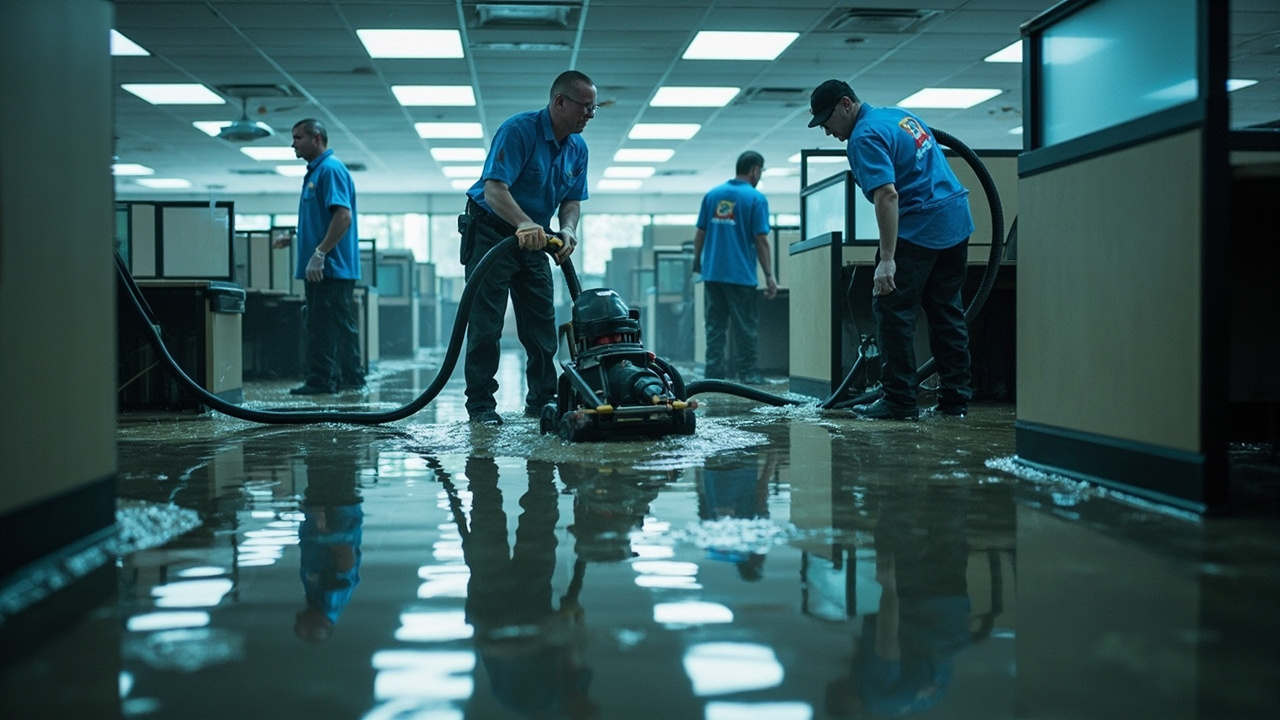
Next, we deploy commercial-grade submersible pumps and trailer-mounted extraction units to remove standing water. For burst fire sprinkler flood remediation, speed is everything. We pull water out of carpets, under raised flooring systems, and from mechanical spaces before it migrates further into the structure. Our extraction equipment removes up to 95 percent of the water load in the first pass.

Then we place high-velocity air movers and commercial dehumidifiers to create a controlled drying environment. This is not box fans and hope. We use psychrometric calculations to determine the exact equipment placement and drying time needed based on the building materials, ambient humidity, and temperature. We monitor moisture levels daily with pin-type and non-invasive meters, adjusting equipment as needed until all materials reach acceptable dryness standards.

Accidental sprinkler discharge cleanup also includes antimicrobial treatment of affected surfaces to prevent microbial growth. We apply EPA-registered disinfectants to all porous and semi-porous materials that contacted water. Finally, we coordinate with your insurance adjuster and provide complete documentation of the loss and the restoration work performed.

What Happens When You Call for Fire Sprinkler Water Cleanup

Fire Sprinkler Water Cleanup in St. Louis – 24/7 Emergency Response Within 60 Minutes
01

Immediate Dispatch and Assessment

We arrive on-site within 60 minutes to stop further water intrusion and assess the damage. Our crew performs an initial walkthrough, identifies the source of the discharge, and documents all affected areas with moisture meters and thermal imaging. You receive a verbal briefing on the scope of work and expected timeline before we begin extraction. We also contact your insurance carrier to initiate the claim process.
02

Water Extraction and Containment

We deploy industrial extraction equipment to remove standing water and water trapped in flooring, walls, and structural cavities. Truck-mounted pumps and portable extractors pull water from carpets, padding, and subfloors. We set up containment barriers to prevent cross-contamination and control airflow. High-volume air movers and dehumidifiers are positioned strategically to begin the drying process immediately. All affected materials are cataloged for insurance documentation and restoration planning.
03

Structural Drying and Restoration

We monitor moisture levels daily until all building materials return to acceptable dryness standards. This typically takes three to five days depending on the extent of saturation. Once drying is complete, we apply antimicrobial treatment to prevent mold growth and begin reconstruction of damaged areas. You receive a final moisture report, photos of completed work, and full documentation for your insurance claim. We also inspect HVAC systems to ensure no water infiltrated ductwork or mechanical components.

Why St. Louis Properties Need Local Fire Sprinkler Water Damage Experts

Fire sprinkler systems are required in most commercial buildings, multi-family housing, and many historic properties in St. Louis. But when these systems fail, you need a restoration company that understands local building codes, climate challenges, and the specific construction methods common to St. Louis architecture.

Many buildings in the Central West End, Tower Grove, and downtown feature century-old masonry construction with modern fire suppression retrofits. When a sprinkler line bursts in these structures, water can travel through wall cavities, between brick wythes, and into concealed spaces that are difficult to access and dry. We have restored sprinkler water damage in buildings ranging from converted loft apartments to industrial warehouses along the Mississippi riverfront. We know how water behaves in these structures, and we know how to extract it without causing additional structural damage.

St. Louis's humidity also accelerates secondary damage. Once water is introduced into a building, the ambient humidity in summer can keep materials damp for weeks if not properly dried. Mold can colonize drywall, insulation, and wooden framing within 48 hours. We use commercial dehumidifiers that pull 200-plus pints per day and air movers that create the airflow velocity needed to dry dense materials like plaster, brick, and hardwood.

We also understand the insurance landscape in St. Louis. We work with all major carriers and provide the documentation required to support your claim. That means detailed moisture logs, photographic evidence, and itemized estimates that meet insurance adjuster standards. You should not have to fight with your insurance company while your property sits damaged. We handle the paperwork so you can focus on getting back to business.

Patriot Water Damage Restoration St. Louis is locally owned, and we have built our reputation on fast response and thorough restoration. When your fire suppression system fails, you need a crew that arrives prepared, works efficiently, and leaves your property restored to pre-loss condition.

What to Expect During Fire Sprinkler Water Cleanup

Rapid Response and Arrival Time

We guarantee arrival within 60 minutes of your call, 24 hours a day, seven days a week. Our crews are dispatched from our St. Louis facility with all necessary equipment already staged on the trucks. That means extraction pumps, air movers, dehumidifiers, moisture meters, and antimicrobial treatments arrive with the crew. You do not wait for equipment to be delivered later. When a fire sprinkler discharges, the first hour is the most critical for minimizing damage. We treat every call as an emergency and mobilize immediately.

Comprehensive Damage Assessment

Our crew performs a full assessment using thermal imaging cameras and moisture meters to map the extent of water infiltration. We document all affected areas with photographs and written reports for your insurance claim. You receive a detailed scope of work that outlines the extraction process, drying timeline, and any necessary reconstruction. We also test for airborne moisture levels and check HVAC systems to ensure water has not entered ductwork. This assessment process typically takes 30 to 45 minutes, and you receive a verbal briefing before we begin work.

Complete Structural Drying and Restoration

We do not leave your property until all building materials are dried to acceptable moisture content levels. That means daily monitoring with calibrated moisture meters and psychrometric analysis to track drying progress. Once structural drying is complete, we remove damaged materials, apply antimicrobial treatment, and begin reconstruction if needed. You receive a certificate of completion that documents final moisture readings and confirms your property is safe for reoccupancy. If your insurance requires third-party verification, we coordinate that inspection and provide all necessary documentation.

Insurance Coordination and Documentation

We work directly with your insurance adjuster to streamline the claims process. You receive a detailed estimate, moisture logs, and photographic documentation that meets insurance carrier standards. We also provide a timeline of all work performed and can attend adjuster inspections if needed. Many property owners do not realize that incomplete documentation can result in claim denials or reduced payouts. We have processed hundreds of fire sprinkler water damage claims in St. Louis, and we know what adjusters expect. Our goal is to ensure you receive the full coverage you are entitled to under your policy.

Frequently Asked Questions

You Have Questions,
We Have Answers

Is fire sprinkler water clean? +

No. Fire sprinkler water sits stagnant in pipes for months or years. This creates bacterial growth, rust, and sediment buildup. When a sprinkler discharges, the water is often black or brown and smells like rotten eggs. It contains corrosion byproducts, biofilm, and metals from the pipe interior. This contaminated water can stain floors, carpets, and walls. It requires professional extraction and cleaning. In St. Louis buildings, older iron pipe systems produce worse contamination. Do not attempt cleanup yourself. The water is unsanitary and can harbor pathogens. Call a restoration team immediately to prevent mold and permanent damage.

What is the 3x rule for sprinklers? +

The 3x rule refers to the sprinkler head clearance requirement. You must maintain at least 18 inches of vertical clearance below any sprinkler head. This ensures proper water spray pattern and coverage. Obstructions within 18 inches can block water distribution and create dry spots during a fire. Storage, shelving, or furniture placed too close violates fire code. In St. Louis commercial properties, inspectors enforce this strictly. Blocked sprinkler heads delay suppression and increase damage. After sprinkler discharge, blocked heads often cause uneven flooding. Keep all storage and equipment clear to ensure your system functions properly during an emergency.

How often do sprinkler systems need to be flushed? +

Dry pipe and preaction sprinkler systems require annual flushing to remove sediment and corrosion buildup. Wet pipe systems need flushing every three to five years, depending on water quality and pipe material. St. Louis water can contain minerals that accelerate corrosion in older iron pipes. Neglecting maintenance creates blockages and increases the contamination level of discharged water. Building owners should follow NFPA 25 inspection schedules. Regular flushing reduces the severity of water damage during accidental discharge. If your system discharges and releases black water, it signals overdue maintenance. Schedule professional inspection and flushing to protect your property.

Does the fire department pay for water? +

No. Property owners are responsible for all water damage caused by fire sprinkler discharge, whether accidental or fire-related. The fire department does not pay for cleanup, repairs, or restoration. Your commercial or homeowner insurance policy covers most sprinkler water damage claims. In St. Louis, building owners must act quickly to mitigate damage and file claims. Insurance covers extraction, drying, cleaning, and repairs. Document everything with photos and detailed notes. Contact a restoration company immediately to start emergency water removal. Waiting 24 hours allows mold growth to begin. Fast action protects your claim and reduces total loss.

Why does fire sprinkler water smell bad? +

Fire sprinkler water smells bad because it sits stagnant in pipes for years. Bacteria, biofilm, and organic material accumulate inside the pipes and decompose. The water becomes anaerobic, producing hydrogen sulfide gas, which smells like rotten eggs or sewage. Rusty iron pipes worsen the odor by adding metallic and musty smells. In St. Louis commercial buildings with older systems, the smell can be overwhelming after discharge. This contaminated water requires professional deodorization and antimicrobial treatment. Simply mopping up the water leaves residual bacteria and odor in porous materials. Professional restoration eliminates odor at the source and prevents health hazards.

Can I use the fire hydrant to fill my pool? +

No. Using fire hydrants for personal use is illegal in St. Louis without a permit from the water department. Fire hydrants supply emergency water for firefighting. Unauthorized use reduces water pressure for nearby hydrants, endangering public safety. Tampering with a hydrant carries fines and potential criminal charges. You may damage the hydrant valve, causing leaks that waste thousands of gallons. If you need bulk water for a pool, contact St. Louis Water Division for a metered hydrant permit. They provide proper equipment and backflow prevention. Never open a hydrant yourself. Always use legal water sources for non-emergency purposes.

What is the 18 rule for fire sprinklers? +

The 18-inch rule requires 18 inches of clearance between the sprinkler head deflector and the top of stored materials or obstructions. This clearance ensures the water spray pattern deploys correctly during activation. Anything stored above this line blocks water distribution and creates fire spread risk. In St. Louis warehouses and commercial storage facilities, code enforcement inspects for compliance regularly. Violations result in fines and mandatory corrections. When sprinkler heads activate with obstructions present, water flow becomes erratic, causing uneven flooding and incomplete fire suppression. Maintain proper clearance to protect lives and minimize water damage during sprinkler events.

What is the 30 30 rule for irrigation? +

The 30-30 rule for irrigation means watering 30 minutes before sunrise and finishing 30 minutes after sunrise. This reduces evaporation and fungal disease. However, this applies to landscaping irrigation, not fire protection systems. Fire sprinkler systems operate on demand during emergencies, not scheduled cycles. If you experience an accidental sprinkler discharge in your St. Louis property, the water release is instantaneous and uncontrolled. You cannot schedule or control fire sprinkler activation. The resulting water damage requires immediate professional extraction and drying. Do not confuse irrigation scheduling with fire sprinkler operation. They are completely different systems with different purposes.

Will vaping set off a sprinkler system? +

No. Standard fire sprinkler heads activate from heat, not smoke or vapor. Vaping produces aerosol and vapor but no significant heat. Sprinkler heads require temperatures between 135 and 165 degrees Fahrenheit to activate. Vaping alone cannot reach this threshold. However, vaping may trigger smoke detectors in some St. Louis buildings, causing alarm activation but not water discharge. Only direct flame or sustained high heat activates sprinkler heads. If a sprinkler discharges in your building, it results from actual heat exposure or mechanical failure, not vaping. Accidental discharge requires immediate water extraction to prevent structural damage and mold growth.

What is the life expectancy of a fire sprinkler system? +

Fire sprinkler systems last 50 to 100 years with proper maintenance, but individual components have shorter lifespans. Sprinkler heads last 50 years before requiring replacement due to corrosion and seal degradation. Pipes last longer but corrode faster in high-humidity environments like St. Louis basements. Dry pipe valves and control systems need replacement every 20 to 30 years. Regular inspections per NFPA 25 extend system life and reduce accidental discharge risk. Aging systems are more prone to leaks and failures, causing water damage. If your system discharges unexpectedly, contact a restoration company immediately to minimize damage and begin insurance claims.

Why St. Louis Humidity Makes Fire Sprinkler Water Damage More Severe

St. Louis sits at the confluence of the Mississippi and Missouri Rivers, creating a naturally humid environment that complicates water damage restoration. Summer humidity regularly exceeds 70 percent, which means building materials stay damp longer after a fire sprinkler discharge. When water is introduced into a structure, high ambient humidity slows evaporation and creates ideal conditions for mold growth. Older buildings in neighborhoods like Benton Park and The Hill often lack modern vapor barriers, allowing moisture to migrate through walls and ceilings. Emergency sprinkler water removal in St. Louis requires aggressive dehumidification and airflow management to combat these environmental factors and prevent secondary microbial damage.

Local building codes in St. Louis also require fire suppression systems in most commercial and multi-family properties, meaning fire sprinkler water damage restoration is a specialized service demand in this market. Patriot Water Damage Restoration St. Louis works with property managers, commercial building owners, and insurance adjusters throughout the metro area. We understand the compliance requirements for restoring occupied buildings and coordinate with St. Louis City and County inspectors when required. Choosing a local restoration company means faster response, familiarity with regional construction methods, and a team that understands how to navigate local permit and inspection processes efficiently.
Water Damage Restoration Services in The St. Louis Area

We are proud to be the trusted local choice for water damage restoration across the greater St. Louis region. This map highlights our primary service zone, demonstrating our commitment to rapid, localized response across every neighborhood and business district within the area. We invite all users to view our service area and then contact us directly for immediate deployment to your specific address within the St. Louis community.

Address:
Patriot Water Damage Restoration St. Louis, 710 N Tucker Blvd, St. Louis, MO, 63101

Additional Services We Offer

Our news updates

Latest Articles & News from The Blogs

What to Do When Your Water Softener Leaks and Floods Your Affton Utility Room A leaking water softener can release…

What to Do When Your Water Softener Leaks and Floods Your Affton Utility Room

What to Do When Your Water Softener Leaks and Floods Your Affton Utility Room A leaking water softener can release…

Restoring a Water Damaged Mid-Century Modern Home in Warson Woods

Restoring a Water Damaged Mid-Century Modern Home in Warson Woods Water damage in a mid-century modern home requires specialized knowledge…

Why Your Walk-Out Basement in Hi-Pointe is Vulnerable to Heavy Rain Runoff

Why Your Walk-Out Basement in Hi-Pointe is Vulnerable to Heavy Rain Runoff Your walk-out basement in Hi-Pointe faces unique flooding…

Contact Us

Call Patriot Water Damage Restoration St. Louis now at (314) 428-9977 for immediate dispatch. Our crews are standing by 24/7 to extract water, dry your property, and restore your building to pre-loss condition. Do not wait. Every minute increases the damage and the cost of repairs.