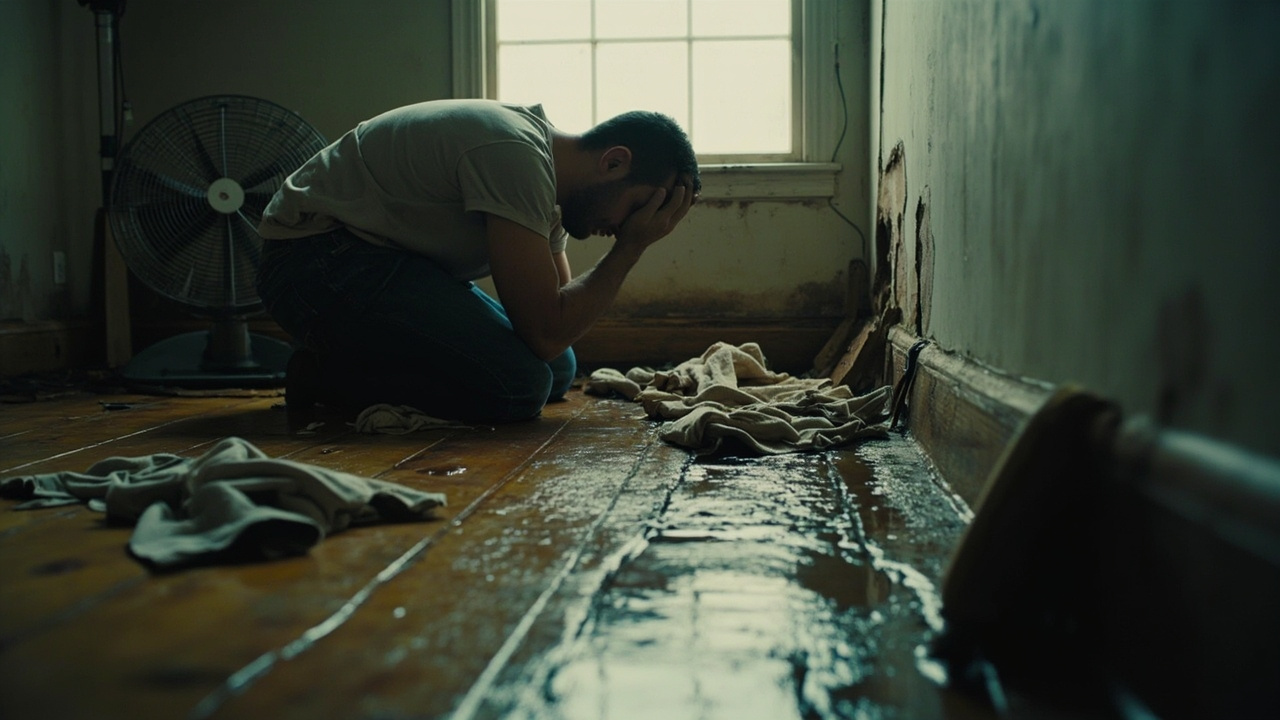
St. Louis sits at the confluence of the Mississippi and Missouri Rivers, creating year-round humidity levels that accelerate mold growth following water intrusion. Summer humidity regularly exceeds 70 percent, which means building materials remain damp longer after flooding or pipe bursts. Our clay soil retains moisture and expands against foundation walls, creating hydrostatic pressure that forces water through basement floors and cracks. This combination of high ambient humidity and soil saturation means water damage in St. Louis properties progresses faster and penetrates deeper than in arid climates. The hidden risks of self-managed water mitigation multiply here because you cannot simply dry the surface and assume the problem is solved.
We work with St. Louis County building inspectors and understand local code requirements for water damage repairs. Many historic neighborhoods have preservation guidelines that affect how we restore damaged materials. Our technicians know which repairs require permits and how to document work for city inspections. This local knowledge prevents delays and ensures repairs meet both safety standards and historic district requirements. When you hire a restoration company unfamiliar with St. Louis regulations, you risk failed inspections, permit violations, and insurance claim denials. We navigate these local requirements daily, protecting your investment and ensuring compliant, quality restoration work.