


Ballwin sits in a region where Missouri weather patterns create perfect conditions for water intrusion. Spring storms dump heavy rainfall that overwhelms gutters and drainage systems. Winter freeze-thaw cycles crack pipes inside walls, leading to hidden leaks that cause thousands in damage. The area's clay-heavy soil holds water against foundations, creating hydrostatic pressure that forces moisture through basement walls.
Homes near Castlewood State Park and along the Meramec River face seasonal flooding risk. Properties in Vlasis Park and Kehrs Mill neighborhoods often deal with sump pump failures during heavy rain. When your basement floods at 2 AM, you need a team that knows Ballwin's geography and responds fast. The longer water sits, the more it destroys flooring, drywall, insulation, and personal belongings. Mold colonies start growing within 24 to 48 hours. What starts as a small leak becomes a full remediation project if not addressed immediately. Water damage does not announce itself. You notice a wet spot, then discover the entire subfloor is soaked.
We have pulled water from hundreds of Ballwin homes and businesses. Our technicians know which neighborhoods flood first, which streets have old cast iron plumbing, and how local construction methods affect drying times. When you call us, you talk to someone who has worked in your area and understands the specific challenges Ballwin properties face.
Our equipment arrives fast. Truck-mounted extractors, industrial dehumidifiers, air movers, and moisture meters are staged for immediate deployment. We do not subcontract or delay response while waiting for crews to arrive from distant locations. Our team operates from the greater St. Louis metro, serving Ballwin with priority dispatch.
We work directly with insurance companies. You should not spend hours on hold with adjusters while your home sits flooded. We document everything with photos, moisture readings, and detailed reports that insurance providers accept without argument. Most restoration companies make you handle claims alone. We manage the process so you can focus on your family.
Our drying protocols follow IICRC S500 standards. We measure moisture levels in walls, floors, and ceilings daily until readings return to normal. No guesswork. No assumptions. We verify complete dryness before declaring a job finished, preventing mold growth and structural rot months later.

Water spreads fast. We arrive faster. When you call (314) 428-9977, our dispatch team sends the closest crew to your Ballwin property within 60 minutes. We extract water immediately, stopping damage before it reaches unaffected rooms. Every minute counts when your home is flooding.

We handle your insurance claim from documentation to final approval. Our estimators photograph damage, measure moisture levels, and submit detailed reports your insurance company accepts. You receive restoration services without paying out of pocket while waiting for reimbursement. We remove the claims headache.
Every technician on our team holds Water Restoration Technician certification from the Institute of Inspection Cleaning and Restoration Certification. We follow science-based drying protocols, not guesswork. Our methods prevent mold, protect structural integrity, and meet industry standards that insurance companies require.
We know which Ballwin streets flood during storms, which neighborhoods have aging plumbing, and how local construction affects drying times. This knowledge speeds up our response and improves results. Your property gets treated by technicians who understand Missouri weather patterns and regional building characteristics.
Water damage takes many forms. A burst pipe creates different problems than a flooded basement. Storm damage requires different equipment than a sewage backup. Patriot Water Damage Restoration St. Louis handles every type of water intrusion with specialized equipment and protocols matched to your situation.
Our services cover emergency water extraction, structural drying, dehumidification, mold prevention, content restoration, and reconstruction. We do not just remove water and leave. We dry your property completely, restore damaged materials, and verify safe moisture levels before closing the project. You get one team handling everything from initial extraction through final repairs.
We separate our services into three main categories based on damage type and urgency level. Emergency water removal addresses active flooding and immediate threats. Structural drying and remediation handles the hidden moisture that causes long-term damage. Restoration and reconstruction rebuilds what water destroyed. Each category requires different skills, equipment, and timelines.
When water floods your property, minutes matter. Our emergency extraction service deploys truck-mounted pumps and portable extractors to remove standing water fast. We pull water from basements, crawl spaces, and flooded rooms before it spreads to unaffected areas. Our team removes soaked carpets, pads, and materials that cannot be saved. We stop the damage progression immediately, protecting your structure and belongings from further harm.
Water hides inside walls, under floors, and in ceiling cavities. Our structural drying service uses thermal imaging to find hidden moisture, then deploys industrial dehumidifiers and air movers to dry everything completely. We monitor moisture levels daily with pin and pinless meters, documenting progress until readings return to normal. This process prevents mold growth, wood rot, and structural damage that appear months after visible water disappears.
Water destroys drywall, flooring, cabinets, and trim. Our restoration service rebuilds what water damaged. We replace ruined materials, repaint walls, install new flooring, and restore your property to pre-loss condition. You do not need to hire separate contractors. We handle the entire project from water removal through final reconstruction, coordinating with your insurance company throughout the process. One team, one timeline, complete restoration.
Ballwin properties face specific water intrusion risks based on age, construction methods, and regional weather patterns. Homes built in the 1970s and 1980s often have cast iron drain pipes that corrode and leak. Properties near wooded areas deal with root intrusion into sewer lines. Spring storms overwhelm drainage systems, flooding basements across the area.
Clay soil common throughout West St. Louis County expands when wet and contracts when dry, creating foundation movement that cracks basement walls. This allows groundwater to seep through during heavy rain. Homes in lower elevations near Vlasis Creek and other waterways face higher flood risk. Sump pumps fail during storms when you need them most. These problems are not rare. They affect thousands of Ballwin properties every year.
Heavy spring rains overwhelm drainage systems and cause basement flooding across Ballwin. Water enters through foundation cracks, window wells, and failed sump pumps. Standing water destroys finished basements, ruins stored belongings, and creates mold conditions. Fast extraction and drying prevent total loss.
Missouri winters bring freeze-thaw cycles that burst pipes inside walls and attics. You do not discover the leak until water soaks through ceilings or floods rooms. Frozen pipes that burst release gallons of water into your home, damaging multiple floors and requiring immediate extraction.
Sump pumps fail during heavy storms when you need them most. Motor burnout, power outages, and clogged discharge lines cause pump failure. Without a working sump pump, groundwater floods your basement within hours. Battery backup systems help but do not prevent all failures. Fast response limits damage.
Not all water damage announces itself. Slow leaks inside walls, under floors, or in crawl spaces go unnoticed for months. You notice musty odors, warped floors, or mold spots. By then, extensive damage exists behind surfaces. Thermal imaging finds hidden moisture before it destroys your home.
The moment you call (314) 428-9977, our dispatch team begins coordinating your emergency response. You talk to a real person who takes your information, assesses damage severity, and sends the closest crew to your Ballwin property. We do not make you wait for callbacks or schedule appointments days away. Water damage is an emergency. We treat it like one.
Our technicians arrive with truck-mounted extraction equipment, industrial dehumidifiers, air movers, moisture meters, and thermal imaging cameras. They assess damage, explain the restoration process, and begin water removal immediately. You receive clear information about what needs to happen, how long it takes, and what to expect at every phase. No confusion. No surprises.
We stay until your property is completely dry and restored. Daily monitoring ensures moisture levels drop to safe ranges. You receive documentation showing moisture readings throughout the drying process. Insurance companies require this proof. You get it automatically.
Our team arrives within 60 minutes, assesses water damage extent, identifies the source, and creates an action plan. We photograph everything for insurance documentation. You receive a clear explanation of what happened, what needs repair, and how long restoration takes. We answer your questions and address immediate concerns before beginning work. You know what to expect from minute one.
We update you daily on drying progress, moisture levels, and timeline changes. You receive photos showing affected areas and documentation proving our work meets industry standards. If we discover additional damage during drying, we explain it immediately and adjust our plan. No hidden fees. No surprise charges. You know costs before we perform additional work.
We do not leave until moisture readings return to normal ranges. Our technicians measure moisture in walls, floors, and ceilings daily. When readings match unaffected areas, we document completion and close the project. You receive a final report showing moisture level progression from start to finish. This prevents mold growth and protects your property long after we leave.
Water damage restoration follows a proven sequence. Extract water, dry structures, restore property. Each phase requires specific equipment and expertise. We do not skip steps or rush timelines. Complete drying takes days, not hours. Shortcuts cause mold problems and structural damage later.
We remove standing water with truck-mounted pumps and portable extractors. Soaked carpets, pads, and unsalvageable materials get removed immediately. Our team extracts water from all affected areas, including crawl spaces and tight corners other companies miss. Extraction continues until no standing water remains. This phase typically completes within hours of arrival.
Industrial dehumidifiers and air movers run continuously, pulling moisture from walls, floors, and building materials. We measure moisture daily with calibrated meters, tracking progress in affected and unaffected areas. Thermal imaging identifies hidden moisture pockets. This phase takes three to five days depending on damage extent, humidity levels, and materials affected.
Once moisture readings return to normal, we begin reconstruction. Drywall gets replaced, flooring gets installed, and paint goes on walls. We rebuild your property to pre-loss condition. You do not coordinate multiple contractors. We handle everything, keeping you updated throughout reconstruction. Your home returns to normal without the hassle.
Water damage restoration is not simple cleanup. It requires understanding psychrometrics, moisture migration, and building science. The Institute of Inspection Cleaning and Restoration Certification publishes the S500 Standard for Professional Water Damage Restoration. This document defines proper protocols based on water category, material types, and environmental conditions.
Water is classified into three categories based on contamination level. Category 1 is clean water from supply lines. Category 2 is grey water containing contaminants. Category 3 is black water from sewage or flooding, requiring special handling and disposal. Each category demands different safety protocols and drying methods.
Materials are classified by how easily they dry. Class 1 involves minimal water absorption affecting materials that dry quickly. Class 4 involves specialty materials like hardwood floors, plaster, and concrete that require longer drying times. Our technicians assess both water category and material class before designing drying plans.
We measure relative humidity and temperature to calculate vapor pressure differentials. This determines optimal dehumidifier placement and airflow patterns. Moisture meters track water content in materials throughout drying. Pin-type meters penetrate surfaces for deep readings. Pinless meters scan large areas without creating holes. Thermal imaging cameras reveal moisture hidden behind walls and under floors. This technology prevents guesswork and ensures complete drying before reconstruction begins.
Insurance companies require documentation proving proper drying protocols. We provide daily moisture logs, equipment placement diagrams, and psychrometric calculations that adjusters accept without question. This speeds claim approval and prevents disputes about work necessity.
The S500 Standard defines proper water damage restoration protocols based on water category, affected materials, and environmental conditions. We follow these science-based standards, not shortcuts. Our methods prevent mold growth, protect structural integrity, and meet insurance requirements. Every technician on our team trains in S500 protocols annually.
Restoration costs depend on water category, affected square footage, material types, and drying difficulty. Category 3 black water requires disposal and sanitization, increasing costs. Hardwood floors and plaster take longer to dry than carpet and drywall. Most insurance policies cover water damage from sudden pipe bursts but exclude flood damage, requiring separate flood insurance.
Complete structural drying takes three to five days for typical water damage. Severe flooding or specialty materials extend timelines to seven days or more. We cannot rush this process. Materials must reach equilibrium moisture content matching surrounding unaffected areas. Premature reconstruction traps moisture inside walls, causing mold and rot months later.
Mold grows within 24 to 48 hours in moist conditions above 60 percent relative humidity. Our dehumidifiers maintain humidity below 50 percent during drying, preventing spore germination. We remove porous materials like insulation and carpet pad that cannot be adequately dried. Antimicrobial treatments stop existing mold growth on salvageable surfaces.
This video explains professional water damage restoration services in Ballwin, Missouri. Topics covered include emergency water extraction procedures, structural drying timelines, IICRC S500 restoration standards, insurance claim documentation, mold prevention protocols, and the three-phase restoration process. Viewers learn what to expect when calling for water damage help, how restoration companies find hidden moisture using thermal imaging and moisture meters, and why complete drying takes multiple days. The video addresses common Ballwin water damage causes including basement flooding, burst pipes, and sump pump failures.
Patriot Water Damage Restoration St. Louis serves every neighborhood across Ballwin and the greater West St. Louis County area. Our crews respond to properties in Vlasis Park, where older homes face plumbing failures and basement seepage. We work throughout the Kehrs Mill corridor, handling water damage in both residential properties and commercial buildings along this busy route.
Properties near Castlewood State Park deal with unique flood risks during spring storms when the Meramec River rises. Homes in Westhampton and the streets surrounding New Ballwin Park often call us for sump pump failures and foundation seepage. The older housing stock near Manchester Road features cast iron pipes that corrode and fail, causing water damage that spreads quickly through finished basements.
We serve newer construction in the Ballwin Hills area and respond to water emergencies throughout the subdivisions off Clayton Road. Commercial properties along Old Big Bend Road trust us for fast response when pipe bursts threaten inventory and operations. Our service area extends to neighboring communities including Ellisville, Manchester, Wildwood, and Chesterfield.
Ballwin's location in West County means properties face weather patterns that bring heavy rainfall, severe storms, and freeze-thaw cycles. Homes built on clay soil experience foundation movement that creates entry points for water. Properties at lower elevations near creeks and drainage paths flood during heavy rain. We understand these regional challenges because we work in this area every day.
Distance from our staging location means faster response times for Ballwin residents. When you call during a water emergency, you get a crew that knows your neighborhood and arrives prepared for the specific challenges your property faces. We do not treat every job the same. Local knowledge improves results.
Yes. Water damage spreads quickly in Ballwin homes, where Missouri's humidity accelerates mold growth within 24 to 48 hours. Ignoring water damage leads to structural rot, compromised electrical systems, and health hazards. Professional restoration prevents secondary damage that multiplies repair costs. You protect your home's value and avoid long-term problems like weakened floor joists or hidden mold colonies behind drywall. Fast action stops a minor leak from becoming a major structural failure.
Water damage repair in Ballwin ranges from a few hundred dollars for small leaks to several thousand for category 3 flooding. Cost factors include water category, affected square footage, structural damage, and mold presence. A burst pipe affecting one room costs less than sewage backup requiring subfloor replacement. Missouri's clay soil can shift foundations, adding complexity. Extraction, drying, antimicrobial treatment, and reconstruction all impact the final bill. Get an inspection for accurate pricing.
Servpro franchises operate independently, so financing availability varies by location. Some Ballwin-area Servpro locations partner with third-party lenders for payment plans. Contact your local franchise directly to confirm financing options. Many restoration companies in the greater Ballwin metro offer alternative payment solutions or work directly with insurance carriers to reduce out-of-pocket costs. Always verify financing terms, interest rates, and approval requirements before committing to any payment plan.
Yes. Water damage spreads quickly in Ballwin homes, where Missouri's humidity accelerates mold growth within 24 to 48 hours. Ignoring water damage leads to structural rot, compromised electrical systems, and health hazards. Professional restoration prevents secondary damage that multiplies repair costs. You protect your home's value and avoid long-term problems like weakened floor joists or hidden mold colonies behind drywall. Fast action stops a minor leak from becoming a major structural failure.
Water damage repair in Ballwin ranges from a few hundred dollars for small leaks to several thousand for category 3 flooding. Cost factors include water category, affected square footage, structural damage, and mold presence. A burst pipe affecting one room costs less than sewage backup requiring subfloor replacement. Missouri's clay soil can shift foundations, adding complexity. Extraction, drying, antimicrobial treatment, and reconstruction all impact the final bill. Get an inspection for accurate pricing.
Servpro franchises operate independently, so financing availability varies by location. Some Ballwin-area Servpro locations partner with third-party lenders for payment plans. Contact your local franchise directly to confirm financing options. Many restoration companies in the greater Ballwin metro offer alternative payment solutions or work directly with insurance carriers to reduce out-of-pocket costs. Always verify financing terms, interest rates, and approval requirements before committing to any payment plan.
Water damage restoration includes emergency water extraction, structural drying using industrial dehumidifiers and air movers, moisture mapping with thermal imaging, antimicrobial treatment to prevent mold, content pack-out and storage if needed, and final reconstruction. Technicians assess water category, remove damaged materials like soaked drywall or insulation, dry framing and subfloors to moisture meter standards, and restore your Ballwin home to pre-loss condition. The process takes days to weeks depending on damage severity and humidity levels.
Insurance typically covers sudden, accidental water damage like burst pipes or appliance malfunctions. Gradual leaks, neglect, or flood damage require separate flood insurance. Most Ballwin homeowners policies exclude groundwater intrusion and sewer backups unless you purchase endorsements. Your adjuster evaluates the cause and determines coverage. Document everything with photos and keep receipts. Restoration companies often assist with claims paperwork and communicate directly with insurers to streamline the process.
Not if documented properly. Ballwin buyers appreciate transparency. Disclose past mold remediation with certified clearance testing results and proof of professional treatment. Proper remediation increases buyer confidence because it shows the problem was addressed correctly. Homes with hidden mold or incomplete fixes are harder to sell. Keep all invoices, pre-and post-testing reports, and warranty information. Most buyers value a well-maintained home over one with concealed issues that resurface during inspection.
Filing a water damage claim may raise your homeowners insurance premium by 10 to 20 percent at renewal, depending on your carrier and claim history. Multiple claims within three years can lead to non-renewal or policy cancellation. Missouri insurers view water damage claims as risk indicators. Small losses under your deductible might not justify filing. Consult your agent about rate impact before submitting a claim. Some Ballwin homeowners pay out-of-pocket for minor damage to protect their premiums.
Water damage restoration requires specialized equipment like truck-mounted extractors, commercial dehumidifiers, air movers, moisture meters, and thermal imaging cameras. Labor is intensive and time-sensitive. Technicians work around the clock to prevent mold and structural failure. Hidden damage behind walls, under floors, and in crawlspaces increases costs. Ballwin's humid climate extends drying time. Antimicrobial treatments, disposal of contaminated materials, and reconstruction add up. You pay for expertise, speed, and prevention of catastrophic secondary damage.
Homeowners insurance covers sudden, accidental water damage like burst pipes, appliance leaks, or roof damage from storms. Policies exclude gradual damage from poor maintenance, flood water from rivers or streams, and sewer backups without additional endorsements. Ballwin homeowners near waterways need separate flood insurance. Review your policy declarations page for specific exclusions and coverage limits. Document damage immediately and notify your carrier within the required timeframe to avoid claim denial.
Servpro offers brand recognition and national resources, but franchise quality varies. Pros include insurance industry familiarity and standardized processes. Cons include franchise inconsistency, potential upselling, and depersonalized service. Local Ballwin restoration companies often provide faster response times, personalized attention, and competitive pricing without corporate overhead. Compare multiple estimates. Ask about certifications, equipment, and references. The best choice depends on your specific damage scenario and comfort level with local versus national providers.
Water damage restoration includes emergency water extraction, structural drying using industrial dehumidifiers and air movers, moisture mapping with thermal imaging, antimicrobial treatment to prevent mold, content pack-out and storage if needed, and final reconstruction. Technicians assess water category, remove damaged materials like soaked drywall or insulation, dry framing and subfloors to moisture meter standards, and restore your Ballwin home to pre-loss condition. The process takes days to weeks depending on damage severity and humidity levels.
Insurance typically covers sudden, accidental water damage like burst pipes or appliance malfunctions. Gradual leaks, neglect, or flood damage require separate flood insurance. Most Ballwin homeowners policies exclude groundwater intrusion and sewer backups unless you purchase endorsements. Your adjuster evaluates the cause and determines coverage. Document everything with photos and keep receipts. Restoration companies often assist with claims paperwork and communicate directly with insurers to streamline the process.
Not if documented properly. Ballwin buyers appreciate transparency. Disclose past mold remediation with certified clearance testing results and proof of professional treatment. Proper remediation increases buyer confidence because it shows the problem was addressed correctly. Homes with hidden mold or incomplete fixes are harder to sell. Keep all invoices, pre-and post-testing reports, and warranty information. Most buyers value a well-maintained home over one with concealed issues that resurface during inspection.
Filing a water damage claim may raise your homeowners insurance premium by 10 to 20 percent at renewal, depending on your carrier and claim history. Multiple claims within three years can lead to non-renewal or policy cancellation. Missouri insurers view water damage claims as risk indicators. Small losses under your deductible might not justify filing. Consult your agent about rate impact before submitting a claim. Some Ballwin homeowners pay out-of-pocket for minor damage to protect their premiums.
Water damage restoration requires specialized equipment like truck-mounted extractors, commercial dehumidifiers, air movers, moisture meters, and thermal imaging cameras. Labor is intensive and time-sensitive. Technicians work around the clock to prevent mold and structural failure. Hidden damage behind walls, under floors, and in crawlspaces increases costs. Ballwin's humid climate extends drying time. Antimicrobial treatments, disposal of contaminated materials, and reconstruction add up. You pay for expertise, speed, and prevention of catastrophic secondary damage.
Homeowners insurance covers sudden, accidental water damage like burst pipes, appliance leaks, or roof damage from storms. Policies exclude gradual damage from poor maintenance, flood water from rivers or streams, and sewer backups without additional endorsements. Ballwin homeowners near waterways need separate flood insurance. Review your policy declarations page for specific exclusions and coverage limits. Document damage immediately and notify your carrier within the required timeframe to avoid claim denial.
Servpro offers brand recognition and national resources, but franchise quality varies. Pros include insurance industry familiarity and standardized processes. Cons include franchise inconsistency, potential upselling, and depersonalized service. Local Ballwin restoration companies often provide faster response times, personalized attention, and competitive pricing without corporate overhead. Compare multiple estimates. Ask about certifications, equipment, and references. The best choice depends on your specific damage scenario and comfort level with local versus national providers.
We are proud to be the trusted local choice for water damage restoration across the greater St. Louis region. This map highlights our primary service zone, demonstrating our commitment to rapid, localized response across every neighborhood and business district within the area. We invite all users to view our service area and then contact us directly for immediate deployment to your specific address within the St. Louis community.
Address:
Ballwin, MO, 63021

Why High Humidity in Your Tower Grove East Attic Can Lead to Structural Wood Rot Attic wood rot starts with moisture. In Tower Grove East, the combination of old homes and St. Louis's humid summers…
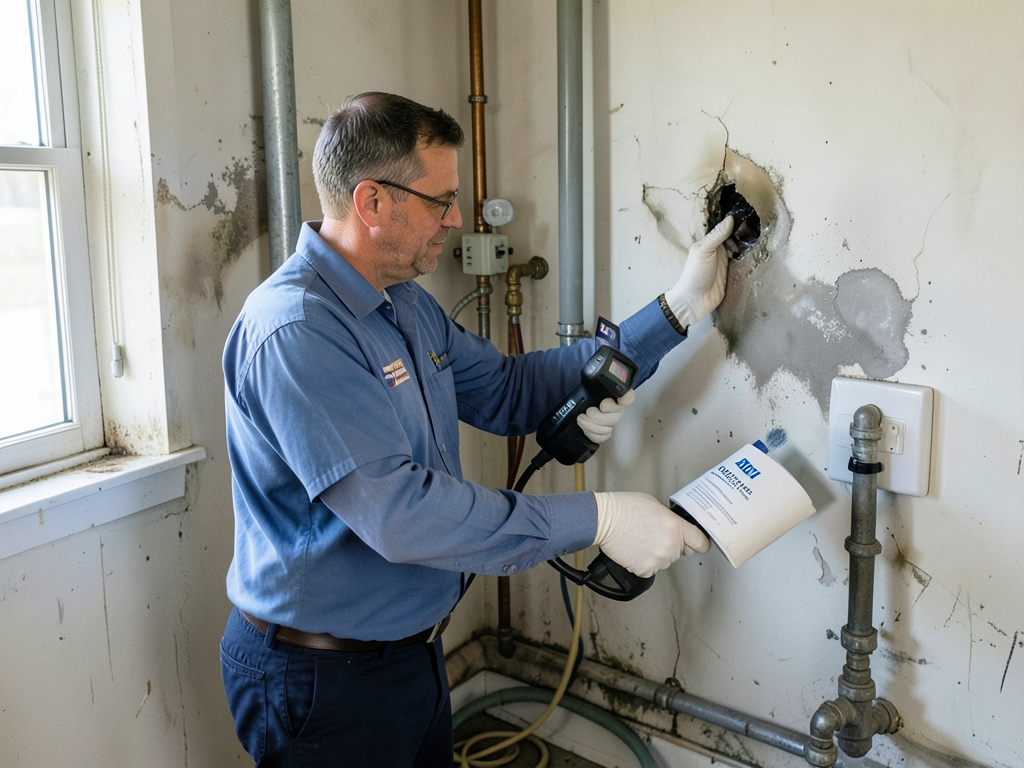
What to Do When Your Water Softener Leaks and Floods Your Affton Utility Room A…
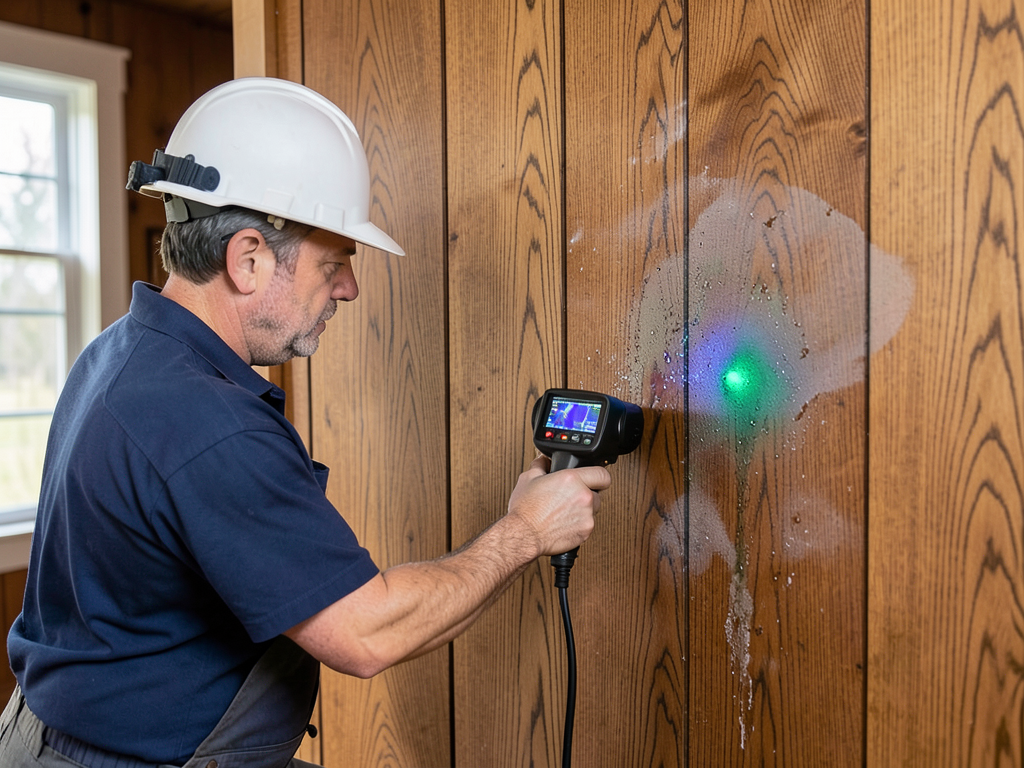
Restoring a Water Damaged Mid-Century Modern Home in Warson Woods Water damage in a mid-century…
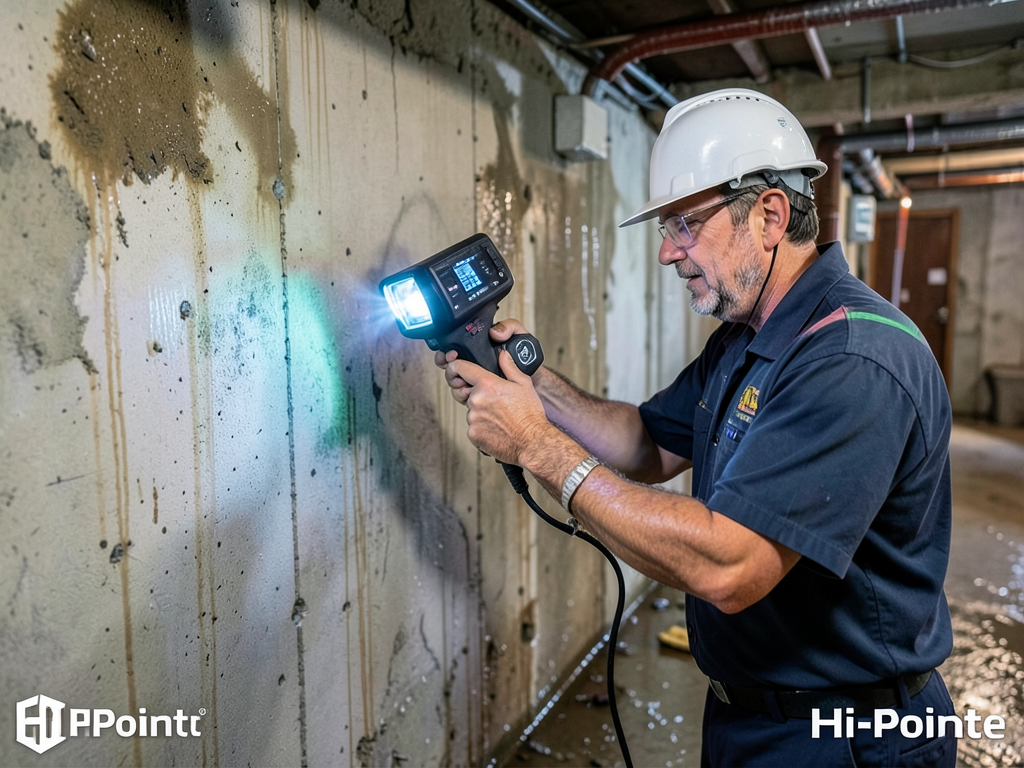
Why Your Walk-Out Basement in Hi-Pointe is Vulnerable to Heavy Rain Runoff Your walk-out basement…
Every minute counts when water floods your Ballwin property. Call (314) 428-9977 now for 60-minute emergency response. Our crews are standing by 24 hours a day to stop damage, extract water, and restore your home. Do not wait.