


Florissant sits in the Missouri River floodplain where water damage strikes from multiple angles. Spring storms dump heavy rain on clay soil that does not drain, pushing water into basements and crawlspaces across Old Florissant and neighborhoods near Coldwater Creek. The region's freeze-thaw cycles burst pipes in older homes throughout the winter months. Summer humidity feeds mold growth within 48 hours of any water intrusion.
The mix of historic homes built before modern waterproofing standards and newer construction in flood-prone areas near the Missouri River creates constant vulnerability. Sump pump failures during severe weather leave basements flooded in minutes. Aging cast iron plumbing in mid-century homes along Dunn Road and New Halls Ferry develops pinhole leaks that cause hidden damage behind walls. The St. Louis metro's high water table means basements stay damp even without active leaks, creating perfect conditions for mold and structural decay.
Water damage in Florissant requires fast action and local knowledge. Understanding which neighborhoods flood first, how clay soil affects foundation drainage, and which insurance companies serve the area makes the difference between minor repairs and total loss.
When water invades your home, you need a crew that shows up fast and does the job right. Patriot Water Damage Restoration St. Louis has built our reputation in Florissant on two things: rapid response and complete restoration. We do not just extract water and leave. We dry structures to industry standards, document everything for insurance, and follow through until your home is truly restored.
Our technicians know Florissant construction. We have worked in the brick colonials along Dunn Road, the ranch homes near Parker Road, and the split-levels throughout the Paul Avenue corridor. We understand how water moves through different foundation types, which materials dry fast, and which require replacement. That knowledge saves you time and money.
We work directly with insurance adjusters to document damage, justify necessary repairs, and get claims approved faster. Our detailed moisture mapping and thermal imaging show exactly where water went and what needs attention. Most insurance companies already know our reports meet their standards because we have worked together on hundreds of Florissant claims.
Emergency response means we answer the phone at 3 a.m. and have trucks rolling within the hour. We extract standing water, set up industrial dehumidifiers, and stop secondary damage before it multiplies your loss. Every hour water sits, damage spreads. Our speed protects your investment.
We do not leave until the job is finished. That means monitoring moisture levels daily, adjusting equipment as conditions change, and confirming everything is dry before we pack up. We stand behind our work because we live and work in this community.

Water damage does not wait for business hours. Our crews are on call around the clock, ready to respond to flooding, burst pipes, and sewage backups throughout Florissant. We arrive fast, assess damage immediately, and start water extraction within minutes. Speed stops mold growth and structural damage before they start.

We handle insurance paperwork so you can focus on your family. Our teams document damage with photos, moisture readings, and detailed reports that adjusters trust. We bill directly to most carriers and work within approved estimates. You get professional restoration without the claims hassle.
Our technicians follow IICRC standards for water damage remediation. We use thermal imaging to find hidden moisture, track drying progress with daily readings, and confirm structures meet safe moisture levels before completion. Professional drying prevents mold growth and protects your home's structural integrity.
We know how water behaves in Florissant homes because we have dried hundreds of them. From basement floods near Coldwater Creek to burst pipe damage in Old Florissant, we understand local construction methods, soil drainage patterns, and which materials salvage and which require replacement.
Water damage takes many forms, and each situation requires specific expertise. A burst pipe causes different problems than a flooded basement. A sewage backup demands different protocols than a roof leak. Patriot Water Damage Restoration St. Louis provides complete water damage remediation services across all emergency types and severity levels.
Our emergency water removal services focus on stopping damage immediately. We extract standing water, remove soaked materials that cannot be saved, and set up drying equipment to prevent mold growth. Our structural drying services use industrial dehumidifiers and air movers to pull moisture from walls, floors, and building materials. Our water damage cleanup services handle the aftermath, including sanitization, odor removal, and preparation for reconstruction.
Every water damage situation in Florissant gets the same thorough approach. We assess the full scope of damage, create a detailed drying plan, monitor progress daily, and confirm complete dryness before we finish. Whether you face a small leak or major flooding, our process protects your property and gets you back to normal life.
When water floods your home, immediate action prevents catastrophic damage. Our emergency crews arrive within an hour to extract standing water, remove soaked belongings, and start the drying process. We use truck-mounted extractors and portable pumps to remove water fast, then set up commercial dehumidifiers and air movers to start structural drying. Fast response stops mold growth, prevents floor buckling, and minimizes damage spread. We work through the night if needed because water does not stop for breaks.
Visible water is just the start. Moisture soaks into drywall, insulation, framing, and subfloors where it causes hidden damage and feeds mold growth. Our certified technicians use thermal imaging to map moisture spread, then position industrial drying equipment to pull water from building materials. We monitor moisture levels daily with pin and pinless meters, adjusting equipment until readings confirm complete dryness. Professional structural drying saves materials that appear ruined, reduces reconstruction costs, and prevents long-term problems like rot and mold colonization.
Water damage restoration does not end when structures dry. Drywall needs replacement, flooring requires reinstallation, and trim must be refinished. Our restoration services take your property from dried structure to move-in ready. We handle reconstruction, painting, flooring installation, and finishing work. One team manages your entire project from water extraction through final walkthrough. You avoid coordinating multiple contractors while we ensure quality control at every phase. Our goal is simple: return your home to pre-loss condition or better.
Florissant's location in the Missouri River valley, combined with aging infrastructure and severe weather patterns, creates persistent water damage risks. Clay soil prevents drainage, forcing water against foundations during heavy rain. Homes built in the 1950s through 1970s have aging plumbing that fails without warning. Severe thunderstorms overwhelm municipal storm systems, backing water into basements through floor drains.
Understanding these common problems helps homeowners recognize damage early and respond appropriately. Small leaks become major disasters when ignored. Strange odors signal hidden moisture. Peeling paint indicates water intrusion behind walls. The faster you identify water damage, the less it costs to fix and the more of your property we can save.
These issues appear across all Florissant neighborhoods, from newer developments near Highway 270 to historic homes in Old Florissant. Different construction types face different vulnerabilities, but no home is immune to water damage in this climate.
Spring and summer storms drop several inches of rain in hours, overwhelming drainage systems throughout Florissant. Water pours through basement windows, seeps through foundation cracks, and backs up through floor drains. Clay soil prevents absorption, keeping water pooled against foundations. Sump pumps fail during power outages, leaving basements unprotected during the worst storms.
Missouri winters swing from mild to subzero, freezing water in pipes that run through exterior walls and unheated crawlspaces. Pipes burst without warning, flooding rooms in minutes. Older homes lack proper insulation around plumbing, making freeze damage common. A single burst pipe can dump hundreds of gallons before someone finds the shutoff valve.
Slow plumbing leaks and pinhole pipe failures cause damage for weeks before anyone notices. Water soaks insulation, rots framing, and feeds mold growth inside walls. The first sign is often a musty smell, peeling paint, or soft drywall. By then, damage is extensive and expensive. Thermal imaging reveals the true scope of hidden moisture.
Municipal storm systems overflow during heavy rain, pushing sewage backward through basement floor drains. Raw sewage carries dangerous bacteria and requires specialized cleanup protocols. Contaminated water damages everything it touches and creates serious health risks. Professional sewage cleanup includes sanitization, safe waste disposal, and confirmation that surfaces are safe for occupancy.
Water damage creates panic. Your basement is flooded, belongings are soaked, and you do not know where to start. When you call Patriot Water Damage Restoration St. Louis, you get a calm voice that understands the situation and a crew that knows exactly what to do.
We answer emergency calls immediately, day or night. Our dispatcher asks key questions to understand your situation and dispatches the nearest crew. We give you an honest arrival time and call if anything changes. While crews drive to your property, the dispatcher walks you through immediate safety steps like shutting off water or avoiding electrical hazards.
Our technicians arrive in marked trucks with all necessary equipment. The crew chief introduces the team, assesses damage, and explains the mitigation plan in plain language. We start water extraction immediately while explaining what happens next. You get clear answers about timeline, insurance coordination, and what to expect each day. Communication continues throughout the project because surprises make bad situations worse.
We treat your home with respect. Crews wear boot covers, protect unaffected areas with plastic barriers, and clean up daily. You are facing a disaster. We remove the chaos and replace it with organized, professional restoration.
You will speak with a real person who understands water damage, not an answering service reading a script. Our dispatch team answers emergency calls 24/7 and gets crews rolling immediately. We provide realistic arrival times and call if delays occur. Upon arrival, the crew chief walks you through the assessment, explains the mitigation plan in plain language, and answers every question. We update you daily on drying progress and coordinate directly with your insurance adjuster.
Our trucks carry truck-mounted water extractors, portable pumps, commercial dehumidifiers, air movers, and moisture detection equipment. We use thermal imaging cameras to map hidden moisture and moisture meters to track drying progress. All equipment meets IICRC standards for water damage restoration. Our drying protocols follow industry best practices, ensuring complete moisture removal and preventing mold growth. You get professional-grade equipment and certified techniques, not shortcuts.
We do not leave until moisture readings confirm your property is completely dry. Daily monitoring tracks progress, and adjustments keep drying on schedule. Once structures meet industry moisture standards, we provide documentation for insurance and begin reconstruction if needed. Our restoration team handles drywall replacement, flooring installation, painting, and trim work. You get one team managing the entire project from water extraction through final walkthrough.
Water damage restoration follows a proven sequence that stops damage, removes moisture, and restores property. Each phase builds on the previous one, creating a systematic path from disaster to recovery.
Our crew arrives and immediately assesses water source, damage extent, and safety hazards. We identify the water category (clean, gray, or black), map affected areas, and determine which materials can be saved. Thermal imaging reveals hidden moisture behind walls and under floors. We photograph everything for insurance documentation, then create a detailed mitigation plan. This initial assessment guides all following work and provides the foundation for accurate insurance claims.
We extract standing water using truck-mounted pumps and portable extractors, removing thousands of gallons in hours. Soaked materials that cannot be saved get removed immediately to prevent contamination spread. We position commercial dehumidifiers and air movers to create optimal drying conditions, pulling moisture from building materials around the clock. Moisture readings get recorded daily, tracking progress and identifying problem areas that need additional attention. Drying continues until all materials reach acceptable moisture levels.
Once structures are verified dry, reconstruction begins. We replace drywall, install new flooring, repaint affected areas, and reinstall trim. Our crews match existing finishes so repairs blend seamlessly. Final walkthrough confirms every detail meets your approval. We provide complete documentation for insurance, including photos, moisture logs, and equipment records. Your home returns to pre-loss condition, backed by our workmanship warranty.
Professional water damage restoration follows strict industry standards established by the Institute of Inspection, Cleaning and Restoration Certification. These protocols separate legitimate restoration companies from crews that extract water and hope for the best.
Water is classified into three categories based on contamination level. Category 1 is clean water from supply lines or rain. Category 2 is gray water from appliances or toilet overflow without feces. Category 3 is black water containing sewage or flood water carrying soil and bacteria. Each category requires specific safety protocols, disposal methods, and sanitization procedures.
Materials are classified by how quickly they absorb water and how easily they dry. Class 1 involves minimal absorption in materials like concrete or hardwood. Class 2 affects fast-drying materials like drywall face paper and particle board. Class 3 means water came from above, saturating insulation, walls, and ceilings. Class 4 involves specialty drying situations like hardwood floors, plaster, and stone that hold moisture and dry slowly.
Proper drying requires specific temperature, humidity, and air movement conditions. Dehumidifiers must match room size and moisture load. Air movers position at correct angles to maximize evaporation without damaging materials. Moisture readings get recorded at the same locations daily to track progress accurately. Structures are considered dry when moisture content matches unaffected reference areas.
Insurance companies require this documentation. Adjusters need proof that drying followed industry standards and that structures are truly dry before reconstruction begins. Thermal imaging, daily moisture logs, and equipment placement diagrams provide that proof. Companies that skip these steps leave homeowners vulnerable to denied claims and recurring mold problems.
Professional restoration costs more than a crew with shop vacuums and box fans. It also prevents the mold remediation, structural repairs, and health issues that result from incomplete drying.
The Institute of Inspection, Cleaning and Restoration Certification sets national standards for water damage restoration. Certified technicians complete classroom training and pass examinations covering water behavior, drying science, microbial growth, and structural restoration. IICRC certification ensures technicians understand psychrometrics, moisture migration, and proper drying protocols. Insurance companies prefer or require IICRC-certified companies because training translates directly to quality work and proper documentation.
Restoration costs depend on water category, affected area size, material damage, and drying time required. Emergency water extraction typically costs less than structural drying because equipment runs for days. Category 3 sewage cleanup costs more than clean water due to safety protocols and specialized disposal. Most insurance policies cover sudden water damage like burst pipes but exclude gradual damage from neglected maintenance. Deductibles apply, but professional documentation and direct billing simplify the claims process.
Complete structural drying typically takes three to five days for standard water damage affecting drywall and carpet. Hardwood floors require seven to ten days. Plaster walls and concrete slabs may need two weeks. Drying time depends on material saturation level, air temperature, humidity, and airflow. Rushing the process leaves hidden moisture that causes mold growth and structural damage months later. Verified moisture readings confirm dryness, not arbitrary timelines.
Missouri requires restoration companies to carry general liability insurance and workers compensation coverage. Legitimate companies provide certificates of insurance upon request. Licensing requirements vary by service type, with plumbing and electrical work requiring state licenses. Bonding protects customers from incomplete work or contractor default. Always verify insurance and licensing before allowing contractors into your home, especially during emergency situations when decision time is limited.
Professional water damage restoration guide for Florissant, Missouri homeowners. Covers emergency water extraction, structural drying, and complete restoration services. Explains common water damage causes in the Florissant area including basement flooding, burst pipes, and storm damage. Details IICRC restoration protocols, insurance coordination, and realistic timelines. Provides local knowledge about Missouri River valley water damage risks and prevention.
Patriot Water Damage Restoration St. Louis serves the entire Florissant area, from the historic neighborhoods of Old Florissant near St. Ferdinand Shrine to newer developments along Parker Road and Koch Road. We know these communities because we work in them every day.
The Old Florissant district features brick colonials and historic homes built before modern waterproofing standards. These properties face unique challenges from aging plumbing, limestone foundations, and crawlspace construction. We understand how water behaves in these older structures and which restoration approaches work best. The Paul Avenue corridor and areas near Cross Keys feature mid-century ranch homes and split-levels with finished basements. These properties commonly experience sump pump failures and foundation seepage during heavy rain.
Neighborhoods near New Halls Ferry Road and Dunn Road include a mix of residential styles, from compact starter homes to larger family properties. Water damage in this area often stems from burst pipes during winter freezes and roof leaks during severe weather. Areas along Highway 270 and close to the Missouri River face elevated flood risk during spring storms when the river runs high and storm sewers back up.
We respond throughout North St. Louis County, serving communities adjacent to Florissant including Hazelwood, Ferguson, and Black Jack. Our central location means fast response times across the entire region. Whether you face basement flooding near Coldwater Creek, pipe damage in a home off Waterford Drive, or roof leak water damage near McCluer High School, we know the fastest routes and arrive prepared for the specific challenges your property type presents.
Understanding local geography matters in water damage restoration. We know which neighborhoods flood first during storms, which soil types drain poorly, and which construction methods were common in each era. That knowledge informs our restoration approach and helps us work faster and more effectively.
Every Florissant neighborhood deserves the same professional service, rapid response, and quality restoration. We serve them all, 24 hours a day, 365 days a year.
Water damage restoration in Florissant takes 3 to 7 days for most residential projects. The timeline depends on the extent of damage, the amount of water involved, and the materials affected. A small leak in one room takes 3 to 4 days. Major flooding affecting multiple floors takes 5 to 7 days or longer. Drying time accounts for most of the restoration period. Your technician will assess the damage and provide a specific timeline after the initial inspection. Humidity levels in Florissant during summer months sometimes extend drying times.
Water damage restoration pricing in Florissant varies based on the extent of damage, affected square footage, and water category. Minor incidents affecting a single room typically fall in a lower range. Major flooding requiring extensive structural drying and repairs will be more expensive. Water extraction, drying equipment, antimicrobial treatments, and reconstruction all factor into the final amount. Get written estimates from at least three local restoration companies. Ask for itemized quotes showing each service. Most companies offer free inspections to assess your damage and provide accurate pricing before work begins.
Homeowners insurance in Florissant typically covers sudden and accidental water damage. Burst pipes, appliance malfunctions, and storm damage usually qualify for coverage. Your policy likely excludes damage from gradual leaks, poor maintenance, or flooding from external sources. Flood insurance requires a separate policy through the National Flood Insurance Program. Review your policy details or contact your insurance agent to understand your specific coverage. Document all damage with photos and videos before cleanup begins. File your claim immediately to start the restoration process and reimbursement timeline.
Water damage restoration in Florissant takes 3 to 7 days for most residential projects. The timeline depends on the extent of damage, the amount of water involved, and the materials affected. A small leak in one room takes 3 to 4 days. Major flooding affecting multiple floors takes 5 to 7 days or longer. Drying time accounts for most of the restoration period. Your technician will assess the damage and provide a specific timeline after the initial inspection. Humidity levels in Florissant during summer months sometimes extend drying times.
Water damage restoration pricing in Florissant varies based on the extent of damage, affected square footage, and water category. Minor incidents affecting a single room typically fall in a lower range. Major flooding requiring extensive structural drying and repairs will be more expensive. Water extraction, drying equipment, antimicrobial treatments, and reconstruction all factor into the final amount. Get written estimates from at least three local restoration companies. Ask for itemized quotes showing each service. Most companies offer free inspections to assess your damage and provide accurate pricing before work begins.
Homeowners insurance in Florissant typically covers sudden and accidental water damage. Burst pipes, appliance malfunctions, and storm damage usually qualify for coverage. Your policy likely excludes damage from gradual leaks, poor maintenance, or flooding from external sources. Flood insurance requires a separate policy through the National Flood Insurance Program. Review your policy details or contact your insurance agent to understand your specific coverage. Document all damage with photos and videos before cleanup begins. File your claim immediately to start the restoration process and reimbursement timeline.
Look for IICRC certification when choosing a Florissant water damage restoration company. The Institute of Inspection, Cleaning and Restoration Certification sets industry standards for water damage professionals. Check online reviews on Google and the Better Business Bureau. Ask for references from recent Florissant customers. Verify the company offers 24-hour emergency response and uses commercial-grade equipment. Request proof of proper training and certifications before signing a contract. Local companies familiar with Florissant building codes and Missouri climate conditions often provide better service for regional water damage issues.
You might stay in your Florissant home during minor water damage restoration, but extensive damage requires temporary relocation. Small projects affecting one bathroom or a single room allow you to remain at home. Major flooding, sewage backups, or structural issues make staying unsafe and impractical. Loud equipment runs 24 hours during drying. Air movers and dehumidifiers create noise and disrupt daily life. Discuss safety concerns with your restoration company during the initial assessment. They will recommend relocation if necessary. Your homeowner's insurance sometimes covers temporary housing expenses during major restoration work.
Watch for musty odors, discolored walls, and peeling paint in your Florissant home. Water stains on ceilings and walls indicate leaks above or behind surfaces. Warped or buckling floors signal moisture underneath. Check for soft spots in walls, ceilings, and floors by pressing gently. Look for mold growth in corners, under sinks, and around windows. Higher than normal water bills suggest hidden leaks. Listen for dripping sounds behind walls. Feel for damp carpets or unusual cold spots on floors. Address these signs immediately to prevent structural damage and mold growth.
Call for water damage restoration in Florissant within the first hour of discovering water damage. Water spreads quickly through floors, walls, and belongings. Mold begins growing within 24 to 48 hours in Missouri's humid climate. The first 24 hours are critical for saving your belongings and preventing structural damage. Contact a restoration company immediately, then call your insurance company. Quick response reduces damage severity and restoration time. Turn off the water source if safe to do so. Remove valuable items from affected areas. Do not delay, as waiting increases damage and health risks significantly.
Professional water damage restoration in Florissant includes mold remediation, but prevention matters more than removal. Technicians remove visible mold and treat affected areas with antimicrobial solutions. They address moisture sources to prevent future growth. Complete mold elimination requires removing all contaminated materials and ensuring proper drying. Humidity control and air filtration help eliminate mold spores. Your restoration company should test moisture levels to confirm thorough drying. Follow-up inspections ensure mold does not return. Proper ventilation and humidity control in your Florissant home prevent recurring mold issues after restoration completes.
Florissant water damage restoration companies use industrial air movers to circulate air and speed drying. Commercial dehumidifiers remove moisture from the air and building materials. Moisture meters measure water content in walls, floors, and ceilings. Infrared cameras detect hidden water behind surfaces. Water extraction pumps remove standing water quickly. Air scrubbers filter mold spores and contaminants from the air. Hydroxyl generators eliminate odors without harmful chemicals. Professionals use antimicrobial treatments to prevent mold growth. This specialized equipment works faster and more effectively than household fans and dehumidifiers for complete restoration.
Clean your gutters and downspouts twice yearly to direct water away from your Florissant foundation. Extend downspouts at least 6 feet from your home. Grade your yard to slope away from the foundation. Seal foundation cracks and gaps around windows and doors. Install a sump pump in your basement with a battery backup. Check your roof for damaged or missing shingles before storm season. Trim trees near your home to prevent branch damage during storms. Test your sump pump quarterly. Consider installing a backwater valve to prevent sewage backups during heavy Florissant rainfall.
Look for IICRC certification when choosing a Florissant water damage restoration company. The Institute of Inspection, Cleaning and Restoration Certification sets industry standards for water damage professionals. Check online reviews on Google and the Better Business Bureau. Ask for references from recent Florissant customers. Verify the company offers 24-hour emergency response and uses commercial-grade equipment. Request proof of proper training and certifications before signing a contract. Local companies familiar with Florissant building codes and Missouri climate conditions often provide better service for regional water damage issues.
You might stay in your Florissant home during minor water damage restoration, but extensive damage requires temporary relocation. Small projects affecting one bathroom or a single room allow you to remain at home. Major flooding, sewage backups, or structural issues make staying unsafe and impractical. Loud equipment runs 24 hours during drying. Air movers and dehumidifiers create noise and disrupt daily life. Discuss safety concerns with your restoration company during the initial assessment. They will recommend relocation if necessary. Your homeowner's insurance sometimes covers temporary housing expenses during major restoration work.
Watch for musty odors, discolored walls, and peeling paint in your Florissant home. Water stains on ceilings and walls indicate leaks above or behind surfaces. Warped or buckling floors signal moisture underneath. Check for soft spots in walls, ceilings, and floors by pressing gently. Look for mold growth in corners, under sinks, and around windows. Higher than normal water bills suggest hidden leaks. Listen for dripping sounds behind walls. Feel for damp carpets or unusual cold spots on floors. Address these signs immediately to prevent structural damage and mold growth.
Call for water damage restoration in Florissant within the first hour of discovering water damage. Water spreads quickly through floors, walls, and belongings. Mold begins growing within 24 to 48 hours in Missouri's humid climate. The first 24 hours are critical for saving your belongings and preventing structural damage. Contact a restoration company immediately, then call your insurance company. Quick response reduces damage severity and restoration time. Turn off the water source if safe to do so. Remove valuable items from affected areas. Do not delay, as waiting increases damage and health risks significantly.
Professional water damage restoration in Florissant includes mold remediation, but prevention matters more than removal. Technicians remove visible mold and treat affected areas with antimicrobial solutions. They address moisture sources to prevent future growth. Complete mold elimination requires removing all contaminated materials and ensuring proper drying. Humidity control and air filtration help eliminate mold spores. Your restoration company should test moisture levels to confirm thorough drying. Follow-up inspections ensure mold does not return. Proper ventilation and humidity control in your Florissant home prevent recurring mold issues after restoration completes.
Florissant water damage restoration companies use industrial air movers to circulate air and speed drying. Commercial dehumidifiers remove moisture from the air and building materials. Moisture meters measure water content in walls, floors, and ceilings. Infrared cameras detect hidden water behind surfaces. Water extraction pumps remove standing water quickly. Air scrubbers filter mold spores and contaminants from the air. Hydroxyl generators eliminate odors without harmful chemicals. Professionals use antimicrobial treatments to prevent mold growth. This specialized equipment works faster and more effectively than household fans and dehumidifiers for complete restoration.
Clean your gutters and downspouts twice yearly to direct water away from your Florissant foundation. Extend downspouts at least 6 feet from your home. Grade your yard to slope away from the foundation. Seal foundation cracks and gaps around windows and doors. Install a sump pump in your basement with a battery backup. Check your roof for damaged or missing shingles before storm season. Trim trees near your home to prevent branch damage during storms. Test your sump pump quarterly. Consider installing a backwater valve to prevent sewage backups during heavy Florissant rainfall.
We are proud to be the trusted local choice for water damage restoration across the greater St. Louis region. This map highlights our primary service zone, demonstrating our commitment to rapid, localized response across every neighborhood and business district within the area. We invite all users to view our service area and then contact us directly for immediate deployment to your specific address within the St. Louis community.
Address:
Florissant, MO, 63031

Why High Humidity in Your Tower Grove East Attic Can Lead to Structural Wood Rot Attic wood rot starts with moisture. In Tower Grove East, the combination of old homes and St. Louis's humid summers…
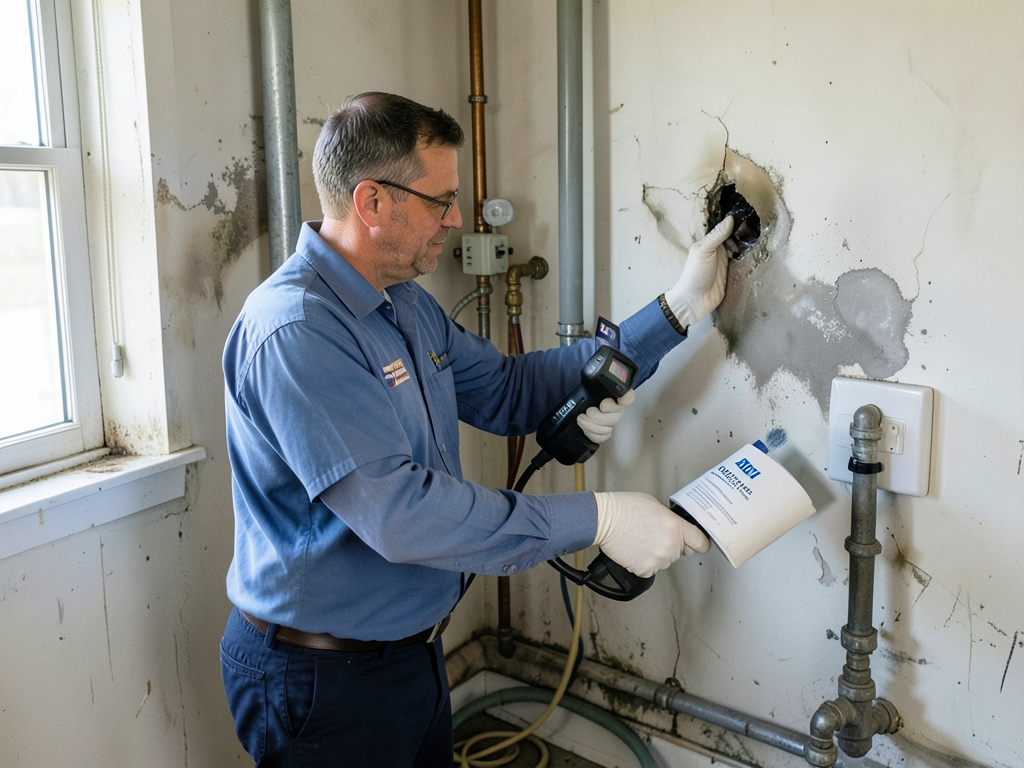
What to Do When Your Water Softener Leaks and Floods Your Affton Utility Room A…
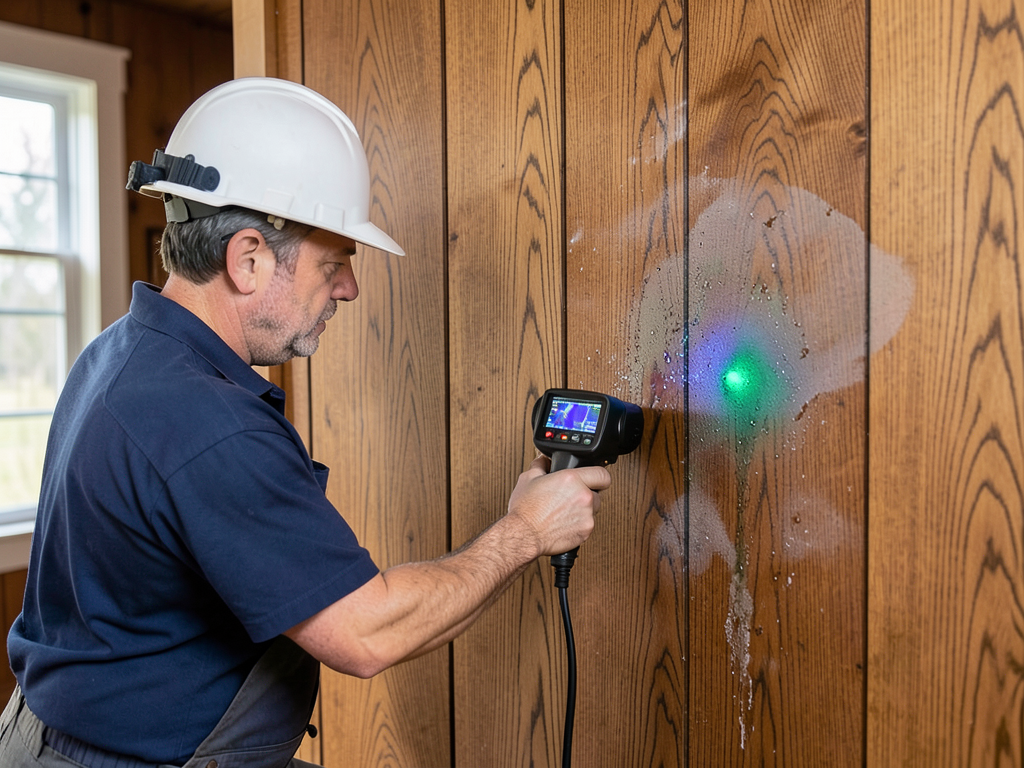
Restoring a Water Damaged Mid-Century Modern Home in Warson Woods Water damage in a mid-century…
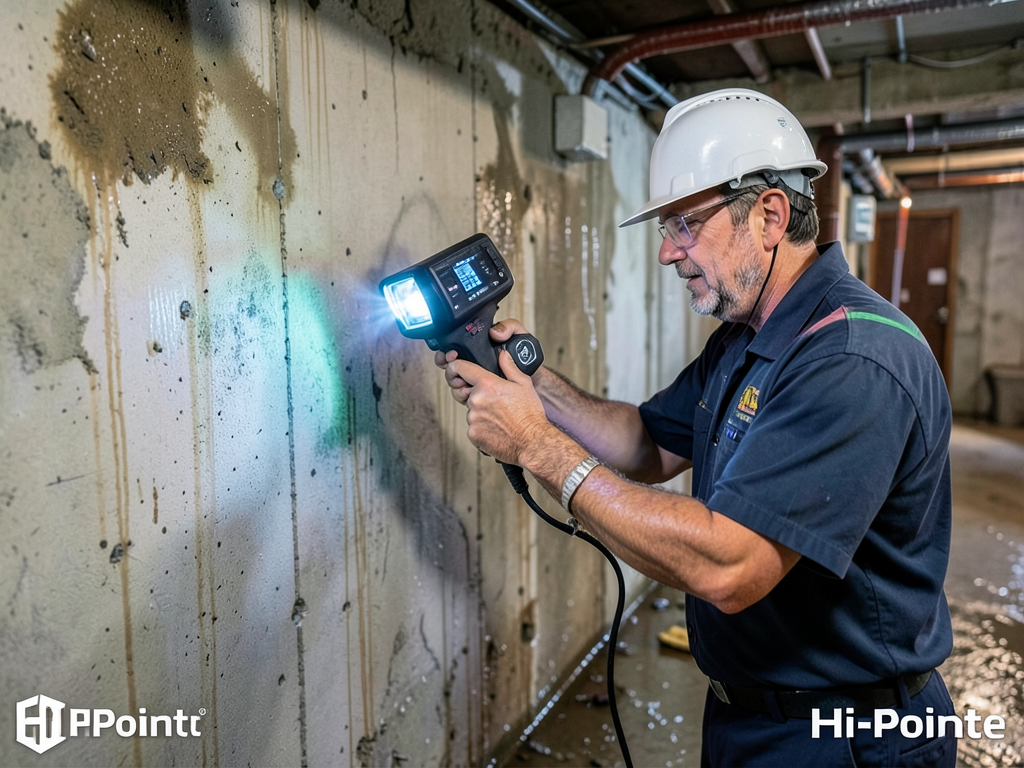
Why Your Walk-Out Basement in Hi-Pointe is Vulnerable to Heavy Rain Runoff Your walk-out basement…
Water damage spreads every minute you wait. Call Patriot Water Damage Restoration St. Louis now at (314) 428-9977 for immediate emergency response. Our crews are standing by 24/7 to stop damage and start restoration. Fast action saves your property and reduces costs.