


Clayton sits in St. Louis County where clay-heavy soil creates drainage problems that funnel water toward foundation walls during heavy rain. The city's mix of historic homes built before modern waterproofing standards and newer construction near Forsyth Boulevard means properties face different vulnerabilities. Older homes in neighborhoods around Shaw Park often have limestone foundations that absorb moisture, while properties near the intersection of Clayton Road and Hanley Road deal with storm sewer backups during severe weather.
Winter freeze-thaw cycles crack pipes in unheated crawl spaces. Spring storms overwhelm aging French drains. Summer humidity feeds mold growth in damp basements. The region's 42 inches of annual rainfall puts constant pressure on foundation waterproofing. HVAC systems in basements develop condensation issues. Water heaters fail without warning. These conditions make rapid response critical because water migrates through drywall, insulation, and subflooring within hours, turning a contained leak into structural damage that requires wall removal and floor replacement.
Patriot Water Damage Restoration St. Louis maintains multiple rapid response units stationed across St. Louis County, putting certified technicians within 15 minutes of most Clayton addresses. Our crews carry thermal imaging cameras to detect hidden moisture behind walls and under flooring before it causes mold outbreaks. We use truck-mounted extraction systems that pull thousands of gallons per hour, stopping water spread faster than portable equipment.
Insurance companies recognize our documentation standards. We photograph damage progression, measure moisture levels in structural materials, and provide detailed scope reports that adjusters accept without dispute. This documentation protects your claim and speeds payment while you focus on your family's safety. Our project managers communicate directly with insurance representatives, contractors, and remediation specialists to coordinate the full restoration without requiring you to manage multiple vendors.
We operate 24 hours daily because water damage does not wait for business hours. Burst pipes at 2 AM get the same rapid deployment as afternoon storm damage. Our technicians arrive with industrial air movers, dehumidifiers, and moisture meters to assess damage severity and begin mitigation immediately. We extract standing water, remove saturated materials, and establish drying protocols within the first hour on site. This immediate action prevents secondary damage that multiplies restoration costs.

We bill insurance companies directly and handle all claim documentation without requiring upfront payment. Our estimators use Xactimate software that adjusters trust, reducing disputes and speeding approvals. You receive copies of all damage reports, moisture readings, and photographic evidence for your records while we manage carrier communication and follow-up.

Every technician holds Institute of Inspection Cleaning and Restoration Certification in water damage restoration. These credentials require continuing education in extraction methods, structural drying, and microbial remediation. Certification ensures our crews follow industry protocols that protect your property and meet insurance requirements for approved restoration work.
Infrared cameras detect moisture trapped inside wall cavities, under flooring, and above ceilings where visual inspection misses hidden damage. This technology maps the full extent of water migration, preventing mold growth in undetected wet zones. We provide thermal images to insurance adjusters as proof of damage scope and to homeowners as verification of complete drying.
Our crews know Clayton's housing stock, from historic brick homes near downtown to modern construction along Brentwood Boulevard. We understand how water behaves in different foundation types, which neighborhoods face storm drainage issues, and how local building codes affect restoration requirements. This knowledge speeds assessment and ensures repairs meet municipal inspection standards.
Water damage restoration requires coordinated response across multiple disciplines. Extraction stops water spread. Structural drying prevents mold growth. Remediation removes contaminated materials. Reconstruction rebuilds damaged areas. Patriot Water Damage Restoration St. Louis handles every phase without handing your project to subcontractors who delay completion and complicate insurance claims.
Our service model starts with emergency water removal and continues through final reconstruction. You work with one project manager who coordinates extraction crews, drying technicians, remediation specialists, and rebuild contractors. This unified approach eliminates communication gaps, speeds completion, and ensures quality control across all phases. Insurance adjusters prefer working with single-source providers because documentation remains consistent and responsibility stays clear.
We categorize services by damage severity and contamination level. Clean water from supply line breaks requires extraction and drying. Gray water from appliance discharge needs sanitization. Black water from sewage backups demands full remediation with antimicrobial treatment. Each category follows specific protocols that protect occupant health and meet insurance requirements for covered restoration work.
Truck-mounted extraction units remove standing water from basements, crawl spaces, and living areas within minutes of arrival. Our crews pull saturated carpeting, pad furniture on blocks, and extract water from hardwood flooring before warping occurs. Industrial air movers and dehumidifiers establish airflow patterns that accelerate evaporation from structural materials. We monitor humidity levels and moisture content in walls, subflooring, and framing until readings confirm complete drying.
Structural drying prevents mold growth and wood rot in framing, subflooring, and wall cavities. We position commercial dehumidifiers that extract moisture from air while monitoring humidity levels to maintain optimal drying conditions. Moisture meters track water content in structural materials daily until readings meet industry standards for safe reconstruction. This process typically requires three to five days depending on saturation extent and building materials affected.
Mold appears within 48 hours of water exposure in humid conditions. Our remediation protocols follow IICRC S520 standards for containment, removal, and disposal of contaminated materials. We establish negative air pressure barriers, remove affected drywall and insulation, treat surfaces with antimicrobial solutions, and verify clearance with air quality testing. This process protects occupants from spore exposure and meets insurance requirements for covered mold remediation.
Clayton's housing diversity creates varied water damage vulnerabilities. Historic homes near the city center feature basements with limestone foundations that absorb groundwater during heavy rain. These porous foundations allow moisture migration that damages finished basement spaces and feeds mold growth. Properties built in the 1950s and 1960s along Big Bend Boulevard have cast iron drain pipes that corrode and leak sewage. Modern homes near Interstate 170 face storm sewer backups when rainfall overwhelms municipal drainage systems.
The region's clay soil expands when wet and contracts when dry, creating foundation movement that cracks basement walls and floor slabs. These cracks provide entry points for groundwater during storms. Sump pumps fail during power outages, allowing basements to flood. HVAC condensate lines clog and overflow, damaging ceilings and walls. Water heaters leak without warning, flooding finished spaces before homeowners discover the problem. Each scenario requires immediate response to prevent damage escalation.
Foundation settlement and hydrostatic pressure create cracks in basement walls and floor slabs. Water enters through these openings during heavy rain, flooding finished spaces and saturating carpeting, drywall, and insulation. Rapid extraction prevents mold growth while foundation repair specialists seal cracks permanently. Ignoring small leaks leads to major flooding that requires complete basement reconstruction.
Pipes in exterior walls, unheated crawl spaces, and attics freeze when temperatures drop below 20 degrees. Ice expansion bursts copper and PEX lines, releasing pressurized water that floods multiple rooms before homeowners locate shutoff valves. These events dump hundreds of gallons into living spaces, requiring immediate extraction to save flooring, furniture, and personal belongings.
Municipal storm sewers overflow during severe weather, pushing contaminated water back through floor drains into basements. This black water contains sewage, chemicals, and debris that require professional remediation. Homeowners cannot safely clean this contamination without protective equipment and antimicrobial treatment. Insurance coverage depends on having sewer backup endorsements and proper documentation of contamination source.
Water heaters last 8 to 12 years before tanks corrode and leak. Failures dump 40 to 80 gallons into surrounding spaces, often unnoticed until water reaches living areas above. Washing machine supply lines burst from age and pressure, flooding laundry rooms and adjacent spaces. These sudden releases require fast extraction to prevent water migration into subflooring and wall cavities.
Water emergencies create stress and confusion. You need clear answers about response time, damage extent, and restoration costs while water spreads through your home. Patriot Water Damage Restoration St. Louis eliminates uncertainty with structured response protocols that start the moment you call. Our dispatch team asks specific questions about water source, affected areas, and safety concerns to prepare crews before arrival. We provide estimated arrival time and direct phone contact with the responding technician.
Technicians assess damage severity using moisture meters and thermal imaging within minutes of arrival. You receive immediate answers about extraction requirements, drying timeline, and whether relocation is necessary. We explain insurance coverage, document damage for your claim, and start mitigation work without requiring payment authorization. Most homeowners have questions about covered repairs, out-of-pocket costs, and completion timeline. We answer these concerns clearly before beginning work, then maintain daily communication throughout restoration.
Crews arrive within 60 minutes of your call with extraction equipment, moisture detection tools, and documentation systems. Technicians locate water sources, stop active leaks, and map affected areas using thermal imaging. You receive damage assessment with moisture readings, affected materials list, and recommended mitigation steps before work begins. This assessment includes photographic documentation for insurance claims and explanation of restoration phases required to return your property to pre-loss condition.
Your project manager provides daily updates on drying progress, moisture readings, and completion timeline. We explain insurance adjuster findings, estimate approvals, and any coverage disputes before they delay work. You receive copies of all documentation, including moisture logs, equipment placement diagrams, and photographic evidence of damage extent. Questions get answered the same day by phone or text. We schedule adjuster visits, coordinate with your insurance representative, and handle all claim paperwork.
Restoration completes only after moisture readings confirm materials meet industry standards for safe reconstruction. We verify drying with moisture meters and thermal imaging, then document final readings for your records and insurance closure. You receive complete project documentation including all invoices, material receipts, and equipment logs. Our work includes warranty information and follow-up contact to address any concerns after project completion.
Water damage restoration follows proven protocols that prioritize stopping damage spread, removing moisture, and rebuilding affected areas. Skipping phases or rushing timelines causes mold growth and structural failure that multiplies costs and creates health hazards.
Technicians extract standing water using truck-mounted pumps and portable extractors. We remove saturated materials like carpeting and pad that cannot be saved. Air movers and dehumidifiers start immediately to prevent moisture absorption into structural materials. This phase stops water migration and begins the drying process. Response speed during this phase determines whether materials can be saved or require replacement.
Commercial dehumidifiers run continuously while technicians monitor moisture levels in walls, flooring, and framing twice daily. Drying typically requires three to five days depending on saturation extent and environmental conditions. We adjust equipment placement and airflow patterns to optimize evaporation rates. Materials meet safe moisture content levels before we authorize reconstruction. Rushing this phase causes mold growth and material failure.
Once moisture readings confirm complete drying, reconstruction begins. We replace drywall, insulation, flooring, and trim damaged beyond repair. Paint matching and finish work return your property to pre-loss condition. This phase coordinates with insurance estimates to ensure covered repairs meet policy terms. Final inspection verifies work quality and completion before project closeout.
The Institute of Inspection Cleaning and Restoration Certification publishes standards that govern professional water damage restoration. IICRC S500 defines three water categories based on contamination level and three damage classes based on evaporation load. These classifications determine restoration protocols, safety equipment requirements, and insurance coverage eligibility.
Category 1 water originates from sanitary sources like supply lines and water heaters. This clean water requires extraction and drying without antimicrobial treatment if addressed within 48 hours. Category 2 gray water contains chemical or biological contamination from sources like washing machine discharge, dishwasher overflow, or toilet bowl water without feces. Gray water requires sanitization and material removal beyond basic drying. Category 3 black water contains sewage, rising floodwater, or seawater that carries pathogenic organisms. Black water demands complete material removal, antimicrobial treatment, and protective equipment during remediation.
Class 1 damage affects materials with slow evaporation rates like concrete or plaster with minimal absorption. Class 2 affects materials with fast evaporation rates and significant absorption in carpeting and drywall. Class 3 involves fastest evaporation rate scenarios where water saturates walls, ceilings, insulation, and subflooring. Class 4 specialty drying addresses materials like hardwood, plaster, and concrete that require extended drying time and low-grain refrigerant dehumidification. Accurate classification determines equipment selection, drying timeline, and material removal requirements. Misclassification leads to incomplete drying and mold growth.
Insurance adjusters verify that restoration companies follow IICRC protocols when approving claims. Companies that deviate from standards risk denied coverage and expose homeowners to out-of-pocket costs. Our technicians document water category, damage class, and affected materials using industry-standard forms that adjusters recognize and accept without dispute.
Water restoration technicians must complete IICRC Water Damage Restoration Technician certification that covers extraction methods, psychrometry, structural drying, and microbial remediation. Applied Structural Drying Technician certification adds advanced training in moisture detection and specialty drying systems. These credentials require continuing education every two years to maintain active status and ensure knowledge of updated protocols.
Thermal imaging cameras detect temperature differentials caused by moisture trapped in building materials. Infrared technology reveals wet areas behind walls and under flooring where visual inspection fails. Moisture meters measure water content in wood, drywall, and concrete using electrical resistance or radio frequency. These readings guide equipment placement and verify drying progress. Documentation proves to adjusters that materials reached safe moisture levels before reconstruction.
Water extraction completes within hours of arrival. Structural drying requires three to seven days depending on saturation extent, affected materials, and environmental conditions. Hardwood flooring needs two to three weeks to stabilize before refinishing. Complete restoration including reconstruction typically takes two to four weeks from initial loss to final completion. Weather conditions, material availability, and insurance approval processes affect timelines beyond contractor control.
Homeowner policies cover sudden and accidental water damage from burst pipes, appliance failures, and storm damage. Gradual leaks, maintenance issues, and flood damage require separate coverage. Sewer backup needs specific endorsement. Insurance pays for restoration to pre-loss condition using materials of like kind and quality. Upgrades beyond original condition require homeowner payment. Proper documentation and IICRC protocol compliance ensures claim approval and full payment.
Educational video explaining water damage restoration processes in Clayton, Missouri. Covers emergency response protocols, structural drying methods, moisture detection technology, and insurance claim procedures. Details water damage categories, IICRC restoration standards, and common causes of water damage in Clayton properties including burst pipes, basement flooding, and storm damage. Explains why immediate professional response prevents mold growth and reduces restoration costs.
Patriot Water Damage Restoration St. Louis maintains rapid response capability throughout Clayton and adjacent St. Louis County communities. Our service area includes historic neighborhoods near downtown Clayton where homes built in the early 1900s face foundation moisture issues and aging plumbing systems. Properties around Shaw Park and the Clayton Central Business District deal with storm drainage problems during heavy rain when municipal systems reach capacity. We regularly respond to water damage calls in residential areas near Forsyth Boulevard where homes mix historic architecture with modern additions that create complex waterproofing challenges.
The Brentwood Boulevard corridor connects Clayton to neighboring Brentwood and Richmond Heights, where our crews handle water damage in single-family homes, townhouses, and condominium complexes. Properties near the Clayton Metrolink station and University City border experience different water damage patterns than homes in western Clayton near Ladue. Older neighborhoods feature basement apartments and finished lower levels that flood during sump pump failures. Newer construction near Interstate 170 deals with foundation settlement and plumbing issues as buildings age past warranty periods.
We serve properties throughout the greater Clayton metro including areas near Big Bend Boulevard, Hanley Road, and South Central Avenue. Each neighborhood presents unique challenges based on housing age, soil conditions, and proximity to waterways. Our technicians know how water behaves in different foundation types common to the region, from limestone block basements in pre-war homes to poured concrete foundations in 1980s construction. This local knowledge speeds assessment and ensures restoration methods match building characteristics.
Response coverage extends to adjacent communities including Ladue, Richmond Heights, Brentwood, Maplewood, and University City. We maintain equipment staging locations that put crews within 15 minutes of most addresses during normal conditions and within 30 minutes during severe weather events when multiple properties experience simultaneous damage. This geographic distribution ensures fast response regardless of where you live in the Clayton service area.
Water damage restoration in Clayton MO takes 3 to 7 days for most residential projects. Simple cases with minimal water exposure finish in 2 to 3 days. Extensive flooding or structural damage extends the timeline to 2 weeks or more. The process includes water extraction, drying, dehumidification, and final restoration. Your timeline depends on water category, affected square footage, and material types. Most companies complete emergency water removal within 24 hours. Drying takes 3 to 5 days with proper equipment. Final repairs add 1 to 3 days after full drying.
Water damage restoration expenses in Clayton vary based on damage severity and affected area size. Minor water intrusion affecting one room runs less than major flooding across multiple levels. Costs include emergency water extraction, structural drying, dehumidification, antimicrobial treatment, and final repairs. Category 3 water requires more extensive cleaning and disposal. Most restoration companies provide free inspections and written estimates. Your insurance policy often covers sudden and accidental water damage. Request itemized quotes from multiple certified companies before choosing your restoration partner.
Your homeowners insurance typically covers sudden and accidental water damage in Clayton MO. Burst pipes, appliance malfunctions, and storm damage usually qualify for coverage. Most policies exclude gradual damage from poor maintenance or flooding. Review your policy declarations page for specific water damage coverage limits. File your claim immediately after discovering damage. Your insurance adjuster will assess the loss and approve covered repairs. Keep detailed documentation with photos and receipts. Standard policies cover restoration but exclude flood damage, which requires separate flood insurance.
Water damage restoration in Clayton MO takes 3 to 7 days for most residential projects. Simple cases with minimal water exposure finish in 2 to 3 days. Extensive flooding or structural damage extends the timeline to 2 weeks or more. The process includes water extraction, drying, dehumidification, and final restoration. Your timeline depends on water category, affected square footage, and material types. Most companies complete emergency water removal within 24 hours. Drying takes 3 to 5 days with proper equipment. Final repairs add 1 to 3 days after full drying.
Water damage restoration expenses in Clayton vary based on damage severity and affected area size. Minor water intrusion affecting one room runs less than major flooding across multiple levels. Costs include emergency water extraction, structural drying, dehumidification, antimicrobial treatment, and final repairs. Category 3 water requires more extensive cleaning and disposal. Most restoration companies provide free inspections and written estimates. Your insurance policy often covers sudden and accidental water damage. Request itemized quotes from multiple certified companies before choosing your restoration partner.
Your homeowners insurance typically covers sudden and accidental water damage in Clayton MO. Burst pipes, appliance malfunctions, and storm damage usually qualify for coverage. Most policies exclude gradual damage from poor maintenance or flooding. Review your policy declarations page for specific water damage coverage limits. File your claim immediately after discovering damage. Your insurance adjuster will assess the loss and approve covered repairs. Keep detailed documentation with photos and receipts. Standard policies cover restoration but exclude flood damage, which requires separate flood insurance.
You need water damage restoration in Clayton when you see standing water, wet walls, or ceiling stains. Musty odors indicate hidden moisture and mold growth. Warped flooring, bubbling paint, and soft drywall signal water intrusion. Check for dampness after storms, plumbing failures, or appliance leaks. Water spreads quickly through building materials and creates structural problems. Act within 24 to 48 hours to prevent mold colonization. Professional moisture meters detect hidden water your eyes miss. Early intervention saves money and prevents health hazards.
Water damage restoration is a complete process addressing water removal, drying, sanitizing, and rebuilding. Restoration returns your Clayton property to pre-loss condition. Water damage repair focuses on fixing visible problems like replacing drywall or flooring. Restoration includes emergency extraction, structural drying, dehumidification, antimicrobial treatment, odor removal, and reconstruction. Repair addresses cosmetic fixes after drying completes. Professional restoration companies handle both phases. They extract water, dry your structure completely, then repair damaged materials. Choosing restoration over simple repair prevents future mold and structural issues.
You can stay in your Clayton home during minor water damage restoration affecting one room. Extensive damage requiring multiple rooms or structural work makes staying unsafe and impractical. Consider temporary relocation when restoration involves your kitchen, bathrooms, or bedrooms. Drying equipment runs 24 hours and creates noise. Dehumidifiers and air movers make rooms uncomfortable. Category 3 water damage poses health risks requiring full evacuation. Your restoration company will advise on safety. Many homeowners insurance policies cover temporary housing during major restoration projects.
Call a water damage restoration company in Clayton MO immediately after discovering water intrusion. Water spreads through porous materials within minutes. Mold begins growing in 24 to 48 hours under moist conditions. Fast response limits damage scope and reduces restoration expenses. Most companies offer 24-hour emergency service year-round. Waiting increases structural damage, mold contamination, and health risks. Professional extraction within the first few hours saves flooring, drywall, and personal belongings. Time matters more than any other factor in water damage situations.
Water damage restoration companies in Clayton use industrial-grade extraction equipment including truck-mounted vacuums and submersible pumps. High-velocity air movers accelerate evaporation from wet surfaces. Commercial dehumidifiers remove airborne moisture and prevent secondary damage. Moisture meters and thermal imaging cameras detect hidden water in walls and subfloors. Air scrubbers with HEPA filters remove contaminants and odors. Professionals use injection drying systems for hardwood floors and wall cavities. Antimicrobial treatments prevent mold growth. This specialized equipment dries structures faster and more thoroughly than household fans or dehumidifiers.
Choose a water damage restoration company in Clayton MO with IICRC certification demonstrating proper training. Verify they offer 24-hour emergency response for urgent situations. Check online reviews and ask for local references. Confirm they have experience with insurance claims and provide detailed written estimates. Select companies using professional-grade equipment and moisture detection technology. Ask about their drying process timeline and monitoring procedures. Look for established businesses with trained technicians. Compare at least three companies before deciding. Avoid companies demanding full payment upfront.
Hidden water damage in Clayton homes shows through musty smells in rooms or closets. Look for water stains on ceilings and walls, even small discolorations. Peeling or bubbling paint indicates moisture behind surfaces. Warped baseboards or buckled flooring reveal water underneath. Feel for soft spots in drywall or ceilings. Increased humidity makes rooms feel damp or sticky. Listen for dripping sounds inside walls. Check for rust on fixtures or nails. Higher water bills suggest hidden leaks. Professional moisture meters detect problems before visible signs appear.
You need water damage restoration in Clayton when you see standing water, wet walls, or ceiling stains. Musty odors indicate hidden moisture and mold growth. Warped flooring, bubbling paint, and soft drywall signal water intrusion. Check for dampness after storms, plumbing failures, or appliance leaks. Water spreads quickly through building materials and creates structural problems. Act within 24 to 48 hours to prevent mold colonization. Professional moisture meters detect hidden water your eyes miss. Early intervention saves money and prevents health hazards.
Water damage restoration is a complete process addressing water removal, drying, sanitizing, and rebuilding. Restoration returns your Clayton property to pre-loss condition. Water damage repair focuses on fixing visible problems like replacing drywall or flooring. Restoration includes emergency extraction, structural drying, dehumidification, antimicrobial treatment, odor removal, and reconstruction. Repair addresses cosmetic fixes after drying completes. Professional restoration companies handle both phases. They extract water, dry your structure completely, then repair damaged materials. Choosing restoration over simple repair prevents future mold and structural issues.
You can stay in your Clayton home during minor water damage restoration affecting one room. Extensive damage requiring multiple rooms or structural work makes staying unsafe and impractical. Consider temporary relocation when restoration involves your kitchen, bathrooms, or bedrooms. Drying equipment runs 24 hours and creates noise. Dehumidifiers and air movers make rooms uncomfortable. Category 3 water damage poses health risks requiring full evacuation. Your restoration company will advise on safety. Many homeowners insurance policies cover temporary housing during major restoration projects.
Call a water damage restoration company in Clayton MO immediately after discovering water intrusion. Water spreads through porous materials within minutes. Mold begins growing in 24 to 48 hours under moist conditions. Fast response limits damage scope and reduces restoration expenses. Most companies offer 24-hour emergency service year-round. Waiting increases structural damage, mold contamination, and health risks. Professional extraction within the first few hours saves flooring, drywall, and personal belongings. Time matters more than any other factor in water damage situations.
Water damage restoration companies in Clayton use industrial-grade extraction equipment including truck-mounted vacuums and submersible pumps. High-velocity air movers accelerate evaporation from wet surfaces. Commercial dehumidifiers remove airborne moisture and prevent secondary damage. Moisture meters and thermal imaging cameras detect hidden water in walls and subfloors. Air scrubbers with HEPA filters remove contaminants and odors. Professionals use injection drying systems for hardwood floors and wall cavities. Antimicrobial treatments prevent mold growth. This specialized equipment dries structures faster and more thoroughly than household fans or dehumidifiers.
Choose a water damage restoration company in Clayton MO with IICRC certification demonstrating proper training. Verify they offer 24-hour emergency response for urgent situations. Check online reviews and ask for local references. Confirm they have experience with insurance claims and provide detailed written estimates. Select companies using professional-grade equipment and moisture detection technology. Ask about their drying process timeline and monitoring procedures. Look for established businesses with trained technicians. Compare at least three companies before deciding. Avoid companies demanding full payment upfront.
Hidden water damage in Clayton homes shows through musty smells in rooms or closets. Look for water stains on ceilings and walls, even small discolorations. Peeling or bubbling paint indicates moisture behind surfaces. Warped baseboards or buckled flooring reveal water underneath. Feel for soft spots in drywall or ceilings. Increased humidity makes rooms feel damp or sticky. Listen for dripping sounds inside walls. Check for rust on fixtures or nails. Higher water bills suggest hidden leaks. Professional moisture meters detect problems before visible signs appear.
We are proud to be the trusted local choice for water damage restoration across the greater St. Louis region. This map highlights our primary service zone, demonstrating our commitment to rapid, localized response across every neighborhood and business district within the area. We invite all users to view our service area and then contact us directly for immediate deployment to your specific address within the St. Louis community.
Address:
Clayton, MO, 63117

Why High Humidity in Your Tower Grove East Attic Can Lead to Structural Wood Rot Attic wood rot starts with moisture. In Tower Grove East, the combination of old homes and St. Louis's humid summers…
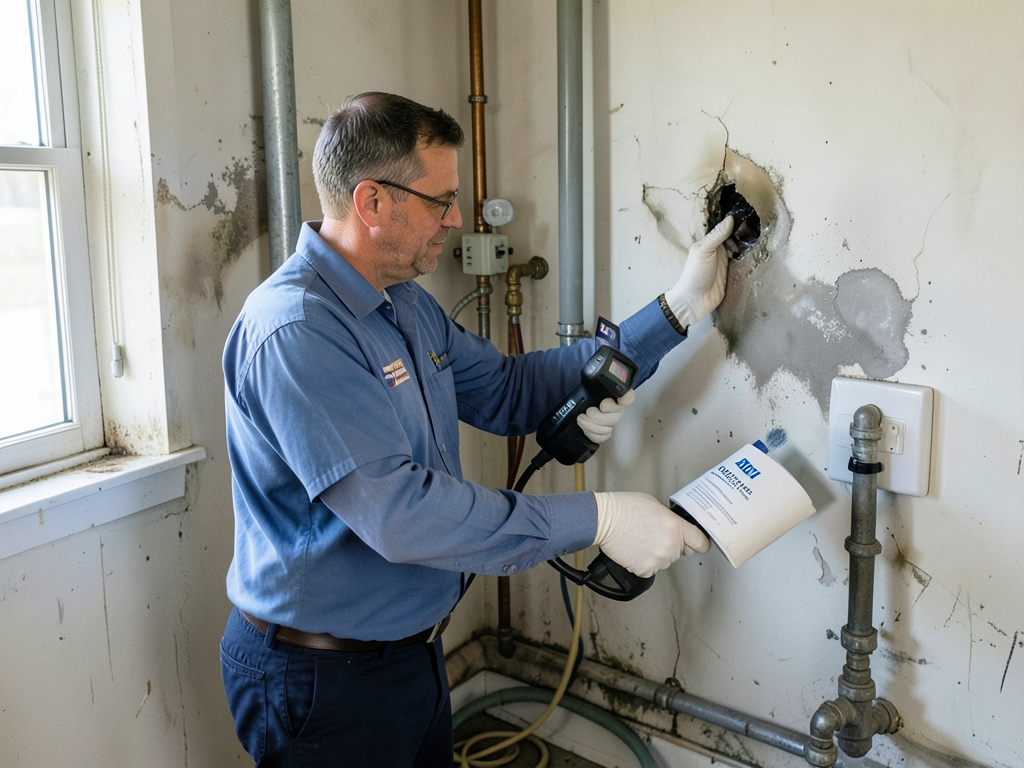
What to Do When Your Water Softener Leaks and Floods Your Affton Utility Room A…
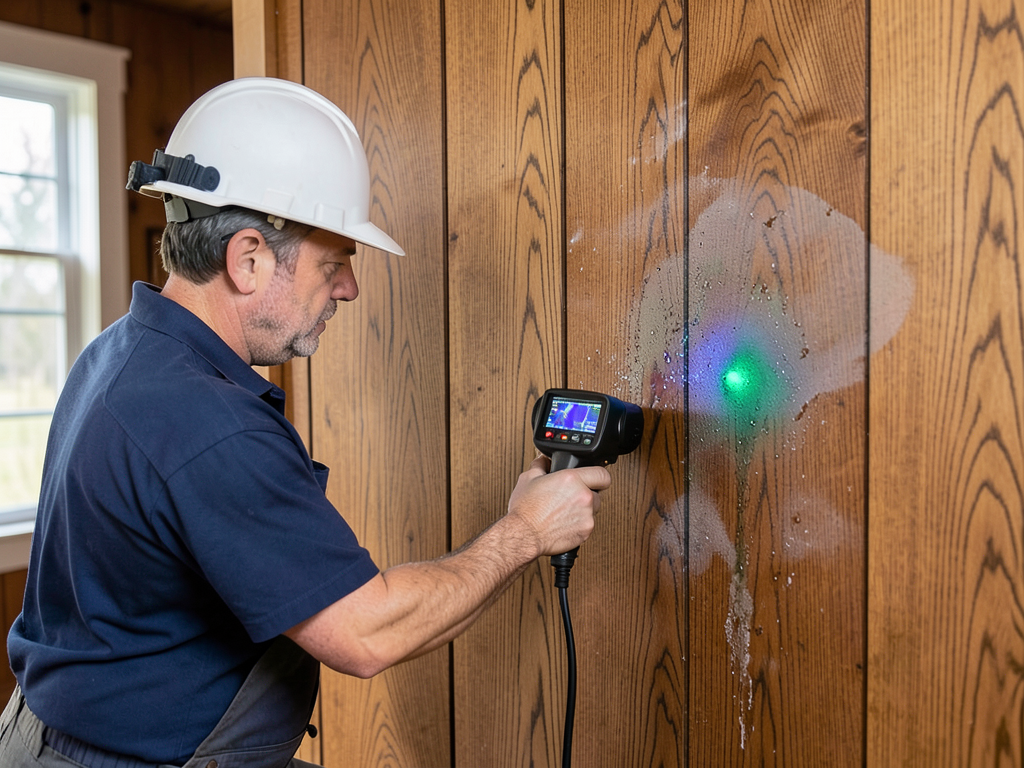
Restoring a Water Damaged Mid-Century Modern Home in Warson Woods Water damage in a mid-century…
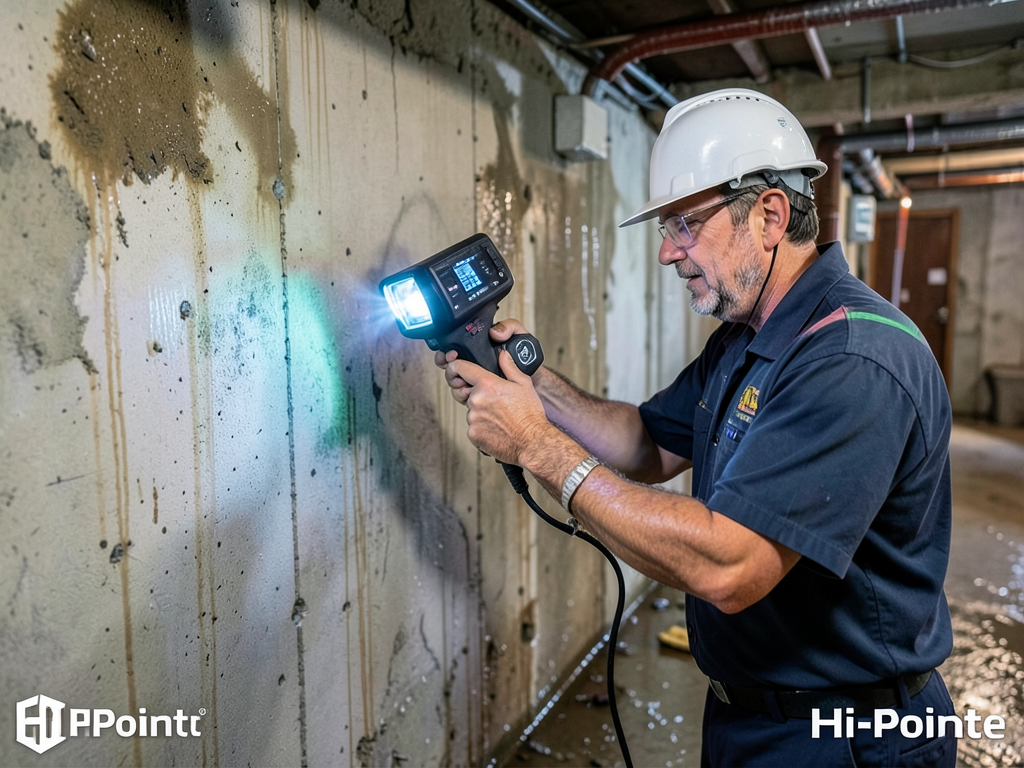
Why Your Walk-Out Basement in Hi-Pointe is Vulnerable to Heavy Rain Runoff Your walk-out basement…
Every minute counts during water emergencies. Call Patriot Water Damage Restoration St. Louis at (314) 428-9977 for immediate dispatch. Our crews respond 24 hours daily with commercial extraction equipment and certified technicians ready to stop damage and start restoration.