menu

Visible Mold Growth on Walls in St. Louis – Expert Diagnosis and Complete Remediation

When black mold spots on drywall or fungal growth spreads across your walls, you need professionals who identify the moisture source, contain the contamination, and restore your home safely. Patriot Water Damage Restoration St. Louis delivers complete mold remediation backed by proven water damage expertise.

Slider Image 1
Slider Image 2
Slider Image 3
Slider Image 4
Slider Image 5
Slider Image 7
Slider Image 8
Slider Image 9
Slider Image 10
Slider Image 11

Why St. Louis Homes Are Vulnerable to Wall Mold Infestations

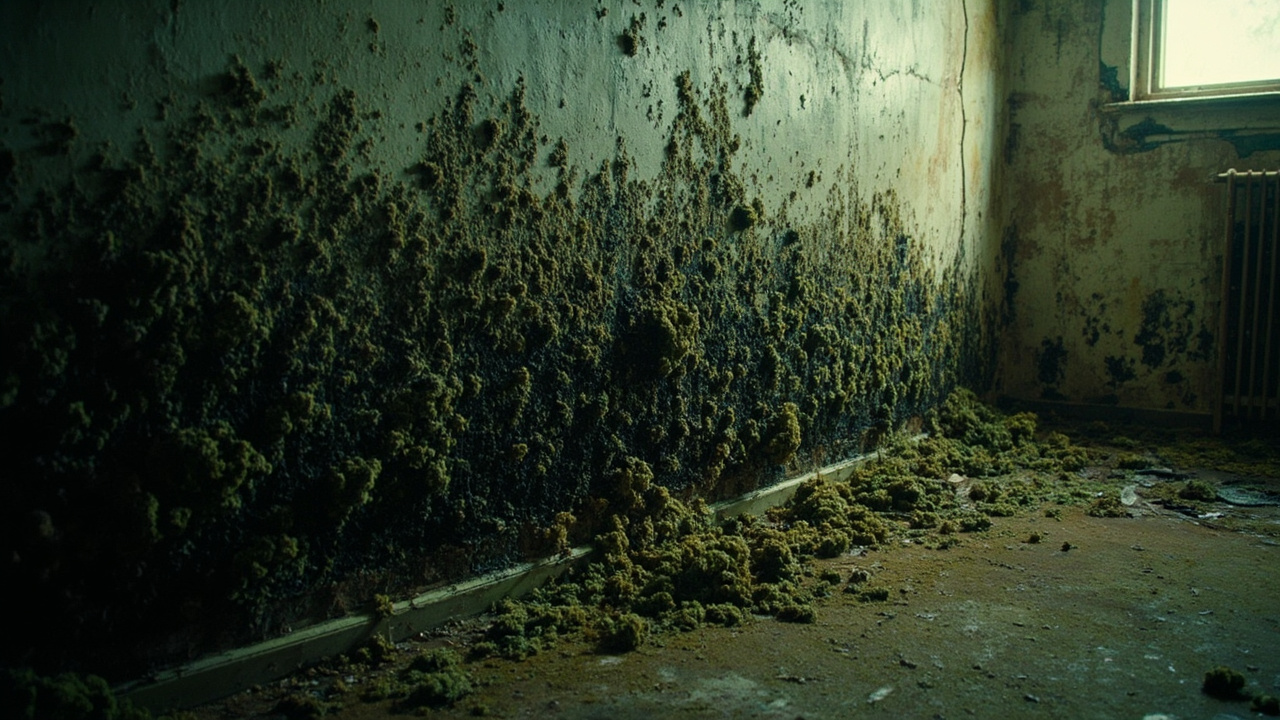
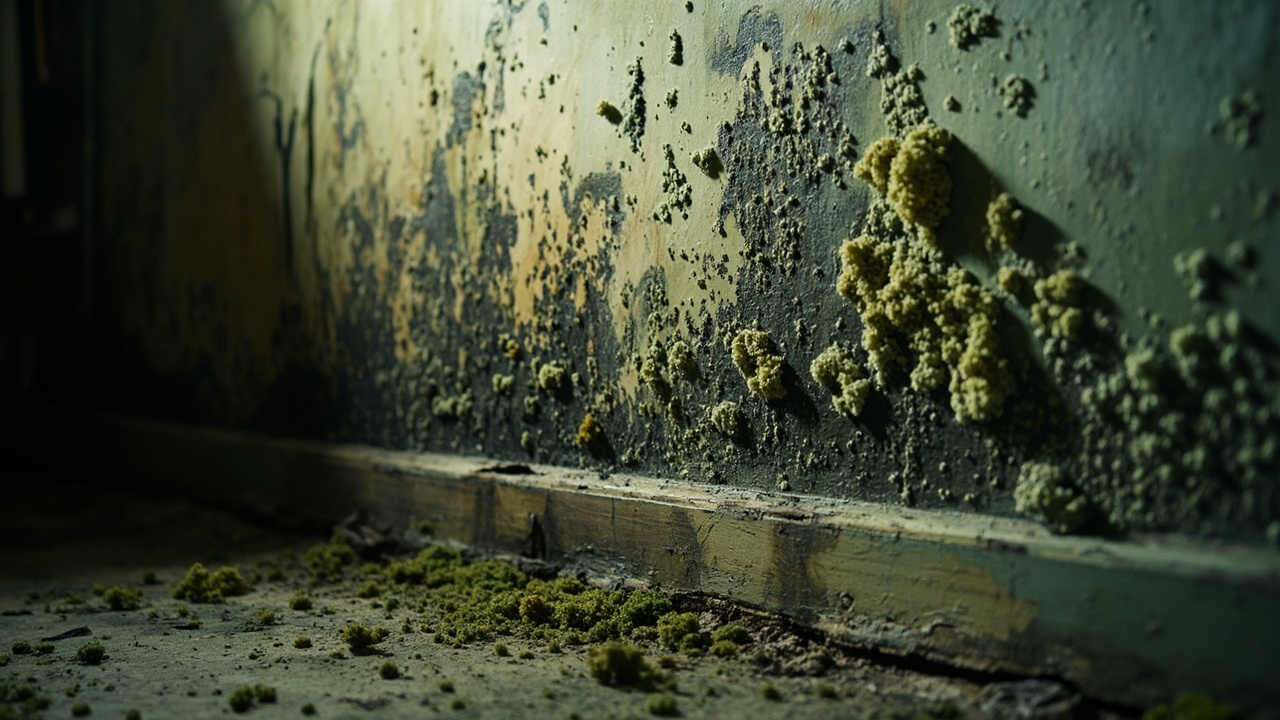
You walk past a wall in your home and notice something that was not there last week. Dark patches creeping across the painted surface. A musty smell that gets stronger every day. Black mold spots on drywall that seem to multiply overnight.

This is not random. St. Louis sits at the confluence of two major rivers, creating year-round humidity that rarely drops below 60 percent. Our summers are brutal, with dewpoints regularly hitting 70 degrees or higher. That combination creates the perfect breeding ground for fungal growth on wall surfaces.

Add in the older housing stock throughout neighborhoods like Tower Grove, Soulard, and the Central West End, where plaster walls meet aging plumbing and inadequate vapor barriers, and you have a recipe for visible mildew on painted walls. Many St. Louis homes were built before modern moisture control standards existed. The clay soil beneath our foundations shifts with seasonal moisture changes, creating hairline cracks in basement walls that funnel groundwater directly into your living space.

When you see mold patches on sheetrock, you are looking at the symptom, not the cause. Behind that wall is a moisture problem. Maybe it is a slow leak from a bathroom above. Maybe it is condensation from poor attic ventilation. Maybe it is humidity that never properly exhausts because your bathroom fan vents into the attic instead of outside.

Wall mold infestation does not happen in dry homes. It happens where water intrusion meets organic material and time. In St. Louis, all three factors are constantly at play.

Why St. Louis Homes Are Vulnerable to Wall Mold Infestations
How We Eliminate Mold and Fix the Moisture Problem

How We Eliminate Mold and Fix the Moisture Problem

Most companies treat mold like a surface issue. They spray bleach, repaint, and leave. You call them back six months later when the mold returns.

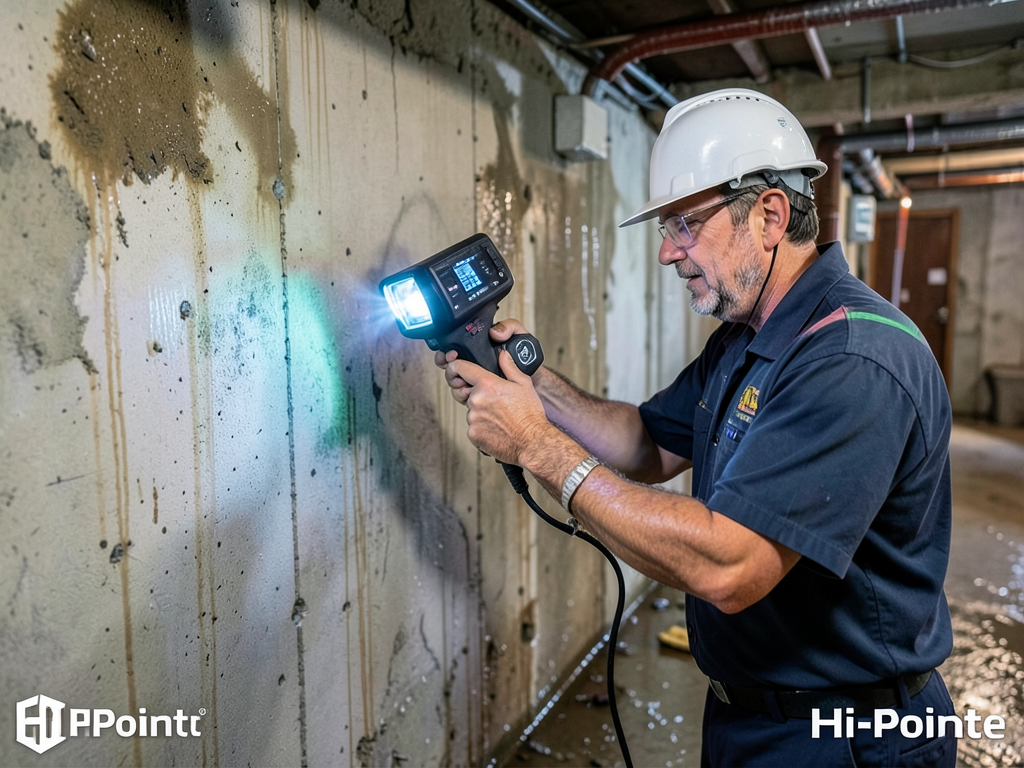
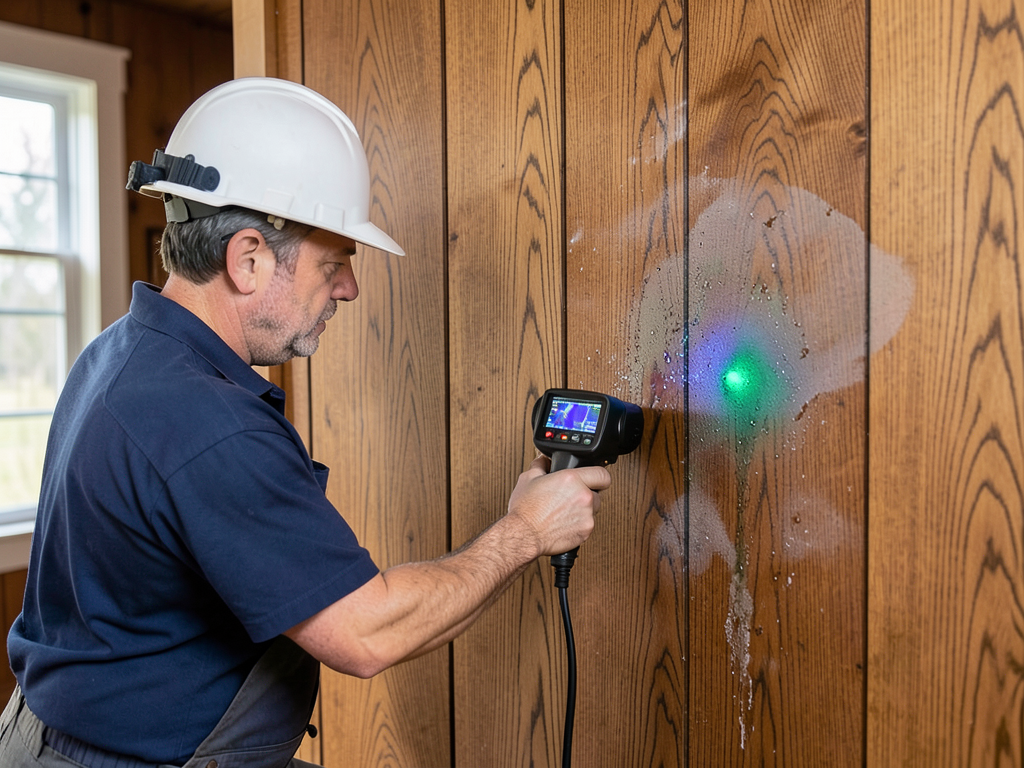
We treat mold as a moisture issue. Our protocol starts with thermal imaging and moisture meters to map the full extent of water intrusion behind your walls. We measure humidity levels throughout your home using psychrometric calculations to identify vapor pressure differentials that drive condensation.

Once we understand where the moisture originates, we establish containment. We seal off affected areas with polyethylene barriers and create negative air pressure using HEPA-filtered air scrubbers. This prevents mold spores from spreading to clean areas during remediation.

We remove all compromised materials. That means cutting out water-damaged drywall at least 12 inches beyond visible mold growth. We inspect wall cavities for hidden fungal growth on studs and insulation. If your home has older plaster walls, we often find mold growth between the plaster and the lath, which requires full removal to access.

After material removal, we treat structural members with antimicrobial solutions and encapsulants designed for porous wood surfaces. We do not use household bleach. We use EPA-registered fungicides that penetrate wood grain and prevent future growth.

The critical step most companies skip is fixing the moisture source. We repair plumbing leaks, improve drainage around foundations, install vapor barriers in crawl spaces, redirect condensation from HVAC systems, and correct ventilation issues. Without this step, mold returns.

Before reconstruction, we verify dry conditions using moisture content readings below 15 percent in wood and below 1 percent in drywall. Only then do we rebuild with mold-resistant materials like fiberglass-faced drywall and moisture-resistant paint.

What Happens During Your Mold Remediation

Visible Mold Growth on Walls in St. Louis – Expert Diagnosis and Complete Remediation
01

Inspection and Moisture Mapping

We arrive with thermal cameras and moisture detection equipment to trace the water source feeding your mold growth. You will see us testing wall cavities, checking attic ventilation, inspecting plumbing penetrations, and measuring relative humidity throughout your home. We document everything with photos and moisture readings that show exactly where water is entering your building envelope and how far the contamination extends.
02

Containment and Safe Removal

We seal the work area with plastic barriers and set up HEPA air filtration to create negative pressure. This keeps mold spores contained while we remove affected drywall, insulation, and any porous materials harboring fungal growth. All contaminated debris goes into sealed bags for proper disposal. We treat exposed studs and framing with antimicrobial solutions that penetrate deep into the wood grain to kill dormant spores.
03

Moisture Correction and Restoration

We fix the underlying water problem, whether that means repairing plumbing, improving drainage, or correcting ventilation issues. After confirming dry conditions with moisture meters, we rebuild using mold-resistant materials. Your walls go back together stronger than before, with proper vapor barriers and moisture-resistant drywall. We conduct final air quality testing to verify spore counts return to normal background levels before we consider the job complete.

Why St. Louis Property Owners Choose Patriot Water Damage Restoration

Mold remediation is not a DIY project. It requires understanding building science, moisture dynamics, and proper containment protocols. Get it wrong and you spread contamination throughout your home. Get it wrong and the mold comes back in three months.

Patriot Water Damage Restoration St. Louis specializes in the complete solution. We are water damage experts first, which means we understand the root cause of every mold problem. We know how St. Louis humidity interacts with older construction methods. We have traced water intrusion through century-old brick homes in Lafayette Square and diagnosed condensation issues in modern subdivisions west of Highway 270.

We understand local building patterns. Many St. Louis homes have limestone foundations that wick moisture from the ground. Others have cast iron plumbing that corrodes from the inside, creating pinhole leaks behind walls that go undetected for years. We have worked in the brick bungalows south of Tower Grove Park and the Tudor Revival homes in University City. Each architectural style presents unique moisture challenges.

Our team holds certifications in water damage restoration and follows IICRC S520 standards for mold remediation. We coordinate directly with insurance adjusters to document damage and justify necessary repairs. We understand Missouri building codes and how they apply to reconstruction after mold removal.

When you hire us, you get transparent communication. We explain what we find, why it happened, and what it takes to fix it permanently. No upselling. No scare tactics. Just honest assessment and skilled execution.

Most importantly, we fix the problem so it does not return. That separates us from every surface treatment company that leaves you vulnerable to recurring growth.

What to Expect When You Call Us

Response Time and Availability

We answer calls 24 hours a day because water damage and mold growth do not wait for business hours. When you contact us, you speak with someone who can schedule an inspection within 24 hours. For emergency water intrusion that is actively feeding mold growth, we dispatch immediately to stop the source and begin drying. Our typical inspection takes 60 to 90 minutes as we map moisture levels, identify water sources, and assess the full scope of contamination. You receive a detailed written estimate before any remediation work begins.

Thorough Assessment Process

Our inspection goes beyond the visible mold on your walls. We use thermal imaging to detect hidden moisture behind surfaces. We test airflow patterns to find negative pressure zones that draw humid air into wall cavities. We inspect your HVAC system, plumbing penetrations, exterior drainage, and attic ventilation. We measure indoor humidity and compare it to outdoor conditions to identify condensation risks. You get a comprehensive report that explains what caused the mold, how far it has spread, and what it takes to eliminate it permanently. No guesswork.

Quality of Final Outcome

Your walls are restored to pre-damage condition using materials designed to resist future moisture problems. We use mold-resistant drywall in areas prone to humidity. We install vapor barriers where building code requires them. We prime and paint with products formulated for high-moisture environments. Before we close the walls, we document dry conditions with moisture readings. After completion, we conduct air quality testing to verify that mold spore counts have returned to normal background levels. You receive documentation suitable for real estate transactions or insurance requirements.

Follow-Up and Prevention

Mold remediation is only part of the solution. We provide specific recommendations for preventing future growth, including humidity control strategies, ventilation improvements, and maintenance schedules for high-risk areas like bathrooms and basements. We explain how to monitor indoor humidity and when to use dehumidifiers. If we identify plumbing issues beyond our scope, we connect you with trusted local contractors. We remain available after the project to answer questions or address concerns. Our goal is to give you confidence that the problem is solved for good.

Frequently Asked Questions

You Have Questions,
We Have Answers

What to do if I see mold on my wall? +

Stop touching it. Mold releases spores when disturbed. First, identify the moisture source. Check for leaks, condensation, or humidity issues common in St. Louis homes, especially basements and crawl spaces. Document the growth with photos for insurance purposes. If the affected area exceeds 10 square feet, or if you have health concerns, call a certified mold remediation specialist. Do not attempt DIY removal on drywall or porous materials. Professionals use containment barriers, HEPA filtration, and antimicrobial treatments to prevent cross-contamination. Address the water intrusion immediately or the mold will return after cleaning.

Can mold make a baby cough? +

Yes. Mold spores irritate developing respiratory systems. Babies exposed to mold may experience persistent coughing, wheezing, congestion, or difficulty breathing. Their immune systems are still forming, making them vulnerable to allergic reactions and respiratory infections. St. Louis humidity, particularly in older homes without proper ventilation, creates ideal mold conditions. If your baby shows these symptoms and you see visible mold growth, remove the child from the environment immediately. Consult your pediatrician and arrange professional mold testing. Surface cleaning will not eliminate spores embedded in walls or HVAC systems. Professional remediation protects your infant's long-term respiratory health.

Can mold cause twitching? +

Certain mold species produce mycotoxins that affect neurological function. Prolonged exposure to toxic molds like Stachybotrys can cause muscle twitching, tremors, numbness, or tingling sensations. These neurotoxic effects result from mycotoxins entering your bloodstream through inhalation or skin contact. If you experience unexplained twitching alongside visible mold in your St. Louis home, seek medical evaluation immediately. Document your symptoms and the mold location. A qualified mold inspector can test species type and spore concentration. Neurological symptoms indicate serious exposure levels requiring professional remediation, not DIY cleaning. Remove yourself from the contaminated space until professionals clear the environment.

Does black mold affect pregnancy? +

Black mold exposure during pregnancy poses significant risks. Mycotoxins can trigger respiratory distress, severe allergic reactions, and immune system suppression when your body is already compromised. Pregnant women in St. Louis should avoid all mold exposure, especially in humid basements or older buildings with ventilation issues. Studies link prenatal mold exposure to preterm birth, low birth weight, and developmental concerns. If you discover black mold, leave the space immediately. Do not attempt cleanup while pregnant. Professionals use containment protocols and PPE to prevent spore dispersion. Your developing baby cannot filter these toxins. Prioritize remediation before delivery to ensure a safe home environment.

What kills mold permanently on walls? +

Nothing kills mold permanently if moisture remains. Effective mold elimination requires three steps. First, fix the water source. St. Louis homes often face foundation seepage, roof leaks, or HVAC condensation issues. Second, professionals apply EPA-registered antimicrobial solutions like quaternary ammonium compounds or hydrogen peroxide-based treatments to non-porous surfaces. Third, remove porous materials like drywall or insulation because mold roots penetrate deep. Bleach only whitens surface stains and does not kill subsurface growth. Professional remediation includes HEPA vacuuming, air scrubbing, and dehumidification to achieve spore counts below 500 per cubic meter. Without moisture control, mold returns within weeks.

Will mold go away if it dries out? +

No. Dormant mold is still alive. When moisture returns, spores reactivate and multiply rapidly. Drying stops active growth but does not kill existing colonies or neutralize mycotoxins embedded in materials. St. Louis experiences high humidity fluctuations between seasons, creating repeated wet-dry cycles that reactivate dormant mold. Dead mold also triggers allergic reactions and respiratory issues. You must physically remove contaminated materials and treat surfaces with antimicrobial solutions. Simply improving ventilation or running dehumidifiers will not eliminate health risks. Professional remediation includes removing affected drywall, insulation, and carpeting where mold has penetrated. Dried mold crumbles easily, releasing concentrated spore clouds when disturbed.

What are the first signs of mold sickness? +

Early mold sickness symptoms mimic seasonal allergies. Watch for persistent nasal congestion, sneezing, itchy or watery eyes, throat irritation, and chronic coughing. Many St. Louis residents dismiss these as Mississippi River Valley allergies. Additional warning signs include unexplained headaches, fatigue, skin rashes, or worsening asthma. Symptoms intensify when you are home and improve when away. If multiple household members experience simultaneous respiratory issues, inspect for hidden mold in basements, bathrooms, or behind appliances. Document symptom timing and locations. Consult your doctor and arrange professional mold testing. Continued exposure escalates to severe respiratory infections, cognitive impairment, and immune system dysfunction.

Can air purifiers remove mold spores? +

Air purifiers with true HEPA filters capture airborne mold spores but do not solve the underlying problem. HEPA filtration removes particles as small as 0.3 microns, including most mold spores. However, purifiers cannot eliminate mold colonies growing inside walls, under flooring, or in HVAC ducts. They provide temporary symptom relief but do not replace professional remediation. In St. Louis homes with active mold growth, purifiers simply recirculate spores that continue releasing from the source. Use HEPA purifiers during and after professional remediation to maintain air quality. Replace filters frequently. Address moisture intrusion and physical mold removal first or you are just masking a worsening contamination problem.

Is it safe to clean black mold yourself? +

Not if it exceeds one square foot or grows on porous materials. Black mold produces mycotoxins that become airborne when disturbed. DIY cleaning without proper containment, respirators, and disposal protocols spreads spores throughout your St. Louis home. Bleach does not penetrate drywall or wood, leaving subsurface roots intact. You risk severe respiratory exposure and cross-contamination to clean areas. If black mold appears after flooding, sewage backup, or prolonged moisture, professional remediation is mandatory. Certified technicians use negative air pressure, HEPA filtration, and antimicrobial foggers to prevent spore dispersion. Improper cleanup often worsens contamination and invalidates insurance claims. Protect your health and property value with professional assessment.

Is brain damage from mold reversible? +

Recovery depends on exposure duration and individual physiology. Some cognitive symptoms like brain fog, memory issues, and concentration problems improve after mold removal and medical treatment. However, prolonged mycotoxin exposure can cause lasting neurological damage. Chronic inflammatory response syndrome affects brain tissue, potentially causing permanent changes. St. Louis residents who lived with undetected mold for years face longer recovery. Immediate steps include professional mold remediation, medical evaluation by an environmental medicine specialist, and potential detoxification protocols. Neurological testing can establish baseline function and track improvement. Early intervention increases recovery likelihood. Complete reversal is not guaranteed, which is why immediate professional remediation upon discovering mold is critical.

How St. Louis Humidity and Aging Housing Stock Accelerate Mold Growth

St. Louis averages over 200 humid days per year, with summer relative humidity often exceeding 80 percent. That persistent moisture combines with our large inventory of pre-1960 housing stock, much of it built before vapor barriers and modern ventilation standards existed. Neighborhoods like The Hill, Dutchtown, and Carondelet feature dense brick construction with minimal wall cavity ventilation. When exterior humidity pushes through porous brick and meets cooler interior air, condensation forms inside wall cavities. Add in aging cast iron plumbing common in homes built before 1970, and you create conditions where visible mold growth on walls becomes inevitable without proper moisture management.

Choosing a local water damage restoration company matters because mold remediation requires understanding how buildings fail in this specific climate. We have worked in the limestone foundation homes along Cherokee Street and the balloon-frame houses in North City. We understand how St. Louis clay soil expands and contracts with moisture, creating foundation movement that cracks basement walls. We know which neighborhoods have combined sewer systems that back up during heavy rain, and we have seen how improperly vented bathroom fans dump moisture into attic spaces. That local knowledge makes the difference between treating symptoms and solving root causes.
Water Damage Restoration Services in The St. Louis Area

We are proud to be the trusted local choice for water damage restoration across the greater St. Louis region. This map highlights our primary service zone, demonstrating our commitment to rapid, localized response across every neighborhood and business district within the area. We invite all users to view our service area and then contact us directly for immediate deployment to your specific address within the St. Louis community.

Address:
Patriot Water Damage Restoration St. Louis, 710 N Tucker Blvd, St. Louis, MO, 63101

Additional Services We Offer

Our news updates

Latest Articles & News from The Blogs

What to Do When Your Water Softener Leaks and Floods Your Affton Utility Room A leaking water softener can release…

What to Do When Your Water Softener Leaks and Floods Your Affton Utility Room

What to Do When Your Water Softener Leaks and Floods Your Affton Utility Room A leaking water softener can release…

Restoring a Water Damaged Mid-Century Modern Home in Warson Woods

Restoring a Water Damaged Mid-Century Modern Home in Warson Woods Water damage in a mid-century modern home requires specialized knowledge…

Why Your Walk-Out Basement in Hi-Pointe is Vulnerable to Heavy Rain Runoff

Why Your Walk-Out Basement in Hi-Pointe is Vulnerable to Heavy Rain Runoff Your walk-out basement in Hi-Pointe faces unique flooding…

Contact Us

Visible mold on your walls signals a moisture problem that gets worse every day. Call Patriot Water Damage Restoration St. Louis at (314) 428-9977 for an inspection that identifies the source and a solution that prevents recurrence. We answer 24/7.