menu

Sanitization & Odor Removal in St. Louis | Advanced Antimicrobial Treatment After Water Damage

Professional disinfection and deodorization services that eliminate harmful bacteria, mold spores, and persistent odors using hospital-grade antimicrobial treatment protocols designed for St. Louis's unique moisture challenges.

Slider Image 1
Slider Image 2
Slider Image 3
Slider Image 4
Slider Image 5
Slider Image 7
Slider Image 8
Slider Image 9
Slider Image 10
Slider Image 11

Why St. Louis Properties Need Specialized Odor Abatement After Water Events

St. Louis sits at the confluence of the Missouri and Mississippi Rivers, creating humidity levels that accelerate microbial growth after water intrusion. When your basement floods or a pipe bursts, you face more than just standing water. The real danger begins 24 to 48 hours later when bacteria colonies and mold spores establish themselves in porous materials.

The city's clay soil retains moisture for weeks after flooding events, creating a vapor transmission problem through basement slabs and foundation walls. This constant moisture feed allows anaerobic bacteria to thrive in carpet padding, drywall cavities, and subfloor spaces. These organisms produce volatile organic compounds that create the musty smell most homeowners recognize immediately.

Standard cleaning does not address the problem. You need odor control services that target the source at a molecular level. Surface cleaning removes visible contamination but leaves behind biofilm layers that continue generating odor and pose health risks. Historic neighborhoods like Soulard and The Hill feature older brick and limestone construction that absorbs water like a sponge, making thorough sanitizing and deodorizing even more critical.

The Gateway City's spring flooding patterns and summer humidity create perfect conditions for Aspergillus and Penicillium mold species. These organisms release mycotoxins that trigger respiratory issues and allergic reactions. Without proper antimicrobial treatment, you are living in a contaminated environment even after the visible water disappears. Professional disinfection and deodorization becomes necessary, not optional, in this climate.

Why St. Louis Properties Need Specialized Odor Abatement After Water Events
Our Multi-Stage Antimicrobial Treatment Protocol

Our Multi-Stage Antimicrobial Treatment Protocol

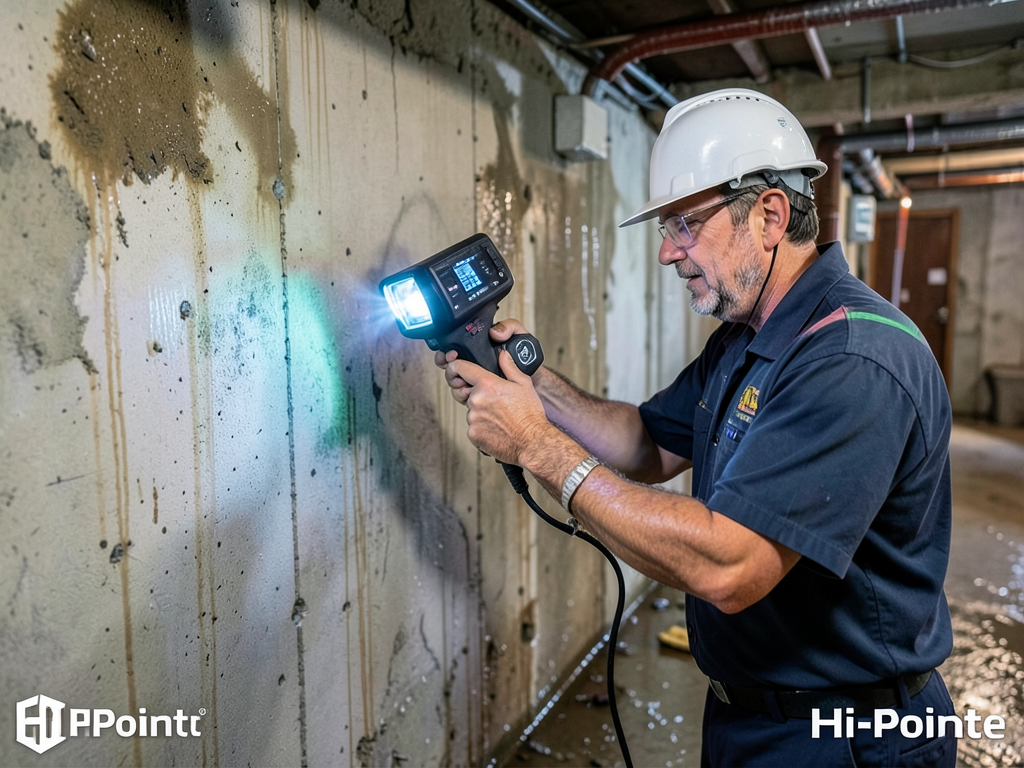
Patriot Water Damage Restoration St. Louis uses a layered approach to sanitization that addresses both surface contamination and embedded microbial colonies. We begin with moisture mapping using thermal imaging cameras and penetrating moisture meters. This identifies hidden water reservoirs behind walls and under flooring that serve as bacterial incubators.

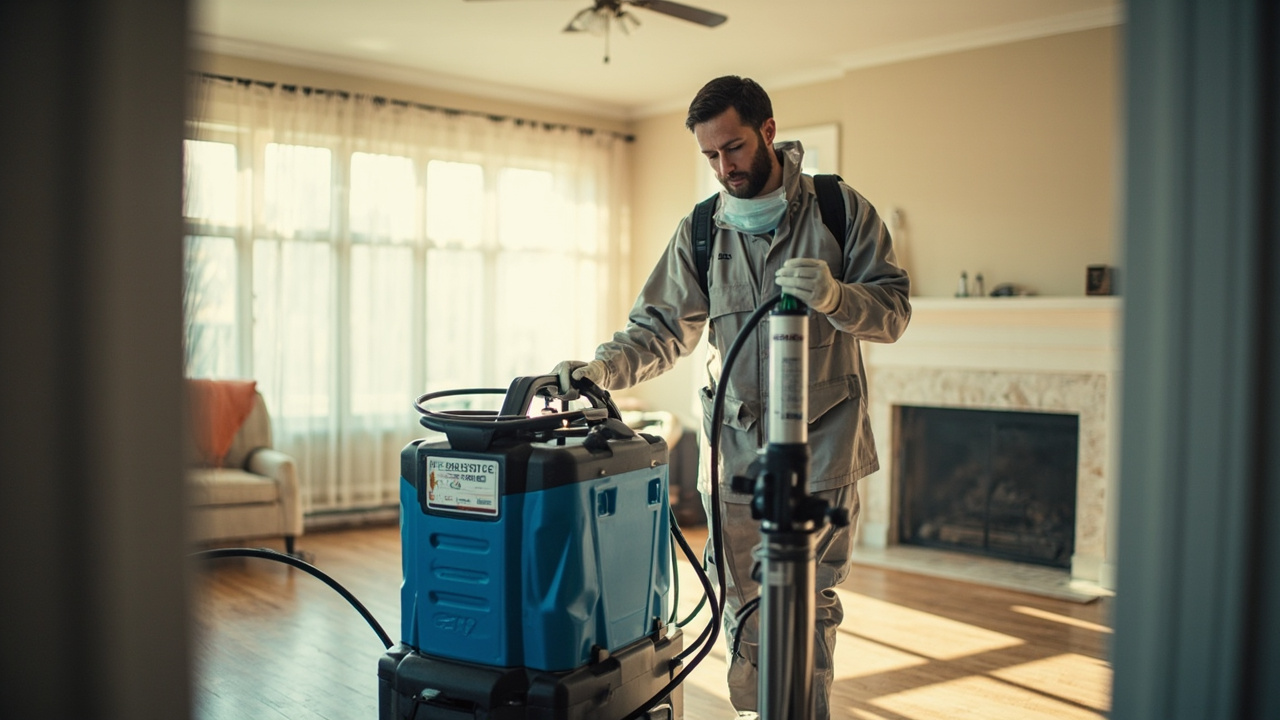
Next, we apply EPA-registered hospital-grade disinfectants through electrostatic spraying equipment. This technology gives the disinfectant molecules a positive charge, causing them to wrap around surfaces and penetrate into cracks and crevices. The coverage rate is 400% more effective than conventional spray methods. We use quaternary ammonium compounds for general bacterial contamination and specialized fungicides for confirmed mold presence.

For porous materials like drywall and insulation, we use hydroxyl generators rather than ozone machines. Ozone leaves a chemical residue and poses respiratory risks. Hydroxyl radicals break down odor molecules through oxidation without creating harmful byproducts. These generators run for 48 to 72 hours depending on contamination severity.

Our odor control services include HEPA air scrubbing to capture airborne spore particles during the remediation process. We create negative air pressure zones to prevent cross-contamination to unaffected areas. After antimicrobial application, we verify kill rates through ATP testing, which measures biological activity at the surface level.

We finish with encapsulation treatments on structural materials that cannot be removed. These sealants lock in any remaining odor molecules and create a moisture barrier against future intrusion. The entire sanitizing and deodorizing process takes three to five days for typical residential water damage scenarios.

What Happens During Professional Odor Abatement

Sanitization & Odor Removal in St. Louis | Advanced Antimicrobial Treatment After Water Damage
01

Contamination Assessment

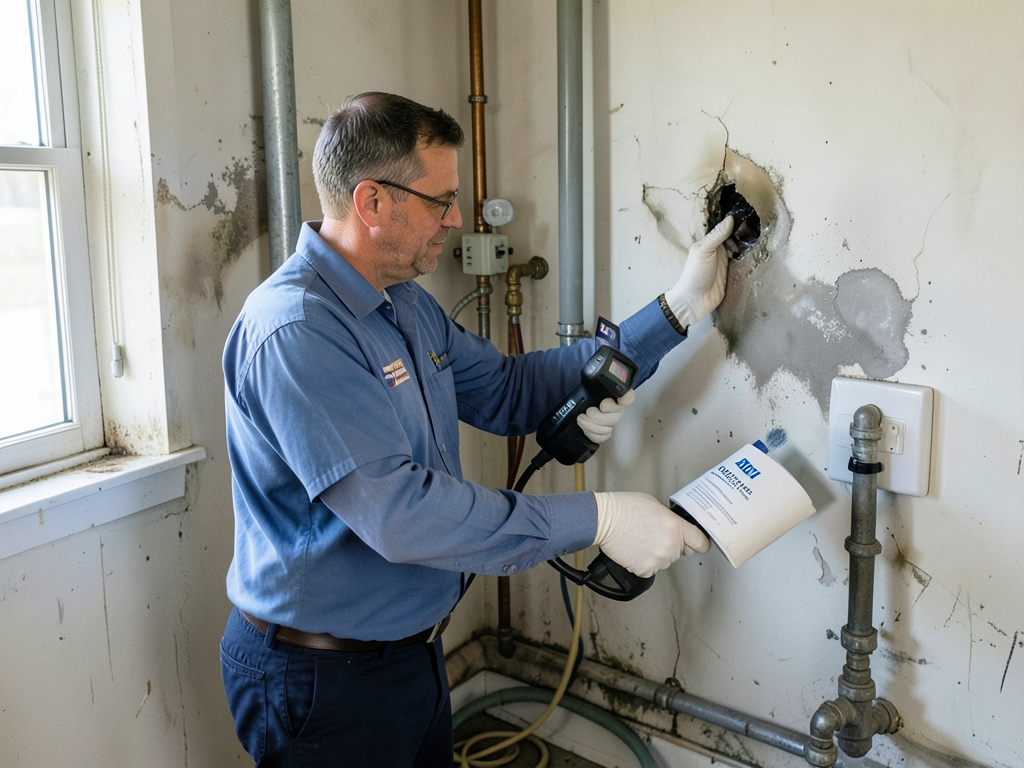
We document moisture levels and identify contamination categories using industry classification standards. Category 3 water from sewage backups requires more aggressive antimicrobial protocols than clean water leaks. We collect air samples to establish baseline spore counts and identify dominant mold species. This data drives our disinfection and deodorization strategy and helps insurance adjusters understand scope requirements.
02

Application and Dwell Time

Antimicrobial solutions need specific contact time to achieve proper kill rates. We apply treatments at manufacturer-specified dilution ratios and allow the required dwell period before any mechanical cleaning. Rushing this step leaves behind viable organisms that recolonize within days. We treat HVAC ductwork separately to prevent spore distribution throughout your property. Temperature and humidity control during treatment maximizes antimicrobial effectiveness.
03

Verification and Clearance

Post-treatment air sampling confirms successful odor abatement and microbial reduction. We compare final spore counts against baseline data and outdoor control samples. Moisture readings must return to normal ranges before we seal any cavities or replace building materials. You receive documentation showing before and after contamination levels. This clearance data satisfies insurance requirements and proves the sanitization work meets industry standards.

Why St. Louis Property Owners Choose Local Sanitization Experts

Water damage in St. Louis requires understanding how the city's infrastructure affects contamination risk. The metropolitan area uses combined sewer systems in older neighborhoods, meaning heavy rain events can cause sewage backups through floor drains. This creates Category 3 contamination requiring specific antimicrobial protocols that many restoration companies mishandle.

We know which neighborhoods have chronic basement seepage issues due to the clay soil composition. Properties in Clayton, University City, and Webster Groves face different moisture challenges than newer construction in St. Charles County. This geographical knowledge shapes our odor control services approach. We adjust drying and disinfection timelines based on your property's foundation type and age.

Our technicians hold IICRC certifications in Applied Microbial Remediation and Odor Control. These credentials represent hundreds of hours of training in microorganism identification, antimicrobial chemistry, and proper safety protocols. We follow ANSI/IICRC S500 standards for water damage restoration, which specify exact procedures for sanitizing and deodorizing after different contamination categories.

We maintain relationships with local environmental testing labs that provide 24-hour turnaround on air sample analysis. Fast lab results mean we can adjust our antimicrobial treatment in real time rather than waiting days for out-of-state analysis. This speed prevents mold amplification during the critical 72-hour window after water intrusion.

Insurance work in St. Louis requires familiarity with local adjusters and their documentation expectations. We provide detailed scope worksheets with photographic evidence that satisfies claim requirements the first time. This prevents the payment delays that occur when restoration companies submit incomplete documentation.

What to Expect from Professional Sanitization Services

Response Time and Availability

We dispatch technicians within 90 minutes for emergency water damage situations in St. Louis County and the metro area. Our 24/7 availability covers nights, weekends, and holidays because microbial growth does not wait for business hours. The first 48 hours after water intrusion determine whether you need basic sanitization or full mold remediation. Fast response with immediate antimicrobial treatment reduces your final restoration costs by 40 to 60 percent. We arrive with truck-mounted extraction equipment and portable hydroxyl generators to begin odor control services immediately.

Initial Property Evaluation

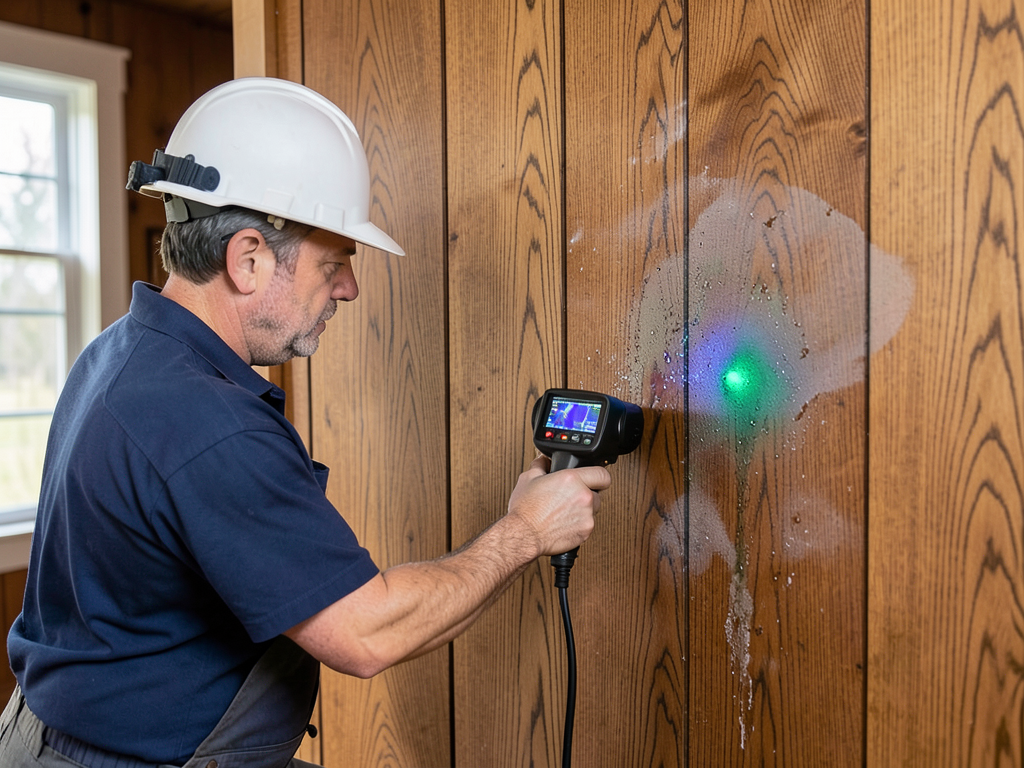
Your assessment begins with moisture mapping of all affected areas plus adjacent spaces where water may have wicked through building materials. We use thermal cameras to identify temperature differentials that indicate hidden moisture behind walls and ceilings. You receive a written scope detailing contamination category, affected square footage, and recommended antimicrobial protocols. We explain which materials need removal versus which can be salvaged through disinfection and deodorization. Air samples collected during this visit establish baseline contamination levels for post-treatment comparison.

The Final Result

Successful odor abatement means you cannot detect musty smells even in enclosed spaces like closets and cabinets. Post-treatment air samples show spore counts at or below outdoor ambient levels, proving effective antimicrobial treatment. Moisture readings return to normal ranges for your building material types, eliminating conditions that support future microbial growth. You receive documentation including before and after photos, air sample lab reports, and moisture reading logs. These records provide proof of proper sanitizing and deodorizing for future property sales or insurance claims.

Post-Treatment Monitoring

We schedule follow-up moisture checks at seven and fourteen days after treatment completion. This monitoring catches any secondary moisture intrusion before it creates new contamination. You receive guidance on humidity control and ventilation practices that prevent future odor problems. We provide detailed care instructions for treated materials, including when it is safe to paint sealed surfaces or reinstall flooring. If odors return within 30 days, we investigate the source at no charge because effective disinfection and deodorization should provide lasting results when moisture sources are properly addressed.

Frequently Asked Questions

You Have Questions,
We Have Answers

What is the strongest odor eliminator? +

Hydroxyl generators and ozone machines rank among the strongest odor eliminators for severe contamination. Hydroxyl technology breaks down odor molecules at the molecular level without requiring evacuation, making it safer for occupied spaces. Ozone treatment works faster but demands complete building evacuation during use. For St. Louis homes dealing with flood damage from the Mississippi or Missouri River backups, professionals pair these machines with enzyme treatments that digest organic matter causing the smell. Commercial-grade activated charcoal filtration and thermal fogging also neutralize stubborn odors. The strongest solution depends on contamination type, building materials, and occupancy requirements during treatment.

What do nursing homes use to get rid of urine smell? +

Nursing homes use enzyme-based cleaners that break down uric acid crystals, which cause persistent ammonia smells. These bio-enzymatic products digest the source rather than mask it. Facilities also deploy air scrubbers with HEPA and carbon filtration to continuously remove airborne particles. Many St. Louis care facilities use hydroxyl generators in common areas because they sanitize while occupied. Staff apply encapsulating cleaners to carpets and subfloors, sealing odor molecules before extraction. For severe cases, professionals remove contaminated padding and treat concrete subfloors with antimicrobial sealers. Regular moisture control is critical in humid St. Louis summers to prevent bacterial growth.

How do I permanently get rid of a bad smell in my house? +

Permanent odor removal requires finding and eliminating the source, not masking it. Start by identifying whether the smell comes from mold, sewage, decomposition, or chemical contamination. Remove affected materials like water-damaged drywall, contaminated insulation, or urine-soaked subflooring. Clean remaining surfaces with enzyme treatments or antimicrobial solutions. For St. Louis homes with basement moisture issues from clay soil drainage problems, address the water intrusion first. Professional-grade equipment like thermal foggers, hydroxyl generators, or ozone machines neutralize molecules in porous surfaces. Seal treated areas with odor-blocking primers. Without removing the contamination source, smells return within days or weeks.

What do nurses use to block smells? +

Nurses use mentholated ointments like Vicks VapoRub under their noses to block strong odors during patient care. Peppermint oil and eucalyptus oil on face masks also create an olfactory barrier. Some wear specialized masks with activated carbon filters that physically trap odor molecules. In St. Louis medical facilities, air purifiers with medical-grade HEPA and carbon filtration run continuously in patient rooms. Scent-blocking techniques only mask smells temporarily. For home caregivers dealing with persistent odors, professionals recommend addressing contamination sources directly through enzymatic cleaning, antimicrobial treatments, and proper ventilation rather than relying on masking agents.

What kills all smells? +

No single product kills all smells because different contaminants require different chemical approaches. Ozone oxidizes organic molecules but does not work on all synthetics. Hydroxyl radicals break down most odor compounds safely. Enzyme cleaners digest biological matter like urine, feces, and vomit. Activated carbon absorbs volatile organic compounds. Thermal fogging penetrates porous materials with deodorizing particles. St. Louis restoration professionals assess contamination type first, then select appropriate treatments. Smoke damage requires different chemistry than sewage contamination. Mold odors need antimicrobial solutions plus moisture control. Comprehensive odor elimination combines source removal, chemical treatment, mechanical air filtration, and environmental controls.

What do realtors use to make a house smell good? +

Realtors use staged scents like vanilla, citrus, or fresh linen to create positive emotional responses during showings. Some deploy commercial scent diffusers or air fresheners before open houses. However, these products only mask existing odors temporarily. For homes with genuine odor problems, St. Louis real estate professionals hire restoration specialists before listing. Buyers quickly detect covered-up smells during inspections. Professional odor removal increases sale price and reduces time on market. Treatments include deep carpet cleaning, ozone or hydroxyl treatment, HVAC duct sanitization, and sealing subfloors. Clean, neutral-smelling homes sell faster than those masking contamination with artificial fragrances.

What is the old lady's smell called? +

The musty smell associated with elderly living spaces is called nonenal. This odor comes from 2-nonenal, a chemical compound produced when skin oils break down after age 40. The scent intensifies with poor ventilation, infrequent laundering, and medication interactions. In older St. Louis homes with limited air circulation and high humidity, nonenal accumulates in fabrics, carpets, and walls. Regular cleaning, increased ventilation, and air purifiers with activated carbon filters reduce the smell. Professional treatments include ozone or hydroxyl generation, deep fabric cleaning, and antimicrobial surface treatments. Addressing moisture issues and improving airflow prevents odor buildup better than masking agents.

How do professionals remove pee smell? +

Professional urine odor removal starts with moisture meters and UV lights to locate all contamination, including dried spots invisible to the eye. Technicians extract liquid from carpet and padding, then apply enzyme treatments that digest uric acid crystals causing ammonia smells. For severe cases in St. Louis homes, professionals remove contaminated padding and subfloor sections. They treat concrete with antimicrobial sealers that block odor molecules. Hydroxyl generators or ozone machines neutralize remaining airborne compounds. Air scrubbers with carbon filtration capture volatile particles. Surface treatments alone fail because urine penetrates deep into porous materials. Complete removal requires addressing all contaminated layers.

What do morticians use to block smells? +

Morticians use formaldehyde-based embalming fluids that preserve tissue and mask decomposition odors. Preparation rooms have dedicated ventilation systems with negative air pressure to contain smells. Staff apply mentholated products under masks during procedures. Facilities use industrial air scrubbers with activated carbon and chemical filtration. For St. Louis funeral homes, HVAC systems include odor-neutralizing technology and frequent air exchanges. Morticians also use disinfectant sprays containing quaternary ammonium compounds. These professional environments require strict contamination control that differs from residential odor removal. Homeowners facing decomposition odors need biohazard remediation specialists who follow health department protocols for complete sanitization.

What is the hardest smell to get rid of in a house? +

Decomposition odors rank as the hardest smell to eliminate because they penetrate all porous materials and contain complex organic compounds. Smoke damage from protein fires and sewage contamination also require extensive remediation. In St. Louis homes, these odors absorb into wood framing, drywall, insulation, and concrete during humid summer months. Complete removal often requires tearing out contaminated materials, not just cleaning surfaces. Professionals use thermal fogging, hydroxyl treatment, antimicrobial sealing, and ozone generation in combination. Skunk spray and certain chemical spills also resist simple cleaning. The hardest odors demand source removal, aggressive chemical treatment, and specialized equipment.

How St. Louis River Valley Humidity Affects Sanitization Success

St. Louis experiences summer dew points regularly exceeding 70 degrees, creating indoor relative humidity levels above 60 percent without proper dehumidification. These conditions reactivate dormant mold spores even after initial antimicrobial treatment. Properties near the Mississippi River floodplain in neighborhoods like Carondelet and Lemay face additional moisture loading from groundwater vapor transmission. This means sanitization work must include long-term humidity control strategies, not just one-time disinfection applications. We install commercial dehumidifiers that maintain 45 to 50 percent relative humidity during the critical two-week period after treatment, preventing recontamination while building materials fully dry.

Local building codes in St. Louis City and County require specific vapor barriers and drainage systems for below-grade spaces, but many older properties predate these requirements. We understand which construction methods were common in different decades and how they affect moisture management. This knowledge helps us identify why odor problems developed and how to prevent recurrence. Our familiarity with local environmental health regulations ensures antimicrobial treatment methods meet Missouri Department of Health requirements. We work directly with St. Louis County building inspectors when water damage affects structural components, ensuring our sanitization approach satisfies code officials during reinspection.
Water Damage Restoration Services in The St. Louis Area

We are proud to be the trusted local choice for water damage restoration across the greater St. Louis region. This map highlights our primary service zone, demonstrating our commitment to rapid, localized response across every neighborhood and business district within the area. We invite all users to view our service area and then contact us directly for immediate deployment to your specific address within the St. Louis community.

Address:
Patriot Water Damage Restoration St. Louis, 710 N Tucker Blvd, St. Louis, MO, 63101

Additional Services We Offer

Our news updates

Latest Articles & News from The Blogs

What to Do When Your Water Softener Leaks and Floods Your Affton Utility Room A leaking water softener can release…

What to Do When Your Water Softener Leaks and Floods Your Affton Utility Room

What to Do When Your Water Softener Leaks and Floods Your Affton Utility Room A leaking water softener can release…

Restoring a Water Damaged Mid-Century Modern Home in Warson Woods

Restoring a Water Damaged Mid-Century Modern Home in Warson Woods Water damage in a mid-century modern home requires specialized knowledge…

Why Your Walk-Out Basement in Hi-Pointe is Vulnerable to Heavy Rain Runoff

Why Your Walk-Out Basement in Hi-Pointe is Vulnerable to Heavy Rain Runoff Your walk-out basement in Hi-Pointe faces unique flooding…

Contact Us

Do not wait for mold growth to escalate your water damage into a health hazard. Call Patriot Water Damage Restoration St. Louis at (314) 428-9977 for immediate antimicrobial treatment. We provide free contamination assessments and work directly with your insurance company to expedite claims.