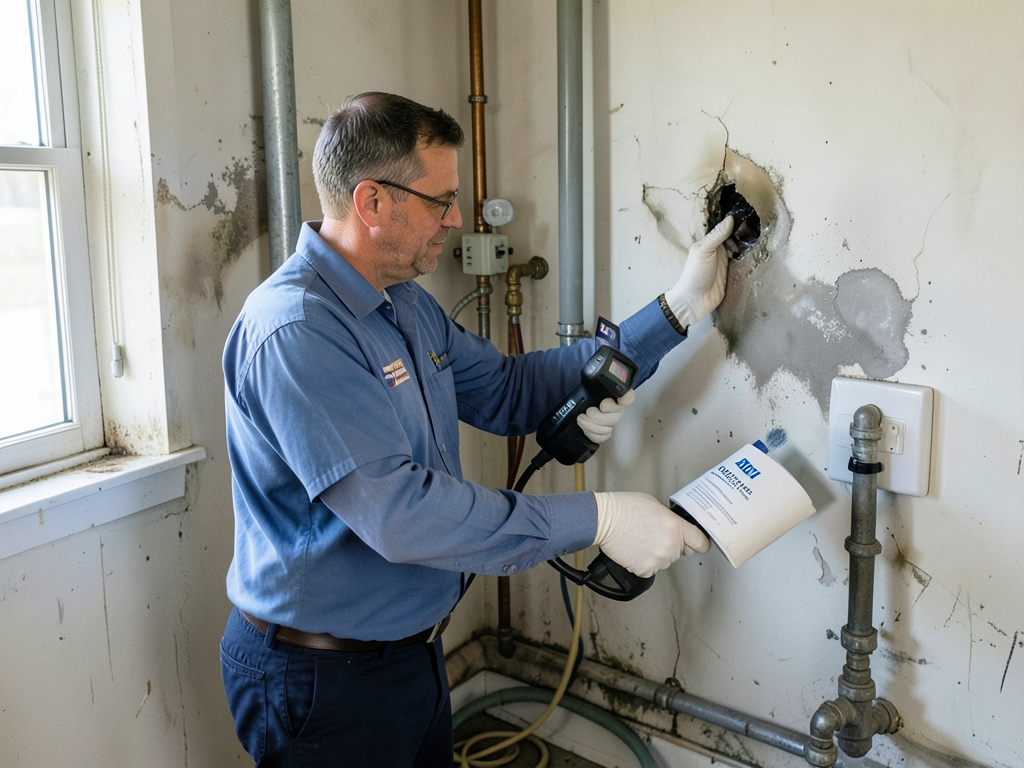
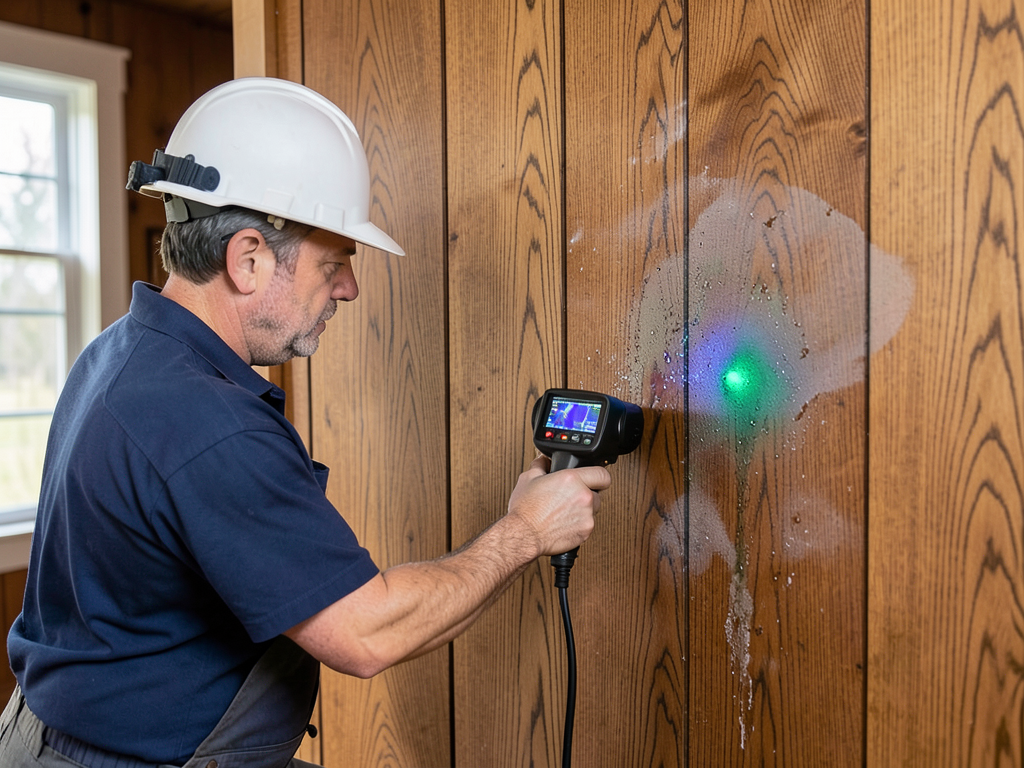
St. Louis sits in a humid subtropical climate zone where summer dew points regularly exceed 65 degrees. This makes the air already saturated with moisture, which slows evaporation from wet building materials. When relative humidity outside hovers at 75 percent, dehumidifiers work harder and longer to create the dry conditions needed for effective structural drying. The clay soil throughout the metro area compounds basement flooding problems. Unlike sandy soil that drains quickly, Missouri clay acts like a sponge around your foundation. Water sits against basement walls for days or weeks after flooding, continuously wicking into porous concrete and block. This extends your water damage drying time significantly compared to properties in better-draining soil conditions.
Local building codes and insurance requirements in St. Louis County and St. Charles County demand documented drying verification before reconstruction begins. Adjusters want daily moisture logs that prove materials reached acceptable levels. Contractors who skip this step create mold problems that surface months later. Patriot Water Damage Restoration St. Louis understands these local standards and works with inspectors and adjusters throughout the metro regularly. We know which insurance carriers require calcium chloride testing on concrete slabs and which accept moisture meter readings. Our familiarity with St. Louis building types, from historic brick homes in Tower Grove to newer construction in O'Fallon, means we set realistic drying expectations based on actual local conditions, not national averages.