menu

Sump Pump Maintenance Guide St. Louis – Keep Your Basement Dry Year-Round

Protect your St. Louis home from flooding with expert sump pump care tips that prevent basement water damage during Missouri's heavy spring rains and summer storms.

Slider Image 1
Slider Image 2
Slider Image 3
Slider Image 4
Slider Image 5
Slider Image 7
Slider Image 8
Slider Image 9
Slider Image 10
Slider Image 11

Why St. Louis Basements Need Regular Sump Pump Care

St. Louis sits at the confluence of the Mississippi and Missouri Rivers, making basement flooding a constant threat for homeowners throughout the metro area. The region's clay-heavy soil does not absorb water quickly, which means every thunderstorm sends runoff directly toward your foundation. Spring rains and summer deluges can drop several inches in a single afternoon, overwhelming undersized or poorly maintained sump pumps.

Your sump pump is the only thing standing between you and thousands of dollars in water damage. When it fails during a storm, water rises fast. Carpets soak through. Drywall wicks moisture up the walls. Mold spores colonize within 48 hours.

A sump pump maintenance checklist is not optional in this region. It is the most effective preventative measure you can take. Knowing how to maintain a sump pump means understanding the mechanics, recognizing warning signs, and performing routine upkeep before the next storm hits.

Residents in South City, Clayton, and Webster Groves face the same risks. Seasonal flooding events expose weak points in aging basement waterproofing systems. If you wait until water appears to think about sump pump care tips, you have already lost the battle. Sump pump upkeep instructions are simple, but they must be followed consistently. Preventative sump pump maintenance protects your home, your belongings, and your peace of mind.

Why St. Louis Basements Need Regular Sump Pump Care
How to Inspect and Maintain Your Sump Pump

How to Inspect and Maintain Your Sump Pump

Proper sump pump upkeep starts with understanding the three critical components: the basin, the pump itself, and the discharge line. Each part requires specific attention.

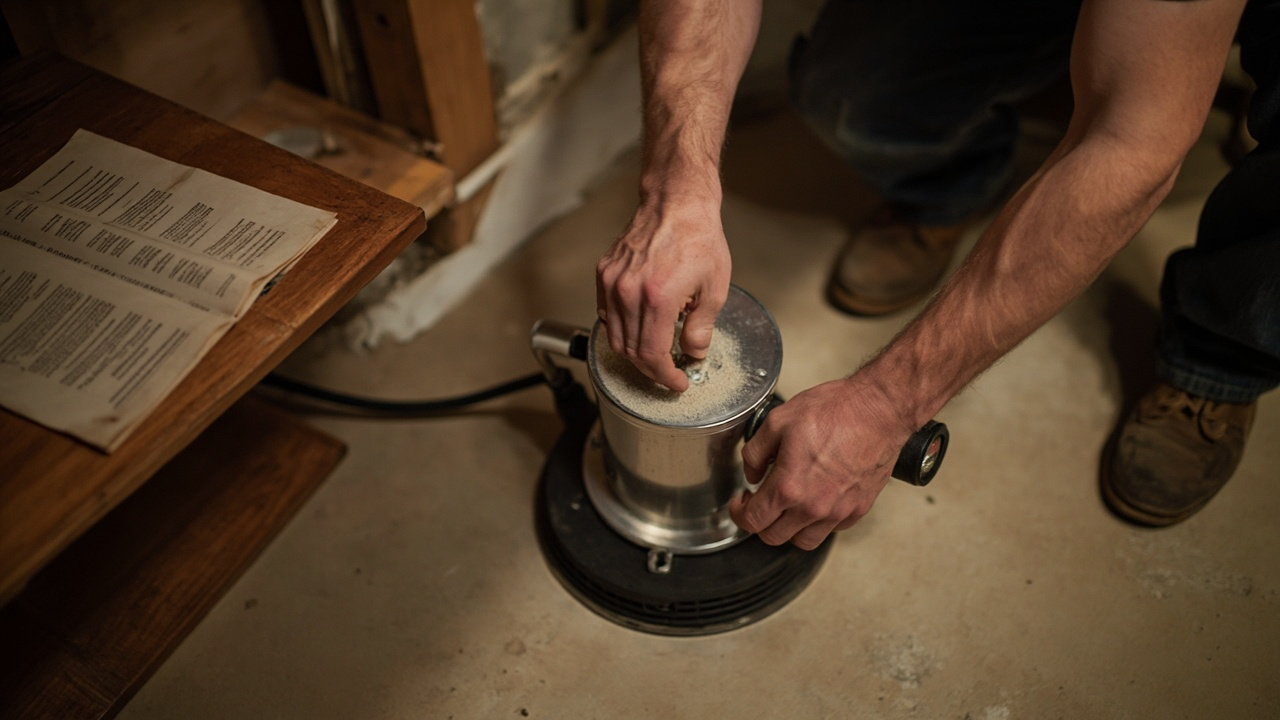
Start with the basin. Open the lid and remove any debris, gravel, or sediment that has accumulated. St. Louis basements often collect construction dust, efflorescence from concrete, and organic material from window wells. A clogged basin restricts water flow and causes the float switch to malfunction.

Next, test the float switch. Pour water into the basin until the pump activates. The float should rise smoothly and trigger the pump without sticking. If the switch hesitates or the pump does not engage, you have a mechanical failure waiting to happen during the next storm.

Inspect the discharge line for blockages. In winter, freezing temperatures can create ice plugs that prevent water from exiting. In summer, roots and soil can collapse sections of buried PVC. Walk the discharge route and confirm water flows freely away from your foundation, ideally at least 10 feet out.

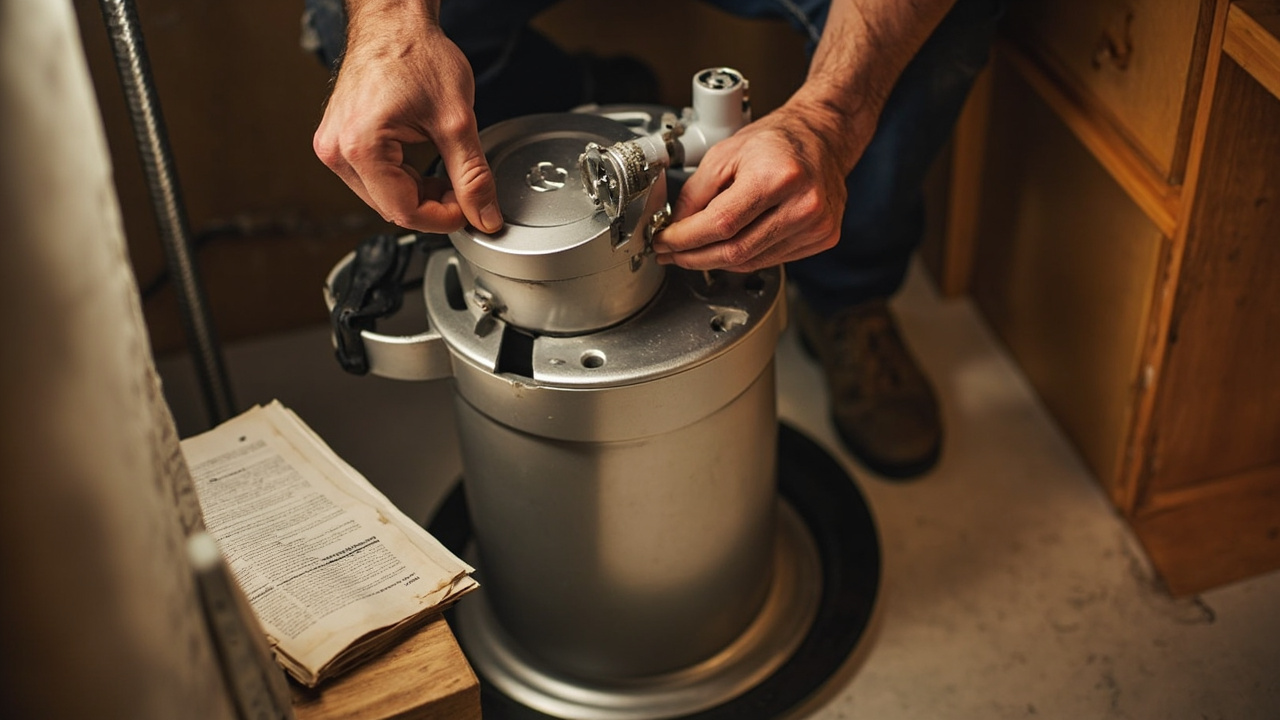
Check the check valve. This one-way valve prevents water from flowing back into the basin after the pump shuts off. A failed check valve forces the pump to re-pump the same water repeatedly, wearing out the motor prematurely.

Run a full-cycle test every three months. Unplug the pump, wait for the basin to fill naturally or add water manually, then plug it back in. Time how long it takes to evacuate the water. A sluggish pump signals worn impeller blades or a failing motor.

Preventative sump pump maintenance also means having a backup power source. A battery backup system keeps your pump running during power outages, which often coincide with severe weather.

Your Complete Sump Pump Care Routine

Sump Pump Maintenance Guide St. Louis – Keep Your Basement Dry Year-Round
01

Quarterly System Check

Every three months, inspect your sump pump for debris, test the float switch, and confirm the discharge line is clear. Pour five gallons of water into the basin and watch the pump activate. Listen for unusual noises like grinding or rattling, which indicate worn bearings or impeller damage. Clean the inlet screen to prevent clogs from sediment buildup common in St. Louis clay soil.
02

Pre-Storm Preparation

Before severe weather hits the metro area, confirm your pump is operational. Check the GFCI outlet for tripping issues. Test the battery backup if you have one installed. Clear debris from window wells and exterior drains that feed into your sump basin. Ensure the discharge line is not kinked or frozen. Spring and summer storm seasons in St. Louis demand extra vigilance.
03

Annual Professional Service

Once a year, bring in a water damage restoration specialist to perform a deep inspection. Professionals test amp draw on the motor, inspect internal components for wear, and verify that your pump capacity matches your home's water intrusion risk. They also assess whether your current system is adequate for St. Louis's changing rainfall patterns and recommend upgrades if needed.

Why St. Louis Homeowners Trust Local Expertise

Water damage restoration in St. Louis requires an understanding of regional hydrology and construction methods. Homes built before 1980 often have undersized sump basins and outdated French drain systems that cannot handle modern rainfall intensity. Neighborhoods near the River Des Peres and Gravois Creek face unique flood risks that require customized solutions.

Patriot Water Damage Restoration St. Louis has worked in basements across the metro for years. We know which streets flood first during summer storms. We understand how St. Louis's expansive clay soil shifts foundations and cracks basement walls, creating new water entry points every season. We know the local building codes and how to bring older homes into compliance with current waterproofing standards.

When you call a local specialist, you get someone who has seen your exact problem in a dozen other homes within five miles of you. We do not guess. We diagnose based on experience with your specific neighborhood's soil conditions, water table depth, and typical failure points.

Generic advice from national companies does not account for the Mississippi River's influence on groundwater levels or how the region's freeze-thaw cycles damage exterior drainage systems. Local knowledge matters when your basement is at stake.

We also respond faster. When a sump pump fails at 2 a.m. during a thunderstorm, you need someone who can arrive in under an hour, not someone dispatched from two states away. Our trucks are stocked with replacement pumps, backup battery systems, and emergency extraction equipment specific to the challenges St. Louis homeowners face. We are part of this community, and we protect it.

What to Expect from Professional Sump Pump Service

Response Time and Availability

Emergency sump pump failures require immediate attention. Patriot Water Damage Restoration St. Louis operates around the clock because basement flooding does not wait for business hours. When you call, we dispatch a technician within one hour for urgent situations. Routine maintenance appointments are available within 48 hours. We understand that St. Louis weather is unpredictable, so we keep our schedule flexible to accommodate storm-related surges in service demand. You will never be placed on a waiting list while water rises in your basement.

Comprehensive System Evaluation

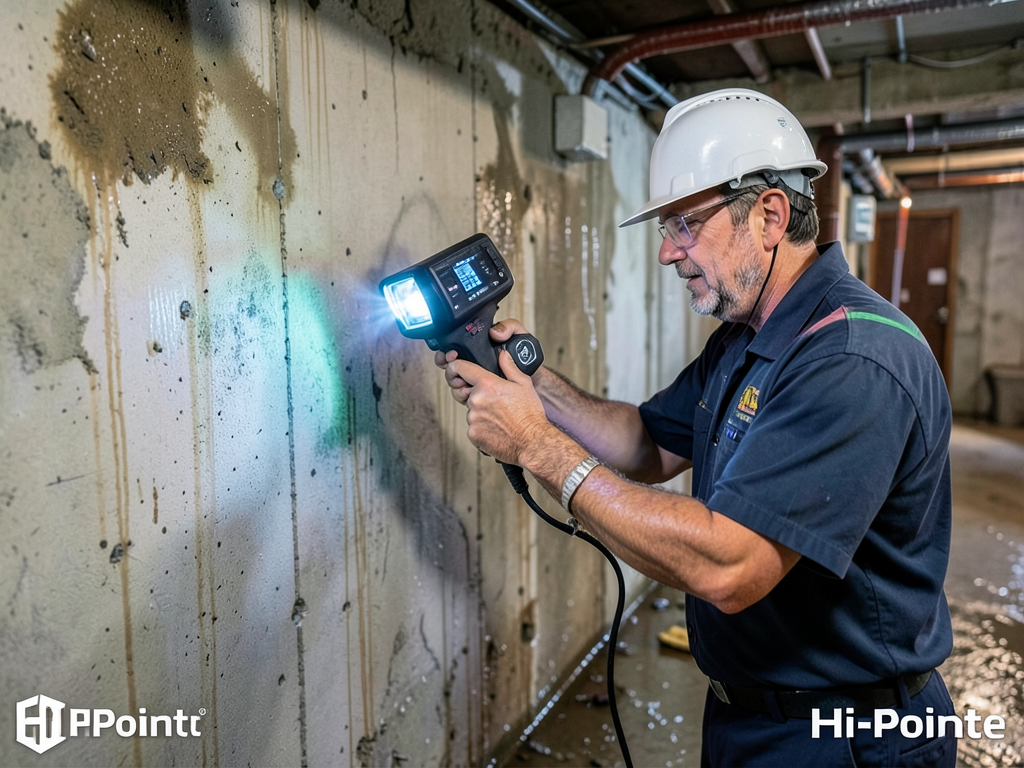
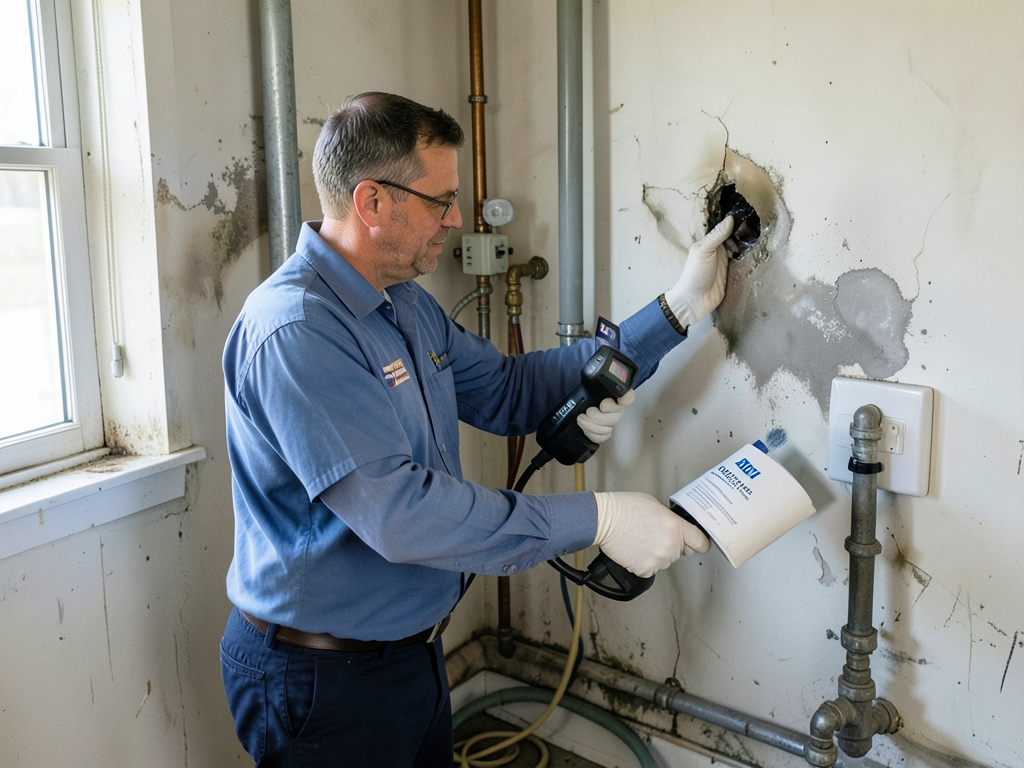
Our technicians do not just look at the pump. We evaluate your entire basement waterproofing system. That includes inspecting foundation walls for cracks, checking the condition of your perimeter drain tile, testing the slope of your discharge line, and measuring the pump's flow rate against your home's water intrusion volume. We use moisture meters to detect hidden leaks and thermal imaging to find cold spots that indicate water seepage. You receive a written report detailing current conditions, potential risks, and recommended upgrades.

Reliable, Long-Term Solutions

We install commercial-grade sump pumps built to handle St. Louis's high groundwater conditions. Our systems include cast-iron pumps with stainless steel impellers, not plastic components that crack under stress. Every installation includes a proper check valve, a sealed basin lid to prevent moisture and odors, and a battery backup system rated for at least eight hours of runtime. We also ensure your discharge line exits below the frost line to prevent winter freeze-ups that cause backups.

Ongoing Maintenance and Support

After installation or repair, we offer scheduled maintenance plans that keep your system in peak condition. Our plans include quarterly inspections, priority emergency service, and discounted parts replacement. We keep detailed service records for your home, so every technician who visits knows your system's history. If you ever have questions between visits, our team is available by phone to walk you through troubleshooting steps. We also send reminders before storm season to ensure your pump is ready.

Frequently Asked Questions

You Have Questions,
We Have Answers

What maintenance does a sump pump require? +

Your sump pump needs quarterly checks to prevent basement flooding. Test the float switch by pouring water into the basin until the pump activates. Clean the inlet screen and remove debris from the pit. Inspect the discharge line for clogs and check that the outlet pipe directs water at least 10 feet from your foundation. In St. Louis, where spring storms and clay soil create heavy groundwater pressure, you should also verify the backup battery works before severe weather season. Annual professional inspection catches motor wear and valve issues before they fail.

What is the most common problem with sump pumps? +

Float switch failure causes most sump pump breakdowns. The float mechanism activates the pump motor when water rises. Debris, mineral buildup, or mechanical wear can jam the float in the off position. Your pump sits idle while your basement floods. In St. Louis homes with high water tables near the Mississippi and Missouri Rivers, sediment accumulation accelerates float problems. The check valve also fails frequently, allowing water to flow backward into the pit and forcing the pump to cycle continuously. This overworks the motor and shortens its lifespan dramatically.

Does sump pump maintenance really matter? +

Sump pump maintenance prevents thousands in water damage costs. A failed pump during heavy rain floods your basement in minutes, destroying belongings, drywall, and flooring. Mold growth starts within 24 hours in St. Louis humidity. Regular maintenance catches worn components before they fail. Spring flooding and summer thunderstorms hit the St. Louis metro hard. Your pump works overtime during these months. A $150 annual service protects your $300,000 investment. Homeowners insurance often denies claims for lack of maintenance, leaving you with the full repair bill.

Can I put a chlorine tablet in my sump pump? +

Never put chlorine tablets in your sump pump. Chlorine corrodes pump components, including the impeller, motor seals, and check valve. The corrosion causes premature failure and voids your warranty. Chlorine also creates toxic fumes in enclosed spaces. If you smell sewage from your sump pit, the problem is contaminated groundwater or a broken sewer line, not normal pump operation. In St. Louis, where clay soil can shift and crack pipes, call a plumber to inspect for actual sewer infiltration. Use pump-safe cleaning solutions or vinegar for routine pit cleaning.

What is the typical lifespan of a sump pump? +

Sump pumps last seven to ten years with proper maintenance. Cheap pumps fail sooner. Quality units with thermally protected motors and cast iron cores last longer. In St. Louis, where seasonal flooding forces pumps to run frequently during spring storms, expect eight years from a good pump. Hard water and sediment from Mississippi River floodplain deposits shorten pump life by wearing internal components. Replace your pump before it fails. Emergency replacements during active flooding cost double and risk basement damage. Install a new pump at year seven to avoid surprises.

How much does it cost to have a sump pump serviced? +

Professional sump pump service costs $150 to $300 in the St. Louis metro. The service includes cleaning the pit, testing the float switch, inspecting the discharge line, checking the check valve, and testing backup battery systems. Contractors also look for worn impellers and motor issues. You pay more for emergency calls during storms when pumps fail at the worst time. Annual maintenance prevents these expensive emergencies. Some water damage restoration companies offer maintenance packages with discounts. Schedule service in early spring before severe weather season hits St. Louis.

What are the signs of a bad sump pump? +

A bad sump pump shows clear warning signs. You hear unusual noises like grinding or rattling from worn bearings. The pump runs continuously without shutting off, indicating float switch problems or a bad check valve. It cycles on and off rapidly, called short cycling. You see rust on the pump body or smell burning from motor overheating. Water remains in the pit after the pump runs. In St. Louis basements, moisture on walls or musty odors mean your pump is not keeping up with groundwater infiltration. Replace the pump immediately.

What is the #1 cause of basement flooding? +

Sump pump failure causes most basement flooding. Your pump protects against groundwater infiltration through foundation walls and floor cracks. When it fails during heavy rain, water enters faster than gravity drainage removes it. In St. Louis, clay soil expands when wet, creating hydrostatic pressure that forces water through concrete. The region's position between two major rivers raises water tables during spring flooding. Severe thunderstorms dump inches of rain in hours. Without a working pump and backup system, your basement floods quickly. Test your pump quarterly to prevent this common disaster.

What is the average cost to replace a sump pump? +

Sump pump replacement costs $500 to $1,200 in St. Louis. The price includes the pump unit, labor, and basic installation. Pedestal pumps cost less than submersible models. You pay more for higher horsepower units needed in homes with severe groundwater problems near creeks or flood zones. Adding a backup battery system adds $400 to $800. Emergency replacement during active flooding costs double because contractors charge premium rates. Shop for quality pumps with cast iron components and thermal protection. Cheap pumps fail quickly and cost more through repeated replacements.

Do plumbers clean sump pumps? +

Plumbers service sump pumps, but water damage restoration specialists handle them more frequently. Plumbers focus on installation and major repairs. Restoration companies maintain pumps as part of flood prevention services. They understand how pumps integrate with basement waterproofing systems. In St. Louis, where spring flooding threatens homes annually, restoration specialists see more pump failures and know local groundwater conditions. They stock parts for immediate repairs during emergencies. Some HVAC contractors also service pumps. Choose a licensed professional familiar with St. Louis basement conditions and the clay soil challenges throughout the metro area.

How St. Louis Clay Soil and River Proximity Affect Sump Pump Performance

St. Louis sits on expansive clay soil that swells when wet and shrinks when dry. This constant movement cracks foundation walls and shifts basement floors, creating new pathways for water intrusion. The region's proximity to the Mississippi and Missouri Rivers keeps the water table high, especially during spring snowmelt and summer flood events. Your sump pump must handle not just rainfall runoff but also hydrostatic pressure from saturated soil pushing against your foundation. A standard quarter-horsepower pump is often inadequate for these conditions. Homes in floodplains near Creve Coeur Lake or the Meramec River require higher-capacity systems with dual-pump configurations to manage the volume.

Choosing a local water damage restoration company means working with professionals who understand these regional challenges. We know which neighborhoods have combined sewer systems that back up during heavy rains, which subdivisions were built on reclaimed wetlands, and which soil types drain poorly. This knowledge informs every recommendation we make. National chains do not have this insight. They follow generic protocols that do not account for St. Louis's unique hydrology. When you trust Patriot Water Damage Restoration St. Louis with your sump pump maintenance, you are working with specialists who have protected thousands of basements across the metro and know exactly what works in your specific location.

Water Damage Restoration Services in The St. Louis Area

We are proud to be the trusted local choice for water damage restoration across the greater St. Louis region. This map highlights our primary service zone, demonstrating our commitment to rapid, localized response across every neighborhood and business district within the area. We invite all users to view our service area and then contact us directly for immediate deployment to your specific address within the St. Louis community.

Address:
Patriot Water Damage Restoration St. Louis, 710 N Tucker Blvd, St. Louis, MO, 63101

Additional Services We Offer

Our news updates

Latest Articles & News from The Blogs

What to Do When Your Water Softener Leaks and Floods Your Affton Utility Room A leaking water softener can release…

What to Do When Your Water Softener Leaks and Floods Your Affton Utility Room

What to Do When Your Water Softener Leaks and Floods Your Affton Utility Room A leaking water softener can release…

Restoring a Water Damaged Mid-Century Modern Home in Warson Woods

Restoring a Water Damaged Mid-Century Modern Home in Warson Woods Water damage in a mid-century modern home requires specialized knowledge…

Why Your Walk-Out Basement in Hi-Pointe is Vulnerable to Heavy Rain Runoff

Why Your Walk-Out Basement in Hi-Pointe is Vulnerable to Heavy Rain Runoff Your walk-out basement in Hi-Pointe faces unique flooding…

Contact Us

Do not wait for water to appear. Call Patriot Water Damage Restoration St. Louis at (314) 428-9977 to schedule your sump pump inspection today. We will assess your system, identify weak points, and ensure your basement stays dry all year.