menu

Storm Flooding Emergency Service in St. Louis – Crews Dispatched in Under 60 Minutes

When storm flooding hits your St. Louis property, every minute counts. Patriot Water Damage Restoration St. Louis deploys certified technicians around the clock to extract standing water, prevent structural collapse, and document damage for insurance claims before mold takes hold.

Slider Image 1
Slider Image 2
Slider Image 3
Slider Image 4
Slider Image 5
Slider Image 7
Slider Image 8
Slider Image 9
Slider Image 10
Slider Image 11

Why St. Louis Storm Flooding Demands Immediate Professional Response

St. Louis sits at the confluence of the Mississippi and Missouri Rivers, which means storm flooding is not a matter of if, but when. The region's clay soil does not absorb water quickly. Instead, it pools on the surface and forces floodwater into basements, crawl spaces, and ground-level commercial spaces. When a summer thunderstorm dumps three inches of rain in an hour, that water has nowhere to go except into your building.

You might see standing water in your basement, soaked drywall in your first-floor offices, or a wet carpet that smells like river mud. That is not just water. It is contaminated with sewage backflow, agricultural runoff, and bacteria from overwhelmed storm drains. The longer it sits, the more it saturates joists, subflooring, and insulation. Within 24 hours, mold spores colonize. Within 48 hours, structural wood begins to swell and warp.

Emergency storm damage restoration is not about mopping up. It is about deploying truck-mounted extractors, commercial dehumidifiers, and air movers to pull moisture out of porous materials before permanent damage sets in. Rapid storm water extraction prevents the need for full demolition. Urgent flood cleanup services stop contamination from spreading through HVAC ducts. You need 24/7 flood water removal because storm flooding does not wait for business hours, and neither does the damage it causes.

Why St. Louis Storm Flooding Demands Immediate Professional Response
How Patriot Water Damage Restoration St. Louis Executes Emergency Flood Repair

How Patriot Water Damage Restoration St. Louis Executes Emergency Flood Repair

Our emergency flood repair company operates on a triage model. The first technician on site is not there to estimate. They are there to stop the bleed. That means identifying the water source, shutting off supply lines if applicable, and beginning extraction within minutes of arrival. We use trailer-mounted extraction units that pull thousands of gallons per hour, not shop vacuums that push water around.

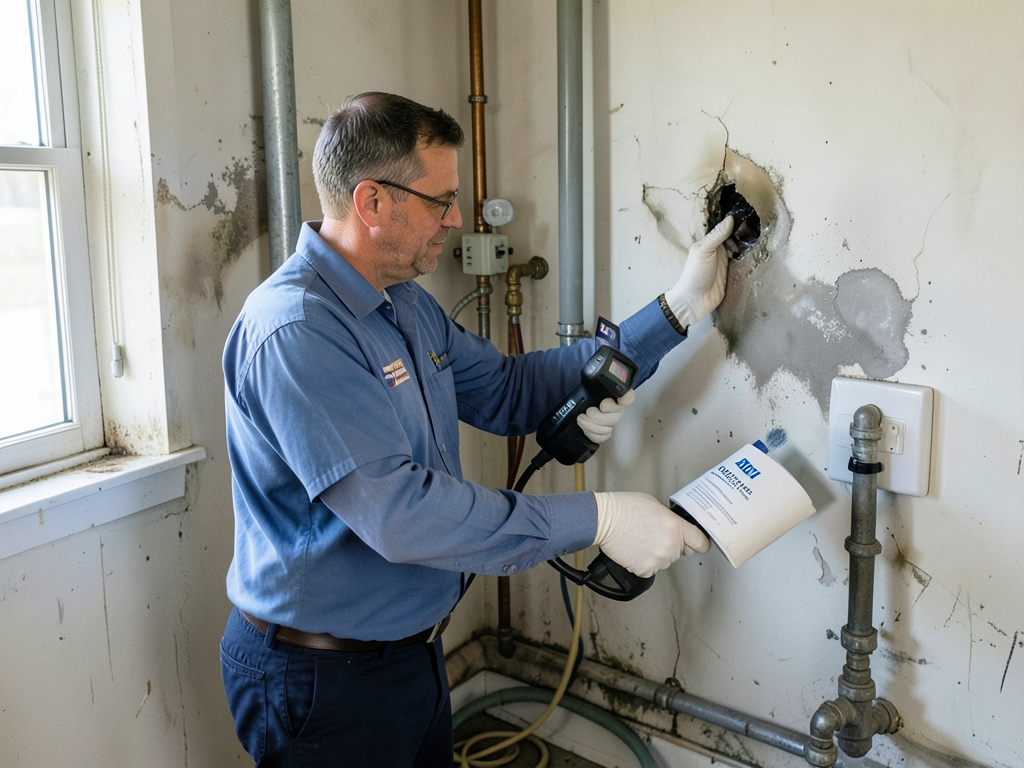
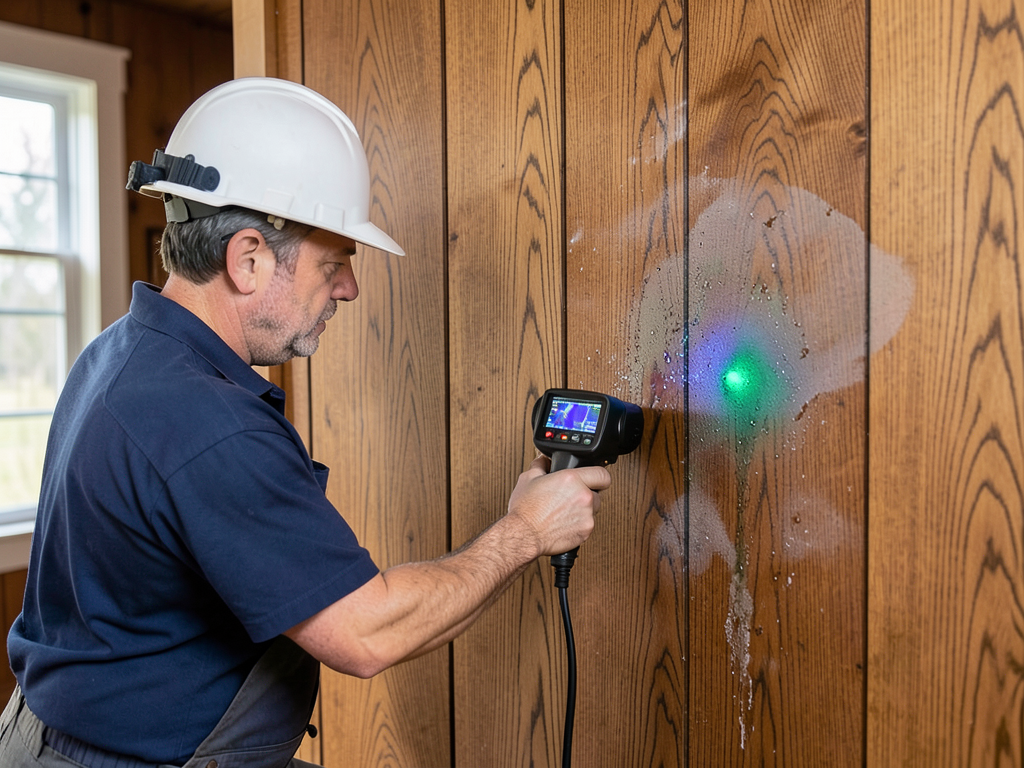
Once bulk water is removed, we measure moisture content in walls, subflooring, and ceiling cavities using penetrating moisture meters and thermal imaging cameras. This is not guesswork. We document every reading because your insurance adjuster will ask for it. We then place commercial-grade dehumidifiers and high-velocity air movers in a calculated airflow pattern to create negative pressure and pull moisture out of structural cavities. This is called psychrometric drying, and it is the only method that prevents hidden mold growth.

We also handle contamination. Floodwater in St. Louis often contains Category 3 water, which means it has sewage, chemicals, or biological hazards. We apply EPA-registered antimicrobials to all affected surfaces and remove unsalvageable materials like soaked insulation and particle board. We bag and dispose of contaminated debris according to local waste regulations. You get a clean, dry structure ready for rebuild, not a toxic shell that fails the post-loss inspection.

What Happens When You Call for Emergency Storm Flooding Help

Storm Flooding Emergency Service in St. Louis – Crews Dispatched in Under 60 Minutes
01

Immediate Dispatch and Containment

You call our 24/7 hotline and speak to a dispatcher, not a voicemail. We collect your address, confirm the flooding source, and send the closest crew with extraction equipment. Most St. Louis properties receive a technician within 60 minutes. The crew immediately contains the affected area with plastic sheeting and begins pulling standing water to prevent lateral migration into dry zones.
02

Moisture Mapping and Equipment Placement

Technicians use moisture meters and infrared cameras to map wet areas behind walls and under flooring. This data guides the placement of industrial dehumidifiers and air movers. We create a drying chamber by sealing off the space, which accelerates evaporation. You get a drying log with daily moisture readings so you can track progress and share documentation with your insurance carrier.
03

Antimicrobial Treatment and Clearance

Once moisture levels drop below 15 percent, we apply antimicrobial treatments to all exposed surfaces to prevent microbial growth. We remove equipment, perform a final moisture check, and provide a certificate of completion. Your property is dry, sanitized, and ready for reconstruction. You also receive a full photo report and itemized work log for your claim file.

Why St. Louis Property Owners Trust Patriot for Urgent Flood Cleanup Services

St. Louis has unique flood risks. The Meramec River floods during spring snowmelt. River Des Peres overflows during summer storms. Soulard and the Hill neighborhoods sit in low-lying areas where water pools faster than drainage systems can handle. We have responded to hundreds of storm flooding events across the metro, from historic bungalows in Tower Grove to commercial warehouses in South City. We know where the water goes, and we know how it behaves in St. Louis buildings.

We also understand local building codes. The City of St. Louis requires specific drying standards before you can close walls or replace flooring. We document everything to meet those standards and provide the proof your inspector needs. Our technicians carry moisture meters, infrared cameras, and calibrated hygrometers on every truck. You do not wait three days for a specialist to show up with the right equipment.

Insurance companies in St. Louis know our name. We work with Allstate, State Farm, and Liberty Mutual adjusters daily. We provide the documentation they require in the format they expect. That speeds up your claim and gets you paid faster. We also offer direct billing if your policy allows it, which means you are not fronting thousands of dollars out of pocket while waiting for reimbursement. You get professional service without financial stress during an already difficult time.

What to Expect During Emergency Storm Flooding Response in St. Louis

Response Time and Availability

We answer calls 24 hours a day, 365 days a year. Storm flooding does not wait for Monday morning, and neither do we. Most St. Louis properties receive a crew within 60 minutes of your call. We dispatch from multiple staging locations across the metro to ensure fast response times whether you are in Kirkwood, Clayton, or North County. Our trucks are pre-loaded with extraction pumps, dehumidifiers, air movers, and antimicrobial agents. You get immediate action, not an appointment three days out.

Site Assessment and Moisture Documentation

The first step is a full moisture assessment using calibrated meters and thermal imaging. We document moisture levels in walls, floors, and ceilings before and after drying. This creates a baseline for your insurance claim and proves we restored the property to pre-loss condition. You receive a digital moisture map and daily progress reports. We also photograph all affected areas and damaged materials so your adjuster has the evidence needed to approve your claim without delays or disputes.

Final Drying and Antimicrobial Treatment

Drying typically takes three to five days depending on the extent of saturation and humidity levels. We monitor moisture daily and adjust equipment as needed. Once readings confirm the structure is dry, we apply EPA-registered antimicrobials to all affected surfaces. This prevents mold, mildew, and bacterial growth. You get a certificate of completion and a final moisture report. Your property is safe for occupancy and ready for contractors to begin repairs or reconstruction without risk of recurring moisture issues.

Insurance Coordination and Documentation

We work directly with your insurance carrier to streamline the claims process. Our technicians provide detailed work logs, moisture readings, photo documentation, and itemized invoices in the format adjusters expect. We can also offer direct billing if your policy allows it, which eliminates upfront costs. You focus on getting your life back to normal while we handle the paperwork and communication with your insurer. Our goal is fast approval and full reimbursement without claim disputes or underpayment.

Frequently Asked Questions

You Have Questions,
We Have Answers

What are the emergency procedures for flooding? +

Stop the water source immediately if safe to do so. Turn off electricity at the breaker panel to prevent electrocution. Move family members and pets to dry areas on upper floors. Do not wade through standing water if power lines are down. Call a 24/7 water damage restoration company in St. Louis right away. Document all damage with photos for insurance. Remove valuables from affected areas if you can do so safely. In St. Louis, flooding from the Mississippi River or storm surge requires immediate professional extraction to prevent mold growth within 48 hours.

How to apply for FEMA $750? +

FEMA's Serious Needs Assistance provides $750 for immediate emergency expenses after a federally declared disaster. You must first register with FEMA online at DisasterAssistance.gov or call 800-621-3362. You need proof of residence in the affected Missouri county, valid ID, and details about your flood damage. The $750 is not automatic. FEMA reviews your application and determines eligibility. This payment covers essentials like food, water, or temporary shelter. It does not replace full flood damage claims. Apply within 60 days of the disaster declaration.

Is flooding considered an emergency? +

Yes. Flooding is a life-threatening emergency. Standing water causes electrocution risks, structural collapse, and contamination from sewage or chemicals. In St. Louis, flash flooding from heavy thunderstorms can fill basements in minutes. The Mississippi and Missouri Rivers also create flood risks during spring thaw and severe weather. Floodwater carries bacteria, debris, and toxins. Mold begins growing within 24 to 48 hours, creating health hazards. Call emergency services if you are trapped. Call a water damage restoration company immediately for extraction and drying to protect your home and health.

Who do you call if your house is flooding? +

Call a certified water damage restoration company that operates 24/7 in St. Louis. Professionals arrive quickly with industrial pumps, extraction equipment, and drying fans to stop further damage. If you are in immediate danger or trapped, call 911 first. Do not call a general handyman or plumber for flooding. You need specialists trained in water extraction, structural drying, and mold prevention. A restoration company also documents damage for your insurance claim. Acting fast prevents mold, wood rot, and foundation issues common in St. Louis homes with basements.

What are 5 emergency procedures? +

First, shut off the main water valve or stop the water source if possible. Second, turn off electricity at the breaker to prevent shock. Third, evacuate family and pets to a safe, dry area. Fourth, call a professional water damage restoration company immediately. Fifth, document all visible damage with photos and videos for insurance purposes. In St. Louis, basement flooding from heavy rain or sewer backups is common. Speed matters. Waiting even a few hours worsens damage and increases restoration costs. Professional teams extract water, dry structures, and prevent mold.

What are 10 items in an emergency kit for flood? +

Pack a waterproof container with these essentials: bottled water for three days, non-perishable food, battery-powered radio, flashlight with extra batteries, first aid kit, prescription medications, copies of insurance documents and IDs, cash, phone charger or power bank, and waterproof bags for electronics. St. Louis residents should also include rain gear and a local emergency contact list. Store the kit on an upper floor or high shelf, not in the basement. Flooding from the Mississippi River or flash storms can trap you quickly. Keep the kit accessible and check it yearly.

What is the average FEMA flood payout? +

FEMA flood payouts vary widely based on damage severity and insurance coverage. The average Individual and Households Program grant is between $5,000 and $30,000, but this does not cover all losses. FEMA assistance is not insurance. It covers basic repairs, temporary housing, and essential needs. If you have flood insurance through the National Flood Insurance Program, the average payout is around $30,000 to $50,000, depending on your policy limits. St. Louis homeowners should carry flood insurance because standard homeowners policies exclude flood damage. FEMA is a last resort.

What is the SBA $10,000 grant? +

The SBA offers low-interest disaster loans, not grants. The $10,000 figure often refers to the Targeted EIDL Advance, which was specific to COVID-19 economic relief, not flooding. For flood damage, the SBA provides disaster loans up to $200,000 for homeowners and $2 million for businesses. These loans cover repairs, rebuilding, and replacement of damaged property. You must apply through SBA.gov after a federal disaster declaration. Loans require repayment with interest, but rates are lower than commercial loans. In St. Louis, SBA loans help businesses recover after Missouri River flooding.

Why did I receive $700 from FEMA? +

The $700 payment from FEMA is likely Serious Needs Assistance, which provides immediate funds after a federally declared disaster in Missouri or Illinois. FEMA may approve this payment to cover emergency expenses like food, water, medication, or temporary shelter while you wait for full damage assessments. The amount can vary but is often around $700 to $750. This is not your final payout. You still need to complete the full FEMA application and provide documentation of all flood damage. The payment helps you stabilize quickly after storm flooding in St. Louis.

Who is liable for flooding? +

Liability depends on the flooding source. If a neighbor's negligence caused the flood, such as improper grading or a broken pipe, they may be liable. If the city failed to maintain storm drains or sewer systems, municipal liability may apply. In St. Louis, the city and Metropolitan Sewer District have faced lawsuits for combined sewer overflows. If flooding results from natural disaster or acts of God, no party is typically liable. Homeowners are responsible for their own flood damage unless negligence is proven. Always document damage and consult an attorney if liability is unclear.

Why St. Louis Clay Soil and River Proximity Make Storm Flooding More Destructive

St. Louis sits on dense clay soil that does not drain well. When storms dump heavy rain, the ground becomes saturated quickly and water has nowhere to go except into basements and crawl spaces. Combine that with proximity to the Mississippi and Missouri Rivers, and you have a recipe for frequent flooding in low-lying neighborhoods like Soulard, Carondelet, and North Riverfront. Storm flooding here is not a surface issue. Water infiltrates foundation cracks, window wells, and sump pump lines. Without rapid storm water extraction and 24/7 flood water removal, that water saturates floor joists and drywall, causing structural damage that costs tens of thousands to repair.

Local contractors in St. Louis understand the unique challenges of clay soil expansion, river flooding, and aging sewer systems that backflow during heavy rain. Patriot Water Damage Restoration St. Louis has worked with property owners across the metro for years. We know the low-lying streets that flood first and the neighborhoods where basement seepage is common. We also understand St. Louis building codes and the documentation standards required by local inspectors and insurance adjusters. Choosing a local emergency flood repair company means you get crews who arrive faster, know the terrain, and have the relationships needed to get your claim processed without friction.
Water Damage Restoration Services in The St. Louis Area

We are proud to be the trusted local choice for water damage restoration across the greater St. Louis region. This map highlights our primary service zone, demonstrating our commitment to rapid, localized response across every neighborhood and business district within the area. We invite all users to view our service area and then contact us directly for immediate deployment to your specific address within the St. Louis community.

Address:
Patriot Water Damage Restoration St. Louis, 710 N Tucker Blvd, St. Louis, MO, 63101

Additional Services We Offer

Our news updates

Latest Articles & News from The Blogs

What to Do When Your Water Softener Leaks and Floods Your Affton Utility Room A leaking water softener can release…

What to Do When Your Water Softener Leaks and Floods Your Affton Utility Room

What to Do When Your Water Softener Leaks and Floods Your Affton Utility Room A leaking water softener can release…

Restoring a Water Damaged Mid-Century Modern Home in Warson Woods

Restoring a Water Damaged Mid-Century Modern Home in Warson Woods Water damage in a mid-century modern home requires specialized knowledge…

Why Your Walk-Out Basement in Hi-Pointe is Vulnerable to Heavy Rain Runoff

Why Your Walk-Out Basement in Hi-Pointe is Vulnerable to Heavy Rain Runoff Your walk-out basement in Hi-Pointe faces unique flooding…

Contact Us

Storm flooding is happening right now. Do not wait for the damage to get worse. Call Patriot Water Damage Restoration St. Louis at (314) 428-9977 for immediate dispatch. Our crews are standing by 24/7 to extract water, dry your property, and get you back to normal.