menu

Sump Pump Failure Cleanup in St. Louis – 24/7 Emergency Response Stops Flooding Fast

When your sump pump fails and water floods your basement, our certified technicians arrive within 60 minutes to extract standing water, prevent structural damage, and protect your property from mold growth with industrial-grade equipment built for sump pump failure water extraction.

Slider Image 1
Slider Image 2
Slider Image 3
Slider Image 4
Slider Image 5
Slider Image 7
Slider Image 8
Slider Image 9
Slider Image 10
Slider Image 11

Why Sump Pump Failures Hit St. Louis Homes Harder

You walk downstairs and find three inches of water covering your basement floor. Your sump pump failed during last night's storm, and now everything you stored down there is soaked.

St. Louis sits in a floodplain where the Mississippi and Missouri Rivers converge, which means we deal with high water tables and clay-rich soil that doesn't drain well. When heavy spring rains hit, your sump pump works overtime to keep groundwater out of your basement. If that pump fails due to a power outage, mechanical breakdown, or overwhelmed capacity, water backs up fast.

The humidity here makes things worse. A broken sump pump water damage restoration situation in St. Louis isn't just about removing visible water. The moisture seeps into drywall, insulation, and wooden floor joists. Within 24 to 48 hours, mold spores begin colonizing those damp materials. The clay soil common throughout St. Louis County also holds water against your foundation longer than sandy soils would, which increases hydrostatic pressure and pushes more groundwater through any crack or gap.

Sump pump backup water removal becomes urgent when you consider how quickly secondary damage spreads. That standing water damages flooring, ruins stored belongings, and compromises the structural integrity of your foundation walls. The longer you wait, the more expensive the restoration becomes. Emergency sump pump cleanup services exist precisely because time matters in these situations.

You need a team that understands how St. Louis soil conditions and weather patterns create the perfect conditions for sump pump overflow cleanup challenges.

Why Sump Pump Failures Hit St. Louis Homes Harder
How We Handle Sump Pump Failure Water Extraction

How We Handle Sump Pump Failure Water Extraction

Our approach to sump pump failure cleanup starts the moment you call. We dispatch a technician immediately, not after you wait on hold or fill out online forms. When we arrive, we assess the water category first. Sump pump failures typically involve Category 1 water, which is clean groundwater, but if the backup mixed with sewage or chemical contamination, we adjust our protocol accordingly.

We use truck-mounted extractors that pull thousands of gallons per hour, far more powerful than shop vacuums or portable pumps. These units create negative pressure that lifts water from carpet padding, concrete pores, and subflooring. For deeper penetration, we deploy submersible pumps that handle high-volume extraction in flooded areas.

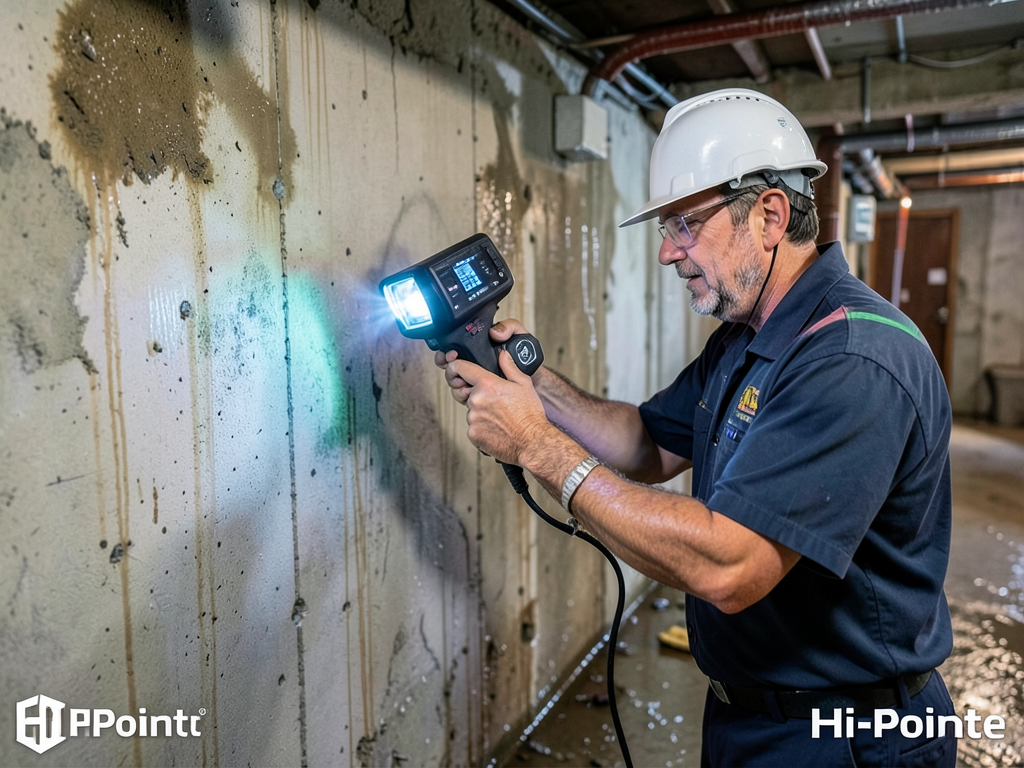
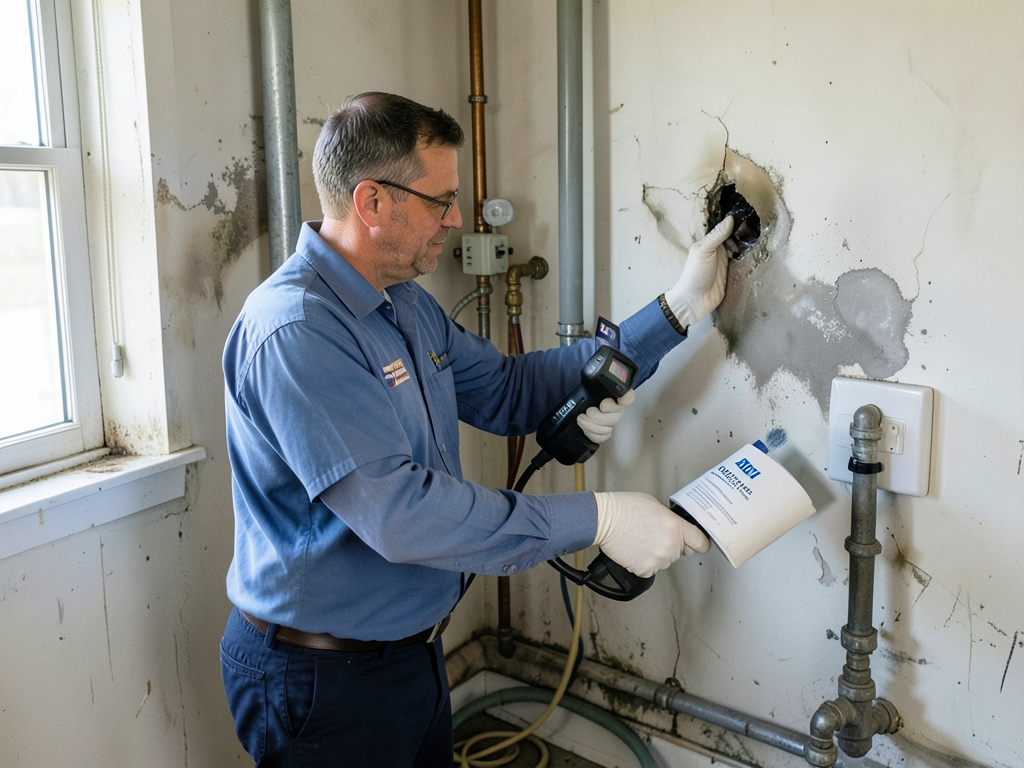
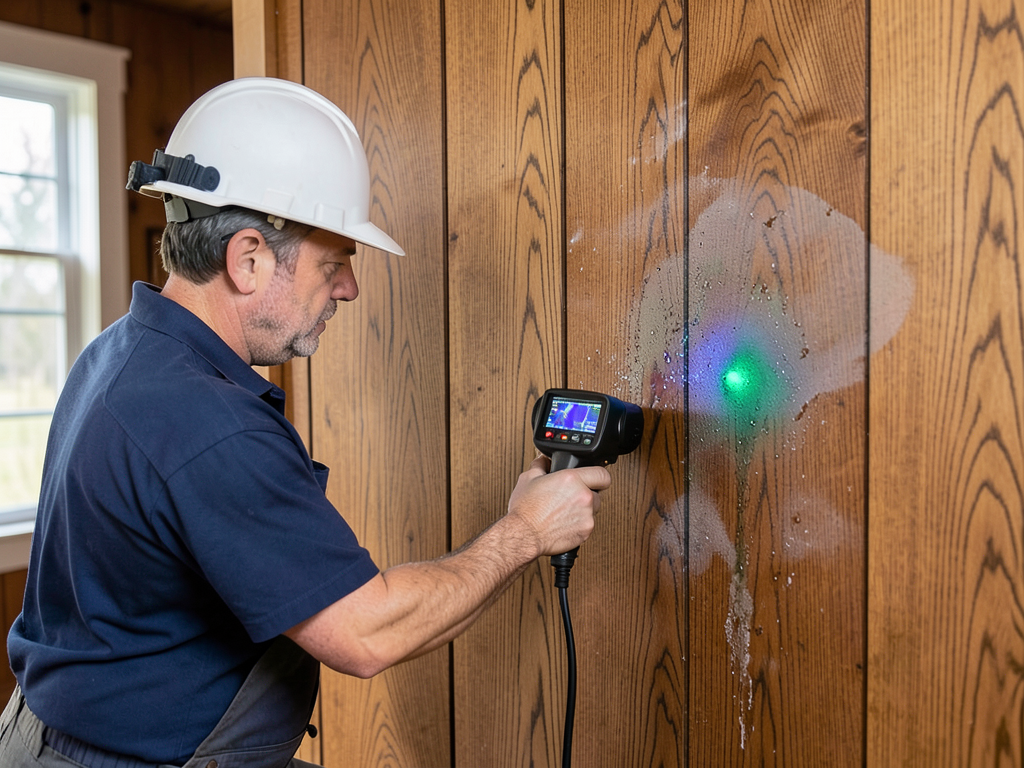
After removing standing water, we set up commercial dehumidifiers and air movers in a calculated pattern based on psychrometric readings. We measure moisture content in walls, floors, and structural materials using thermal imaging cameras and moisture meters. This tells us exactly where hidden water sits and how much drying capacity we need to deploy.

We document everything with photos and moisture readings because your insurance adjuster needs proof of the damage extent and our mitigation efforts. Many homeowners don't realize that proper documentation during emergency sump pump cleanup services can mean the difference between a paid claim and a denied one.

Our technicians also identify why your sump pump failed. Was it a float switch malfunction? A clogged discharge line? An undersized pump for your basement's square footage? We explain what happened so you can prevent the next failure. That diagnostic step separates professional sump pump overflow cleanup from simply mopping up water and hoping for the best.

What Happens During Our Emergency Cleanup

Sump Pump Failure Cleanup in St. Louis – 24/7 Emergency Response Stops Flooding Fast
01

Rapid Water Removal

Within the first hour, we deploy truck-mounted extractors and submersible pumps to remove all standing water from your basement. We work in zones, starting from the deepest pooling areas and moving systematically across the entire affected space. Our equipment removes water faster than portable units, which reduces the time moisture has to penetrate building materials and cause secondary damage.
02

Structural Drying Setup

After extraction, we position industrial dehumidifiers and high-velocity air movers based on moisture meter readings and thermal imaging data. This creates optimal airflow patterns that pull moisture from walls, floors, and hidden cavities. We monitor grain depression and vapor pressure to ensure drying progresses at the correct rate. This prevents warping, buckling, and mold growth while protecting your foundation and framing materials.
03

Monitoring and Verification

Our technicians return daily to check moisture levels and adjust equipment placement as needed. We track drying progress with detailed logs that document moisture content in structural materials. Once readings show your basement has returned to normal moisture levels, we remove all equipment and provide final documentation for your insurance claim. You get a dry, safe basement ready for repairs or restoration.

Why St. Louis Homeowners Choose Patriot Water Damage Restoration

When your sump pump fails at 2 AM during a thunderstorm, you need a team that actually answers the phone and shows up fast. We keep crews on standby around the clock because we know sump pump failures don't wait for business hours.

Our technicians know St. Louis construction. The older homes in neighborhoods like Soulard and Tower Grove South have stone foundations that absorb water differently than the poured concrete basements common in newer subdivisions like Wildwood or Chesterfield. We adjust our drying strategies based on your home's specific construction type and age.

We also understand local insurance requirements. Many St. Louis homeowners carry flood insurance through the National Flood Insurance Program because we live in a high-risk flood zone. We document our work to meet both standard homeowner policy requirements and NFIP claim standards. That documentation includes moisture readings, equipment placement logs, and photos that prove we followed IICRC S500 standards for water damage restoration.

You won't get a generic cleanup crew. Our technicians hold certifications in water damage restoration and use moisture meters, thermal cameras, and hygrometers to make decisions based on data, not guesswork. We know the difference between surface drying and structural drying, and we don't leave until moisture readings confirm your basement is actually dry.

We work directly with your insurance adjuster to streamline the claims process. Many homeowners don't realize their policy covers emergency mitigation costs under a separate provision from repairs. We explain what your policy covers and provide itemized invoices that match insurance billing codes.

Choosing a local team matters because we respond faster and understand the specific challenges St. Louis weather and geography create.

What to Expect When You Call for Sump Pump Failure Cleanup

How Fast We Respond

We answer emergency calls 24 hours a day, seven days a week. When you call, you speak with a dispatcher who immediately sends a crew to your location. Our goal is arrival within 60 minutes for St. Louis City and County addresses. We don't make you wait until morning or schedule an appointment three days out. The faster we extract standing water, the less damage your basement suffers. Time matters in water damage situations, so we prioritize speed without cutting corners on quality. You get a trained technician with commercial equipment, not a helper with a shop vacuum.

The Initial Assessment Process

When we arrive, our technician walks through the affected area with you and explains what happened. We check your sump pump to identify why it failed and measure the extent of water damage using moisture meters and thermal imaging. This assessment takes 15 to 30 minutes and gives us the information we need to create an extraction and drying plan. We explain what equipment we'll use, how long the drying process will take, and what you can expect over the next few days. You get a written scope of work before we start, so there are no surprises about what we're doing or why.

The Final Result You Get

Once drying is complete, your basement will have normal moisture levels verified by meter readings. We document final conditions with photos and provide you with a detailed report showing before and after moisture content measurements. Your floors, walls, and belongings will be dry and safe from mold growth. We remove all equipment and leave your space clean and ready for any repairs your insurance company authorizes. You get peace of mind knowing the job was done correctly using industry standards, not just the appearance of dryness without actual verification.

What Happens After Cleanup

We provide recommendations for preventing future sump pump failures, including backup pump systems, battery backups, and discharge line improvements. If you need repairs to damaged drywall, flooring, or other materials, we coordinate with qualified contractors who can complete that work. We also offer follow-up inspections to verify your basement stays dry and check that your new or repaired sump pump functions correctly. Many clients schedule annual sump pump inspections to catch problems before they cause flooding. We keep records of your property and equipment settings so future service calls go even faster.

Frequently Asked Questions

You Have Questions,
We Have Answers

How to clean up after sump pump failure? +

Stop the water source immediately if possible. Call a professional water damage restoration team in St. Louis within the first hour to prevent structural damage and mold growth. Remove standing water using pumps and extractors, then dry all affected areas with industrial fans and dehumidifiers. Document everything with photos for your insurance claim. Do not touch electrical outlets or appliances near water. Remove wet materials like carpets and drywall if they cannot dry within 48 hours. St. Louis basements are especially vulnerable due to clay soil and high humidity, so fast action prevents secondary damage.

How much does it cost to have a sump pump cleaned? +

Professional sump pump cleaning typically costs between $150 to $300 in the St. Louis metro area, depending on pump size and debris buildup. However, emergency cleanup after a sump pump failure costs significantly more, ranging from $2,000 to $10,000 or higher depending on water volume, basement size, and damage extent. Insurance may cover failure-related cleanup costs. The price includes water extraction, structural drying, antimicrobial treatment, and moisture monitoring. Preventive maintenance is far cheaper than emergency restoration. Get multiple quotes from licensed St. Louis contractors before work begins.

How do you clean sludge out of a sump pump? +

Unplug the sump pump first for safety. Remove the pump from the basin and rinse it with a garden hose outside. Use a plastic scraper or putty knife to remove thick sludge from the basin walls. Mix a vinegar and water solution to clean the pump impeller and intake screen. Flush the discharge pipe with water to clear blockages. For heavy sludge buildup common in St. Louis clay soil areas, use a wet-dry vacuum to remove debris before cleaning. Reinstall the pump and test it. If the motor sounds strained or fails to activate, replace it immediately.

What to do when a sump pump fails? +

Act within minutes. Turn off electricity to the basement at your circuit breaker to prevent electrocution. Call a 24/7 water damage restoration company serving St. Louis immediately. Move valuables to higher ground if safe to do so. Do not wade through standing water near electrical outlets. If you have a backup pump, activate it manually. Open windows for ventilation if weather permits. Document all damage with photos and video for your insurance claim. Do not attempt major cleanup yourself. Professional extraction and drying equipment prevents mold growth and structural damage in St. Louis basements.

Can I put a chlorine tablet in my sump pump? +

No. Chlorine tablets damage rubber components in your sump pump, causing seals and gaskets to deteriorate faster. The corrosive chemicals also shorten motor life and can contaminate groundwater if discharged into your yard. For odor control in St. Louis basements, use white vinegar or products specifically designed for sump pumps. Pour one cup of vinegar into the basin monthly to prevent bacteria buildup. Install a sealed sump pump lid to reduce moisture and odors. If you smell sewage, call a plumber immediately because your sump pump may be connected incorrectly to your sanitary sewer.

How long does it take for mold to grow after flooding? +

Mold begins growing within 24 to 48 hours after flooding in St. Louis basements. High humidity levels in the metro area accelerate growth even faster. Visible mold colonies appear within 48 to 72 hours on porous materials like drywall, insulation, and carpet padding. Some mold species release spores within 12 hours. This is why immediate professional drying is critical after sump pump failure. Once mold establishes colonies, remediation costs skyrocket. Industrial dehumidifiers and air movers must run continuously for 3 to 5 days to prevent growth. Never wait to dry your basement.

Does homeowners insurance cover sump pump failure? +

It depends on your policy and the cause. Standard homeowners insurance typically excludes sump pump failure from backup or mechanical breakdown. However, if failure results from a covered peril like a power surge from lightning, you may have coverage. Most St. Louis homeowners need to purchase separate water backup coverage or sump pump endorsement riders, which cost $50 to $250 annually. These riders cover cleanup costs up to policy limits. Review your declarations page or call your agent immediately after failure. Document everything before cleanup begins to maximize your claim approval chances.

What is the most common reason for sump pump failure? +

Power outages during severe St. Louis storms cause most sump pump failures. Spring thunderstorms and summer derechos frequently knock out electricity when pumps are needed most. Other common causes include stuck float switches from debris, clogged discharge lines frozen during winter thaw cycles, and aging motors that fail under heavy load. Clay soil common in St. Louis causes excessive sediment buildup that clogs intake screens. Lack of maintenance and improper installation also contribute. Install a battery backup system and test your pump monthly. Replace pumps older than seven years before they fail during emergencies.

How to clean out a sump pump without removing it? +

Unplug the pump first. Use a wet-dry vacuum to remove standing water and debris from the basin without lifting the pump. Pour a vinegar solution into the basin and let it sit for 15 minutes to dissolve mineral deposits. Use a long-handled brush to scrub the basin walls and pump housing. Flush with clean water and vacuum again. Check the float switch for obstructions and wipe it clean. Pour water into the basin to test pump activation. This method works for light maintenance between professional servicing. For heavy sludge buildup common in St. Louis basements, remove the pump for thorough cleaning.

What are the signs of a failing sump pump? +

Strange grinding or rattling noises indicate worn bearings or debris in the impeller. The pump runs continuously without shutting off when the float switch malfunctions. Irregular cycling means the pump activates too frequently or not at all. Visible rust or corrosion on the pump housing signals age-related deterioration. The motor hums but does not pump water when the impeller is jammed. Excessive vibration during operation indicates misalignment or damaged components. Musty odors from your St. Louis basement suggest the pump is not removing water effectively. Test your pump monthly by pouring water into the basin and observing activation speed.

How St. Louis Clay Soil and High Water Tables Increase Sump Pump Failure Risks

St. Louis sits on expansive clay soil that doesn't drain well and holds water against foundation walls longer than other soil types. When spring rains dump several inches in a few hours, the water table rises quickly and creates hydrostatic pressure that pushes groundwater through foundation cracks and into your basement. Your sump pump has to work continuously during these events, which increases the chance of mechanical failure, power outages, or overwhelmed capacity. The combination of poor soil drainage and our location between two major rivers means sump pump backup water removal becomes a critical service for thousands of homeowners every storm season.

Our technicians understand how St. Louis building codes and construction methods affect water damage restoration. Older homes in the city often have stone or brick foundations that require different drying approaches than modern poured concrete. We know which neighborhoods flood more frequently based on elevation and proximity to creeks like River Des Peres. That local knowledge helps us respond faster and work more efficiently because we already understand your home's likely construction type and vulnerabilities before we arrive. Choosing a restoration company with deep St. Louis experience means you get technicians who have handled hundreds of similar situations in homes just like yours.
Water Damage Restoration Services in The St. Louis Area

We are proud to be the trusted local choice for water damage restoration across the greater St. Louis region. This map highlights our primary service zone, demonstrating our commitment to rapid, localized response across every neighborhood and business district within the area. We invite all users to view our service area and then contact us directly for immediate deployment to your specific address within the St. Louis community.

Address:
Patriot Water Damage Restoration St. Louis, 710 N Tucker Blvd, St. Louis, MO, 63101

Additional Services We Offer

Our news updates

Latest Articles & News from The Blogs

What to Do When a Fire Sprinkler Accidentally Floods Your Creve Coeur Office Building A fire sprinkler discharge in your…

What to Do When a Fire Sprinkler Accidentally Floods Your Creve Coeur Office Building

What to Do When a Fire Sprinkler Accidentally Floods Your Creve Coeur Office Building A fire sprinkler discharge in your…

Saving Your Custom Wine Cellar from Basement Seepage in Frontenac

Saving Your Custom Wine Cellar from Basement Seepage in Frontenac Frontenac’s luxury homes feature custom wine cellars that can be…

Dealing with HOA Rules and Shared Wall Leaks in Your Clayton High-Rise Condo

Who Pays for Water Damage in Your Clayton High-Rise Condo? Here's What Missouri Law Says When water starts seeping through…

Contact Us

Every hour you wait allows more water to soak into walls, floors, and structural materials. Call Patriot Water Damage Restoration St. Louis now at (314) 428-9977 for immediate dispatch. We'll extract the water, dry your basement, and prevent mold growth with professional equipment and certified technicians.