


Hazelwood sits in a water damage convergence zone. Coldwater Creek runs through the northern section, creating flood exposure for neighborhoods near McDonnell Boulevard and along Florissant Road. The city's mix of 1960s-era ranch homes and newer construction means aging cast iron pipes share service areas with modern PEX systems, each with distinct failure patterns.
Missouri's freeze-thaw cycles hit hard here. Winter temperatures drop below 20 degrees for extended periods, freezing exterior hose bibs and poorly insulated pipes in crawl spaces common to James J. Eagan Center area homes. When March thaws arrive, those frozen pipes burst, flooding basements and crawl spaces with hundreds of gallons before homeowners notice.
The clay-heavy soil throughout Hazelwood, from Cross Keys to Berkeley, expands when saturated and contracts when dry. This constant movement stresses foundation walls and floor slabs, creating hairline cracks that allow groundwater seepage during heavy rain events. St. Louis County sees 42 inches of annual rainfall, with May and June storms dumping 3-4 inches in hours. That water finds every foundation weakness.
Hazelwood's location near the Missouri River means high water tables in low-lying areas. Sump pumps run constantly during wet seasons. When they fail or lose power during storms, basements flood fast. We respond to more sump pump failures in Hazelwood than almost anywhere else in St. Louis County.
We've extracted water from Hazelwood properties for over a decade. Our crews know the subdivision layouts near Howdershell Road, understand the basement configurations in homes around James J. Eagan Center, and have restored properties in every neighborhood from Cross Keys to Berkeley. That local knowledge matters when you're racing against mold growth timelines.
Water damage restoration requires speed and precision. We stage equipment throughout North St. Louis County, putting extraction trucks within 15 minutes of most Hazelwood addresses. When you call at 2 AM because a water heater failed, we're not driving from across the metro. We're already close, ready to deploy.
Our technicians hold IICRC certifications in water damage restoration and applied structural drying. They understand moisture migration through the multi-layer construction common in Hazelwood homes. They know that water from a second-floor bathroom doesn't just damage the ceiling below. It travels through wall cavities, soaks insulation, and can appear in first-floor rooms 20 feet away from the source. We find it all with thermal imaging and moisture meters.
We work as your advocate with insurance companies. Our estimators document every damaged material with photos, moisture readings, and detailed scope of work. We know what State Farm, Allstate, and American Family adjusters expect to see in claims documentation. Most insurance companies accept our estimates without argument because we follow industry standard protocols and provide thorough evidence.
The difference shows in dry times. We don't just extract standing water and leave. We monitor moisture levels daily, adjust dehumidifier placement based on readings, and don't call a job complete until materials reach industry-standard dry goals. That attention prevents callbacks for mold growth three weeks after we leave.

We stage water extraction equipment at multiple North County locations, putting response trucks within 15 minutes of most Hazelwood addresses. When you're watching water spread across your floor, every minute of delay adds damage. Our crews arrive fast, assess the situation, and start extraction immediately. No waiting for equipment to come from across town.

We handle insurance documentation, adjuster meetings, and claim negotiations so you don't have to fight for coverage while dealing with a disaster. Our estimators know exactly what insurance companies need to see for approval. We bill your carrier directly in most cases, eliminating the stress of paying upfront and waiting months for reimbursement.
Every technician on our Hazelwood crews holds current IICRC certification in water damage restoration and applied structural drying. They follow documented protocols for moisture detection, extraction, and drying. They use calibrated meters to measure progress and adjust equipment based on data, not guesswork. You get expertise, not just guys with wet vacs.
We've been restoring Hazelwood properties since before the 2015 floods. Our crews know the construction types, understand the soil issues, and have worked in every subdivision from McDonnell Boulevard to New Halls Ferry Road. That experience means faster diagnosis and better outcomes because we've seen your exact problem before.
Water damage restoration breaks into distinct phases, each requiring specialized equipment and expertise. Emergency extraction stops active damage. Structural drying prevents secondary damage like mold growth and wood rot. Restoration rebuilds what water destroyed. Most companies handle one or two phases well. We handle all three with dedicated teams and equipment for each.
Our water removal services start the moment we arrive. Truck-mounted extractors pull thousands of gallons from carpets and padding. Submersible pumps clear standing water from basements. We move furniture to dry areas, pull wet contents for cleaning, and document everything for insurance claims. Speed matters because water wicks into drywall, swells wood flooring, and creates conditions for mold growth within 24-48 hours.
Water damage remediation continues after visible water disappears. Moisture hides in wall cavities, under flooring, and inside cabinets. Our technicians use thermal imaging cameras to find hidden moisture, then position commercial dehumidifiers and air movers based on those readings. We monitor daily, take measurements, and adjust equipment until materials reach certified dry standards.
Water damage cleanup addresses what emergency extraction misses. We remove unsalvageable materials like wet insulation and damaged drywall. We clean and sanitize salvageable contents. We treat affected areas with antimicrobial solutions to prevent mold colonization. Then our restoration crews rebuild, matching materials and finishes so you can't tell where damage occurred.
When water floods your Hazelwood home, the first four hours determine total damage cost. Our emergency extraction crews arrive with truck-mounted pumps capable of removing thousands of gallons per hour. We pull water from carpets, extract it from pad, and clear standing water from basements and crawl spaces. We move furniture to dry areas, document damage with photos and moisture readings, and create containment barriers to stop water migration. Every minute of extraction prevents additional absorption into structural materials.
Visible water represents only part of your problem. Moisture soaks into drywall, hides in wall cavities, and saturates subfloors where you can't see it. Our IICRC-certified technicians use thermal imaging to map moisture spread, then position commercial dehumidifiers and air movers based on readings. We monitor moisture levels daily, adjust equipment placement, and maintain drying logs that insurance companies require. We don't remove equipment until materials reach industry-standard dry goals, preventing mold growth and structural damage.
After extraction and drying, restoration begins. Our crews remove damaged materials that can't be saved - wet drywall, contaminated insulation, warped flooring. We rebuild walls, install new insulation, hang and finish drywall, and replace flooring to match existing materials. Our finish carpenters match trim profiles and paint colors so restored areas blend seamlessly. We handle everything from minor ceiling repairs to complete basement rebuilds, coordinating with insurance adjusters throughout the process.
Hazelwood's housing stock, climate, and geography create predictable water damage patterns. We respond to the same problems across different neighborhoods because the underlying causes - aging infrastructure, severe weather, and construction methods - affect properties throughout the city.
Homes built in the 1960s and 1970s near James J. Eagan Center and along Howdershell Road share common issues. Original cast iron drain lines corrode and crack. Galvanized supply pipes develop pinhole leaks. Water heaters installed in the 1990s reach end of service life and fail, dumping 40-50 gallons into basements. These aren't if problems but when problems.
Storm-related flooding concentrates in low-lying areas near Coldwater Creek and in neighborhoods where storm sewers overwhelm during heavy rain. When 3 inches falls in two hours, water has nowhere to go. It backs up through floor drains, seeps through foundation cracks, and creates basement flooding that requires extraction and structural drying.
Sump pump failures spike during spring storms when these systems run continuously for days. A stuck float switch or burned-out motor means rapid basement flooding. We get more emergency calls for sump pump failures in April and May than all other causes combined. The clay soil throughout Hazelwood keeps groundwater tables high, making working sump pumps essential.
Missouri winter temperatures drop below 20 degrees for extended periods, freezing pipes in exterior walls, crawl spaces, and unheated garages. When temperatures rise, those frozen pipes burst and flood homes with hundreds of gallons before anyone notices. We extract water, dry structures, and coordinate repairs to prevent it happening again next winter.
Hazelwood's high water table means sump pumps run hard during wet seasons. Float switches stick, motors burn out, and discharge lines freeze in winter. When your pump fails during a storm, basements flood in minutes. Our emergency crews extract water, dry the space, and help coordinate pump replacement to prevent repeat flooding.
Clay soil expands when wet and contracts when dry, stressing foundation walls and creating cracks that allow groundwater entry. Heavy spring storms saturate soil and push water through these cracks, through floor slab joints, and up through floor drains. We extract the water, dry affected materials, and document damage patterns that help identify entry points.
Tank water heaters last 8-12 years in Hazelwood's hard water conditions. When tanks corrode through, they dump 40-50 gallons across basement floors before shutoff valves close. Water flows under finished walls, soaks carpeting, and damages stored items. We extract water, remove damaged materials, dry the structure, and coordinate with plumbers for tank replacement.
Water damage creates panic. You're watching water spread across floors, soaking into walls, and damaging everything it touches. You need someone to stop it now and tell you what happens next. Our process removes uncertainty and puts you back in control.
When you call our emergency line, you talk to a dispatcher who knows Hazelwood geography. They ask specific questions about water source, affected areas, and immediate safety concerns. They dispatch the closest crew and give you realistic arrival times, which average 45-60 minutes for most Hazelwood addresses.
Our crew arrives with extraction equipment already loaded. The crew chief walks through with you, identifies the water source, assesses damage extent, and explains the restoration process. They answer insurance questions, explain what equipment they'll use, and give you honest timelines. No sales pitch. No pressure. Just clear information about what needs to happen.
During restoration, you get daily updates. Our project manager texts photos, shares moisture readings, and explains any changes to timeline or scope. You know what's happening, when it's happening, and why it's necessary. When we finish, we walk through the completed work with you, answer questions, and provide documentation for your records.
Our emergency line connects you to dispatchers who know Hazelwood streets and can route the closest crew to your address. You get realistic arrival times, not false promises. When crews arrive, they explain exactly what they're doing and why. They answer questions in plain language, not industry jargon. You understand the process because we make it clear. Throughout restoration, you get daily updates via text or call. No wondering what's happening or when someone will show up.
We photograph damage before touching anything. We document moisture readings in affected and unaffected areas. We create detailed scopes of work with line-item pricing that insurance adjusters understand. When your adjuster visits, we walk through with them, explain our findings, and answer technical questions. We handle supplement negotiations when hidden damage appears during demolition. Most clients never write a check because we bill insurance directly and handle all the paperwork.
We don't remove drying equipment based on time but on meter readings. Our technicians measure moisture in affected materials daily and compare readings to unaffected control areas. When moisture content reaches industry-standard dry goals, we document final readings and remove equipment. You get a moisture log showing daily measurements and final dry verification. That documentation protects you if insurance questions timeline or if problems emerge later.
Water damage restoration follows a proven sequence. Skip steps or rush through phases, and you'll deal with mold growth, structural damage, or insurance claim denials. Our three-phase process ensures complete restoration while meeting insurance and industry standards.
Our crew arrives and immediately stops active water flow if possible. We extract standing water with truck-mounted pumps, pull moisture from carpets and padding with extraction wands, and remove soaked contents to prevent further damage. We document everything with photos and moisture readings for insurance. We set up containment barriers to prevent water migration and begin initial drying with air movers. This phase typically takes 4-8 hours depending on water volume and affected area size.
After extraction, moisture remains in walls, subfloors, and other structural materials. We position commercial dehumidifiers and air movers based on thermal imaging that reveals hidden moisture. Our technicians visit daily to take readings, empty dehumidifiers, and adjust equipment placement. We maintain drying logs showing moisture reduction over time. This phase typically runs 3-5 days but continues until materials reach verified dry standards. We never remove equipment based on calendar days, only moisture meter confirmation.
Once materials reach dry standards, our restoration crews remove damaged materials that can't be saved and rebuild affected areas. We match existing materials, finishes, and paint colors so restored sections blend seamlessly. We handle everything from minor drywall repairs to complete room reconstruction. Our carpenters, drywall finishers, and painters work as a coordinated team to minimize project duration. Timeline depends on damage extent but most projects complete within 1-2 weeks after drying finishes.
Legitimate water damage restoration follows documented standards, not guesswork. The Institute of Inspection Cleaning and Restoration Certification establishes protocols that insurance companies, licensing boards, and courts recognize as industry standard. We follow IICRC S500 Standard for water damage restoration on every project.
Water classification determines restoration approach. Clean water from supply lines requires different handling than gray water from appliance discharge or black water from sewage backups. Category 3 water contains harmful bacteria and requires antimicrobial treatment and disposal of porous materials like drywall and insulation. We classify water source before starting work and adjust protocols accordingly.
Moisture measurement drives drying decisions. We use penetrating pin meters to measure moisture content in wood framing and non-invasive meters for drywall and concrete. We establish baseline readings in unaffected areas, then compare affected area readings daily. Materials reach dry standard when readings match unaffected control areas. Removing equipment before reaching these verified standards invites mold growth and structural damage.
Psychrometric calculations determine dehumidifier capacity and air movement requirements. We measure temperature and relative humidity, then calculate grains per pound and specific humidity to track drying progress. These calculations prevent under-drying that causes mold or over-drying that wastes energy and time. Insurance adjusters increasingly ask for psychrometric logs to verify proper drying protocols.
St. Louis County doesn't require permits for water damage restoration in most cases, but we follow building codes for any structural repairs. We coordinate inspections when reconstruction involves framing, electrical, or plumbing work. That protects you from code violations that surface during future home sales or insurance claims.
Antimicrobial application prevents microbial growth on materials exposed to water. We apply EPA-registered antimicrobials to framing, concrete, and other materials that can't be removed. These products kill existing bacteria and create hostile conditions for future growth. Application happens after extraction but before reconstruction, when all affected surfaces remain accessible.
Every restoration project follows IICRC S500 Standard protocols for water damage restoration. We maintain documentation showing water classification, moisture readings, psychrometric calculations, and drying logs. Insurance companies and courts recognize IICRC standards, making our documentation critical for claim approval and legal protection. We provide complete logs showing industry-compliant restoration processes from start to finish.
Water damage restoration costs depend on water volume, affected area size, material types, and contamination level. Emergency extraction typically runs less than structural drying and reconstruction combined. Insurance covers sudden and accidental water damage in most policies but excludes flood and gradual seepage. We provide detailed estimates breaking down extraction, drying, and reconstruction costs so you understand coverage and out-of-pocket exposure.
Structural drying typically requires 3-5 days in normal conditions but extends to 7-10 days for concrete, tile, or plaster. Humidity, temperature, and material density affect drying speed. We can't guarantee exact timelines because moisture readings determine completion, not calendar days. Anyone promising specific drying times before measuring conditions isn't following proper protocols. You get accurate timeline estimates after initial assessment and moisture mapping.
Missouri doesn't require specific water damage restoration licenses, creating a market flooded with unqualified operators. IICRC certification demonstrates training in proper protocols. Our technicians hold current IICRC Water Damage Restoration and Applied Structural Drying certifications. We maintain general liability and workers compensation insurance. We're bonded for your protection. These credentials matter when insurance companies evaluate your claim or when problems arise.
This video explains professional water damage restoration processes for Hazelwood MO homeowners. Learn about emergency water extraction, structural drying protocols, insurance documentation requirements, and restoration timelines. The video covers common water damage causes in Hazelwood including burst pipes, sump pump failures, and storm flooding. Viewers discover why IICRC certification matters, what proper moisture monitoring involves, and how to work with insurance adjusters during water damage claims.
Patriot Water Damage Restoration St. Louis maintains response capability throughout Hazelwood and surrounding North St. Louis County. We've restored properties in every neighborhood, from older subdivisions near James J. Eagan Center to newer developments along Howdershell Road.
The Cross Keys neighborhood sees frequent water damage from aging infrastructure. Homes built in the 1960s feature cast iron drain lines and galvanized supply pipes reaching end of service life. We've repiped basements and extracted water from split pipes in crawl spaces throughout this area. The ranch-style construction common here creates unique challenges when water enters wall cavities through failed windows or roof leaks.
Properties near McDonnell Boulevard and along Florissant Road face flood exposure from Coldwater Creek overflow during heavy storms. We've extracted floodwater from basements and performed structural drying for dozens of families in these neighborhoods. Storm sewers overwhelm when rainfall exceeds 2 inches per hour, pushing water through floor drains and foundation cracks.
The Berkeley area, sharing borders with Hazelwood, calls us for sump pump failures and basement seepage. High water tables throughout this region keep sump pumps running hard during spring and fall. When pumps fail, basements flood within minutes. We stage equipment close to this area for rapid response.
Neighborhoods around Hazelwood West High School and near Teson Road feature newer construction with modern plumbing systems, but second-floor bathroom leaks and water heater failures still occur. These homes often have finished basements where water damage costs escalate quickly due to carpeting, drywall, and stored belongings.
We service New Halls Ferry Road commercial properties and residential areas, responding to everything from roof leaks to HVAC condensate overflows. The mix of retail, office, and residential properties in this corridor requires equipment flexibility and diverse expertise.
Our response area extends beyond Hazelwood city limits into Florissant, Black Jack, and Spanish Lake. We maintain staging locations throughout North County, putting extraction trucks within 15-20 minutes of most addresses. That proximity matters when water spreads through your home and every minute of delay increases damage cost.
Water damage restoration in Hazelwood addresses flooding, leaks, and moisture problems in homes and businesses. The process includes water extraction, drying, dehumidification, and sanitization. Time matters because water spreads fast and causes mold growth within 24-48 hours. Professionals use moisture meters, thermal imaging, and industrial equipment to find hidden water and prevent structural damage. Most jobs take 3-7 days depending on severity. Your homeowner's insurance often covers sudden water damage like burst pipes, but not gradual leaks or flood water. Document everything with photos before cleanup begins. Quick response protects your property value and health.
Hazelwood sits in a flood-prone area near Coldwater Creek and the Missouri River. Spring storms, basement seeps, and sewer backups create frequent water damage situations. Local restoration teams understand regional soil conditions and typical foundation issues in older Hazelwood homes. They respond within 1-2 hours for emergencies. Look for companies with IICRC certification and local references. Check their equipment quality and ask about their drying timeline. Local teams know which areas flood during heavy rain and which homes have recurring moisture problems. They work directly with adjusters familiar with Hazelwood properties.
Act within the first hour if possible. Shut off your water main if a pipe burst. Turn off electricity in affected areas to prevent shock hazards. Move furniture and valuables to dry spaces. Remove standing water with a wet-dry vacuum if safe. Place aluminum foil under furniture legs to prevent staining. Open windows if weather permits. Take photos and videos of all damage for insurance claims. Call your insurance company immediately. Contact a restoration company even if you think you handled it. Hidden moisture behind walls and under floors causes long-term problems you cannot see.
Water damage restoration in Hazelwood addresses flooding, leaks, and moisture problems in homes and businesses. The process includes water extraction, drying, dehumidification, and sanitization. Time matters because water spreads fast and causes mold growth within 24-48 hours. Professionals use moisture meters, thermal imaging, and industrial equipment to find hidden water and prevent structural damage. Most jobs take 3-7 days depending on severity. Your homeowner's insurance often covers sudden water damage like burst pipes, but not gradual leaks or flood water. Document everything with photos before cleanup begins. Quick response protects your property value and health.
Hazelwood sits in a flood-prone area near Coldwater Creek and the Missouri River. Spring storms, basement seeps, and sewer backups create frequent water damage situations. Local restoration teams understand regional soil conditions and typical foundation issues in older Hazelwood homes. They respond within 1-2 hours for emergencies. Look for companies with IICRC certification and local references. Check their equipment quality and ask about their drying timeline. Local teams know which areas flood during heavy rain and which homes have recurring moisture problems. They work directly with adjusters familiar with Hazelwood properties.
Act within the first hour if possible. Shut off your water main if a pipe burst. Turn off electricity in affected areas to prevent shock hazards. Move furniture and valuables to dry spaces. Remove standing water with a wet-dry vacuum if safe. Place aluminum foil under furniture legs to prevent staining. Open windows if weather permits. Take photos and videos of all damage for insurance claims. Call your insurance company immediately. Contact a restoration company even if you think you handled it. Hidden moisture behind walls and under floors causes long-term problems you cannot see.
Professional equipment makes the difference between complete restoration and ongoing problems. Industrial extractors remove thousands of gallons quickly. Air movers create airflow to speed evaporation. Commercial dehumidifiers pull moisture from air and materials. Moisture meters measure water content in walls, floors, and ceilings. Thermal imaging cameras detect hidden water behind surfaces. Technicians monitor readings daily and adjust equipment placement. Your household fans and dehumidifiers lack the power for thorough drying. Professionals prevent mold growth and structural weakening. They document the entire process for your insurance claim with detailed readings and progress photos.
Clean water from supply lines is Category 1. Gray water from appliances or clean toilet overflow is Category 2. Black water from sewage or flooding is Category 3. Each category requires different safety protocols and disposal methods. Category 3 demands full protective gear and antimicrobial treatment. Technicians test contamination levels and follow EPA guidelines. Gray water becomes black water after 48 hours. Restoration teams remove contaminated materials like drywall, insulation, and carpeting. They treat remaining surfaces with hospital-grade disinfectants. Air scrubbers with HEPA filters remove airborne contaminants during the process.
Standard homeowner policies cover sudden and accidental water damage. Burst pipes, appliance malfunctions, and roof leaks from storm damage typically qualify. Flood insurance requires a separate policy through NEMA. Gradual damage from slow leaks or poor maintenance gets denied. Document everything immediately with photos, videos, and written notes. Keep all receipts for emergency repairs. File your claim within 24 hours. Your restoration company helps with documentation and works directly with your adjuster. They provide detailed estimates and moisture readings. Most insurers require professional restoration rather than DIY cleanup for large losses.
Mold spores exist everywhere but need moisture to grow. Active growth starts within 24-48 hours after water exposure. You see visible mold as black, green, or white patches. You smell musty, earthy odors in affected areas. Health symptoms include respiratory issues, headaches, and allergic reactions. Check behind baseboards, under sinks, and in crawl spaces. Use a flashlight to inspect dark corners. Mold grows on drywall, wood, carpet, and fabric. Professional testing identifies mold species and concentration levels. Remediation includes containment, removal, and treatment. Address the moisture source or mold returns.
Extraction takes 1-3 hours for most residential properties. Structural drying requires 3-5 days for standard water damage. Severe flooding needs 7-10 days. Hard flooring dries faster than carpet. Concrete and masonry hold moisture longer than wood framing. Technicians monitor moisture levels twice daily and adjust equipment. High humidity or cold weather extends drying time. Restoration includes repairs after drying completes. Full reconstruction of damaged areas adds weeks to the timeline. Your restoration company provides a detailed schedule after initial assessment. Following their timeline prevents future mold growth and structural issues.
Certification proves technical knowledge and proper training. IICRC is the industry standard for water restoration specialists. Look for Water Damage Restoration Technician and Applied Structural Drying certifications. Ask how long the company has operated in Hazelwood. Request references from recent local jobs. Verify they carry general liability and workers compensation insurance. Check online reviews on multiple platforms. Ensure they offer 24/7 emergency response. Quality companies provide written estimates and detailed project timelines. They communicate clearly throughout the process. Avoid companies asking for full payment upfront or offering unusually quick completion times.
Fix all plumbing leaks immediately. Inspect washing machine hoses and replace them every five years. Clean gutters twice yearly to direct water away from your foundation. Grade soil away from your home's perimeter. Install a sump pump in your basement with battery backup. Test your sump pump quarterly. Insulate pipes in unheated spaces to prevent freezing. Know where your main water shutoff valve is located. Check under sinks and around toilets monthly for signs of moisture. Replace old appliances before they fail. Install water detection alarms near water heaters and washing machines.
Professional equipment makes the difference between complete restoration and ongoing problems. Industrial extractors remove thousands of gallons quickly. Air movers create airflow to speed evaporation. Commercial dehumidifiers pull moisture from air and materials. Moisture meters measure water content in walls, floors, and ceilings. Thermal imaging cameras detect hidden water behind surfaces. Technicians monitor readings daily and adjust equipment placement. Your household fans and dehumidifiers lack the power for thorough drying. Professionals prevent mold growth and structural weakening. They document the entire process for your insurance claim with detailed readings and progress photos.
Clean water from supply lines is Category 1. Gray water from appliances or clean toilet overflow is Category 2. Black water from sewage or flooding is Category 3. Each category requires different safety protocols and disposal methods. Category 3 demands full protective gear and antimicrobial treatment. Technicians test contamination levels and follow EPA guidelines. Gray water becomes black water after 48 hours. Restoration teams remove contaminated materials like drywall, insulation, and carpeting. They treat remaining surfaces with hospital-grade disinfectants. Air scrubbers with HEPA filters remove airborne contaminants during the process.
Standard homeowner policies cover sudden and accidental water damage. Burst pipes, appliance malfunctions, and roof leaks from storm damage typically qualify. Flood insurance requires a separate policy through NEMA. Gradual damage from slow leaks or poor maintenance gets denied. Document everything immediately with photos, videos, and written notes. Keep all receipts for emergency repairs. File your claim within 24 hours. Your restoration company helps with documentation and works directly with your adjuster. They provide detailed estimates and moisture readings. Most insurers require professional restoration rather than DIY cleanup for large losses.
Mold spores exist everywhere but need moisture to grow. Active growth starts within 24-48 hours after water exposure. You see visible mold as black, green, or white patches. You smell musty, earthy odors in affected areas. Health symptoms include respiratory issues, headaches, and allergic reactions. Check behind baseboards, under sinks, and in crawl spaces. Use a flashlight to inspect dark corners. Mold grows on drywall, wood, carpet, and fabric. Professional testing identifies mold species and concentration levels. Remediation includes containment, removal, and treatment. Address the moisture source or mold returns.
Extraction takes 1-3 hours for most residential properties. Structural drying requires 3-5 days for standard water damage. Severe flooding needs 7-10 days. Hard flooring dries faster than carpet. Concrete and masonry hold moisture longer than wood framing. Technicians monitor moisture levels twice daily and adjust equipment. High humidity or cold weather extends drying time. Restoration includes repairs after drying completes. Full reconstruction of damaged areas adds weeks to the timeline. Your restoration company provides a detailed schedule after initial assessment. Following their timeline prevents future mold growth and structural issues.
Certification proves technical knowledge and proper training. IICRC is the industry standard for water restoration specialists. Look for Water Damage Restoration Technician and Applied Structural Drying certifications. Ask how long the company has operated in Hazelwood. Request references from recent local jobs. Verify they carry general liability and workers compensation insurance. Check online reviews on multiple platforms. Ensure they offer 24/7 emergency response. Quality companies provide written estimates and detailed project timelines. They communicate clearly throughout the process. Avoid companies asking for full payment upfront or offering unusually quick completion times.
Fix all plumbing leaks immediately. Inspect washing machine hoses and replace them every five years. Clean gutters twice yearly to direct water away from your foundation. Grade soil away from your home's perimeter. Install a sump pump in your basement with battery backup. Test your sump pump quarterly. Insulate pipes in unheated spaces to prevent freezing. Know where your main water shutoff valve is located. Check under sinks and around toilets monthly for signs of moisture. Replace old appliances before they fail. Install water detection alarms near water heaters and washing machines.
We are proud to be the trusted local choice for water damage restoration across the greater St. Louis region. This map highlights our primary service zone, demonstrating our commitment to rapid, localized response across every neighborhood and business district within the area. We invite all users to view our service area and then contact us directly for immediate deployment to your specific address within the St. Louis community.
Address:
Hazelwood, MO, 63042

Why High Humidity in Your Tower Grove East Attic Can Lead to Structural Wood Rot Attic wood rot starts with moisture. In Tower Grove East, the combination of old homes and St. Louis's humid summers…
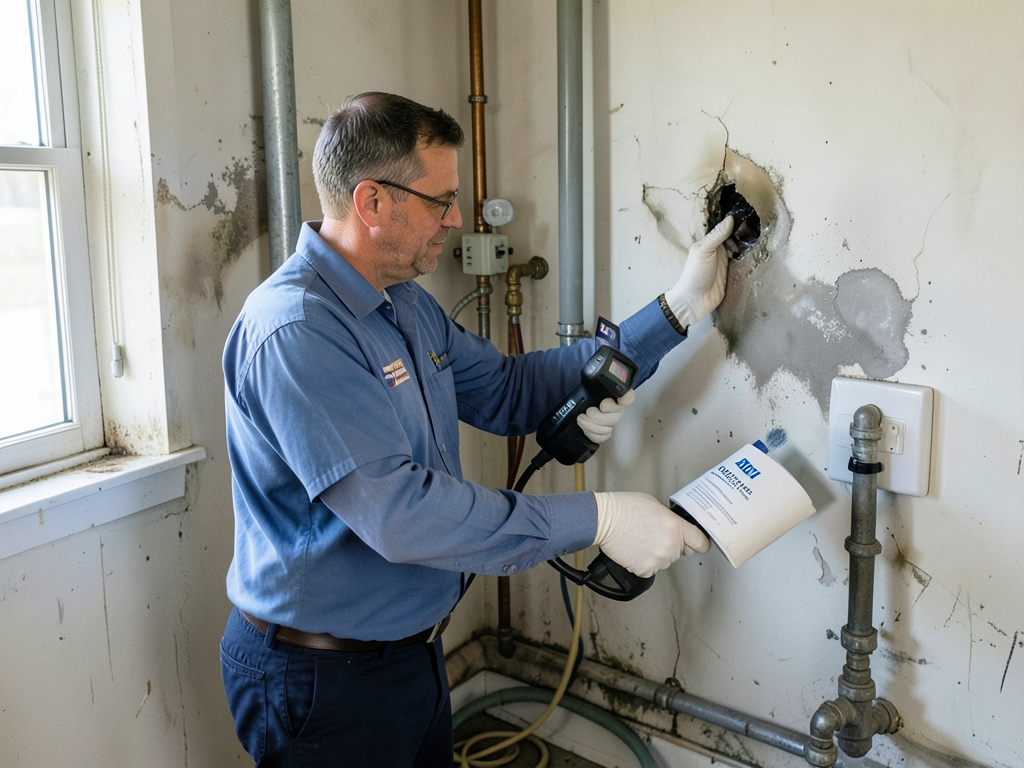
What to Do When Your Water Softener Leaks and Floods Your Affton Utility Room A…
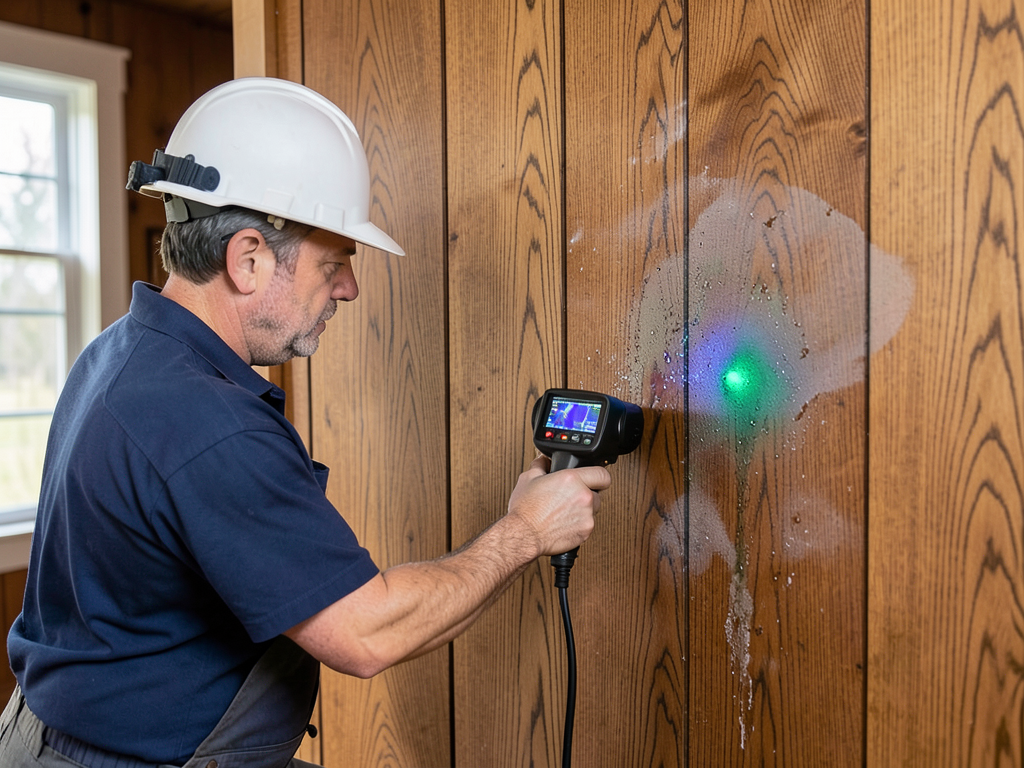
Restoring a Water Damaged Mid-Century Modern Home in Warson Woods Water damage in a mid-century…
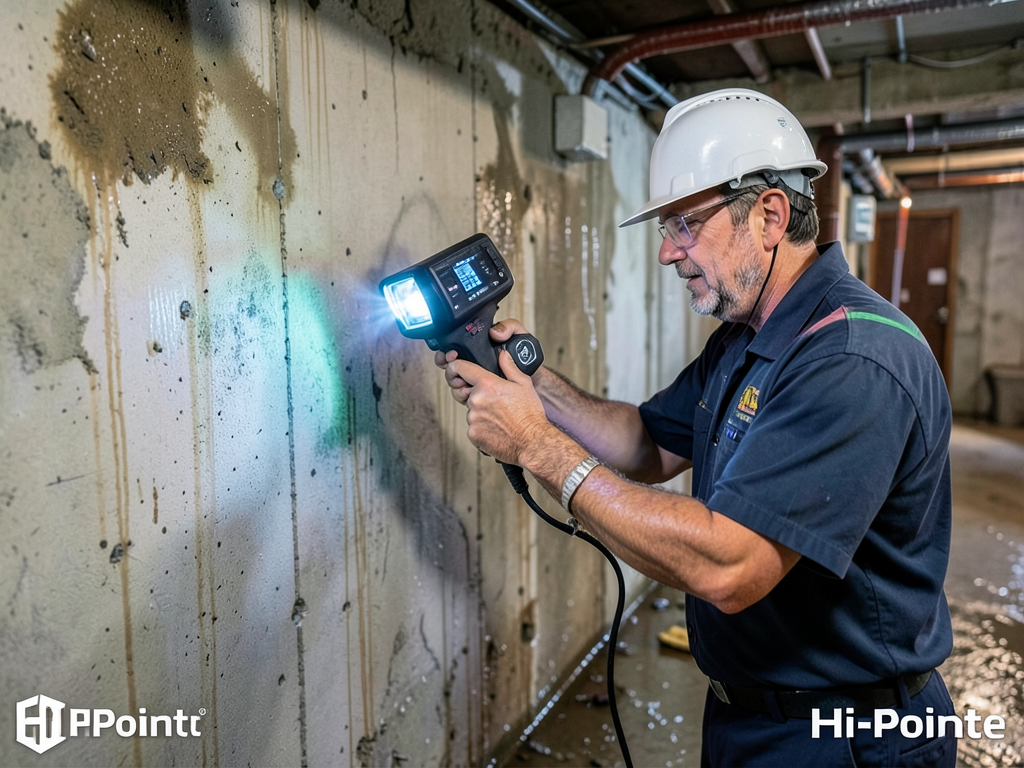
Why Your Walk-Out Basement in Hi-Pointe is Vulnerable to Heavy Rain Runoff Your walk-out basement…
Every hour of delay allows water to spread, soak deeper, and cause more damage. Our Hazelwood crews dispatch immediately to stop damage and start recovery. Call (314) 428-9977 now for emergency water extraction and restoration. We're standing by 24/7 to help.