menu

Basement Waterproofing Guide St. Louis – Expert Methods to Stop Flooding and Foundation Damage

Learn proven basement sealing techniques and foundation waterproofing methods that protect St. Louis homes from the Mississippi River Valley's high water tables and seasonal flooding risks.

Slider Image 1
Slider Image 2
Slider Image 3
Slider Image 4
Slider Image 5
Slider Image 7
Slider Image 8
Slider Image 9
Slider Image 10
Slider Image 11

Why St. Louis Basements Face Constant Water Threats

St. Louis sits in a flood zone. The Mississippi River Valley creates a naturally high water table that pushes groundwater directly into basement foundations. Add in the region's clay-heavy soil that expands when wet and contracts when dry, and you get foundation walls that crack, shift, and leak.

Spring storms dump several inches of rain in hours. Winter freeze-thaw cycles split concrete. Summer humidity keeps basement walls perpetually damp. These conditions create the perfect scenario for chronic water intrusion.

Most homeowners notice the symptoms first. A musty smell. Efflorescence on the walls. Puddles after heavy rain. Dark stains on the floor. These are not cosmetic issues. They signal active water penetration that will worsen without intervention.

Understanding how to waterproof a basement starts with recognizing the source. Surface water? Hydrostatic pressure? Cracks in the foundation? Each problem requires a different solution. Generic basement sealing techniques fail because they treat symptoms, not causes.

St. Louis homes built before 1980 often lack proper exterior waterproofing. Builders poured foundations and backfilled without installing drainage systems or waterproof membranes. The result is thousands of basements that were never designed to stay dry.

Foundation waterproofing methods must account for local soil mechanics. Clay soil does not drain. It holds water against your foundation walls. That constant pressure finds every microscopic crack and turns it into a leak. Wet basement solutions that work in sandy soil regions fail here because the physics are different.

You need a strategy built for this region's specific challenges.

Why St. Louis Basements Face Constant Water Threats
The Right Approach to Basement Waterproofing

The Right Approach to Basement Waterproofing

Effective basement waterproofing requires a multi-layer defense system. You cannot rely on a single product or technique. Water finds the path of least resistance, so you need to eliminate every path.

Start with exterior drainage. A properly installed French drain system intercepts groundwater before it reaches your foundation. The drain sits at footing level, wrapped in filter fabric to prevent clay soil from clogging the perforations. It redirects water to a sump basin or away from the structure entirely.

Next, address the foundation walls. Exterior waterproof membranes create a barrier between the soil and concrete. These are not the tar coatings from decades past. Modern systems use rubberized asphalt or polymer-modified membranes that remain flexible as the foundation shifts. They bridge hairline cracks and prevent water from ever touching the concrete.

Interior solutions handle water that gets past the exterior defenses. A perimeter drain system cuts a channel along the basement floor's edge where the wall meets the slab. This intercepts water seeping through the cove joint, the weakest point in any basement. The channel drains to a sump pump that ejects water away from the house.

Wall crack injection stops active leaks through foundation cracks. Polyurethane or epoxy resins fill the crack from the inside out, creating a permanent seal that flexes with the concrete. This works for cracks up to half an inch wide.

Vapor barriers control humidity. Six-mil polyethylene sheeting on walls prevents moisture transmission through porous concrete. Pair this with a dehumidifier rated for basement square footage to keep relative humidity below 50 percent.

The leaky basement repair guide is not one-size-fits-all. Diagnosis determines the solution. Patriot Water Damage Restoration St. Louis evaluates hydrostatic pressure, soil drainage, and foundation condition before recommending a system.

How We Implement Your Basement Waterproofing System

Basement Waterproofing Guide St. Louis – Expert Methods to Stop Flooding and Foundation Damage
01

Comprehensive Water Intrusion Assessment

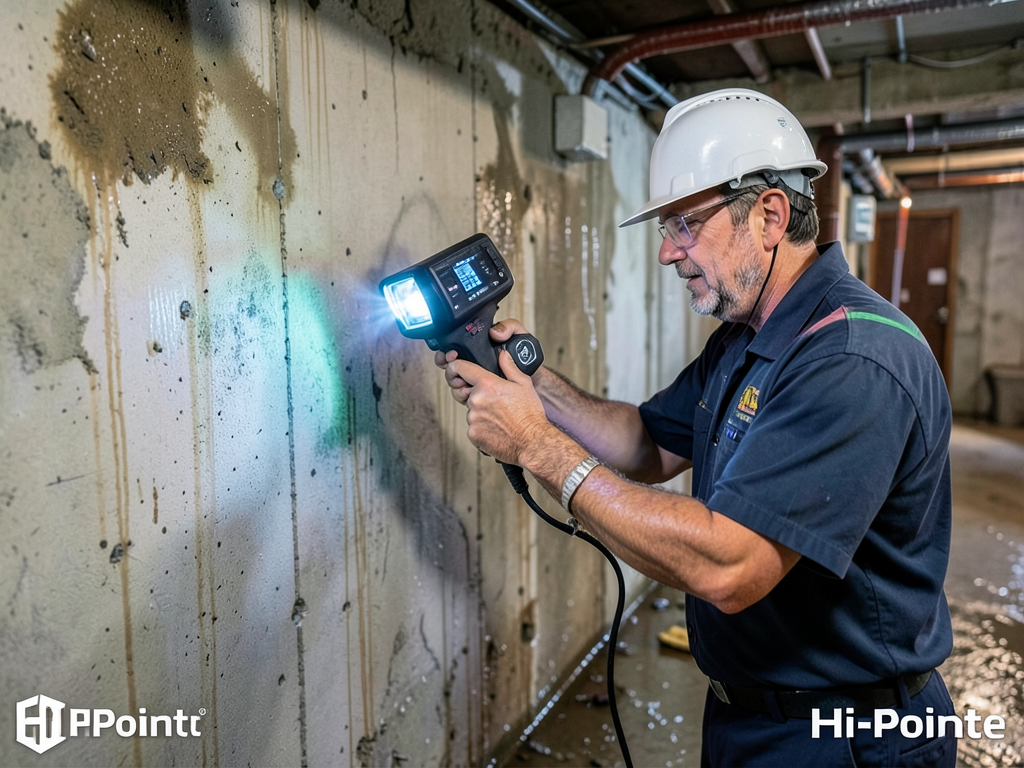
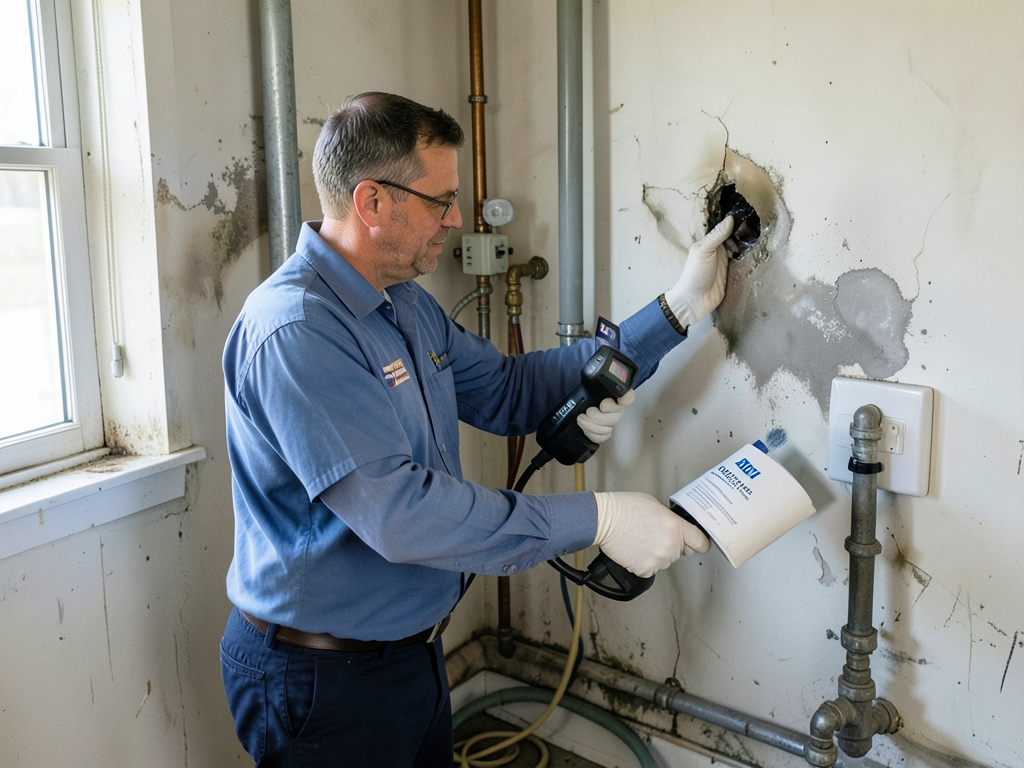
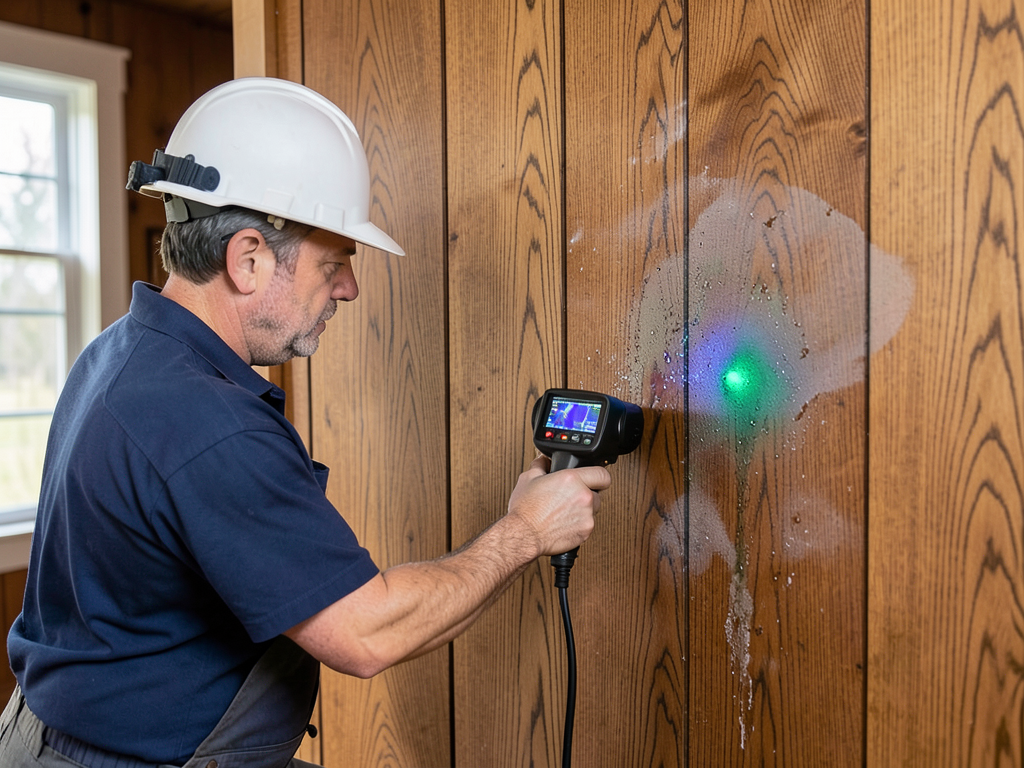
We inspect your basement during and after rain events to identify every water entry point. Using moisture meters and thermal imaging, we map hidden dampness inside walls and under flooring. We evaluate grading, downspout discharge, foundation cracks, and hydrostatic pressure indicators. This diagnostic phase determines whether you need exterior excavation, interior drainage, or both. We document everything with photos and measurements.
02

Targeted System Installation

Based on the assessment, we install the appropriate combination of drainage systems, sump pumps, crack injections, and vapor barriers. Exterior work requires excavation to the footer, membrane application, and drain installation. Interior work involves concrete cutting for perimeter drains and sump basin placement. We use commercial-grade materials rated for St. Louis soil conditions. Installation timelines vary based on basement size and system complexity, typically ranging from two days to one week.
03

System Testing and Documentation

After installation, we flood-test the system to verify proper drainage and pump operation. We measure flow rates, check for pooling, and confirm all water exits the property correctly. You receive detailed documentation of all work performed, including system specifications, maintenance requirements, and emergency contacts. We explain how to monitor your system and what warning signs indicate service needs. Follow-up inspections ensure long-term performance.

Why Local Expertise Matters for St. Louis Foundations

St. Louis building codes address flood zone construction, but enforcement varies by municipality. Clayton has different requirements than Affton. University City has different inspection protocols than Webster Groves. Knowing which jurisdiction you are in determines permit requirements and inspection schedules.

Our crews understand local soil mechanics. The transition from Maplewood to Richmond Heights changes soil composition. Homes near River Des Peres face different drainage challenges than properties near Gravois Creek. We adjust waterproofing strategies based on micro-regional geology.

We work with local building inspectors regularly. This familiarity speeds permit approval and ensures compliance with current codes. We know which inspectors prioritize specific details and how to pass inspection on the first visit.

Historic neighborhoods like Lafayette Square and Soulard present unique challenges. Homes built in the 1800s have limestone foundations that require specialized sealing methods. Modern membranes do not adhere to deteriorated limestone. We use historical restoration techniques combined with modern drainage systems to preserve architectural integrity while stopping water intrusion.

Patriot Water Damage Restoration St. Louis has waterproofed basements across every St. Louis neighborhood. We have worked on bungalows in The Hill, split-levels in Florissant, and ranch homes in Kirkwood. This geographic diversity builds pattern recognition. We identify problems faster because we have seen them before in similar homes.

Local suppliers stock materials suited to regional conditions. We source drain tile, sump pumps, and membranes rated for clay soil and high water tables. National chains carry generic products that fail in St. Louis conditions. We use materials that last.

Emergency response matters during flash floods. When thunderstorms dump three inches in an hour, basements flood fast. We dispatch crews from our St. Louis location, not from a regional hub two states away.

What Happens During Your Basement Waterproofing Project

Project Timeline and Scheduling

Assessments take two to four hours depending on basement size and complexity. We schedule these within 48 hours of your call. After assessment, you receive a detailed proposal within 24 hours outlining recommended systems, timelines, and cost factors. Installation starts within one week for interior systems, two weeks for exterior excavation work that requires permits. Weather delays affect exterior projects. Heavy rain postpones excavation because clay soil becomes unworkable when saturated. We provide realistic timelines and update you immediately if conditions change the schedule.

The Assessment Process

Our technician examines every basement wall, floor crack, window well, and utility penetration. We check exterior grading and downspout discharge patterns. We measure the distance from soil grade to foundation top to identify negative grading. We inspect sump pump operation if one exists. Moisture meters quantify dampness levels in concrete and framing. Thermal imaging reveals hidden water paths inside walls. We test soil drainage by digging test holes and timing water absorption. You receive a written report explaining all findings in plain language with photos marking problem areas.

Quality of the Finished System

Completed waterproofing systems keep basements dry during heavy rain events. Perimeter drains route water to sumps that discharge at least ten feet from the foundation. Vapor barriers eliminate musty odors by blocking moisture transmission. Crack injections stop active leaks permanently. Exterior membranes prevent hydrostatic pressure from penetrating foundation walls. Sump pumps include battery backup systems that operate during power outages. All concrete cutting and trenching is finished smooth and level. We clean the work area completely and remove all debris. Your basement is ready to use immediately after installation.

System Maintenance and Monitoring

Sump pumps require annual testing and cleaning to ensure reliable operation. We offer maintenance contracts that include yearly inspections, pump testing, battery replacement, and drain flushing. Between service visits, you should test your pump quarterly by pouring water into the basin until it activates. Check that discharge lines remain clear and water exits away from the foundation. Inspect visible portions of interior drains for debris or standing water. Dehumidifiers need filter changes every few months. Monitor basement humidity with a hygrometer and keep levels below 50 percent to prevent mold growth.

Frequently Asked Questions

You Have Questions,
We Have Answers

What is the best waterproofing method for basements? +

Interior drainage with a sump pump is the most reliable method for St. Louis basements. This system installs perforated drain tile along the foundation footer, channels water to a basin, and pumps it away from your home. It works with St. Louis clay soil and addresses hydrostatic pressure from high water tables near the Mississippi and Missouri Rivers. Exterior waterproofing requires excavation around your foundation and works well for new construction, but interior systems handle ongoing water issues without disturbing landscaping. Combine drainage with vapor barriers for complete protection against humidity.

How much does it cost to waterproof a 1000 sq ft basement? +

Basement waterproofing costs vary based on your specific water problem, foundation type, and system complexity. A 1000 sq ft basement with interior drainage and sump pump installation ranges differently than simple crack repair. St. Louis homes with older limestone or brick foundations need different solutions than poured concrete. Costs increase if you need exterior excavation, multiple sump pumps, or drainage tile around the full perimeter. Get three quotes from local contractors who understand clay soil conditions and can assess your water entry points before budgeting.

What are common waterproofing mistakes? +

The biggest mistake is treating symptoms instead of causes. Painting over damp walls with sealers traps moisture inside, causing spalling and mold growth. Another error is poor grading around your foundation. St. Louis clay soil expands when wet, pushing water toward basements. Homeowners skip gutter maintenance, letting roof runoff saturate the foundation. DIY drainage systems fail when installed above the footer or without proper slope. Ignoring exterior foundation cracks lets water penetrate before any interior system can help. Address water sources outside first, then install proper drainage inside.

Why not use Drylok on basement walls? +

Drylok and similar masonry paints create a barrier that traps moisture inside your foundation walls. In St. Louis, where clay soil stays saturated and hydrostatic pressure builds, this trapped moisture has nowhere to go. It migrates through the concrete, causing the paint to bubble, peel, and fail within months. Worse, the trapped water damages the foundation from within, leading to spalling and structural cracks. Drylok works for above-grade moisture control but fails below grade. You need drainage systems that move water away, not coatings that trap it inside.

What are the three types of basement waterproofing? +

The three main types are interior drainage, exterior waterproofing, and vapor barriers. Interior drainage installs perforated pipes along the footer inside your basement, collecting water and routing it to a sump pump. Exterior waterproofing excavates around your foundation, applies membrane coatings, and installs drainage tile outside. Vapor barriers are sheet membranes on walls and floors that block moisture transmission. St. Louis homes often need interior drainage because clay soil makes exterior excavation difficult and expensive. Most effective solutions combine drainage with vapor control to handle both liquid water and humidity.

What is better than Drylok for basement walls? +

Proper interior drainage with vapor barriers beats any paint product for St. Louis basements. Instead of sealing moisture inside your walls, drainage systems collect and remove water before it enters. Install dimpled drainage membrane on foundation walls, directing moisture down to perimeter drain tile and a sump pump. This creates an air gap between the wall and your finished space. For walls, apply hydraulic cement to active cracks first, then use breathable concrete sealers that allow vapor transmission outward. Address the water source through drainage, not coatings that trap moisture and fail.

Will insurance pay for basement waterproofing? +

Standard homeowners insurance does not cover basement waterproofing because insurers view it as preventive maintenance. Insurance covers sudden water damage from burst pipes or sewer backups, but not chronic seepage from foundation issues or groundwater. If you file a water damage claim, the adjuster will pay for drying and repairs but not the waterproofing system to prevent future problems. Some policies offer optional sewer backup riders. In St. Louis, where flooding near the rivers is common, separate flood insurance through FEMA may cover certain water damage, but not waterproofing installation.

How to 100% waterproof a basement? +

Complete waterproofing requires a layered approach. Start outside by grading soil away from your foundation and extending downspouts at least six feet out. Install or repair gutters to control roof runoff. Inside, add interior perimeter drainage with drain tile along the footer, sloped to a sump pump with battery backup. Apply vapor barriers on walls and under concrete floors. Seal foundation cracks with hydraulic cement or epoxy injection. Install a dehumidifier to control humidity below 50 percent. In St. Louis, clay soil and high water tables demand both exterior water management and interior drainage.

How much is it to finish a 2000 sq ft basement? +

Finishing a basement is different from waterproofing it. This question addresses remodeling costs, not waterproofing. A 2000 sq ft basement finish includes framing, insulation, drywall, flooring, electrical, plumbing, and HVAC. Costs vary widely based on material choices and whether you add bathrooms or kitchens. Before finishing any St. Louis basement, waterproof it first. Finishing over moisture problems guarantees mold growth and wasted money. Budget separately for waterproofing, then finishing. Get quotes from contractors who understand the difference between moisture control and cosmetic improvements.

Why can't you DIY waterproofing? +

DIY waterproofing fails because you cannot diagnose the actual water source without experience. St. Louis clay soil creates complex hydrostatic pressure that needs precise drainage slope calculations. Installing drain tile above the footer wastes money and fails to collect water. Sump pumps need proper basin sizing, check valves, and discharge lines that meet local codes. You risk foundation damage from incorrect excavation. Most DIY attempts use surface treatments like Drylok that trap moisture and make the problem worse. Waterproofing requires specialized tools, materials, and knowledge of St. Louis soil conditions and building codes.

How St. Louis Flood Zones and Clay Soil Demand Specialized Basement Waterproofing

St. Louis sits in FEMA flood zone designations ranging from Zone A near the Mississippi and Missouri rivers to Zone X in elevated areas like Clayton and Ladue. Properties in Zone A face mandatory flood insurance requirements and must meet base flood elevation standards. But even Zone X basements flood during severe weather because clay soil does not absorb water. When three inches of rain falls in two hours, surface water has nowhere to go except into your basement. Foundation waterproofing methods must account for both seasonal flooding from river overflow and flash flooding from inadequate drainage. The combination of high water tables and impermeable soil creates hydrostatic pressure that pushes water through any weakness in your foundation walls.

Local building codes evolved after the Great Flood of 1993 devastated the region. St. Louis County and City now require backflow preventers on sewer lines and specific sump discharge protocols to prevent overwhelming municipal storm systems. Patriot Water Damage Restoration St. Louis designs waterproofing systems that comply with current codes and pass inspection on the first attempt. We work with the same building inspectors regularly, which streamlines the permit process and prevents delays. Our crews understand the difference between jurisdictions. A system approved in Maryland Heights might need modifications in Ballwin because each municipality interprets code differently. This local knowledge protects your investment and ensures your basement stays dry year after year.
Water Damage Restoration Services in The St. Louis Area

We are proud to be the trusted local choice for water damage restoration across the greater St. Louis region. This map highlights our primary service zone, demonstrating our commitment to rapid, localized response across every neighborhood and business district within the area. We invite all users to view our service area and then contact us directly for immediate deployment to your specific address within the St. Louis community.

Address:
Patriot Water Damage Restoration St. Louis, 710 N Tucker Blvd, St. Louis, MO, 63101

Additional Services We Offer

Our news updates

Latest Articles & News from The Blogs

What to Do When Your Water Softener Leaks and Floods Your Affton Utility Room A leaking water softener can release…

What to Do When Your Water Softener Leaks and Floods Your Affton Utility Room

What to Do When Your Water Softener Leaks and Floods Your Affton Utility Room A leaking water softener can release…

Restoring a Water Damaged Mid-Century Modern Home in Warson Woods

Restoring a Water Damaged Mid-Century Modern Home in Warson Woods Water damage in a mid-century modern home requires specialized knowledge…

Why Your Walk-Out Basement in Hi-Pointe is Vulnerable to Heavy Rain Runoff

Why Your Walk-Out Basement in Hi-Pointe is Vulnerable to Heavy Rain Runoff Your walk-out basement in Hi-Pointe faces unique flooding…

Contact Us

Do not wait for another flood to take action. Call Patriot Water Damage Restoration St. Louis at (314) 428-9977 for a comprehensive basement waterproofing assessment. We will identify every water entry point and design a system that keeps your basement dry.