


Overland sits in the Coldwater Creek floodplain where heavy spring rains and severe summer storms create persistent flooding risks. The clay-heavy soil throughout the greater Overland metro area prevents proper drainage, causing water to pool around foundations in neighborhoods like Woodson Terrace and Normandy. When water enters homes built on these soils, it spreads through basement walls and crawl spaces within hours.
Winter brings freeze-thaw cycles that burst pipes in older homes near Natural Bridge Road. The temperature swings from below freezing to 50 degrees in a single day create pressure inside plumbing systems until they fail. Spring storms dump several inches of rain in short periods, overwhelming storm sewers and backing water into homes through floor drains.
Overland's humid continental climate keeps moisture levels high even after visible water disappears. Without professional extraction and drying equipment, water trapped in walls, insulation, and subflooring creates mold growth within 24 to 48 hours. The longer water sits, the more damage it causes to drywall, hardwood floors, and structural framing. What starts as a small leak becomes a total gut job if you wait too long to call for help.
When water invades your property, you need a team that answers the phone immediately and arrives with the right equipment to stop the damage. Patriot Water Damage Restoration St. Louis maintains a rapid response fleet serving Overland and surrounding St. Louis County communities 24 hours a day, 7 days a week. Our technicians carry IICRC certifications in water damage restoration and applied structural drying, which means they understand moisture science and proper drying protocols that prevent secondary damage.
We invested in commercial-grade truck-mounted extraction units, thermal imaging cameras, and industrial dehumidifiers because basic equipment leaves moisture behind. Our moisture detection technology finds hidden water inside walls and under floors that standard tools miss. This prevents mold growth and structural rot that shows up weeks after other companies declare the job complete.
Insurance claims intimidate most property owners. We document everything with photos, moisture readings, and detailed scope reports that insurance adjusters need to approve claims quickly. Our estimators speak the language insurance companies understand, and we work directly with adjusters to expedite payment so restoration work proceeds without delays. You focus on getting your life back to normal while we handle the paperwork.
Every water damage situation differs based on the source, the affected materials, and how long water sat before mitigation started. Our team evaluates each job individually and creates a custom restoration plan instead of using cookie-cutter approaches that miss critical steps. We explain exactly what we will do, why each step matters, and how long the process takes so you know what to expect from start to finish.

Water spreads and damages more materials every hour it sits in your property. Our dispatch system sends the closest certified crew to your Overland location within 60 minutes of your call. We arrive with extraction equipment loaded and ready to start water removal immediately, stopping damage progression before it destroys more of your property and possessions.

Thermal imaging cameras and penetrating moisture meters find water hidden inside walls, ceilings, and subflooring that basic tools miss. We map moisture levels throughout affected areas and document readings daily during the drying process. This technology prevents callbacks for mold remediation weeks after completion because we verify complete drying before leaving your property.
Our water damage restoration technicians hold Institute of Inspection Cleaning and Restoration Certification credentials in applied structural drying and water damage restoration. These certifications require understanding moisture science, proper equipment usage, and industry-standard drying protocols. Certified technicians prevent mistakes that turn minor water damage into complete reconstruction projects by following proven scientific methods.
We work directly with insurance adjusters throughout the claims process, providing detailed documentation, moisture readings, and scope reports that meet carrier requirements. Our estimators understand what insurance companies need to approve claims quickly, eliminating the back-and-forth that delays payment. You receive one point of contact for both restoration work and insurance paperwork.
Water damage restoration requires more than just removing standing water. Complete mitigation involves emergency water extraction, structural drying, moisture monitoring, mold prevention, content restoration, and reconstruction of damaged materials. Patriot Water Damage Restoration St. Louis handles every phase of water damage recovery from the initial emergency call through final reconstruction and occupancy clearance.
Our service categories address different sources and severities of water intrusion. Clean water from supply line breaks requires different treatment than contaminated water from sewage backups or flood water containing debris and chemicals. The category of water determines which materials can be saved through cleaning and which require complete removal and replacement for health and safety.
We structure our water damage remediation services around the three water categories recognized by the Institute of Inspection Cleaning and Restoration Certification. Category 1 clean water originates from sanitary sources like supply lines and poses minimal health risks. Category 2 gray water contains some contamination from appliance discharge or toilet overflow without feces. Category 3 black water comes from sewage, flooding, or groundwater and requires specialized handling and disposal protocols to protect occupant health.
Truck-mounted extraction units remove thousands of gallons per hour from flooded basements, crawl spaces, and living areas. We deploy submersible pumps for standing water deeper than two inches, then extract remaining moisture from carpets, padding, and porous materials using high-powered vacuum systems. Emergency water removal stops damage progression and prevents water from migrating into unaffected areas. The faster we extract water, the more materials we save from permanent damage requiring replacement.
Industrial dehumidifiers and air movers create controlled drying environments that pull moisture from wood framing, drywall, insulation, and concrete. We position equipment based on psychrometric calculations and moisture meter readings to optimize drying efficiency. Daily monitoring tracks moisture levels until all materials return to dry standard. Proper structural drying prevents mold growth, wood rot, and secondary damage that appears weeks after water removal. Complete drying typically takes three to seven days depending on materials affected.
After complete drying and antimicrobial treatment, our reconstruction crews rebuild damaged areas to pre-loss condition. We replace drywall, install new flooring, repaint affected rooms, and restore trim and finishes. Full restoration services eliminate the need to hire separate contractors, streamlining timelines and insurance coordination. Our team handles everything from minor repairs to complete basement rebuilds, ensuring quality workmanship and matching existing finishes. You deal with one company from emergency call to final walkthrough.
Overland's weather patterns and aging housing stock create predictable water intrusion problems throughout the year. Spring brings severe thunderstorms that dump multiple inches of rain in hours, overwhelming storm sewers and causing backup through floor drains. Winter freeze-thaw cycles burst supply lines in older homes near Page Avenue and Natural Bridge Road where original plumbing remains in service after 50-plus years.
The clay soil throughout Overland prevents proper drainage around foundations. Water pools against basement walls during heavy rain, finding any crack or gap to enter below-grade spaces. Homes in the Woodson Terrace area sit particularly close to the water table, making them vulnerable to groundwater seepage during wet seasons. Sump pumps fail during power outages from summer storms, allowing basements to flood rapidly.
Roof damage from high winds creates entry points for rain to soak attic insulation and ceiling drywall. Homeowners often discover roof leaks only after water stains appear on ceilings or walls below. Appliance failures such as water heater ruptures and washing machine hose breaks flood homes without warning, often while residents are away at work.
Heavy spring rains saturate clay soil and overwhelm storm sewers, forcing water through basement floor drains and foundation cracks. Sump pump failures during power outages allow rapid flooding. Water damages finished basements, destroys stored belongings, and creates mold risks if not extracted and dried within 48 hours. Flood water often contains sewage contamination requiring specialized cleaning protocols.
Winter temperature swings cause pipes to freeze overnight and burst when ice thaws. Supply lines in exterior walls and unheated crawl spaces face the highest risk. A single burst pipe releases hundreds of gallons before homeowners discover the leak, flooding multiple rooms and soaking drywall, insulation, and flooring. Water migrates behind walls and under floors where it causes hidden damage.
Storm damage from high winds lifts shingles and creates gaps where rain enters attic spaces. Water soaks insulation and drips onto ceiling drywall, creating stains and sagging. Slow roof leaks continue for weeks before becoming visible inside living spaces. By the time homeowners notice ceiling damage, significant structural wood rot and mold growth may already exist in attic framing and insulation.
Water heaters rupture without warning, releasing 40 to 50 gallons into surrounding spaces. Washing machine supply hoses burst during fill cycles, flooding laundry rooms and adjacent areas. Dishwasher leaks soak kitchen cabinets and hardwood floors. Toilet supply line failures and wax ring leaks contaminate bathroom floors with Category 2 gray water requiring antimicrobial treatment and specialized drying.
Water damage creates panic. Your home is flooding, belongings are getting ruined, and you need help immediately. When you call Patriot Water Damage Restoration St. Louis, our dispatch team answers 24 hours a day and sends a certified crew to your Overland property within 60 minutes. We understand the urgency and respond accordingly.
Our technicians arrive with extraction equipment loaded and ready to start work immediately. We begin water removal while explaining the full scope of damage, what materials can be saved, and what requires replacement. You receive straightforward answers about timelines, costs, and insurance coverage without technical jargon or upselling unnecessary services.
Communication continues throughout the restoration process. We provide daily updates on drying progress, moisture readings, and estimated completion dates. Our project managers remain available by phone to answer questions and address concerns as they arise. You stay informed about what happens next instead of wondering when your property will return to normal.
Our certified crew arrives within 60 minutes to assess water damage severity and source. We identify the water category, measure moisture levels in affected materials, and explain which items can be saved through drying versus requiring replacement. You receive a detailed verbal explanation of the restoration process, expected timeline, and next steps. We answer all questions before starting work so you understand exactly what happens and why each step matters for proper restoration.
We photograph all damage, document moisture readings, and create detailed scope reports for your insurance claim. Our estimators contact your insurance company directly to initiate the claim and provide required documentation. You receive copies of all photos, moisture logs, and communication with adjusters. We explain coverage questions in plain language and advocate for complete restoration, not just minimum repairs. Insurance coordination happens behind the scenes so you avoid phone tag with adjusters.
Technicians visit daily to check equipment, record moisture readings, and adjust drying protocols based on progress. You receive text or phone updates after each visit with current moisture levels and projected completion dates. Drying continues until moisture meters confirm all materials have returned to dry standard. We provide final moisture documentation and antimicrobial treatment verification before removing equipment. No guesswork, just scientific confirmation that restoration is complete and your property is safe for occupancy.
Effective water damage restoration follows a systematic process based on IICRC standards and moisture science. Each step serves a specific purpose in stopping damage, removing water, drying materials completely, and preventing mold growth.
You call our 24-hour emergency line and speak directly with a dispatcher who sends the closest certified crew to your Overland location. Technicians arrive within 60 minutes to stop the water source if possible, assess damage severity, identify water category, and measure moisture levels. We classify affected materials as salvageable or requiring replacement based on contamination and saturation levels. You receive a clear explanation of damage scope and restoration steps before work begins.
Truck-mounted extractors remove standing water and moisture from carpets, padding, and porous materials. We position industrial dehumidifiers and air movers throughout affected areas based on moisture readings and psychrometric calculations. Equipment runs continuously to create optimal drying conditions. Technicians remove unsalvageable materials like soaked drywall and insulation to expose wet framing for proper drying. Daily monitoring tracks moisture reduction until all materials reach dry standard.
After complete drying verification through moisture meter readings, we apply antimicrobial treatment to prevent mold growth. Reconstruction crews rebuild damaged areas including drywall installation, flooring replacement, painting, and trim restoration. Final walkthrough confirms all work meets quality standards and matches existing finishes. You receive documentation of final moisture readings, antimicrobial treatment, and warranty information. Your property returns to pre-loss condition and full occupancy.
The Institute of Inspection Cleaning and Restoration Certification establishes industry standards for water damage restoration through its IICRC S500 Standard and Reference Guide for Professional Water Damage Restoration. These standards define three water categories based on contamination level and health risks. Category 1 clean water originates from sanitary sources like broken supply lines and poses minimal health threats. Category 2 gray water contains some contamination from sources like washing machine discharge or toilet overflow without feces. Category 3 black water includes sewage, flooding, or groundwater and requires specialized handling due to pathogen risks.
Water classification determines restoration protocols including which materials require disposal versus cleaning, what personal protective equipment technicians must wear, and what antimicrobial treatments are necessary. A Category 1 clean water loss from a supply line break allows salvaging most materials through extraction and drying. The same materials contaminated by Category 3 black water from sewage backup require complete removal and disposal to protect occupant health.
Missouri does not currently require state licensing for water damage restoration contractors, but IICRC certification represents the industry gold standard for technical competency. IICRC-certified technicians complete classroom training and pass examinations covering moisture science, psychrometry, drying principles, and safety protocols. Our technicians maintain current certifications in Water Damage Restoration and Applied Structural Drying, demonstrating mastery of proper restoration techniques.
Proper structural drying prevents secondary damage including mold growth, wood rot, and material degradation. The IICRC S500 standard establishes specific goals for drying including returning materials to preloss moisture content within reasonable timeframes. We use moisture meters and thermal imaging to verify complete drying rather than guessing based on visual inspection or arbitrary timelines. Materials remain at elevated moisture levels create perfect conditions for mold colonization within 24 to 48 hours.
The IICRC S500 standard establishes science-based protocols for water damage restoration including moisture measurement techniques, equipment selection, and drying timeframes. Certified restorers follow these standards to achieve complete drying and prevent secondary damage. We document compliance through daily moisture logs and psychrometric readings that verify drying progress. Following S500 standards protects both property owners and insurance companies from inadequate restoration.
Water category determines restoration scope and costs significantly. Clean water from supply lines allows salvaging carpets, padding, and drywall through extraction and drying. Gray water contamination requires antimicrobial treatment and disposal of porous materials like padding and insulation. Black water from sewage demands complete removal of all affected porous materials and specialized decontamination. Proper classification protects occupant health and prevents inadequate restoration.
Complete structural drying typically requires three to seven days depending on materials affected, saturation levels, and environmental conditions. Hardwood flooring and wood framing take longer to dry than drywall or concrete. High humidity and low temperatures extend drying times. We monitor moisture daily and adjust equipment until meters confirm dry standard. Rushing the process by removing equipment prematurely causes mold growth and material failure weeks later.
After complete drying, EPA-registered antimicrobial treatments prevent mold growth on affected surfaces. We apply hospital-grade disinfectants to all exposed framing, concrete, and materials impacted by Category 2 or 3 water. Treatment continues behind walls and in hidden spaces where moisture contacted materials. Antimicrobial application represents the final step before reconstruction begins, ensuring no mold develops during or after rebuilding.
This video explains emergency water damage restoration services in Overland, Missouri including rapid response protocols, water extraction techniques, structural drying processes, and complete restoration procedures. Covers IICRC water damage categories, proper drying standards, moisture detection technology, and insurance coordination for water damage claims. Viewers learn what happens during professional water damage mitigation from emergency call through final restoration and why certified technicians prevent secondary damage like mold growth and structural deterioration.
Patriot Water Damage Restoration St. Louis serves Overland and surrounding St. Louis County communities with rapid emergency response and complete water damage restoration services. Our coverage area includes the Woodson Terrace neighborhood along Natural Bridge Road where older homes face burst pipe risks during winter freeze-thaw cycles. We respond quickly to properties near Page Avenue and St. Charles Rock Road where commercial buildings and residential areas mix throughout central Overland.
The Normandy area south of Interstate 70 contains homes built in the 1950s and 1960s with original plumbing and drainage systems that fail during severe weather. Heavy spring rains overwhelm storm sewers throughout this region, causing basement flooding through floor drains and foundation cracks. Our crews understand the flood risk patterns in low-lying areas near Coldwater Creek and position equipment to handle high water volumes common to these locations.
Properties along Midland Boulevard and Lackland Road in eastern Overland sit close to Lambert-St. Louis International Airport where our rapid response time matters for commercial properties facing business interruption from water damage. We maintain equipment and staffing to handle both residential and commercial water losses throughout St. Louis County. Our service area extends to adjacent communities including St. Ann, Breckenridge Hills, and Charlack where similar housing stock and weather patterns create comparable water damage challenges.
North Overland properties near Natural Bridge Creek face seasonal flooding from spring storms and snowmelt. The creek overflows during heavy rain events, sending water into crawl spaces and basements. We coordinate with property owners in flood-prone areas to provide rapid emergency response when creek levels rise. Our familiarity with Overland's geography and drainage patterns helps us anticipate problem areas and position resources accordingly during severe weather events.
Whether your property sits in central Overland near City Hall, in the residential neighborhoods around Overland Park, or in commercial areas along St. Charles Rock Road, Patriot Water Damage Restoration St. Louis responds within 60 minutes with the equipment and expertise to stop damage and restore your property completely.
Water damage restoration in Overland MO typically takes 3 to 7 days for standard projects. The timeline depends on the extent of damage, affected materials, and water category. A small bathroom leak might resolve in 2 to 3 days, while basement flooding needs 5 to 7 days. Severe cases with structural damage require 2 to 3 weeks. Restoration teams assess your property first and provide a specific timeline. Factors like humidity levels, drying time, and necessary repairs affect completion. Quick action speeds up the process and reduces secondary damage.
Water damage restoration pricing in Overland varies based on damage severity, affected square footage, and water type. Minor incidents affecting small areas tend to be less expensive, while major flooding with structural damage costs more. Clean water damage from supply lines typically costs less than contaminated water from sewage backups. Removal, drying, sanitization, and repairs all factor into final pricing. Most restoration companies offer free inspections and detailed estimates before starting work. Contact multiple local providers for quotes specific to your situation.
Homeowners insurance in Overland MO typically covers sudden and accidental water damage, such as burst pipes or appliance malfunctions. Most policies exclude gradual damage from neglect or maintenance issues. Flood damage requires separate flood insurance through the National Flood Insurance Program. Review your policy to understand your coverage limits and deductibles. Document all damage with photos and keep receipts for emergency repairs. Contact your insurance company immediately after discovering damage. A restoration company familiar with insurance claims helps navigate the process and provides necessary documentation.
Water damage restoration in Overland MO typically takes 3 to 7 days for standard projects. The timeline depends on the extent of damage, affected materials, and water category. A small bathroom leak might resolve in 2 to 3 days, while basement flooding needs 5 to 7 days. Severe cases with structural damage require 2 to 3 weeks. Restoration teams assess your property first and provide a specific timeline. Factors like humidity levels, drying time, and necessary repairs affect completion. Quick action speeds up the process and reduces secondary damage.
Water damage restoration pricing in Overland varies based on damage severity, affected square footage, and water type. Minor incidents affecting small areas tend to be less expensive, while major flooding with structural damage costs more. Clean water damage from supply lines typically costs less than contaminated water from sewage backups. Removal, drying, sanitization, and repairs all factor into final pricing. Most restoration companies offer free inspections and detailed estimates before starting work. Contact multiple local providers for quotes specific to your situation.
Homeowners insurance in Overland MO typically covers sudden and accidental water damage, such as burst pipes or appliance malfunctions. Most policies exclude gradual damage from neglect or maintenance issues. Flood damage requires separate flood insurance through the National Flood Insurance Program. Review your policy to understand your coverage limits and deductibles. Document all damage with photos and keep receipts for emergency repairs. Contact your insurance company immediately after discovering damage. A restoration company familiar with insurance claims helps navigate the process and provides necessary documentation.
Call a water damage restoration company in Overland within the first hour of discovering damage. Water spreads rapidly through floors, walls, and contents, causing more destruction each hour. Mold begins developing within 24 to 48 hours in moist environments. Quick response prevents secondary damage, reduces restoration scope, and saves money. Most restoration companies in Overland offer 24/7 emergency services. Stop the water source if safe, then call professionals immediately. Waiting even a few hours significantly increases damage severity and restoration complexity.
Hidden water damage in your Overland home shows through musty odors, unexplained water bill increases, and discolored walls or ceilings. Watch for peeling paint, warped flooring, or soft spots in walls and floors. Persistent dampness, condensation on windows, or humidity increases signal hidden leaks. You might notice mold growth in corners, closets, or behind furniture. Check for water stains in unexpected places and listen for dripping sounds behind walls. Foundation cracks, sagging ceilings, and deteriorating grout also indicate hidden moisture problems requiring professional assessment.
You can stay in your Overland MO home during minor water damage restoration affecting small areas. Extensive damage requiring full-room drying or mold remediation often needs temporary relocation. Safety concerns include electrical hazards, structural instability, and air quality issues from mold or contaminated water. Restoration equipment runs constantly, creating noise and disrupting daily routines. Your restoration company assesses safety factors and recommends staying or leaving. Contaminated water situations require leaving until professional cleaning and sanitization complete. Insurance policies sometimes cover temporary housing during major restorations.
Choose a water damage restoration company in Overland with IICRC certification, which demonstrates proper training and industry standards. Look for 24/7 emergency availability and rapid response times. Verify they have experience with insurance claims and provide detailed documentation. Read online reviews and ask for local references. Confirm they use professional-grade equipment and follow established drying protocols. Select companies offering free inspections and written estimates. Check their experience with your specific damage type, whether flood, sewage, or storm damage. Local companies understand Overland building codes and climate factors.
Water damage restoration in Overland homes uses industrial-grade equipment including truck-mounted extractors, portable pumps, and commercial air movers. Professionals deploy dehumidifiers to remove moisture from air and materials. Moisture meters and thermal imaging cameras detect hidden water and track drying progress. Air scrubbers with HEPA filters improve air quality during restoration. Specialized tools like injectidry systems dry inside wall cavities without demolition. Antimicrobial treatments prevent mold growth. Professional equipment works faster and more effectively than consumer-grade alternatives, completing restoration in days instead of weeks.
Water damage causes mold in Overland MO homes if moisture remains for 24 to 48 hours. Mold spores exist everywhere and grow rapidly in damp conditions with organic materials like drywall and wood. High humidity from flooding creates ideal conditions for mold colonies. Quick water removal and thorough drying prevent mold growth. Professional restoration companies monitor moisture levels and use dehumidifiers to eliminate conditions supporting mold. Hidden moisture behind walls or under flooring feeds mold growth you cannot see. Addressing water damage immediately significantly reduces mold risk.
Water mitigation in Overland stops ongoing damage and stabilizes your property immediately after water intrusion. This includes water extraction, initial drying, and emergency repairs to prevent further loss. Water restoration completes the repair process, rebuilding damaged areas to pre-loss condition. Mitigation happens first, within hours of damage. Restoration follows after full drying, involving reconstruction, painting, and finishing work. Mitigation reduces claim costs and damage extent. Restoration returns your home to normal. Many Overland companies provide both services, transitioning seamlessly from emergency response to complete repair.
Call a water damage restoration company in Overland within the first hour of discovering damage. Water spreads rapidly through floors, walls, and contents, causing more destruction each hour. Mold begins developing within 24 to 48 hours in moist environments. Quick response prevents secondary damage, reduces restoration scope, and saves money. Most restoration companies in Overland offer 24/7 emergency services. Stop the water source if safe, then call professionals immediately. Waiting even a few hours significantly increases damage severity and restoration complexity.
Hidden water damage in your Overland home shows through musty odors, unexplained water bill increases, and discolored walls or ceilings. Watch for peeling paint, warped flooring, or soft spots in walls and floors. Persistent dampness, condensation on windows, or humidity increases signal hidden leaks. You might notice mold growth in corners, closets, or behind furniture. Check for water stains in unexpected places and listen for dripping sounds behind walls. Foundation cracks, sagging ceilings, and deteriorating grout also indicate hidden moisture problems requiring professional assessment.
You can stay in your Overland MO home during minor water damage restoration affecting small areas. Extensive damage requiring full-room drying or mold remediation often needs temporary relocation. Safety concerns include electrical hazards, structural instability, and air quality issues from mold or contaminated water. Restoration equipment runs constantly, creating noise and disrupting daily routines. Your restoration company assesses safety factors and recommends staying or leaving. Contaminated water situations require leaving until professional cleaning and sanitization complete. Insurance policies sometimes cover temporary housing during major restorations.
Choose a water damage restoration company in Overland with IICRC certification, which demonstrates proper training and industry standards. Look for 24/7 emergency availability and rapid response times. Verify they have experience with insurance claims and provide detailed documentation. Read online reviews and ask for local references. Confirm they use professional-grade equipment and follow established drying protocols. Select companies offering free inspections and written estimates. Check their experience with your specific damage type, whether flood, sewage, or storm damage. Local companies understand Overland building codes and climate factors.
Water damage restoration in Overland homes uses industrial-grade equipment including truck-mounted extractors, portable pumps, and commercial air movers. Professionals deploy dehumidifiers to remove moisture from air and materials. Moisture meters and thermal imaging cameras detect hidden water and track drying progress. Air scrubbers with HEPA filters improve air quality during restoration. Specialized tools like injectidry systems dry inside wall cavities without demolition. Antimicrobial treatments prevent mold growth. Professional equipment works faster and more effectively than consumer-grade alternatives, completing restoration in days instead of weeks.
Water damage causes mold in Overland MO homes if moisture remains for 24 to 48 hours. Mold spores exist everywhere and grow rapidly in damp conditions with organic materials like drywall and wood. High humidity from flooding creates ideal conditions for mold colonies. Quick water removal and thorough drying prevent mold growth. Professional restoration companies monitor moisture levels and use dehumidifiers to eliminate conditions supporting mold. Hidden moisture behind walls or under flooring feeds mold growth you cannot see. Addressing water damage immediately significantly reduces mold risk.
Water mitigation in Overland stops ongoing damage and stabilizes your property immediately after water intrusion. This includes water extraction, initial drying, and emergency repairs to prevent further loss. Water restoration completes the repair process, rebuilding damaged areas to pre-loss condition. Mitigation happens first, within hours of damage. Restoration follows after full drying, involving reconstruction, painting, and finishing work. Mitigation reduces claim costs and damage extent. Restoration returns your home to normal. Many Overland companies provide both services, transitioning seamlessly from emergency response to complete repair.
We are proud to be the trusted local choice for water damage restoration across the greater St. Louis region. This map highlights our primary service zone, demonstrating our commitment to rapid, localized response across every neighborhood and business district within the area. We invite all users to view our service area and then contact us directly for immediate deployment to your specific address within the St. Louis community.
Address:
Overland, MO, 63114

Why High Humidity in Your Tower Grove East Attic Can Lead to Structural Wood Rot Attic wood rot starts with moisture. In Tower Grove East, the combination of old homes and St. Louis's humid summers…
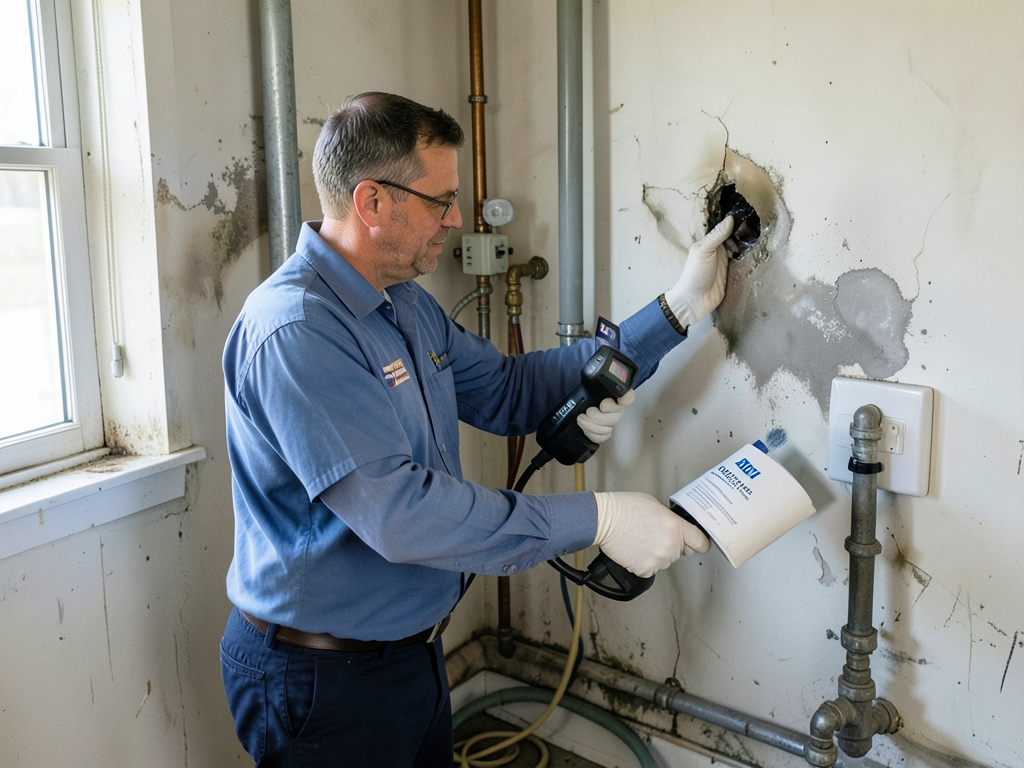
What to Do When Your Water Softener Leaks and Floods Your Affton Utility Room A…
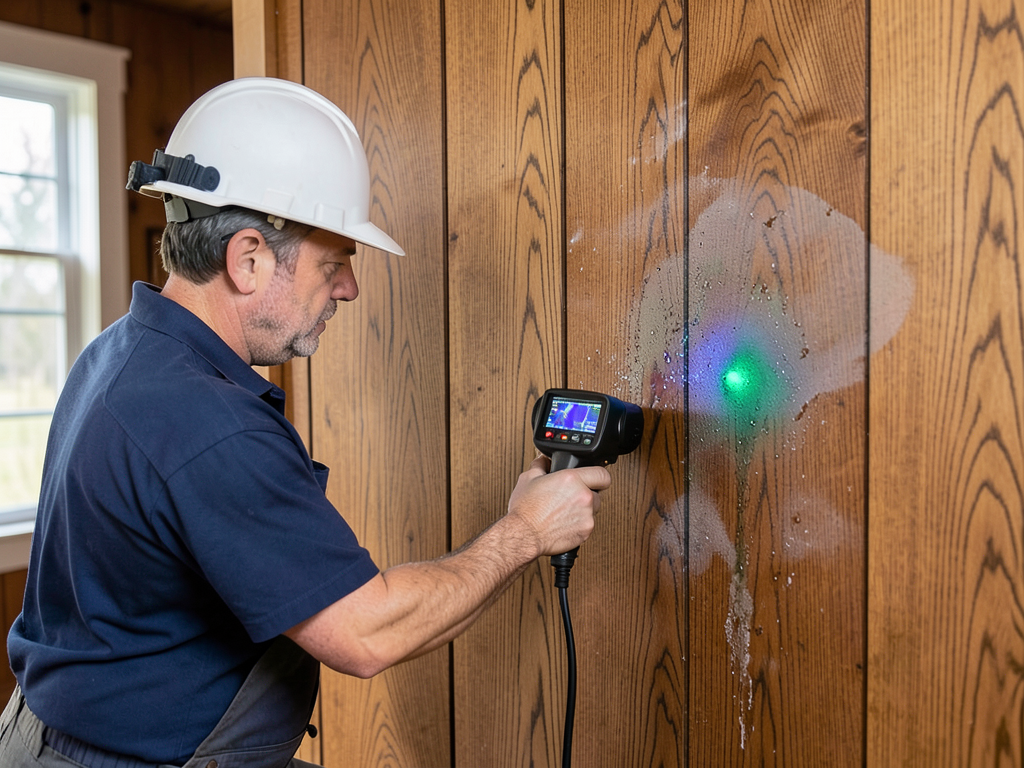
Restoring a Water Damaged Mid-Century Modern Home in Warson Woods Water damage in a mid-century…
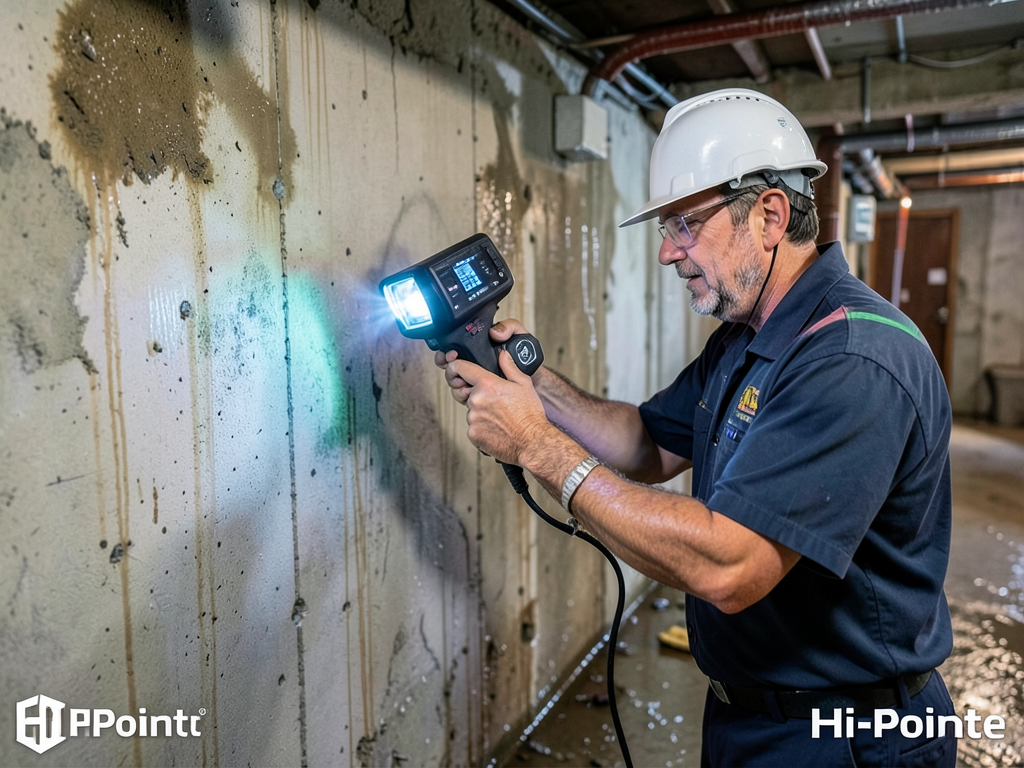
Why Your Walk-Out Basement in Hi-Pointe is Vulnerable to Heavy Rain Runoff Your walk-out basement…
Water damage gets worse every hour. Call Patriot Water Damage Restoration St. Louis now at (314) 428-9977 for immediate emergency response in Overland. Our certified crews arrive within 60 minutes to stop the damage and start restoration.