menu

Retail Store Water Cleanup in St. Louis | Minimize Downtime and Protect Revenue

Commercial retail water extraction and shop water damage mitigation engineered to keep your St. Louis store operational while protecting inventory, fixtures, and customer access through rapid response protocols.

Slider Image 1
Slider Image 2
Slider Image 3
Slider Image 4
Slider Image 5
Slider Image 7
Slider Image 8
Slider Image 9
Slider Image 10
Slider Image 11

How Water Incidents Cripple St. Louis Retail Operations

A burst pipe at 2 a.m. or a roof leak during spring storms can shut down your St. Louis retail operation within hours. Lost sales, spoiled inventory, and disrupted customer traffic compound the initial damage. The region's freeze-thaw cycles stress commercial plumbing systems. When temperatures swing from sub-zero January nights to 40-degree thaws, pipe failures increase. Old brick buildings in The Hill or Soulard face compromised mortar joints that leak during heavy rain events.

The Mississippi River's proximity raises humidity levels across the metro. Moisture infiltration accelerates mold colonization on drywall, fixtures, and stored goods. Your store cannot afford a multi-week closure while generic restoration companies treat your space like a residential basement. Commercial retail water extraction requires different equipment, faster response times, and an understanding of liability issues tied to public access areas.

Every hour your store remains closed, you lose revenue and risk permanent customer migration to competitors. Store flood cleanup services must address structural drying, inventory salvage, and EPA compliance for contaminated water categories. St. Louis retail operators face unique challenges from aging infrastructure in historic commercial districts combined with modern big-box layouts that require industrial-grade drying systems. The solution demands commercial-specific protocols, not residential adaptation.

How Water Incidents Cripple St. Louis Retail Operations
Commercial-Grade Water Extraction Systems for Retail Environments

Commercial-Grade Water Extraction Systems for Retail Environments

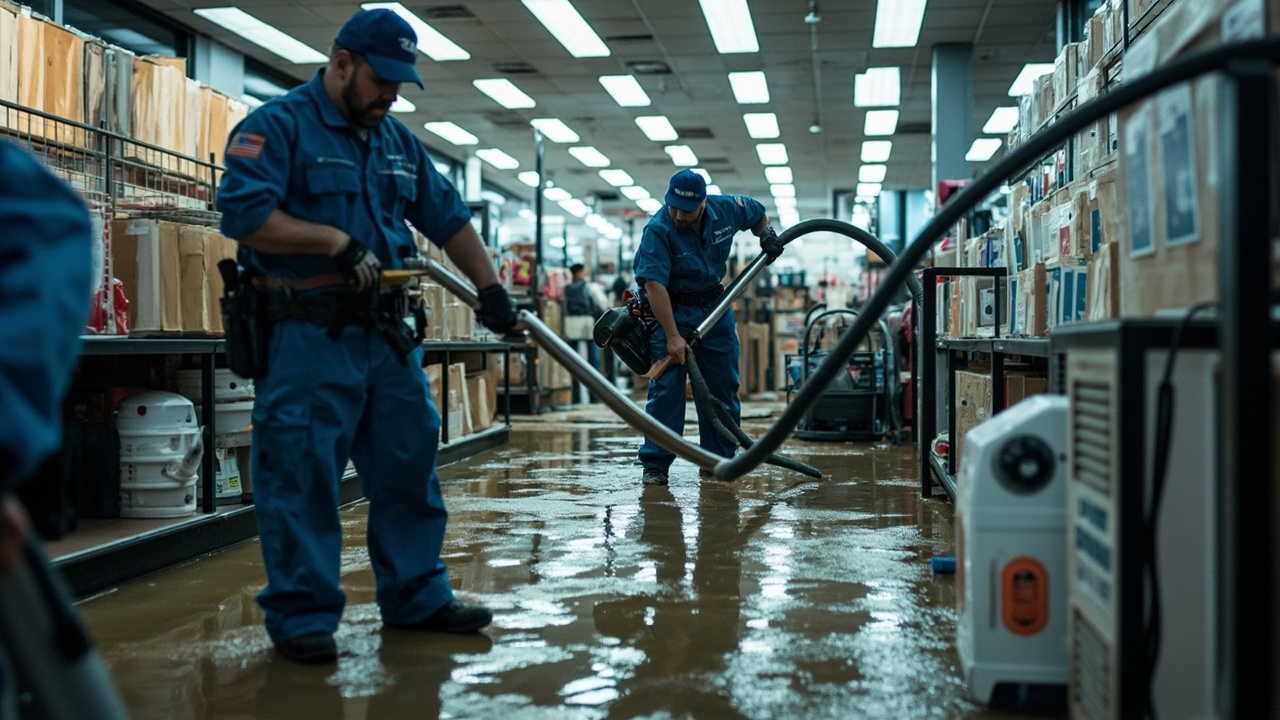
Retail water damage restoration requires truck-mounted extractors capable of removing thousands of gallons per hour. Portable units cannot match this capacity. We deploy Class 4 drying protocols for hardwood floors, millwork, and specialty surfaces common in retail spaces. Psychrometric calculations guide equipment placement. We measure temperature, relative humidity, and specific humidity to track drying efficiency across your sales floor, stockroom, and mechanical spaces.

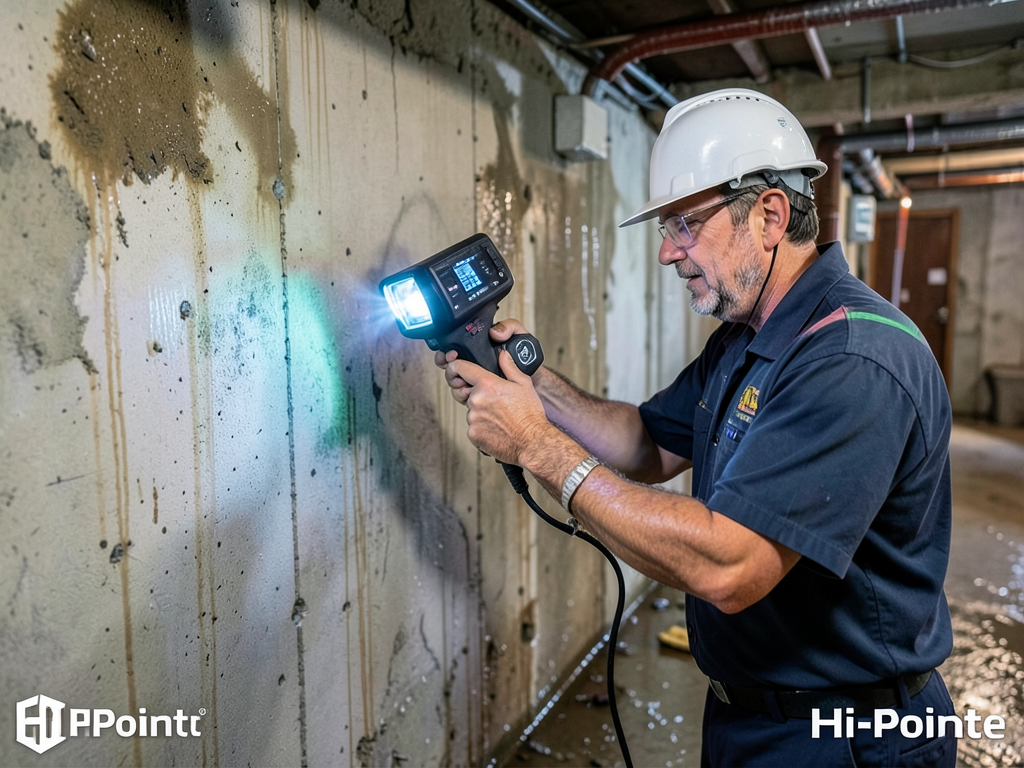
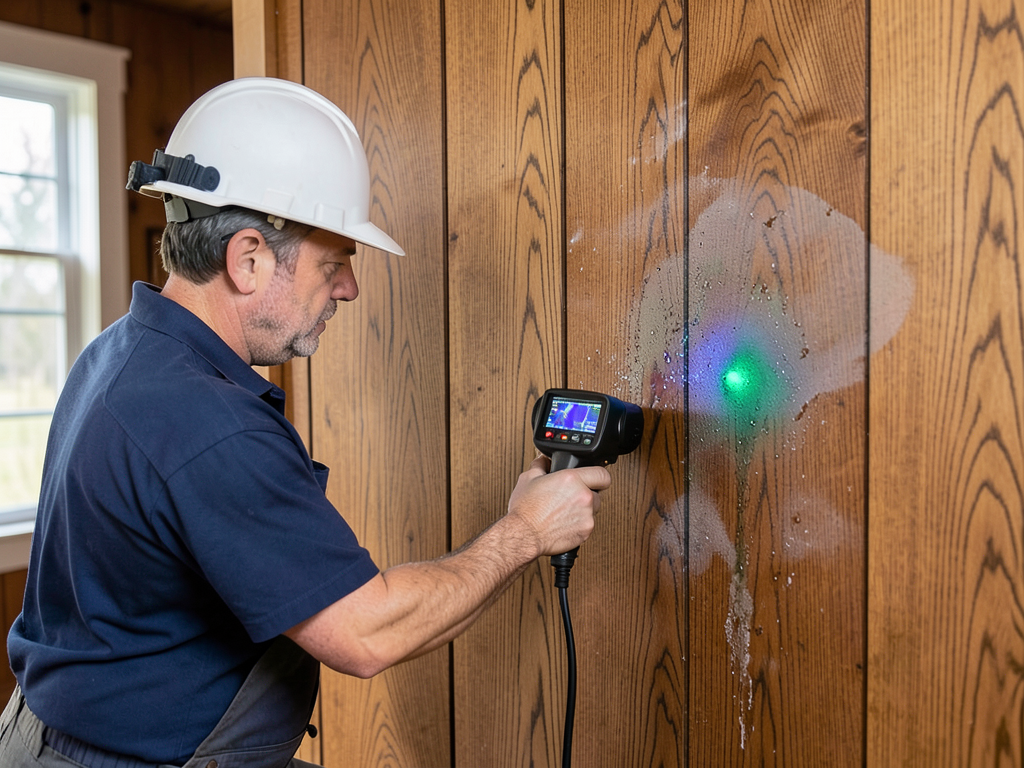
Thermal imaging identifies hidden moisture in wall cavities and under floor systems without destructive testing. This matters when your store houses expensive fixtures or historical elements that cannot be replaced. We document moisture readings at multiple heights because water wicks upward through capillary action in porous materials like brick and concrete block common in St. Louis commercial construction.

Air movers create controlled evaporation rates. Too much airflow damages inventory. Too little airflow extends drying time and increases secondary damage risk. Desiccant dehumidifiers outperform refrigerant models in large open retail spaces because they process higher air volumes and work effectively in lower temperature conditions. We coordinate equipment staging to maintain safe customer pathways if partial operations continue during remediation.

Antimicrobial applications follow IICRC S500 standards for category 2 and 3 water intrusions. Gray water from supply line failures or black water from sewer backups requires different treatment protocols. We treat affected surfaces, dispose of non-salvageable materials per local ordinances, and coordinate with your insurance adjuster to document loss scope.

Retail Water Cleanup Deployment Timeline

Retail Store Water Cleanup in St. Louis | Minimize Downtime and Protect Revenue
01

Emergency Assessment and Containment

Our team arrives within 90 minutes of your call to identify the water source, shut off supply lines, and contain the affected area. We photograph damage patterns, measure moisture levels in structural materials, and deploy emergency extraction equipment to stop water migration. You receive an immediate verbal briefing on operational impact and projected restoration timeline before equipment deployment begins.
02

Extraction and Structural Drying

Truck-mounted extractors remove standing water from sales floors, stockrooms, and mechanical spaces. We position commercial air movers and dehumidifiers based on psychrometric data to create optimal drying conditions. Moisture meters track progress in walls, subfloors, and fixtures. Antimicrobial treatments prevent microbial growth on affected surfaces. Daily monitoring ensures drying targets are met without extending your business interruption period beyond necessary timeframes.
03

Verification and Clearance Documentation

Final moisture readings confirm all structural materials have returned to dry standard levels per IICRC guidelines. We provide documentation packages for your insurance carrier, property manager, and local building officials if permits were required. You receive a detailed summary of all equipment used, materials removed, and areas treated. Post-remediation photographs demonstrate completion status and support your insurance claim documentation requirements.

Why St. Louis Retailers Choose Local Water Damage Specialists

National franchise operations send technicians unfamiliar with St. Louis building construction methods. The region's mix of 19th-century brick structures and mid-century commercial buildings requires specific knowledge. Load-bearing walls in older retail blocks use different framing than modern construction. Drying protocols must account for these differences to prevent structural compromise.

We understand local permit requirements for commercial water damage work. The City of St. Louis Department of Public Safety requires permits for work exceeding certain thresholds. We handle permit applications and coordinate inspections so you avoid compliance issues that could delay reopening. Our relationships with local adjusters, property managers, and commercial insurance carriers streamline the claims process.

Response time matters when every hour of closure costs revenue. Our St. Louis location allows rapid deployment across the metro, from Clayton office buildings to South County shopping centers. We stock commercial-grade equipment locally, eliminating delays waiting for corporate distribution centers to ship specialized tools. You get immediate access to truck-mounted extractors, industrial dehumidifiers, and thermal imaging systems.

Patriot Water Damage Restoration St. Louis maintains relationships with local contractors for reconstruction work beyond the drying phase. If your incident requires ceiling replacement, flooring repairs, or electrical system work, we coordinate trades to compress your total downtime. Single-source accountability means you communicate with one team rather than managing multiple vendors while trying to run your business.

What Your Retail Operation Can Expect

Response Time and Equipment Deployment

We dispatch teams within 90 minutes of your call, 24 hours per day. Initial assessment takes 45-60 minutes depending on building size and damage scope. Emergency extraction equipment arrives on the first visit. You receive a preliminary timeline for drying completion before we begin work. Most retail spaces reach dry standard within 3-5 days with proper equipment placement and monitoring. Complex situations involving multiple floors, extensive inventory exposure, or category 3 water may require extended timelines. We provide daily updates on moisture readings and drying progress so you can plan reopening logistics.

Initial Damage Assessment Process

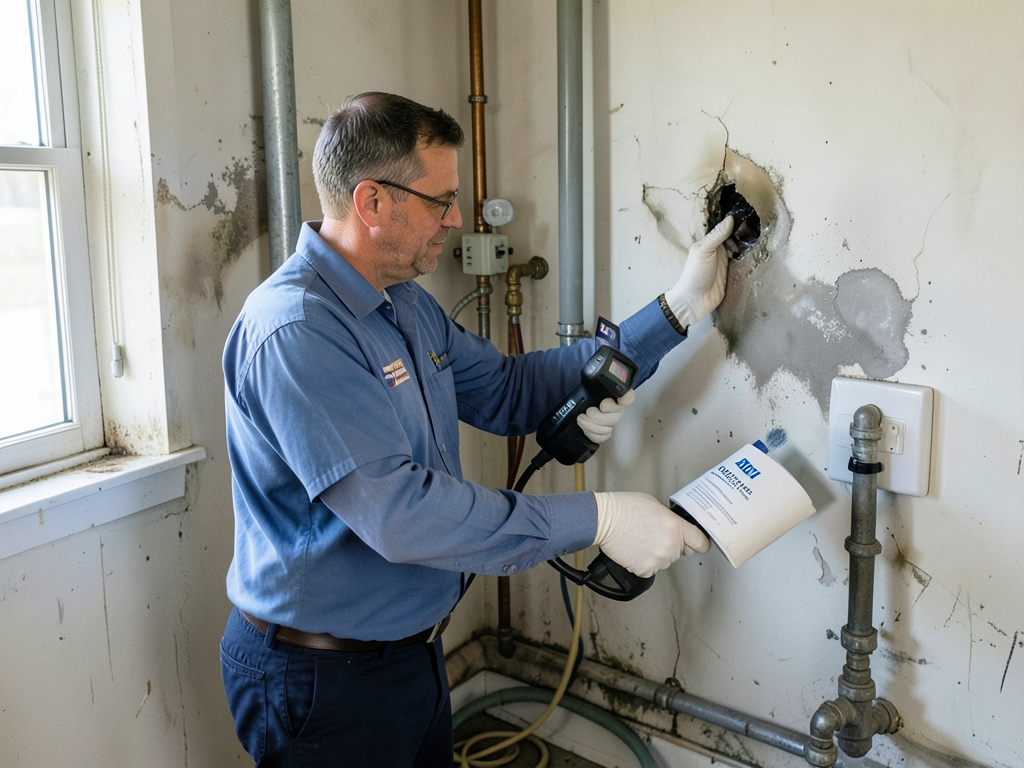
Our assessment documents water source, affected square footage, material types exposed, and water category classification. Thermal imaging identifies moisture in hidden cavities without opening walls unnecessarily. We photograph damage patterns for insurance documentation. Moisture meters measure water content in floors, walls, and fixtures to establish baseline readings. You receive a written scope outlining equipment needed, estimated drying time, and materials requiring removal. This assessment guides insurance claims and helps you make informed decisions about partial operations during restoration work.

Final Deliverables and Documentation

Completion packages include final moisture readings showing all materials at dry standard levels, equipment logs documenting drying times, and photographic records of pre-loss condition, active damage, and post-remediation status. You receive certificates of completion for insurance and property management requirements. We provide itemized invoices detailing all services, materials, and equipment used. This documentation supports your business interruption claims and demonstrates proper mitigation efforts to minimize loss. All records comply with IICRC documentation standards accepted by commercial insurance carriers.

Post-Remediation Monitoring and Support

We conduct follow-up moisture checks 7-10 days after equipment removal to verify no residual moisture remains. If reconstruction work is needed, we coordinate with qualified contractors and provide oversight to ensure proper building envelope restoration. You receive recommendations for preventive measures based on the incident cause. Our team remains available for questions during the insurance settlement process. We provide supplemental documentation if adjusters request additional information. This post-completion support ensures your claim proceeds smoothly and your facility returns to full operational status.

Frequently Asked Questions

You Have Questions,
We Have Answers

How much does a water restoration company charge? +

Water restoration costs vary based on damage severity, square footage, and contamination level. Most St. Louis retail stores pay between a few hundred dollars for minor extraction to several thousand for large-scale structural drying and mold remediation. Class 1 water damage (minimal absorption) costs less than Class 4 (specialty drying). Category 3 water (sewage, flooding from the Mississippi) requires extensive sanitation and disposal, increasing costs. Pricing factors include equipment rental duration, affected materials (carpet versus hardwood), and after-hours emergency response. Request itemized estimates from licensed contractors before work begins. Most companies bill insurance directly.

How to keep a retail store clean? +

Retail store cleanliness requires daily floor sweeping, weekly deep mopping with commercial disinfectants, and quarterly HVAC filter replacement. High-traffic areas near entrances accumulate dirt faster in St. Louis due to seasonal weather shifts. Install walk-off mats to capture debris. Clean restrooms twice daily and wipe high-touch surfaces (door handles, checkout counters) hourly during business hours. Schedule professional carpet extraction every six months. Train staff on spill protocols. Stockrooms need ventilation checks to prevent humidity buildup, which fuels mold growth in Missouri's humid climate. Maintain routine pest control to protect inventory and meet health code requirements.

What kills mold after a water leak? +

EPA-registered antimicrobial solutions kill mold after water leaks, but surface cleaning alone fails. Professional remediation requires HEPA vacuuming, controlled demolition of porous materials (drywall, insulation), and negative air pressure containment. Bleach works on non-porous surfaces but does not penetrate wood or concrete. St. Louis buildings with older brick construction often hide mold in wall cavities where humidity lingers. Technicians apply encapsulants after cleaning to prevent regrowth. Dehumidification must bring moisture levels below 60% within 48 hours. DIY cleaning risks liability if mold returns. Missouri law does not require mold remediation licensing, so verify contractor qualifications carefully.

Do you have to throw everything away after a flood? +

Not everything requires disposal after a flood. Non-porous items (metal shelving, sealed plastics) can be disinfected and salvaged. Category 3 water contamination (sewage, river flooding from the Mississippi or Meramec) requires disposal of porous materials like upholstered furniture, drywall, and unsealed wood. Insurance adjusters document total losses. Electronics need professional evaluation before restoration attempts. Retail inventory depends on packaging integrity and water exposure duration. Items submerged over 48 hours face higher contamination risk. St. Louis retailers should photograph all damaged goods before disposal for claims documentation. Contents restoration specialists use specialized drying chambers for salvageable merchandise.

Do you need a license for water restoration? +

Missouri does not require state-level licensing for water restoration technicians, creating market variability. Look for IICRC certification, which validates training in water damage restoration, structural drying, and applied microbial remediation. Contractors need general liability insurance and proper business registration with St. Louis County or City. Commercial projects may require bonding. Some municipalities enforce additional contractor registration. Federal law mandates EPA lead-safe certification for pre-1978 buildings. Verify workers compensation coverage before allowing crews onsite. OSHA compliance matters for confined space entry and mold remediation. Check references and request proof of continuing education to ensure competency standards.

What is a typical water treatment cost? +

Typical water treatment costs depend on project scope. Emergency extraction runs a few hundred dollars for small areas. Structural drying with industrial dehumidifiers and air movers costs more for multi-day equipment rental. Category 2 or 3 water requires antimicrobial treatment, adding expenses. Reconstruction (drywall replacement, flooring) increases totals significantly. St. Louis retail spaces average higher costs due to commercial building codes requiring fire-rated materials and ADA compliance during restoration. Insurance typically covers sudden water damage but excludes maintenance neglect. Request detailed line-item estimates comparing materials, labor, and equipment separately. Volume pricing applies for multi-location retailers negotiating service agreements.

St. Louis Commercial District Infrastructure and Water Damage Risk

St. Louis commercial buildings in The Central West End, The Loop, and downtown core occupy structures built between 1880 and 1960. These buildings use galvanized steel supply lines that corrode over decades. Clay soil throughout the region shifts with seasonal moisture changes, stressing underground plumbing connections. The region's humidity levels during summer months, when dewpoints regularly exceed 70 degrees, accelerate corrosion in mechanical systems. Retail operators face higher water damage risk from aging infrastructure combined with environmental factors that stress commercial plumbing systems.

Commercial water damage work in St. Louis requires familiarity with mixed-use buildings, shared plumbing risers, and property management protocols common in the metro area. The City of St. Louis and St. Louis County enforce different permit requirements for commercial restoration work. Local building officials expect documentation following established standards for moisture mapping, equipment logs, and completion verification. Choosing restoration providers familiar with these jurisdictional requirements prevents delays that extend business closure. Local expertise matters when coordinating with adjusters who regularly work St. Louis commercial claims.
Water Damage Restoration Services in The St. Louis Area

We are proud to be the trusted local choice for water damage restoration across the greater St. Louis region. This map highlights our primary service zone, demonstrating our commitment to rapid, localized response across every neighborhood and business district within the area. We invite all users to view our service area and then contact us directly for immediate deployment to your specific address within the St. Louis community.

Address:
Patriot Water Damage Restoration St. Louis, 710 N Tucker Blvd, St. Louis, MO, 63101

Additional Services We Offer

Our news updates

Latest Articles & News from The Blogs

What to Do When Your Water Softener Leaks and Floods Your Affton Utility Room A leaking water softener can release…

What to Do When Your Water Softener Leaks and Floods Your Affton Utility Room

What to Do When Your Water Softener Leaks and Floods Your Affton Utility Room A leaking water softener can release…

Restoring a Water Damaged Mid-Century Modern Home in Warson Woods

Restoring a Water Damaged Mid-Century Modern Home in Warson Woods Water damage in a mid-century modern home requires specialized knowledge…

Why Your Walk-Out Basement in Hi-Pointe is Vulnerable to Heavy Rain Runoff

Why Your Walk-Out Basement in Hi-Pointe is Vulnerable to Heavy Rain Runoff Your walk-out basement in Hi-Pointe faces unique flooding…

Contact Us

Water damage costs compound every hour. Call Patriot Water Damage Restoration St. Louis now at (314) 428-9977 for immediate deployment of commercial extraction equipment and technicians who understand retail operational requirements. We respond 24/7 across the St. Louis metro area.