menu

Burst Pipe Water Damage in St. Louis – 24/7 Emergency Response When Every Minute Counts

When a pipe ruptures in your St. Louis home or business, our certified restoration crews arrive within 60 minutes to stop flooding, extract standing water, and prevent structural damage before mold takes hold.

Slider Image 1
Slider Image 2
Slider Image 3
Slider Image 4
Slider Image 5
Slider Image 7
Slider Image 8
Slider Image 9
Slider Image 10
Slider Image 11

Why Burst Pipes Cause Catastrophic Damage in St. Louis Properties

St. Louis winters put extreme stress on your plumbing. When temperatures plummet below freezing and then swing back up, pipes expand and contract. Add in our aging housing stock, much of it built before 1950, and you have a recipe for ruptured pipe water damage.

A burst pipe releases 400 gallons of water per hour. In a basement or crawl space, that water seeps into floor joists, insulation, and drywall within minutes. St. Louis's high humidity makes everything worse. Once materials get wet, mold spores colonize in 24 to 48 hours.

The clay-heavy soil throughout St. Louis County shifts with moisture changes. This ground movement puts pressure on foundation walls and underground supply lines. When a pipe finally gives way, the water damage from burst pipe scenarios often affects multiple rooms before you even notice.

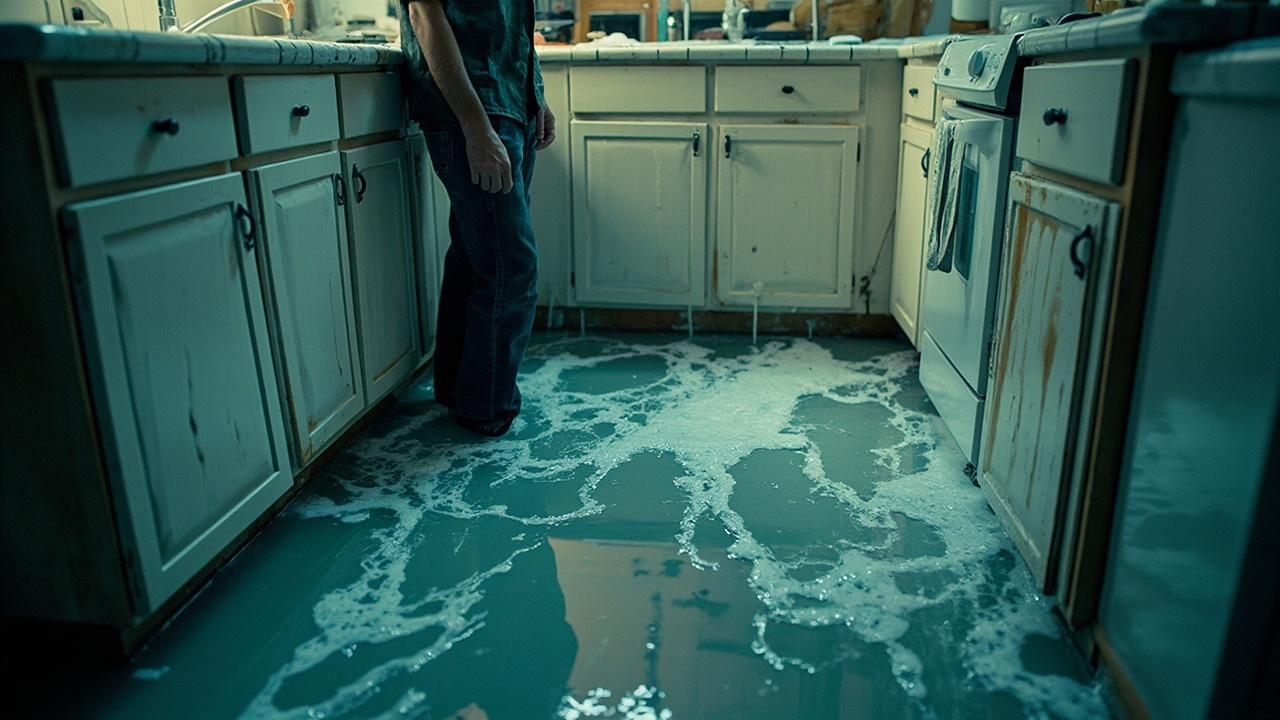
Broken pipe water damage is not just about visible flooding. Water migrates through wall cavities, under flooring, and into HVAC ductwork. You might see a small puddle in your kitchen but miss the saturated subfloor that is already warping. By the time you smell mildew or see stains, the structural damage is significant.

Burst pipe flooding also compromises electrical systems. Water and electricity create life-threatening hazards. If you see water near outlets, breaker panels, or appliances, shut off power to affected areas immediately. Then call professionals trained in burst pipe water cleanup who understand the full scope of mitigation required to protect your property and your family.

Why Burst Pipes Cause Catastrophic Damage in St. Louis Properties
Our Emergency Water Extraction and Structural Drying Process

Our Emergency Water Extraction and Structural Drying Process

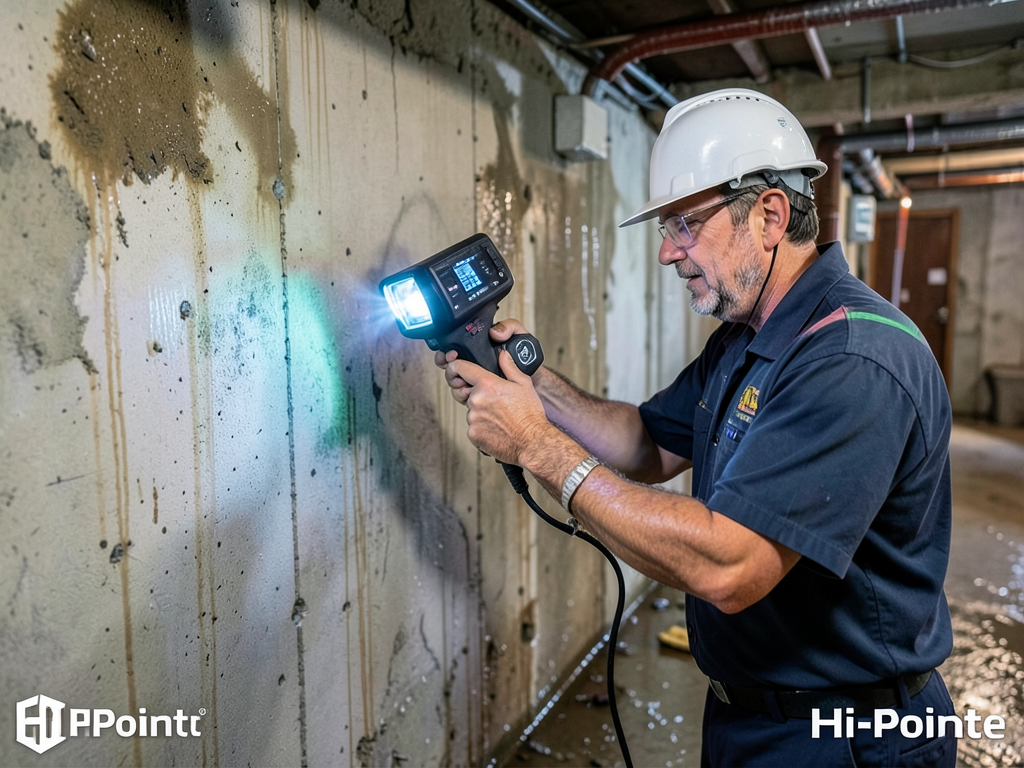
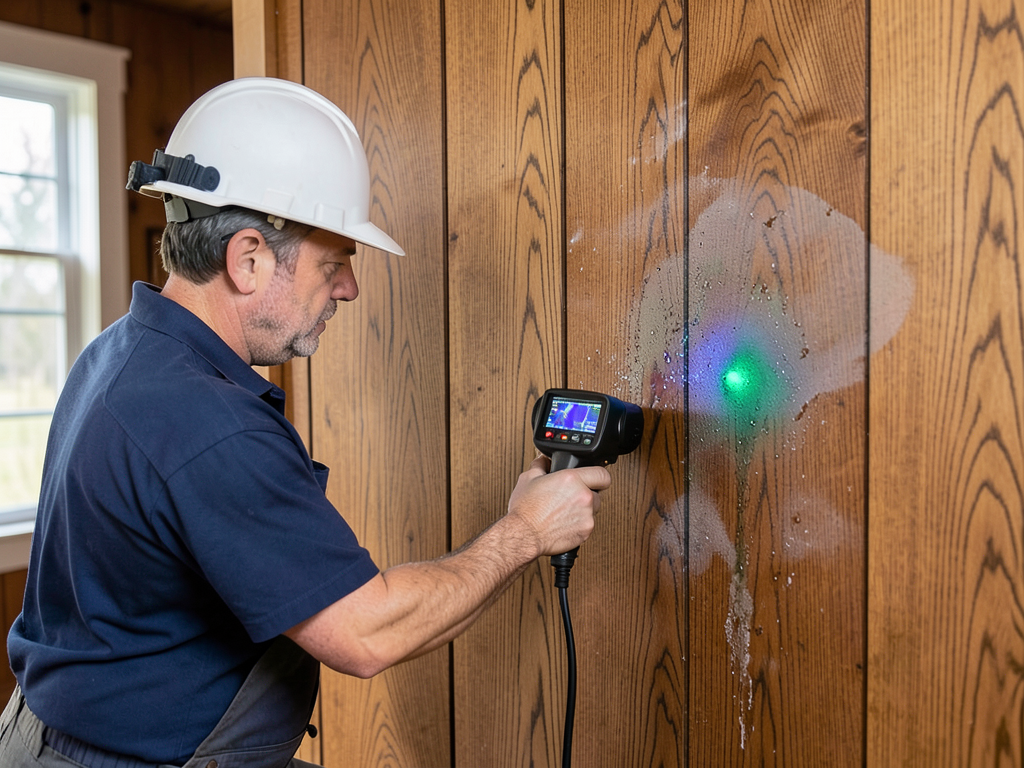
Patriot Water Damage Restoration St. Louis uses thermal imaging cameras to map water migration paths inside walls and ceilings. This technology shows us exactly where moisture has traveled, so we remove only the materials that are compromised, not everything in sight.

We deploy truck-mounted extraction units that pull thousands of gallons per hour. Portable extractors handle tight spaces like closets and bathrooms. Once standing water is gone, we measure moisture content in framing lumber, subfloors, and drywall using pin-type and non-invasive meters. We document everything for your insurance claim.

Our drying protocol follows IICRC S500 standards. We position industrial air movers to create controlled airflow across wet surfaces. Low-grain refrigerant dehumidifiers pull moisture from the air, which accelerates evaporation from building materials. We monitor humidity levels and material moisture readings twice daily until everything reaches dry standard, typically 12 percent moisture content or less for wood framing.

We do not just dry the surface. We verify that wall cavities, insulation, and structural components are fully dry. If insulation is saturated, we remove it. Wet insulation loses R-value and grows mold. If subfloors show delamination or cupping, we document it for replacement.

For ruptured pipe water damage that affects HVAC systems, we inspect ductwork for standing water and microbial growth. Contaminated ducts spread mold spores throughout your property every time the system runs. We clean or replace affected sections based on the extent of contamination. This attention to hidden damage is what separates professional burst pipe water cleanup from a guy with a shop vac.

What Happens When You Call Us for Burst Pipe Water Damage

Burst Pipe Water Damage in St. Louis – 24/7 Emergency Response When Every Minute Counts
01

Immediate Water Shutoff

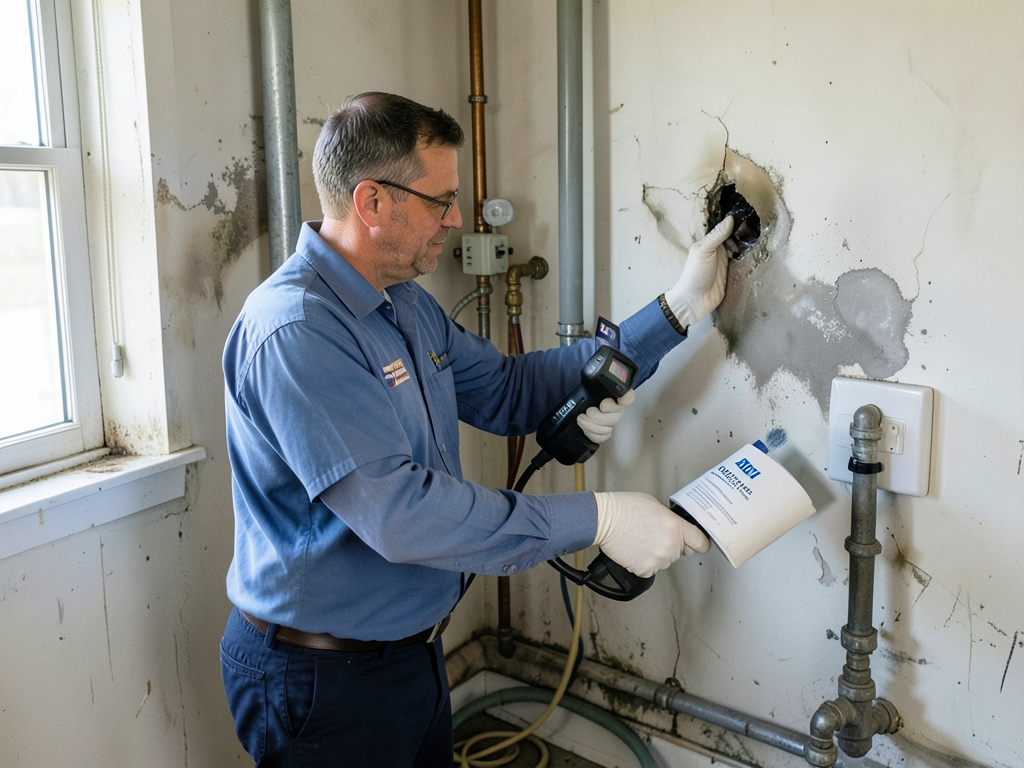
Our crew arrives and locates your main water shutoff valve or the isolation valve feeding the broken pipe. We stop the flow immediately to prevent additional flooding. If the pipe is inside a wall or ceiling, we use moisture meters to pinpoint the rupture location, then create a small access point to cap or clamp the line. Speed here determines how much of your property we can save.
02

Water Extraction and Assessment

We extract all standing water using truck-mounted pumps and portable extractors. While extraction runs, our team documents affected areas with photos and moisture readings. We check adjacent rooms, floors above and below, and any connected spaces. This assessment maps the full scope of water damage from burst pipe incidents and gives your insurance adjuster a clear picture of loss.
03

Structural Drying and Monitoring

We set up air movers and dehumidifiers in a configuration that maximizes evaporation rates. Our technicians return daily to record moisture levels in floors, walls, and ceilings. Drying typically takes three to five days depending on materials affected and outdoor humidity. When all readings hit dry standard, we remove equipment and provide a completion certificate for your insurance company and your records.

Why St. Louis Property Owners Trust Patriot Water Damage Restoration

We have worked in every St. Louis neighborhood, from the historic brick homes in Soulard to the mid-century ranches in Affton. We know how these buildings are constructed. We know where pipes run in plaster-and-lath walls. We know that balloon framing in older homes lets water travel from basement to attic in hours.

St. Louis building codes require specific vapor barriers and insulation standards in flood-prone areas near the Mississippi and Missouri Rivers. We follow those codes when we rebuild. We also understand how local insurance carriers operate. We have worked with every major provider that writes policies in St. Louis County and the City. We document everything they need to approve your claim the first time.

Our crew holds IICRC certifications in Water Damage Restoration and Applied Structural Drying. That means we have completed the industry's most rigorous training programs and passed proctored exams. We are not handymen with wet vacs. We are specialists who understand psychrometrics, vapor pressure, and the science of drying building materials without causing secondary damage.

We also communicate clearly. When you call with burst pipe flooding, you talk to a trained dispatcher who asks the right questions. When our crew arrives, the project lead explains what we are doing and why. You get daily updates during drying. You get a final report with all moisture readings and photos. You never wonder what is happening or when we will finish.

We live and work in St. Louis. Our kids go to school here. We see you at the grocery store. That accountability matters. We treat your property the way we would treat our own.

What You Can Expect During Burst Pipe Water Cleanup

Response Time and Availability

We answer your call 24 hours a day, 365 days a year. A live person picks up, not a voicemail system. We dispatch a crew to your property within 60 minutes for emergency situations. That includes nights, weekends, and holidays. Broken pipe water damage does not wait for business hours, and neither do we. Our trucks carry extraction equipment, air movers, dehumidifiers, and moisture detection tools so we start mitigation the moment we arrive. You do not wait days for equipment rental or a second trip.

Initial Assessment and Documentation

Our project lead walks through every affected area with you. We take detailed photos and moisture readings. We explain what materials can be saved and what needs replacement. We measure room dimensions and document contents that are damaged. This assessment becomes the foundation of your insurance claim. We can also coordinate directly with your adjuster if you prefer. Most adjusters in St. Louis know our work and trust our documentation, which speeds up the approval process and gets you back to normal faster.

Drying Quality and Verification

We do not guess when materials are dry. We measure. Every day, our technicians record moisture content in affected materials using calibrated meters. We compare those readings to dry standard benchmarks established by the IICRC. When everything reaches acceptable levels, we provide a completion certificate with all data logs. This certificate protects you from future mold claims and gives your insurance company proof that the job was done right. We also check for hidden pockets of moisture in wall cavities and subfloors that other companies miss.

Post-Mitigation Support and Rebuild Coordination

Once your property is dry, we can coordinate the rebuild phase with trusted contractors who specialize in water damage reconstruction. We provide them with our final moisture readings and scope of damage so they know exactly what needs replacement. If you prefer to hire your own contractor, we give you all documentation and explain what was affected. We also offer follow-up inspections at 30 and 60 days to verify that no new moisture issues have developed. This extended support ensures that ruptured pipe water damage does not come back to haunt you months later.

Frequently Asked Questions

You Have Questions,
We Have Answers

Will insurance cover water damage from burst pipe? +

Most homeowner insurance policies cover sudden and accidental water damage from burst pipes. If a pipe bursts due to freezing during a St. Louis cold snap or mechanical failure, you are typically covered. However, damage from neglect or lack of maintenance is denied. You must show you maintained the home reasonably. Document everything immediately with photos and videos. Call your insurer within 24 hours and start mitigation fast. St. Louis homes with older galvanized or polybutylene pipes face higher risk, so proactive inspections help your claim stand up.

How many hours below freezing to freeze pipes? +

Pipes can begin freezing after just 6 hours at 20 degrees Fahrenheit or below, but the exact time depends on insulation, wind chill, and pipe location. In St. Louis, exposed pipes in crawl spaces, attics, or exterior walls freeze faster during polar vortex events. Unheated basements near the Mississippi River bluffs are vulnerable. Pipes with no insulation or in unheated garages can freeze in as little as 3 to 4 hours when temperatures drop below 20 degrees. Wind chill accelerates the process.

Who is responsible for burst water pipes? +

Homeowners are responsible for pipes inside the property line and within the structure. The city of St. Louis or your water utility owns pipes from the main to the meter or property line. If a pipe bursts in your basement, crawl space, or walls, you pay for repairs. Landlords are responsible for rental properties unless tenant neglect caused the burst. In multi-family buildings, the condo association typically handles shared plumbing. Check your deed and local St. Louis municipal code to confirm exact responsibility boundaries.

What to do immediately after a pipe bursts? +

Shut off the main water supply immediately. The shutoff valve is usually near the water meter or where the main line enters your home. Move furniture, electronics, and valuables away from water. Turn off electricity to affected areas to prevent shock or fire hazards. Call a licensed plumber to stop the leak and a water damage restoration company to start extraction and drying. Document everything with photos for insurance. In St. Louis, frozen pipe bursts worsen fast due to high indoor humidity, so speed matters.

What is the average insurance payout for water damage? +

The average homeowner insurance payout for water damage ranges from $5,000 to $15,000, but St. Louis claims vary widely based on damage extent, home age, and policy limits. A small burst pipe in a bathroom may cost $3,000 to remediate. A main line failure flooding a finished basement can exceed $30,000 with mold remediation and structural drying. Payouts depend on your deductible, coverage limits, and whether you mitigated damage quickly. Always document losses thoroughly and work with a public adjuster if needed.

Why would insurance deny a water damage claim? +

Insurance denies water damage claims for neglect, maintenance failures, or slow leaks you ignored. If you left your St. Louis home unheated during a freeze warning and pipes burst, that is neglect. Claims are also denied for flood damage, which requires separate flood insurance. Gradual leaks, worn-out pipes, or seepage from poor grading are not covered. If you delayed reporting the damage or failed to mitigate, expect denial. Always document maintenance records and respond immediately when pipes burst to protect your claim.

At what temperature should you let your faucets drip? +

Let faucets drip when temperatures drop to 20 degrees Fahrenheit or below. In St. Louis, this typically happens during January and February cold fronts. Open both hot and cold taps slightly to keep water moving through vulnerable pipes in exterior walls, crawl spaces, or unheated areas. A pencil-thin stream is enough. Moving water resists freezing better than stagnant water. Focus on faucets farthest from the water heater or on north-facing exterior walls. This simple step prevents thousands in burst pipe damage.

What are signs of pipe damage after freezing? +

Signs of pipe damage after freezing include reduced water pressure, discolored or rusty water, strange noises like clanking or banging, visible frost on exposed pipes, and damp spots on walls or ceilings. In St. Louis homes, check crawl spaces and basements after a hard freeze. Bulging or cracked pipes are obvious red flags. You may smell musty odors if water leaked behind drywall. No water flow from a faucet means a blockage or rupture. Call a plumber immediately if you notice any of these warning signs.

What type of pipes burst most easily? +

Copper and PVC pipes burst most easily because they lack flexibility when water expands during freezing. Older galvanized steel pipes, common in pre-1960s St. Louis homes, corrode from the inside and weaken over time. Polybutylene pipes, installed in the 1980s and 1990s, are brittle and fail frequently. PEX pipes resist freezing better due to flexibility but can still burst under extreme pressure. Pipes in uninsulated exterior walls, crawl spaces, or near the foundation are most vulnerable regardless of material. Insulation and heat tape reduce risk.

How much does a plumber cost to fix a burst pipe? +

Plumbers in St. Louis charge $150 to $450 for emergency burst pipe repairs, depending on location, time of day, and damage severity. Simple fixes like replacing a short section of pipe cost less. Complex repairs involving walls, ceilings, or main line access cost more. Weekend and after-hours emergency calls add premium fees. Expect additional costs for water damage restoration, drywall repair, and mold prevention. Always get a written estimate before work begins. Some plumbers offer flat-rate pricing, while others charge hourly plus materials.

How St. Louis Freeze-Thaw Cycles Increase Burst Pipe Risk Year-Round

St. Louis sees dramatic temperature swings between November and March. A hard freeze followed by a 50-degree thaw puts stress on copper and PEX supply lines. Pipes in exterior walls, unheated crawl spaces, and attics are most vulnerable. When water inside a pipe freezes, it expands. That expansion creates micro-fractures in the pipe wall. The pipe might not rupture during the freeze, but when the ice melts and water pressure returns, the weakened section bursts. This delayed failure is why burst pipe flooding often happens during the thaw, not the freeze. It catches property owners off guard because the worst weather has already passed.

Patriot Water Damage Restoration St. Louis works with plumbers, insurance agents, and property managers throughout the metro area. We understand the local building codes for pipe insulation and freeze protection. We also know which neighborhoods have older galvanized steel pipes that are more prone to corrosion and rupture. This local knowledge lets us provide faster, more accurate assessments when you call for burst pipe water cleanup. We are not learning your property type on the job. We have seen it before, we know what to expect, and we know how to fix it right the first time.
Water Damage Restoration Services in The St. Louis Area

We are proud to be the trusted local choice for water damage restoration across the greater St. Louis region. This map highlights our primary service zone, demonstrating our commitment to rapid, localized response across every neighborhood and business district within the area. We invite all users to view our service area and then contact us directly for immediate deployment to your specific address within the St. Louis community.

Address:
Patriot Water Damage Restoration St. Louis, 710 N Tucker Blvd, St. Louis, MO, 63101

Additional Services We Offer

Our news updates

Latest Articles & News from The Blogs

What to Do When Your Water Softener Leaks and Floods Your Affton Utility Room A leaking water softener can release…

What to Do When Your Water Softener Leaks and Floods Your Affton Utility Room

What to Do When Your Water Softener Leaks and Floods Your Affton Utility Room A leaking water softener can release…

Restoring a Water Damaged Mid-Century Modern Home in Warson Woods

Restoring a Water Damaged Mid-Century Modern Home in Warson Woods Water damage in a mid-century modern home requires specialized knowledge…

Why Your Walk-Out Basement in Hi-Pointe is Vulnerable to Heavy Rain Runoff

Why Your Walk-Out Basement in Hi-Pointe is Vulnerable to Heavy Rain Runoff Your walk-out basement in Hi-Pointe faces unique flooding…

Contact Us

Every minute a burst pipe runs, more water soaks into your floors, walls, and belongings. Call Patriot Water Damage Restoration St. Louis now at (314) 428-9977. Our emergency crews are standing by 24 hours a day to stop the flooding and start the restoration.