menu

Commercial Sewage Cleanup in St. Louis – Minimize Downtime and Protect Your Operations

Industrial-grade commercial sewage remediation designed to restore your St. Louis facility fast, maintain compliance with local health codes, and prevent business disruption from contaminated wastewater events.

Slider Image 1
Slider Image 2
Slider Image 3
Slider Image 4
Slider Image 5
Slider Image 7
Slider Image 8
Slider Image 9
Slider Image 10
Slider Image 11

Why St. Louis Commercial Properties Face Elevated Sewage Backup Risk

St. Louis commercial facilities face unique vulnerabilities from aging municipal sewer infrastructure, combined storm-sanitary systems in older downtown districts, and the area's clay-heavy soil composition that causes ground shifting and pipe separation. When commercial sewer backup cleaning becomes urgent, you are managing liability exposure, health code violations, and revenue loss simultaneously.

Category 3 black water extraction is not routine maintenance. Industrial sewage cleanup requires containment protocols that prevent cross-contamination to unaffected zones, specialized PPE for technicians, and disposal methods that comply with Missouri Department of Natural Resources regulations. A retail store in the Central West End or a warehouse in the Carondelet industrial corridor cannot afford extended closures while contaminated wastewater sits in the building envelope.

Commercial sewage removal differs from residential response in scope and stakes. You manage tenant obligations, employee safety concerns, and potential pathogen exposure across high-traffic areas. The Mississippi River's proximity means many St. Louis commercial properties were built on soil with high water tables, increasing hydrostatic pressure on below-grade spaces. This creates persistent risk for basement backups during heavy precipitation events, which St. Louis experiences year-round due to humid continental climate patterns.

Business continuity depends on rapid commercial sewage remediation that addresses both visible contamination and microbial infiltration into porous building materials. Delays compound costs exponentially.

Why St. Louis Commercial Properties Face Elevated Sewage Backup Risk
How Patriot Water Damage Restoration St. Louis Executes Commercial Sewage Remediation

How Patriot Water Damage Restoration St. Louis Executes Commercial Sewage Remediation

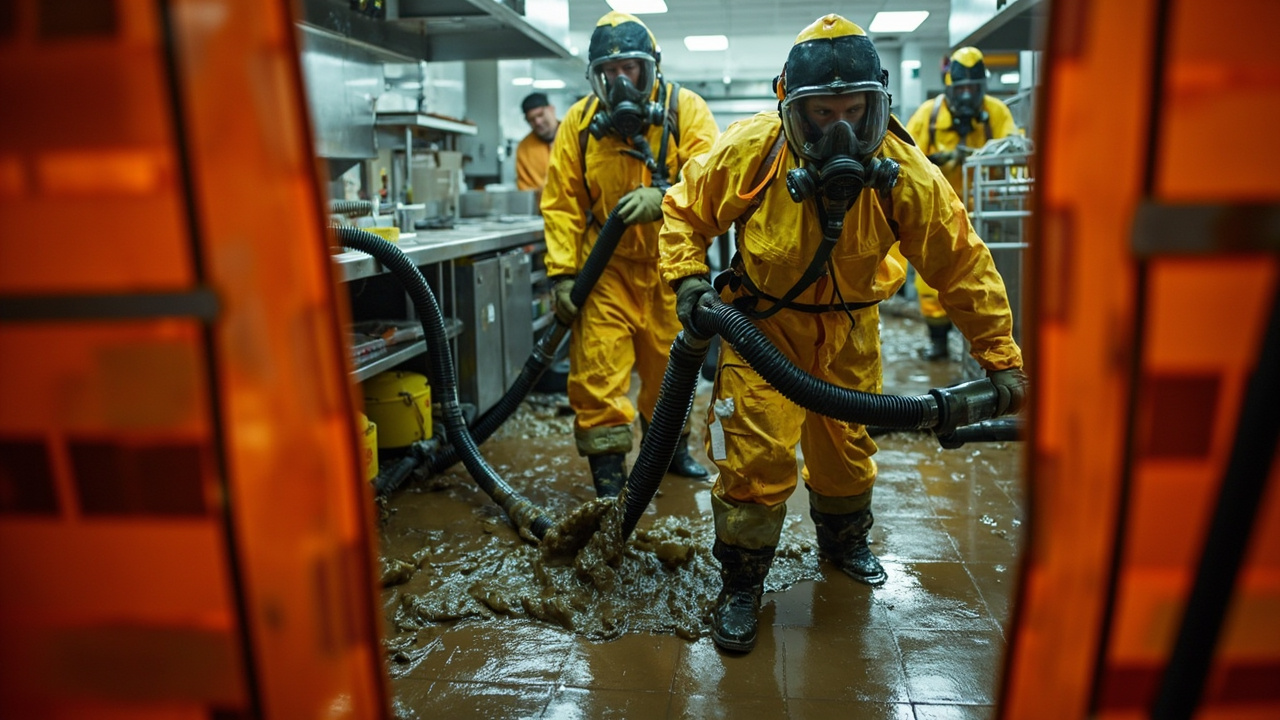
Commercial black water extraction begins with immediate containment using negative air machines and physical barriers to isolate contaminated zones. We establish controlled work environments that prevent airborne pathogen migration to occupied spaces, which is critical for facilities that cannot fully shut down operations.

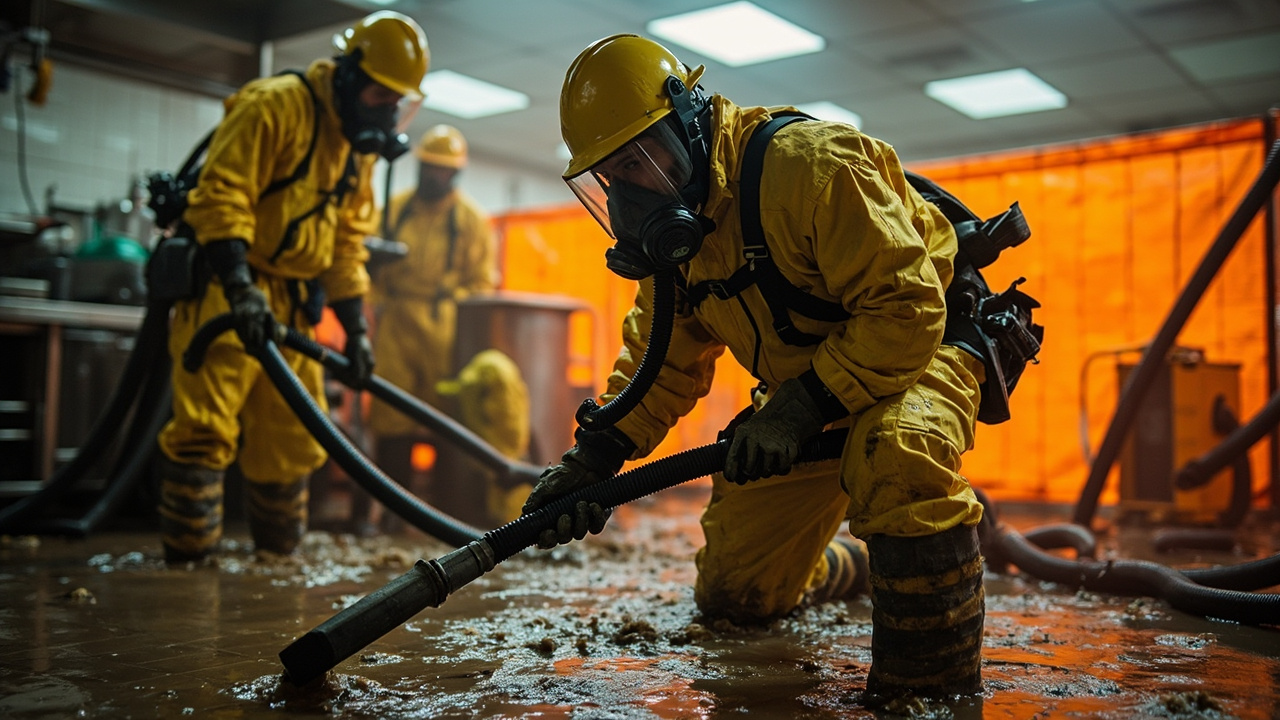
Our industrial sewage cleanup methodology uses truck-mounted extractors capable of handling high-volume slurry removal from commercial spaces. Standard shop vacs cannot process the solid waste content in Category 3 water. We deploy submersible pumps rated for sewage solids, then follow with hot water extraction at temperatures that begin microbial deactivation before antimicrobial application.

Material removal decisions follow IICRC S500 protocols specific to Category 3 contamination. Porous materials like drywall, insulation, and carpet padding get removed to 12 inches above visible contamination lines because wicking draws pathogens upward through capillary action. Non-porous surfaces receive multi-stage disinfection using EPA-registered antimicrobials effective against enteric bacteria, hepatitis A virus, and parasitic cysts common in sewage.

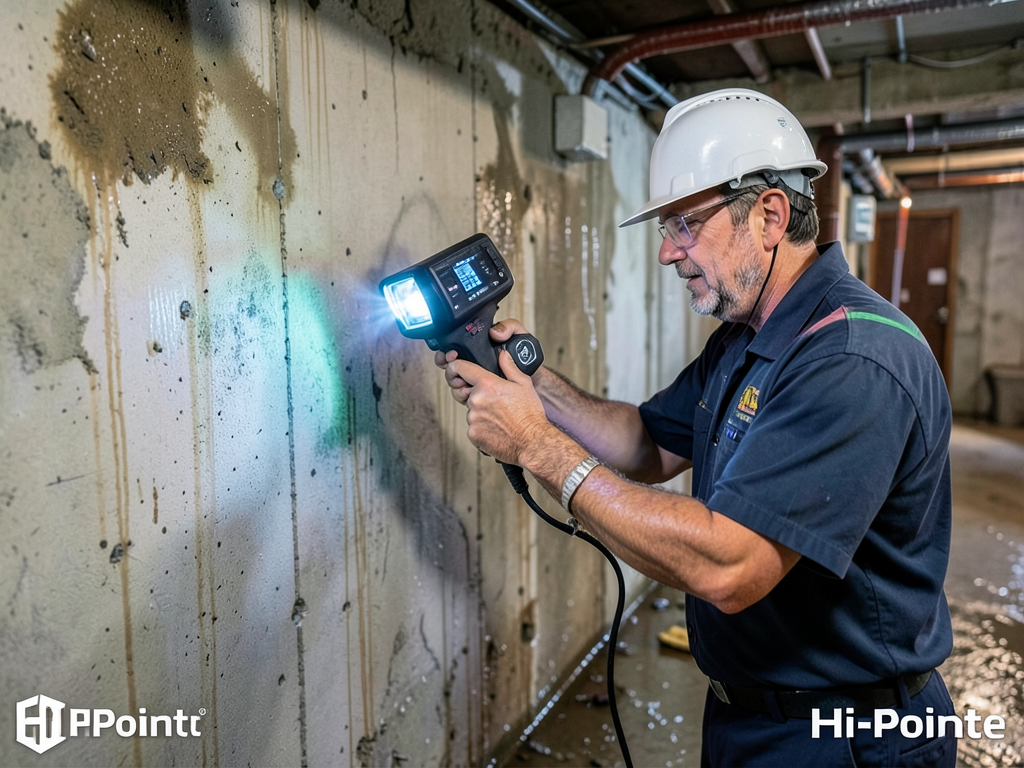
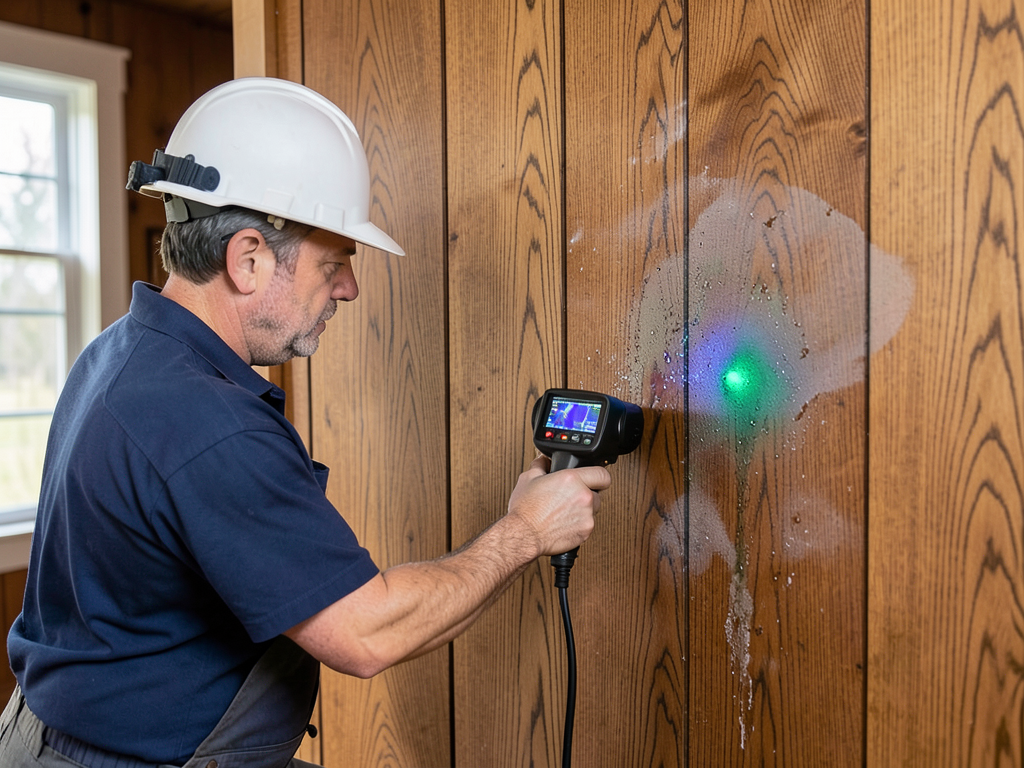
St. Louis's building stock includes many pre-1950 structures with brick foundations and lime mortar, which are highly porous. These materials require extended drying protocols and antimicrobial treatments that penetrate substrate. We use thermal imaging to map moisture intrusion into wall cavities and commercial-grade dehumidifiers that process 200-plus pints per day to achieve structural drying in compressed timeframes.

Documentation is continuous. Commercial sewage removal generates chain-of-custody records for contaminated material disposal, daily moisture readings, and photo evidence that satisfy insurance adjusters and health inspectors.

How We Restore Your Commercial Space After Sewage Contamination

Commercial Sewage Cleanup in St. Louis – Minimize Downtime and Protect Your Operations
01

Emergency Containment and Assessment

Within two hours of your call, our technicians establish physical containment barriers using polyethylene sheeting and create negative pressure zones to prevent contamination spread. We map the affected area using moisture meters and thermal imaging, identify source points, and classify contamination categories. This assessment determines material salvageability, generates a preliminary scope, and establishes baseline documentation for your insurance claim and regulatory compliance needs.
02

Extraction and Decontamination

Truck-mounted extractors remove standing sewage and solid waste, followed by removal of contaminated porous materials that cannot be effectively disinfected. We apply hospital-grade antimicrobials to all affected surfaces using electrostatic sprayers that ensure complete coverage on irregular surfaces. High-capacity air movers and dehumidifiers begin structural drying immediately. All contaminated materials are bagged, labeled, and disposed of following Missouri solid waste regulations for biohazardous material handling.
03

Verification and Clearance Testing

After materials reach equilibrium moisture content, we conduct ATP surface testing to verify microbial load reduction to safe levels. Third-party environmental testing is available for spaces requiring documented clearance before reoccupancy. We provide a complete drying log with daily readings, disposal manifests, and pre-loss/post-remediation photo documentation. Your facility receives clearance certification that satisfies health department requirements, insurance documentation needs, and demonstrates due diligence for liability protection.

Why St. Louis Commercial Property Managers Choose Patriot Water Damage Restoration

Commercial sewage backup cleaning requires provider capacity that matches facility scale. Patriot Water Damage Restoration St. Louis maintains industrial-grade extraction equipment, multiple truck-mounted units, and crew capacity to manage projects from 5,000-square-foot retail spaces to 50,000-square-foot warehouses without mobilization delays.

We understand St. Louis's commercial real estate landscape. The Delmar Loop's mixed-use buildings have different plumbing configurations than the industrial facilities along Riverview Drive. Historic commercial structures in Soulard require remediation approaches that account for century-old brick and timber construction. Our technicians have worked in the region's commercial corridors and understand building-specific challenges before arriving on site.

Regulatory compliance is non-negotiable. Commercial facilities must satisfy St. Louis City Department of Health standards for reoccupancy after sewage contamination events. We maintain documentation protocols that meet these requirements, including chain-of-custody for contaminated material disposal and surface testing verification. This protects you from potential citations, liability claims, and occupancy delays.

Insurance coordination is built into our process. We provide detailed photo documentation, moisture mapping data, and itemized scopes formatted for commercial adjusters. Our estimates reference Xactimate pricing, which accelerates approval timelines and reduces back-and-forth negotiation that extends your business disruption.

Response time determines loss magnitude. Every hour sewage contamination remains active, microbial amplification increases, odor penetration deepens into building materials, and contamination migrates to additional zones. Our dispatch protocols prioritize commercial emergencies because we understand revenue implications. You get technicians on site, not appointment scheduling.

What to Expect During Commercial Sewage Remediation

Rapid Commercial Response Protocols

Commercial sewage cleanup operates on compressed timelines that residential projects do not. We dispatch technicians to St. Louis commercial properties within two hours of contact, with full crews and equipment staging within four hours for projects requiring multi-tech response. Night and weekend calls receive identical priority because we understand commercial facilities operate beyond standard business hours. Our dispatch system alerts crew leads immediately, and we maintain ready equipment trailers that eliminate mobilization delays. You receive estimated arrival times during the initial call, and technicians communicate directly if route conditions change projected arrival.

Commercial Property Assessment Process

Initial assessment focuses on business continuity planning alongside remediation scoping. We identify which zones can remain operational during cleanup, establish containment strategies that minimize disruption to unaffected areas, and provide timeline projections for phased reoccupancy if full closure is not necessary. Our technicians use moisture mapping technology to identify hidden contamination in wall cavities, under flooring systems, and in HVAC plenums that visual inspection misses. You receive a written scope within 24 hours that breaks down material removal requirements, drying timelines, and regulatory testing recommendations. This documentation supports insurance claims and internal stakeholder communication.

Verified Decontamination and Clearance

Commercial properties cannot reopen on visual inspection alone. We provide ATP testing that quantifies surface microbial load reduction and verifies antimicrobial treatment effectiveness. For facilities with heightened liability concerns, including food service establishments, healthcare facilities, and childcare centers, we coordinate third-party environmental testing that generates lab reports satisfying regulatory requirements. Your final deliverable includes complete photo documentation showing pre-loss conditions, contamination extent, remediation process, and post-remediation verification. This documentation package protects you in potential liability claims and demonstrates due diligence to insurers, regulators, and tenants demanding proof of safe reoccupancy.

Post-Remediation Monitoring and Prevention

Sewage backups often indicate underlying plumbing infrastructure problems that will recur without correction. After remediation, we provide recommendations for preventive measures, including backwater valve installation, sump pump upgrades for below-grade spaces, and monitoring systems that alert you to rising wastewater levels before overflow occurs. For properties experiencing repeat events, we conduct drainage system evaluations and coordinate with licensed plumbers to identify root causes. Commercial facilities benefit from documented maintenance protocols that demonstrate proactive risk management, which can influence insurance premium negotiations and reduce liability exposure in tenant disputes related to building maintenance obligations.

Frequently Asked Questions

You Have Questions,
We Have Answers

How much does sewage cleanup cost? +

Commercial sewage cleanup costs depend on contamination severity, affected square footage, and structural damage. Category 3 water (raw sewage) requires specialized extraction, antimicrobial treatment, and disposal protocols that increase labor and equipment expenses. Multi-story buildings or properties with porous materials like drywall and insulation face higher costs due to demolition and replacement needs. St. Louis commercial properties built on clay soil may experience foundation settling that complicates remediation. Request a detailed estimate that separates extraction, disinfection, demolition, and restoration phases. Most firms bill per square foot or hourly for emergency response. Document everything for your insurance adjuster.

Does insurance cover sewage cleanup? +

Commercial general liability policies typically exclude sewage damage unless you purchased specific endorsements. Property insurance may cover sudden sewer backups if caused by covered perils, but gradual seepage or lack of maintenance voids coverage. Review your policy declarations for sewer backup riders or pollution liability clauses. In St. Louis, older buildings near the Mississippi River floodplain face higher premiums due to sewer system age and storm surge risk. Your insurer requires professional documentation, including moisture readings, contamination logs, and disposal manifests. File claims immediately and maintain detailed records of business interruption losses to support reimbursement requests.

How often should sewage be cleaned? +

Commercial properties should schedule preventive sewer line inspections annually, particularly facilities handling high grease loads like restaurants or manufacturing operations with chemical discharge. St. Louis experiences freeze-thaw cycles that stress aging clay and cast iron pipes, accelerating crack formation. Properties with mature trees near lateral lines need more frequent camera inspections due to root intrusion. High-traffic facilities benefit from quarterly drain maintenance to prevent buildup. Post-cleanup, monitor drains weekly for slow drainage or odors indicating residual contamination. Scheduled maintenance costs significantly less than emergency sewage extraction and lost business revenue during mandatory closures.

Do plumbers clean up sewage? +

Licensed plumbers diagnose and repair sewer line failures but typically do not perform biohazard remediation. Sewage cleanup requires IICRC-certified restoration technicians trained in Category 3 water protocols, antimicrobial application, and proper disposal of contaminated materials. Plumbers locate blockages, repair broken lines, and restore functionality. Restoration crews handle extraction, structural drying, demolition of porous materials, and decontamination. Commercial projects in St. Louis often require coordinated efforts between plumbers addressing the source failure and restoration teams managing contamination spread. Hire specialized firms to avoid liability gaps and ensure compliance with OSHA bloodborne pathogen standards.

How long does sewage cleanup take? +

Commercial sewage cleanup timelines range from three days for localized backups to three weeks for multi-floor contamination events. Initial extraction and antimicrobial treatment take 24 to 48 hours. Structural drying requires five to seven days depending on humidity levels and airflow. St. Louis summer humidity can extend drying phases. Demolition of contaminated drywall, flooring, and insulation adds two to four days. Final restoration work depends on materials and square footage. Facilities with concrete slab foundations dry faster than properties with crawl spaces. Business interruption length depends on your ability to isolate affected zones and maintain partial operations.

Why is my sewer bill 200 dollars? +

High sewer bills reflect water usage volume, not sewage cleanup costs. Municipal sewer charges in St. Louis are calculated based on metered water consumption, with commercial rates higher than residential due to assumed wastewater load. A 200-dollar bill indicates significant water use, leaks, or seasonal increases. If you experienced a sewage backup, inspect for hidden leaks that inflate consumption readings. Damaged supply lines or running toilets contribute to billing spikes. Sewage cleanup itself is a separate restoration expense, not a utility charge. Contact Metropolitan St. Louis Sewer District to verify meter accuracy and review consumption patterns before assuming billing errors.

What is the average lifespan of a sewer line? +

Commercial sewer lines last 40 to 100 years depending on material composition and soil conditions. Cast iron pipes common in pre-1980 St. Louis buildings corrode within 50 years due to hydrogen sulfide gas. Clay tile lines crack from ground movement in the region's expansive clay soils. PVC and HDPE lines installed after 1990 offer 100-year lifespans with proper bedding. Tree roots accelerate deterioration regardless of material. Properties near the River Des Peres or Meramec River face hydrostatic pressure that stresses joints. Schedule camera inspections every five years after the 30-year mark to identify cracks, offsets, or bellied sections before catastrophic failure.

How much does sewage insurance cost? +

Sewage backup endorsements for commercial properties cost 200 to 1,500 dollars annually depending on coverage limits, location, and claims history. Policies typically cap payouts at 10,000 to 50,000 dollars per occurrence. St. Louis properties in flood zones or areas with combined sewer systems face higher premiums due to elevated risk. Standalone pollution liability insurance for facilities handling hazardous materials costs significantly more. Premiums reflect property age, pipe material, and proximity to municipal mains. Underwriters may require recent camera inspections or backflow preventer installations before binding coverage. Compare actual replacement cost versus depreciated value coverage to avoid payout shortfalls.

Are trenchless sewer repairs worth it? +

Trenchless sewer repairs cost 30 to 50 percent more upfront but eliminate excavation expenses, landscaping restoration, and business downtime. Commercial properties benefit most when lines run beneath parking lots, loading docks, or established landscaping. Pipe bursting and cured-in-place pipe lining restore structural integrity without surface disruption. St. Louis properties with lines crossing under historic sidewalks or adjacent buildings avoid permitting delays and structural risks. Trenchless methods finish in one to three days versus two weeks for open-cut excavation. Calculate total project cost including surface restoration and lost revenue. Properties with severely collapsed or misaligned pipes may still require excavation.

How do professionals clean sewer lines? +

Professional sewer line cleaning uses hydro-jetting equipment that propels water at 3,000 to 4,000 PSI to scour pipe interiors and remove grease, scale, and root intrusions. Technicians insert rotating nozzles through cleanout access points, flushing debris toward the municipal main. Camera inspections before and after cleaning verify blockage removal and identify structural damage. St. Louis facilities with mature tree canopies require root-cutting attachments before jetting. Commercial kitchens need enzyme treatments to break down organic buildup between service calls. Technicians capture and dispose of contaminated water per EPA regulations. Routine cleaning prevents emergency backups and extends pipe lifespan.

How St. Louis's Combined Sewer System Increases Commercial Sewage Backup Risk

St. Louis operates combined sewer infrastructure in older commercial districts where stormwater and sanitary sewage share conveyance pipes. During heavy rain events, system capacity is exceeded and backflow forces sewage into commercial basements through floor drains and lower-level fixtures. The Metropolitan St. Louis Sewer District has documented 43 combined sewer overflow points that activate during moderate precipitation. Commercial properties in the Central West End, Downtown, and near the Riverfront are at elevated risk. Understanding this infrastructure reality is essential for commercial sewage remediation providers because it informs prevention recommendations and helps property managers assess ongoing risk exposure.

Commercial sewage cleanup in St. Louis requires familiarity with the city's building code enforcement structure and health department reoccupancy protocols. The Department of Health conducts inspections of commercial properties following sewage contamination events before issuing occupancy clearance. Providers unfamiliar with local inspection standards often complete remediation that fails to satisfy municipal requirements, resulting in delayed reopening and additional costs. Patriot Water Damage Restoration St. Louis maintains documentation protocols developed through years of working with local inspectors, which accelerates clearance timelines and eliminates compliance surprises. This local knowledge protects your reopening schedule and ensures remediation meets municipal standards the first time.
Water Damage Restoration Services in The St. Louis Area

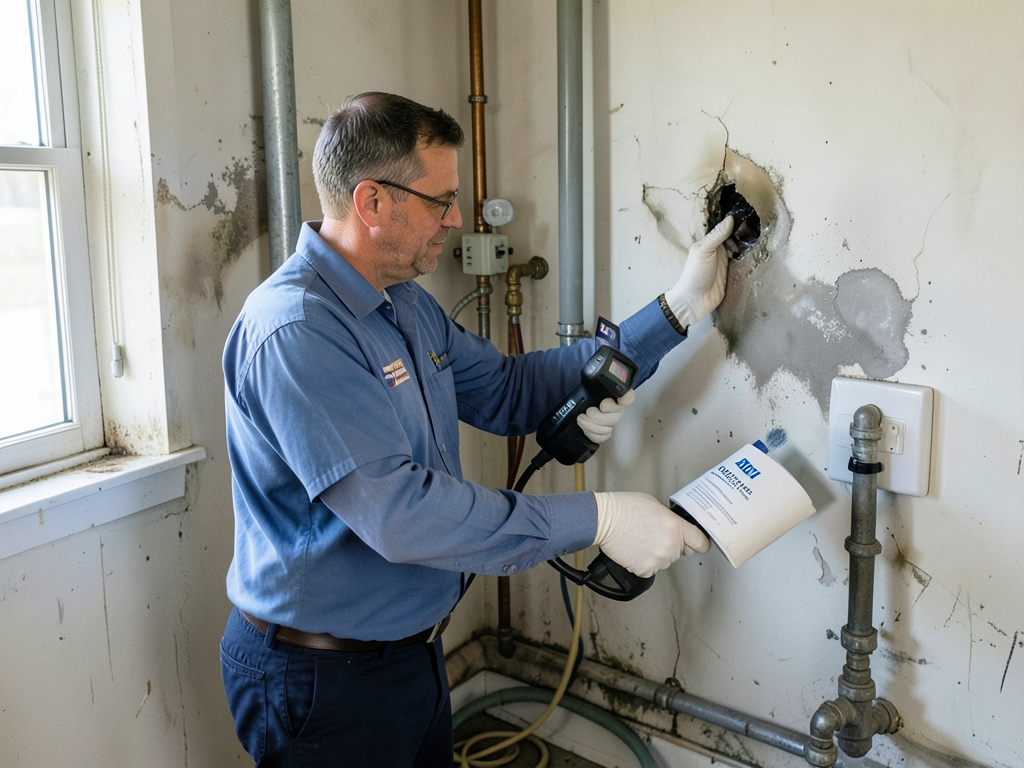
We are proud to be the trusted local choice for water damage restoration across the greater St. Louis region. This map highlights our primary service zone, demonstrating our commitment to rapid, localized response across every neighborhood and business district within the area. We invite all users to view our service area and then contact us directly for immediate deployment to your specific address within the St. Louis community.

Address:
Patriot Water Damage Restoration St. Louis, 710 N Tucker Blvd, St. Louis, MO, 63101

Additional Services We Offer

Our news updates

Latest Articles & News from The Blogs

What to Do When Your Water Softener Leaks and Floods Your Affton Utility Room A leaking water softener can release…

What to Do When Your Water Softener Leaks and Floods Your Affton Utility Room

What to Do When Your Water Softener Leaks and Floods Your Affton Utility Room A leaking water softener can release…

Restoring a Water Damaged Mid-Century Modern Home in Warson Woods

Restoring a Water Damaged Mid-Century Modern Home in Warson Woods Water damage in a mid-century modern home requires specialized knowledge…

Why Your Walk-Out Basement in Hi-Pointe is Vulnerable to Heavy Rain Runoff

Why Your Walk-Out Basement in Hi-Pointe is Vulnerable to Heavy Rain Runoff Your walk-out basement in Hi-Pointe faces unique flooding…

Contact Us

Sewage contamination costs you revenue every hour it remains unaddressed. Call Patriot Water Damage Restoration St. Louis now at (314) 428-9977 for immediate commercial response. Our crews are dispatched within two hours with industrial-grade equipment ready to restore your facility.