menu

Structural Drying Services in St. Louis – Advanced Moisture Control That Prevents Hidden Mold and Structural Collapse

Patriot Water Damage Restoration St. Louis uses thermal imaging and hygroscopic monitoring to dry your property at the structural level, stopping mold growth before it starts and preventing long-term damage that surface drying can't address.

Slider Image 1
Slider Image 2
Slider Image 3
Slider Image 4
Slider Image 5
Slider Image 7
Slider Image 8
Slider Image 9
Slider Image 10
Slider Image 11

Why Surface Drying Fails in St. Louis Homes and Buildings

When water intrudes into your St. Louis property, most of what you see dries in a few days. The real problem is what you don't see. Water migrates into wall cavities, subfloors, and concrete slabs, where humidity from the Mississippi River and spring flooding cycles create perfect conditions for hidden damage.

St. Louis sits in a humid continental climate zone where relative humidity routinely hits 70 percent from May through September. That moisture combines with water trapped in building materials to create a slow-motion disaster. Drywall absorbs water like a sponge. Wood framing swells and weakens. Concrete wicks moisture upward through capillary action.

You might think the problem is solved once visible water disappears, but structural moisture continues degrading materials for weeks. Mold colonies establish within 48 hours in dark, damp cavities. Floor joists lose load-bearing capacity. Metal fasteners corrode. The longer moisture remains in structural components, the more expensive the repair becomes.

Professional structural drying services use industrial dehumidifiers, air movers, and moisture meters to remove water from materials other methods can't reach. Restorative drying services target the hidden moisture pockets that cause callbacks and insurance claims months later. Rapid structural drying prevents secondary damage that costs three times more to fix than the original water event. Structure drying solutions address the physics of evaporation, not just surface appearances. This is not about pointing fans at wet carpet. This is about changing the vapor pressure gradient inside wall assemblies and subflooring systems to force moisture out at the molecular level.

Why Surface Drying Fails in St. Louis Homes and Buildings
How Structural Dehumidification Services Actually Work

How Structural Dehumidification Services Actually Work

Structural drying is a calculated engineering process. We manipulate temperature, humidity, and airflow to create conditions where trapped moisture has no choice but to evacuate from building materials.

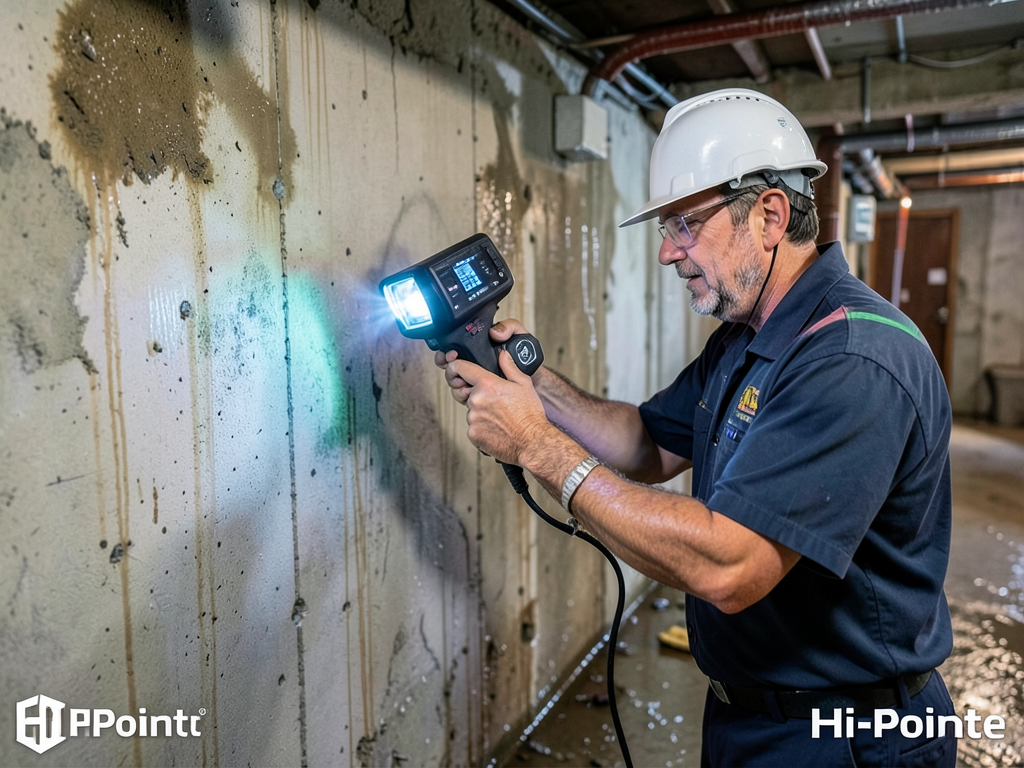
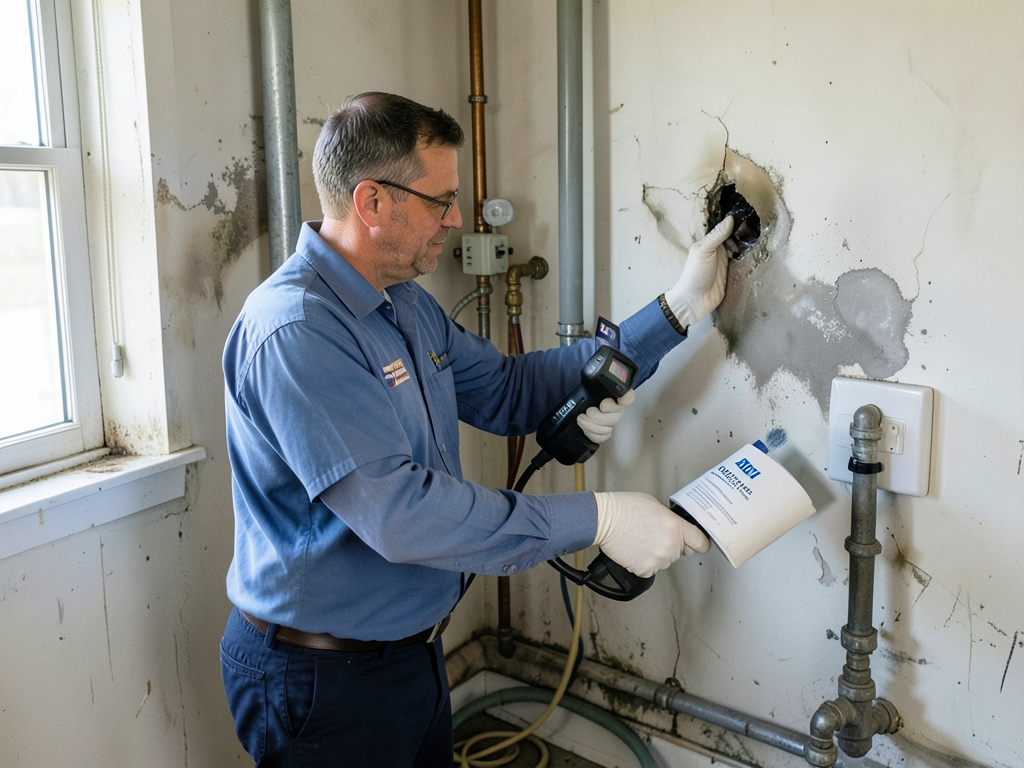
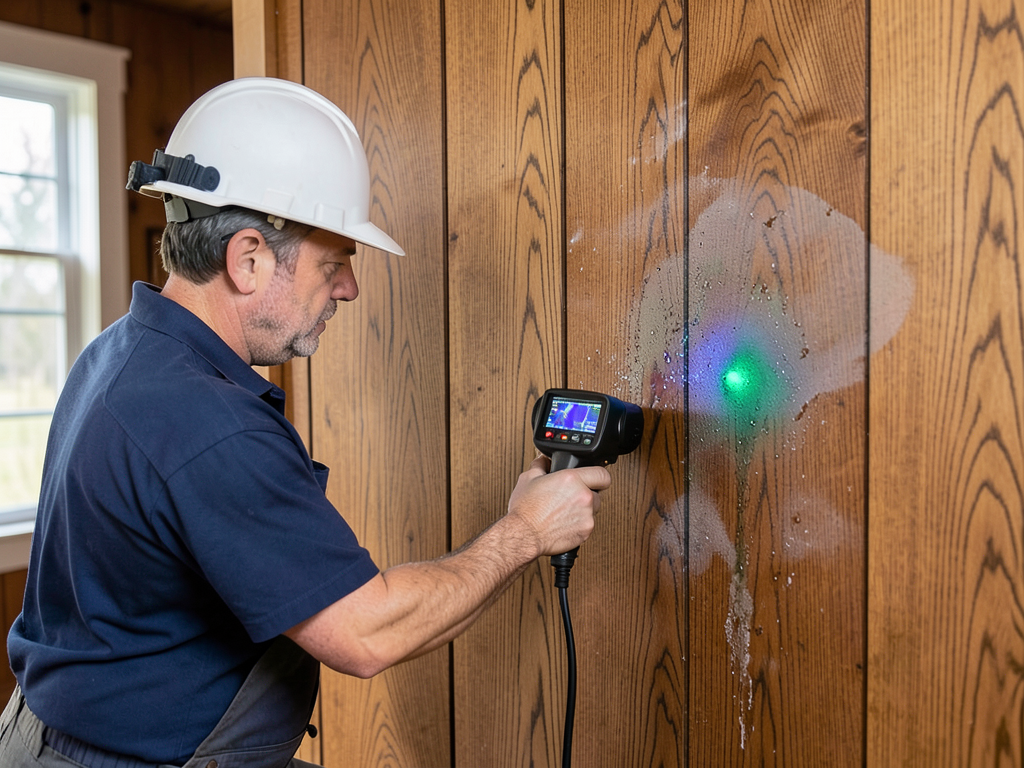
First, we map moisture distribution using thermal imaging cameras and penetrating moisture meters. Thermal imaging reveals temperature differentials that indicate wet insulation, trapped water in wall cavities, and moisture-laden concrete. Penetrating meters measure moisture content deep inside wood framing and drywall, giving us objective data on saturation levels.

Next, we calculate the grain depression required to achieve drying. Grain depression is the difference between the moisture content of the air and the moisture content of the wet material. We need the air to be drier than the material, or evaporation stops. We achieve this by deploying refrigerant dehumidifiers or desiccant dehumidifiers depending on ambient conditions and material type.

Refrigerant dehumidifiers work like air conditioners, condensing moisture out of the air when temperatures are above 60 degrees. Desiccant dehumidifiers use silica gel to absorb moisture and work in cold environments or when we need extremely low humidity levels. We position air movers to create turbulent airflow across wet surfaces, breaking up the boundary layer of humid air that slows evaporation.

We monitor drying progress daily using the same moisture meters and thermal cameras. Drying is complete when moisture content returns to pre-loss levels, verified by comparison readings from unaffected areas. We document everything with moisture logs and psychrometric calculations to prove the structure is dry for insurance purposes. This is professional structural drying, not guesswork with box fans.

What Happens During Your Structural Drying Project

Structural Drying Services in St. Louis – Advanced Moisture Control That Prevents Hidden Mold and Structural Collapse
01

Initial Moisture Assessment

We arrive with thermal imaging cameras and moisture detection equipment to map every wet area in your property. This includes hidden moisture in wall cavities, under flooring, and inside structural assemblies. We document baseline moisture readings and photograph affected areas for insurance documentation. You get a written moisture map showing exactly where water migrated and which materials need professional structural drying attention before we place a single piece of equipment.
02

Equipment Deployment and Monitoring

We install commercial dehumidifiers and air movers calibrated to your specific drying environment. Equipment placement follows psychrometric principles to maximize evaporation rates in affected materials. We return daily to download data loggers, measure moisture content changes, and adjust equipment as conditions evolve. You see measurable progress in moisture readings every 24 hours. We keep drying until moisture meters confirm your structure has returned to normal levels, typically three to seven days depending on materials and saturation depth.
03

Final Verification and Documentation

We perform final moisture readings in all affected areas and compare them to unaffected control areas to confirm complete drying. You receive a detailed drying log with daily moisture readings, equipment runtime data, and thermal images showing before and after conditions. This documentation proves to your insurance carrier that structural drying was performed to industry standards and your property is ready for reconstruction. We remove all equipment and walk you through the verification process so you understand exactly what was accomplished.

Why St. Louis Properties Need Local Structural Drying Expertise

St. Louis has specific structural drying challenges that out-of-town restoration companies don't understand. The clay soil throughout the metro area expands and contracts with moisture changes, causing foundation movement that cracks basement walls and creates water entry points. When flooding happens, that same clay soil holds water against foundation walls for weeks, requiring specialized drying strategies for below-grade spaces.

The housing stock in neighborhoods like Soulard, Tower Grove, and Lafayette Square features brick construction with limestone foundations built before modern waterproofing existed. Water wicks through mortar joints and porous stone, requiring longer drying times and different equipment strategies than newer construction. We account for these material differences when calculating drying times and equipment placement.

Local building codes require specific moisture content thresholds before reconstruction can begin. We know the St. Louis Building Division expects moisture readings below 15 percent in wood framing and below 5 percent on concrete slabs before drywall goes back up. We document these readings to prevent inspection failures that delay your project.

Spring flooding from the Mississippi and Missouri Rivers creates seasonal spikes in water damage claims. We maintain equipment capacity to respond during peak demand periods when national restoration chains run out of dehumidifiers. Our equipment stays in St. Louis, ready for immediate deployment when you need rapid structural drying.

We work directly with local insurance adjusters who know our documentation standards and trust our moisture readings. This familiarity speeds up claim approvals and gets you back in your property faster. You don't spend weeks waiting for out-of-town techs to explain basic psychrometric principles to skeptical adjusters who want local verification.

What You Get With Our Structural Drying Services

Emergency Response Time

We deploy structural drying equipment to your St. Louis property within four hours of your call. Water damage worsens exponentially in the first 48 hours, so speed determines how much of your property we can save. We arrive with enough dehumidifiers, air movers, and moisture detection equipment to start drying immediately, not days later after scrambling for equipment rentals. Our techs work nights and weekends during the critical first 72 hours when moisture is still migrating into structural cavities. Early intervention cuts drying time in half and prevents mold growth that forces expensive demolition of materials that could have been saved with faster response.

Detailed Moisture Documentation

You receive daily moisture logs showing exactly how much water is leaving your structure and where drying is still needed. We measure moisture content in multiple locations using calibrated meters and document readings with timestamps and photos. This data proves to insurance carriers that drying was performed correctly and completely. You get thermal images showing temperature patterns that reveal hidden moisture, plus psychrometric calculations explaining the science behind our equipment placement. This documentation prevents disputes with adjusters who question whether structural drying was necessary or effective. Everything is recorded in industry-standard formats that insurance companies and contractors recognize and accept without argument.

Complete Structural Restoration Readiness

Your property reaches verified dry standard, meaning moisture content matches unaffected areas and materials are ready for reconstruction without risk of trapped moisture problems. We don't declare success based on guesswork or visual inspection. We use objective moisture readings compared to industry standards and building code requirements. Wood framing drops below 15 percent moisture content. Concrete reaches acceptable levels for flooring installation. Drywall returns to normal equilibrium moisture content for your climate zone. You get written verification that structural drying is complete and your contractor can begin repairs without moisture-related callbacks. This eliminates the nightmare scenario where you rebuild over hidden moisture and face mold problems six months later.

Post-Drying Verification and Support

We return after equipment removal to verify moisture levels remain stable and no secondary moisture sources have appeared. Structural drying is complete when readings stay consistent for 24 hours without active dehumidification. We provide written certification that your property meets industry drying standards and is ready for reconstruction work. If your contractor or insurance adjuster questions our results, we return with moisture meters to verify readings and explain our methodology. You get direct access to the project supervisor who managed your drying process, not a call center in another state. This accountability prevents finger-pointing if questions arise during reconstruction and gives you an expert witness if insurance disputes require technical testimony about proper drying procedures.

Frequently Asked Questions

You Have Questions,
We Have Answers

How St. Louis Humidity and River Valley Weather Complicate Structural Drying

St. Louis sits at the confluence of the Mississippi and Missouri Rivers in a wide floodplain that traps humidity like a bowl. Summer dew points routinely hit 70 degrees, creating outdoor air that holds more moisture than the wet materials we're trying to dry. This makes structural dehumidification services more complicated because we can't rely on natural ventilation to remove moisture. We must create a controlled drying environment using commercial dehumidifiers that process hundreds of pints per day. Spring flooding events saturate the ground around foundations, forcing us to run equipment longer to overcome moisture wicking up through concrete and masonry. The clay soil common throughout the metro area holds water against foundation walls for weeks after surface flooding recedes, requiring extended drying cycles that property owners in drier climates never face.

Patriot Water Damage Restoration St. Louis maintains relationships with local insurance adjusters, building inspectors, and contractors who recognize our documentation standards and trust our moisture readings. This local credibility speeds up claim approvals and prevents disputes over drying completion. We understand St. Louis building code requirements for moisture levels before reconstruction and document our work to meet those thresholds. Our equipment stays in the metro area, ready for immediate deployment when River Des Peres floods Maplewood basements or when spring storms overwhelm sewer systems in South City neighborhoods. You get techs who live in St. Louis, understand local construction methods, and respond fast because they're already here, not driving in from regional hubs hours away.
Water Damage Restoration Services in The St. Louis Area

We are proud to be the trusted local choice for water damage restoration across the greater St. Louis region. This map highlights our primary service zone, demonstrating our commitment to rapid, localized response across every neighborhood and business district within the area. We invite all users to view our service area and then contact us directly for immediate deployment to your specific address within the St. Louis community.

Address:
Patriot Water Damage Restoration St. Louis, 710 N Tucker Blvd, St. Louis, MO, 63101

Additional Services We Offer

Our news updates

Latest Articles & News from The Blogs

What to Do When a Fire Sprinkler Accidentally Floods Your Creve Coeur Office Building A fire sprinkler discharge in your…

What to Do When a Fire Sprinkler Accidentally Floods Your Creve Coeur Office Building

What to Do When a Fire Sprinkler Accidentally Floods Your Creve Coeur Office Building A fire sprinkler discharge in your…

Saving Your Custom Wine Cellar from Basement Seepage in Frontenac

Saving Your Custom Wine Cellar from Basement Seepage in Frontenac Frontenac’s luxury homes feature custom wine cellars that can be…

Dealing with HOA Rules and Shared Wall Leaks in Your Clayton High-Rise Condo

Who Pays for Water Damage in Your Clayton High-Rise Condo? Here's What Missouri Law Says When water starts seeping through…

Contact Us

Call Patriot Water Damage Restoration St. Louis now at (314) 428-9977 for immediate structural drying deployment. Every hour you wait allows moisture to migrate deeper into building materials, increasing drying time and damage costs. We answer 24/7 and arrive with equipment ready to start drying your property today.