menu

How to Handle Insurance Claims in St. Louis – Expert Documentation and Direct Adjuster Coordination for Maximum Coverage

Patriot Water Damage Restoration St. Louis helps homeowners and businesses navigate water restoration claims with complete photo documentation, moisture readings, and direct adjuster communication to secure the coverage you deserve.

Slider Image 1
Slider Image 2
Slider Image 3
Slider Image 4
Slider Image 5
Slider Image 7
Slider Image 8
Slider Image 9
Slider Image 10
Slider Image 11

Why Water Damage Insurance Claims Are Complex in St. Louis

Filing a water damage claim in St. Louis presents unique challenges that most homeowners do not anticipate. The Mississippi River floodplain creates elevated moisture levels year-round, and adjusters frequently dispute whether damage originated from slow seepage or sudden events. This distinction determines coverage eligibility under most policies.

St. Louis properties built before 1950, especially in neighborhoods like Tower Grove and Shaw, often have galvanized pipes that corrode from the inside. When these fail, adjusters question whether the damage resulted from gradual deterioration or catastrophic failure. The difference affects your claim approval.

The water damage insurance claim process becomes more complicated when storm damage overlaps with pre-existing conditions. After severe thunderstorms that dump three inches of rain in an hour, adjusters scrutinize basement flooding claims. They want to separate groundwater intrusion, which most policies exclude, from backed-up sewers or failed sump pumps, which they typically cover.

Insurance companies send adjusters within 48 hours, but they document conditions for their benefit, not yours. You need independent moisture readings, thermal imaging, and detailed photographs that prove the extent and cause of damage. Without this documentation, you accept their assessment of scope and cost.

Managing water mitigation claims requires understanding policy language. Most St. Louis homeowners carry ACV policies that depreciate materials, not RCV policies that cover full replacement cost. This gap leaves you paying thousands out of pocket if you do not negotiate properly. The claim filing process starts the moment water touches your property, not when the adjuster arrives.

Why Water Damage Insurance Claims Are Complex in St. Louis
How Professional Water Damage Documentation Protects Your Claim

How Professional Water Damage Documentation Protects Your Claim

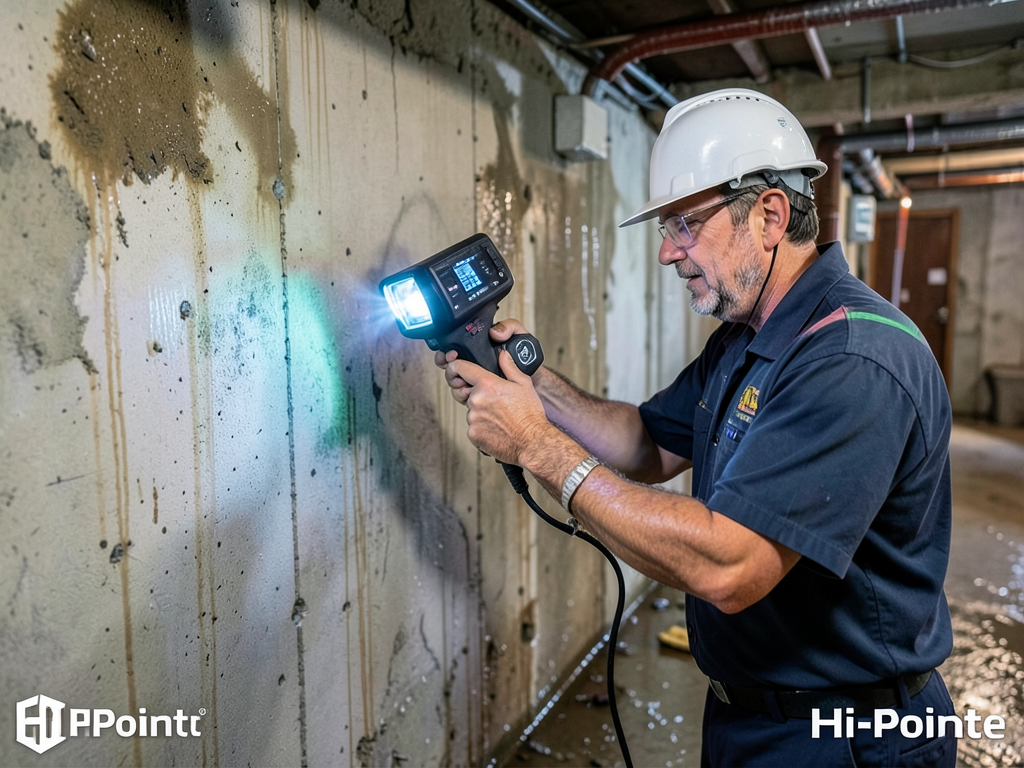
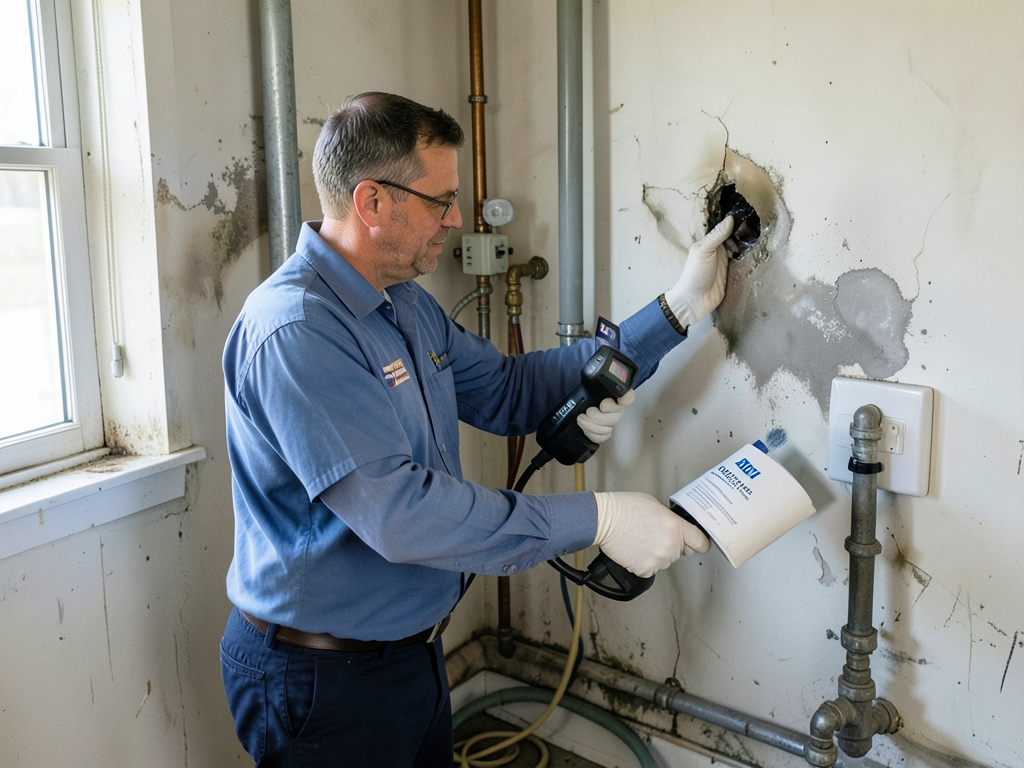
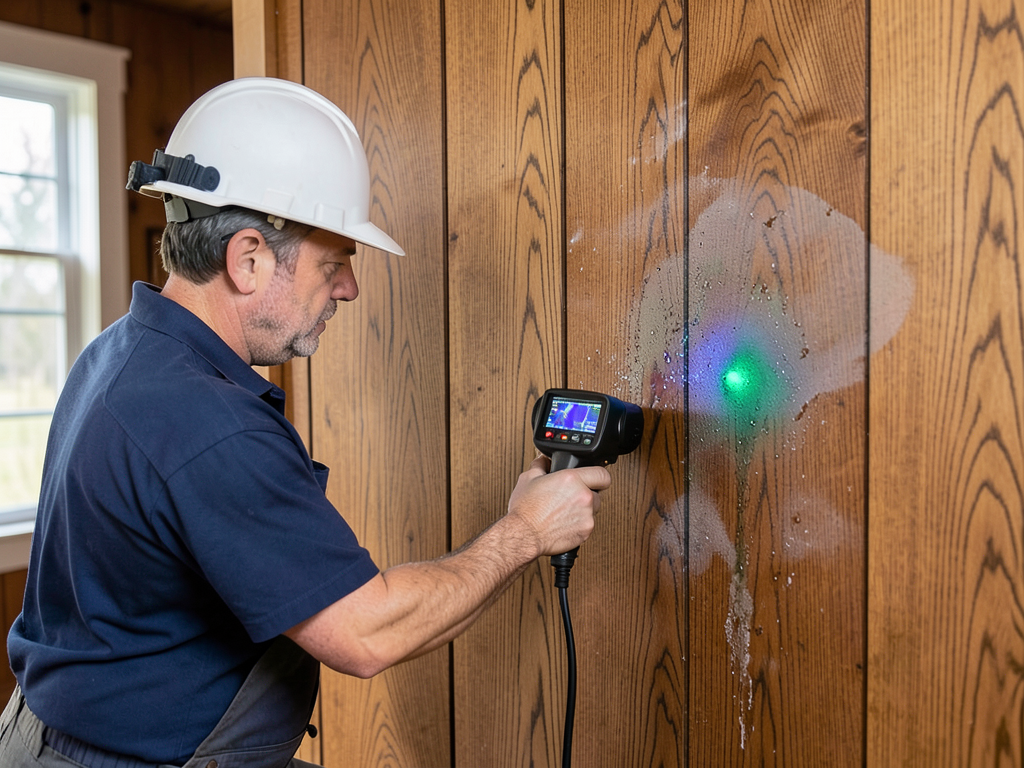
Patriot Water Damage Restoration St. Louis uses thermal imaging cameras that detect hidden moisture behind walls and under flooring. These FLIR readings create visual evidence that prevents adjusters from underestimating damage scope. We document moisture content percentages in structural materials using pin-type and pinless meters, establishing baseline readings before mitigation begins.

Our technicians photograph every affected area from multiple angles, including time-stamped images that establish damage progression. We document water category, whether clean supply line failures, contaminated appliance overflows, or black water sewage backups. This classification directly impacts your coverage limits and cleaning requirements.

We extract standing water and place air movers and dehumidifiers according to IICRC S500 standards, which most St. Louis adjusters recognize as industry protocol. Our daily moisture logs track drying progress, proving we mitigated damage promptly to prevent mold growth. This documentation counters claims that you failed to minimize losses, which can reduce or deny coverage.

When adjusters visit your property, we provide a detailed scope of work with line-item breakdowns. We include structural drying equipment costs, antimicrobial treatments, and material removal square footage. This transparency prevents lowball estimates that leave restoration work partially funded.

Navigating water restoration claims requires understanding Xactimate pricing, the software most insurance companies use to calculate repair costs. We submit estimates in the same format, using local St. Louis pricing modifiers that reflect our market conditions. This reduces disputes over labor rates and material costs that delay claim settlements. Our direct coordination with adjusters answers technical questions immediately, keeping your claim moving forward instead of stalled in review.

Your Water Damage Claim Support Process

How to Handle Insurance Claims in St. Louis – Expert Documentation and Direct Adjuster Coordination for Maximum Coverage
01

Emergency Contact and Documentation

You call us immediately when water damage occurs, and we dispatch a technician to your St. Louis property within 90 minutes. Our team begins thermal imaging and moisture mapping before extraction starts, creating the baseline documentation your insurer requires. We photograph water sources, affected materials, and initial damage extent while you contact your insurance company to file the claim notification.
02

Adjuster Coordination and Scope Agreement

We schedule our site visit to coincide with the adjuster inspection when possible, walking them through our findings and mitigation plan. Our technicians explain moisture readings, discuss necessary demolition, and answer questions about drying timelines. We submit a detailed Xactimate estimate that matches your policy coverage terms, including equipment costs, labor rates, and material specifications that meet St. Louis building codes.
03

Claim Settlement and Restoration

After your insurer issues the claim payment, we complete structural drying and begin reconstruction work. We provide daily updates on drying progress and final moisture verification reports that prove your property meets industry dry standards. Our detailed invoicing matches the approved scope, and we document any additional damage discovered during demolition, submitting supplemental claims when necessary to ensure complete coverage.

Why St. Louis Property Owners Trust Our Claim Documentation

Insurance adjusters respect documentation that follows IICRC S500 water damage restoration standards because it eliminates disputes about proper mitigation procedures. Patriot Water Damage Restoration St. Louis employs IICRC-certified technicians who understand the technical language adjusters use and the evidence they need to approve claims.

We have worked with every major insurance carrier operating in St. Louis, from State Farm and Allstate to regional providers like Shelter Insurance. This experience teaches us which documentation each carrier prioritizes and which claim objections they commonly raise. We anticipate these issues and address them in our initial reports.

St. Louis properties face specific challenges that out-of-town restoration companies miss. Homes in Soulard and Lafayette Square have limestone foundations that wick moisture differently than poured concrete. We document these material characteristics because they affect drying strategies and timeline estimates. Adjusters question timelines that do not account for these local building methods.

Our direct relationships with local insurance agents help resolve coverage questions before they become claim denials. When policy language creates ambiguity about whether damage falls under sudden failure or gradual deterioration exclusions, we provide technical explanations that support coverage eligibility. This advocacy prevents you from paying for damage your policy should cover.

We also understand Missouri-specific claim regulations, including the requirement that insurers respond to claims within 30 days and issue payments within 10 days of settlement agreements. When carriers delay unreasonably, we document these violations and inform you of your rights. Tips for water damage insurance claims include knowing when to escalate disputes to the Missouri Department of Insurance, and we guide you through that process when necessary.

What to Expect During the Insurance Claim Process

Immediate Response and Initial Assessment

We arrive at your St. Louis property within 90 minutes of your call, 24 hours a day, because delay compounds water damage and gives adjusters reason to question mitigation efforts. Our technicians complete thermal imaging and moisture mapping within the first hour, establishing the damage baseline before any water extraction begins. You receive preliminary documentation via email within four hours, which you can forward to your insurance company with your initial claim filing. This rapid response proves you took immediate action to minimize losses, which strengthens your claim position.

Comprehensive Moisture Detection and Mapping

Our assessment includes FLIR thermal imaging that reveals moisture hidden in wall cavities, under flooring, and above ceilings. We document moisture content percentages using calibrated meters, testing structural lumber, drywall, insulation, and subfloring materials. These readings create a moisture map that shows damage extent beyond what visible inspection reveals. Adjusters cannot dispute hidden damage when thermal images and meter readings provide objective proof. We test for moisture in areas that appear dry because St. Louis humidity causes water to migrate through porous materials, creating secondary damage that develops days after the initial event.

Detailed Photo and Video Documentation

We photograph every affected room from multiple angles, capturing water sources, damaged materials, and moisture intrusion patterns. Our technicians take close-up images of material degradation, including bubbling paint, warped flooring, and stained ceilings that indicate the water damage category and contamination level. Time-stamped photos establish the damage timeline, which matters when adjusters question how quickly damage progressed. We also video record the entire affected area, narrating our findings to create a permanent record of conditions. This documentation package gets uploaded to a secure portal you can access anytime and share with your insurance company.

Direct Adjuster Communication and Scope Agreement

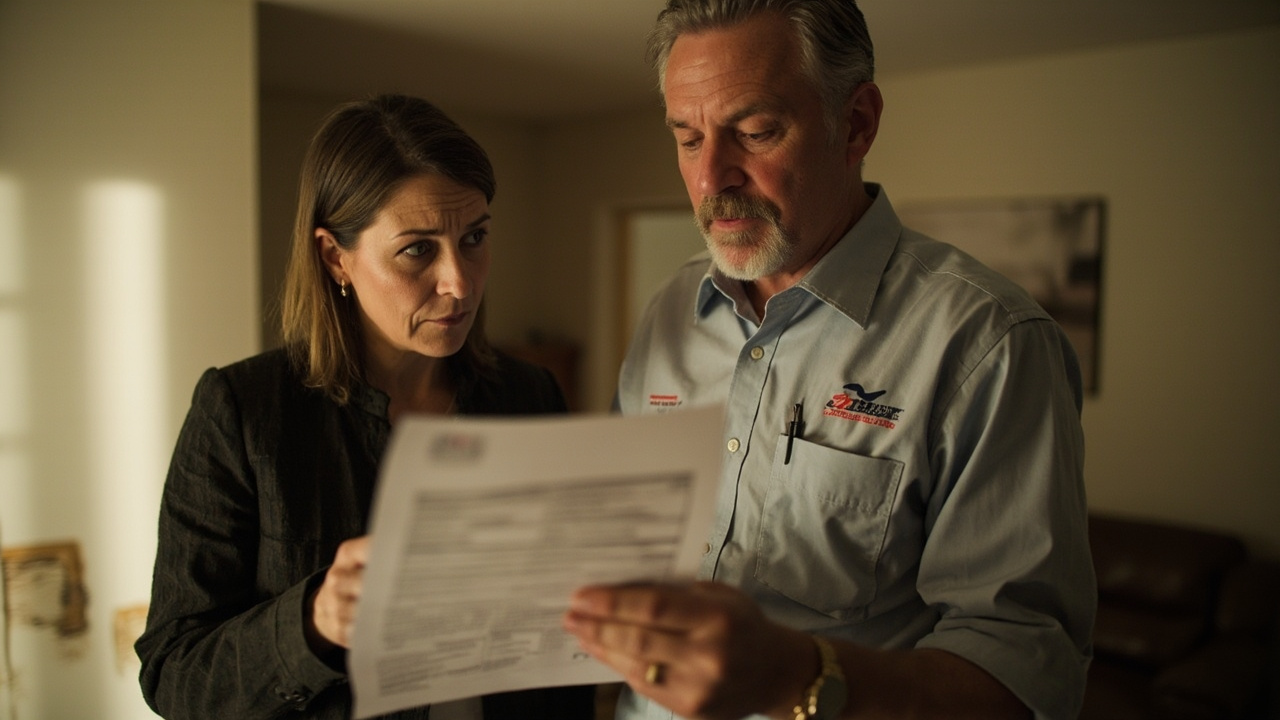
We coordinate directly with your insurance adjuster, scheduling joint inspections when possible to walk through our findings and mitigation plan. Our technicians explain technical aspects of water damage restoration, including why certain materials require removal and replacement rather than surface drying. We submit Xactimate estimates that match insurance industry standards, using local St. Louis pricing modifiers that reflect actual market costs for labor and materials. This transparency reduces disputes and accelerates claim approval. When adjusters question scope items, we provide technical justification based on IICRC standards, moisture readings, and material contamination levels.

Frequently Asked Questions

You Have Questions,
We Have Answers

What not to say during an insurance claim? +

Never admit fault or speculate about the cause of damage. Avoid phrases like "I think the pipe burst because I neglected maintenance" or "It's probably my fault." Do not exaggerate damage or provide inconsistent statements across different conversations. Stick to factual observations: when you discovered the damage, what you saw, and what immediate steps you took. In St. Louis, where basement flooding and storm damage are common, adjusters scrutinize statements closely. Let restoration professionals document findings. If you are unsure about a detail, say so. Your honesty protects your claim.

What are the 5 P's of insurance? +

The 5 P's guide proper insurance claims: Prepare by documenting all damage with photos and videos before cleanup. Protect your property from further harm by stopping leaks or securing openings. Preserve damaged items for adjuster inspection. Provide accurate information and complete documentation to your insurer. Persist with follow-up if your claim stalls or gets denied. St. Louis homeowners dealing with water damage should act fast on the first three P's, especially after severe thunderstorms or Mississippi River flooding events. Quick action prevents mold growth and strengthens your claim position.

What are the 3 D's of insurance claims? +

The 3 D's of insurance claims are Documentation, Diligence, and Disclosure. Documentation means photographing all damage, saving receipts, and keeping detailed records of conversations with your insurer. Diligence requires meeting all deadlines, following up regularly, and not letting your claim languish. Disclosure means providing complete, honest information about the loss. In St. Louis, where spring storms frequently cause roof and water damage, these principles matter. Missing documentation or delayed reporting can jeopardize payouts. Start documenting damage immediately, even before calling your insurer. Thorough records win disputed claims.

What is the 80% rule in insurance? +

The 80% rule means you must insure your property for at least 80% of its replacement value to receive full reimbursement for partial losses. If your home costs $300,000 to rebuild but you only carry $200,000 in coverage, you are underinsured. Your insurer will reduce payouts proportionally, even on smaller claims. St. Louis property values have climbed in neighborhoods like Clayton and the Central West End. Review your coverage annually. Construction costs post-pandemic have spiked. Being underinsured leaves you paying out of pocket after water damage or fire loss.

What's the biggest mistake people often make when dealing with an insurance claim? +

The biggest mistake is delaying the claim report. Many St. Louis homeowners wait days after discovering water damage, hoping it will dry on its own. This delay allows mold to grow, wood to warp, and drywall to crumble. Insurers view late reporting suspiciously. They may question whether new damage occurred or if you contributed to the loss through neglect. Report damage within 24 hours. Document everything immediately. Start mitigation to prevent further harm. Waiting costs you coverage, increases repair bills, and weakens your negotiating position with adjusters.

What are the 7 rules of insurance? +

The 7 rules of insurance are utmost good faith, insurable interest, indemnity, subrogation, contribution, proximate cause, and loss minimization. Utmost good faith means both parties act honestly. Insurable interest requires you to have a financial stake in the property. Indemnity restores you to your pre-loss condition, not profit. Subrogation lets insurers pursue third parties responsible for damage. Contribution applies when multiple policies cover the same loss. Proximate cause identifies the direct reason for damage. Loss minimization obligates you to prevent further harm after an incident. These principles govern every claim in St. Louis.

How St. Louis Clay Soil and Seasonal Flooding Affect Water Damage Claims

St. Louis sits on expansive clay soil that swells when saturated and shrinks during dry periods, creating foundation movement that cracks basement walls and separates floor joints. After spring storms that saturate the ground, hydrostatic pressure forces water through these foundation cracks and up through floor drains. Insurance adjusters frequently dispute whether this water intrusion constitutes covered sudden damage or excluded groundwater seepage. Proper documentation requires showing the water source, entry point, and rapid accumulation that proves sudden failure rather than gradual infiltration. Homes near the River Des Peres and in flood-prone areas like Lemay face additional scrutiny because adjusters assume any basement water comes from external sources that policies exclude.

Patriot Water Damage Restoration St. Louis understands how local adjusters evaluate claims in different neighborhoods and building types. We know which documentation Missouri insurance regulators consider sufficient proof of covered losses and which gaps in evidence lead to claim denials. Our technicians receive ongoing training in Missouri insurance claim requirements and IICRC restoration standards that adjusters recognize as industry best practices. This local expertise means we speak the same technical language as adjusters while advocating for complete coverage of your legitimate damages. When you work with restoration companies unfamiliar with St. Louis construction methods and local claim practices, you risk inadequate documentation that leaves you paying for damage your policy should cover.
Water Damage Restoration Services in The St. Louis Area

We are proud to be the trusted local choice for water damage restoration across the greater St. Louis region. This map highlights our primary service zone, demonstrating our commitment to rapid, localized response across every neighborhood and business district within the area. We invite all users to view our service area and then contact us directly for immediate deployment to your specific address within the St. Louis community.

Address:
Patriot Water Damage Restoration St. Louis, 710 N Tucker Blvd, St. Louis, MO, 63101

Additional Services We Offer

Our news updates

Latest Articles & News from The Blogs

What to Do When Your Water Softener Leaks and Floods Your Affton Utility Room A leaking water softener can release…

What to Do When Your Water Softener Leaks and Floods Your Affton Utility Room

What to Do When Your Water Softener Leaks and Floods Your Affton Utility Room A leaking water softener can release…

Restoring a Water Damaged Mid-Century Modern Home in Warson Woods

Restoring a Water Damaged Mid-Century Modern Home in Warson Woods Water damage in a mid-century modern home requires specialized knowledge…

Why Your Walk-Out Basement in Hi-Pointe is Vulnerable to Heavy Rain Runoff

Why Your Walk-Out Basement in Hi-Pointe is Vulnerable to Heavy Rain Runoff Your walk-out basement in Hi-Pointe faces unique flooding…

Contact Us

Call Patriot Water Damage Restoration St. Louis at (314) 428-9977 right now for immediate response and complete claim documentation. We coordinate directly with your adjuster to maximize coverage and minimize your out-of-pocket costs. Our technicians arrive within 90 minutes with professional moisture detection equipment and start building the evidence your claim requires.