menu

Soggy Insulation in St. Louis – Expert Diagnosis and Complete Removal Before Mold Takes Over

We identify the water source, extract saturated insulation from crawl spaces and attics across St. Louis, and restore thermal barriers before structural decay or respiratory health risks escalate in your home.

Slider Image 1
Slider Image 2
Slider Image 3
Slider Image 4
Slider Image 5
Slider Image 7
Slider Image 8
Slider Image 9
Slider Image 10
Slider Image 11

Why Soggy Insulation Is a Bigger Problem in St. Louis Than You Think

You walk into your basement after a storm and notice a musty smell. You pull back a ceiling tile in your crawl space and find soaked insulation dripping onto the floor. Or you climb into the attic and step on damp fiberglass that compresses under your weight. That soggy insulation is not just wet. It is a countdown clock to mold, rot, and structural failure.

St. Louis sits at the confluence of the Mississippi and Missouri Rivers. High humidity levels average 70 percent in summer months. When roof leaks, plumbing failures, or foundation seepage introduce water into your insulation, the moisture does not evaporate quickly in this climate. It lingers. Wet insulation loses its R-value immediately. You pay more to heat and cool your home while saturated fiberglass or cellulose presses against your rafters, joists, and electrical wiring.

Damp insulation also becomes a breeding ground for mold spores within 24 to 48 hours. Once mold colonizes the material, the problem spreads to adjacent framing, drywall, and HVAC ducts. Water damaged insulation in your attic can drip onto ceilings below. Soaked insulation in your crawl space can wick moisture into floor joists and subfloors. The longer you wait, the more invasive the remediation becomes.

Many homeowners in historic neighborhoods like Soulard and Lafayette Square deal with older roofing systems, cast iron plumbing, and limited crawl space ventilation. These factors compound the risk. If you see sagging insulation, discoloration, or detect a persistent odor, you are already behind the curve. The issue requires immediate removal and drying, not a wait-and-see approach.

Why Soggy Insulation Is a Bigger Problem in St. Louis Than You Think
How We Extract and Replace Soggy Insulation Without Spreading Contamination

How We Extract and Replace Soggy Insulation Without Spreading Contamination

We do not patch wet insulation or leave it to dry in place. Water damaged insulation must be removed, the source of moisture eliminated, and the affected cavity dried to less than 15 percent moisture content before new material goes in. Anything less is a temporary fix that invites recurrence.

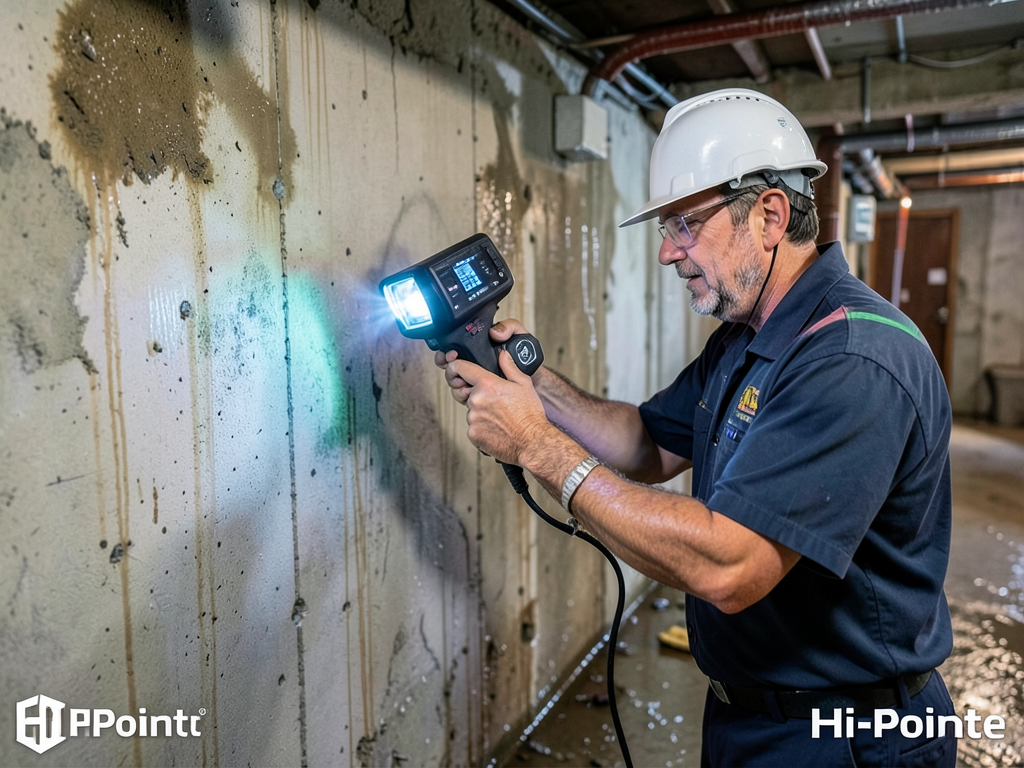
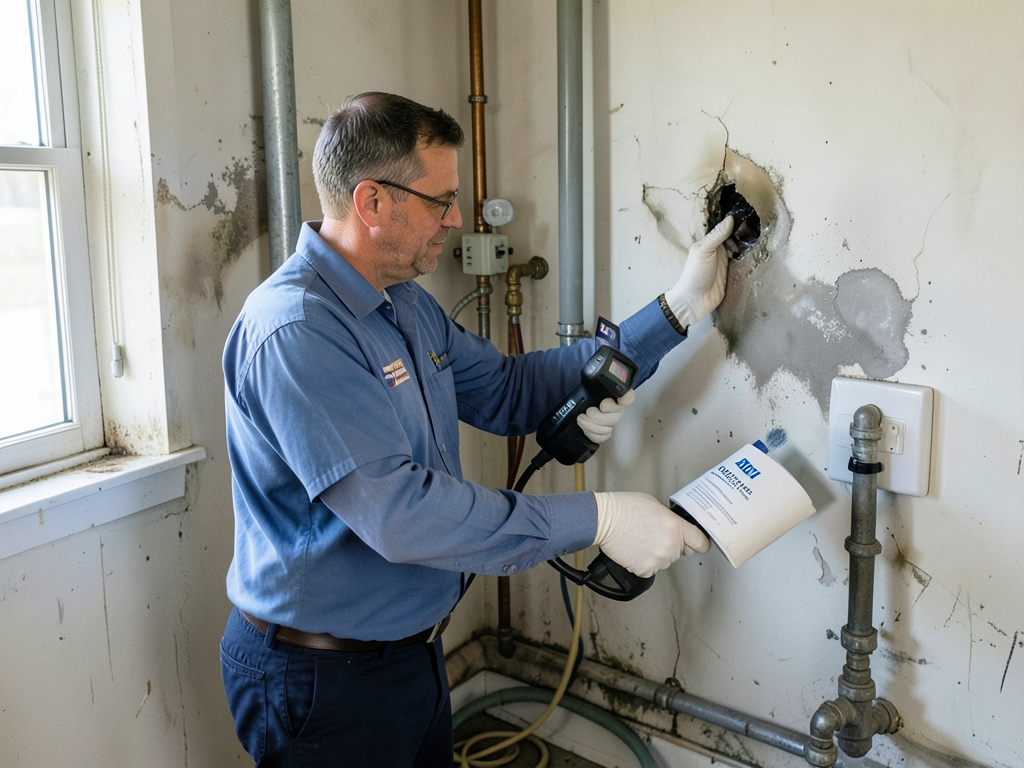
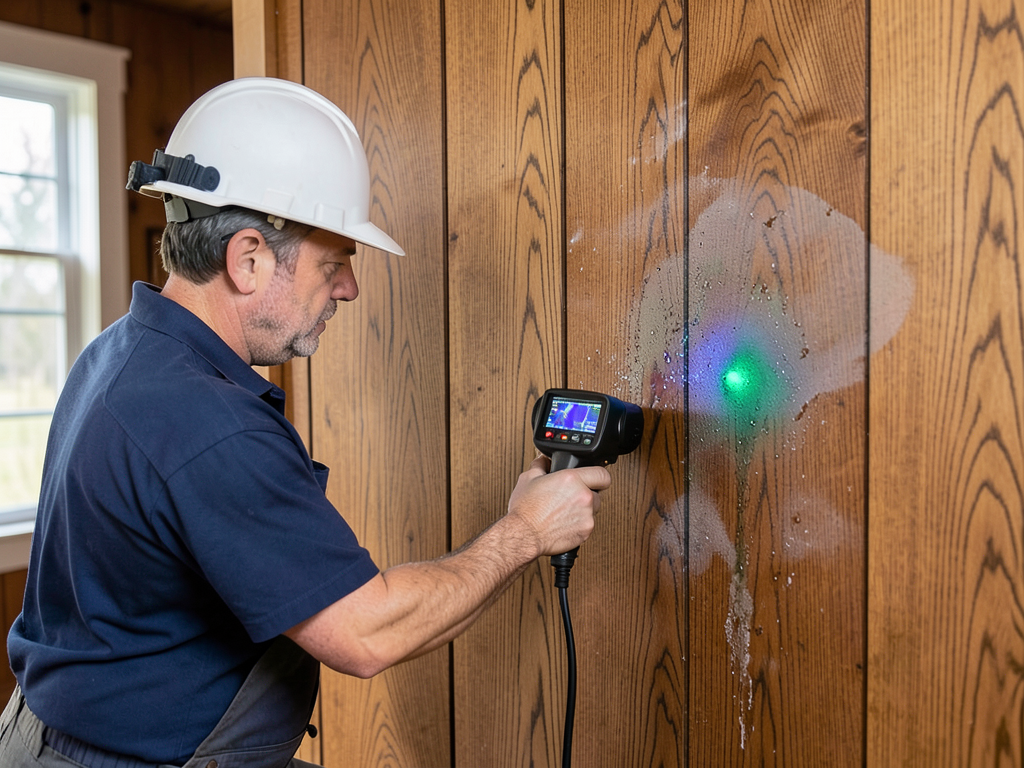
Our technicians begin with moisture mapping using thermal imaging cameras and pin-type moisture meters. We trace the water intrusion to its origin, whether that is a leaking supply line, a failed roof penetration, or groundwater seepage through your foundation. We document the extent of saturation and identify secondary damage to framing, electrical, and HVAC components.

Next, we establish containment barriers using polyethylene sheeting and negative air pressure. This prevents mold spores and debris from migrating into occupied areas during removal. We extract the soggy insulation in sealed bags and dispose of it according to Missouri Department of Natural Resources guidelines. If mold is present, we apply EPA-registered antimicrobial treatments to exposed surfaces and verify kill rates with post-remediation testing.

We then deploy commercial dehumidifiers, air movers, and HEPA filtration units to bring the cavity to equilibrium. We monitor daily moisture readings until the environment is stable. Only then do we reinstall insulation, matching or exceeding the original R-value. We use closed-cell spray foam, blown-in fiberglass, or batt insulation depending on the application and your building code requirements.

We also address the root cause. If your plumbing is leaking, we coordinate with licensed plumbers. If your roof is compromised, we refer trusted roofers. We do not just treat the symptom. We eliminate the failure point so the problem does not return six months later.

What Happens When You Call Us About Soggy Insulation

Soggy Insulation in St. Louis – Expert Diagnosis and Complete Removal Before Mold Takes Over
01

Emergency Assessment and Containment

We arrive within hours, assess the moisture distribution using infrared scanning and moisture meters, and establish containment barriers to prevent cross-contamination. You get a clear scope of the damage, the source of the water intrusion, and a written estimate before we begin removal. We answer your insurance questions and provide documentation your adjuster needs to process your claim without delay.
02

Insulation Removal and Structural Drying

Our team extracts all saturated insulation, applies antimicrobial treatment to exposed framing and sheathing, and deploys industrial drying equipment. We monitor moisture levels daily and adjust airflow and dehumidification to accelerate evaporation. We do not guess. We verify dryness with calibrated meters and thermal imaging before we move to the next phase. You get a stable, mold-free cavity ready for new insulation.
03

Insulation Replacement and Final Verification

Once drying is complete, we install new insulation to code-compliant R-values, seal air gaps, and restore your thermal envelope. We conduct a final moisture check, photograph the completed work, and provide you with a detailed report for your records. You also receive maintenance recommendations to prevent recurrence, including gutter maintenance, plumbing inspections, and ventilation upgrades if applicable to your property.

Why St. Louis Homeowners Choose Patriot Water Damage Restoration for Soggy Insulation Removal

You need a team that understands the specific challenges of water intrusion in St. Louis homes. We have worked in every type of structure, from brick bungalows in Tower Grove South to split-level ranches in Affton. We know how cast iron drain stacks corrode, how flat roofs pond water, and how poor crawl space grading allows groundwater to seep into your foundation.

We also understand the urgency. Soggy insulation is not a cosmetic issue. It is a health hazard and a structural risk. We respond fast, work methodically, and communicate clearly. You will not get vague timelines or surprise charges. We provide upfront pricing, insurance coordination, and documentation that satisfies even the most detail-oriented adjusters.

Our technicians hold IICRC certifications in water damage restoration and applied structural drying. We use calibrated equipment, not guesswork. We follow ANSI/IICRC S500 standards for water damage restoration and S520 standards for mold remediation when applicable. We do not cut corners, and we do not leave you with a half-fixed problem.

We also coordinate with other trades when needed. If your plumbing or roofing requires attention, we connect you with licensed contractors we trust. We stay on-site to manage the process so you do not juggle multiple vendors. You get a single point of contact and a complete solution.

Finally, we are local. We live in St. Louis, we serve St. Louis, and we know the building stock, the weather patterns, and the common failure points. When you call Patriot Water Damage Restoration St. Louis, you get a team that treats your home like it is our own. We do not franchise. We do not subcontract. We show up, do the work right, and make sure you are satisfied before we leave.

What to Expect When You Hire Us for Soggy Insulation Removal

Fast Response and Immediate Containment

We dispatch a crew within two to four hours of your call. We know that water damaged insulation degrades rapidly, and mold colonization begins within 24 to 48 hours. Our technicians arrive with containment materials, moisture detection equipment, and a clear plan of action. We assess the damage, establish barriers to prevent spore migration, and begin extraction the same day. You do not wait days for a quote. We move immediately to stop the problem from spreading.

Thorough Moisture Detection and Source Identification

We do not just pull out wet insulation and call it done. We use thermal imaging cameras and moisture meters to trace the water intrusion to its source. We check for leaking supply lines, compromised flashing, cracked foundation walls, and failed vapor barriers. We document the extent of saturation in floor joists, wall studs, and sheathing. You get a written report that identifies the root cause and the full scope of damage. This is critical for insurance claims and for preventing recurrence.

Complete Drying and Professional Insulation Reinstallation

Once we remove the soggy insulation and treat the affected surfaces, we deploy commercial-grade dehumidifiers, air movers, and HEPA filters. We monitor moisture levels daily and adjust equipment placement to maximize evaporation. When the cavity reaches less than 15 percent moisture content, we install new insulation to match or exceed your original R-value. We seal air gaps, restore vapor barriers, and ensure your thermal envelope is intact. You get a fully restored space, not a patched-over mess.

Documentation and Insurance Coordination

We photograph every stage of the process, from initial damage assessment to final reinstallation. We provide detailed invoices, moisture logs, and completion reports that meet insurance company requirements. We work directly with your adjuster to streamline the claims process and reduce your out-of-pocket costs. If your policy covers the damage, we help you maximize your claim. If you are paying privately, we offer transparent pricing with no hidden fees. You get the documentation you need to move forward with confidence.

Frequently Asked Questions

You Have Questions,
We Have Answers

Will wet insulation ever dry out? +

Wet insulation can dry out, but it depends on the type and severity. Fiberglass and cellulose insulation rarely dry properly. These materials compress when wet and lose their insulating value. St. Louis humidity makes natural drying even slower. Even if the surface dries, moisture trapped inside creates mold growth. Spray foam may dry if the water source stops quickly, but fiberglass and cellulose usually need replacement. Leaving wet insulation in place risks structural damage to your joists and drywall. Professional assessment determines if drying is possible or if removal is necessary to protect your home.

Will mold grow in wet insulation? +

Yes, mold grows quickly in wet insulation. St. Louis humidity accelerates this process. Fiberglass and cellulose insulation trap moisture and provide organic material mold needs. Mold can start growing within 24 to 48 hours after water exposure. The dark, damp environment in attics and crawl spaces creates perfect conditions. You may not see visible mold immediately, but spores spread through your HVAC system. Once mold establishes itself in insulation, removal is the only solution. Drying alone will not kill existing mold colonies. Fast action prevents mold from spreading to your structural framing and living spaces.

How to fix wet insulation? +

Fixing wet insulation starts with stopping the water source. Identify and repair roof leaks, plumbing failures, or foundation seepage. Remove soaked insulation immediately, as it rarely recovers. Fiberglass and cellulose must be replaced after water damage. Dry the affected area completely using fans and dehumidifiers. St. Louis humidity requires professional drying equipment to reach safe moisture levels. Inspect framing and drywall for damage or mold. Treat any mold growth before installing new insulation. Choose moisture-resistant options for areas prone to leaks. Professional restoration ensures thorough drying and prevents future mold problems in your home.

How long does it take for mold to grow on wet insulation? +

Mold can start growing on wet insulation within 24 to 48 hours. St. Louis heat and humidity speed up this timeline. Temperature, moisture level, and insulation type affect growth rate. Organic materials like cellulose provide immediate food sources for mold spores. Fiberglass holds moisture between its fibers, creating damp pockets. You may not see visible mold for several days, but microscopic growth begins fast. Basements and crawl spaces with poor ventilation accelerate colonization. Every hour counts after water damage. Quick removal of wet insulation prevents mold from spreading to structural wood and drywall throughout your property.

How long does it take wet insulation to dry an attic? +

Wet insulation in a St. Louis attic can take weeks to months to dry completely, and it often never dries properly. High summer humidity slows evaporation. Fiberglass and cellulose compress when wet, trapping moisture inside. Attic ventilation helps but rarely provides enough airflow. Even if the surface feels dry, moisture remains deep in the material. This creates ongoing mold risk. Professional drying equipment cuts time significantly but does not guarantee full recovery. Most water damage professionals recommend removal rather than waiting. Leaving wet insulation risks ceiling damage, mold spread, and compromised thermal performance that increases your energy costs.

Does insulation need to be replaced after water damage? +

Yes, insulation almost always needs replacement after water damage. Fiberglass and cellulose lose their insulating properties when wet. These materials compress and cannot regain their original thickness or R-value. Mold growth starts within 48 hours, making contaminated insulation a health risk. St. Louis humidity prevents proper drying. Even if insulation appears dry on the surface, trapped moisture remains. Wet insulation also damages surrounding materials like drywall and framing. Spray foam may survive minor exposure, but prolonged soaking requires removal. Professional inspection determines the extent of damage. Replacement protects your indoor air quality and prevents structural decay in your home.

Why is it hard to sell a house with spray foam insulation? +

Spray foam insulation creates concerns for home buyers and lenders in St. Louis. Improper installation can hide roof leaks, electrical issues, or structural problems from inspectors. Some buyers worry about removal difficulty during future renovations. Lenders may require additional inspections or appraisals. Spray foam applied directly to roof decking eliminates attic ventilation, which concerns traditional building inspectors. Off-gassing from poor installation creates odor complaints. However, professionally installed spray foam increases energy efficiency and home value. Disclosure and documentation help. If you installed quality spray foam properly, educate buyers on the benefits. Many informed buyers see it as an upgrade.

What are the symptoms of insulation sickness? +

Insulation sickness occurs when contaminated insulation releases particles or mold into your air. Symptoms include respiratory irritation, persistent coughing, wheezing, and shortness of breath. You may experience headaches, fatigue, and sinus congestion. Skin rashes and eye irritation are common. Water-damaged insulation amplifies these symptoms through mold growth. St. Louis humidity worsens air quality issues. Fiberglass particles irritate lungs when insulation degrades. If symptoms improve when you leave home and return when you come back, insulation contamination may be the cause. Professional air quality testing identifies the source. Removing contaminated insulation resolves most symptoms quickly.

What are the 10 warning signs of mold toxicity? +

Mold toxicity from water-damaged insulation shows specific warning signs. Watch for chronic fatigue that rest does not fix, brain fog, and difficulty concentrating. You may experience memory problems and mood swings. Physical symptoms include persistent headaches, joint pain without injury, and unexplained muscle aches. Respiratory issues like chronic coughing, sinus infections, and shortness of breath are common. Skin rashes, numbness, and tingling in extremities occur in severe cases. Digestive problems and increased urination may develop. St. Louis homes with basement moisture or roof leaks face higher risk. If multiple household members show symptoms, test for mold immediately. Professional remediation eliminates the source.

What does water damaged insulation look like? +

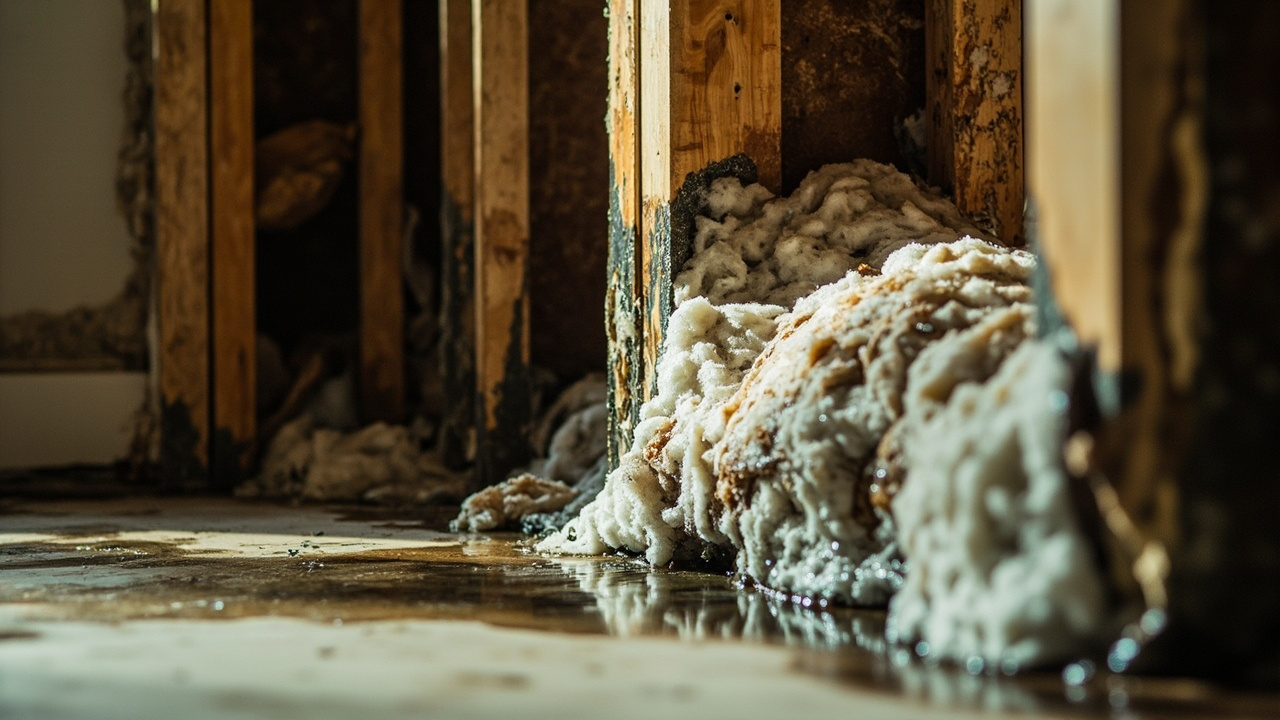
Water-damaged insulation shows clear visual signs. Fiberglass appears compressed, matted, and discolored with yellow or brown stains. You may see visible mold growth as black, green, or white patches. Cellulose insulation clumps together and sags from ceiling joists. The material feels heavy and damp to touch. St. Louis attics often show water lines or dark streaks on insulation batts. You may smell musty, earthy odors even without visible mold. Spray foam may show discoloration or soft spots. Check for wet drywall or wood framing nearby. Standing water or dampness confirms active leaks requiring immediate professional attention.

How St. Louis Humidity and Aging Housing Stock Accelerate Soggy Insulation Damage

St. Louis experiences high summer humidity, frequent spring storms, and aging infrastructure in neighborhoods like South City and North County. When roof leaks or plumbing failures occur, moisture does not evaporate quickly in this climate. It saturates fiberglass batts, cellulose fill, and closed-cell foam. Older homes built before 1960 often lack proper vapor barriers and crawl space ventilation. This creates ideal conditions for water damaged insulation to degrade, compress, and harbor mold colonies. You cannot wait for insulation to dry on its own in this environment. Proactive removal and drying are the only solutions that prevent long-term structural damage and respiratory health risks.

Patriot Water Damage Restoration St. Louis understands the building codes, climate variables, and construction methods common to this region. We have worked on Victorian-era homes in Shaw, mid-century ranches in Webster Groves, and modern builds in Wildwood. We know where water intrusion typically occurs, how local contractors installed insulation in different decades, and what materials hold up best in our humid summers and cold winters. When you hire us, you get a team that knows St. Louis construction inside and out. We do not apply generic remediation protocols. We tailor our approach to your specific property and the unique challenges of this metro area.
Water Damage Restoration Services in The St. Louis Area

We are proud to be the trusted local choice for water damage restoration across the greater St. Louis region. This map highlights our primary service zone, demonstrating our commitment to rapid, localized response across every neighborhood and business district within the area. We invite all users to view our service area and then contact us directly for immediate deployment to your specific address within the St. Louis community.

Address:
Patriot Water Damage Restoration St. Louis, 710 N Tucker Blvd, St. Louis, MO, 63101

Additional Services We Offer

Our news updates

Latest Articles & News from The Blogs

What to Do When Your Water Softener Leaks and Floods Your Affton Utility Room A leaking water softener can release…

What to Do When Your Water Softener Leaks and Floods Your Affton Utility Room

What to Do When Your Water Softener Leaks and Floods Your Affton Utility Room A leaking water softener can release…

Restoring a Water Damaged Mid-Century Modern Home in Warson Woods

Restoring a Water Damaged Mid-Century Modern Home in Warson Woods Water damage in a mid-century modern home requires specialized knowledge…

Why Your Walk-Out Basement in Hi-Pointe is Vulnerable to Heavy Rain Runoff

Why Your Walk-Out Basement in Hi-Pointe is Vulnerable to Heavy Rain Runoff Your walk-out basement in Hi-Pointe faces unique flooding…

Contact Us

Soggy insulation will not fix itself. Call (314) 428-9977 now for emergency assessment and same-day removal. Patriot Water Damage Restoration St. Louis responds fast, works clean, and restores your home to safe, dry conditions. Do not wait for mold to spread.